

Reviewed · SAMURAI & NINJA EXPERIENCES
Tokyo: Samurai Sword & Archery Class from Samurai Descendant
Can you really cut while moving? This 3-hour class with Yoshioki Sumida blends Iai sword technique with moving cuts, sparring, and horseback archery taught like real dojo training, not a staged show. I love the hands-on corrections that help you feel what correct stance and timing mean, and I love how the instruction links sword skills to the samurai weapon timeline. A possible drawback: it is $193, so you should be ready to commit mentally and physically.
You start with a lecture and then move quickly into practice: mock-sword Iai, gekken timing and sparring with a practice sword, plus target slashing that tests control while you move. Then you try a real Japanese horseback archery longbow, with bow work that feels very different from most western-style archery.
Logistics are straightforward but serious. The class caps at 15 people, and the safety rules are strict, so it is not for everyone, especially if you have back or heart problems.
Key highlights to look forward to
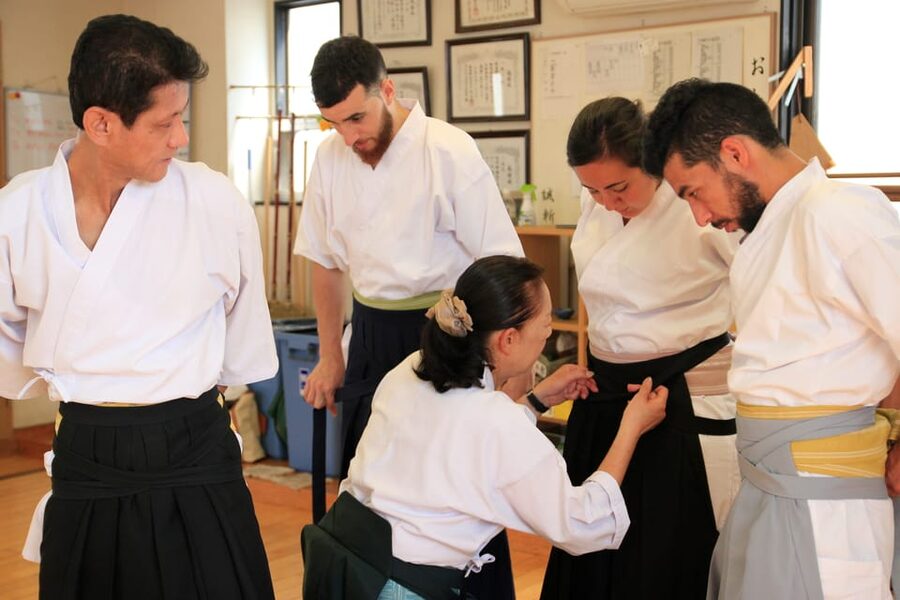
- Dojo-grade sword training: Iai form work, then gekken timing, defense, and sparring with a practice sword
- Moving cuts that are genuinely hard: slashing multiple targets while you reposition is where most people feel the challenge
- Horseback archery with a real bow: you shoot using Japanese traditional horseback archery equipment
- A blade-line practice moment: you get specific drills that train visual alignment and discipline
- A master teaching both arts: swordsmanship and horseback archery from the same instructor, with a Toyama-ryu demo too
Sword Slashes, Horseback Archery, one 3-hour Dojo Session
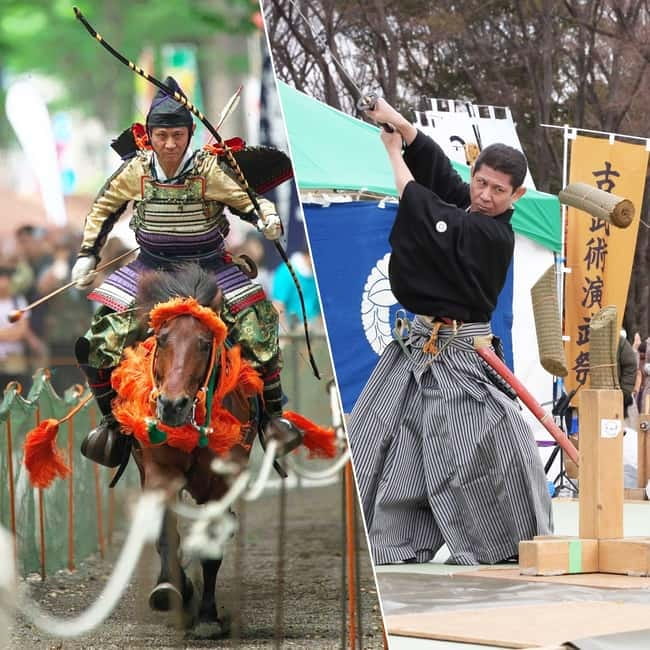
If you think samurai training is all about movie poses, this class is the reality check. You get a structure that feels like a traditional lesson plan, with instruction that focuses on what to do, what not to do, and why form matters.
You will spend the early part on sword basics, then shift into sparring range and cutting drills. The highlight for many people is how much harder it is than it looks: slashing targets while moving takes timing, balance, and control, not just arm strength.
The archery portion is the second surprise. When you shoot with a Japanese-style horseback archery bow, you feel the shape and technique differences immediately. Even if you have tried archery before, you will likely notice that this is trained for a different kind of shooting and positioning.
More Samurai & Ninja Experiences in Tokyo
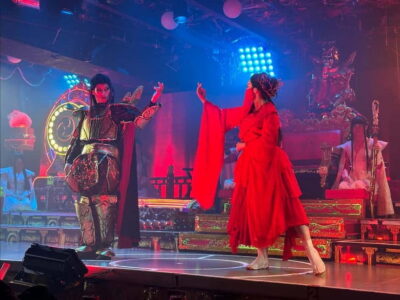
- Tokyo: Samurai Restaurant Show Ticket with 2 Drinks
★ 4.5 · 1,307 reviews - Tokyo: Samurai Ninja Museum Guided tour and Experience
★ 4.6 · 1,010 reviews - Best Samurai Experience in Tokyo
★ 5.0 · 458 reviews
Where the class meets at Toyama-ryu Bizen-kai near Machida Station
You meet at Toyama-ryu Bizen-kai, and it is about a 10-minute walk from JR Machida Station. The dojo is on the third floor, so plan for stairs.
The direction that matters: use the stairs at the back between the sword shop and the vending machines on the first floor to reach the third floor. If you arrive confused, ask staff to point you to the third floor route, then double-check you are at the correct dojo.
This matters for your enjoyment. When you show up on time and settled, you can focus on the warm-up, the rules, and the first form corrections instead of rushing.
Uniform fitting, safety rules, and who should skip this
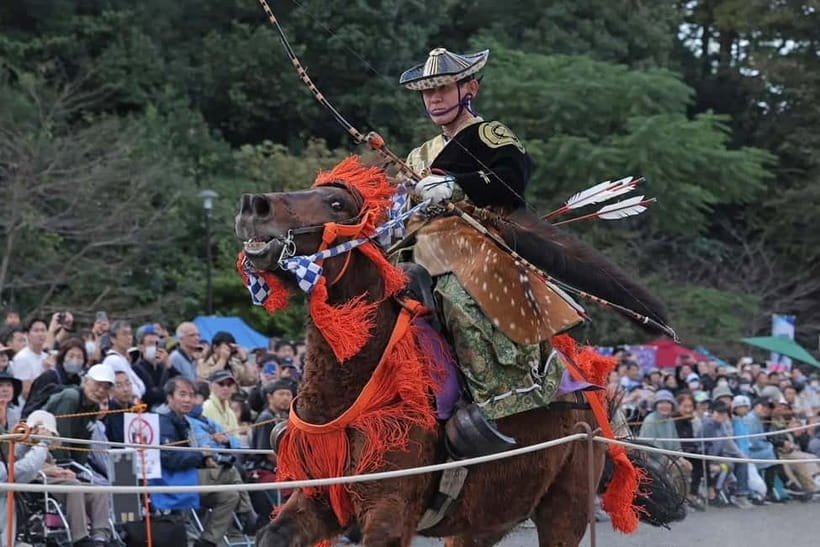
You are provided practice uniform, but you do need to give your height and weight for sizing. When you book, you will be asked for that information, and it makes the training more comfortable and safer.
This is not a casual hands-on experience. The class lists clear limitations. It is not suitable for pregnant women, people with back problems, mobility impairments, heart problems, wheelchair users, children under 18, people with epilepsy, or visually impaired people.
There is also a note about youth participation: children under 18 may participate with parental permission and supervision, but they need the muscle strength to swing the sword. If you are traveling with a teen, message the organizer first so you understand how they handle eligibility in practice.
One more reality check: you should expect soreness. This is active training, and the corrections can require you to repeat motions until you get them right.
The opening lecture and samurai weapon timeline that actually helps
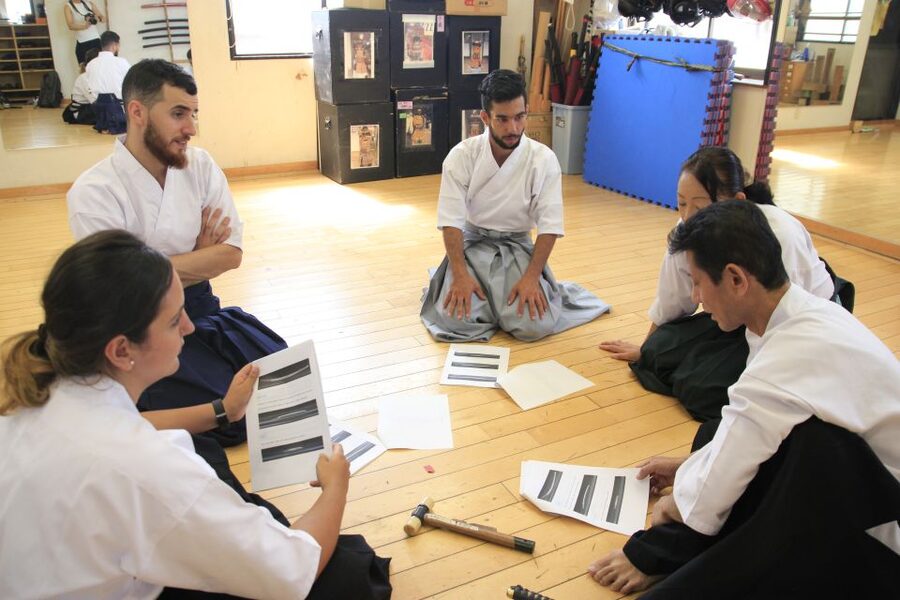
The class begins with a short lecture when you arrive. You get context for what you are about to do, including how Japanese swords and their use fit into samurai life.
One piece that sticks for many people is the weapon timeline. You hear how the bow was the main weapon long ago, how the matchlock gun became powerful later, and how after the civil war ended the sword became the primary weapon again. That timeline gives you a reason behind the training focus, not just a list of facts.
You also learn about etiquette and basics before you start swinging. That matters because this is a dojo environment, even though the class language support includes English.
Also, the instructor explains details that help you notice what movies get wrong. You can expect corrections aimed at safety and accuracy, not theatrics.
More samurai and ninja experiences in Tokyo:
- Ninja Experience (Family Friendly) at Samurai Ninja Museum TOKYO
★ 5.0 · 441 reviews - Tokyo: Samurai Entertainment Night Show in Kanda Shrine
★ 4.6 · 417 reviews - Tokyo Sword Experience – includes Museum Ticket/Ninja Experience
★ 5.0 · 314 reviews - Samurai Ninja Museum Asakusa: Samurai Sword Lesson & Tour
★ 4.8 · 306 reviews
Iai lesson: mock sword technique, proper handling, and blade-line focus
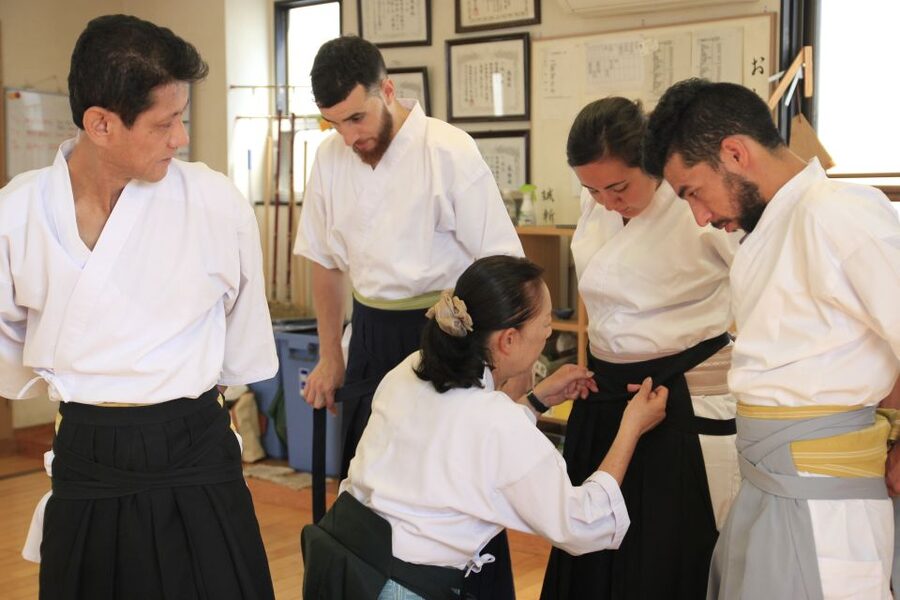
The Iai lesson is your foundation block. You use a mock sword and learn how to handle and swing it with correct technique.
Iai is where you slow down and get your body to do the right things on purpose. That is why this phase is important for beginners and experienced martial artists alike. If you skip this part, your later cutting and sparring will feel chaotic because the basics are not set.
You will also do a blade-line check activity. The goal is visual alignment, training you to think about the sword path and line, not just the swing. Even if you have never thought about blade alignment before, you will feel why instructors care about it when corrections come quickly.
Because instruction is hands-on, you might hear the same concept in different ways until it clicks. Many people say the instructor corrects form kindly but firmly, which is exactly what you want in a skill class.
Gekken sparring and practice cutting, plus why moving cuts are the real test
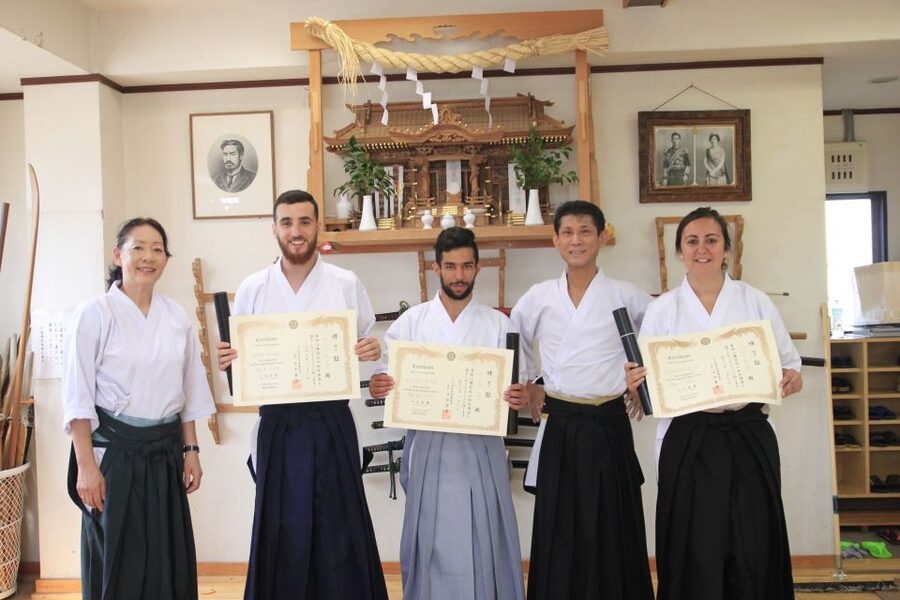
After Iai basics, the lesson shifts into gekken. In simple terms, you learn timing of attack and defense, then you practice in sparring with a practice sword.
This is where you stop thinking purely about technique and start thinking about distance and timing. The class is structured so you learn safe, controlled ways to test your reactions without turning it into a chaotic brawl.
Then comes the part people talk about most: cutting targets while moving. The difficulty is the point. You are not just swinging. You are repositioning while maintaining form and control.
It is also why this class is better for people who like physical tasks. If you prefer passive watching, you will probably find it tiring and intense.
If you bring a camera, you will want to be realistic too. You can take photos and videos during the class, but you should be ready for moments when your hands need to focus, not film.
Horseback archery practice with a Japanese traditional longbow
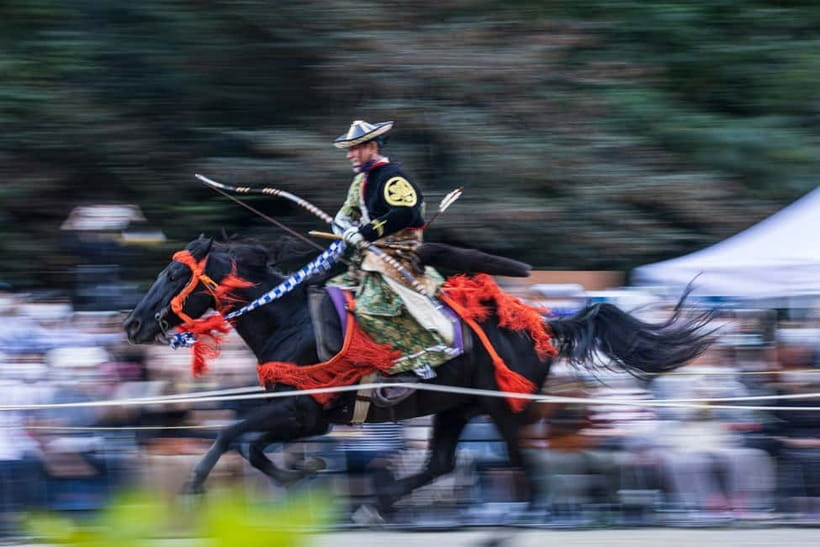
Then you switch gears from sword work to archery. You try shooting arrows using a real horseback archery bow.
Even without riding, horseback archery training has its own logic. Your body positioning, draw feel, and aiming approach are different from many modern recurve or compound setups.
A practical note if you care about photos or video: for the bow and arrow section, you might find a wide lens is helpful for capturing the full scene, since you are shooting and the view can feel different than in the sword space.
If you are left-handed, plan to adjust. One traveler noted the class uses right-handed training orientation, so left-handers might need extra adaptation during archery. That is not a reason to skip, just a reason to go in with patience.
The Toyama-ryu demo and the value of dojo culture
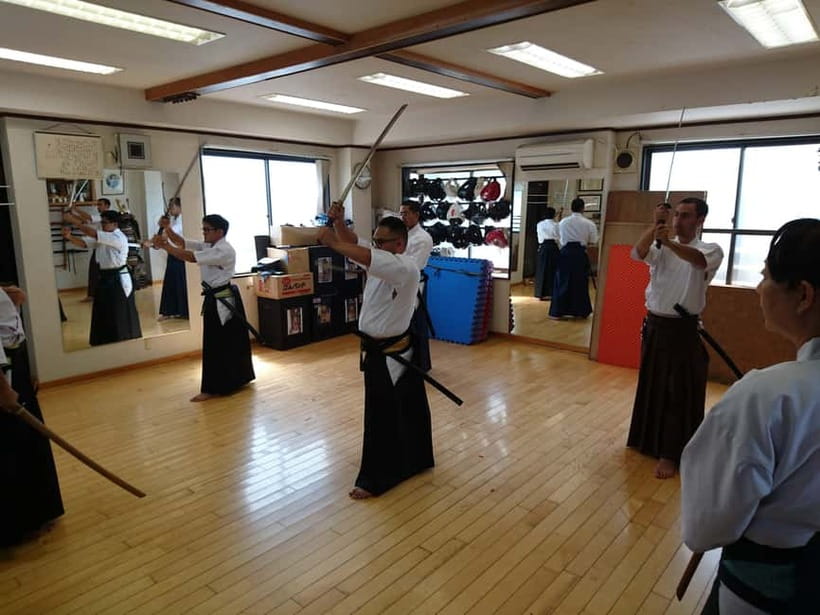
You get to see a live demonstration of Toyama-ryu 7th grade. This gives you a sense of where the style comes from and what the training aims for.
This is not just spectacle. It is a way to connect your practice to a tradition that continues through real students and instruction.
The class is run like training. Instructors emphasize that this is not entertainment. You should expect discipline, clear safety cues, and repeated practice of the same core ideas until you understand them.
If you like cultural context, this is the right kind. You learn about traditions, you see the costume elements related to older horseback archery, and the instruction frames weapons as part of a system, not random skills for tourists.
Price and value: what $193 buys you in real coaching time
$193 for three hours is a serious price. But the value comes from the coaching ratio and the fact that you do real skills, not just a demo.
You are in a small group, up to 15 people, and the class includes multiple training components: lecture, Iai, gekken sparring, moving cuts, blade-line checks, and horseback archery. You also receive practice uniform and practice sword, so you do not need to rent gear.
Is it expensive compared to a basic “try a katana pose” experience? Yes. But it is also different. You are paying for correction, safety, and repetition across two disciplines.
To judge value fairly, ask yourself what you want from your Tokyo day. If your dream is a performance, this will feel too structured. If your dream is to learn and work, this can be worth the cost because you leave with a real sense of what the skills require.
Getting there, staying comfortable, and making the most of your 3 hours
Because this is a dojo class with active training, your best move is to arrive ready. Bring a camera and drinks, and plan to follow the no alcohol and no drugs rule.
You should also consider arriving a bit early. Some people suggest heading in early to catch demonstrations. Even if your schedule is tight, a few extra minutes can help you meet the instructor and get settled before training begins.
Dress smart. You will get a practice uniform, but you will still be doing warm-up and movement. Wear comfortable clothes to travel in, and bring layers if your day has variable weather.
Finally, bring the right mindset. Expect the instructor to correct you. Expect repetition. If you accept that from the start, you will likely have an easier time learning and enjoy the work more.
Who this class is best for in Tokyo
This class fits you if you want more than a photo. It is best for people who like training, active skill building, and clear coaching.
You will also enjoy it if you care about authenticity. The instructor is a master of both swordsmanship and horseback archery, and the class is presented as real dojo instruction.
It is less ideal if you have limitations that affect movement or safety, or if you want a relaxed, sit-and-watch format.
Language is also a factor. The class includes Japanese and English, and many people report the instructor speaks English clearly enough to guide beginners. If you are comfortable with basic English, you will likely keep up fine.
Should you book Samurai Sword and Archery from Samurai Descendant?
Book it if you want a structured, hands-on dojo experience that includes sword technique, sparring timing, moving target cuts, and real horseback archery practice in one 3-hour session. If you enjoy physical challenges and you like learning from a single instructor who teaches both disciplines, this is a strong choice.
Skip or reconsider if the idea of a workout and strict safety rules does not sound fun. Also think twice if you fall under the stated unsuitability categories, and if you have any health concerns, message the organizer before paying.
If you do book, plan your day around Machida Station, arrive early enough to settle, and bring a mindset ready for corrections. Done that way, you will leave with more than memories. You will leave with a better understanding of what samurai training actually demands.
FAQ
How long is the Samurai Sword & Archery class?
The class lasts 3 hours.
Where do I meet for the class?
You meet at Toyama-ryu Bizen-kai. It is a 10-minute walk from JR Machida Station, and the dojo is on the third floor. Use the stairs at the back between the sword shop and the vending machines on the first floor.
What is included in the price?
The included items are the instructor, the samurai experience, a practice uniform, and a practice sword.
Do I get training clothes and do I need to provide my size?
Yes. Practice uniforms are provided, and you need to let the organizer know your height and weight for sizing.
Is this a private lesson?
No. This is a shared class.
What should I bring, and what is not allowed?
Bring a camera and drinks. Alcohol and drugs are not allowed.
Who should avoid this experience?
The class is not suitable for pregnant women, people with back problems, mobility impairments, heart problems, wheelchair users, children under 18, people with epilepsy, and visually impaired people.
Fresh options around Tokyo
- Tokyo: Nagano Snow Monkeys and Zenkoji Tour with Temples★ 4.9 · 19 reviews
- Yokohama Port: Private Customizable Tour with Transfer★ 5.0 · 19 reviews
- Explore Unique Tokyo Streets / Learn with a Pro Photographer★ 5.0 · 19 reviews
- Sushi Making with Interactive Samurai Experience at JIN-ASAKUSA★ 5.0 · 19 reviews
- DAIKOKU excursion by car DRIFT automobile encounter★ 4.5 · 19 reviews
- Official Street Go Kart Tour Akihabara 2nd★ 5.0 · 19 reviews
- Cosplay Experience with Professional Makeup and Photo Shoot!★ 5.0 · 19 reviews
- Tokyo: Name Seal & Pouch or Tote Bag Making Experience★ 4.5 · 19 reviews
Samurai & Ninja Experiences, compared.
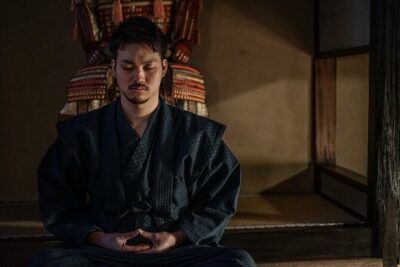
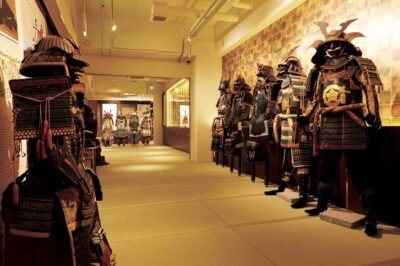
Samurai Ninja Museum Guided tour and Experience
Read our review →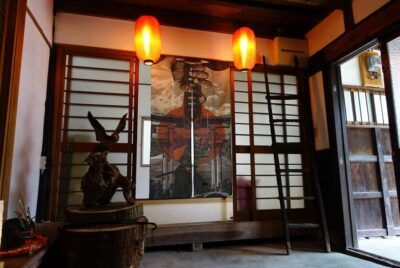
Kendo and Samurai Experience with Uniform and Gear
Read our review →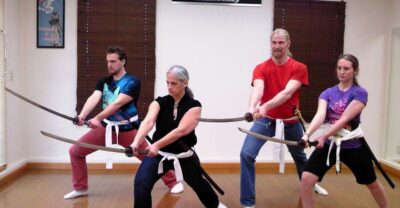
Samurai Sword Class by Experts in Traditional Arts
Read our review →
Skip the lines Basic Ticket at SAMURAI NINJA MUSEUM KYOTO
Read our review →
Ninja 1-hour Hands-on Lesson by Japanese master in Kyoto -Entry
Read our review →Browse the lists this tour appears in