
Reviewed · MUSEUMS
Tokyo: teamLab Planets TOKYO Digital Art Museum Entry Ticket
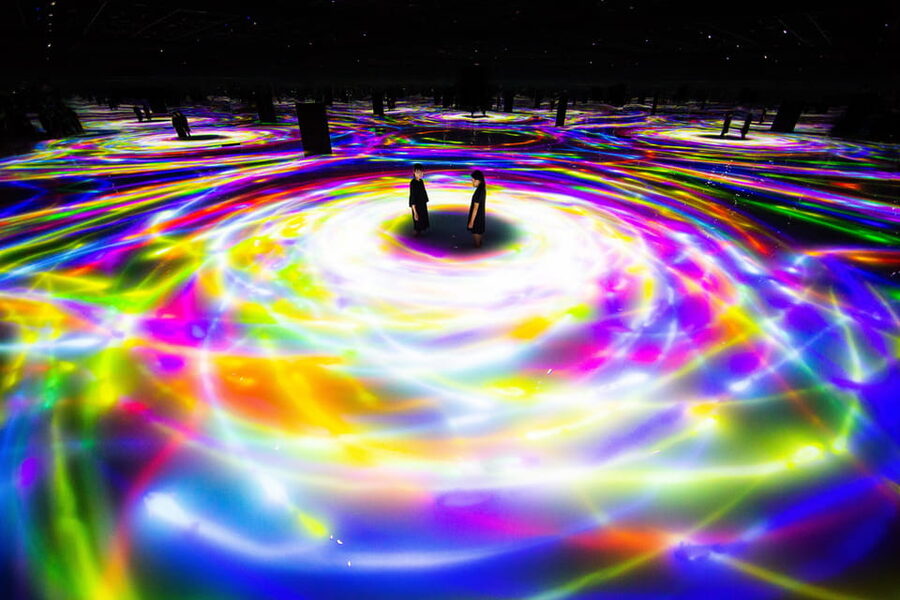
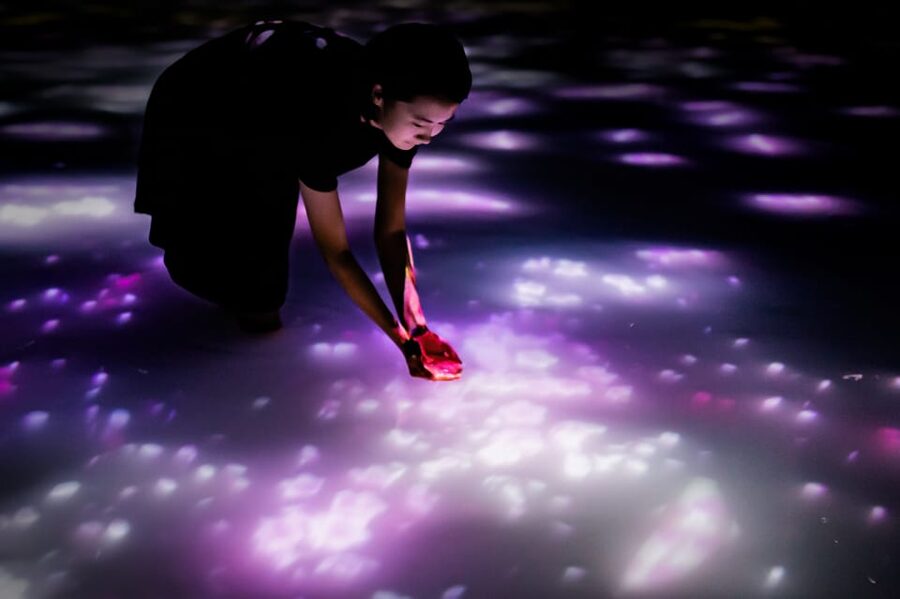
Tokyo goes full sensory. teamLab Planets TOKYO turns digital art into a body-first, interactive walk-through, where your presence changes what you see. It covers over 10,000 square meters of light, sound, and materials, so the experience keeps shifting from room to room.
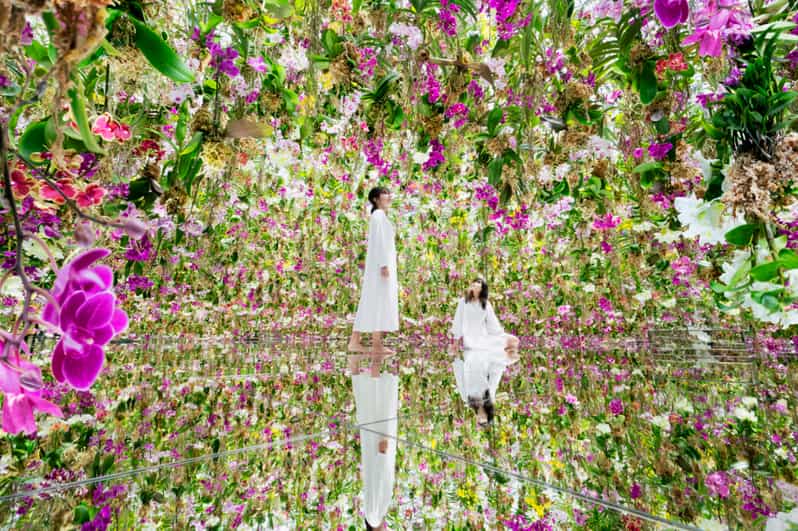
I especially love the Water Gallery, because it is the most talked-about highlight for a reason, and it makes the technology feel physical. I also love the moments built around motion and atmosphere, like orchids, forest-like scenes, and the famous falling flower effects that make you slow down.
One possible drawback: it can be a little hectic at busier times, and some areas involve barefoot floors, mirror-like surfaces, and water that can rise up to knee height.
Key things to know before you go
- Your body affects the artwork, so expect to move, stand close, and interact rather than just watch.
- Barefoot entry is required, with mirror-like floor areas and some knee-high water moments.
- Plan on 2 hours or more if you want to take your time in each zone.
- Peak time can feel crowded, but staff manage the flow pretty well.
- Not ideal if you have light sensitivity, epilepsy, heart problems, or need wheelchair access (some areas are not accessible).
Entering teamLab Planets TOKYO: timing rules that really affect your visit
This is a ticketed, time-slot type of experience. You get an official voucher by email, and you use it to enter the facility. One rule matters a lot: you can only enter during the first 30 minutes after your selected entry time.
That timing rule changes how you should plan the rest of your day. Arrive early enough to settle in, but do not assume you can wander around and slide in later. And since tickets can not be purchased for same-day admission, you need to line this up ahead of time.
If you are the kind of person who hates lines, there is some good news. Several reviewers highlight that having a booked entry helps you avoid the worst queue time and get moving faster. Even so, your best experience comes when you treat the day like a flexible art walk, not a quick in-and-out.
A few more Tokyo days worth comparing
- Tokyo: Samurai Ninja Museum Guided tour and Experience
★ 4.6 · 1,010 reviews - Ninja Experience (Family Friendly) at Samurai Ninja Museum TOKYO
★ 5.0 · 441 reviews - Tokyo Studio Ghibli Museum and Ghibli Film Appreciation Tour
★ 4.5 · 421 reviews
Barefoot, mirror floors, and what to wear (yes, the water is real)
teamLab Planets TOKYO is barefoot inside. Some areas have mirroring materials used on the floor, so expect slick reflections and pay attention to your footing. Then there are the water areas, where water levels can rise up to knee height in some parts.
So wear clothes that cooperate. You’ll be happiest in trousers that can be rolled up past your knees, or anything light and practical that you can move in. Dress for cool rooms too, since parts of the exhibit feel semi-outdoor, and you will not want to be shivering while you are waiting for the next lighting change.
Lockers are available for small items, which helps because you do not want to carry a bag through water zones. You also need to bring an ID or passport, since visitors can be asked to show proof of age and/or school affiliation. If you are traveling with kids, children younger than 13 must be accompanied by an adult, and unaccompanied minors are not allowed.
One more reality check: this is not a good fit for people with light sensitivity. If bright, shifting light patterns are an issue for you, skip this one for your own comfort.
The big layout: how 10,000+ square meters shapes your route
The museum is huge, with multiple areas spread across 10,000+ square meters. That size is the secret sauce. You never feel stuck in one installation for too long, and the exhibit keeps pulling you along from one sensory setup to the next.
Because it is layered like that, you should plan for a loose route. Do not obsess over seeing every single effect in one pass, especially if you go during busier hours. Instead, treat each zone like a separate mini-world, and let yourself repeat sections if something grabs you.
Also expect a few zones that are not wheelchair accessible. The experience is not recommended for wheelchair users, and some areas are not accessible by wheelchair due to how the exhibit is built. If mobility access is part of your group plan, it’s smart to check with staff before you commit your time.
Finally, follow the rules that keep it safe and orderly. Eating, drinking, and smoking inside the exhibition is prohibited. If you are tempted to snack between rooms, bring patience instead, or plan meals before and after.
The Water Gallery: why this is the highlight for so many people
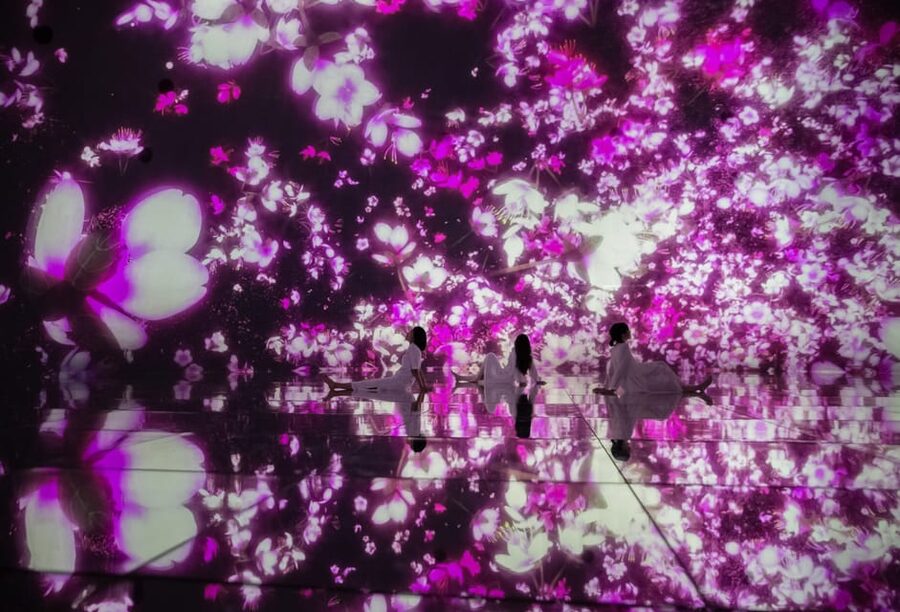
If you want one reason this show has a huge fan base, it’s the Water Gallery. Reviewers consistently call it the standout, and you can see why once you are inside. The art reacts to your movement, and being surrounded by water makes it feel less like a screensaver and more like a physical environment.
Here is what to expect practically. You will likely end up standing in shallow water, then moving through areas where water levels can rise to knee height. It helps to move slowly and deliberately, because rushing makes you clumsy and the whole point is to pay attention to the visuals.
This is also where your clothing choice pays off. Rolled-up trousers are a big deal here, not a fashion choice. If you go in prepared, you spend more time watching the light and less time thinking about your ankles.
One caution: since this gallery is more active and physically involved, it is not a great idea for people with heart problems. The same goes for anyone who might struggle with the sensory stimulation of a light and sound focused environment.
Same corner of Japan, a different kind of day:
- Mt Fuji and Hakone 1-Day Bus Tour Return by Bullet Train
★ 5.0 · 26,383 reviews - 1-Day Tokyo Bus Tour
★ 5.0 · 14,250 reviews - Tokyo: TOKYO SKYTREE® Admission ticket
★ 4.5 · 11,192 reviews - Mt Fuji & Hakone Cruise, Drum Show Bullet Train 1 Day from Tokyo
★ 4.0 · 7,413 reviews
Orchids, forests, and the changing light mood
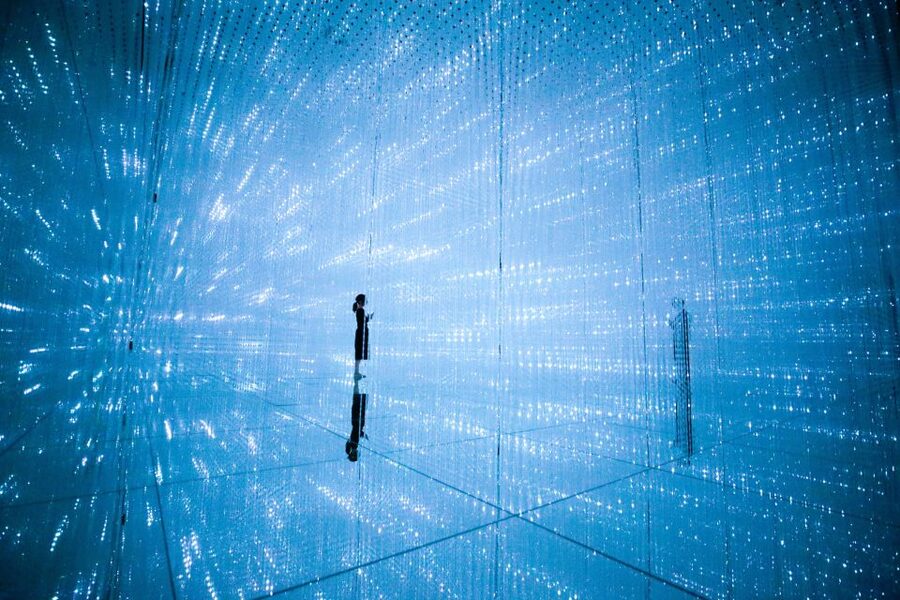
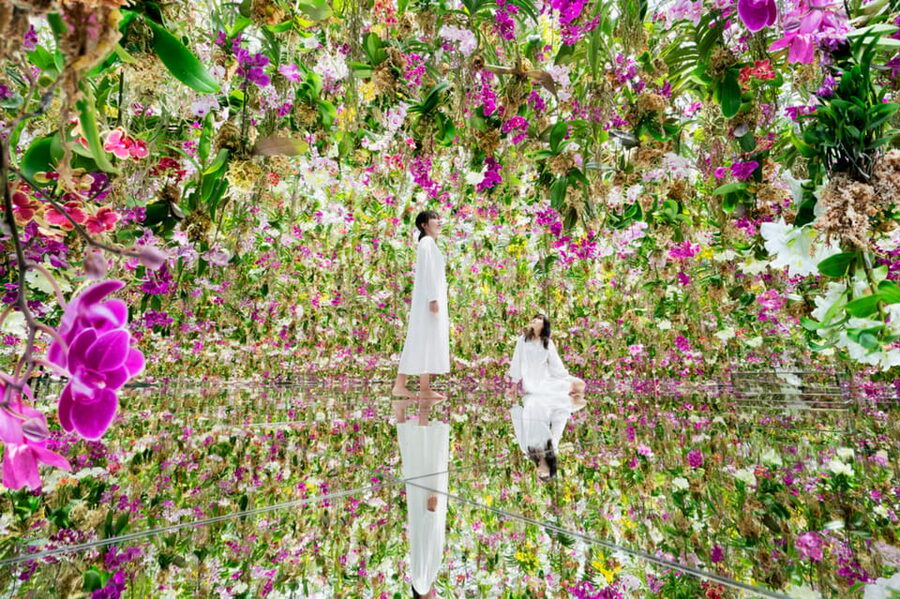
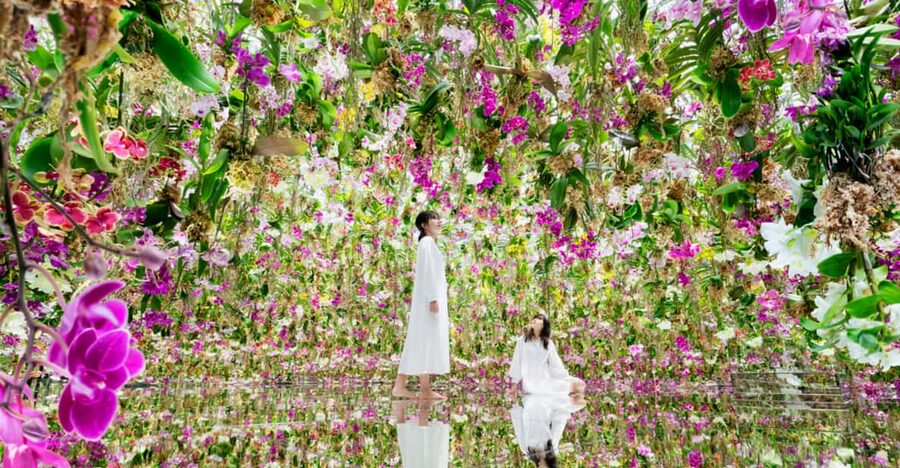
After the water moments, the exhibit flows into softer, plant-themed scenes and “forest-like” environments that shift how you feel. People often mention orchids as a highlight, along with garden scenes that feel like a living installation rather than a static exhibit.
What I like about this part is the way it changes your pace. The water gallery makes you move and respond. The orchid and forest scenes invite you to linger, tilt your head up, and watch how light spreads across surfaces. If you prefer art that lets your mind slow down, these rooms are your reward.
You should also expect a lot of sensory layering. Some zones use sound heavily, others rely on light and visual pattern changes. And in rooms with mirroring floor materials, reflections can make the installation feel deeper, like you stepped into a second version of the space.
Noise can be a factor at peak times. A few reviewers mention that loud visitors can ruin the calm atmosphere in certain rooms. If that kind of thing bothers you, picking an earlier slot (or a less busy time) can make the whole experience feel more personal.
Falling flowers and flower petal walls: the effect that stops you mid-walk
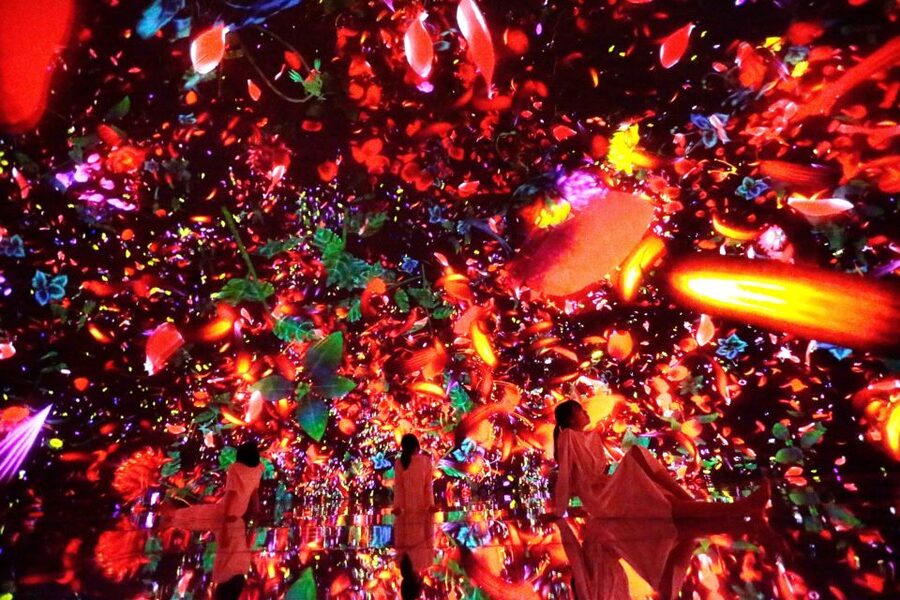
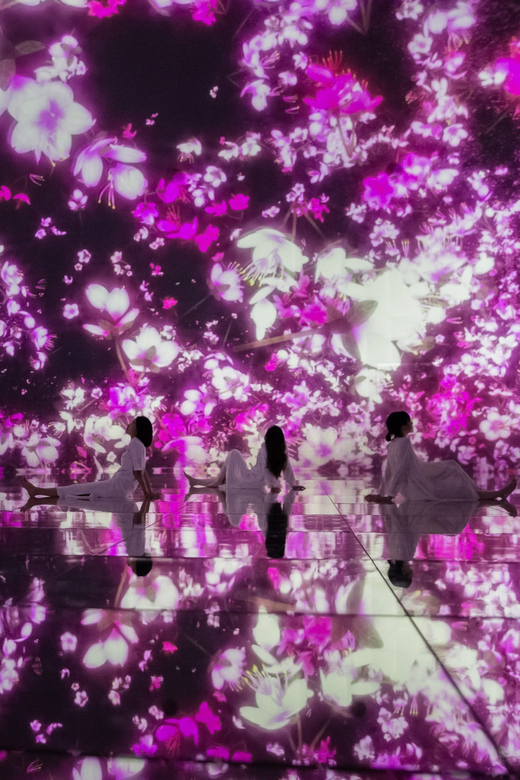
The falling flower room is famous for a reason. People highlight the falling flowers experience, including times when they describe lying down and watching petals come toward them. That effect is not just pretty. It encourages you to change posture, slow your steps, and let the installation become a moment instead of a photo opportunity.
Another frequently mentioned feature is the flower petal walls. These kinds of installations turn your movement into part of the show, so you get a stronger sense of connection than you would in a traditional museum.
If you are visiting solo, this section can feel a little awkward at first. You might wonder what to do with your hands or whether you are doing it right. The good news is that the exhibit is designed around you being there, not you pretending you are not. Give it two or three rooms. By then, the interaction becomes second nature.
If your priority is photos and videos, time your content. Do one pass where you watch first, then go back for content. Several reviewers say they wish they could return a second time, one for first-time magic and another for capturing what they missed.
Pace, staff flow, and how long you actually need
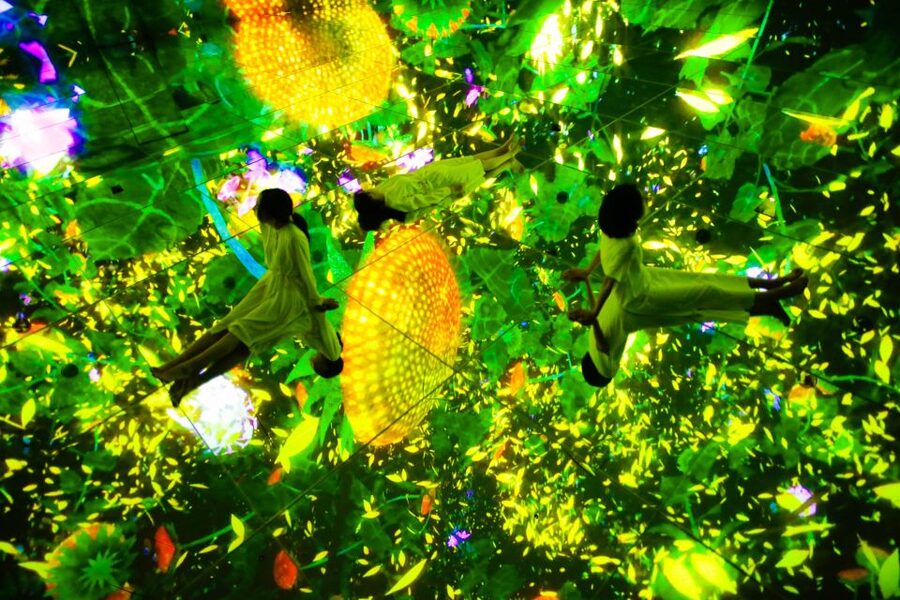
You will not “finish” teamLab Planets like you would a landmark. It’s more like wandering through changing worlds, each one with its own rules and sensory triggers.
Plan on at least two hours if you want a real go at it. People call out that time specifically, and the exhibit’s size supports it. If you only have one hour, you can see parts, but you will feel rushed and skip the best chances to watch reactions in the interactive rooms.
Staff help with traffic management, and reviewers praise the orderliness. Still, busier times can feel hectic, especially in rooms where many people converge. When that happens, it helps to let other groups flow first, then step into the installation when the energy settles.
One small downside to note from reports: sometimes you may have to wait outside before entry. If it is cold or rainy, bring a light layer and plan to wait patiently until your entry window opens.
Price and value for $25 per person entry
At around $25 per person, this is not the cheapest Tokyo activity. The value comes from two things: scale and interactivity.
First, the museum is enormous, with multiple zones across a total space over 10,000 square meters. That size matters because you are not paying to see one room. You are paying for a whole chain of environments that keep evolving.
Second, it is not a sit-and-watch show. Your presence impacts the artwork. That turns it into an experience you participate in, not just observe. If you like hands-on art, this is one of the best uses of time in the city for that style.
Price also depends on your timing choices. If you book a less busy entry slot, you will likely enjoy more of the calm version of the exhibit. If you go during peak crowding, you may still have a great time, but you will spend more energy managing your spacing.
Who should go, and who should skip for safety and comfort
This is a powerful sensory experience, so match it to your body and preferences.
It is a great fit if you want:
- A playful art walk that involves full-body interaction
- A “bring your senses” type of day, with light, sound, and water-based moments
- Something families tend to enjoy, since multiple reviewers say kids and teens do well here
You should skip or think twice if:
- You have light sensitivity (the exhibit uses changing light and stimulation)
- You have epilepsy
- You have heart problems
- You use a wheelchair (some areas are not accessible, and it’s not recommended for wheelchair users)
If you are unsure where you fall, treat comfort as your guide. The best version of this exhibit is when you can fully pay attention.
Should you book teamLab Planets TOKYO?
Book it if you want a large-scale, interactive art experience with real sensory payoff, especially if the Water Gallery and falling flower effects are on your Tokyo checklist. The tickets cost about $25, and the “your presence changes the art” concept makes the value feel earned.
Skip it if light sensitivity, epilepsy risk, heart concerns, or mobility access are issues. Also consider skipping if you dislike barefoot rules and water-based environments.
If you do book, go in prepared: roll-up trousers, an ID ready, and an expectation that you will spend time inside. You’ll enjoy it more when you treat it like slow art, not a quick photo stop.
FAQ
What is included with the teamLab Planets TOKYO entry ticket?
Your ticket includes entrance to the exhibition. Transportation is not included.
How long is the experience?
The activity is listed as valid for 1 day. Many people recommend planning for at least two hours once you are inside.
What should I bring to get in?
Bring a passport or ID card. You may also be asked to show ID for proof of age or school affiliation.
Do I need to buy tickets in advance?
Yes. It is not possible to purchase tickets for admission on the same day, and an official voucher is emailed to you for entry.
Can I enter whenever I want during the day?
No. Entrance is only possible in the first 30 minutes after your selected entry time. There are no refunds for late arrivals.
Are lockers available for small items?
Yes, lockers are available for small items.
Is the museum wheelchair accessible?
Some areas are not accessible by wheelchair, and the experience is not recommended for wheelchair users.
Is it suitable for epilepsy, heart problems, or light sensitivity?
It is not recommended for people with light sensitivity. It is also listed as not suitable for people with heart problems and people with epilepsy.
Is food or drink allowed inside the exhibition?
No. Eating, drinking, and smoking inside the exhibition is prohibited.
Fresh options around Tokyo
- Tokyo: Nagano Snow Monkeys and Zenkoji Tour with Temples★ 4.9 · 19 reviews
- Yokohama Port: Private Customizable Tour with Transfer★ 5.0 · 19 reviews
- Explore Unique Tokyo Streets / Learn with a Pro Photographer★ 5.0 · 19 reviews
- Sushi Making with Interactive Samurai Experience at JIN-ASAKUSA★ 5.0 · 19 reviews
- DAIKOKU excursion by car DRIFT automobile encounter★ 4.5 · 19 reviews
- Official Street Go Kart Tour Akihabara 2nd★ 5.0 · 19 reviews
- Cosplay Experience with Professional Makeup and Photo Shoot!★ 5.0 · 19 reviews
- Tokyo: Name Seal & Pouch or Tote Bag Making Experience★ 4.5 · 19 reviews
Museums, compared.
Samurai Ninja Museum Guided tour and Experience
Read our review →
Tea Museum Tickets and Matcha Grinding Experience
Read our review →
Skip the lines Basic Ticket at SAMURAI NINJA MUSEUM KYOTO
Read our review →
Ninja Experience (Family Friendly) at Samurai Ninja Museum TOKYO
Read our review →
Tokyo Studio Ghibli Museum and Ghibli Film Appreciation Tour
Read our review →
Geiko Maiko Dance of Kyoto & Visits of Gion Museum
Read our review →
Tokyo Sword Experience – includes Museum Ticket/Ninja Experience
Read our review →Browse the lists this tour appears in