
Reviewed · SUMO EXPERIENCES
Tokyo Sumo Experience: Chanko & Mochi with a Former Pro
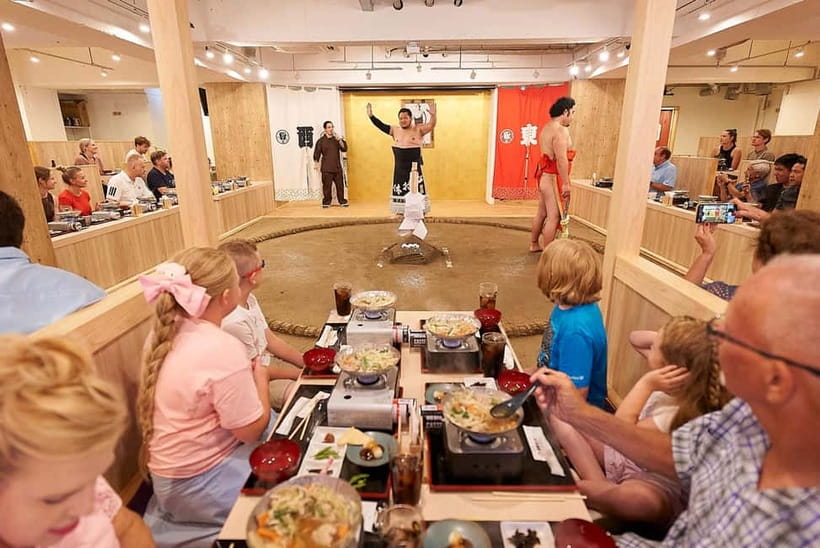
Sumo gets real when the ring is inches away. In Ryogoku, you eat chanko nabe while former pros steer the meal, then you try the dohyo moves yourself. Two things I really like here are the wrestlers supervising the food and the chance to make mochi (not just watch it). One consideration up front: this experience is not suitable for wheelchair users.
This is sumo for real life, not a serious early-morning training tour. You get close to the action in a way that feels more like a friendly performance with hands-on moments than a formal museum visit.
One practical note I think you should plan for, seats are assigned by the venue. That means you cannot choose or request specific seats, so don’t build your whole day around having the perfect angle.
Key things you’ll notice right away
- Ryogoku setting puts you in sumo country, near where fans and wrestlers converge
- Chanko nabe hot pot is a real stable-style meal, supervised by the wrestlers
- Mochi pounding plus making means you do the work, then eat the payoff
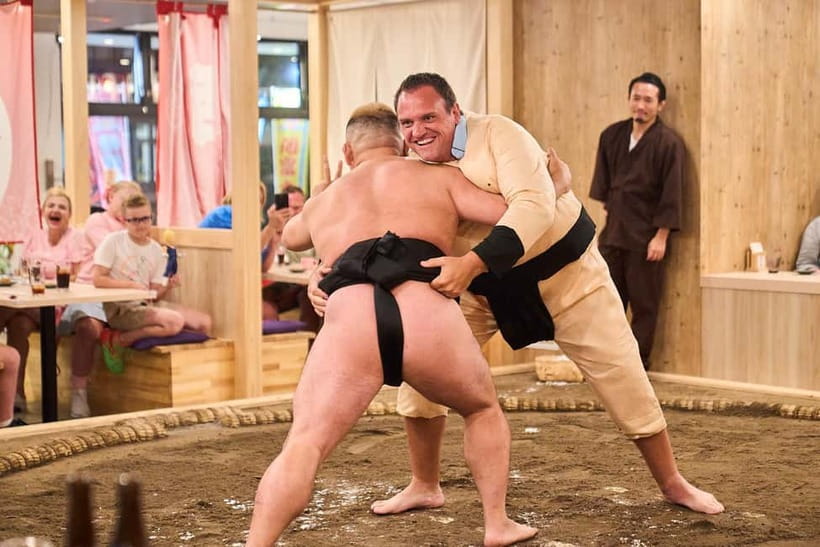
- Dohyo participation gives you a safe, structured way to try sumo basics up close
- English and Japanese guidance keeps the explanations clear for everyone at your table
Ryogoku, the sumo neighborhood you’ll actually feel
Ryogoku is where Tokyo’s sumo culture lives year-round, so even before the show starts, the area gives you context. The venue is close to Ryogoku Station, and you’ll find it on the first floor with big sumo signage and flags that make it hard to miss.
A good move is to treat this as an anchor stop in your Tokyo day. Ryogoku sits within easy reach of other famous neighborhoods like Asakusa, Akihabara, Nihonbashi, and Tokyo Skytree. If you want a day that mixes classic sights with a hands-on experience, this fits nicely.
More sumo experiences in Tokyo:
- Tokyo: Sumo Show Experience with Chicken Hot Pot and a Photo
★ 4.8 · 6,678 reviews - Tokyo: Sumo Show and Dining Experience
★ 4.8 · 2,742 reviews - the SUMO show
★ 5.0 · 1,960 reviews
What this is, and what it is not
This experience is designed as entertaining sumo, not the strict, early-morning training vibe you might hear about elsewhere. The format is built for participation, including moments for kids and adults to try techniques and get a feel for the sport.
The key difference is tone. You’re not expected to be a sumo expert. You’re here to understand what wrestlers do and why, while still having fun doing it.
Stepping into the venue and getting positioned around the dohyo
After you arrive, you’ll be seated around the dohyo area, so the wrestlers are right in front of you. The venue assigns your seat, and you cannot pick where you sit. If you’re traveling with kids or you’re particular about sightlines, arrive a bit early so you can settle in calmly before the first round begins.
Another important point is the safety rule about holding children. In standard seats, it is considered dangerous to sit while holding a child on your lap. If you need lap seating, the box seats are the option noted as safer, with seating capacity up to six in a box, and lap-holding is possible there.
The chanko nabe meal: comfort food with a wrestler’s stamp
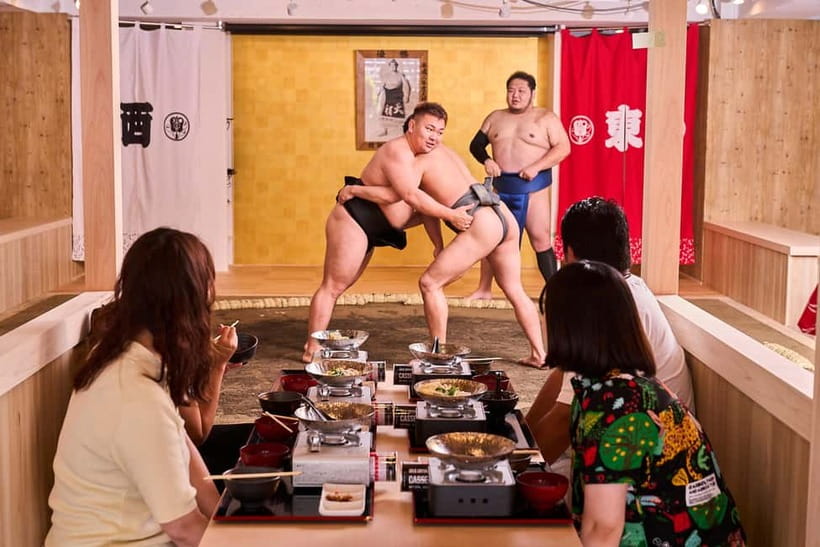
Chanko nabe is the heart of this experience. It’s a hot pot meal served in a way that feels like it belongs to sumo life, not like a generic tourist set.
What makes it special is the supervision by sumo wrestlers from an actual stable. That means you’re not just eating while someone tells you a story. You’re eating with the explanations and energy coming directly from the people who live the routine.
Expect a filling, warm meal that matches the culture of sumo training diets. Even if you think you only like mild flavors, hot pot tends to win people over because you can enjoy it hot and customize the way you eat it.
Practical tip: wear something comfortable. You’ll be seated and eating, then you’ll switch gears into hands-on activities without much time for a wardrobe change.
A few more Tokyo days worth comparing
- Mt Fuji and Hakone 1-Day Bus Tour Return by Bullet Train
★ 5.0 · 26,383 reviews - 1-Day Tokyo Bus Tour
★ 5.0 · 14,250 reviews - Tokyo: TOKYO SKYTREE® Admission ticket
★ 4.5 · 11,192 reviews - Tokyo: teamLab Planets TOKYO Digital Art Museum Entry Ticket
★ 4.6 · 9,779 reviews
Mochi pounding and making your own dessert
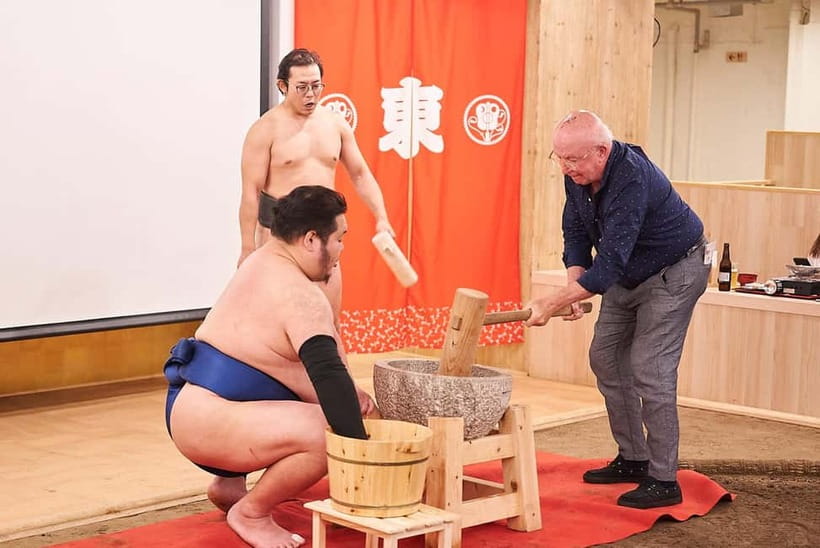
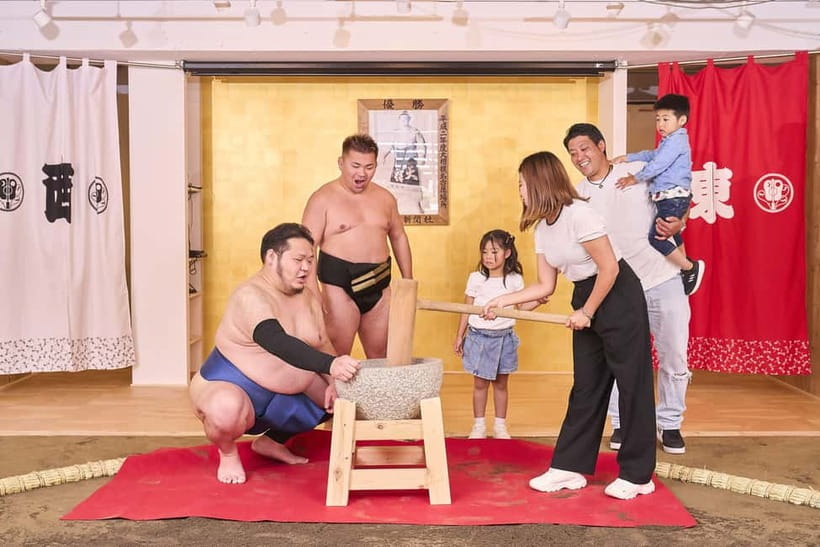
Mochi is where the experience gets playful. First, you watch a pounding demonstration that shows the traditional process. Then you move from spectator mode to hands-on mode and pound mochi with the wrestlers.
After that, you make sweet mochi and eat it as dessert. The best part is that you don’t just get a small bite and a photo. You get the physical memory of the process, then the reward of something sweet and chewy right after.
If you’re traveling with kids, this is often the part that lands hardest. It has a clear activity, it looks exciting, and it gives everyone a job to do, even if their sumo skills are still in development.
Trying sumo on the dohyo: technique, timing, and laughs
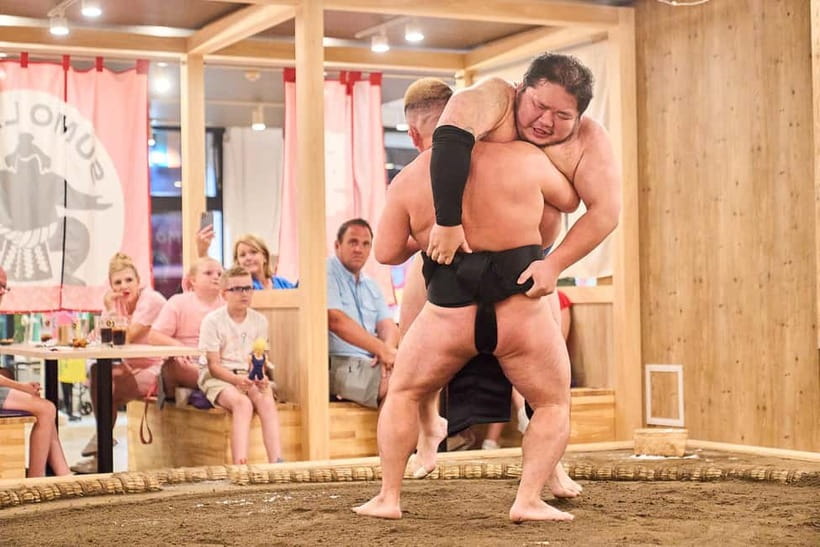
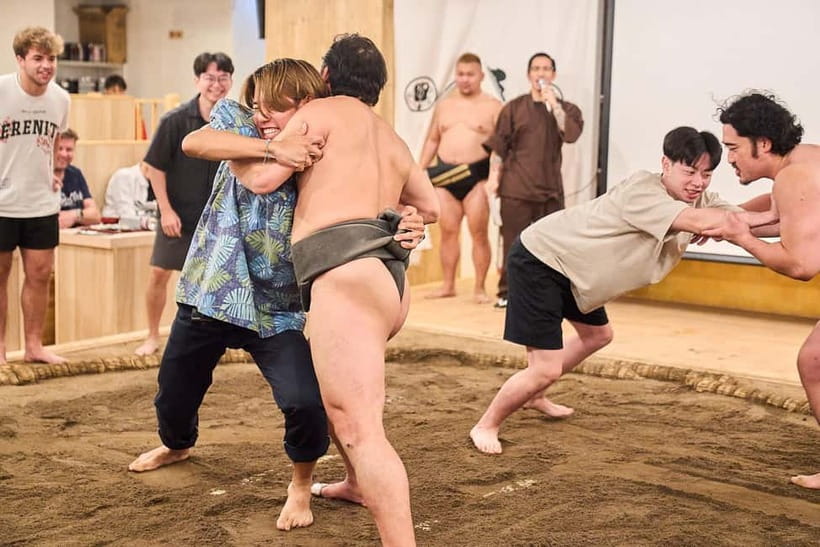
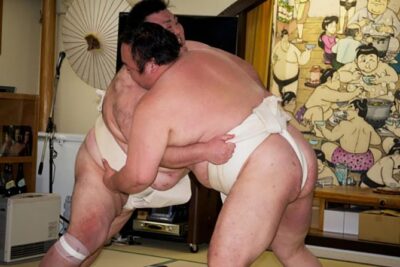
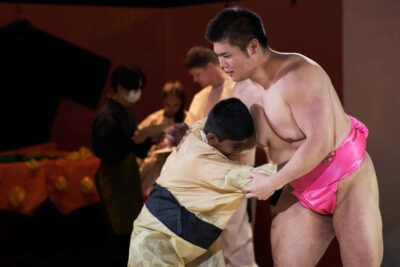
This experience includes a chance to try sumo wrestling with the wrestlers on the dohyo. It’s structured and meant to be safe, with guidance and encouragement from the hosts and the wrestlers.
What I like about the try-it format is that it teaches you how sumo works without drowning you in jargon. You get small, doable techniques and then you try them in the space where sumo action happens.
From the way the session runs, you should expect multiple segments where the wrestlers show something, then invite you to participate. Some sessions build around a few rounds of wrestling demonstrations, so the energy stays up and you’re not stuck watching one long moment.
A friendly mindset helps here. You are going to feel awkward. That’s normal. The wrestlers make it fun, and the goal is to help you understand the sport through experience, not to test you like an exam.
Who the wrestlers and hosts make it for
The session works for a wide age range. It is specifically designed as an entertaining sumo experience for both adults and children, so you won’t feel like you’re at the wrong show if you’re traveling as a couple.
If you’re a solo traveler, you also won’t feel stranded. The activities are interactive, and there are multiple moments where you can join in rather than only watching.
If you’re traveling with a group, it can be a great team-style night. People tend to laugh together, and the activities naturally create shared moments rather than silent, separate sightseeing.
Price and value: what $103 gets you in 2 hours
At about $103 per person for a 2-hour experience, the cost isn’t cheap. But you’re not paying for just a seat. You’re paying for a packed run of hands-on culture: chanko nabe, mochi pounding and making, plus dohyo participation.
Here’s the value logic I use when deciding if something is worth it. You’re getting three high-effort parts that are usually separate experiences in Tokyo: a proper meal, a craft-style food activity, and a live sports interaction. When all of that happens in one show, the price starts to make sense.
Also, the time is realistic. Two hours keeps it from becoming a half-day commitment. You get a memorable Tokyo evening segment without sacrificing your whole itinerary.
What to bring, and what to expect from the ground rules
Bring a camera and comfortable clothes. You’ll be seated for the meal, then moving around for activities. Comfortable clothing helps you participate without worrying about stiffness or restricted movement.
Smoking is not allowed in the venue. Plan your day around that and keep an eye on any venue reminders when you arrive.
Language-wise, instruction is available in English and Japanese. Even if you speak neither, the structure is interactive enough that you can still follow along and join in.
Dietary needs: what you can request and what you can plan around
If you have dietary restrictions, this is one of the areas where planning matters. Vegetarian and vegan meals and gluten-free options can be provided, but you must request them at least two days before your reservation date.
Halal meals cannot be provided. The good news is you are allowed to bring your own food. If halal is a must, plan ahead by bringing your meal or snacks and treat the chanko nabe portion as something you experience visually and culturally, even if you cannot eat it.
Seating and kid safety, the part you should read before you book
This is the one logistics detail that can change your comfort level during the experience.
Seat locations are assigned by the venue, and you cannot choose where you sit. That’s manageable for most people, but it matters more if you have mobility needs or very young kids.
For standard seats, it is dangerous to sit while holding a child on your lap. So if you’re booking with a child, reserve for the exact number of people rather than assuming a lap arrangement is allowed.
Box seats are noted as safe for lap seating and can accommodate up to six people in the box. If you’re traveling as a family and want the least stress, box seats are the smarter path based on the safety rule.
A simple game plan for enjoying the whole session
If you want maximum fun and minimum hassle, do this:
1) Arrive early enough to find the first-floor shop area near Ryogoku Station without rushing.
2) Wear comfortable clothes so you can go from eating to pounding mochi to trying sumo.
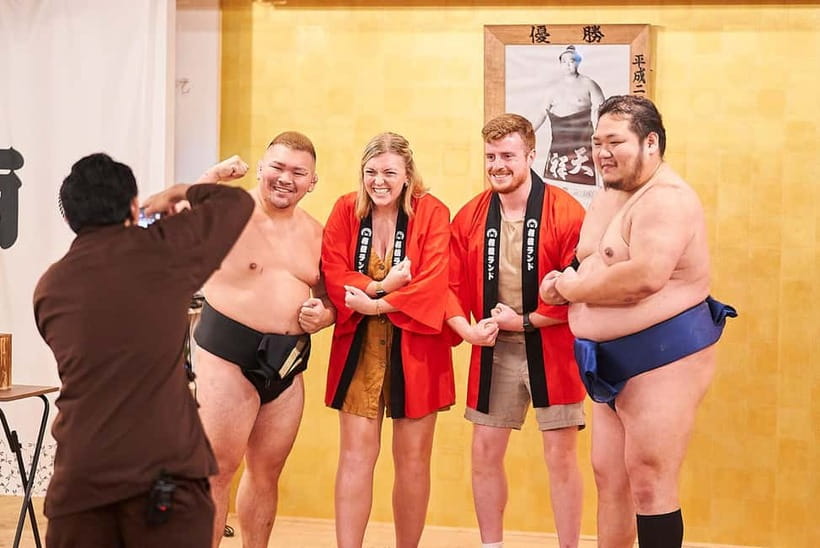
3) Bring your camera, and be ready for photo moments right around the dohyo area.
4) If you have food restrictions, request them in advance, especially vegetarian, vegan, or gluten-free needs.
This format moves fast between moments. The people running it keep the pace friendly, but you’ll enjoy it more if you go in with the mindset that you’re participating, not just observing.
Should you book this former-pro sumo and mochi experience?
Book it if you want a Tokyo activity that blends sport, food, and hands-on participation in a tight 2-hour window. It’s especially good if you like your experiences with real cultural flavor, plus the chance to try something physical even if you’re a total beginner.
Consider skipping if wheelchair access is a requirement for your group, since this experience is not suitable for wheelchair users. Also think carefully if your kid will need lap seating in standard seats, because the safety rule changes what seating type works best.
If you’re on the fence, I’d choose this for the simplest reason: you’re not just learning about sumo, you’re doing a slice of it, then eating what wrestlers eat, then making dessert. That combo is hard to beat in Tokyo, especially when the action stays close from start to finish.
FAQ
Where is the meeting point for this experience?
The venue is on the first floor near Ryogoku Station. It’s marked by a large sumo wrestler sign and flags.
How long is the Tokyo Sumo Experience, Chanko and Mochi with a Former Pro?
The duration is 2 hours.
What’s included in the ticket price?
You get a dynamic sumo experience, a chanko nabe meal, mochi making, and a sumo wrestling experience.
What languages are available for the instructor?
The instructor provides English and Japanese.
Are there dietary options available?
Vegetarian and vegan meals and gluten-free meals can be provided if you request them at least two days before the reservation date. Halal meals cannot be provided, but you can bring your own food.
What should I bring, and what’s not allowed?
Bring a camera and comfortable clothes. Smoking is not allowed.
Is this experience refundable if my plans change?
Yes, it offers free cancellation up to 24 hours in advance for a full refund.
Fresh options around Tokyo
- Tokyo: Nagano Snow Monkeys and Zenkoji Tour with Temples★ 4.9 · 19 reviews
- Yokohama Port: Private Customizable Tour with Transfer★ 5.0 · 19 reviews
- Sushi Making with Interactive Samurai Experience at JIN-ASAKUSA★ 5.0 · 19 reviews
- Explore Unique Tokyo Streets / Learn with a Pro Photographer★ 5.0 · 19 reviews
- DAIKOKU excursion by car DRIFT automobile encounter★ 4.5 · 19 reviews
- Official Street Go Kart Tour Akihabara 2nd★ 5.0 · 19 reviews
- Cosplay Experience with Professional Makeup and Photo Shoot!★ 5.0 · 19 reviews
- Tokyo: Name Seal & Pouch or Tote Bag Making Experience★ 4.5 · 19 reviews
Sumo Experiences, compared.
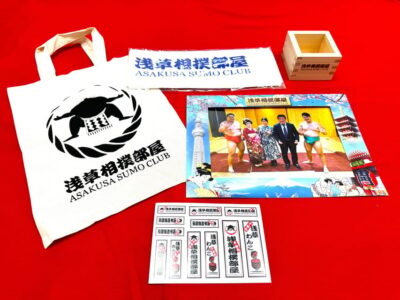
Sumo Show Experience with Chicken Hot Pot and a Photo
Read our review →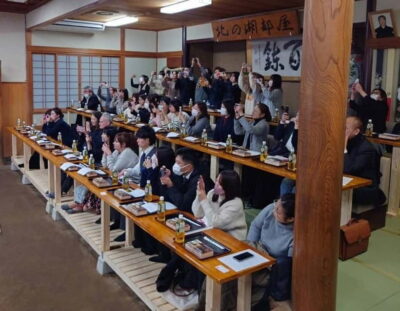
Tokyo Shinjuku Sumo Show & Experience with Photo
Read our review →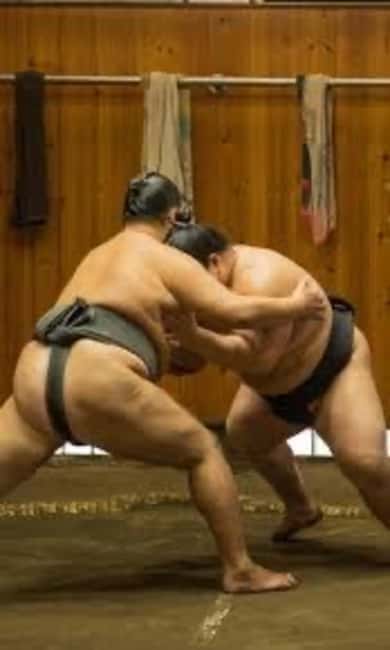
Sumo Show & Experience w/ Optional Kimono & Hot Pot
Read our review →
Authentic Sumo Experience in Tokyo: Enter the Sanctuary
Read our review →Browse the lists this tour appears in