
Reviewed · LUNCH EXPERIENCES
Tokyo: Mount Fuji Private Tour with Scenic Lunch Experience
Fuji days are hard to plan, until you stop trying to do it alone. This private 10-hour route takes you past the usual checklist and adds calmer stops like Iyashi no Sato and Saiko Lake and Bat Cave, plus a lunch built around big views.
I especially like the way this tour works like a small expedition: you get a private English-speaking guide, helpful photo coaching, and flexibility to adjust stops. Another big win is the scenic lunch at a countryside place with Mount Fuji views, which is the kind of moment you remember later, not the kind you rush through.
One consideration: the day depends heavily on weather and cloud cover, and some viewpoints involve steps. Also, English ability can vary by guide, so if language matters a lot to you, it is worth asking about strong English support when booking.
Key things that make this Fuji tour worth your time
- Private guide + custom pacing, so you can take breaks without feeling guilty about the group
- Iyashi no Sato craft workshops in a restored thatched-roof village setting
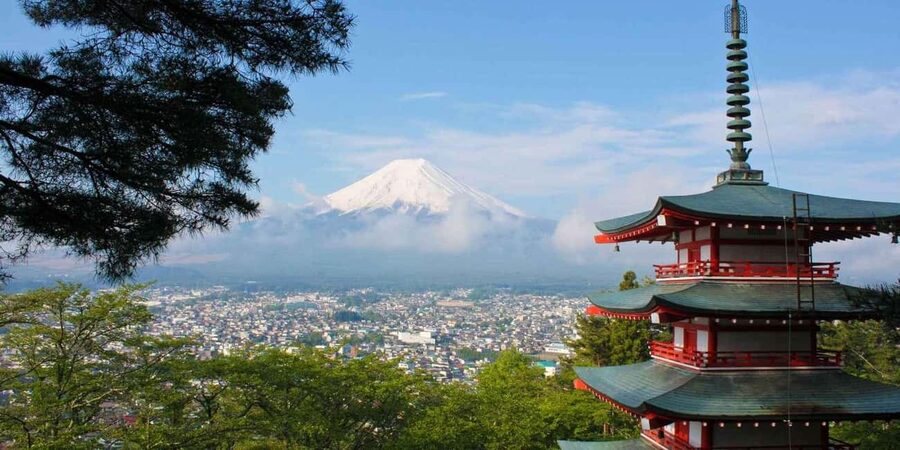
- Arakura Fuji Sengen Shrine and Pagoda viewpoint, often missed when people stick to the crowds
- Saiko Lake and Bat Cave for a slower, forest-framed nature stop
- Scenic lunch at a countryside restaurant or family farmhouse with seasonal Japanese dishes
- Stair-heavy viewpoints where timing and photo help really matter (and cash is handy for small purchases)
Why a private Fuji loop beats the big-bus approach
A Mount Fuji day can go sideways fast. Group tours tend to run on rigid timing, which means either you arrive at the same time as everyone else, or you spend more time in traffic than actually looking at Fuji.
With this private setup, you start with hotel pickup in Tokyo 23 wards and travel in a private vehicle (car or van) with Wi-Fi and bottled water. That alone makes the day feel less stressful, especially if you have kids, older relatives, or just want the freedom to stop when something looks better than expected.
More Mt Fuji tours from Tokyo:
- Mt Fuji and Hakone 1-Day Bus Tour Return by Bullet Train
★ 5.0 · 26,383 reviews - Mt Fuji & Hakone Cruise, Drum Show Bullet Train 1 Day from Tokyo
★ 4.0 · 7,413 reviews - Tokyo Mt Fuji 5th St & Hakone Cruise Bus Tour w/Bullet Train
★ 4.4 · 5,024 reviews
Morning pickup and the ride out of Tokyo
You’ll get picked up from your hotel or accommodation in Tokyo 23 wards, then head west toward Fuji’s countryside. The drive is about 2 hours by van, and the vehicle setup matters because it keeps the day calm before you even reach the viewpoints.
This is also where your guide starts shaping your day. Since the itinerary is flexible, you can usually adjust pacing and make quick calls on what to prioritize if clouds roll in or you want more time walking versus photographing.
Mt. Fuji 5th Station, Chureito Pagoda, and Lake Kawaguchi
Your first real Fuji moment comes early at Mount Fuji 5th Station for a photo stop and a visit (about 1 hour). It’s a classic spot for views and souvenirs, and the higher you go, the more you feel the change in terrain and air.
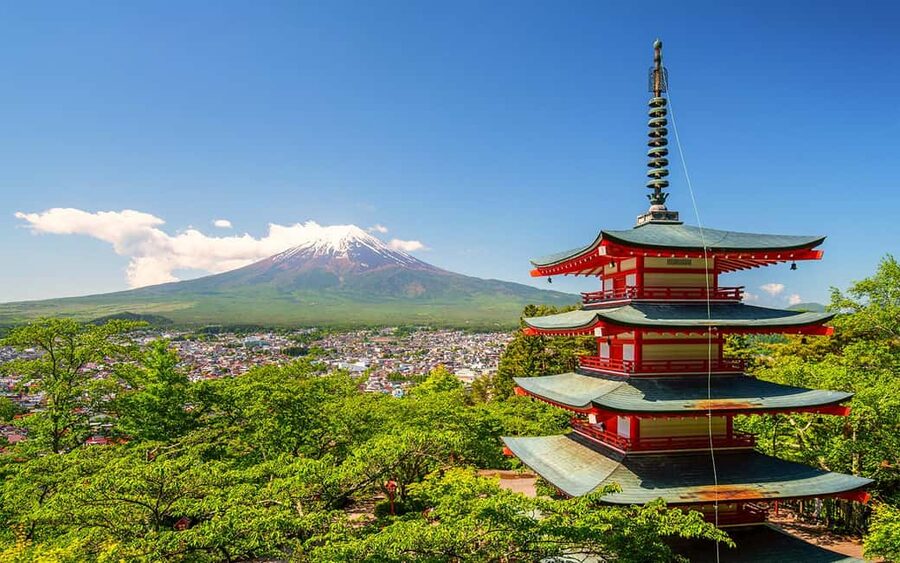
Next is Chureito Pagoda, another full stop with time to explore and take photos. One useful note from real-world experience: the staircase can add up quickly, and a guide specifically warned it can be around 400 steps, so wear shoes with grip and plan to pause as needed.
Then you move to Lake Kawaguchi for photos and a visit (about 1 hour). This part of the day is often where you’ll see Fuji framed in the background of everyday scenery, like lakeside paths and lookout angles. If weather is mixed, this is a good place for your guide’s judgment to matter, because you’re not stuck waiting in one location too long.
Iyashi no Sato Healing Village, artisan workshops, and why it works
A lot of Fuji days feel like they only chase views. Iyashi no Sato (Healing Village) changes that. You visit a restored thatched-roof hamlet with artisan workshops and village-style atmosphere, plus Fuji views depending on the day’s clarity.
I like this stop because it gives your brain a break. Instead of climbing for yet another angle of the mountain, you’re watching small-scale crafts and imagining what life looked like in this region before mass tourism took over.
It’s also a nice pacing tool. Even if you want lots of photos, the village layout gives you chances to step aside, slow down, and reset before the next busier scenic area.
A few more Tokyo days worth comparing
- 1-Day Tokyo Bus Tour
★ 5.0 · 14,250 reviews - Tokyo: TOKYO SKYTREE® Admission ticket
★ 4.5 · 11,192 reviews - Tokyo: teamLab Planets TOKYO Digital Art Museum Entry Ticket
★ 4.6 · 9,779 reviews - Tokyo: Sumo Show Experience with Chicken Hot Pot and a Photo
★ 4.8 · 6,678 reviews
Saiko Lake and Bat Cave, plus the water-village feel at Oshino Hakkai
After the village, you head toward a more nature-focused stretch with Saiko Lake and Bat Cave. This is listed as about 1 hour total and is surrounded by lush forest scenery, which tends to feel quieter and more off the main route.
The Bat Cave is interesting because it adds a sense of exploration rather than just viewpoint sightseeing. It’s not just about standing still, you’re walking a little and looking around, which can make the day feel more personal instead of photo-by-photo.
Then you reach Oshino Hakkai, a short stop for photos and a visit. It’s known for water features and the historic feel of the area, but it can get crowded. The practical move is to use your guide’s timing, grab key photo angles quickly, and spend your energy on the areas that feel calm to you.
Shrine time: Arakura Fuji Sengen Shrine and Kitaguchi Hongu Fuji Sengen Shrine
Shrines can feel like checkboxes on a day trip. On this route, they’re used as viewpoint anchors and cultural pauses.
First up is Arakura Fuji Sengen Shrine and Pagoda. This stop is specifically highlighted as a breathtaking viewpoint that many group tours skip. The angle matters here because it’s a way to see Fuji with a different visual shape, so if you’ve already visited higher viewpoints, it adds variety.
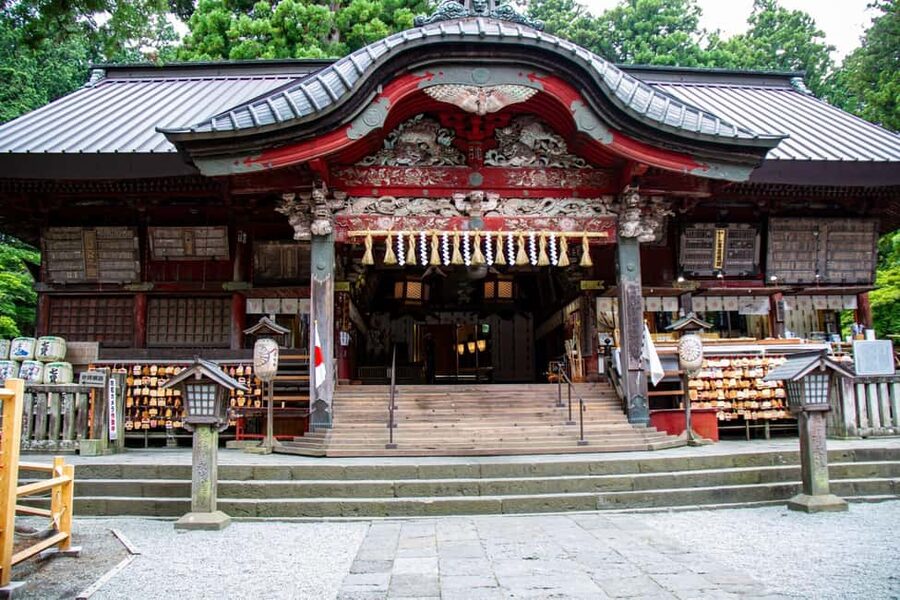
Later you also stop at Kitaguchi-hongu Fuji Sengen Shrine, described as about 1,900 years old and located at the base of Mount Fuji. You’ll have some break time plus a photo stop and visit. This is a grounding moment in the schedule, and it helps the day feel rooted instead of just scenic.
Lunch with Fuji views: what to choose and how to make it memorable
The highlight I look forward to on this tour is the scenic countryside lunch. You’ll eat at a low-key hidden restaurant with views of Mount Fuji or at a family-run farmhouse eatery serving seasonal Japanese dishes with garden views, depending on what’s available.
Here’s the value: lunch stops are usually where day trips lose time and authenticity. This one is designed to be the calm center of the day, so you can slow down and eat while enjoying the scenery rather than rushing from one photo stop to the next.
Two practical tips help you get more out of it:
- Bring a little cash (yen). Not all countryside shops and restaurants accept credit cards, and small extras add up.
- If you have dietary needs, plan ahead since it’s a local countryside lunch rather than a standardized chain menu.
Yamanakako, hot spring time, and the Hakone and Lake Ashi photo finish
After lunch, the schedule shifts toward a warmer, more relaxed rhythm. You stop in Yamanakako for about 1 hour of photo time and visiting, which can be a nice transition if you want one more lakeside look before the heavier walking parts of the day.
Next is the hot spring stop, with a guided tour and free time for about 2 hours. This is great if you want a decompression moment after the steps and shrine wandering. Just remember that hot spring norms can be strict, so follow your guide’s instructions on what you need and how long you should plan to be in the area.
Then you head toward Hakone for a photo stop and finish with Lake Ashi for photos and a visit (about 1 hour). Lake Ashi works well as a closing scene because the water gives a different look from the Fuji-and-lake mix you saw earlier.
Guides and pacing: how the best days actually happen
This tour lives and dies by guidance and timing. In recent experiences with guides such as Ali, Sarfy, and Rana, the common strengths are patience, flexibility, and help with photos at the right moments.
A practical reason this matters: Fuji days are unpredictable. Clouds roll in, crowds swell, and roads slow down. A flexible schedule lets your guide adjust the order and timing so you get more good views and less waiting.
One fair caution from real-world feedback: English fluency can vary depending on the guide. If you are the type who wants to understand explanations fully while you travel, ask about a strong English-speaking guide when booking and be ready to share the kind of focus you want, for example photography, shrine context, or nature walks.
Price and value: is $330 per group up to 6 a good deal?
At $330 per group (up to 6 people) for a 10-hour private tour, this is a value play compared to paying per person on a group bus, especially if you’re traveling as a family or small group.
You’re not just buying transport. You’re also getting:
- Hotel pickup and drop-off in Tokyo 23 wards
- A private English-speaking guide
- Photography assistance to help you get shots at the best spots
- Multiple destination entries and guided/visited portions at key stops
- A day plan that can be customized to your interests
Add in the included parking fees, tolls, and fuel costs, plus Wi-Fi and bottled water in the vehicle, and it becomes easier to see where the money goes. The only real “cost” you should plan for is personal spending, cash purchases at roadside shops, and any optional add-ons.
If you want the simplest math, this is most worth it when you can fill the group limit and when you care about comfort, timing, and better photo opportunities.
Practical tips so the day feels easy, not exhausting
This route mixes viewpoints, stairs, shrine entry rules, and some uneven walking. Bring comfortable walking shoes, because some stops have steps and paths that are not designed for casual strolls.
Also note the shrine pattern: some shrines and temples may require removing shoes before entry, so plan for socks that work well and clothing that is easy to adjust.
Because visibility changes, you should think like a photographer for one day. Move at the pace your guide sets, use the planned stops for coverage, and don’t treat one view as the only view.
Finally, the tour has a clear rule about behavior: alcohol and drugs are not allowed. If you’re thinking about a celebratory drink, save it for after you’re back in Tokyo.
So, should you book this Mount Fuji private tour?
Book this tour if you want a private, flexible Fuji day with less time wasted and more time actually seeing. It’s a strong fit for families, couples who want a calm pace, and anyone who likes mixing iconic spots like Chureito Pagoda and Mt. Fuji 5th Station with more relaxed stops like Iyashi no Sato and forest-framed scenery at Saiko Lake and Bat Cave.
Skip it or consider adjusting expectations if you are very sensitive to English language quality and explanations, since guide fluency can vary. Also, if you only want flat walking with no stairs, be aware that at least one major viewpoint involves a lot of steps.
If your top goal is maximum Fuji views with a guided plan that keeps you comfortable and on track, this is the kind of day trip that can feel like a good story, not a checklist.
FAQ
How long is the Tokyo Mount Fuji private tour?
The duration is 10 hours.
What is the price and group size?
It costs $330 per group, and the group size is up to 6 people.
Where do pickup and drop-off happen?
Pickup is available from any hotel or accommodation in Tokyo 23 wards, and you’ll return to Tokyo 23 wards in the evening.
What stops are included in the itinerary?
Included stops are Mt. Fuji 5th Station, Chureito Pagoda, Lake Kawaguchi, Saiko Lake and Bat Cave, Oshino Hakkai, Kitaguchi-hongu Fuji Sengen Shrine, Yamanakako, a hot spring stop, Hakone (photo stop), and Lake Ashi (photo stop), plus Iyashi no Sato and Arakura Fuji Sengen Shrine and Pagoda.
Is lunch included, and does it have Mount Fuji views?
Yes. The tour includes a scenic countryside lunch at a place with Mount Fuji views, either at a restaurant with Fuji scenery or a family-run farmhouse eatery with seasonal Japanese dishes and garden views.
Can I cancel and get a full refund?
Yes. You can cancel up to 24 hours in advance for a full refund.
Fresh options around Tokyo
- Tokyo Private SightSeeing Day Tour With Guide★ 5.0 · 16 reviews
- Tuna auction at Toyosu Market with qualified guide and early morning tour of Tsukiji Outer Market★ 5.0 · 16 reviews
- NO DIET CLUB – Unique local food tour in Tokyo !★ 5.0 · 16 reviews
- Embrace the Samurai Way: Iaido Swordsmanship Experience in Tokyo★ 5.0 · 16 reviews
- Tokyo: Sumo Wrestling Show★ 4.9 · 16 reviews
- MT.Fuji: Mount Fuji Private day Tour With Guide★ 5.0 · 16 reviews
- Cook Favorite Japanese Dishes with a Tokyo Mom★ 5.0 · 16 reviews
- Mount Fuji Full Day Customizable Private Tour with English Guide★ 4.5 · 16 reviews
Lunch Experiences, compared.
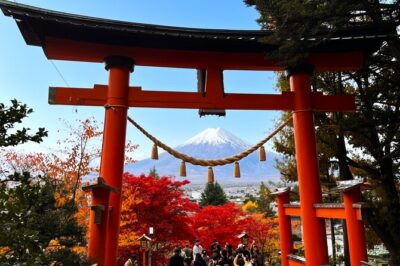
Mt.Fuji & Lake Kawaguchiko 1-Day Bus Tour w/Optional Lunch
Read our review →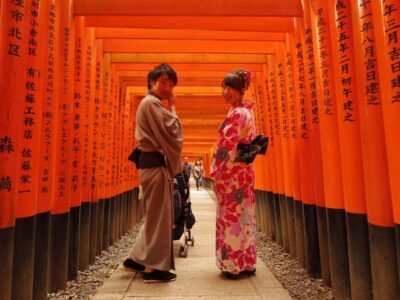
Osaka/Kyoto: Arashiyama, Nara & Fushimi Inari Shrine w/Lunch
Read our review →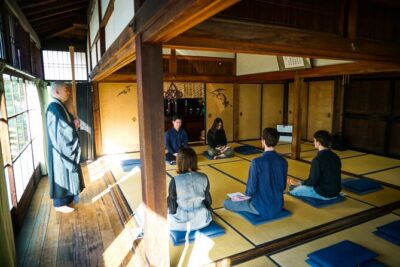
Kyoto Zen Meditation & Garden Tour at a Zen Temple with Lunch
Read our review →
Five Must-See Highlights Walking Tour & Ramen Lunch
Read our review →
Naha, Okinawa: Keramas Island Snorkeling Day Trip with Lunch
Read our review →
Snow Monkey 1 Day Tour with Beef Sukiyaki Lunch
Read our review →Browse the lists this tour appears in