

Reviewed · COOKING CLASSES
Tokyo: Night Cooking Class: 5 Home-Cooked Japanese Dishes
Cooking in Tokyo feels like a night out. You get hands-on lessons for a full table of Japanese home favorites, plus real guidance on drink pairings the way Japanese people actually do it. I love that the class is structured like an izakaya drinking party, not just a cooking demo, and I also like that you leave with recipes you can repeat at home. One consideration, though, is that alcohol tastings follow Japan’s age rules, and the knife and heat steps are limited by age too.
This 3-hour, small-group class caps at 6 people and runs with an English-speaking local guide. It is a great fit if you want an easy cultural activity in Tokyo that is social, practical, and food-focused, and it is flexible if you are vegetarian (but not vegan or gluten-free). If you have mobility needs or strict dietary allergies, read the details closely before you book, so expectations match reality.
Key Points You Will Care About

- Izakaya-style pacing at night: you cook, taste, and learn in the same flow as a real drinking-and-snacking session.
- Drink pairing is part of the lesson: you learn what works with sake, Japanese beer, and other options.
- A tight group size: limited to 6 participants, so you are not stuck watching from the sidelines.
- You cook recognizable home dishes: including hand rolls, a Japanese rolled egg, and miso-glazed eggplant.
- Take-home support: recipes and tour photos are included, so you can recreate the meal later.
- Real guide energy: named instructors from past sessions, including Alice, Masae, and Fuji, were praised for making it both fun and clear.
Tokyo Night Cooking Class Meets Izakaya Drinking Culture

Tokyo at night can feel like a different city, and this class uses that energy on purpose. The whole experience is set up around nomikai vibes, when people hang out, order small plates, and build the night around what they are drinking. You are not just learning flavors in isolation. You are learning how Japanese home cooks think about balance, texture, and pairing.
I especially like how the format turns eating into a skill. You cook dishes meant for sharing, then you taste with drinks that are chosen to match. That makes the lessons useful on the next weekend when you are hosting friends and want more than the usual sushi-and-snacks plan.
The other big reason this works is the teaching style. An English-speaking local guide leads the evening, and the atmosphere stays friendly and hands-on. In past sessions, guides such as Alice, Masae, and Fuji have been singled out for clarity and warmth, which matters when you are learning technique while also keeping the night moving.
The only real downside is planning. If you are under 20, alcohol tasting is not part of your experience, and if you are under 12, you cannot take part in knife and heat steps. So it is best to match your group’s ages to those boundaries.
More Cooking Classes in Tokyo
- Ramen & Gyoza Cooking Class in Tokyo with Local Supermarket Visit
★ 5.0 · 823 reviews - Tokyo: Easy Ramen Cooking Experience in Kabukicho, Shinjuku
★ 4.6 · 321 reviews - Ramen and Sushi Cooking Class with Sake Pairing Set in Tokyo
★ 5.0 · 291 reviews
What You Actually Cook: 5 Home Dishes and Pairing Logic
The title says 5 home-cooked Japanese dishes, and the class delivers multiple items designed for that izakaya rhythm. You get a hands-on cooking menu that includes the core set below, plus one additional recipe to complete the total of five dishes.
Here is what is clearly included:
- Sushi hand roll
- Wagyu steak or tofu steak
- Japanese-style rolled egg (the classic tamagoyaki form)
- Grilled eggplant with miso sauce
Even better, the dishes are not random. They cover a spread of tastes and textures that naturally test drink pairings. For example, a rolled egg gives you soft richness and a subtle sweetness. Miso-glazed eggplant adds deep savory flavor with a sticky, umami finish. The steak portion, whether wagyu or tofu, gives you a hearty centerpiece that can handle stronger savory notes.
That is why this class is more than “learn to cook Japanese food.” It trains your sense of balance. You start learning which flavors need brightness, which benefit from bubbles, and which drink styles soften the edges of rich or grilled items.
If you are vegetarian, you are not left out of the menu. The class arranges ingredients and cooking process for you, and the steak component can be tofu instead of wagyu. If you are gluten-free, vegan, or have other strict limits, the class is not available in that format, so you will need a different activity.
From Meeting Point to the Cooking Studio, Then Back to the Table

The logistics are straightforward once you know the exact spot. You meet in front of FamilyMart next to Gindako shop in Iriya Station Exit 2. One practical gotcha is that there are two FamilyMarts in Iriya Station. You want the one next to Gindako takoyaki and Doutor Coffee.
After check-in, the night usually flows like this: you settle into the cooking space, get a quick briefing, then you start working through the menu. A guide helps with technique, timing, and how to handle ingredients safely in a shared kitchen setup. You should expect real participation, not just watching.
On some nights, the evening can include a quick stop at a local supermarket before you cook. That is a smart way to connect the food to what people actually buy in daily life, and it also gives you a clearer sense of what ingredients make these dishes easy to recreate later.
Once you begin cooking, the key is that everything ties to tasting. Dishes come together in a sequence that keeps the drinks relevant. You are not waiting forever while the kitchen works. You are usually tasting as you go, which keeps the pacing fun.
By the end, you get:
- Recipes to take home
- Tour photos from the evening
- The satisfaction of a meal you built yourself, not just ate
No hotel pickup is included, so you will handle your own trip to Iriya Station. For a night class, that is totally normal, but it is worth planning your route ahead of time.
Drinks and Pairings: Sake, Beer, and the Reason It All Works

This is the part that makes the class feel like more than a standard cooking session. You receive 3 cans of alcoholic or soft drinks during the experience. The drinks are not random either. The guide talks about what works best with each dish, so you learn the logic rather than just copying a pairing.
Alcohol is part of Japanese home drinking culture, especially during nomikai gatherings. The idea is that small plates keep you sampling, and the drink choice keeps changing your perception of flavor. A sip can make you notice salt more clearly, or pull sweetness forward, or soften the burn of grilled items.
Two practical things to know:
- Sake tasting and alcoholic beverages are only available to guests aged 20 and over.
- If you are under 20, you can still join the class and enjoy the soft drink options included.
So even if you are not drinking alcohol, the pairing lesson still helps. You can learn how taste changes with bubbles, sweetness, and acidity in general. Then, later, you can try the same pairings when you are of age.
I also like that the drinks are “cans,” not a complicated beverage ritual. It makes the class easy to follow and keeps the focus on food.
Same corner of Japan, a different kind of day:
- Mt Fuji and Hakone 1-Day Bus Tour Return by Bullet Train
★ 5.0 · 26,383 reviews - 1-Day Tokyo Bus Tour
★ 5.0 · 14,250 reviews - Tokyo: TOKYO SKYTREE® Admission ticket
★ 4.5 · 11,192 reviews - Tokyo: teamLab Planets TOKYO Digital Art Museum Entry Ticket
★ 4.6 · 9,779 reviews
Learning in a Small Group With Real Guide Attention

This is capped at 6 participants, and that matters more than you might think. When you cook in a group of six, you get answers instead of waiting in line for help. You also get to compare notes with other people, and that makes the evening social in a way that still stays calm enough to learn.
Guide quality is also a clear theme from past experiences. Names that showed up in excellent feedback include Alice, who was praised for being knowledgeable and great fun, Masae, who led a smaller private style session that included a supermarket stop before cooking, and Fuji, who was described as an excellent instructor.
You do not need to be a serious home cook to benefit. Beginners can follow along because the class is set up for step-by-step cooking. At the same time, if you are more confident in the kitchen, you can focus on technique and the thinking behind flavor choices.
One more thing that I think you will appreciate: the class connects the food to how Japanese people eat at home and during casual nights out. You are learning “how to make it,” but also “how to serve it and why.”
Price and Value for a 3-Hour Tokyo Night Class

At $103 per person for about 3 hours, the cost can feel like a splurge until you look at what is included.
You are paying for:
- A hands-on class with ingredients and equipment
- A local English-speaking guide
- The cooking process and a full set of dishes
- 3 cans of drinks included
- Recipes to take home
- Tour photos
If you try to recreate this solo, it quickly becomes a time and planning problem: finding ingredients, buying the right items, figuring out technique, and managing the serving rhythm. Here, the guide handles the workflow and you walk away with a repeatable framework.
The small-group limit also improves value. You are not just paying for food. You are paying for coaching, and the class format makes that coaching realistic.
If you enjoy drink-focused activities, food you can repeat, and learning how a Japanese home menu comes together, this price usually feels fair for Tokyo. If you are strictly budget-focused and just want a meal, you might find cheaper options. But for a guided, hands-on cultural night, this is priced in the “worth it” zone.
Practical Details Before You Go (So You Do Not Get Stressed)
Here are the practical points that help the night go smoothly.
Meeting point in Iriya Station:
Find the FamilyMart in front of Gindako, next to Doutor Coffee, at Exit 2. There are two FamilyMarts, so match the surroundings, not just the street sign.
Age rules and what you can do:
- The experience is open to participants aged 6 and above, but knife and heat steps are only permitted for those aged 12 and over under supervision.
- It is not suitable for pregnant women.
- The class is described as not suitable for children under 12, even though younger kids can sometimes be in the program context with a kids’ playroom. In practice, plan on bringing kids who can participate safely with the kitchen steps.
Alcohol rules:
- Guests aged 20+ can taste sake and enjoy alcoholic beverages.
- Everyone else can still participate with soft drinks included.
Diet limits:
- Vegetarian are welcome, and arrangements are made for ingredients and process.
- It is not available for vegan and gluten-free diets.
- You cannot assume allergy-free cooking, because food is prepared in kitchens not owned by the operator, and substitutions may not always be possible.
Comfort and access:
Some locations used during the evening are not accessible by wheelchair or stroller. If mobility is a factor, you should plan around that.
No smoking:
Smoking is not allowed during the experience.
If you show up with realistic expectations on these points, the class tends to feel easy and fun rather than complicated.
Should You Book This Tokyo Night Cooking Class?

Book it if you want a Tokyo activity that hits three goals at once: you learn Japanese home cooking, you eat an izakaya-style spread, and you understand drink pairings in a way that sticks. It is also a strong choice for couples, small groups of friends, or solo travelers who like meeting people while doing something practical.
Pass or look for an alternative if:
- You need a vegan or gluten-free option.
- You are relying on strict allergy-free guarantees.
- Your group includes someone who cannot meet the age rules for alcohol or for knife and heat participation.
- You need wheelchair or stroller access throughout.
If your group fits the boundaries, this is one of those “book it, then stop thinking” experiences. The small group size, English guidance, and recipe take-home make it more than a one-night meal. You are leaving with food skills plus a simple way to host your own nomikai at home.
FAQ
Where do we meet for this Tokyo cooking class?
You meet in front of FamilyMart next to Gindako shop in Iriya Station Exit 2. There are two FamilyMarts in Iriya Station, so use the one next to Gindako takoyaki and Doutor Coffee shop.
How long is the class and is it a small group?
The experience lasts 3 hours and is a small group, limited to 6 participants.
What dishes are included in the cooking class?
The hands-on menu includes sushi hand roll, wagyu steak or tofu steak, Japanese-style rolled egg, and grilled eggplant with miso sauce, as part of the total set of home-cooked dishes.
Are drinks included, and can I taste sake?
Yes. 3 cans of alcoholic or soft drinks are included. Sake tasting and alcoholic beverages are only available to guests aged 20 and over.
Is the experience vegetarian-friendly?
Yes. Vegetarian are welcome, and the class arranges ingredients and the cooking process accordingly.
Is it available for vegan or gluten-free diets?
No. The experience is not available for vegan and gluten-free participants.
What are the age rules for cooking, knives, and heat?
The experience is open to participants aged 6 and above, but knife and heat steps are only permitted for those aged 12 and over, under supervision of a parent or guardian.
Is hotel pickup included?
No. Hotel pickup and drop-off are not included.
Can the class accommodate allergies or dietary restrictions?
You cannot assume allergy-free cooking. The food is prepared in kitchens that do not belong to the operator, and substitutions may not always be possible, though they will try to compensate at different stops.
Is smoking allowed, and is it stroller or wheelchair friendly?
Smoking is not allowed. Also, some locations included in the tour are not accessible by wheelchair or stroller.
More Evening Experiences in Tokyo
- Tokyo Night Foodie Tour in Shinjuku – Seasonal Sushi, Wagyu Beef
★ 5.0 · 1,161 reviews - Tokyo: Daikoku JDM Car Meet & Night Car Culture Tour
★ 4.8 · 626 reviews - Tokyo After 5: Authentic Japanese Food & Drink Night Tour
★ 4.5 · 560 reviews - Tokyo: Samurai Entertainment Night Show in Kanda Shrine
★ 4.6 · 417 reviews
Fresh options around Tokyo
- Tokyo Shinjuku Bar Hopping –Wagyu , Ramen & 7 Dishes★ 5.0 · 13 reviews
- Tokyo: Full-Day Japanese Garden Private Guided Tour★ 4.6 · 13 reviews
- Tokyo Shinbashi Night Tour: Local Guide & Drinks at Snack Bars★ 5.0 · 13 reviews
- Private Airport transfer Haneda Airport(HND) to Tokyo City★ 4.5 · 13 reviews
- Snap Photo in New Tokyo★ 5.0 · 13 reviews
- Mount Fuji and Hakone Private Day Trip by Car/Van – in English★ 5.0 · 13 reviews
- Tokyo: Akihabara, Shibuya, Karaoke & City Lights Night Tour★ 5.0 · 13 reviews
- Mount Fuji and Hakone Private Tour with Pickup from Tokyo★ 5.0 · 13 reviews
Cooking Classes, compared.
Ramen Cooking Class at Ramen Factory in Kyoto
Read our review →
Ramen & Gyoza Cooking Class in Tokyo with Local Supermarket Visit
Read our review →
Ramen Cooking Class at a Ramen Factory with Souvenir
Read our review →
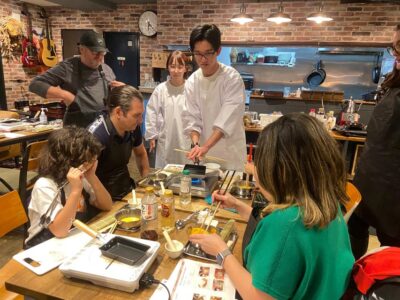
Japanese Washoku Bento Small Group Cooking Class
Read our review →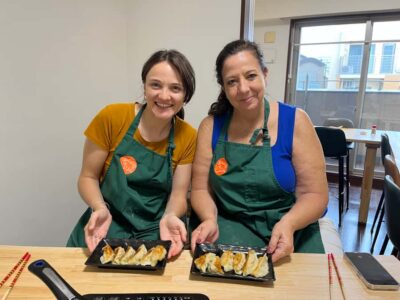
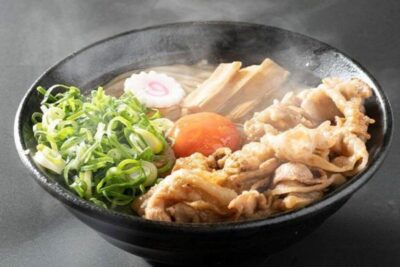
Easy Ramen Cooking Experience in Kabukicho, Shinjuku
Read our review →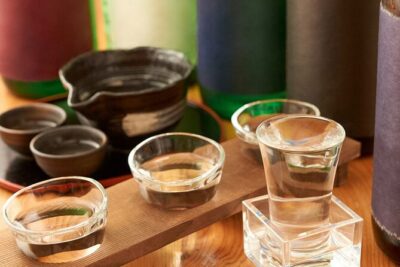
Ramen and Sushi Cooking Class with Sake Pairing Set in Tokyo
Read our review →Browse the lists this tour appears in