
Reviewed · EVENING EXPERIENCES
Tokyo Drift: Modfied Supra Night JDM Daikoku Experience
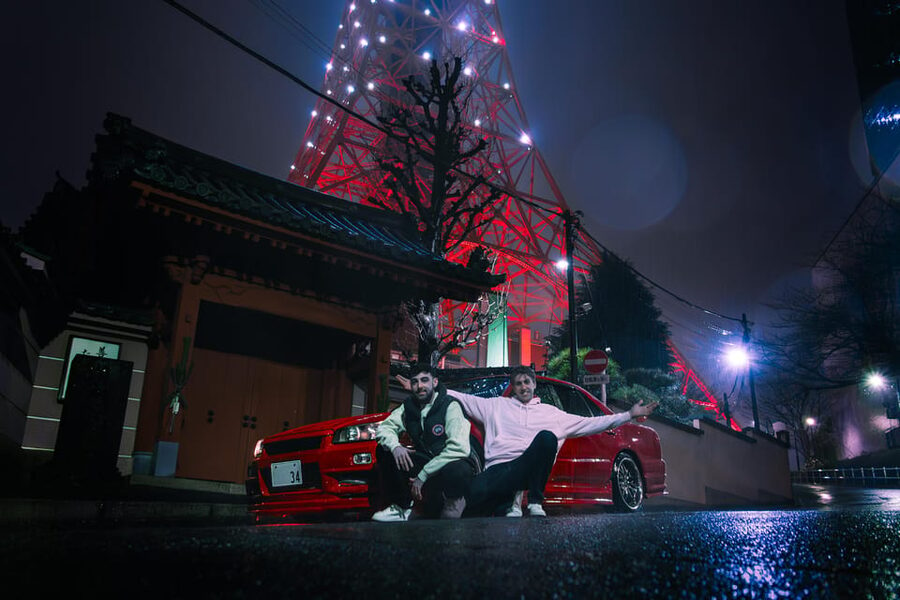
Daikoku at night hits different. I love the Daikoku Parking Area time, surrounded by full-tuned JDM cars, and I love having an English guide who can explain what you are seeing as you go. One consideration is that Daikoku can close frequently, and then the backup sea-side stop can cost extra (5,000 yen per person).
This is also a great way to see Tokyo after dark without playing navigation roulette. You get a complimentary ride in a Toyota Supra A80, plus commentary about car culture and geography while you move between spots, including Rainbow Bridge views at night. The road vibe is part of the point, so if you want quiet sightseeing only, this might feel like more action than you planned.
Key points at a glance
- Daikoku Parking Area focus: one of Japan’s best-known car meeting spots, with guided time to actually understand the scene
- English guided driving: you learn while you ride, not just at the stops
- Toyota Supra A80 included: you are not just ticketed to look, you are part of the night route
- Daikoku closure plan: if Daikoku is closed, you pivot to Umihotaru PA, with an extra fee if used
- Shopping plus city icons: Autobacs Shinonome, Shibuya crossing, Rainbow Bridge, and drop-offs around Shibuya and Akihabara
Tokyo JDM Night Culture: Why This Tour Works
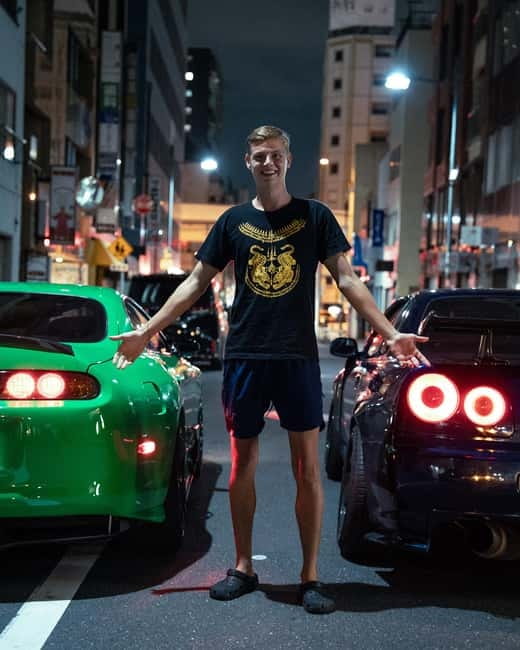
Tokyo car culture is not just cars. It is meeting points, local etiquette, and the way people talk about tuning like it is a craft. This experience is built around that idea, so you spend time where the scene is actually happening, not just where it looks good in photos.
I like that the guide role is central. You are not left to wander around with a vague checklist. With English and Japanese support, you get context on what you are seeing, and you also get a safer way to move between the big night spots.
A small heads-up: you will want to be comfortable with night driving energy. The tour is designed for a car-focused night, with roadside stops and parking-area time, not a slow museum-style pace.
A few more Tokyo days worth comparing
- Tokyo Night Foodie Tour in Shinjuku – Seasonal Sushi, Wagyu Beef
★ 5.0 · 1,161 reviews - Tokyo: Daikoku JDM Car Meet & Night Car Culture Tour
★ 4.8 · 626 reviews - Tokyo After 5: Authentic Japanese Food & Drink Night Tour
★ 4.5 · 560 reviews
The Pickup, Autobacs Shinonome, and Getting Your Bearings Fast
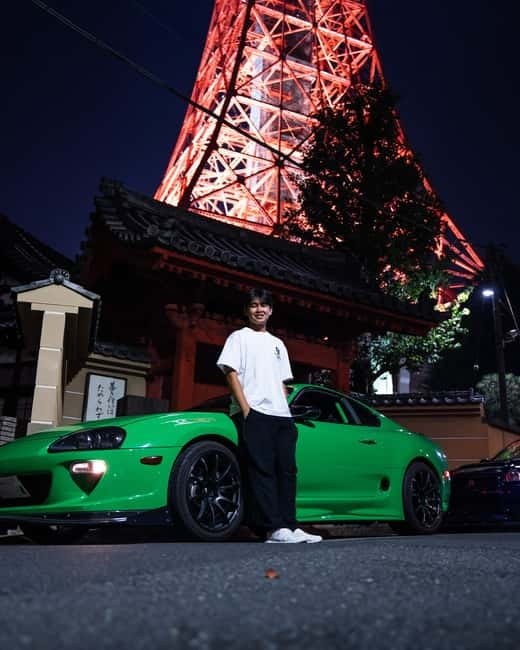
Your night starts with pickup from your accommodation, and where you end up later depends on the option you choose. That matters because Shibuya and Akihabara are very different neighborhoods, and having the right drop-off can save you time and hassle.
Early on, you go to Autobacs Shinonome for shopping and sightseeing time. This is useful for two reasons. First, it gives you a chance to pick up small gear or souvenirs before the car-meet intensity ramps up. Second, it helps you understand Japanese car culture in a normal, everyday setting, not only at the loud parking lots.
If you like seeing the gear side of JDM life, this stop is a win. If you are only interested in spotting cars and do not care about shops, keep your expectations realistic: you are visiting a store area, not a dedicated car museum.
Toyota Supra A80 Ride: The Included Comfort Plus the Car-People Talk
One of the most practical benefits here is the complimentary ride in the Toyota Supra A80. The tour is not treating transport like an extra cost. It is part of the experience, and you also avoid the stress of finding your own way through late-night routes.
During the drive, the guide provides on-the-go education. That means you are learning about the culture and geography as you move, not only when you stop. The tone from what people highlight about this tour is that the guides talk like real car people, and the English can be very strong.
If you get a guide such as Mizuki or Yuto, you will likely notice the difference right away. People have called out native-like English and a friendly vibe that makes it easy to ask questions. That is important because car-meet spotting becomes a lot more fun once you can read the details.
Daikoku Parking Area: The Main Event for Modified JDM Cars
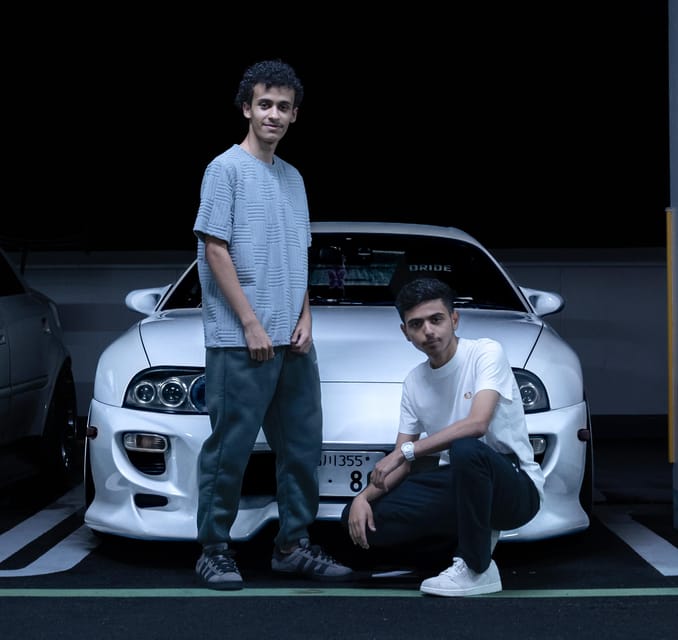
Daikoku Parking Area is the headline. This is where the night scene is meant to land, and it is why the tour exists. The focus is not just a quick pass-by, you get guided time and free time to shop and sightseeing around the area.
What makes Daikoku special is the density of modified cars in one place. It is like walking into a live catalog of Japanese tuning styles, from the way cars sit to the way people talk about what is installed. With a guide, you are more likely to understand what you are looking at, instead of just guessing.
Expect a lively atmosphere. This is a parking-area car culture stop, so it can feel energetic and a bit chaotic in a fun way. If you want a calm night view of the skyline only, this part can be too focused on cars and people.
Also remember a key rule for your planning: Daikoku PA closes frequently. The tour has a backup plan, but you should mentally prepare for the possibility that your schedule shifts based on what is open that night.
Same corner of Japan, a different kind of day:
- Mt Fuji and Hakone 1-Day Bus Tour Return by Bullet Train
★ 5.0 · 26,383 reviews - 1-Day Tokyo Bus Tour
★ 5.0 · 14,250 reviews - Tokyo: TOKYO SKYTREE® Admission ticket
★ 4.5 · 11,192 reviews - Tokyo: teamLab Planets TOKYO Digital Art Museum Entry Ticket
★ 4.6 · 9,779 reviews
Umihotaru PA Backup: Sea Views With an Extra 5,000 Yen Option
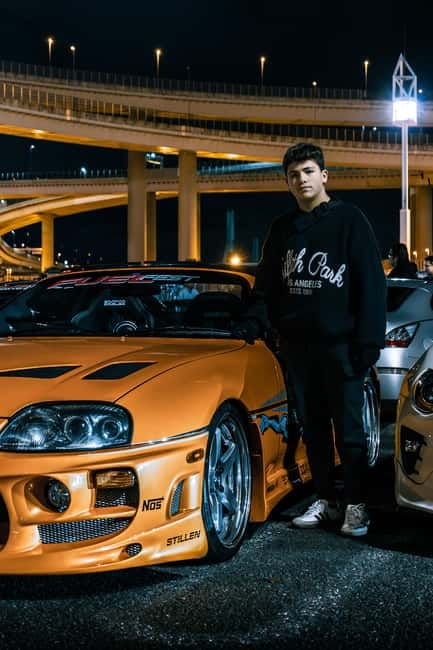
If Daikoku is closed, the plan becomes Umihotaru PA. This spot is described as the sea-side parking lot on the water, which is a nice change of pace when you need an alternative meeting location.
Here is the financial detail that matters for value. If Daikoku PA is closed and you go to Umihotaru, there is an extra charge of 5,000 yen per person due to tolls and the farther distance. That is not hidden, so you can decide in advance how much you want to pay to keep the car-meet night going.
If you do end up going to Umihotaru, you gain something slightly different from Daikoku. You are still in the car scene, but the setting can change how the night feels, with the sea-side backdrop and the ocean-air vibe.
Shibuya Crossing and Rainbow Bridge at Night: The City-Icon Contrast
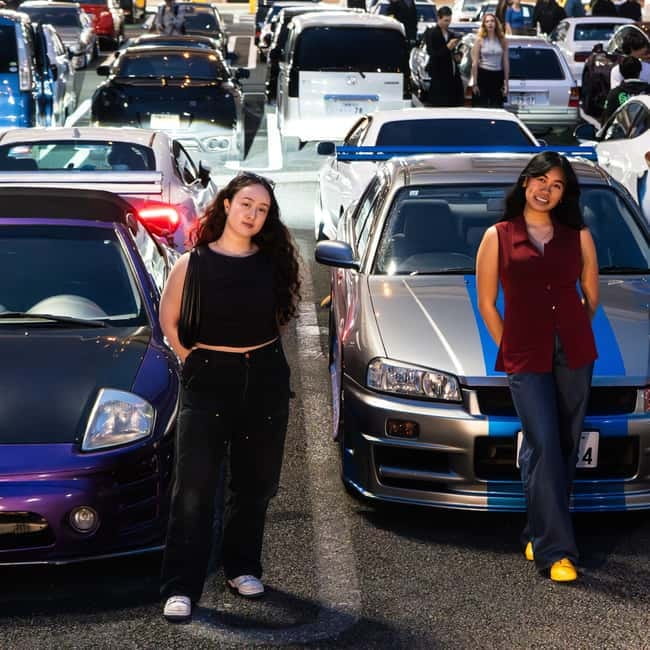
Car culture nights are best when you also get contrast. After the car-focused parts, the tour adds iconic city moments that help Tokyo feel like Tokyo, not only a parking lot.
You visit the Great Shibuya Crossing in the center of Tokyo, with sightseeing time that lets you take in the vibe. Then you also get views from Rainbow Bridge, with time for sightseeing and the chance to photograph the night skyline from above.
This section is not about being a professional photographer. It is about giving your night balance. One hour you are surrounded by tuned machines. Another stop gives you the sense of scale, the lights, and the way Tokyo looks when the streets are buzzing.
If your ideal Tokyo night is more car-meet than city photos, you might rush these parts a bit. If you like a mix, these stops make the overall route feel less single-note.
Drop-Offs Around Shibuya and Akihabara: Why It Matters Late at Night
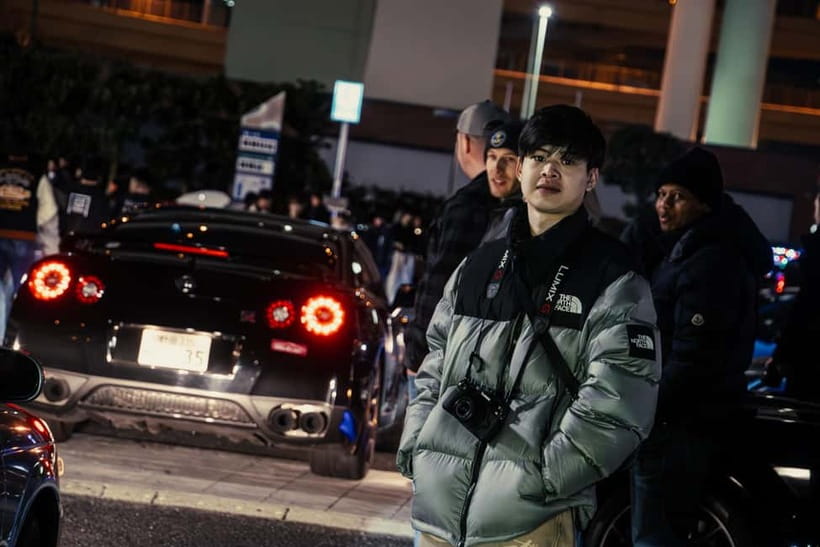
Your ride ends with drop-off at four possible locations: Tokyo, Shibuya City, 秋葉原UDX (Akihabara UDX), and Akihabara Electric Town. That is a big deal for a 3 to 4 hour experience, because Tokyo nights are long and trains can feel like puzzles after dark.
Akihabara Electric Town and UDX are convenient if you want to keep wandering after the car stops. Shibuya City also makes sense if you plan to continue with food or bars nearby. Tokyo drop-off can be helpful if your hotel is more central, but you will want to check your specific option so you do not end up far from your plan.
You should also be ready for the late-night walking factor. This kind of tour is not a drive-only experience. You will be outside, around parking areas and viewpoints, with camera time built in.
Price and Value: What $196 Buys You Here
At $196 per person for 3 to 4 hours, the price is not cheap on paper. But it has value if you care about more than just seeing cars.
You are paying for three things that are hard to replicate on your own:
- Guided car-culture context in English and Japanese
- A planned night route through major meeting and photo spots
- A included ride in a Toyota Supra A80 as part of the experience
The private group part also affects the value. Instead of dealing with a large tour group, you get a more personal flow with your guide. That matters when you want to ask questions like what a specific setup is, why certain cars show up, or how the meeting culture works.
The only recurring cost you might face is that Umihotaru extra fee if Daikoku is closed. If you budget for that possibility, the rest is straightforward based on the data provided.
Who This Tour Suits Best (And Who Should Rethink It)
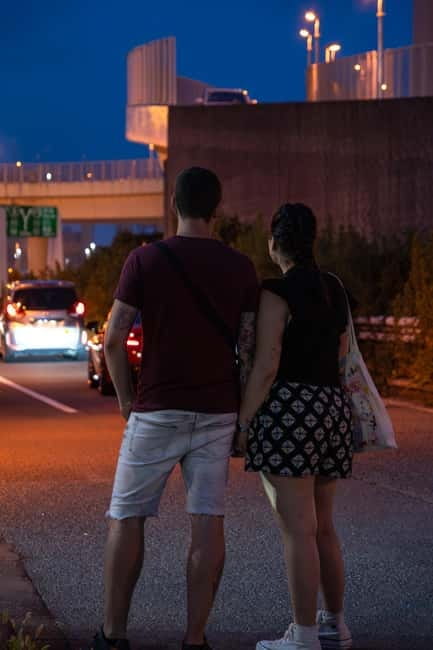
This is for you if you love modified cars, tuning culture, and night scenes in Japan. It is also ideal if you want an English-friendly guide so you can actually understand what you are seeing, not only take pictures.
It is a poor fit if you want a calm, family-style sightseeing day. The tour is not suitable for children under 11, babies under 1, or people over 95 years. It also bans baby strollers, and there are restrictions on alcohol and drugs.
If you are a first-time Tokyo visitor who wants a bucket list night, this can be a strong pick. But if you are already doing separate car-meet plans or you only want views, you might feel the time is too car-heavy.
What to Bring for a Smooth Night
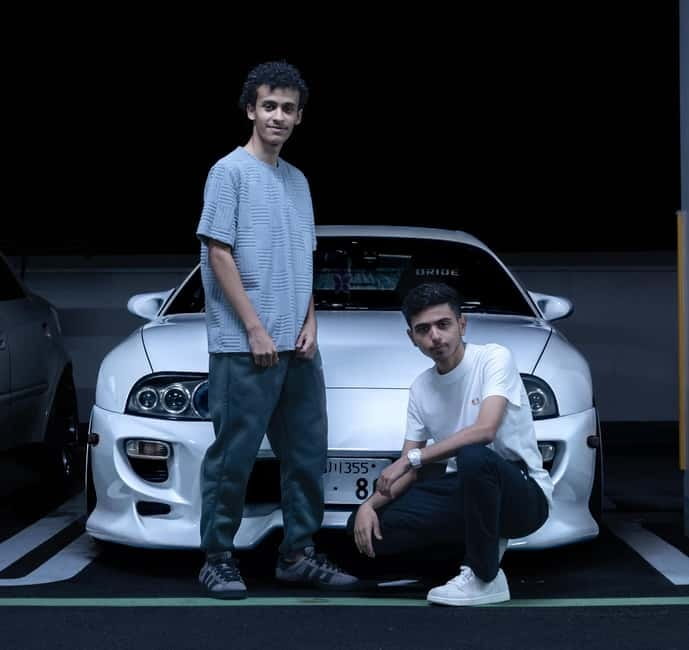
You will have a better experience if you come prepared. Bring your passport, a camera, some cash, and a charged smartphone.
That last point is practical. Your phone is your navigation backup, your camera controller, and your way to handle any last-minute communication. The tour also notes that after booking, contact is done via SMS or WhatsApp, so a reachable phone makes life easier.
Do not bring alcohol or drugs. Also, skip baby strollers since they are not allowed. Think light, think night, and think photos plus comfort for walking time.
How the Guides Bring the Scene to Life
One of the most praised aspects is the guide quality. People highlight guides like Mizuki and Yuto for friendliness, strong English, and car-scene knowledge that makes the night feel like a conversation, not a lecture.
Another detail that comes up is the social side. Some people mention meeting the guide’s friends at Daikoku, which adds a real sense of community. That matters because car culture in Japan often feels more meaningful when you see how locals connect, not just when you spot shiny cars.
Driving style and communication also get positive notes. People describe the experience as fun, with good chat during the ride. You should still use common sense, keep your seatbelt on, and treat the ride like you are in real traffic, not a movie set.
Should You Book This Tokyo JDM Night Ride?
Book it if you want a car-meet night that is guided, structured, and built around the places where JDM culture actually gathers. The Toyota Supra A80 ride plus bilingual commentary is a big value combo, especially if you do not speak Japanese well enough to ask questions on the fly.
Consider skipping or adjusting your expectations if Daikoku closure would make you unhappy. The Umihotaru backup can still be great, but it may add a 5,000 yen per person cost, and the setting shifts from the main spot.
If you like a mix of car spotting and major Tokyo landmarks, this is a strong half-day plan. It gives you Tokyo icons like Shibuya Crossing and Rainbow Bridge alongside the modified-car intensity of Daikoku, without making you plan the logistics yourself.
FAQ
How long is the Tokyo Drift modified Supra Night JDM Daikoku Experience?
It lasts 3 to 4 hours, depending on the starting time and the route that night.
What is included in the price?
The tour includes pickup from your accommodation, a ride in a Toyota Supra A80 as a complimentary part of the experience, stops at major car-related and sightseeing locations, and guided time at Daikoku PA. Rainbow Bridge viewpoints are also part of the experience.
Where do we go during the tour?
You visit autobacs Shinonome, then Daikoku Parking Area. If Daikoku PA is closed, the plan goes to Umihotaru PA. You also see the Great Shibuya Crossing and Rainbow Bridge, then finish at one of the four drop-off locations: Tokyo, Shibuya City, 秋葉原UDX (Akihabara UDX), or Akihabara Electric Town.
Is Daikoku Parking Area always included?
Daikoku PA closes frequently, so it is not guaranteed. If it is closed, the tour goes to Umihotaru PA instead.
Is there an extra fee for Umihotaru PA?
Yes. If Daikoku PA is closed and you go to Umihotaru, there is an extra charge of 5,000 yen per person.
What languages does the guide speak?
The tour offers an English and Japanese live tour guide.
Is this a private group tour?
Yes, it is listed as a private group.
What should I bring?
Bring your passport, a camera, cash, and a charged smartphone.
What is not allowed during the tour?
Baby strollers, alcohol, and drugs are not allowed.
Who is this tour not suitable for?
It is not suitable for children under 11, babies under 1 year, and people over 95 years.
Fresh options around Tokyo
- Tokyo: Nikko Kegon Falls Lake Chuzenji Toshogu Temple & More★ 4.9 · 12 reviews
- Tokyo: Samurai History Walking Tour★ 5.0 · 12 reviews
- Harajuku: Kawaii Fashion and Pop-Culture Tour★ 4.7 · 12 reviews
- Tokyo: Mt. Fuji & Lake Kawaguchi Instagram Full Day Trip★ 4.1 · 12 reviews
- Shibuya Tokyo: Modern Kintsugi Workshop in Shibuya★ 5.0 · 12 reviews
- Tokyo: GTR Guided Daikoku Experience at Night★ 5.0 · 12 reviews
- Tokyo: Daikoku JDM Car Culture Tour★ 4.6 · 12 reviews
- Mt Fuji Private Day Trip from Tokyo with English speaking driver★ 5.0 · 13 reviews
Evening Experiences, compared.
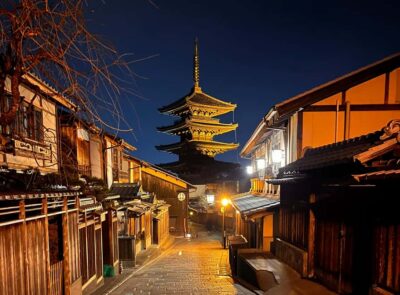
Gion Magical Night Walking Tour with Geisha Trivia
Read our review →
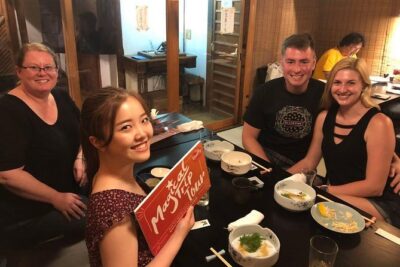
Kyoto Night Foodie Tour in Gion (9+ dishes + 6 Sake tastings)
Read our review →
Tokyo Night Foodie Tour in Shinjuku – Seasonal Sushi, Wagyu Beef
Read our review →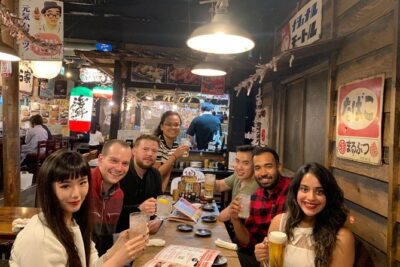
Osaka Bar Hopping Night Walking Tour in Namba (3 bars, 6 tastes)
Read our review →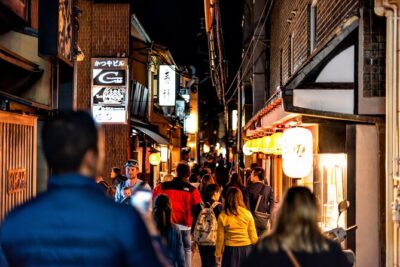
Kyoto Gion Night Walk & Geisha District Guided Tour
Read our review →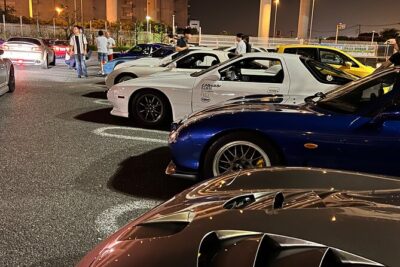
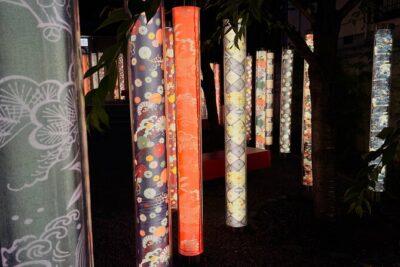
Kyoto Ghost Tour: Dark Tales, Urban Legends, Bamboo Forest Night
Read our review →Browse the lists this tour appears in