
Reviewed · SAMURAI & NINJA EXPERIENCES
Tokyo : Authentic Samurai Experience in a Private Space.
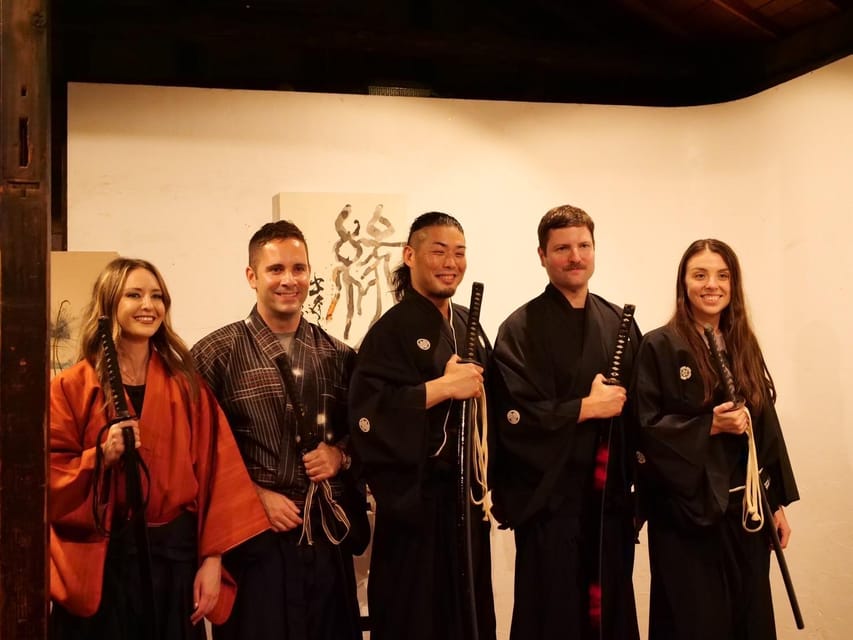
You can learn the samurai basics fast. In Tokyo, this 90-minute class happens in an old private house and mixes dress-up, sword handling, and a final duel so you feel the whole Bushido vibe for yourself.
I especially like that it starts from scratch, with a professional instructor guiding your posture, etiquette, and swing mechanics at a pace that works even if you have zero sword time.
I also like the relaxed finish: you unwind with Japanese tea after training, and you get that classic photo moment inside the traditional home. One drawback to think about first, though, is that this is standing and sword-focused, so it is not suitable for people with mobility impairments, and it also is not recommended for pregnant women or kids under 10.
Key Things To Know Before You Go
- Small group (max 3 participants) means you get real attention, not generic instruction.
- Kimono dressing first so you transition from visitor mode to samurai mode quickly.
- Learn Bushido etiquette alongside sword basics, not just arm movements.
- Practice with a real sword under safety guidance, including cutting practice.
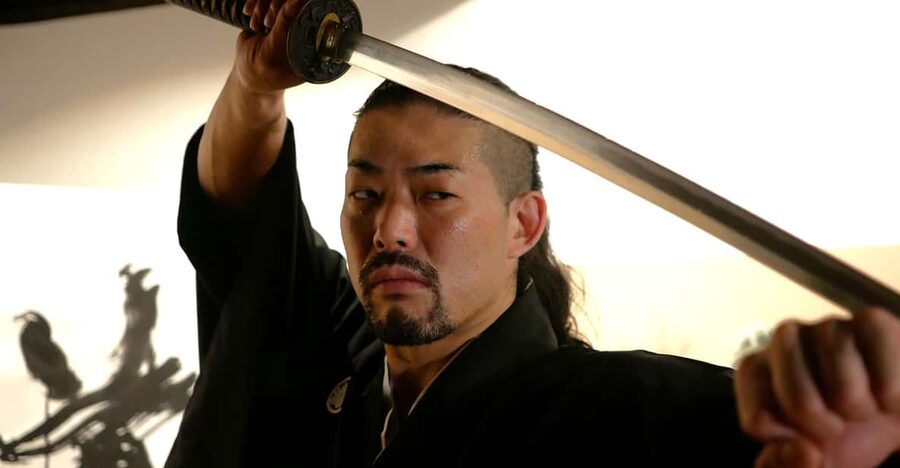
- A final duel with a real samurai is part of the experience, with safety rules in place.
- Tea and photos in an old private house give you the cultural wrap-up you want in Tokyo.
Samurai Training in an Old Private House, Not a Gym
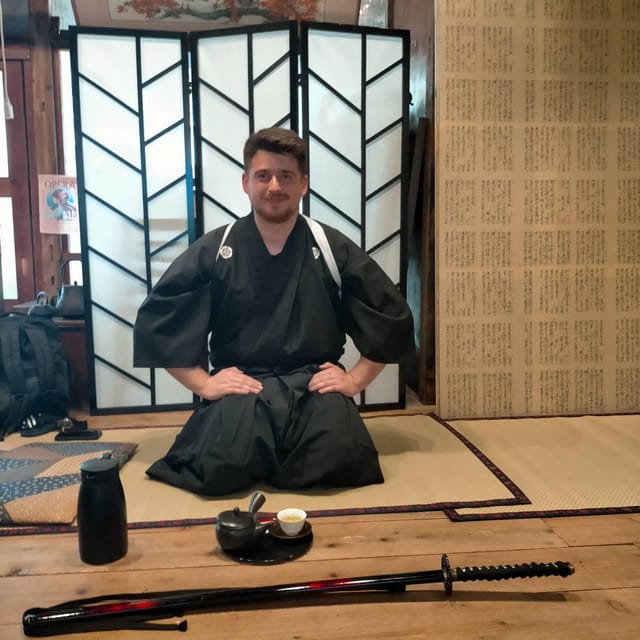
This experience is set inside an old Japanese private house, the kind of place where the rooms, materials, and quiet atmosphere make your training feel more grounded than a studio class. You also get a typical Japanese photo setup from inside the home, so the memory is not only about the sword.
The small group size matters a lot. With just up to 3 participants, instruction can actually match your level. That is a big deal when you are learning sword handling from the beginning, because your stances and timing need correction, not just encouragement.
Even better, the whole program feels built around real Japanese culture, not a costume-and-photos-only show. You start with the formal dress experience, then move into etiquette and technique, then finish with tea and conversation.
More Samurai & Ninja Experiences in Tokyo
- Tokyo: Samurai Restaurant Show Ticket with 2 Drinks
★ 4.5 · 1,307 reviews - Tokyo: Samurai Ninja Museum Guided tour and Experience
★ 4.6 · 1,010 reviews - Tokyo: Samurai Sword & Archery Class from Samurai Descendant
★ 5.0 · 603 reviews
Kimono Up, Samurai Ready: How the Morning Gets You Into Character
The session begins with dressing. You start with a kimono dressing experience, then transition into samurai’s formal dress. It is a practical way to shift into the mindset of Bushido, because etiquette is part of the lesson, not an add-on.
Right after you are dressed, the instructor teaches the basics of how samurai move and behave. Even if you do not know anything about sword culture, you are not left guessing. The goal is simple, you learn the right way to hold and use the sword while staying respectful of what the training represents.
One small but important detail: the group is designed to be enjoyed by both men and women. So you are not walking into a setting that feels gender-coded or awkward. The experience is structured for a mixed group.
And yes, the moment you are fully dressed is also when the photo opportunities hit. That old house backdrop gives you the kind of image you probably wanted from Tokyo anyway.
The Sword Lesson for Beginners: Etiquette, Stances, and Controlled Practice
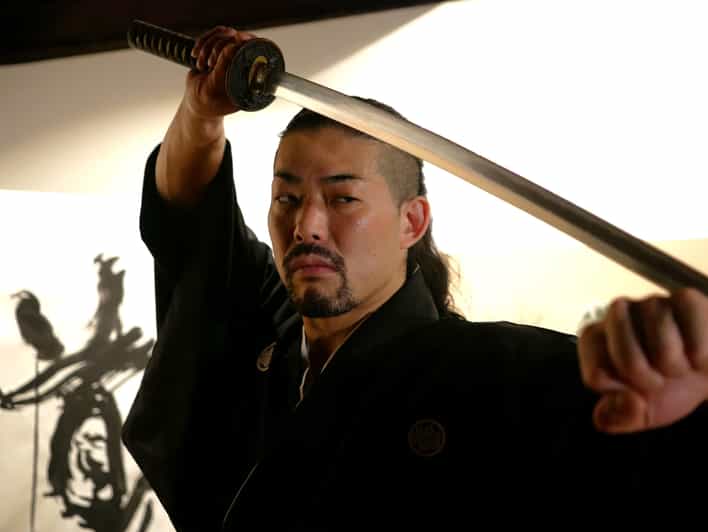
This is not a one-step trick. You get taught sword handling like a skill, starting from scratch. The instructor focuses on technique and etiquette together, so you understand what you are doing and why, not just how to swing something safely.
You can expect instruction on:
- how to handle the sword properly
- how to move with correct stances
- how to practice the swing motion in the right sequence
- how to prepare yourself for the final duel segment
If you are a HEMA person or someone who trains at home, you might appreciate the fact that they do not ignore technique. One practitioner noted that even sitting and cutting practice was challenging but doable, which tells me the training can meet different comfort levels.
If you are brand new, the good news is that the instructor corrects your form and keeps things easy to follow. You are not thrown into the deep end. You also get explanations in English and Japanese, so the language barrier is less of a wall than it could be.
Cutting Practice and the Real Katana Moment
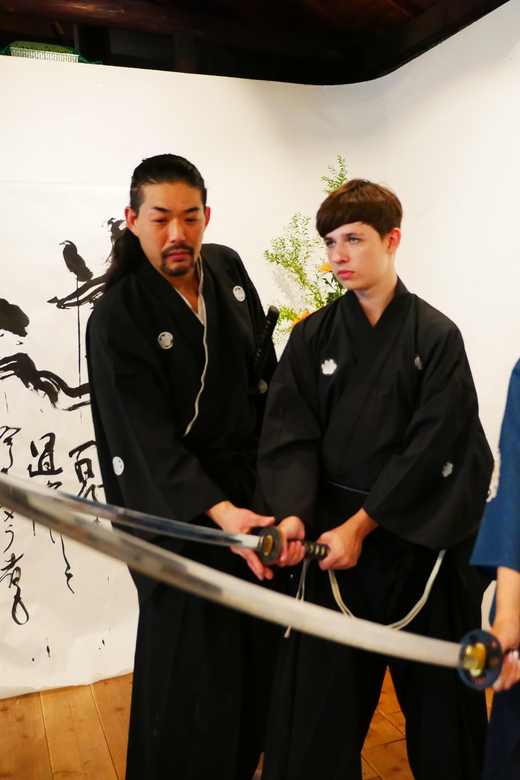
A highlight in the training is the cutting practice. One participant specifically mentioned tatami cutting as a fun, memorable moment. This is where your practice turns from motion drills into something more satisfying and real-feeling.
What you should take from this part is not just excitement. It is a chance to understand the sword’s rhythm: how your body position, timing, and swing connect into a clean strike. That is also why the earlier etiquette and stance teaching matters. Without those basics, your cutting mechanics feel sloppy.
This is also where I recommend paying attention to feedback. Even small corrections can change everything about your swing. If your instructor tells you your motion needs adjustment, listen. You will see improvement during the session, not just in theory.
More samurai and ninja experiences in Tokyo:
- Best Samurai Experience in Tokyo
★ 5.0 · 458 reviews - Ninja Experience (Family Friendly) at Samurai Ninja Museum TOKYO
★ 5.0 · 441 reviews - Tokyo: Samurai Entertainment Night Show in Kanda Shrine
★ 4.6 · 417 reviews - Tokyo Sword Experience – includes Museum Ticket/Ninja Experience
★ 5.0 · 314 reviews
The Final Duel With a Real Samurai, and How Safety Works
You end with a duel scenario against a real samurai using a sword. It is the “okay, this is why I’m here” moment. But it is also the moment where safety rules are the point, not a side note.
Here is what you can rely on from the experience details:
- safety is taken into consideration
- no one will point the blade at you
- if you do not like the edge of the blade, you should tell the team first
That last line is important. If you have any discomfort about how close or how exposed the edge feels, say so right away. This is a training environment, and they can adjust how they handle the situation for your comfort.
Also, the experience is structured for people to learn first, duel second. So you are not walking in cold and immediately getting pushed into chaos. The class builds you up step-by-step, then introduces the duel moment once you understand the basics.
Japanese Tea at the End: Why the Calm Part Matters
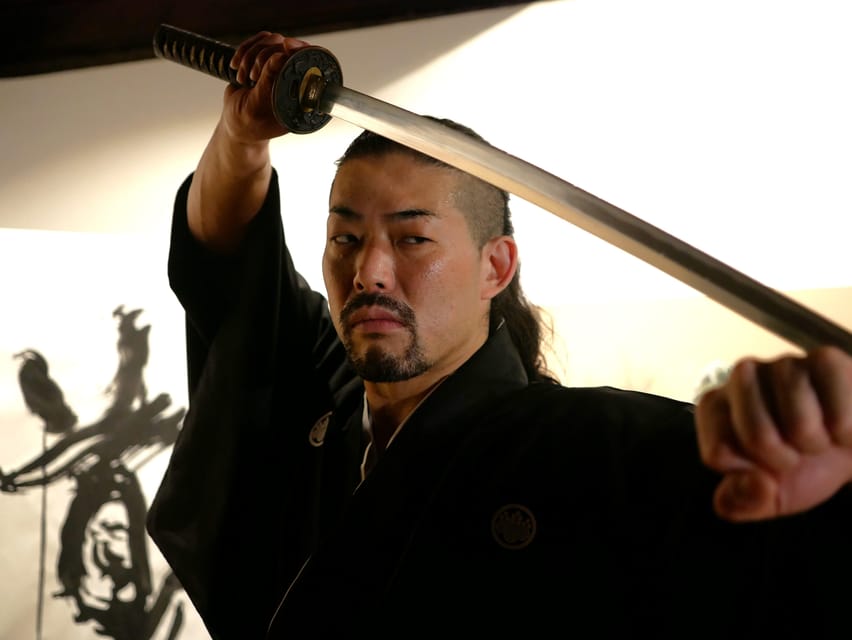
After the training, you get served Japanese tea. It is a simple detail, but it changes the whole experience from adrenaline to something more thoughtful.
You also get a chance to rest, talk with other participants, and ask questions. This is where I like to take advantage of the calm tone. You learn faster when you can slow down and ask what you missed during the action part.
One guest mentioned the tea was very good, and another described the host who took photos and served the tea as a lovely presence. You are not rushed out the door feeling like you completed a task. You finish with a small cultural break, which fits Bushido’s emphasis on discipline and composure.
Price and Value: What $322 Buys in Tokyo Time
At $322 per person for 90 minutes, this is not a cheap souvenir activity. But it also is not just a photo op, and that is the key.
You are paying for several things at once:
- a professional instructor teaching you etiquette and sword handling from scratch
- a small group limited to 3 participants
- time in an old private house, including kimono dressing and a photo moment
- use of a real sword during instruction and practice
- a final duel scenario with a real samurai
- tea served at the end
Think of it like a private-style class experience, even though it is not fully private. The limited group size helps you get corrections and guidance, which is where many “cheap” options fall apart. If you want the samurai experience to feel like learning, not performing, the price starts to make sense.
Who Should Book This Samurai Session (and Who Should Skip)
This program is designed to be enjoyed by both men and women, and it is recommended if you are interested in Japanese Bushido and samurai, or if you simply want an authentic cultural activity in Tokyo.
It is also ideal if you like hands-on experiences. If you want to do something physical, learn proper etiquette, and finish with a cultural moment (tea and photos), this fits.
But skip it if any of these apply:
- pregnant women
- people with mobility impairments
- children under 10 years
Also, scooters are not allowed.
If you are prone to feeling anxious around blades, do not hide that. Tell the team early, especially with the safety edge guidance mentioned in the info you are given.
Timing and Finding the Entrance Near the Signboard
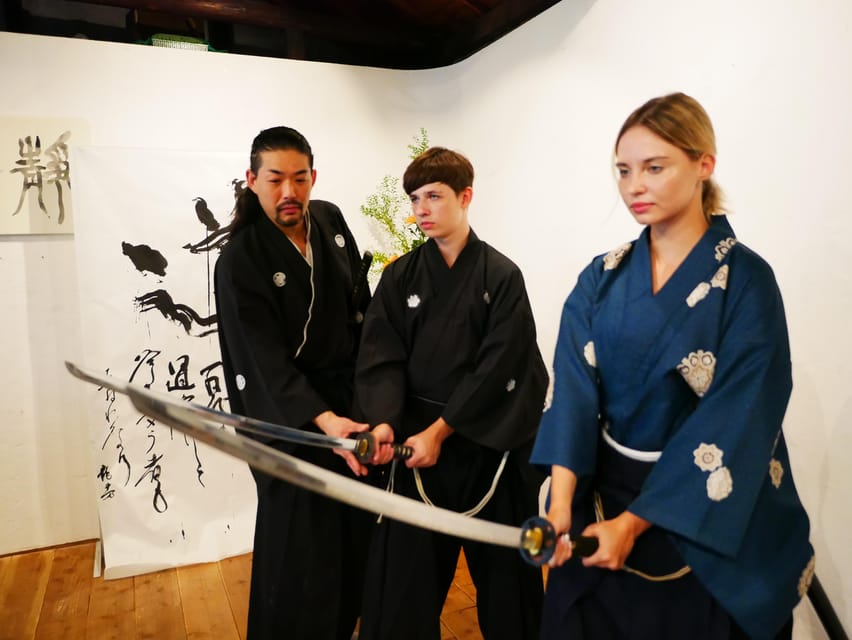
The experience runs 90 minutes, so plan to arrive with enough time to settle in after you find the place. When you get there, look for a signboard near the meeting point. Follow the arrow and enter through the entrance.
After the program finishes, the group disbands on the spot. So you will not need to plan for a long follow-on activity in the same area.
What to Ask Your Instructor Before the Sword Moves
You will get more value if you go in with a couple of questions. One practical tip from past participants is to ask if you can see the sword taken apart to understand how it is constructed. In at least one case, the instructor did this willingly, and it was especially interesting for anyone who likes how tools work, not just how they look.
Other smart questions:
- Where am I losing power in my swing motion?
- What stance should I focus on to improve my cutting?
- Can I do a few more practice swings concentrating only on the cutting action?
If your instructor corrects you during the session, treat those corrections like your personal curriculum. That is how you turn 90 minutes into a skill you actually feel.
Should You Book This Tokyo Samurai Experience?
Book it if you want a hands-on samurai experience with real instruction, real sword practice, and a finale duel that still feels organized and safe. The small group size is a big reason to choose this over something bigger and more generic, and the tea plus old house setting is a nice cultural finish.
Skip it if you cannot do standing, if the experience timing and blade exposure would feel stressful, or if you fall into the provided unsuitability categories. Also, if you are looking only for photos and a quick costume, this will feel more serious than that.
If you want your Tokyo story to include a skill lesson, etiquette, and that old-house photo moment, this is a strong pick.
FAQ
How long is the Samurai Experience in Tokyo?
The duration is 90 minutes.
How big is the group?
The group is limited to 3 participants.
What languages does the instructor speak?
The instructor provides instruction in Japanese and English.
Is this experience safe for beginners?
The experience includes safety consideration. No one will point the blade at you, and you can tell the team first if you do not like the edge of the blade.
What is included in the program?
You get the Samurai Experience, a real sword, kimono dressing, Japanese tea, and learning in an old Japanese house.
Who is this experience not suitable for?
It is not suitable for pregnant women, people with mobility impairments, and children under 10 years.
Can I cancel and can I book without paying right away?
Yes. Free cancellation is available up to 24 hours in advance for a full refund. You can also reserve now and pay later.
Fresh options around Tokyo
- Luxury Tokyo Sake, Cocktail, Whisky and Pairing Tour★ 5.0 · 18 reviews
- Tokyo: Tsukiji walk & sushi private tour with Uni Students★ 5.0 · 17 reviews
- Tokyo:Daikoku JDM Street Culture Tour in wrapped 86★ 4.7 · 18 reviews
- Make Your Own Bonsai with a Professional Bonsai Artist in Tokyo★ 4.5 · 18 reviews
- Tokyo Asakusa Sensoji Temple Night Walking Tour★ 5.0 · 18 reviews
- Tokyo: Alvark Tokyo Basketball Game Ticket★ 4.5 · 18 reviews
- Akihabara Otaku Group Tour★ 4.5 · 18 reviews
- Tokyo: Local Foodie Adventure near Roppongi★ 4.9 · 18 reviews
Samurai & Ninja Experiences, compared.

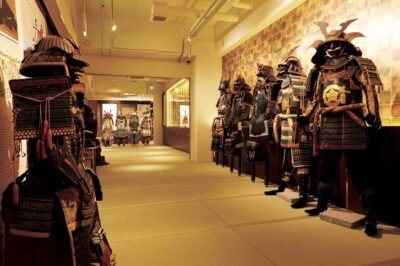
Samurai Ninja Museum Guided tour and Experience
Read our review →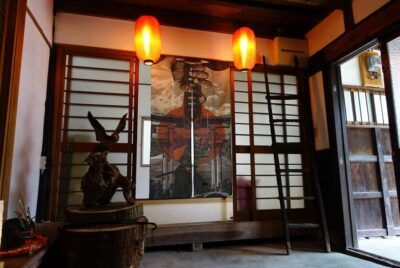
Kendo and Samurai Experience with Uniform and Gear
Read our review →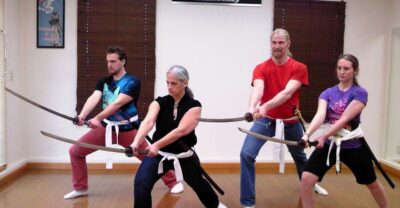
Samurai Sword Class by Experts in Traditional Arts
Read our review →
Skip the lines Basic Ticket at SAMURAI NINJA MUSEUM KYOTO
Read our review →
Samurai Sword & Archery Class from Samurai Descendant
Read our review →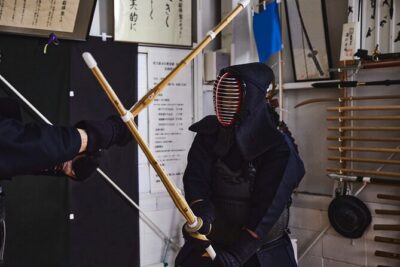
Browse the lists this tour appears in