Reviewed · FOOD
Tokyo: Local Foodie Adventure near Roppongi
Tokyo can feel like one big blur, but Azabujuban is a small detour that changes the pace, just near Roppongi. One neighborhood, 5 snacks, and a story you can taste. This small-group food walk pairs classic flavors with temple stops, local shop culture, and the kind of neighborhood details you miss if you just hop from restaurant to restaurant.
I love the way the guide, Ellen, connects what you eat to where you are, including shrine and temple visits for good luck. I also love the five treat sampling format, which covers both savory and sweet, so you leave full and informed instead of stuffed on just one style of food.
One thing to plan for: your exact snack lineup can shift based on store availability, so it might not match your perfect wish list. You also do need comfortable shoes, since it is a walking tour through a real neighborhood.
Key things to know before you go
- Meet the guide in Azabujuban at Azabujuban Station Exit 4, in front of Oslo Coffee (Japan Hopping Tours logo area).
- Food is a set of five treats, and the selection can change by day.
- Shrines and temples are part of the route, not just a quick photo stop.
- You get local shopping time, including gift stores that stay in Azabujuban.
- Sailor Moon fans visit real-life inspiration spots, linked to Naoko Takeuchi.
- Small group size means you get attention and answers as you go.
Why Azabujuban Feels Different From Typical Tokyo Food Stops
Azabujuban sits close to Roppongi, yet it has its own mood. The vibe is calmer, more old-town, and more “walk and wander” than “line up and scan a menu.” The big idea here is simple: eat well, but also understand the neighborhood around the food.
This is not about chasing the flashiest places. It is about tasting multiple Japanese staples in a compact area, then learning why those shops and streets exist in the first place. You are also getting a route that includes shrines and temples, which turns a food walk into a mini culture lesson you can actually feel through what you eat.
Another reason I like this area is that it has stayed itself. The neighborhood has over 300 shops and many have been open for close to a century. That kind of staying power matters in Tokyo, where neighborhoods constantly get reshaped.
A few more Tokyo days worth comparing
- Mt Fuji and Hakone 1-Day Bus Tour Return by Bullet Train
★ 5.0 · 26,383 reviews - 1-Day Tokyo Bus Tour
★ 5.0 · 14,250 reviews - Tokyo: TOKYO SKYTREE® Admission ticket
★ 4.5 · 11,192 reviews
Meeting at Azabujuban Station Exit 4, and Getting Oriented Fast
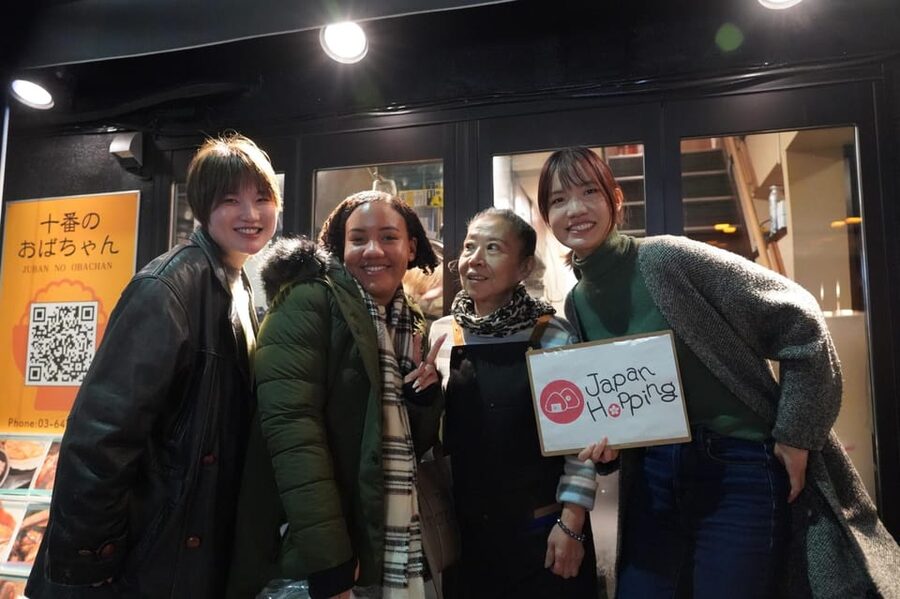
Your tour begins at Azabujuban Station, Exit 4. Look for the guide team in front of Oslo Coffee, with the Japan Hopping Tours logo. This matters because it gets you moving quickly, and it prevents the usual early travel friction of trying to find your group while you are hungry.
Since it is a small group (often 1 to 4 people), the meeting point works well. You can get your bearings early, ask any first questions, and start walking without waiting around for a large crowd.
Plan to come in comfortable shoes. The tour asks for a moderate walking level, and you will be moving through a neighborhood on foot. That is part of the point. You are not getting food delivered to a single address. You are experiencing Azabujuban as a place where people actually shop and eat.
Also note that the tour ends back at the meeting point. So you are not stuck figuring out where to go next after you finish your last snack.
Shrines and Temples for Good Luck, and Why That Part Matters
One of the best parts is that the route includes shrines and temples for good luck. In Tokyo, these stops are not just scenic add-ons. They reflect the everyday role these places can play in community life, from quick prayers to seasonal visits.
On this kind of walk, you get more than “here is a shrine.” You are learning how the neighborhood ties to that spiritual rhythm. That connection is what makes the food stops feel less random. When you understand the local context, even familiar foods taste like something with a home.
I also appreciate that this is guided and conversational. When you have a local perspective, you are more likely to notice the small details that make Japanese religious spaces meaningful, from how people approach a shrine to what the surrounding area signals about local culture.
If you like photos, you will get opportunities. But the real payoff is the cultural framing you get while your feet are still warm from walking.
The 5-Taste Plan: Yakitori, Mame Daifuku, Taiyaki, Oden, and More
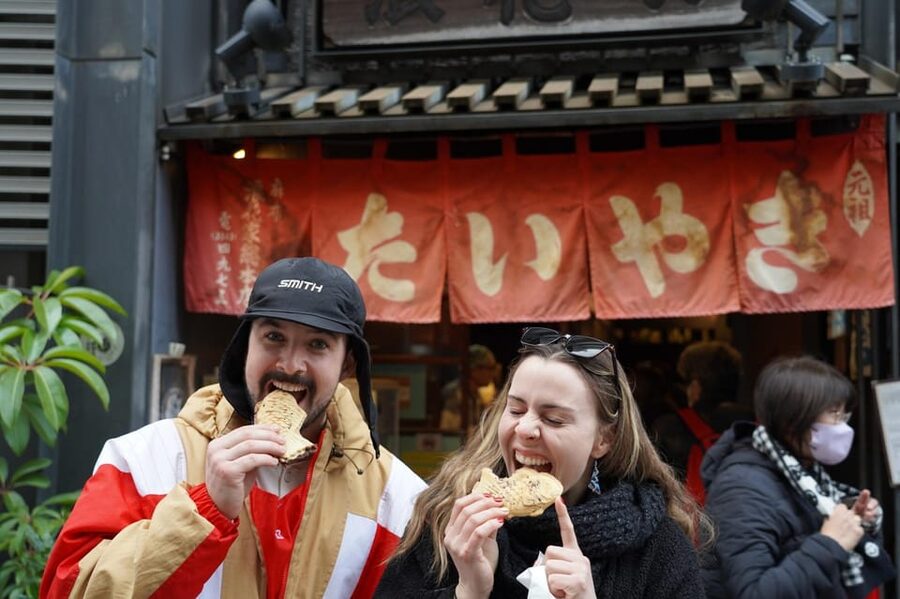
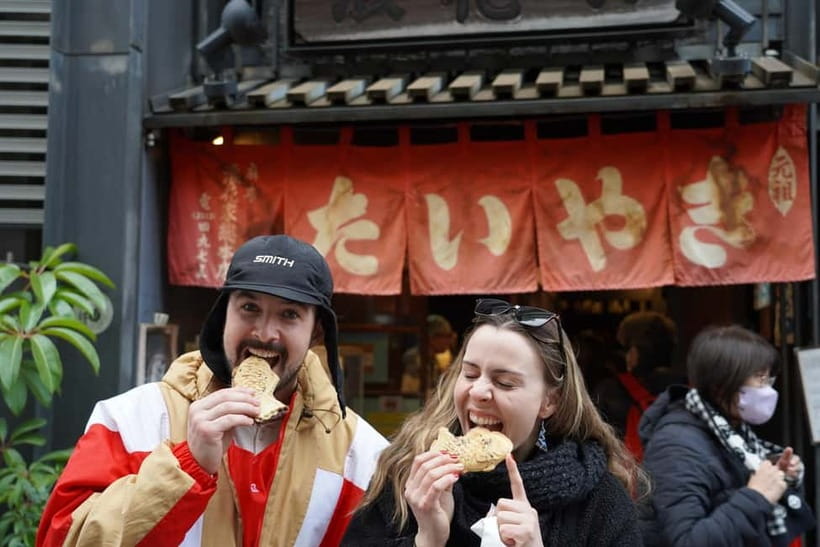
The tour is built around five different Japanese treats, and one alcoholic beverage is included. The exact items can change depending on store availability, but the flavor range is the goal: you taste multiple styles rather than repeating the same snack over and over.
From the info you are given, you should expect classics in this mix, such as:
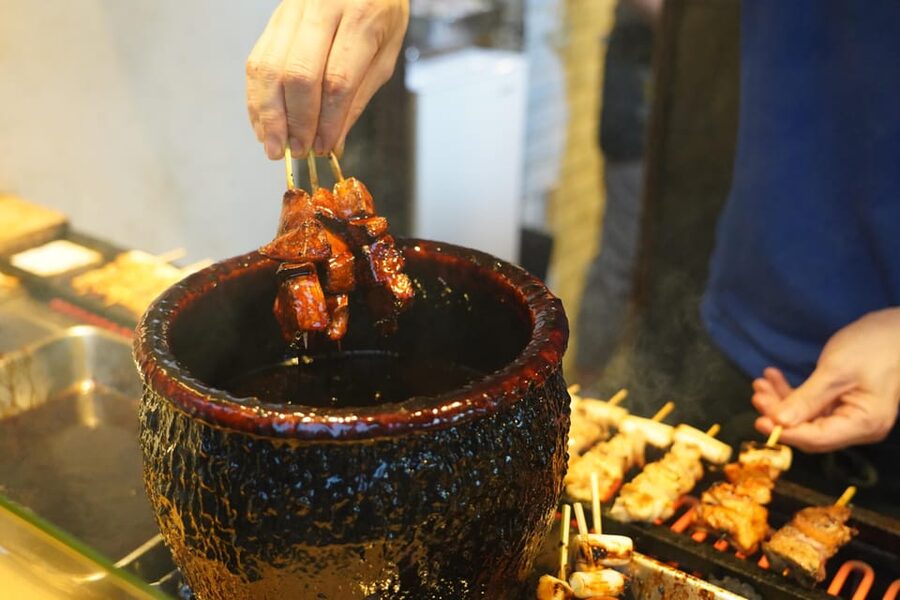
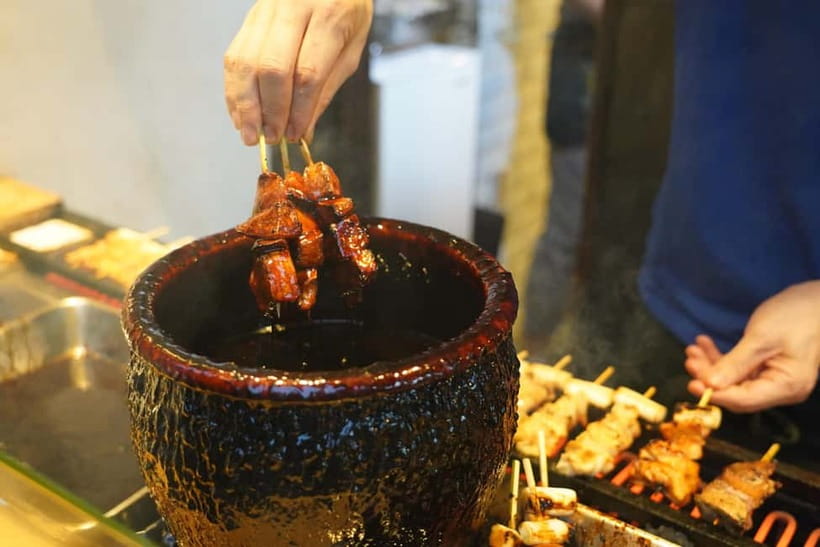
- Yakitori (savory, grilled, usually skewered)
- Mame daifuku (sweet, bean-forward, often served as a soft mochi-like treat)
- Taiyaki (fish-shaped cake, often crispy outside, sweet filling inside)
- Homemade oden (savory comfort food, with simmered ingredients)
- Plus additional options that may show up depending on the day, like sushi, omelettes, and pastries
That variety is one of the tour’s smartest design choices. Tokyo has a ton of food, but many people end up eating too much of one thing because they are overwhelmed. This format keeps you balanced. You end up with sweet and savory, warm and snackable, and enough variety to understand what local “everyday Japanese food” feels like.
You should also know the tour is set up so the food is enough to fill you up. It is not a tiny sample menu where you leave hungry and hunt for dinner. The tour frames the snack plan as a meal-like experience, especially since you are also walking and tasting across multiple stops.
One more practical note: alcohol is included as one drink, but extra drinks are not. If you like to sip, it helps to know you are covered for one, and anything more is on you.
Same corner of Japan, a different kind of day:
- Tokyo: teamLab Planets TOKYO Digital Art Museum Entry Ticket
★ 4.6 · 9,779 reviews - Mt Fuji & Hakone Cruise, Drum Show Bullet Train 1 Day from Tokyo
★ 4.0 · 7,413 reviews - Tokyo: Sumo Show Experience with Chicken Hot Pot and a Photo
★ 4.8 · 6,678 reviews - Tokyo: Shinjuku Food Tour (13 Dishes at 4 Local Eateries)
★ 5.0 · 6,603 reviews
Local Shrines, Food Shops, and the Gift Stores People Actually Use
Food tours often stop at eating. This one keeps moving into shopping culture too. You get time to shop for gifts in unique stores that are found in Azabujuban, so you can bring home something more personal than a mass-produced souvenir.
What I like about adding shopping is that it turns you from customer to participant. You see the types of stores locals support, not just the tourist-trap versions of the same items. It also gives you a chance to ask the guide quick questions as you browse, which usually leads to better choices and fewer wasted minutes.
Because Azabujuban has those long-running shops, you are more likely to find items that feel tied to the neighborhood rather than items that could be purchased anywhere in Tokyo. If you are buying for someone who enjoys Japanese treats, this is a strong match.
Do not expect a department store experience. This is street-level shopping, and you may do more browsing than checking out. If you like slow travel habits, you will enjoy the pace.
Sailor Moon Fans: Real-Life Places Inspired by Naoko Takeuchi
If you love Sailor Moon, there is an extra layer here. The tour includes visits to real-life places that inspired the setting for manga creator Naoko Takeuchi. That is a rare crossover where pop-culture geography becomes part of your food walk.
Even if you are not a hardcore manga fan, this matters because it gives you a narrative lens as you move through the streets. You start noticing how location and atmosphere shape a story. Then you get to contrast that with what the neighborhood is like in real life now.
This part also keeps the tour fun and not only food-focused. When the route includes a theme you care about, it is easier to stay present while you are walking and tasting.
Food Enough to Fill You, But Plan Your Appetite Smart
The tour explicitly says the food should be enough to fill you up. That is helpful, because some tours sell themselves as snack experiences but end up being light on food. Here, the plan is five treats plus a beverage, and the variety is intended to create a meal-like arc.
Still, you should plan your day around it. If you eat a big breakfast right before, you might feel full too fast. If you skip breakfast and start the tour hungry, you will likely get the intended experience, where each stop hits just right.
Comfort matters too. You are walking around a neighborhood with enough small stops that you need shoes that do not hurt. If your feet are unhappy, you will enjoy the cultural bits less, and you will not taste as well when you are worried about blisters.
Price and Value at $71 Per Person, With What You Actually Get
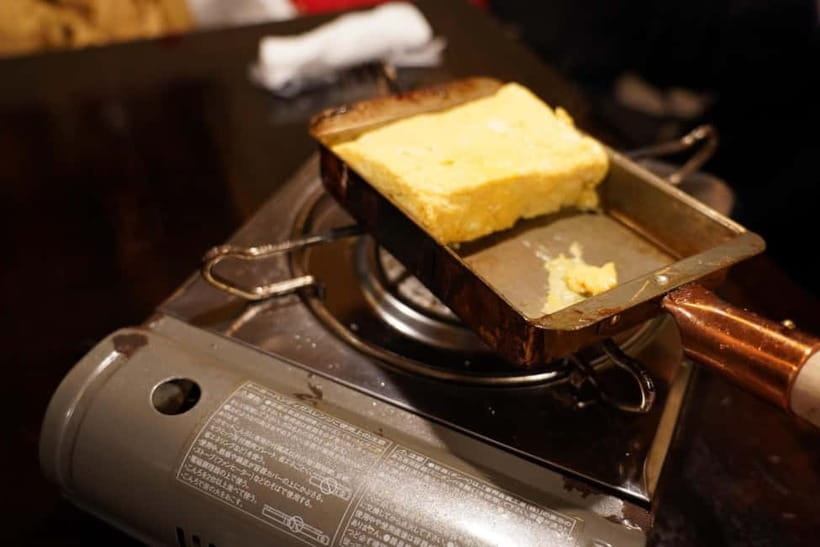
The price is listed at $71 per person, and included items are five different Japanese treats plus one alcoholic beverage. Transportation is not included.
So where is the value? In my view, it comes from three places:
- You are not just eating one item. You get five distinct tastings, and the flavors are meant to cover multiple categories.
- You get guidance that connects the food to the neighborhood. That can turn a simple snack tour into something educational without feeling like a classroom.
- The small group size means the guide can tailor stops and answer questions, instead of delivering the same script to a large crowd.
Also, you are paying for convenience. You do not have to figure out which streets to walk, which shop types to seek out, or how to connect food to local context. You show up at the meeting point, then the route does the work for you.
One caution on value: since food selection can change, the value stays high, but the exact snacks may vary. If you have a strict food obsession, keep your expectations flexible.
Group Size and the Ellen Factor: Why the Experience Feels Personal
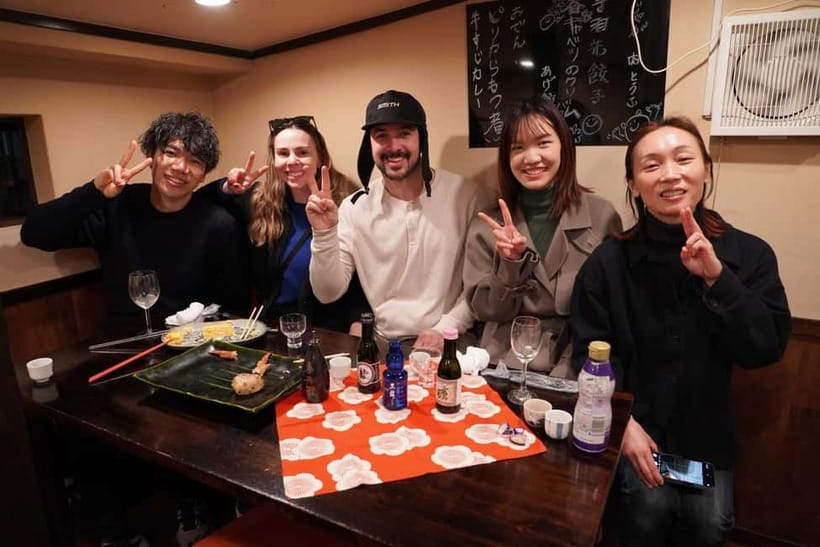
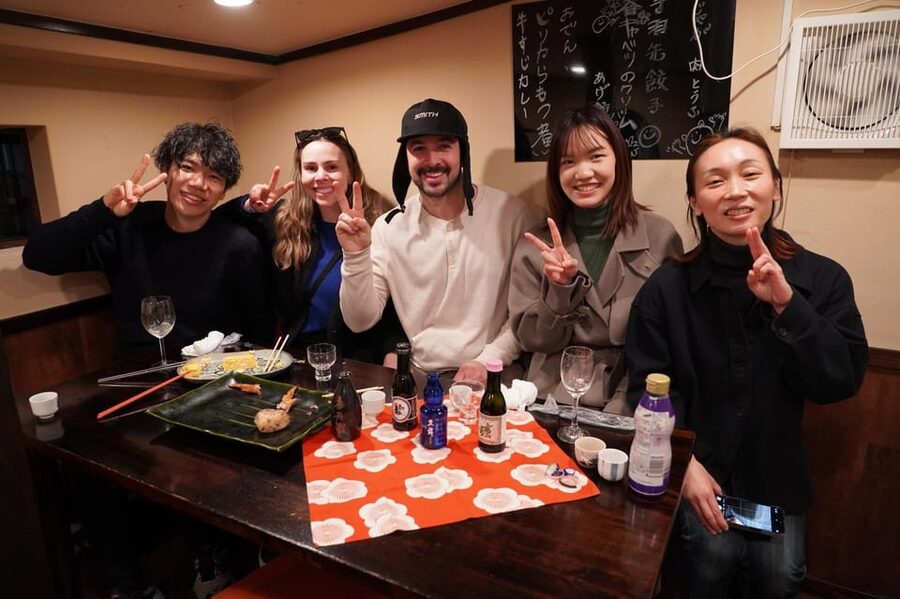
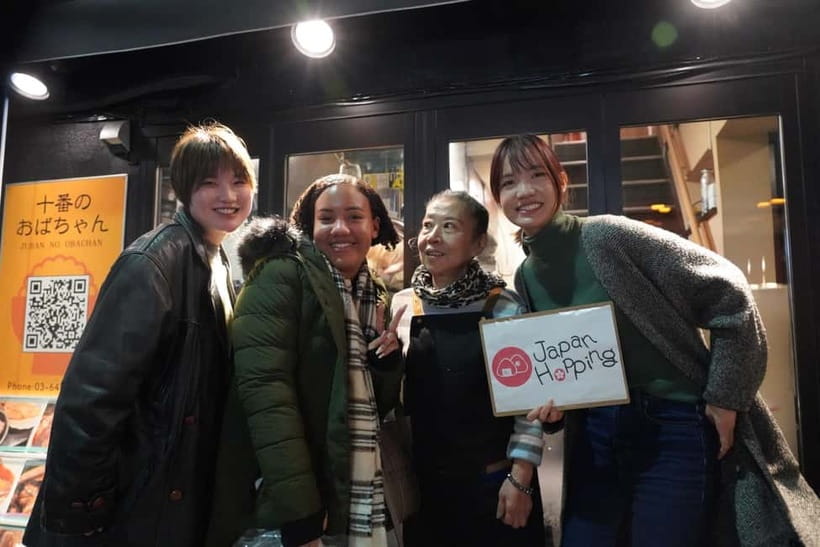
The tour is described as a small group activity, typically 1 to 4 people. That size changes how a food tour feels.
With a small group, you can ask questions and get real answers without feeling rushed. It also means you can shift as needed, since your guide can respond to what people want and how the day is going.
The guide for this experience is Ellen, and the recurring theme around her is preparation, friendliness, and strong local knowledge. The tour experience you want is not just “watch me taste things.” It is more like, “I want someone to explain why this place matters and how to think about what I am eating.”
You also get that warm, conversational tone, and that matters when you are doing a neighborhood walk where small details add up.
Who Should Book This Azabujuban Food Tour (and Who Might Not)
This tour is a good fit if you:
- Want a small-group Tokyo food experience near Roppongi
- Like learning context while you eat, not just collecting photos
- Want a tasting that covers both sweet and savory, from things like mame daifuku and taiyaki to savory items like yakitori and oden
- Care about pop culture locations, especially if you are a Sailor Moon fan
You should think twice if:
- You need a guaranteed exact menu. The tour notes food selection depends on store availability.
- You dislike walking through a neighborhood. You should have a moderate physical level and comfortable shoes.
Also, the tour is not suitable for people over 95 years. That is about safety and pacing, and it is best to respect it rather than hoping it will be adjusted.
Should You Book This Azabujuban Local Foodie Adventure?
I recommend booking if you want Tokyo that feels human-sized. This is not a giant checklist tour. It is a focused neighborhood walk where you taste multiple Japanese treats, visit shrines and temples, and get some shopping time in a place with long-running shops.
If you are the type of traveler who likes two things at once, good food and good context, this tour fits you well. And if you are traveling near Roppongi and want a change of pace without going far across the city, Azabujuban is an efficient and rewarding choice.
Skip it only if you require a fixed snack lineup or you want a fully restaurant-style meal plan. Otherwise, this is a strong value way to see a side of Tokyo you would likely miss on your own.
FAQ
Where does the tour start?
The tour starts at Azabujuban Station, Exit 4. The guides will be waiting in front of Oslo Coffee with the Japan Hopping Tours logo.
Where does the tour end?
This activity ends back at the meeting point.
How many food treats are included?
You get 5 different Japanese treats. The exact selection can depend on the day.
Is an alcoholic drink included?
Yes. One alcoholic beverage is included.
Do I need to pay for extra food or drinks?
Yes. Additional food and drinks are not included, so any extra you want is on you.
What should I bring?
Bring comfortable shoes, since it is a walking tour.
What is the group size?
This is a small group tour/activity, typically with 1 to 4 people joining.
What language is the tour offered in?
The tour is offered in English.
Is transportation included in the price?
No. Transportation costs are not included.
What is the cancellation policy?
You can cancel up to 24 hours in advance for a full refund.
Is there anyone the tour is not suitable for?
It is not suitable for people over 95 years.
Fresh options around Tokyo
- Luxury Tokyo Sake, Cocktail, Whisky and Pairing Tour★ 5.0 · 18 reviews
- Tokyo: Tsukiji walk & sushi private tour with Uni Students★ 5.0 · 17 reviews
- Tokyo : Authentic Samurai Experience in a Private Space.★ 5.0 · 18 reviews
- Tokyo:Daikoku JDM Street Culture Tour in wrapped 86★ 4.7 · 18 reviews
- Make Your Own Bonsai with a Professional Bonsai Artist in Tokyo★ 4.5 · 18 reviews
- Tokyo Asakusa Sensoji Temple Night Walking Tour★ 5.0 · 18 reviews
- Tokyo: Alvark Tokyo Basketball Game Ticket★ 4.5 · 18 reviews
- Akihabara Otaku Group Tour★ 4.5 · 18 reviews
Food, compared.
Shinjuku Food Tour (13 Dishes at 4 Local Eateries)
Read our review →
Tokyo Tsukiji Fish Market Food and Culture Walking Tour
Read our review →
Shinsekai Food Tour with 13-15 Dishes at 5 Eateries
Read our review →
Osaka Food Tour: 13 Dishes at 5 Local Eateries
Read our review →
Shinjuku Food Tour (15 Dishes and 4 Eateries)
Read our review →
Best of Shinjuku: Izakaya Food Tour (4 Stops, 14+ Tastings)
Read our review →
Kyoto Night Foodie Tour in Gion (9+ dishes + 6 Sake tastings)
Read our review →