Reviewed · SHOW
Tokyo: Authentic Japanese Dance Show ticket by professionals
Japanese dance feels personal in Shinjuku. You get to see expressions up close and admire the kimonos and decorations in a way that feels rare for a theater ticket. I also like that the performance is led by professional Japanese dancers who have won recognition at dance competitions. One thing to plan around: photography is not allowed during the performances.
The show takes place in central Shinjuku, and it is connected with YUKI YOSHIDA as the provider. You will hear a Japanese-language performance, but you should still be able to follow along since there is a lot of helpful explanation in English between parts of the show.
Key highlights at a glance
- Close-up watching in Shinjuku so you can spot facial cues and hand details.
- Award-recognized performers who bring competition-level technique to the stage.
- English guidance between pieces that helps you understand what you are seeing.
- Kimonos and stage styling that look even more detailed from the audience.
- No photos during the show, with a dedicated photo time at the end.
Shinjuku’s Japanese Dance Show: Why This Ticket Is Worth Your Time
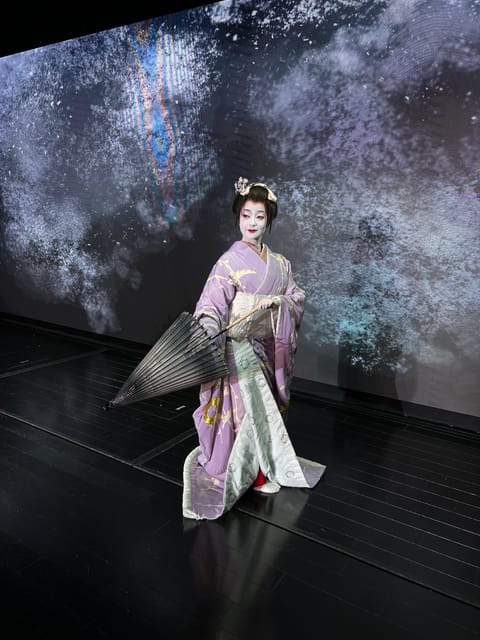
If you only have one night for a Japanese cultural performance, this is the kind that can actually change how you look at dance. The setting is in Shinjuku, so you are not spending half a day commuting to the middle of nowhere. You also get the unusual feeling of being close enough that movement does not look abstract. It reads as emotion, control, and story.
I love the combination of two things: the physical beauty of the performance, and the context that makes it easier to understand. The kimonos are a major draw, yes. But what stays with me is how the dancers project intent through tiny changes in posture and timing. Even if you do not know the traditional vocabulary of Japanese dance, you can still feel when a sequence is meant to be quiet, decisive, playful, or solemn.
One more value point: this show is built around professional dancers. The information shared during the evening frames the dance as a craft, not just entertainment. That matters if you are the type of traveler who likes to learn something you can take home and notice next time you see Japanese performing arts.
A few more Tokyo days worth comparing
- Mt Fuji and Hakone 1-Day Bus Tour Return by Bullet Train
★ 5.0 · 26,383 reviews - 1-Day Tokyo Bus Tour
★ 5.0 · 14,250 reviews - Tokyo: TOKYO SKYTREE® Admission ticket
★ 4.5 · 11,192 reviews
Getting Settled in Shinjuku: Location, Atmosphere, and What You’ll Notice First
Shinjuku is one of those places where you feel Tokyo’s energy the second you step outside. The advantage here is simple: you can fit the show into a normal day of sightseeing without needing a special day trip. After the hustle of the station area, you walk into a calmer environment designed for attention.
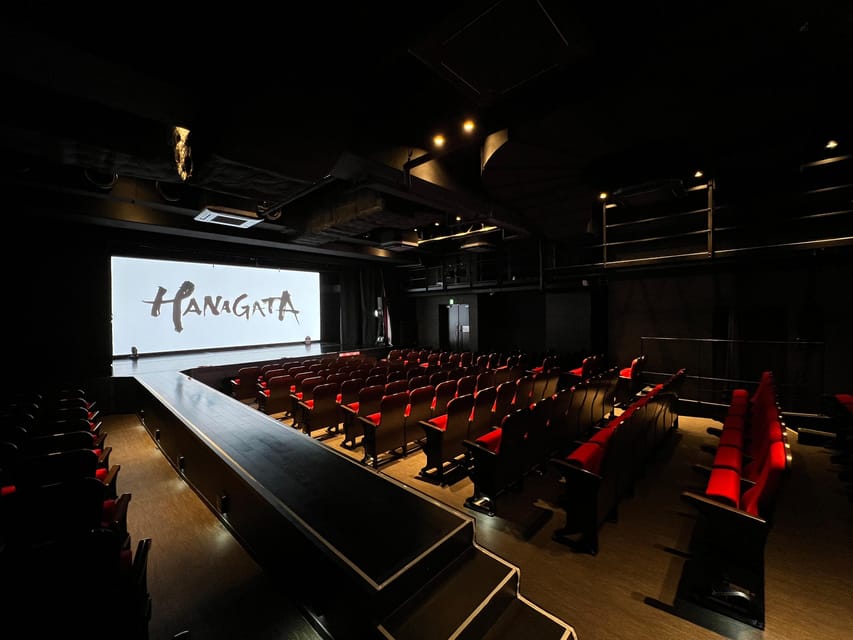
Once you take your seat, the tone shifts fast. Close seating means you notice details that you would miss from far back. The dancers’ facial expressions become part of the performance, not a side note. You can also see how the kimonos sit on the body and how decorations move with the dancer’s control.
A practical tip from the real world: expect the room to be focused on performance etiquette. That lines up with the photography rule, which is there for a reason. You will get a far better experience if you keep your phone down during the show and just watch.
Professional Japanese Dance in Motion: What Makes It Feel Authentic
The highlight here is authentic Japanese dance performed by professionals with competition recognition. The show’s framing matters, too. Japanese dance is described as a beauty passed down for over 400 years. That claim is not just marketing language. In performance, it shows up as discipline: repeatable technique, deliberate pauses, and movement that looks controlled rather than spontaneous.
You will likely notice that the dancers do not only move their bodies. They move their attention. Arms, hands, and even eye focus help shape the emotion of the moment. That is why close seating changes everything. From the front or near the front, you can read the dancer’s intent.
Some people also experience the show as a trip back in time. One traveler described it as feeling like a return to the Edo period. That is not a literal time machine, but it points to the same thing: the presentation has that period feeling, the kind you associate with older Japanese aesthetics and traditional stage arts.
A Simple “Flow” of the Evening: Before, During, and After the Performance
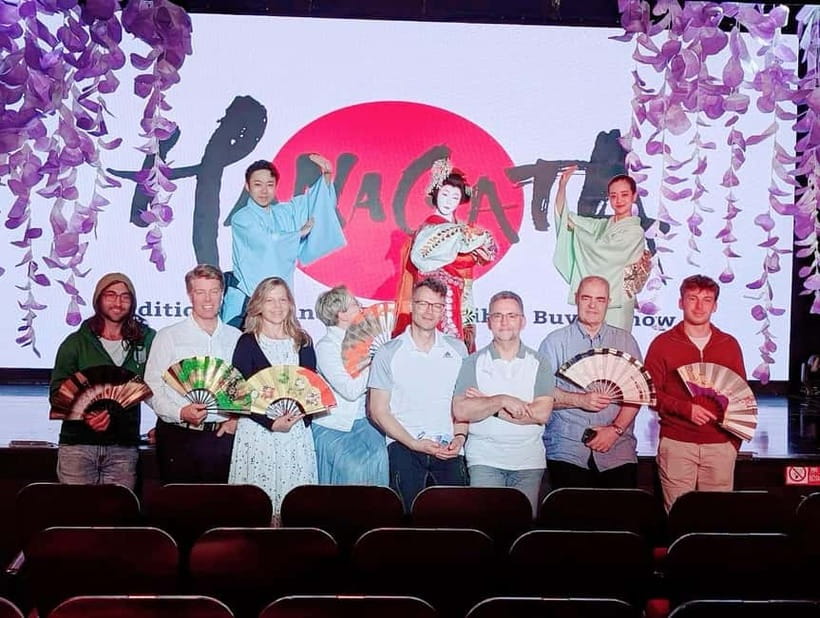
You will not get a complicated itinerary with multiple locations here. The value is concentrated in one show.
Same corner of Japan, a different kind of day:
- Tokyo: teamLab Planets TOKYO Digital Art Museum Entry Ticket
★ 4.6 · 9,779 reviews - Mt Fuji & Hakone Cruise, Drum Show Bullet Train 1 Day from Tokyo
★ 4.0 · 7,413 reviews - Tokyo: Sumo Show Experience with Chicken Hot Pot and a Photo
★ 4.8 · 6,678 reviews - Tokyo: Shinjuku Food Tour (13 Dishes at 4 Local Eateries)
★ 5.0 · 6,603 reviews
Before the performance
Plan to arrive with enough time to get comfortable and settle. The experience includes welcoming touches and a friendly staff atmosphere. People have specifically noted warm hospitality and kindness, including the sense that staff and performers are happy to talk afterward.
During the performance
The show itself is Japanese-language, and your understanding will be helped by English explanations between performances. That is a big deal. It means you can enjoy the visuals without needing prior dance knowledge. Between sequences, you get enough background to connect movements to meaning.
Also, remember that this is stage craft by award-level professionals. Reviews repeatedly call out how much effort the dancers put in, and that the clothing and movement are both gorgeous. You can treat the evening like both a performance and a short cultural lesson.
End of the show photo time
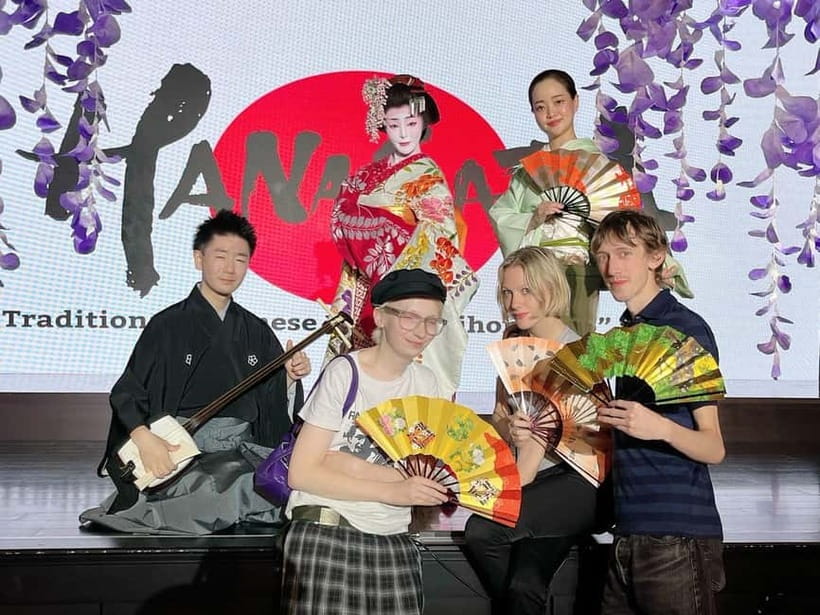
Photography is prohibited during the performances, so do not plan to film or snap pics while the dancers are on stage. But the experience includes a photo moment at the end. That is the practical compromise: you get your souvenir photos after you have had your eyes on the real thing.
The Kimonos and Detail Work: What to Look For
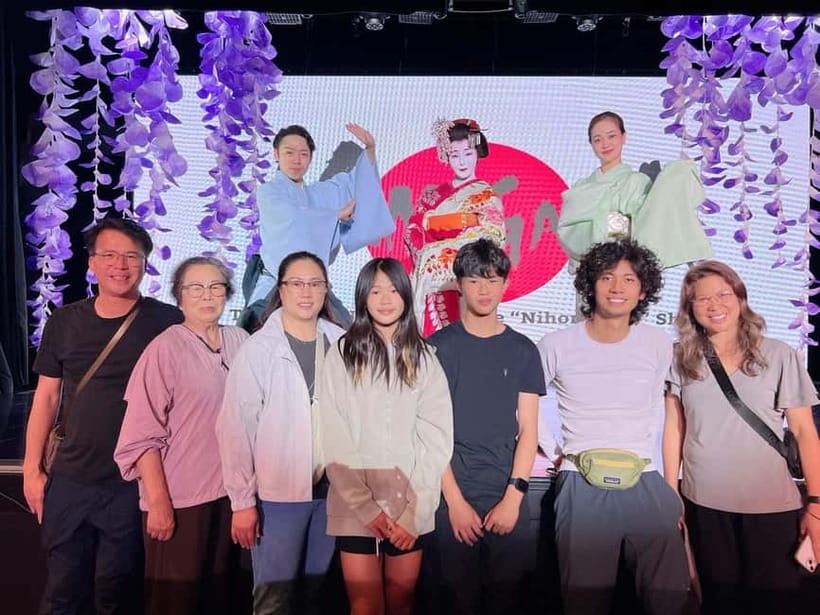
If you love textiles, you will enjoy this show twice. The kimonos are not just costumes. They are part of how the dance reads. Fabric and decoration catch light, and they respond to movement in a way that can look like the outfit is breathing with the dancer.
Here are a few things to focus on while you watch:
- Facial expressions and eye focus. In close seating, you can see how emotion is carried.
- Hand shapes and timing. Traditional dance uses precision, and the meaning lives in those moments.
- How the kimono moves. Watch how the sleeves and layers shift as the dancer changes direction.
- Transitions. The best dancers make the switch between moods look effortless, but it is clearly controlled.
One traveler highlighted the beauty of the kimonos and the delicacy of decorations. That matches what you can expect in person. Even without understanding every technical term, you can still appreciate that level of detail.
English Support Without Drowning in Translation
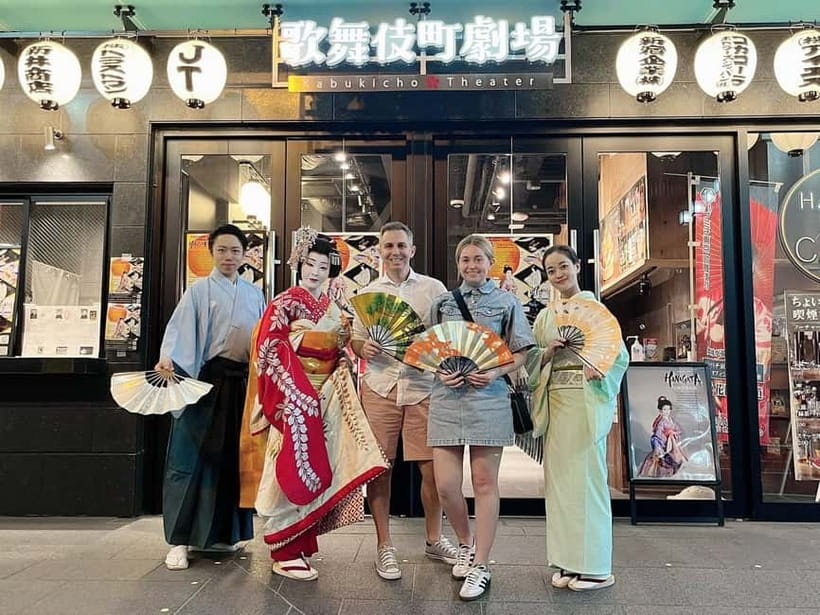
A common problem in cultural shows is that you either understand everything or you understand almost nothing. This show aims for the middle ground. You get a Japanese-language performance, but staff provide lots of information in English between pieces.
That structure helps you enjoy it as theater first. You are not stuck reading at your phone during the show. Instead, you get enough explanation to make the dance feel like it has a story, not just patterns.
The staff also appear comfortable interacting with visitors. One traveler noted they knew English well and were happy to talk before and after. So if you ask a question during the polite window at the end, you might get a real answer instead of a shrug.
Price and Value: Is $54 a Good Deal for This Kind of Show?
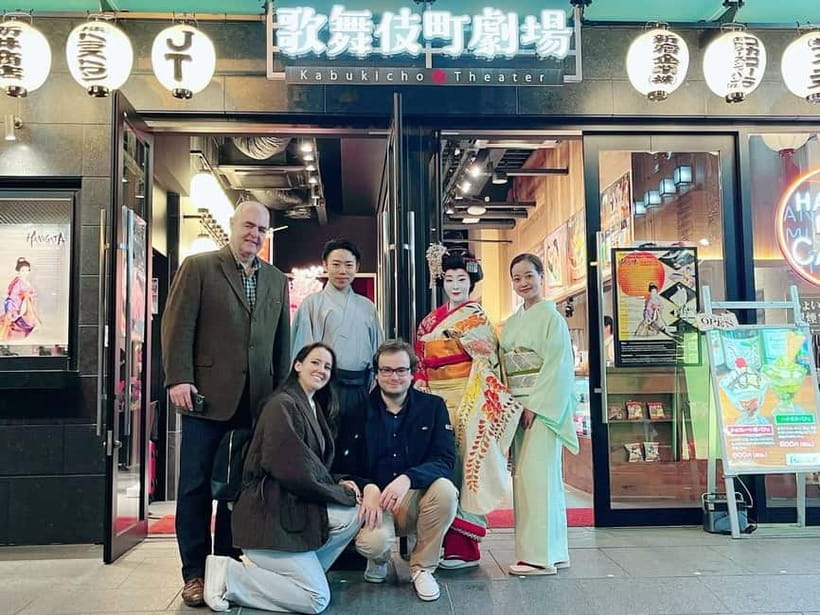
At about $54 per person, this is not an ultra-budget activity. But it also is not priced like a “luxury night out” with drinks and dinner. What you are paying for is the ticket to a show by professional dancers in a central Tokyo neighborhood, with close viewing and a learning component.
Here is the value breakdown:
- Included: the entrance ticket.
- Not included: food and beverage, hotel pickup.
- Added value: English background between pieces, friendly staff, and a photo time at the end.
In other words, the money goes where it matters, into the performance and the audience experience. If you want cultural learning without hunting down museums or booking a multi-stop day, this can be a strong use of time in Tokyo.
If your budget is tight, you might treat this as a “one main cultural show” choice rather than something you stack with several paid performances. But if you enjoy traditional arts even a little, it is the type of ticket that can feel memorable for the right reasons.
Photography Rules: How to Enjoy the Show Without Missing the Moment
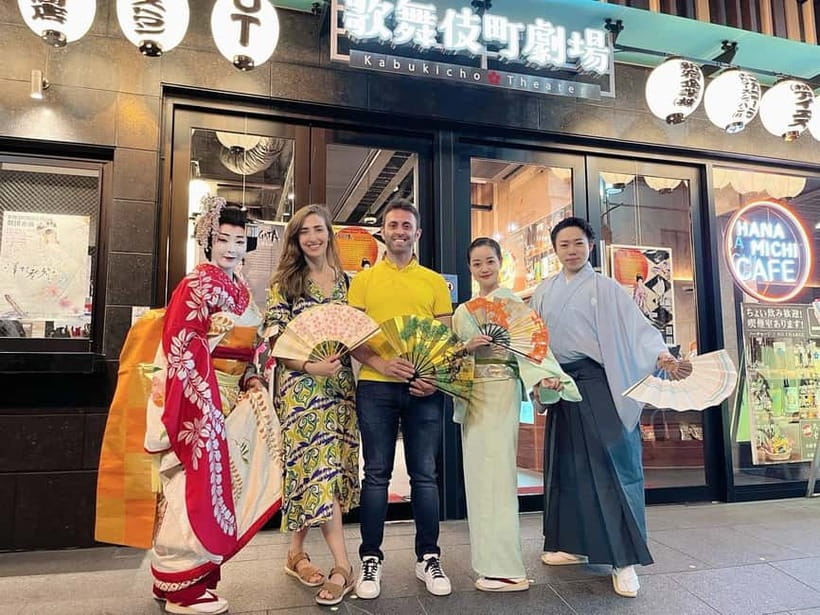
This is one of the most important practical details. Photography is prohibited during performances. That includes snapping photos and filming while the dancers are performing.
The upside is that the rule protects the atmosphere. It keeps the room focused. In a show this detail-heavy, distraction ruins the experience. Your best plan is to treat your eyes like the camera.
Then, at the end, there is time for taking pictures. So you can still get those keepsake shots without breaking the show’s etiquette.
Who This Japanese Dance Show Fits Best (and Who Might Prefer Something Else)
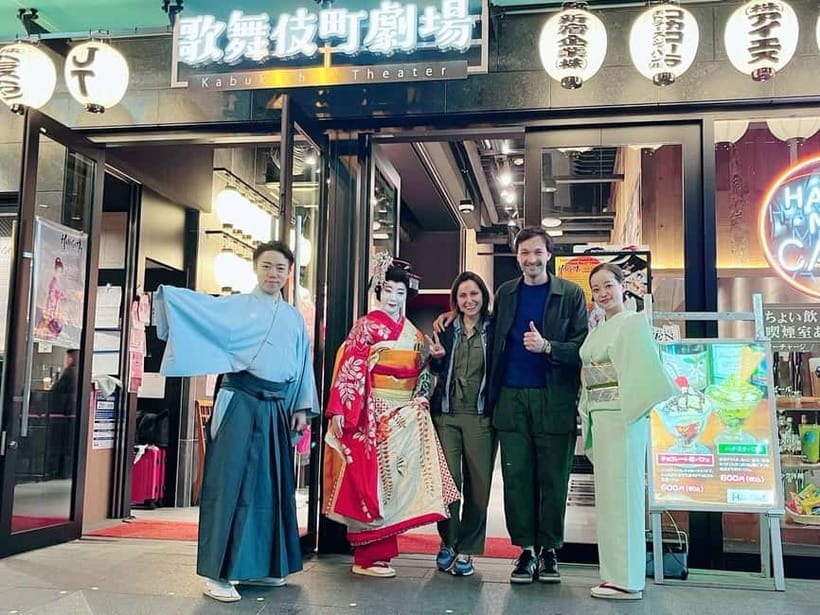
This experience makes a lot of sense if you:
- want a traditional Japanese art experience in a single location
- enjoy performances with strong visual craft like textiles and stage movement
- like context, not just watching without understanding
- want something easy to schedule while you are staying in or near Shinjuku
It may not fit as well if you:
- strongly prefer recording videos during performances
- only want activities with long timelines or multiple stops
- expect a fully guided walking tour style experience
Even for people who do not understand the technique, the English explanations between parts help you follow the emotional beats. That is a real reason the show earns high marks.
Practical Notes That Affect Your Evening
Food and drinks
Food and beverage are not included. If you want a meal, plan that separately before or after the show. Shinjuku makes this easy.
Getting there
Hotel pickup is not included. You will handle your own way to the venue.
Language
The show language is Japanese. You can still follow along due to English information between performances. If you speak only English, you are not left totally on your own.
Childcare option
If you are traveling with kids, the experience notes childcare can be provided so you can enjoy the show or participate in activities. You can reserve through the childcare program link provided.
Should You Book This Tokyo Japanese Dance Show?
Yes, if you want a concentrated dose of professional Japanese traditional dance with close viewing and real cultural context. The best part is not just seeing dancers in beautiful kimonos. It is watching skilled technique and expression in a way that helps you connect to meaning, with English background to bridge the gap.
I would book it especially if:
- you are already in the Shinjuku area
- you want one high-quality cultural night that does not require a full-day plan
- you like learning how Japanese performing arts work, not just taking photos
I would think twice if you must record during the performance. Since photography is prohibited inside during the show, this is the wrong fit for you if that is a non-negotiable.
FAQ
Where does this Japanese dance show take place?
The show is in Shinjuku in Tokyo, on the island of Honshu, Japan.
How much is the ticket?
The price is $54 per person.
What is included in the price?
The ticket includes entrance only.
Is food or hotel pickup included?
No. Food and beverage are not included, and hotel pickup is not included.
Can I take photos during the performance?
No. Photography is prohibited during performances.
Is there any photo time after the show?
Yes. There is time for taking pictures at the end of the performance.
Is childcare available for children?
Yes. Childcare can be provided while you are enjoying or participating in activities. You need to make a reservation through the kids program link given for this experience.
Fresh options around Tokyo
- Tokyo: Nikko Kegon Falls Lake Chuzenji Toshogu Temple & More★ 4.9 · 12 reviews
- Tokyo: Samurai History Walking Tour★ 5.0 · 12 reviews
- Harajuku: Kawaii Fashion and Pop-Culture Tour★ 4.7 · 12 reviews
- Tokyo: Mt. Fuji & Lake Kawaguchi Instagram Full Day Trip★ 4.1 · 12 reviews
- Shibuya Tokyo: Modern Kintsugi Workshop in Shibuya★ 5.0 · 12 reviews
- Tokyo: GTR Guided Daikoku Experience at Night★ 5.0 · 12 reviews
- Tokyo: Daikoku JDM Car Culture Tour★ 4.6 · 12 reviews
- Mt Fuji Private Day Trip from Tokyo with English speaking driver★ 5.0 · 13 reviews
Show, compared.
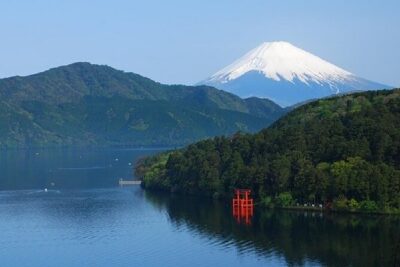
Mt Fuji & Hakone Cruise, Drum Show Bullet Train 1 Day from Tokyo
Read our review →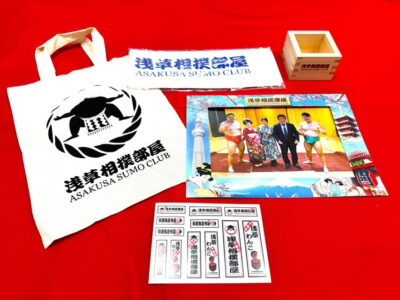
Sumo Show Experience with Chicken Hot Pot and a Photo
Read our review →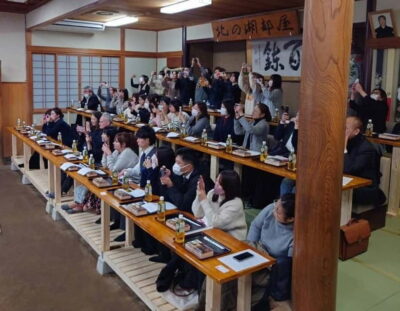
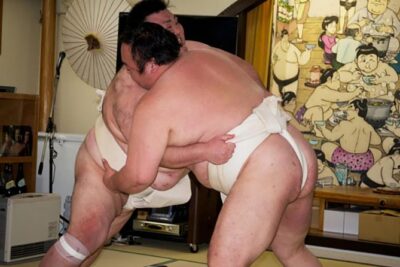
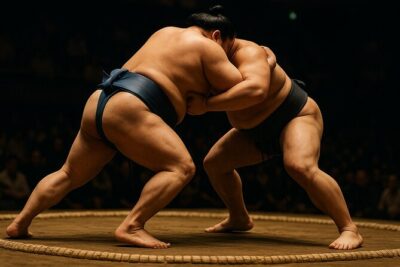
Tokyo Shinjuku Sumo Show & Experience with Photo
Read our review →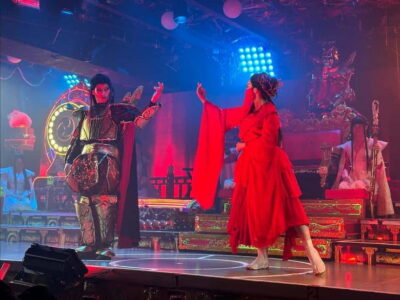

Mt Fuji & Hakone Cruise, Drum Show Bus 1 Day from Tokyo
Read our review →