
Reviewed · SAMURAI & NINJA EXPERIENCES
Samurai Experience – Learn Bushido through Kendo, in Tokyo
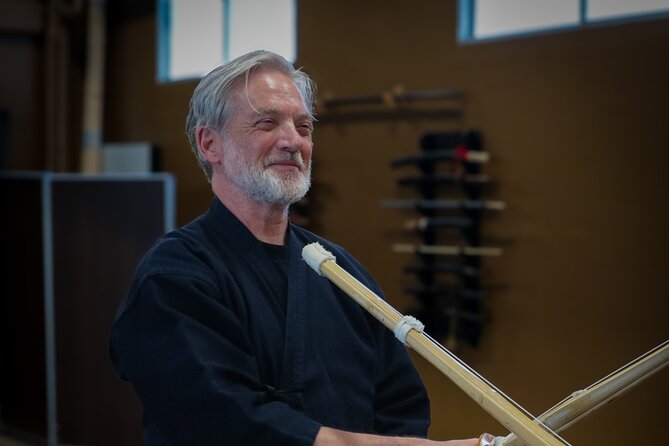
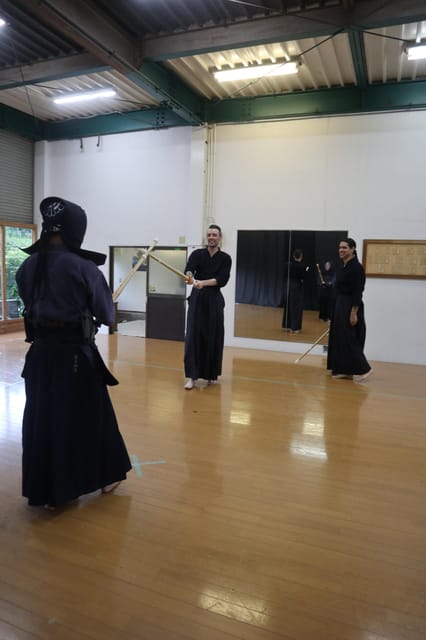
Tokyo gets under your skin fast, if you let it. This 2-hour kendo session near Tokyo Station is built around Bushido, not sword photos. The class starts with calm and respect, then teaches you how kendo trains mind, body, and presence.
I especially like the step-by-step structure: etiquette first, then ki, tai, ken (spirit, body, sword). I also like that the instructors keep it beginner-friendly while still ending with a real kendo match and a tough, controlled demonstration.
One thing to consider: the full gear workout can feel warm, especially once you add armor and active drills, even with rest breaks and cold water available.
Why This Kendo Class Feels More Like Budo Than a Show
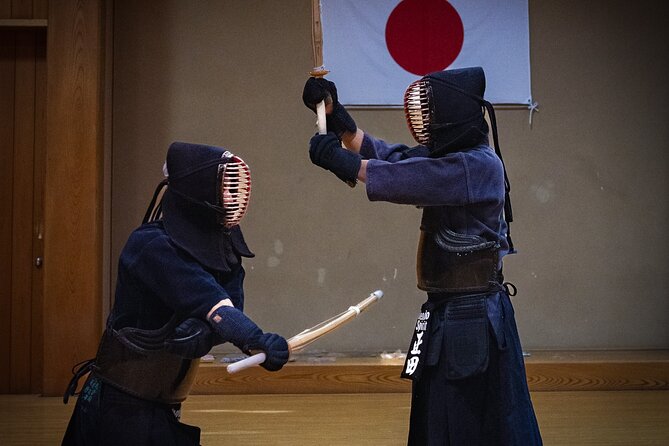
- You train the order of kendo, not just tricks with a bamboo sword. The session flows from calm focus to footwork, then sword skills, and finally sparring.
- Bushido shows up in behavior, not slogans. You practice bowing and respect as part of how you move and how you face others.
- Small groups keep the attention on you. The class is limited to 8 people, and some groups run even smaller, so you are not lost in the back row.
- Real match pressure (in a controlled way). You may feel that moment when the instructor lines up and the sport becomes real.
- You get more than practice time, including drinks and souvenirs, plus photos and videos emailed after the session.
- No Japanese required. Instruction is in English (with Japanese support), and you can always ask questions.
Kendo Starts With Bowing, Not Swords
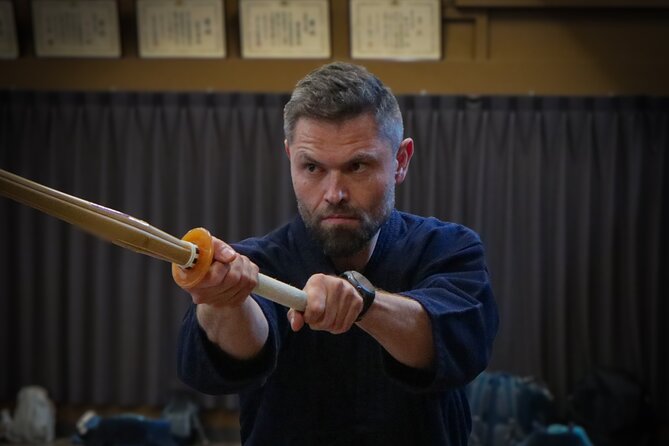
If you think kendo is only about swinging shinai like a movie fight, this class redirects you quickly. Before anyone gives you a sword, you learn why kendo exists the way it does. The morning, afternoon, or evening rhythm of the dojo is part of the lesson.
The first big idea is etiquette and respect. You calm your mind and bow before training. It is not treated like a costume moment. The point is to practice facing others with attention, even before you do anything physical. That sets the tone for everything that follows, because kendo is built to control yourself, not just attack.
The second idea is “spirit” or ki. The instruction emphasizes presence and intent, not anger. You learn how samurai energy is shown through focus, breathing, and timing, rather than aggression. That matters for you as a tourist because it turns the experience from entertainment into something you can actually understand and feel.
And yes, eventually you will hold a shinai. But the order is the point. You earn the sword by learning how kendo asks you to behave.
More Samurai & Ninja Experiences in Tokyo
- Tokyo: Samurai Restaurant Show Ticket with 2 Drinks
★ 4.5 · 1,307 reviews - Tokyo: Samurai Ninja Museum Guided tour and Experience
★ 4.6 · 1,010 reviews - Tokyo: Samurai Sword & Archery Class from Samurai Descendant
★ 5.0 · 603 reviews
The 2-Hour Flow: Rei, Footwork, Shinai, Then a Match
This class is short, but it does not feel rushed. The teaching is paced so beginners can keep up, and the group size helps with that. Here is the typical flow and why each step is useful.
1) Settling your mind and learning proper greetings
You start by slowing down. You bow and practice the basic mental shift: show respect, then train. You learn that in kendo, your start position and your first intention matter as much as your strike.
Why it helps you: When you arrive in Tokyo with a busy schedule, this kind of structure is a reset. It gives you a simple way to stop thinking like a tourist for a moment.
2) Ki, Tai, Ken: spirit, body, sword
Then you move into the framework that explains what you are doing. The class breaks kendo into ki (spirit), tai (body), and ken (sword). That is not just theory. It becomes a checklist you can use while training.
You work on body basics like traditional footwork. The goal is to stay grounded and balanced, not to lunge wildly. When your feet are stable, your whole motion becomes controlled.
Only after that do you learn how to hold the shinai and swing it. The class builds from simple movement to technique, so you can do something correctly before you add intensity.
Why it helps you: If you want to understand kendo beyond surface-level sword swings, this structure makes the learning stick.
More samurai and ninja experiences in Tokyo:
- Best Samurai Experience in Tokyo
★ 5.0 · 458 reviews - Ninja Experience (Family Friendly) at Samurai Ninja Museum TOKYO
★ 5.0 · 441 reviews - Tokyo: Samurai Entertainment Night Show in Kanda Shrine
★ 4.6 · 417 reviews - Tokyo Sword Experience – includes Museum Ticket/Ninja Experience
★ 5.0 · 314 reviews
3) The combined foundation: Ki Ken Tai Itchi
You bring spirit, sword, and body together. This is where kendo stops being “three separate lessons” and starts feeling like a single coordinated action. The class treats the samurai strike as something you train as a system, not as one flashy move.
Why it helps you: You get a mental model, so even if your technique is still rough, you understand what “good” is supposed to feel like.
4) Drills and then a match experience
You practice and then put it into a match setting. For some people, this is where the experience becomes memorable in a way they did not expect. A few participants described how intense it feels when the instructor points the shinai at you, because your brain has to stay calm and your body has to respond correctly.
You also get a demonstration of instructors fighting each other. The point is control and power, not chaos. You see how the techniques stay disciplined even at speed.
Why it helps you: You do not just watch from the outside. You leave with a real sense of what kendo feels like when it has stakes.
5) Closing etiquette
At the end, you bow once more. The class reinforces respect all the way through. It is a small ritual, but it sticks in your memory because it feels different from the usual “thanks for coming” tourist wrap-up.
Ki, Tai, Ken: The Lesson Behind the Movements
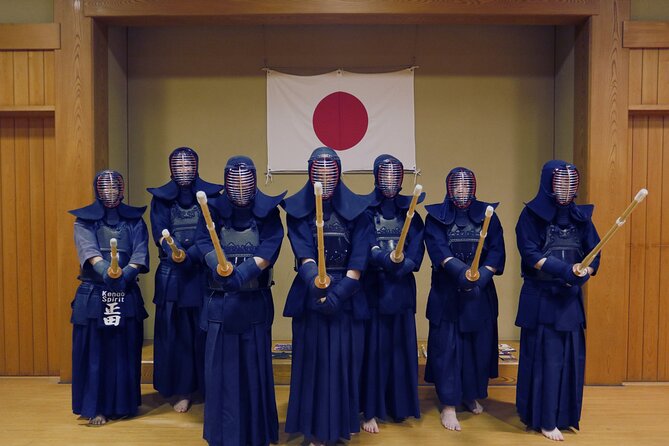
Most martial arts lessons teach moves. This one tries to teach meaning. That is why people leave feeling they learned more than technique.
Ki: training intent, not emotion
Ki is presented as focused spirit. The class keeps it away from anger. You learn that the “power” in kendo is not brute force. It is intent expressed with timing and calm.
Practical takeaway: In your own training, this becomes a way to reduce fear. You stop thinking about getting hit and start thinking about correct action.
Tai: grounded footwork and balance
Tai focuses on body mechanics and stability. You practice footwork that keeps you ready, not off-balance. That kind of training is useful even if you never continue kendo, because it improves how you move and recover your posture quickly.
Practical takeaway: Beginners often worry they look silly. Footwork drills help you look less chaotic because your base becomes consistent.
Ken: how to hold and move the sword
Then comes ken, learning the shinai hold and swing. You learn how your arms, timing, and distance fit together. The class aims to get you from “I can swing” to “I can swing with meaning.”
Practical takeaway: If you have ever used a sword-like prop at a museum, this feels completely different. You are training precision, not posing.
Ki Ken Tai Itchi: one integrated strike
The combined idea is simple and powerful: spirit, sword, and body come together. The class treats this as the foundation of a true kendo strike.
Practical takeaway: Even when your strike is not perfect, you can still feel the difference between disconnected motions and a unified action.
What You Wear and How Hard It Actually Feels
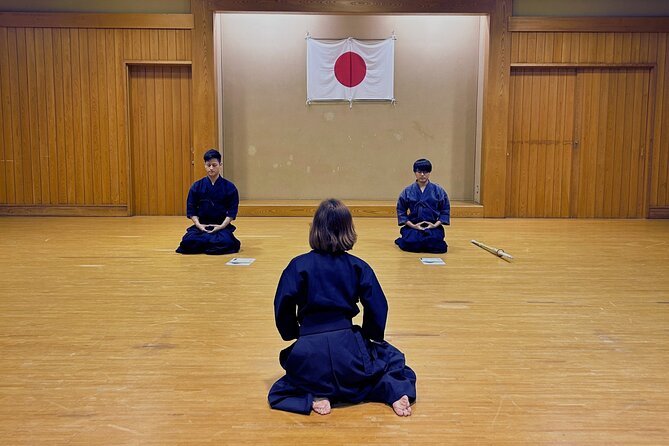
You do not bring anything. The session provides kendo attire and equipment, including the shinai and protective gear when training reaches that stage. Drinks are included too, which helps when you are working hard in full kit.
Beginner-friendly, but it is still real training
The class is designed for beginners. Most participants are new to kendo, and instruction is paced carefully. You still end up working. Multiple participants described it as a workout once they put on the armor and started active drills.
So, here is the practical truth: this is not just a gentle intro. It is physical learning with safety and guidance.
The warm gear note
One of the only recurring considerations: the equipment and activity can feel warm. If you dislike heat, plan for rest periods and hydration. Cold water is available, and the session pacing includes breaks.
Age and health fit
The experience is not suitable for pregnant women, babies under 1 year, and people over 95 years. Also note the basic safety rule: no alcohol and no drugs.
If any of those apply, skip this one for now.
English Instruction, Real Instructors, and the Small-Group Advantage
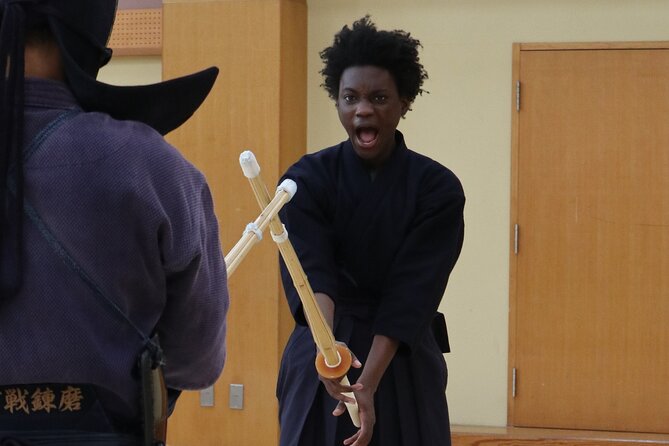
You get instruction in English and Japanese. In practice, this means you are never stranded. You can ask questions during the session, and the instructors explain things step by step.
You also get a real sense of professionalism. People repeatedly praised the instructors for being patient and encouraging, while still teaching with discipline. Names that come up in the instructor team include Daichi-san and Makoto, and the class includes a master-level feel in the match and demonstration portions.
The small-group setup matters. Limited to 8 participants, it is easier for instructors to correct you quickly. In some sessions, groups are even smaller, so you get more direct attention. That is a big reason the class feels personal instead of generic.
Photos, videos, and souvenirs
You get photos and videos, and the data is sent by email afterward. Some participants also mentioned receiving a certificate with their photo. You also get souvenirs and drinks during the session.
Practical takeaway: If you want proof you did something real in Tokyo, this is one of the few activities that feels documented without turning into a gimmick.
Where It Fits in Your Tokyo Day (Near Tokyo Station)
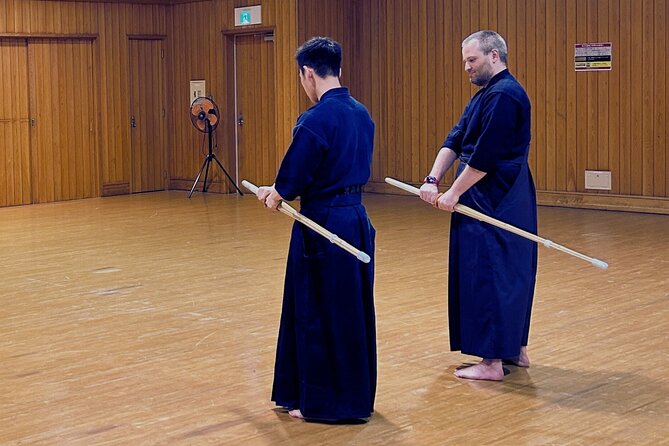
Location matters when you are only in Tokyo for a few days. This dojo is about 15 minutes from Tokyo Station, which makes it easy to pair with sightseeing.
You can slot it in as a break between big walking days. The training gives you a change of pace: less crowds, more focus, and a different kind of energy than temples or shopping streets.
What makes the setting feel authentic
Even though this is a beginner class, it does not feel like a theme-park performance. Participants described it as the real deal, with instructors showing intensity and control in the match portion.
For you, that is the value: you do not just see Japan from a distance. You practice a tradition directly, with rules and rituals that keep it grounded.
Price and Value: Is $103 Worth It?
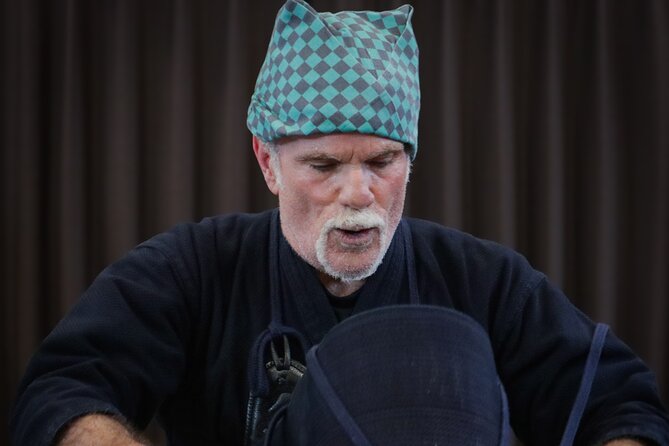
At $103 per person for 2 hours, you might wonder what you are actually paying for. Here is what adds up.
You get equipment, not just instruction
You receive kendo attire and protective equipment, plus the shinai. That saves you the hassle and cost of renting gear elsewhere.
You get a complete learning arc
The session is not only drills. You get:
- etiquette training and respectful greetings
- footwork and body mechanics
- shinai handling and striking basics
- an actual match experience
- instructor demonstrations
Two hours can be short, but the structure is tight. The class is designed to deliver a coherent experience, not random activities.
You get small-group attention
With a cap of 8 participants, the instructor time is spread across fewer people. That is part of why you leave with more confidence than you would after a crowded “try it” session.
You get the fun stuff plus the memory stuff
Drinks and souvenirs are included, and photos and videos are provided later by email. If you like keeping a record of what you did, this class delivers.
My honest take: At this price, the value is highest if you want something authentic and you care about meaning, not just a sword photo. If you only want a quick novelty and zero effort, there are cheaper ways to spend a similar hour in Tokyo. But if you want to understand Bushido through movement, this is one of the more direct routes.
Should You Book Kendo Spirit in Tokyo?
Book it if you want:
- a real kendo introduction that teaches etiquette, spirit, and technique in order
- a beginner-friendly workout that still ends with sparring and real intensity
- English instruction and a small-group format that keeps corrections clear
- photos and videos after the session, plus souvenirs
Skip it (or at least rethink timing) if:
- heat and full gear make you miserable
- you want only casual sightseeing with no physical training
- you fall under the stated unsuitability categories
If you are curious about Japan beyond the surface, this class is a strong choice. It is not built to entertain you. It is built to train you to pay attention, respect properly, and move with purpose. If that sounds like your kind of Tokyo, go for it.
Fresh options around Tokyo
- Tokyo: Nikko Kegon Falls Lake Chuzenji Toshogu Temple & More★ 4.9 · 12 reviews
- Tokyo: Samurai History Walking Tour★ 5.0 · 12 reviews
- Harajuku: Kawaii Fashion and Pop-Culture Tour★ 4.7 · 12 reviews
- Tokyo: Mt. Fuji & Lake Kawaguchi Instagram Full Day Trip★ 4.1 · 12 reviews
- Shibuya Tokyo: Modern Kintsugi Workshop in Shibuya★ 5.0 · 12 reviews
- Tokyo: GTR Guided Daikoku Experience at Night★ 5.0 · 12 reviews
- Tokyo: Daikoku JDM Car Culture Tour★ 4.6 · 12 reviews
- Mt Fuji Private Day Trip from Tokyo with English speaking driver★ 5.0 · 13 reviews
Samurai & Ninja Experiences, compared.
Samurai Ninja Museum Guided tour and Experience
Read our review →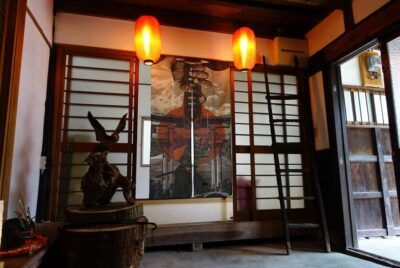
Kendo and Samurai Experience with Uniform and Gear
Read our review →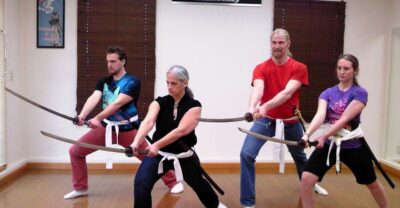
Samurai Sword Class by Experts in Traditional Arts
Read our review →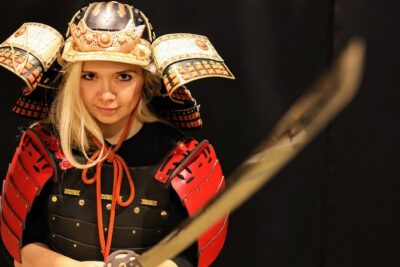
Skip the lines Basic Ticket at SAMURAI NINJA MUSEUM KYOTO
Read our review →
Samurai Sword & Archery Class from Samurai Descendant
Read our review →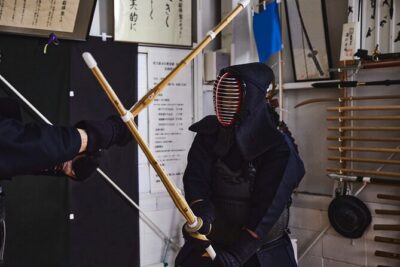
Browse the lists this tour appears in