
Reviewed · TEMPLE & SHRINE TOURS IN TOKYO
From Asakusa: Old Tokyo, Temples, Gardens and Pop Culture
Asakusa and Akihabara in one half day works. This private East Tokyo tour strings together temple-town streets, old-market grit, and modern pop-culture in a way that actually helps you understand how Tokyo got from then to now. I especially like the Senso-ji focus at the start, and the way the route also includes a real breather at Koishikawa Kōrakuen instead of just shopping and neon. One thing to consider is that you will walk at a comfortable pace through busy areas, so wear shoes with good grip.
You get a real person guiding you in English, and the tone matters. The tour info and past guests point to consistently attentive, well-prepared guides, with names like Taka, Michelle, Takee, and Toru showing up. That mix of clear explanations and a friendly rhythm is a big reason this works well for first-time Tokyo visitors, as well as anyone who wants a smarter second look.
Key things to know before you go
- Senso-ji + Nakamise-dori start: a strong old-Tokyo foundation right away
- Ueno and Okachimachi market energy: everyday shopping and street-level history
- Akihabara, from electronics to otaku culture: tech roots plus anime and gaming
- Koishikawa Kōrakuen as a reset: quiet Edo-era garden time in the middle of the city
- Small group, up to 8: easier questions, more human pacing
- English-speaking guide + included transit: fewer logistical headaches on the day
Asakusa and Senso-ji, the easy way to start old Tokyo
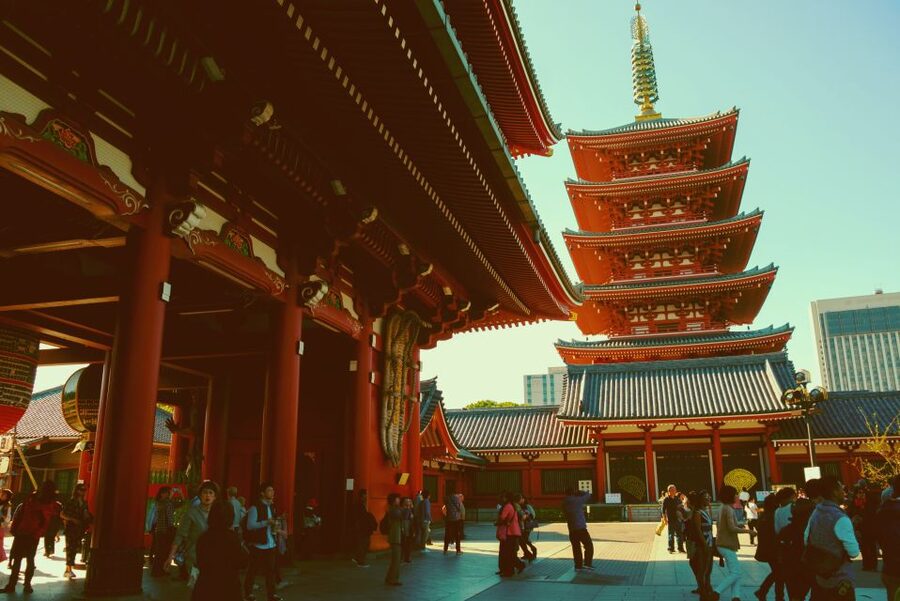
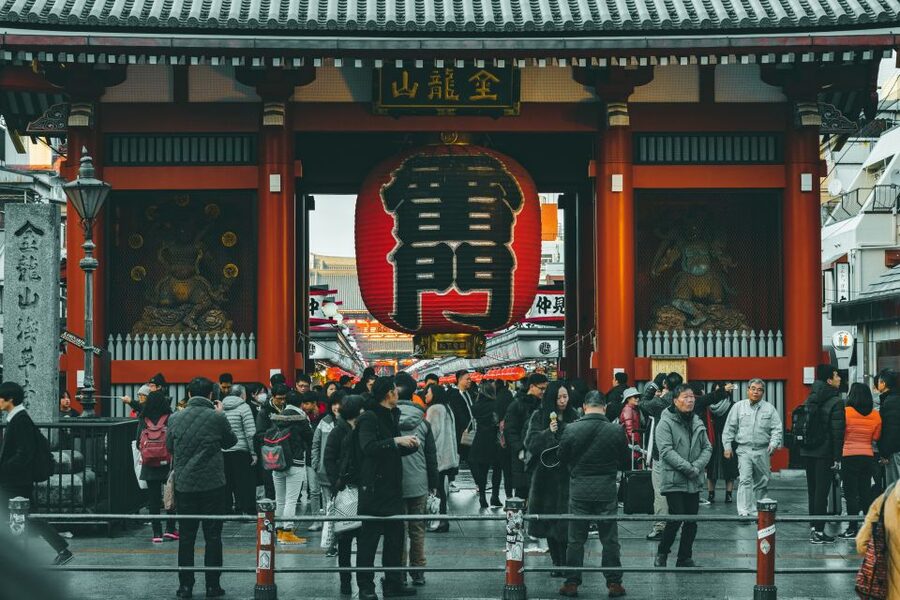
Asakusa is one of those districts where your senses catch up fast. You arrive in an area that still feels like it belongs to older Tokyo, then you hit the big magnet: Senso-ji. Your guide walks you through what makes this temple important, and more importantly, how it functions as part of everyday life, not just a photo stop.
A quick note on timing: even with a short visit, you get enough time to notice the temple layout and the flow of people around it. That matters because the busiest parts can feel chaotic if you show up cold. With a guide, you learn what you are seeing and why it looks the way it does.
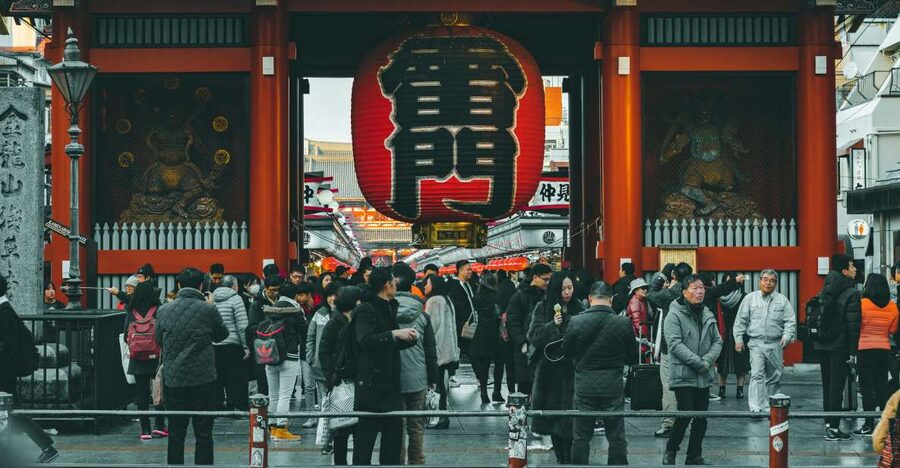
Right near the temple, Nakamise-dori is where tradition turns into street shopping. Think snacks, souvenirs, and stalls packed into a walkway that has been serving visitors for a long time. The practical value here is simple: you will understand what to look for and what to ignore, and you will not burn your time wandering without a plan.
What I like: this start gives you cultural context before you move on to the modern layers of Tokyo.
What to watch: it can get crowded. If you expect quiet meditation vibes, adjust your expectations. This is Tokyo, and the temple grounds bring in everyone.
More Temple & Shrine Tours in Tokyo
- Tokyo: Meiji Shrine, Asakusa, Skytree Bus Tour and Cruise
★ 4.7 · 1,986 reviews - Tokyo: Asakusa Walking Tour with Sensoji Temple Visit
★ 4.8 · 1,583 reviews - Nikko: Kegon Falls, Lake Chuzenji & Toshogu Temple
★ 4.6 · 1,577 reviews
Ueno and Okachimachi, real neighborhood shopping with a history thread
From Asakusa you head toward Ueno and Okachimachi, and the feel shifts. Instead of temple crowds, you get a mix of museums nearby and streets that feel more like daily life. The area has long been known for marketplace activity, with vendors and shops that sell everything from practical items to quick bites.
The big value of this stop is that it breaks the common beginner pattern of only seeing landmarks. You get to watch how Tokyo shopping actually works in a neighborhood zone. You also learn how the area developed over time and why it continues to attract foot traffic.
Okachimachi sits in that sweet spot for people who like “in between” travel. It is not purely tourist-sculpted, and it is not only a museum district either. Your guide helps you read the streets, so you notice details you would normally miss, like how shopfronts cater to different rhythms of customers.
What to watch: if you are arriving with zero appetite for city noise, this part can feel busy. It is also not a place where you will find one single “must-see” building. It is more about walking, spotting, and understanding the feel.
Akihabara, Electric Town origins and otaku culture in one walk
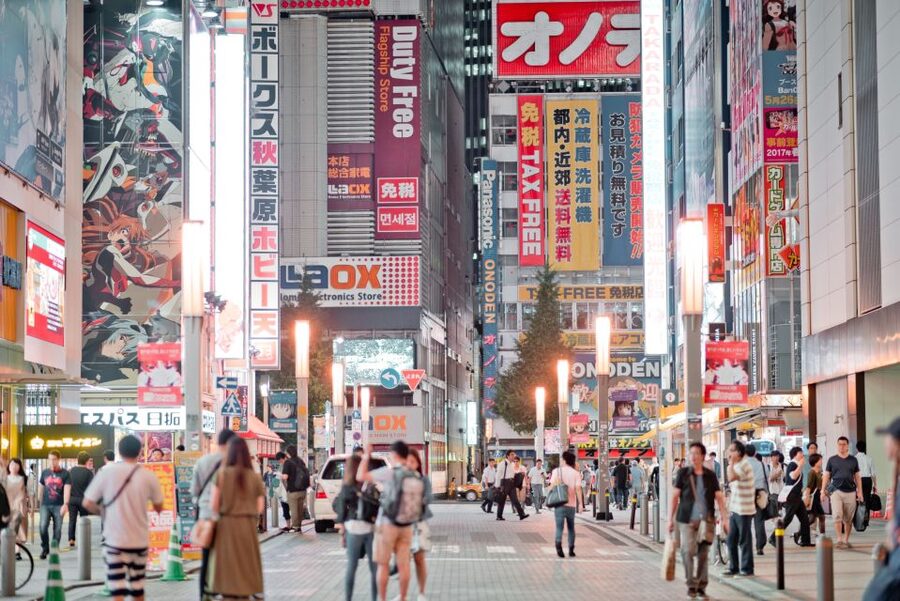
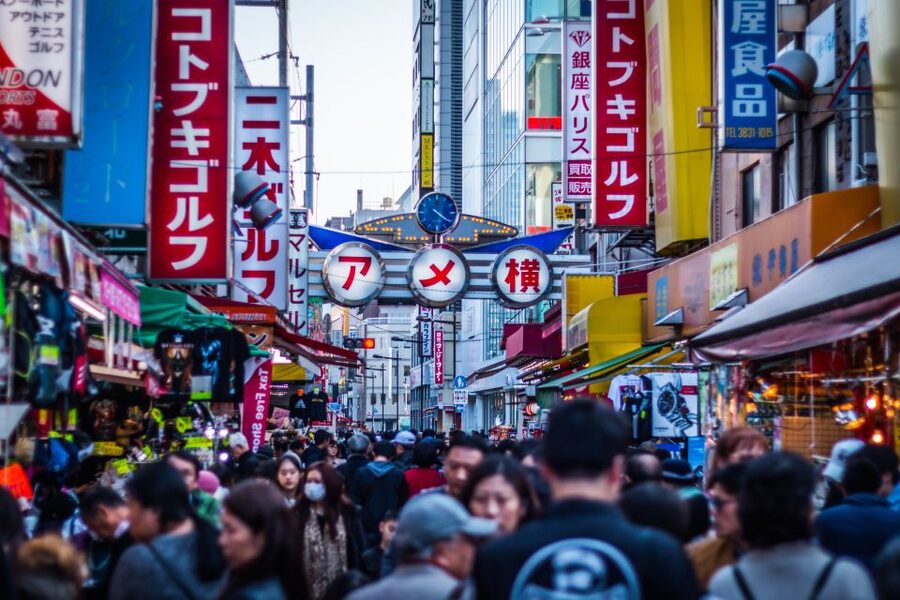
Then you move to Akihabara, and the shift is instant. This is the district most people connect to electronics and pop culture, and your guide ties those things to the broader story of Tokyo’s changing identity.
You learn about Akihabara’s electronic roots, including its long-running reputation as a hub for cutting-edge tech that stretches back before today’s global anime and gaming boom. Then the tour explains how it evolved into what many people now associate with the area: otaku culture, anime and manga fandom, gaming, and the themed energy you feel on the streets.
One of the most useful parts here is the human side of the culture. You will see cosplayers and themed outfits, and your guide frames it as more than costumes. It is a kind of public storytelling that turns ordinary streets into a shared stage. Even if you are not into every franchise, you will understand why this neighborhood became a magnet for enthusiasts.
A practical tip: bring patience for lines at certain shops and quick changes in pedestrian flow. Akihabara can compress foot traffic in a hurry.
Why this stop is worth it: Akihabara can look like chaos if you only think of it as shopping. With context, it turns into a case study in how Tokyo reinvented itself while keeping a tech core.
Koishikawa Kōrakuen, Edo-era garden calm in the middle of the day
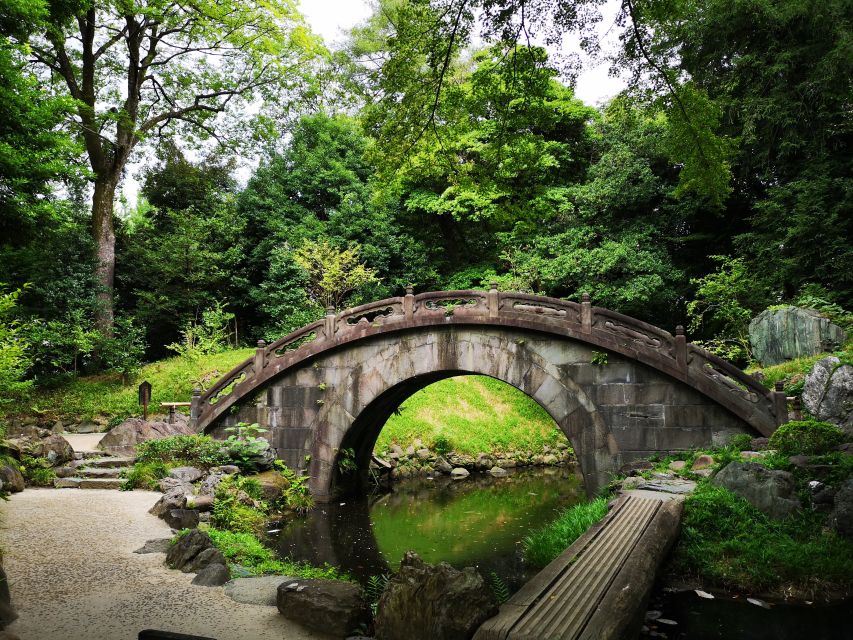
After the energy of Akihabara, Koishikawa Kōrakuen feels like someone turned down the volume on the whole city. This is a traditional Japanese garden, and your guide uses the setting to show how quiet spaces mattered historically in the middle of urban life.
The garden’s layout is the point. It is the kind of place where you slow down because the scenery makes you. Paths, viewpoints, and seasonal cues all encourage you to move at a gentler speed than the streets earlier in the day.
Season matters here. The garden is known for different looks across the year, with cherry blossoms in spring and strong autumn color when the weather cooperates. If your visit falls in one of those window seasons, you get a built-in advantage. If not, you still get the architecture and stone-and-water balance that makes the space feel intentionally designed.
What to watch: this stop is quieter, but it is also outdoors. You will want layers if the weather swings, and you should still take it steady on your feet.
More temple and shrine tours in Tokyo:
- Tokyo: Nikko Toshogu Shrine and Kegon Waterfall Tour
★ 4.5 · 1,266 reviews - Tokyo Panoramic 1 Day: Meiji Shrine, Asakusa, Odaiba and SKYTREE®
★ 4.5 · 1,222 reviews - Tokyo: Zen Meditation at a Private Temple with a Monk
★ 5.0 · 510 reviews - Mt. Fuji Heritage Tour: Traditional Villages, Lakes & Shrine
★ 4.5 · 509 reviews
How the full route teaches you Tokyo’s “then and now”
This tour works because it moves in a logical emotional arc. You start with old faith and classic street shopping in Asakusa. Then you step into neighborhood commerce at Ueno and Okachimachi, where you see a more everyday Tokyo layer. After that, you jump to Akihabara, where tech history and pop culture show up together. Finally, you end at Koishikawa Kōrakuen, where Tokyo’s planning and aesthetics feel calm and intentional.
That sequence is more than convenient geography. It teaches you a theme: Tokyo keeps reorganizing itself, but it rarely deletes the past. It repurposes, rebrands, and rebuilds around older patterns.
If you like tours that simply tick off landmarks, this one might feel a bit more thoughtful than you expect. If you like tours that help you interpret what you see, you will probably enjoy the way the guide connects each neighborhood to the larger story.
Price and value: what $68 buys you in real terms
The price is $68 per person for a 4-hour experience, and the value is in how much is included. You are not just paying for someone to walk beside you. You get guide time, plus standard admissions and local train rides during the tour.
Food and drinks are not included, which is normal for short walking tours in Tokyo. If you want snacks, plan to buy them along the way, and keep an eye on which stops feel most convenient for a quick bite.
If you are deciding whether to do a guided tour versus DIY, here is the practical difference: Tokyo is big, neighborhoods have distinct personalities, and transit decisions add up. A private, small-group format reduces the guessing, and it helps you see the route with intention rather than hopping randomly.
Who this fits best: first-time visitors who want an efficient sampler, plus returning travelers who want meaning behind the places they have already seen.
What it feels like with a small private group (up to 8)
A group size capped at 8 people changes the experience. You get more time to ask questions without feeling rushed, and the pace usually stays human. That matters most around the temple area and in Akihabara, where people naturally slow down to shop or take pictures.
Also, since it is private, the guide can respond to your interests. If you ask about pop culture details, you get more of that. If you care more about the traditional side, you get the focus shifted that way.
In the past, guests praised guides who were engaging and informative, and a couple of names came up in feedback, including Taka, Michelle, Takee, and Toru. The consistent theme was friendly attention, and for families, there is even mention of extra creativity like origami. That is exactly the kind of thing that makes a short tour feel special without turning it into a gimmick.
Practical tips so you enjoy every stop
- Wear comfortable shoes. The route is a walking day, with time spent moving through busy streets.
- Expect different “modes” of Tokyo. Temple streets and street markets feel one way, Akihabara feels another, and Koishikawa feels calm. Dress for weather.
- If you want museum time, note that Tokyo National Museum admission is not included in the standard plan. You might be able to add it if you customize, but that would be extra.
If you are the kind of traveler who loves pictures, you will get them, especially around Senso-ji and in the garden. But the tour’s best payoff is how it helps you look. You end the day with a clearer mental map of East Tokyo and a better understanding of what changed, and what did not.
Should you book this Asakusa to Akihabara private tour?
I would book this if you want a smart East Tokyo mix in one half day, especially if you care about both sides of the city: tradition and pop culture. The route makes sense, the pacing is manageable, and the small group format makes it easier to ask questions when something catches your curiosity.
I would skip it if you want a slow, deep day focused on one single landmark, or if you prefer fully DIY exploration with no guide interpretation. This is designed to cover multiple neighborhoods, so it rewards travelers who like a guided storyline.
If you are deciding between doing just Asakusa or just Akihabara, this tour gives you the connection between them, plus a garden reset that keeps the day from turning into one long rush.
FAQ
Where is the meeting point?
The meeting point is Kamiya bar in Asakusa.
How long is the tour?
The duration is 4 hours.
What neighborhoods are included?
The tour covers Asakusa, Senso-ji Temple, Ueno, Okachimachi, Akihabara, and Koishikawa Kōrakuen.
Is it a private tour, and how big is the group?
It is a private Tokyo tour with a small group limited to 8 participants.
What language is the guide?
The tour has a live English-speaking guide.
What is included in the price?
Included are all guide costs and standard costs during the tour, such as admissions and local train rides.
What is not included?
Not included are food and drinks, and admission to the Tokyo National Museum if you choose to go, plus any costs from customizing the tour.
Is it wheelchair accessible, and what should I bring?
Yes, it is wheelchair accessible. Bring comfortable shoes since it is a walking tour.
Fresh options around Tokyo
- Tokyo: The Best Izakaya Tour in Shibuya★ 4.7 · 15 reviews
- Tokyo Ikebukuro Evening Tour Dive into Japanese culture★ 5.0 · 15 reviews
- Japanese Wine Omakase in Shibuya – Guided Tasting, Not Sake★ 5.0 · 15 reviews
- Asakusa Personal Video & Photo with Kimono★ 5.0 · 15 reviews
- Tokyo 6 hour Tour : English Speaking Driver Only, No Guide★ 4.0 · 15 reviews
- Tokyo Architecture and Contemporary Art Walking Tour with a local guide★ 5.0 · 15 reviews
- Authentic Japanese calligraphy class in Tokyo! Kanji your name★ 5.0 · 15 reviews
- Tokyo : Akihabara Private Anime & Game Pop Culture Tour★ 5.0 · 15 reviews
Temple & Shrine Tours in Tokyo, compared.
Meiji Shrine, Asakusa, Skytree Bus Tour and Cruise
Read our review →
Asakusa Walking Tour with Sensoji Temple Visit
Read our review →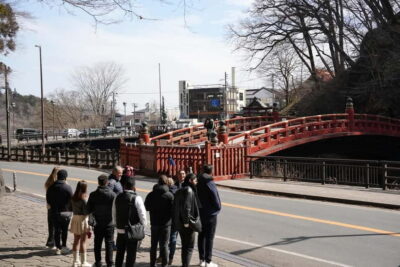
Nikko: Kegon Falls, Lake Chuzenji & Toshogu Temple
Read our review →
Nikko Toshogu Shrine and Kegon Waterfall Tour
Read our review →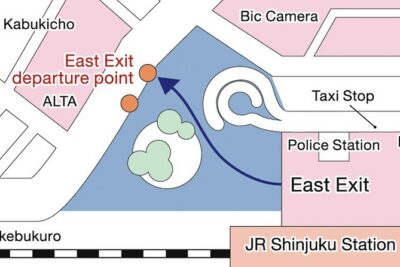
Tokyo Panoramic 1 Day: Meiji Shrine, Asakusa, Odaiba and SKYTREE®
Read our review →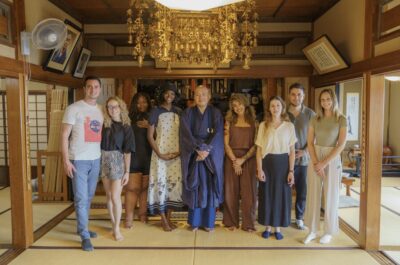
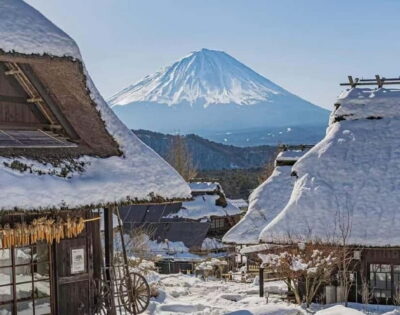
Mt. Fuji Heritage Tour: Traditional Villages, Lakes & Shrine
Read our review →
Samurai Entertainment Night Show in Kanda Shrine
Read our review →Browse the lists this tour appears in