
Reviewed · FOOD & DRINK
Osaka: Traditional Mochi Pounding Experience with Tasting
Making mochi is easier than it looks. This Osaka class turns steamed glutinous rice into real mochi using traditional tools, then tops it with classic flavors and tea. What I love most is how hands-on it stays throughout, and how the short history and significance talk makes the food click without dragging. One thing to consider is the work itself, you will use your arms and shoulders, so wear comfy clothes you can move in.
You get a focused 1-hour format, with a brief 10-minute intro before you start pounding and forming. The small group size, limited to 4 participants, helps the guides keep the pace friendly, even if you are traveling solo or with kids. Guides include English and Chinese support, and you may meet instructors such as Seina, Taka, Misaki, Moe, Grace, Pari, or Aiko during your session.
If you hate sticky hands, or you want a very passive activity, this may not be your best match. But if you like learning by doing, this is one of those Osaka experiences that actually changes how you think about a dessert you thought you already knew.
Key Things You Notice Right Away
- Small group attention, limited to 4 participants, so you get time at the tools and help when needed
- Traditional mortar and pestle technique, plus forming mochi right after pounding
- Fresh mochi tasting, with multiple classic toppings like kinako, sweet red bean paste, nori, and sweet soy sauce
- A short, useful intro, around 10 minutes, covering mochi meaning and background
- Friendly guide energy, with staff who often take photos and keep the mood upbeat
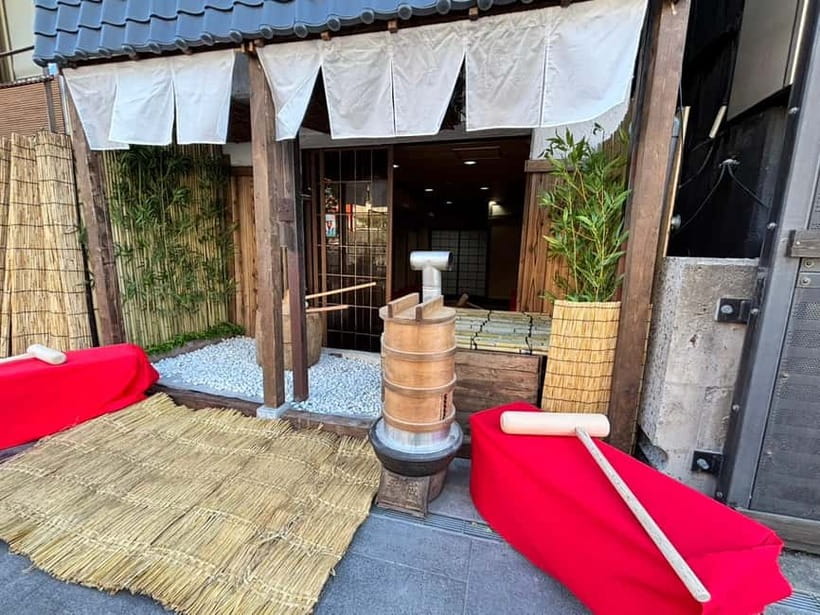
- Riverfront location in Osaka, with an entrance you can miss if you only look at the main street
The 1-Hour Flow That Keeps It Fun (Not Fussy)
This experience is built like a neat little workshop. You are there for about 1 hour total, so you will not burn half a day to make one snack. The structure is simple: learn a bit, then get to the hands-on part, then eat what you made.
First comes a brief intro, about 10 minutes. You will learn the history and significance of mochi pounding, not as a lecture but as context for what you are about to do. It is short enough that your energy stays high, and it sets up the why behind the technique.
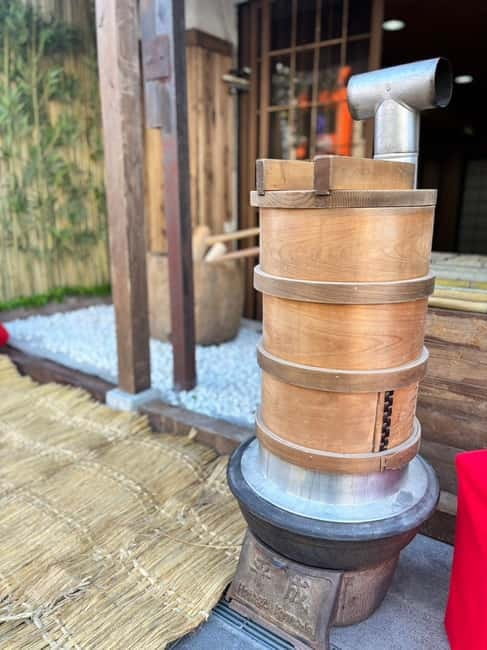
Then you move into the making stages. You start with steamed glutinous rice, then you help mash and pound it using traditional tools until it turns into mochi. After that, you form the mochi into bite-size pieces and finish by adding toppings.
Finally, you taste. You get freshly pounded mochi, not something prepared earlier and warmed up for show. The class also includes tea with the tasting, which helps balance the sticky, sweet, and toasty flavors.
More Food Tours in Osaka
- Osaka: Shinsekai Food Tour with 13-15 Dishes at 5 Eateries
★ 4.8 · 2,204 reviews - Osaka Food Tour: 13 Dishes at 5 Local Eateries
★ 5.0 · 2,149 reviews - Hungry Osaka Street Food Tour:15 Tastings & 3 Drinks with a Local
★ 5.0 · 1,727 reviews
Your Arms Will Learn the Rhythm, So Go in Prepared
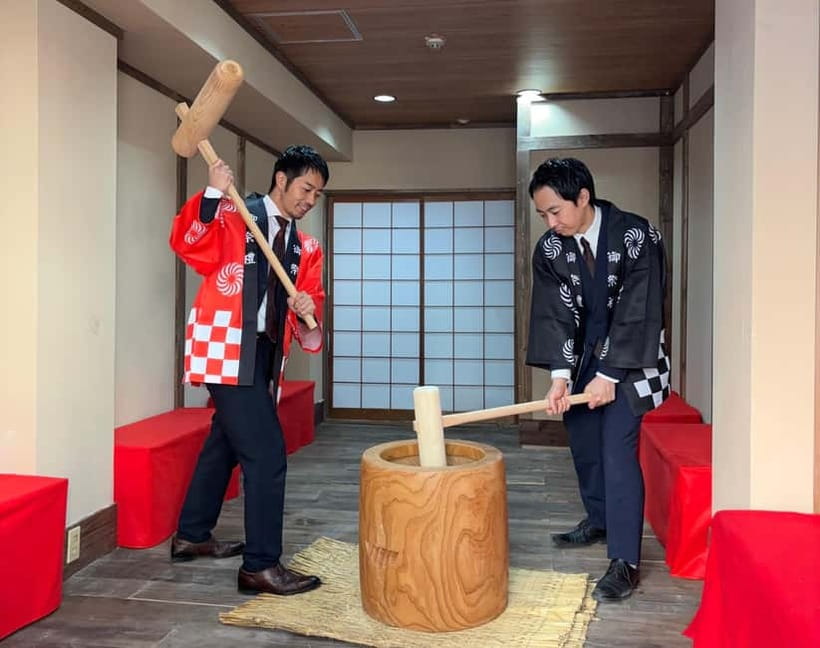
The core experience is the mochi pounding itself. You use traditional tools, usually a mortar and pestle setup, and you physically transform the steamed rice into chewy mochi. It can feel silly at first, then oddly satisfying once you get the rhythm.
Here is the practical bit: pounding takes stamina. More than one person has pointed out that it is harder than it sounds, so go easy on the day and do not schedule it right after a grueling walking spree. Comfortable clothing matters because you will lean, lift, and move your body.
The hands-on part is also where the cultural learning becomes real. You do not just hear that mochi is made the old way, you experience the texture changes and the patience required. That is why the class feels intimate and interactive, even with a small group.
Also, expect sticky rice. The mochi dough is meant to be elastic and grabby, so plan for messy hands. This is normal here. The upside is that once you get a piece into shape, it feels like you earned it.
Steamed Rice to Finished Mochi: What You Actually Do
Let’s walk through the steps in plain terms, so you know where your time goes.
You begin with steamed glutinous rice. The guides explain what you are working with and why the texture matters. Then you move into the mashing stage, where you help break down the rice into a unified dough.
Next comes pounding. This is the moment people remember because you are using the traditional tools yourself. The goal is to press and work the dough until it becomes smooth, chewy mochi.
After the pounding, you form the mochi. This is not just squishing a ball. You shape it into serving-sized pieces so you can take each bite with the toppings you choose. If you have ever wondered why mochi looks different in different shops, part of the answer is how it is portioned and handled.
Then you do the tasting phase right after making. You pair your mochi with classic seasonings such as kinako (toasted soybean flour), sweet red bean paste, nori, and sweet soy sauce. Tea comes along with it, which makes it easier to enjoy multiple bites without getting overwhelmed.
Toppings and Tea: A Dessert Sampler You Can Actually Control
The tasting is not an afterthought. It is a key part of the fun, because it turns one creation into several flavor experiences. You get a variety of toppings, so you can compare how mochi changes with each pairing.
A few of the classic options you will likely see include:
- Kinako, a nutty toasted soybean flour that gives a warm, slightly savory sweetness
- Sweet red bean paste, smooth and comforting
- Nori, bringing a salty sea flavor that balances the sweetness
- Sweet soy sauce, adding deep caramel-like notes
What makes this practical is portion control. You can take small bites across flavors instead of committing to one dessert and hoping you like it. It also makes the class a good fit if you are not hungry for a full dinner afterward, since you will likely leave full from the mochi you made and tasted.
The tea matters too. Mochi is chewy and sticky by nature, and tea helps you reset between bites so you can keep going.
Same corner of Japan, a different kind of day:
- Osaka Go Karting Tour with Funny Costume
★ 5.0 · 2,658 reviews - Osaka Castle: Museum and Tower Entry Ticket
★ 4.5 · 2,380 reviews - Osaka: teamLab Botanical Garden Entry Ticket
★ 4.5 · 1,710 reviews - Osaka: Tea Ceremony Experience
★ 4.9 · 1,426 reviews
The Riverfront Entrance in Osaka: Find It Without Stress
Location is one of the reasons people love this activity. It is central and easy to find once you know what to look for. The big detail is the entrance: it is along the riverfront, not on the main Dotonbori street.
Some people have mentioned they initially struggled until they noticed a handwritten sign near a hotel entrance on a parallel street. Others have pointed out that the canal side entrance is the one to use, and that it helps to search by the river rather than by the loudest street nearby.
My tip for you: arrive a few minutes early and keep your eyes on the canal and the small signs at the side streets. If you are using GPS, double-check what side of the river you are on. It is a short walk, but it is the kind of thing that can cost you time if you assume the storefront is on the main road.
Also, meeting point can vary depending on which option you book. So be sure you have the exact meeting instructions in your confirmation message before you leave.
Adult vs Family Option: How the Class Shapes Itself
This experience comes with different plans, and that changes the feel of the session. There is an Adult Experience for ages 13 and up, and a Family Experience that welcomes all ages.
For families, the format is designed to keep kids engaged while adults participate too. In real sessions, guides have adapted the workshop to handle mixed groups, including multiple families with younger children along with adults. That flexibility is a big plus because it makes the activity feel less like a strict factory demo.
For adults, the experience still stays friendly and interactive, but it tends to feel like a deeper look at mochi making. You still learn in a practical way, not through a long explanation, and you still do the pounding and forming yourself.
One more helpful detail: the guides offer instruction in English, and they also support Chinese. That reduces frustration if your Japanese is limited, and it makes it easier to understand each step before you start.
Price and Value in Osaka Terms: Why $31 Makes Sense
At $31 per person for about 1 hour, this is priced like an activity, not like a simple dessert stop. The reason it can feel like a good deal is what you get for the money.
You get:
- Guided mochi pounding instruction
- All necessary materials and ingredients
- A tasting session with multiple traditional toppings
- A small group experience, limited to 4 participants
If you compare that to buying mochi on the street, you would usually pay for dessert only. Here, you are paying for the full experience, plus the fact that it is hands-on. It is also a great use of time in Osaka because it gives you a cultural food activity without needing a longer day plan.
The “value” really lands if you like interactive workshops. If you prefer watching from the side, you may feel like the cost is higher than a normal snack. But if you enjoy cooking-style activities, you will likely think of it as money well spent.
Who Should Book This Mochi Pounding Session
This is a strong pick for:
- Couples who want a fun date that is not just sitting in a restaurant
- Solo travelers, because the class structure makes it easy to participate and get photos
- Families, since there are options for all ages and the guides pay attention to different energy levels
- Foodies who want texture and technique, not just flavor
It is also a good “early dinner” type option. Many people leave feeling full from the mochi they make and taste, so you can plan around it to avoid overdoing other Osaka meals right after.
If you have limited mobility, you should think carefully because the experience involves physical pounding and shaping. You will likely want to bring it up with the provider before you go if that is a concern. The activity does specify comfortable clothing for hands-on participation, which hints that you will be moving.
The Practical Prep Tips That Make It Smoother
Before you go, do three simple things.
First, wear comfortable clothing. You will be leaning and using your arms, and you may get sticky. Think casual, breathable, and something you do not mind getting a little messy.
Second, come hungry enough for dessert. Even though it is only 1 hour, the tasting includes multiple toppings. You will probably want room for tea and several bites.
Third, plan your timing with Osaka walking in mind. The area is compact, but you want to arrive without rushing. The riverfront entrance can be easier with calm pacing.
Should You Book This Mochi Pounding Class in Osaka?
If you want an Osaka food experience where you actually make the thing, not just taste it, I think this is worth booking. The small group setup, the hands-on pounding, and the tasting with classic toppings like kinako and nori are a solid combo for the price.
Book it if you enjoy interactive activities, and if you do not mind a little arm workout and sticky hands. Skip it only if you are looking for something purely observational or you know you dislike messy, hands-on tasks.
If you do book, give yourself a few minutes to find the riverfront entrance. Once you are inside, it is a short, fun session with real skill-building and a dessert you can take pride in making.
FAQ
How long is the mochi pounding experience?
The experience lasts 1 hour.
How much does it cost?
The price is $31 per person.
Is transportation included?
No. Transportation to and from the activity is not included.
How many people are in the group?
It is a small group limited to 4 participants.
What languages do the instructors speak?
The instructor support includes English and Chinese.
What is included in the price?
Included are the guided mochi pounding experience, all necessary materials and ingredients, the tasting session with traditional Japanese seasonings, and instruction by experienced guides.
What is the meeting point?
The meeting point may vary depending on the option booked.
What should I wear?
Wear comfortable clothing suitable for a hands-on activity.
Is there an option for families or children?
Yes. There is a Family Experience that welcomes all ages, and an Adult Experience for ages 13 and up.
What toppings and drinks are part of the tasting?
You taste the freshly pounded mochi with classic Japanese seasonings such as kinako, sweet red bean paste, nori, and sweet soy sauce, and it is served with a cup of tea.
FAQ
Is this experience available year-round?
Yes, it is available year-round.
Can I get a refund if my plans change?
Free cancellation is available up to 24 hours in advance for a full refund.
Can I reserve now and pay later?
Yes. You can reserve your spot and pay nothing today under the reserve now and pay later option.
Does the activity happen at specific starting times?
Yes. It runs at starting times, and you can check availability to see them.
Is it appropriate if I have never made mochi before?
Yes. It is guided and interactive, with instructions by experienced guides and all materials provided.
Fresh options around Osaka
- Osaka Dotonbori Night Photoshoot – Private | Pro Photographer★ 5.0 · 19 reviews
- Osaka: Tennen Onsen Naniwa-no-Yu, the famous hot spring spa★ 4.7 · 19 reviews
- Osaka Private Walking Tour with a Local★ 4.5 · 19 reviews
- Osaka: HEP FIVE Ferris Wheel E-Ticket in Umeda★ 4.7 · 19 reviews
- Kansai/KIX Airport to or from Osaka/Kyoto Private Transfer★ 5.0 · 20 reviews
- Guided Photography Tour in Osaka: Capturing Memories★ 4.5 · 20 reviews
- Osaka: Food Tour at Night with Tastings★ 4.9 · 20 reviews
- Osaka Private Tour with Government-Licensed Guide★ 4.8 · 20 reviews
Food & Drink, compared.
Shinjuku Food Tour (13 Dishes at 4 Local Eateries)
Read our review →
Tokyo Tsukiji Fish Market Food and Culture Walking Tour
Read our review →
Shinsekai Food Tour with 13-15 Dishes at 5 Eateries
Read our review →
Osaka Food Tour: 13 Dishes at 5 Local Eateries
Read our review →
Shinjuku Food Tour (15 Dishes and 4 Eateries)
Read our review →
Best of Shinjuku: Izakaya Food Tour (4 Stops, 14+ Tastings)
Read our review →
Kyoto Night Foodie Tour in Gion (9+ dishes + 6 Sake tastings)
Read our review →
Hungry Osaka Street Food Tour:15 Tastings & 3 Drinks with a Local
Read our review →Browse the lists this tour appears in