
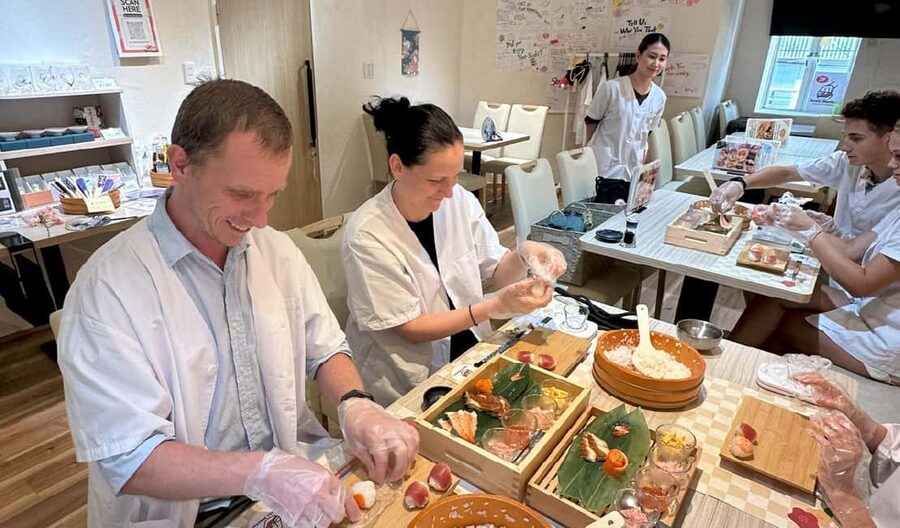
Reviewed · SUSHI MAKING CLASSES IN OSAKA
Osaka: Sushi Making in Spacious Studio (SAME-DAY OK!)
Fresh-cut sushi lessons in Osaka. This class pairs a roomy studio with English-led guidance and hands-on shaping.
Two things I’d bet on: you’ll learn how to nail sushi rice, and you get to eat the sushi you make right there, not later. One thing to consider: it is seafood-focused by default, so if you avoid fish, message about the vegetarian swap option first.
In Namba, the location is easy to reach and the pace is built for first-timers. In past sessions, instructors like Seina and Naho have been praised for being patient, fun, and clear in English, which matters when you’re trying to understand technique fast. Still, this is a 90-minute class with a set number of pieces (8 or 10 depending on course), so if you need a huge meal, plan to top up nearby after.
Key things to know before you go
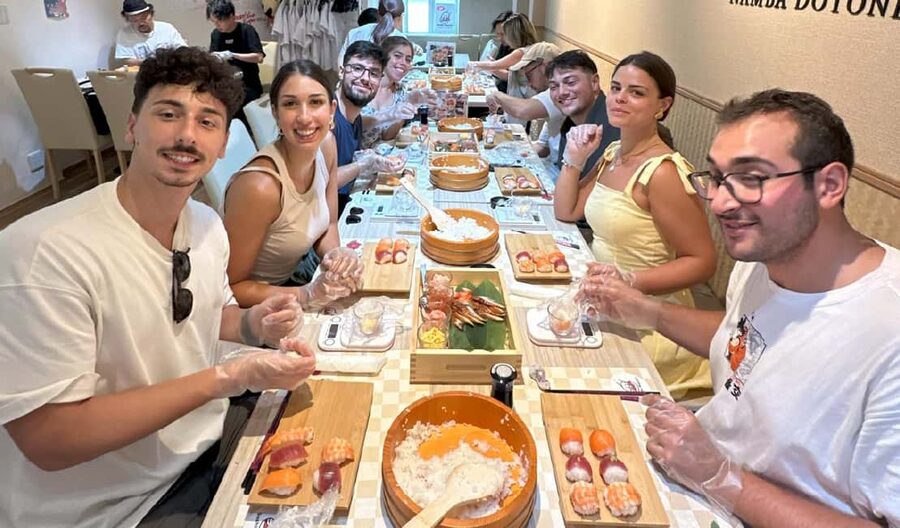
- Namba location, about 3 minutes from Namba Station, plus clear meeting point details at a small orange building
- Sushi Master Certificate and a small souvenir included, so you leave with proof you learned something
- Sushi rice focus, including how to cool and handle it properly for better nigiri
- English instruction led by friendly instructors such as Tsuki, Aki, Naho, Matsuri, and Seina (names seen in real sessions)
- Standard (8 pcs) or Premium (10 pcs) courses, so you can match appetite and value
- Vegetarian option available if you message in advance to swap fish toppings for vegetables
Finding the studio near Namba Station, without the stress
This is a Namba-based class, and the best part is how close it is to the station. You’re looking at roughly a 3-minute walk, which helps a lot when you want a food activity without building your whole day around it.
Meet up by searching Sushi Master Namba on Google Maps. The map may be slightly off, so don’t panic if the pin looks off by a bit. The studio is on the 2nd floor of a narrow orange-colored building. If you have trouble finding it, the provider gives a phone number you can call for help.
Practical tip: on the way there, take a quick screenshot of the exact exterior you’re aiming for, the orange narrow building. When signage is small, that one move saves time.
More Sushi Making Classes in Osaka
- Sushi Making Osaka Roll and Authentic Japanese Sushi Class
★ 5.0 · 1,220 reviews - Osaka Sushi Making Experience
★ 5.0 · 400 reviews - Osaka Sushi Making Class – Hands-On Nigiri & Rolls (Same-Day OK)
★ 5.0 · 352 reviews
The 90-minute flow, what you actually do during class
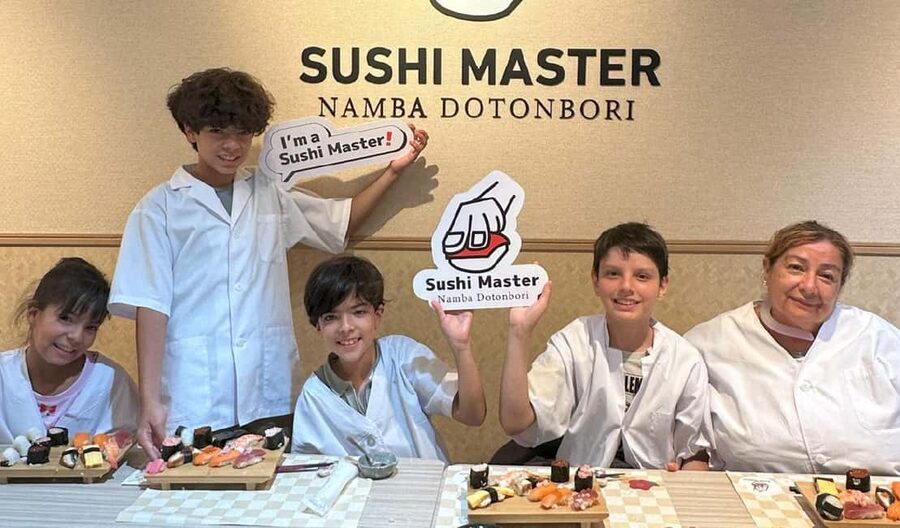
A 90-minute session is a sweet spot. Long enough for real technique, short enough that you’re not stuck all afternoon.
Here’s the typical rhythm of the class as it’s been described:
- Warm welcome and intro to Japanese food culture in English
You start with context, not just instructions for one recipe. You’ll learn why sushi rice matters and how the toppings relate to texture and balance.
- Hands-on instruction in a spacious studio
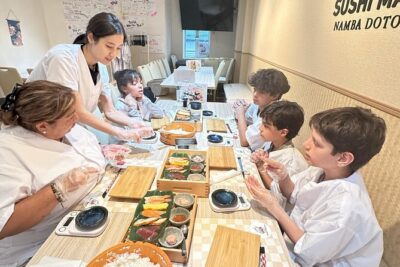
The class is set up so you can work at your station and follow along without fighting the group.
- Sushi-making steps led by the instructor
You shape sushi rice and assemble pieces, with guidance on handling and presentation.
- Eat what you made
After assembly, you enjoy your creations right away. This is a key reason the class feels rewarding rather than rushed.
One small but important detail: in some sessions, key components are staged for you so you focus on assembly and technique. For example, some participants mention that the rice and ingredients like fish, egg, and seaweed were already prepped, and they mainly cooled the rice and then built the sushi. That kind of setup helps beginners succeed.
Getting sushi rice right, the skill most people skip
If you want sushi that tastes like sushi, rice is the whole game. This class is built around that reality.
Even without fancy jargon, you’re taught the practical parts that make a difference:
- How to handle sushi rice so it isn’t too hot or too sticky
- How to portion and shape rice properly for toppings
- How the rice affects the balance of flavor and texture
Multiple comments highlight that learning rice is a big takeaway. And that’s exactly what you should care about. Restaurant sushi can be hard to replicate at home, but rice technique is the foundation you can actually practice.
If you’re the type who loves watching how professionals control details, this part will feel satisfying fast.
Nigiri and gunkan, plus possible variations like temari
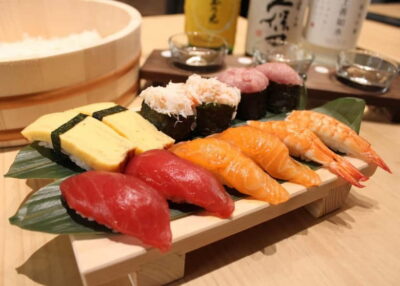
The core focus is making sushi you can recognize instantly. In many sessions, people mention learning nigiri and gunkan, which covers essential basics:
- Nigiri teaches rice molding and topping placement.
- Gunkan helps you understand how to handle more structured toppings and the way seaweed works as a frame.
One participant also mentioned learning temari sushi, which is another hands-on style. Since that came up in the experience details, you might see variations depending on timing or course flow. The safe takeaway is that you’ll learn enough technique to make sushi feel doable, not mysterious.
Either way, you’re not just rolling a maki and calling it a day. You’ll work with the building blocks that show up in real sushi culture.
Same corner of Japan, a different kind of day:
- Osaka Go Karting Tour with Funny Costume
★ 5.0 · 2,658 reviews - Osaka Castle: Museum and Tower Entry Ticket
★ 4.5 · 2,380 reviews - Osaka: Shinsekai Food Tour with 13-15 Dishes at 5 Eateries
★ 4.8 · 2,204 reviews - Osaka Food Tour: 13 Dishes at 5 Local Eateries
★ 5.0 · 2,149 reviews
Standard vs Premium, choosing 8 pieces or 10 pieces
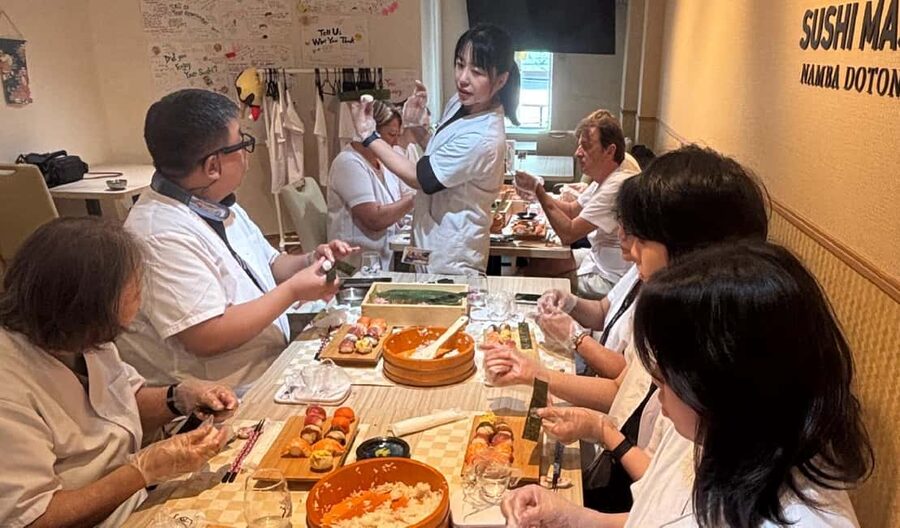
The class runs in two course sizes:
- Standard course: 8 pcs
- Premium course: 10 pcs
For most people, this is about appetite and value. Eight pieces can be enough for a fun lunch-like experience, especially since you’re eating what you make. Ten pieces gives you a bit more variety and quantity.
If you’re a bigger eater, or you know you’ll be hungry after, Premium may feel like the better match. If you want a focused try without overthinking it, Standard keeps the experience tight and affordable.
Also, since price is listed as $25 per person for this 90-minute session, the piece count matters. You’re paying for instruction plus a meal you produce, then a certificate and souvenir. That bundle is the value story here.
Who’s teaching, and why English clarity matters
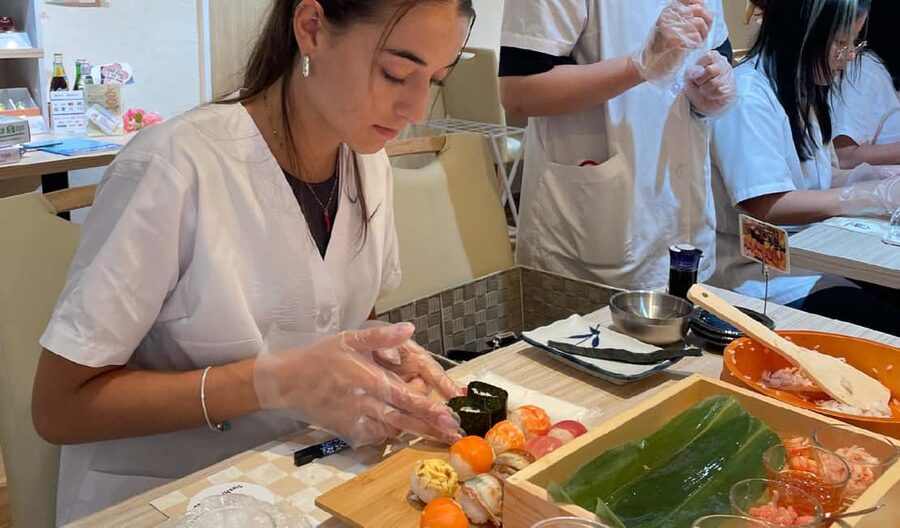
This experience stands or falls on the instructor. The good news is that sessions have repeatedly praised teachers for being:
- patient
- friendly
- organized
- strong in English
Names that come up in real sessions include Naho, Tsuki, Aki, Matsuri, and Seina. Participants highlight that the teachers take time to make things clear and easy to follow, including step-by-step technique and the practical “do this, then that” method.
One detail I like as a traveler: the class approach seems to reduce intimidation. Beginners don’t need prior sushi knowledge to participate, and that’s a big deal in Japan, where food technique can feel intimidating from the outside.
If you’re traveling solo, this kind of instruction also helps you feel like you belong, because you’re not just watching. You’re making.
Eating what you make, plus the sake touch
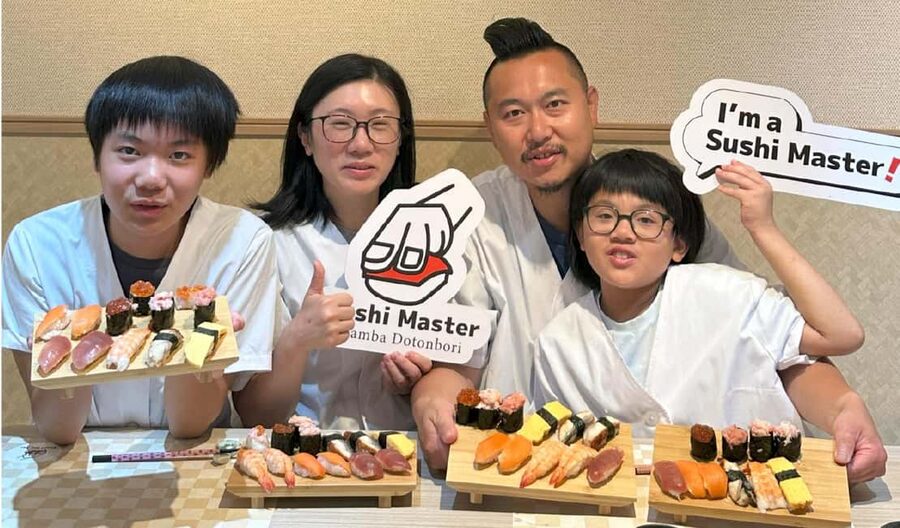
The experience includes a sushi meal, meaning you eat the sushi you assemble as part of the class. That’s one reason the activity feels worth it. You’re not paying just to learn a skill, you’re paying for an outcome you can taste immediately.
For drinks, the class does not include them by default. You can order soft drinks and alcohol during the session. Some classes also mention sake as part of the drink pairing, which fits the theme of sushi being both food and culture.
Practical tip: if you want sake or alcohol, check the menu on-site when you arrive. Since drinks are not included, you’ll want to plan a little so you don’t get surprised by extra cost.
The certificate and souvenir, why this matters more than you think
A lot of classes give you a sticker, or they end with photos. This one gives you a Sushi Master Certificate plus a small souvenir.
That sounds cute, but it also solves a travel problem. Food experiences blur together fast once you’re juggling trains and neighborhoods. A certificate gives the activity a real memory anchor you can keep.
Some participants also mention a small gift at the end. Between the certificate and souvenir, you’re leaving with something tangible that says, I did this, and I learned actual technique.
Vegetarian sushi, the one message you should send ahead of time
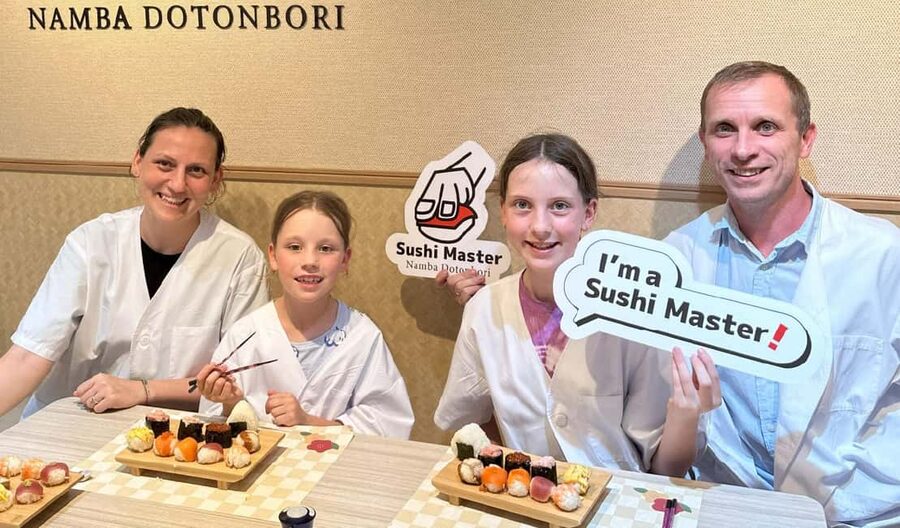
Default sushi classes often assume seafood. Here, there’s an important fix: vegetarian options are available if your group includes vegetarians.
The instruction is simple: message in advance so the class can replace fish toppings with vegetable-based ingredients. Do that even if you think it will be fine. It’s the difference between a smooth experience and last-minute changes.
If you are not vegetarian, but someone in your group is, this is still worth knowing. It keeps the meal inclusive, and it helps the instructor plan ingredients for your station.
Price and logistics, what $25 buys you in Osaka
At $25 per person for 90 minutes, you’re paying for:
- English-speaking instruction
- ingredients and what becomes your meal
- sushi-making coaching
- a certificate and small souvenir
- a roomy studio setup
The main logistics you handle yourself. There’s no hotel pickup or drop-off service, so plan to arrive under your own steam. The upside is that the class location near Namba makes that easy.
The likely trade-off: drinks cost extra. Since drinks are not included, your final spend depends on whether you add soft drinks or alcohol.
Overall, the pricing feels fair because you’re not just buying access, you’re buying results. You leave with both food and a skill.
Who should book this sushi making class
This works especially well if you:
- want a sushi experience in Osaka that’s beginner-friendly
- prefer learning with an English-speaking instructor
- love food activities that end with you eating what you made
- are traveling solo, as the setup and instruction style can help you feel comfortable
- want a cultural food moment in Namba without committing to a half-day tour
It may be less ideal if:
- you need a huge meal, since the course is set at 8 or 10 pieces
- you do not want seafood at all, unless you’ve confirmed the vegetarian swap in advance
- you dislike classes where outside food is restricted, since you cannot bring outside food or drinks
Quick practical tips before you go
- Tell the team about allergies in advance. The experience asks you to let them know ahead of time.
- Don’t bring outside food or drinks. The class includes ingredients and meals you make.
- Plan around the meeting point. Search Sushi Master Namba, then use the orange building and 2nd-floor note if Maps is off.
Also note the simple rules: smoking is not allowed.
Should you book Sushi Master Namba in Osaka
Yes, if you want a hands-on sushi class in Namba that is genuinely designed for beginners and focused on the core skill, sushi rice. The value looks strong for the price, mainly because you get instruction, you eat what you make, and you finish with a certificate and souvenir.
I’d say especially book it if you care about clarity in English. The instructor names that show up in past sessions, like Naho, Tsuki, Aki, Matsuri, and Seina, are repeatedly tied to being patient and easy to follow. That is exactly what turns a “fun activity” into a memorable learning moment.
If you have dietary restrictions, do not wing it. Message about vegetarian needs first, then book with confidence.
Fresh options around Osaka
- Osaka Winery Tour with Wine Tasting & Vineyard Walk★ 4.9 · 12 reviews
- Osaka: Early Morning Osaka Castle Guided Tour, Avoid Crowds★ 4.9 · 12 reviews
- Kyoto Day Trip from Osaka Port – Private Shore Excursion★ 5.0 · 13 reviews
- Osaka Private Pop Culture Tour: Historic Tenma to Dotonbori★ 4.5 · 13 reviews
- Osaka Castle Admission Ticket★ 4.0 · 13 reviews
- Hidden Osaka Foodie Tour: Nishinari Backstreets & Local Dining★ 5.0 · 13 reviews
- Discover Real Osaka: A Cultural Walk with Food & Drink★ 5.0 · 13 reviews
- Nara private tour (Shore excursion available from Osaka or Kobe port)★ 5.0 · 13 reviews
Sushi Making Classes in Osaka, compared.
Sushi Making Osaka Roll and Authentic Japanese Sushi Class
Read our review →
Osaka Sushi Making Class – Hands-On Nigiri & Rolls (Same-Day OK)
Read our review →
Roll and Authentic Sushi Making Class in Dotonbori
Read our review →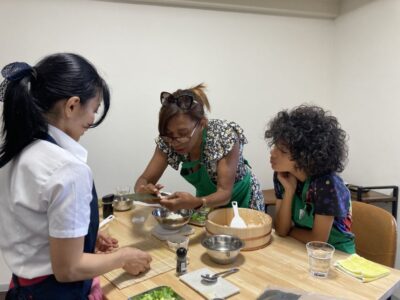


Browse the lists this tour appears in