
Reviewed · MUSEUMS
Private Edo-Tokyo Open Air Architectural Museum Tour
Modern Tokyo, built from old ideas.
I love how this tour turns architecture into a story you can walk through. You start with a house tied to Kunio Maekawa and his line of influence from Le Corbusier and Antonin Raymond, then you move into European design ideas taking root in Japan. I also love the second half of the day, when Shitamachi streets, a traditional bathhouse, and an old train give off that cozy, film-like East Tokyo vibe.
One consideration: many of the buildings you visit require removing your shoes, so plan footwear that slides on and off easily.
Key things to know before you go
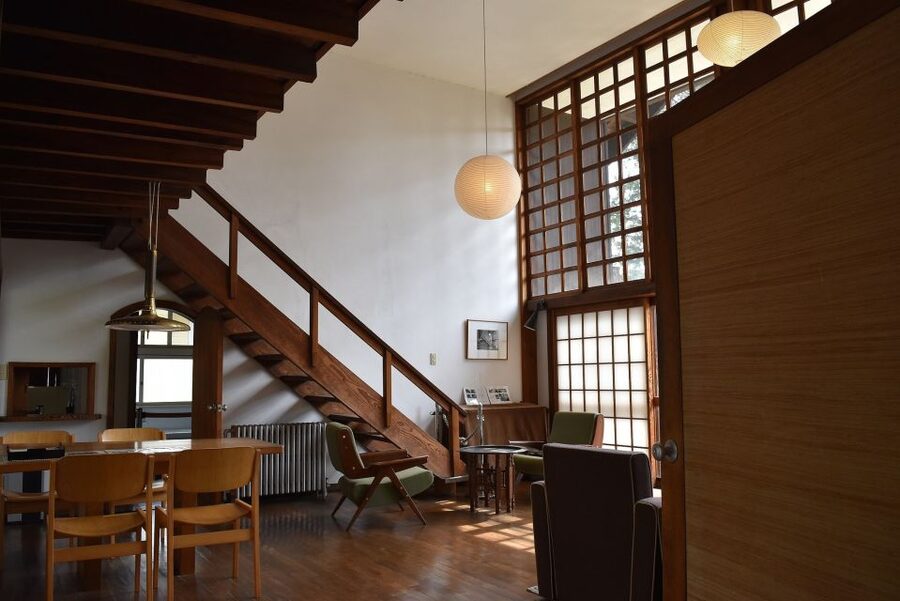
- Kunio Maekawa’s wartime modernism: you’ll see how modern architecture took shape in Japan during the Second World War.
- Sutemi Horiguchi’s Dutch and De Stijl mix: Dutch architecture arrives early, and you can spot design logic that echoes Art Deco and The Style.
- A Mitsui family residence for luxury and craft: you get a close look at how wealth showed up in interior detail.
- Shitamachi streets that match the animation mood: East Tokyo buildings, plus a bathhouse and an old train, make great photo moments.
- Private, English-speaking licensed guidance: named guides like Yuichi and Yuki have a way of explaining the “why,” not just the “what.”
- Small extra transport cost: trains and buses to and from Tatemono-en cost about 700 JPY one way, and that is not included.
Entering Edo Open Air Museum Tokyo-style, without the maze
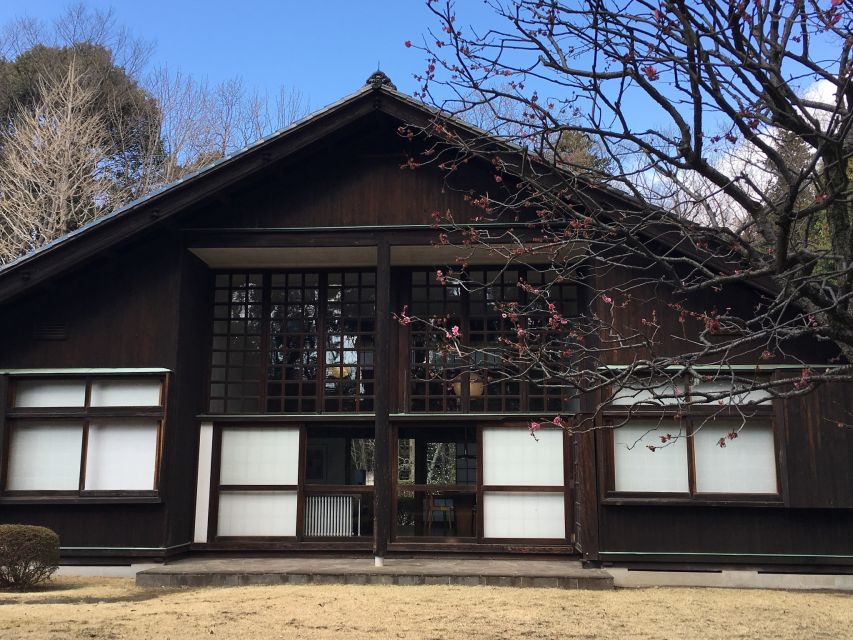
This isn’t a museum where you stare at objects behind glass. It’s open air and you walk between buildings, so the “feel” of each era lands fast. Even before you start talking architecture, the setting matters. You’re in an outdoor collection where houses sit in a way that makes you understand how daily life once worked in Tokyo, from neighborhood street edges to courtyards and bath routines.
The tour also has a very specific mood: East Tokyo, Shitamachi, the kind of place people picture when they think of classic animation settings. The catch is simple but important. This experience does not include the Ghibli Museum, even though the vibe is appealing for Studio Ghibli fans. You’re chasing the streets and building atmosphere, not the theme park.
The best part for value is that you’re not figuring anything out alone. Pickup is included, a licensed English guide handles the context, and you’re in a private group format, so questions do not get swallowed by crowds.
A few more Tokyo days worth comparing
- Tokyo: teamLab Planets TOKYO Digital Art Museum Entry Ticket
★ 4.6 · 9,779 reviews - Tokyo: Samurai Ninja Museum Guided tour and Experience
★ 4.6 · 1,010 reviews - Ninja Experience (Family Friendly) at Samurai Ninja Museum TOKYO
★ 5.0 · 441 reviews
Kunio Maekawa’s WWII house: modern ideas in a very Japanese frame
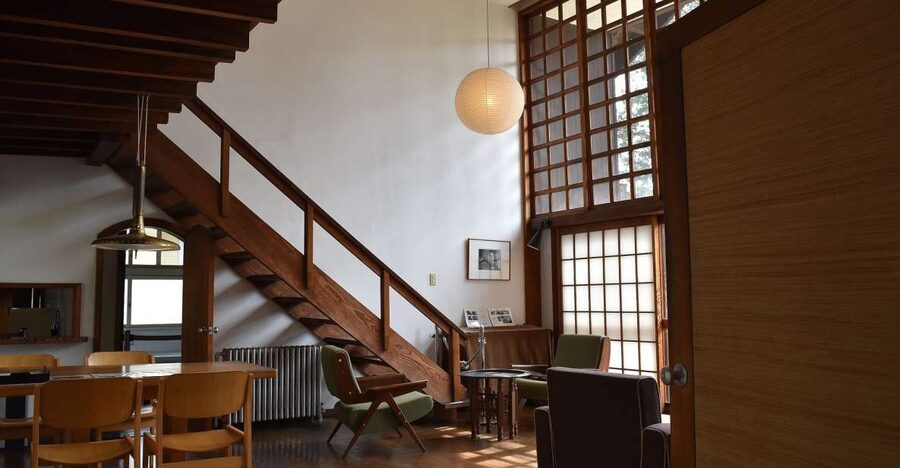
Your first architectural win is the house designed by Kunio Maekawa. Maekawa worked under Le Corbusier and Antonin Raymond, and you’ll see why that lineage matters. The house was built during the Second World War, so it is not just a pretty artifact. It is architecture under pressure, where form, light, and function still had to stay intelligent.
What you should look for during this stop is how modern design thinking can live inside Japanese life. The tour framing helps you notice connections like planning logic, how rooms relate, and how the design handles openness and privacy. Even if you are not an architecture geek, the guide’s job is to make the details readable, like why a layout feels calm or why a boundary line changes how you move.
This stop also gives you a quick “timeline anchor.” When you later see Dutch influence and early European styles, Maekawa’s house helps you understand that Japan was not only borrowing. Japan was adapting.
Sutemi Horiguchi and the first Dutch architectural influence in Japan
Next comes a house designed by Sutemi Horiguchi, a key figure for the European thread of the day. You’ll learn how he introduced Dutch architecture for the first time to Japan, and the timing is part of the story. The house was built in 1925, shortly after Horiguchi returned from a trip to Europe.
Here’s where the tour pays off for people who like patterns. The design isn’t treated as random decoration. You can connect the dots between De Stijl (The Style) compositions and Art Deco style elements, and how those Western design ideas show up alongside traditional Japanese room layouts.
If you’re the type who likes to spot design rules, this is a great moment to slow down. Take a beat and let the guide’s explanation make the shapes make sense. The goal is not to memorize names, it’s to understand what designers were trying to do with proportion, rhythm, and geometry.
The Mitsui family residence: how wealth shows up in interior detail
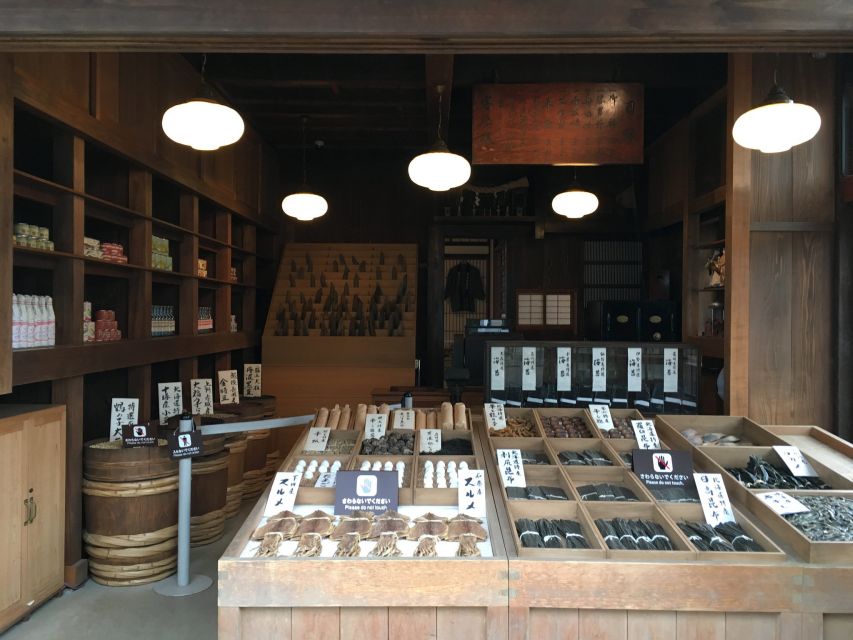
After the Europe-to-Japan design comparisons, the tour shifts to comfort and status with the residence of the Mitsui family. The Mitsui home is described as being one of the richest family residences in Japan, so the point here is more than aesthetics.
You’ll see luxurious interior decoration, and the guide’s narration helps you interpret what “luxury” means in this context. In many historical interiors, luxury is not only about expensive items. It’s about finishing, arrangement, and the way a space makes you slow down. You can feel how daily life changes when materials and craftsmanship are at a different level.
This is a strong stop if you want architecture to connect to social life. It also breaks up the more experimental modern-design sections, so by the time you reach the East Tokyo walk, you have a clearer sense of how varied the collection is.
Same corner of Japan, a different kind of day:
- Mt Fuji and Hakone 1-Day Bus Tour Return by Bullet Train
★ 5.0 · 26,383 reviews - 1-Day Tokyo Bus Tour
★ 5.0 · 14,250 reviews - Tokyo: TOKYO SKYTREE® Admission ticket
★ 4.5 · 11,192 reviews - Mt Fuji & Hakone Cruise, Drum Show Bullet Train 1 Day from Tokyo
★ 4.0 · 7,413 reviews
Shitamachi walk and the bathhouse plus old train moment
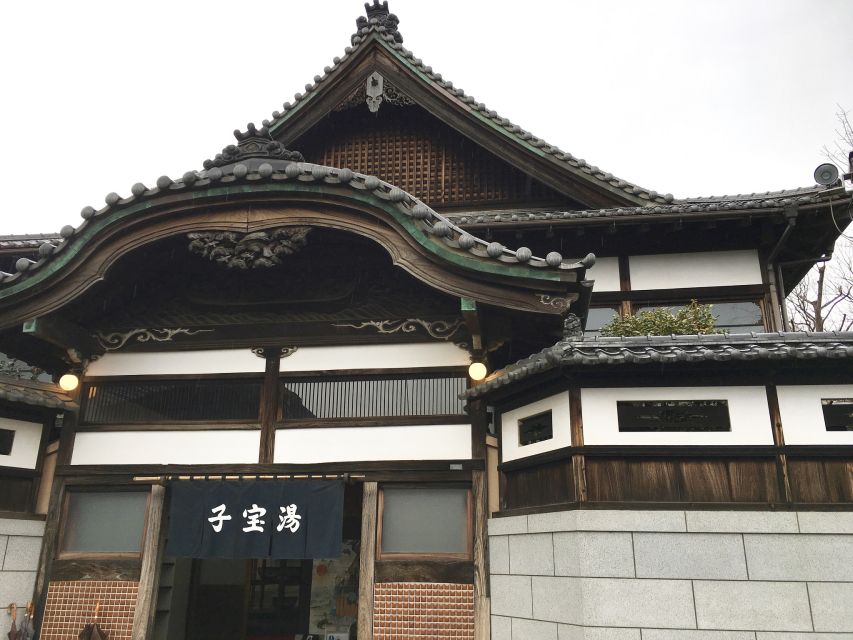
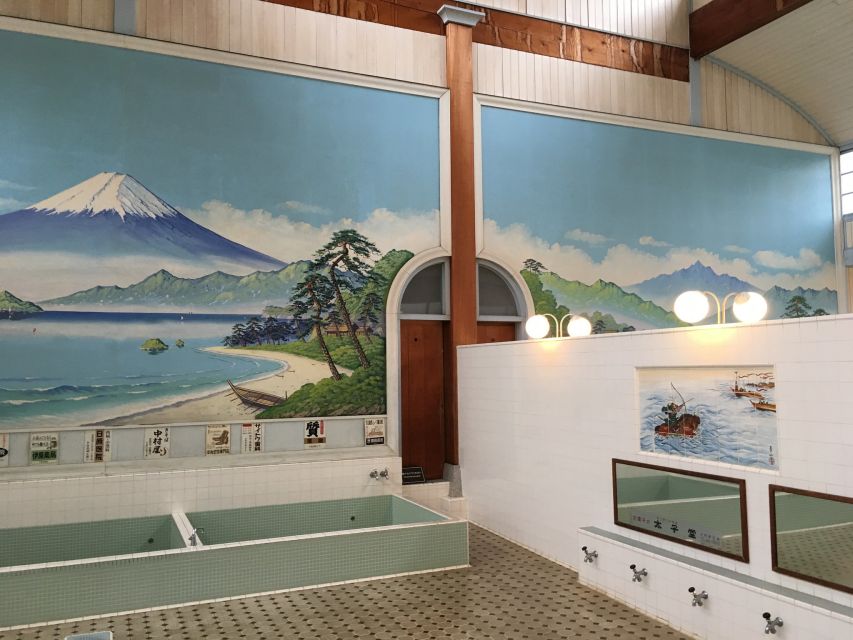
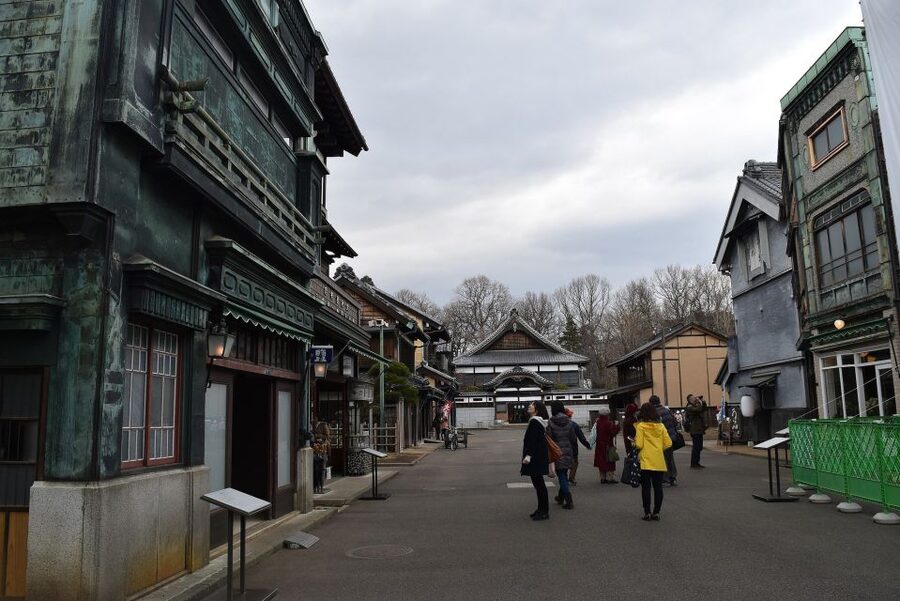
The latter half is where the tour becomes extra fun, especially if you love Studio Ghibli style atmospheres. You walk through Shitamachi, East Tokyo, and the area is lined with buildings that could easily fit into an animated neighborhood scene. The charm is in the everyday texture, not in exaggerated set dressing.
Two specific sights tend to land well: a beautiful traditional bathhouse and an old train that once ran through Tokyo. This is the kind of stop where you don’t need architecture vocabulary to enjoy it. You just feel the time period.
If you like photos, this is your main photo window. Shoot wide for streets and building facades, then step in close for details the guide points out. The guide’s stories help you notice things you’d otherwise miss, like how a bathhouse functions as a social space or how an old train setup changes your sense of Tokyo’s movement and history.
Also, this is your reminder that the tour is not about the Ghibli Museum itself. It’s about recreating the Tokyo building atmosphere that makes those stories feel believable.
Private guide quality, from Yuichi to Yuki and beyond
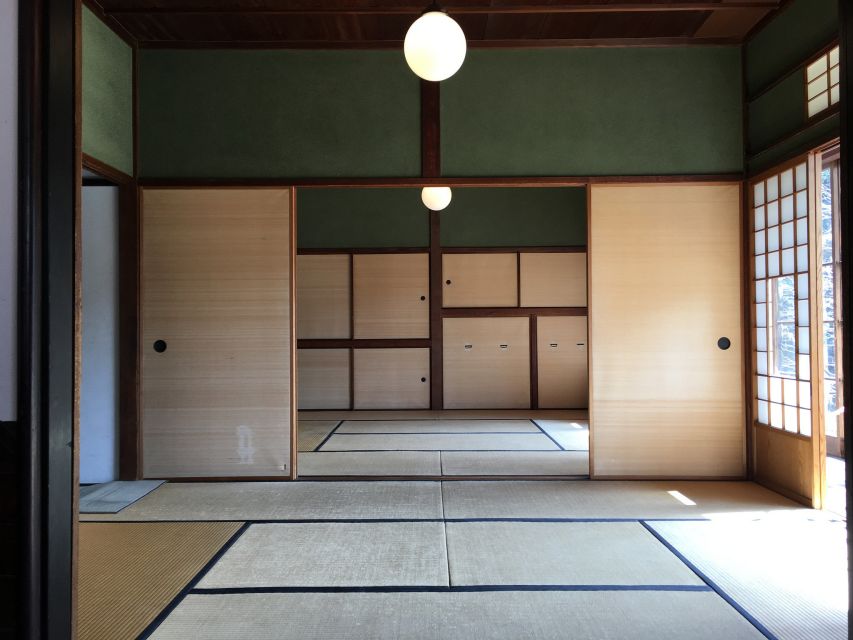
This tour is built around the guide. You get an English-speaking licensed guide, and it’s private group format, so explanation stays focused on you.
In particular, guides such as Yuichi and Yuki have been praised for clear English and for speaking with passion about Japanese architecture. More importantly, they do not treat the buildings like isolated examples. They connect the dots between designers and the bigger shifts in Tokyo life.
There’s also a practical side to the guidance. When someone wasn’t feeling well during a tour, the guide helped get them to a hospital. I take that as a sign of the kind of responsibility you want from a guide in an outdoor museum setting, where you are moving on foot and navigating transit.
Meeting at Tokyo Station: where to stand and what to look for
The meeting point is Tokyo Station Marunouchi Front Plaza. After you exit the JR Tokyo Station Marunouchi Central Gates, you head to the center of the station building.
Your guide will be waiting at a carriage porch area used for VIP guests. On each side you’ll see a Japanese national flag, and the guide will be holding a bag with an illustration of the Nakagin Capsule Tower.
This is not a vague meet-and-hope situation. If you arrive a few minutes early, you can spot the flags and the guide easily, then you’re off without stress.
Price and logistics: what $193 buys, plus the extra 700 JPY you should plan
The price is $193 per person for a 5-hour private tour. That includes pickup at either JR Shinjuku Station or JR Tokyo Station, admission to the museum, and an English-speaking licensed guide.
Value-wise, that’s the important part. You are paying for two things that take real effort in Tokyo: a guided interpretation and a smooth start from central stations. Tokyo transit can be confusing when you are unfamiliar with station layouts, so having pickup plus escort helps you skip that mental load.
What is not included is your transportation fee to and from Tatemono-en, which is about 700 JPY one way. The plan uses trains and buses to reach the museum. The good news is that this extra cost is small compared to the total price, but it is still worth budgeting so you do not get surprised.
What to wear: shoe rules and practical comfort
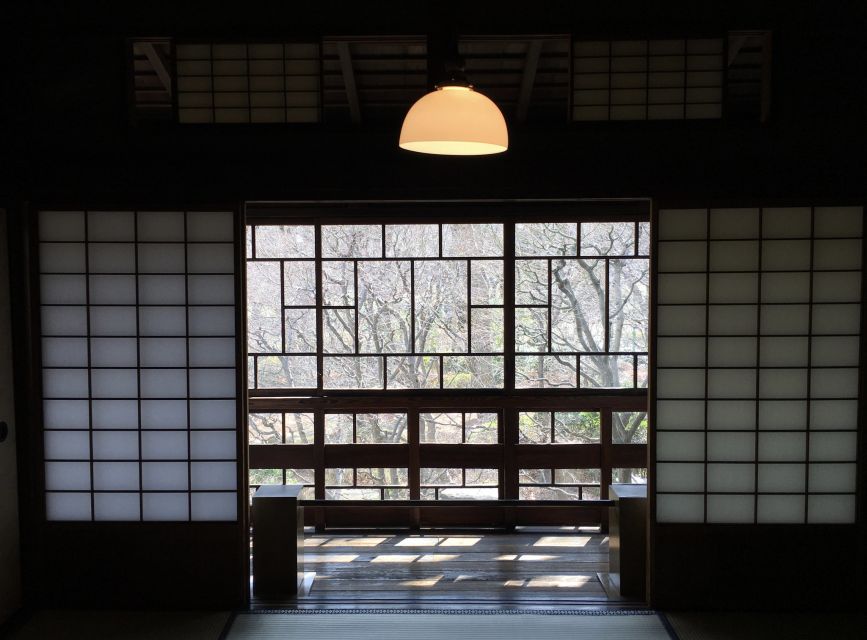
This tour is in an open-air architectural museum, but you still enter buildings. Many historic structures require you to remove your shoes before entering. You’ll have a better time if you wear shoes that are comfortable and easy to slip on and off.
If you are planning socks, bring ones you actually like. It sounds small, but after a few shoe-off cycles, you’ll be glad you did.
Beyond that, dress for day comfort. Even without specific weather notes, outdoor walking plus museum entry means you’ll want layers you can adjust.
Who should book this tour, and who might want a different plan
You’ll love this if you care about architecture as a way to understand Tokyo, not just as isolated buildings. The mix of Maekawa’s modernism, Horiguchi’s Dutch connection, and a Mitsui family interior makes the day feel like a clear design timeline.
Studio Ghibli fans also have a special reason to book. You get the East Tokyo street atmosphere, the bathhouse, and the old train feeling, which is often what people chase when they want that animated sense of place.
You might choose something else if you want a very high-intensity walking tour with lots of physical activity. This is more about stopping, observing, and learning, so it works best for people who like a paced, explanation-led walk.
Should you book this Edo-Tokyo architectural tour?
If your goal is to understand how Tokyo absorbed world design ideas while keeping Japanese life patterns, I think this is a strong choice. The private guide, the included admission, and the curated mix of Maekawa, Horiguchi, and the Mitsui residence are exactly the kind of structure that makes a half day feel worth it.
Also, if you’re on the fence about transit logistics, pickup helps. And if you care about Ghibli-style atmosphere, you’ll get it here through Shitamachi streets, a bathhouse, and an old train, even though you are not going to the Ghibli Museum.
Just remember the shoe-off reality. Pack for it, and the experience stays smooth.
FAQ
Where is the meeting point for this tour?
Meet at Tokyo Station Marunouchi Front Plaza. After exiting the JR Tokyo Station Marunouchi Central Gates, head to the center of the station building. Your guide will be waiting at a carriage porch area, holding a bag with an illustration of the Nakagin Capsule Tower.
How long is the private tour?
The tour duration is 5 hours.
Is there an English-speaking guide?
Yes. The tour includes an English-speaking licensed guide, and it is a private group.
What is included in the $193 per person price?
Pickup at either JR Shinjuku Station or JR Tokyo Station, admission fee, and the English-speaking licensed guide are included.
Do I need to pay extra to get to Tatemono-en?
Yes. Transportation fee to and from Tatemono-en is not included, and it is approximately 700 JPY one way. The tour uses trains and buses.
Does this tour include a visit to the Ghibli Museum?
No. This tour is an architectural tour of the Tokyo Edo Open Air Architectural Museum and it does not go to the Ghibli Museum.
Should I bring shoes I can remove quickly?
Yes. Many of the historic buildings require guests to remove their shoes before entering, so comfortable shoes that are easy to slip on and off are recommended.
Fresh options around Tokyo
- Tokyo: Nagano Snow Monkeys and Zenkoji Tour with Temples★ 4.9 · 19 reviews
- Yokohama Port: Private Customizable Tour with Transfer★ 5.0 · 19 reviews
- Explore Unique Tokyo Streets / Learn with a Pro Photographer★ 5.0 · 19 reviews
- Sushi Making with Interactive Samurai Experience at JIN-ASAKUSA★ 5.0 · 19 reviews
- DAIKOKU excursion by car DRIFT automobile encounter★ 4.5 · 19 reviews
- Official Street Go Kart Tour Akihabara 2nd★ 5.0 · 19 reviews
- Cosplay Experience with Professional Makeup and Photo Shoot!★ 5.0 · 19 reviews
- Tokyo: Name Seal & Pouch or Tote Bag Making Experience★ 4.5 · 19 reviews
Museums, compared.

teamLab Planets TOKYO Digital Art Museum Entry Ticket
Read our review →
Samurai Ninja Museum Guided tour and Experience
Read our review →
Tea Museum Tickets and Matcha Grinding Experience
Read our review →
Skip the lines Basic Ticket at SAMURAI NINJA MUSEUM KYOTO
Read our review →
Ninja Experience (Family Friendly) at Samurai Ninja Museum TOKYO
Read our review →
Tokyo Studio Ghibli Museum and Ghibli Film Appreciation Tour
Read our review →
Geiko Maiko Dance of Kyoto & Visits of Gion Museum
Read our review →Browse the lists this tour appears in