
Reviewed · FOOD & DRINK
Nara:5 Type of Tea Tasting & Mindful Tea Ceremony
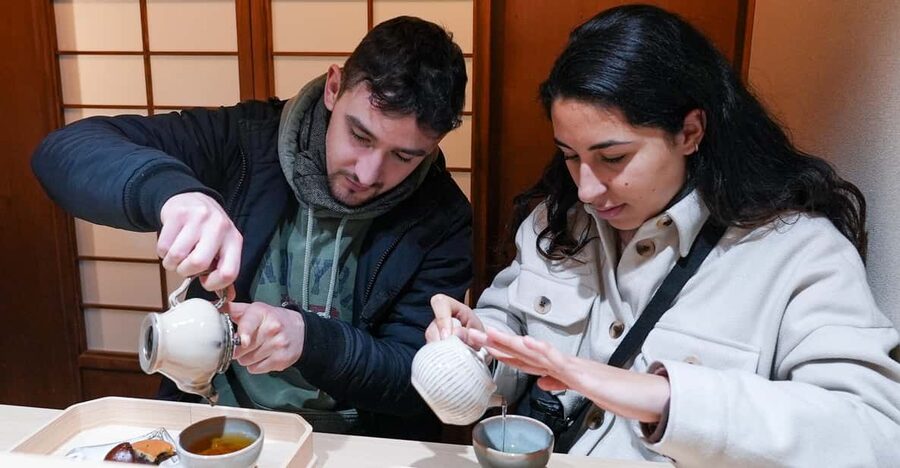
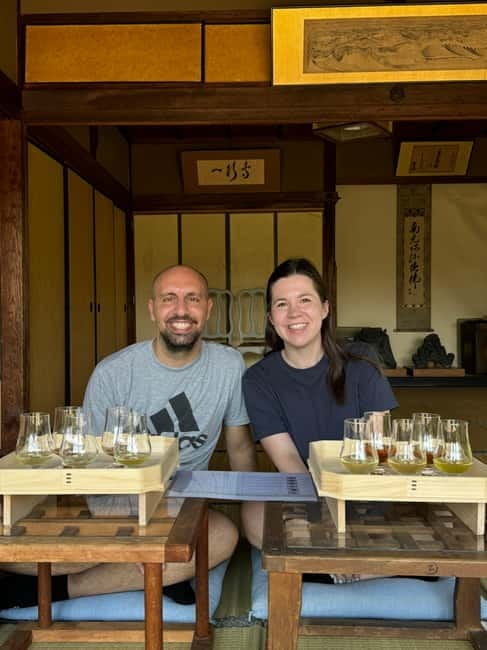
A tea ceremony that actually feels human. In Nara, you get a private, one-on-one style experience inside a renovated traditional Japanese house, where you sample five carefully chosen teas and then learn the ritual side through your own matcha whisking. I like how hands-on it is, not just watching, and I also like the tea flight setup that helps you quickly find what you genuinely enjoy. The main drawback to weigh is that you’ll sit still on the floor for a while, so bring patience and plan for a slower pace.
You’ll be talking with the host, getting local context, and learning why each cup tastes the way it does. If you want a quick photo stop, this is not that. If you want quiet focus and honest food-and-drink learning, it hits the mark.
Key highlights you’ll remember
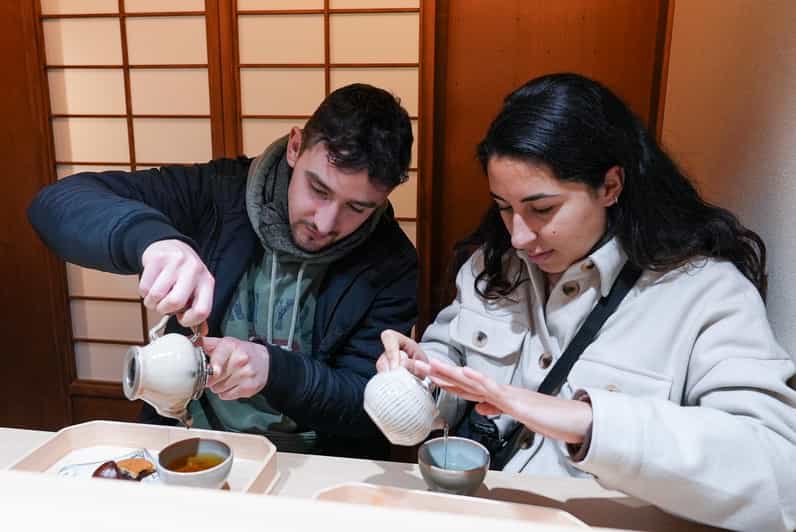
- A private Nara tea room experience in a traditional house setting, not a rushed workshop room
- Five teas from Nara prefecture, then a choice for a pot-brewed serving
- Matcha practice with feedback, so you can correct your whisking and technique
- Tea ceremony coaching, including etiquette and tools used during the ritual
- Wagashi sweets pairing, with flavors designed to complement each sip
- English instruction with a small, intimate atmosphere
A Quiet 90 Minutes in a Traditional Nara Tea Room
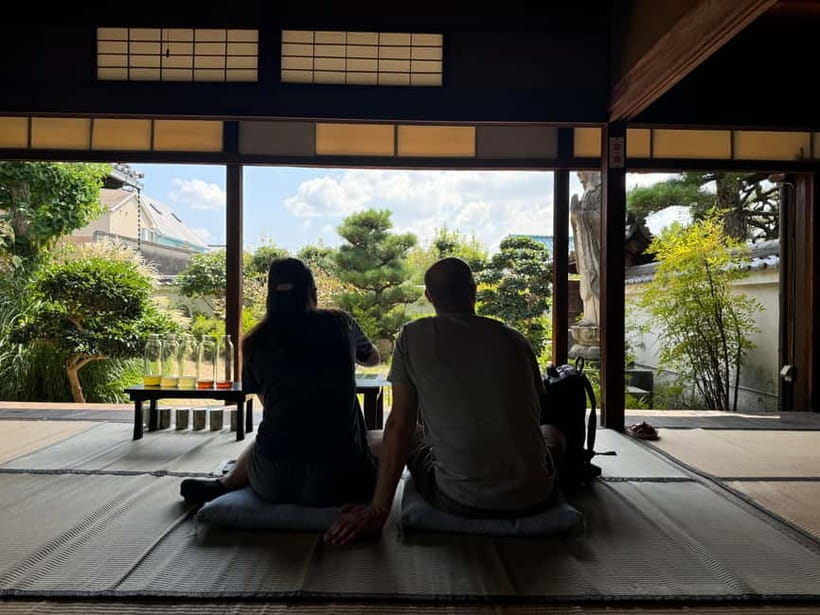
This is the kind of activity that works best when you slow down. The experience takes about 90 minutes, and the setting is a traditional tea room in a renovated Japanese house. One big reason people love it is that it does not feel like a performance. It feels like a calm, structured lesson in taste, rhythm, and manners.
You start with tea tasting, then the ceremony part comes after. That order matters. First, you train your taste buds on five different styles. Then, when you whisk matcha, it feels less like a gimmick and more like something you now understand. You’re not just learning what to do, you learn why the steps matter.
The house matters too. Even if you’ve seen Japanese architecture before, there’s something grounding about sitting in a room built for restraint. The host keeps the vibe dignified, friendly, and quiet. And yes, you’ll likely spend time sitting on the floor. If you’re okay with that, you’re going to enjoy how focused the experience feels.
More tea ceremonies in Nara:
- World Heritage Kyoto & Nara Uji Authentic Matcha Experience
★ 5.0 · 1,573 reviews - Nara:Authentic Tea Ceremony(Max 5 ppl) -Master Matcha Making
★ 5.0 · 119 reviews - Kyoto: Tea Ceremony in a Traditional Tea House in Kiyomizu
★ 4.9 · 3,519 reviews
Five Teas, One Guided Flight: How the Tasting Works
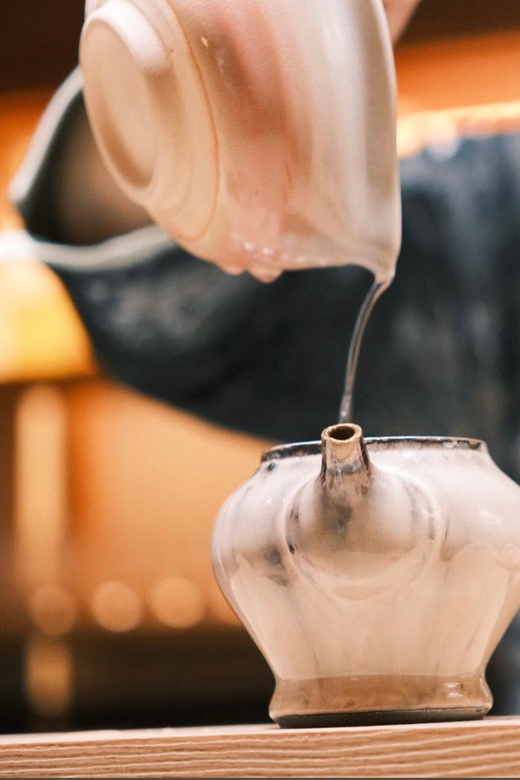
The core of this experience is tasting five types of Japanese tea sourced locally in Nara prefecture. Think of it like a guided flight at a high-end tea shop, except the guide also gives you cultural context and technique. Each tea is selected to show contrast, so your palate learns faster.
Here’s the rhythm you can expect:
- You sample five expertly selected teas
- You listen as the host explains what you’re tasting and how to notice key differences
- You then pick your favorite tea for a special pot-brewed serving
That last step is one of the smartest parts. Many tours give you tastes and then move on. Here, you get to return to one tea with a fuller pour. You’ll likely notice details you missed earlier because the flavor has a chance to open up. If you’re the type who wants a takeaway, the pot-brewed choice is where you can lock in a favorite.
The teas are described in general terms as including things like matcha and mellow roasted teas, which gives you a mix of grassy, creamy, and deeper roasted notes. You don’t need to be a tea expert. The host’s job is to give you simple cues you can actually use while you sip.
Choosing, Brewing, and Noticing: What “Local Teas” Really Means
The fact that the teas are locally sourced in Nara is more than a marketing line. It makes your tasting more meaningful because you’re not just sampling whatever is easiest to import or stock. You’re experiencing tea culture tied to a specific place.
In a place like Japan, tea isn’t just a drink. It’s tied to seasons, methods, and careful handling. So even if the session is short, the host usually brings up practical details like how tea changes depending on preparation. You end up with a better sense of how to think about tea at home later.
One more value point: you get real conversation. The experience includes time to chat with locals and pick up inside tips on places to visit while you’re in Japan. That doesn’t mean you’ll receive a detailed itinerary for every hour. It does mean you’ll leave with guidance that’s more personal than what you find in big guidebooks.
Hands-On Matcha Practice With Personalized Feedback
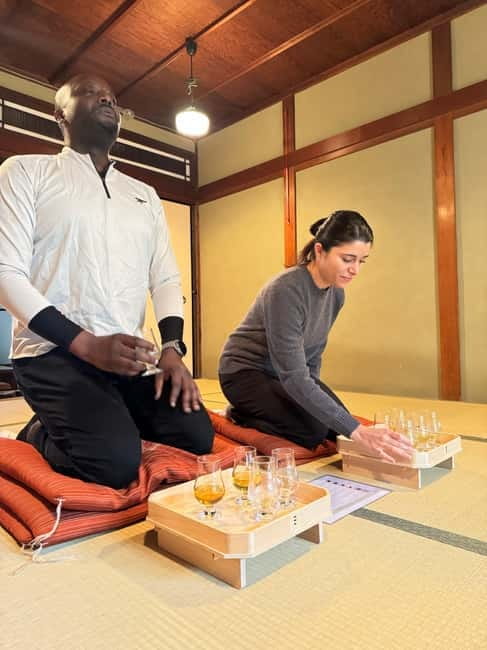
If matcha is on your radar, this is where you’ll pay attention. You’re not only drinking matcha. You’re also learning how to make it.
During the session, the tea master guides you through hands-on whisking, and you get personalized feedback. That matters. Matcha can taste great or flat depending on the whisking rhythm and how the foam develops. Most people want to know one simple thing after taking a class: how do I fix it if mine comes out wrong? This format gives you a direct chance to adjust.
You’ll also hear about the tools. In particular, bamboo tea whisk craftsmanship comes up, including the bamboo whisk used to mix matcha. That’s a nice detail because it connects the ritual to real materials, not just steps.
The experience is also mindful by design. You’re taught to slow down your motions and focus on the process. Even if you’re not into meditation, this part changes the feel of the whole class. You stop chasing flavor and start noticing texture, aroma, and the look of the foam.
And yes, this can be a surprise even for people who are coffee-first. Matcha often reads as a one-note green drink until someone helps you taste it properly. When you whisk it yourself, the aroma and bitterness start making sense.
More food tours in Nara:
- Private Nara Tour and Sake Tasting (Departing from Kyoto/Nara)
★ 5.0 · 40 reviews - Tokyo: Shinjuku Food Tour (13 Dishes at 4 Local Eateries)
★ 5.0 · 6,603 reviews - Tokyo Tsukiji Fish Market Food and Culture Walking Tour
★ 5.0 · 3,184 reviews - Osaka: Shinsekai Food Tour with 13-15 Dishes at 5 Eateries
★ 4.8 · 2,204 reviews
Tea Ceremony Part: Etiquette, Tools, and Calm Focus
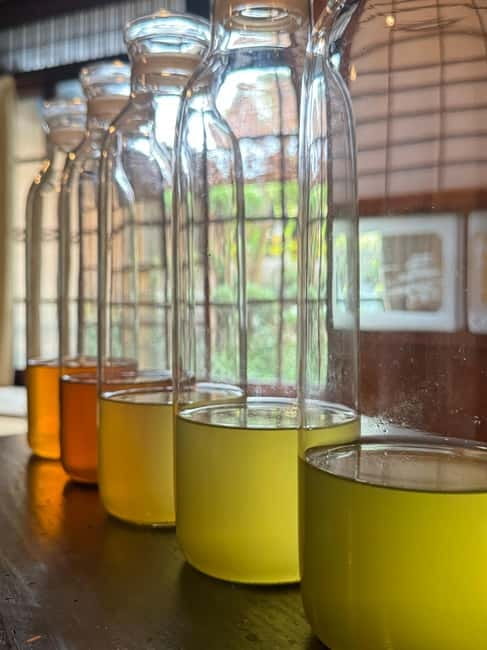
After the tasting, you move into the tea ceremony. This is not just a short demo. You’re guided through the tradition’s history at a level that fits the time, plus the etiquette and the tools used in the ceremony.
Why this is valuable: etiquette sounds strict until someone explains it as respect and flow. In practice, the gestures and pacing help the tea taste better because you’re not multitasking. You’re paying attention to temperature, scent, and how the cup is handled.
Expect the host to walk you through the meaning behind the steps, then guide you as you participate. The goal is to make you understand what you’re doing, not memorize a script. That’s also why the experience is private. You can ask questions, and the pace stays comfortable.
One practical thing to keep in mind: the ceremony part is quiet and floor-sitting for long moments. If you’re hoping for a tour you can half-watch while standing, this won’t feel right. But if you enjoy being still, this is exactly the point.
Also, many sessions are kept small, which helps. When only a handful of people are present, the host can correct your posture, your whisking, and your timing without rushing.
Wagashi Pairings and Why the Sweets Matter
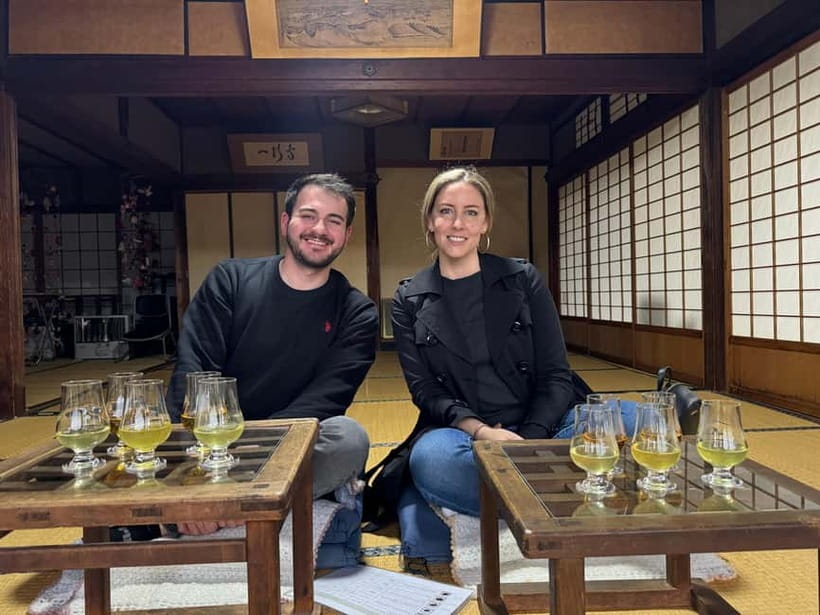
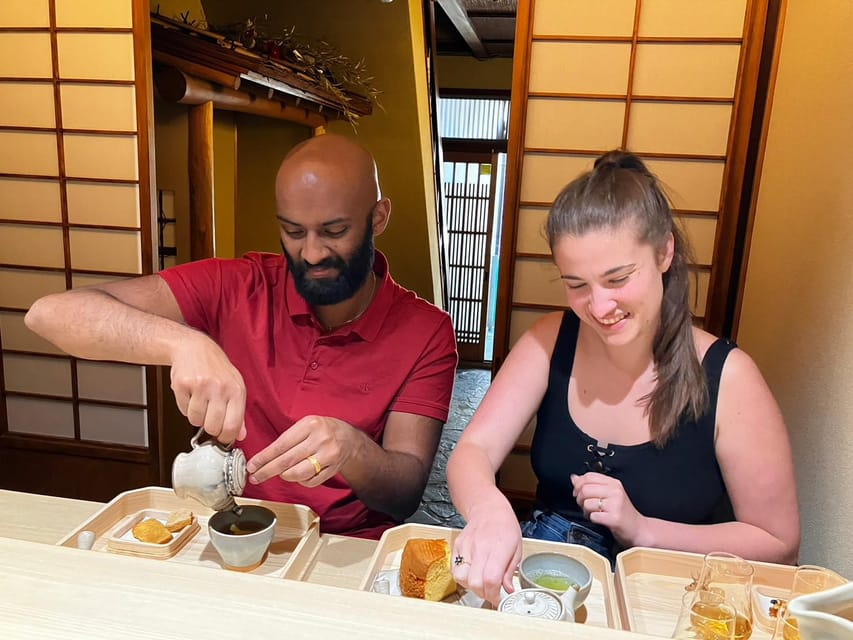
You’ll finish with seasonal wagashi, traditional Japanese sweets that complement your tea. Wagashi can look delicate, and sometimes Western visitors assume it’s just for show. Here, it’s part of the lesson: the host pairs sweets to balance the tea.
The experience includes two kinds of Japanese sweets. That’s enough variety to notice how different flavors change the tea experience. For example, when the sweet has a gentle taste, matcha may feel smoother. When a sweet is more pronounced, the tea’s bitterness can feel more structured.
What I like about including wagashi in a tea class is that it teaches you to think in pairs. Tea isn’t isolated. It’s served with something that changes the overall flavor story. If you like food learning, this ending feels satisfying, not random.
Price and Value: Is $61 Worth It?
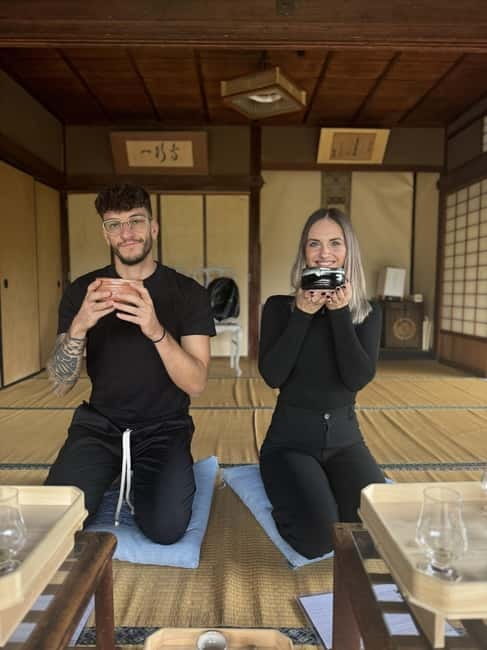
At $61 per person for about 90 minutes, this sits in the midrange for a private cultural experience. What makes it better value than many pricier workshops is that you get multiple layers bundled into one sitting:
- Five teas with tasting guidance
- A choice for a pot-brewed serving of your favorite
- Hands-on matcha practice with personalized feedback
- A guided tea ceremony element with etiquette and tools
- Two wagashi sweets included
If you tried to replicate this on your own, you’d likely pay for tea tastings and then still miss the coaching component. The personalized matcha instruction is the big differentiator. It turns your experience from consumption into skill-building.
It’s also private group focused, which means the host can adjust to your questions and pacing. That’s harder to get in larger classes.
One more value angle: the setting. Learning in a traditional, renovated house changes the experience. Even if you could buy the same teas elsewhere, you wouldn’t get the same quiet, structured atmosphere.
Who Should Book This Tea Tasting in Nara?
Book it if:
- You want a calm, cultural experience that feels structured but not stiff
- You like learning by doing, especially matcha whisking
- You enjoy food pairings and want a guided taste menu
- You prefer intimate group size and English instruction
Skip or reconsider if:
- You need a lot of walking or movement to stay comfortable
- Sitting still on the floor for extended moments is hard for you
- You’re traveling with children under 12, or you are pregnant, since the experience is not suitable for those categories
If you fall somewhere in the middle, the decision becomes simple. You’ll enjoy it more if you’re here for tea, calm, and etiquette, not for constant action.
Should You Book This Experience?
Yes, if your trip includes Nara and you want something that feels genuinely Japanese, this is an excellent pick. The strongest reason to book is the combo: five tea tasting plus hands-on matcha practice plus the ceremony. That’s a lot to pack into 90 minutes, and it’s guided in a way that helps you learn fast.
It’s also a good choice even if you think you are not a tea person. Matcha practice and the way the host guides your tasting can convert coffee-only drinkers.
Just go in with the right expectations. This is not a quick, loud, photo-heavy stop. It’s a quiet session where you’ll sit, sip, whisk, and learn to notice.
If you want, tell me your travel dates and whether you’re tea-curious or already a fan. I can suggest the best time of day and how to pair it with the rest of your Nara plans.
FAQ
How long is the Nara tea tasting and mindful tea ceremony?
The experience lasts 90 minutes.
What’s included in the experience?
You get to taste 5 kinds of Japanese tea and enjoy 2 kinds of Japanese sweets (wagashi).
Is the tea instruction private?
Yes. It is described as private, with one-on-one instruction from the tea master.
What language is the instruction in?
The instruction is English.
Is it wheelchair accessible?
Yes, it is listed as wheelchair accessible.
Is it suitable for children or pregnancy?
It is not suitable for children under 12 and it is not suitable for pregnant women.
What are the cancellation and payment options?
You can cancel up to 24 hours in advance for a full refund. You can also reserve now and pay later, so you can book without paying today.
Fresh options around Nara
- Nara: City Highlights Shared Group or Private Bike Tour★ 4.9 · 34 reviews
- E-Bike Nara Highlights – Todaiji, Knives, Deer, Shrine, and Gems★ 4.5 · 34 reviews
- Sushi Making Experience Luxury Course in Nara★ 5.0 · 36 reviews
- Nara: Private Walking Tour with a Local★ 4.3 · 36 reviews
- Private Nara Tour and Sake Tasting (Departing from Kyoto/Nara)★ 5.0 · 40 reviews
- Nara: Bike Tour in Ancient Capital UNESCO World Heritage★ 5.0 · 43 reviews
- Perfect Nara Park Half-Day Bus Tour with English Speaking Guide★ 5.0 · 49 reviews
- Discover Ancient Nara: Private Car Tour from Kyoto or Osaka★ 5.0 · 52 reviews
Food & Drink, compared.
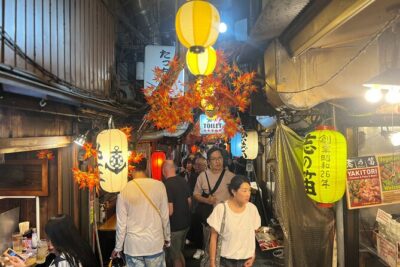
Shinjuku Food Tour (13 Dishes at 4 Local Eateries)
Read our review →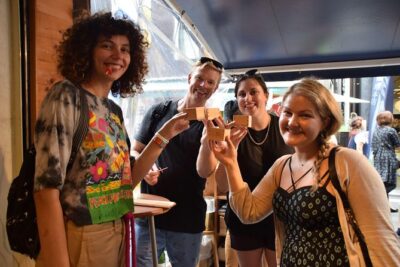
Tokyo Tsukiji Fish Market Food and Culture Walking Tour
Read our review →
Shinsekai Food Tour with 13-15 Dishes at 5 Eateries
Read our review →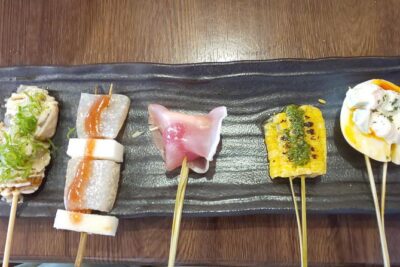
Osaka Food Tour: 13 Dishes at 5 Local Eateries
Read our review →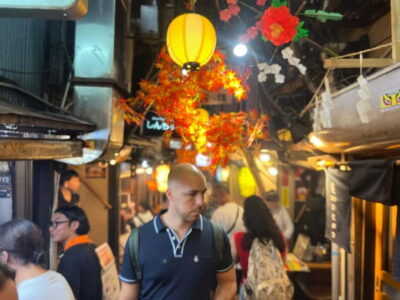
Shinjuku Food Tour (15 Dishes and 4 Eateries)
Read our review →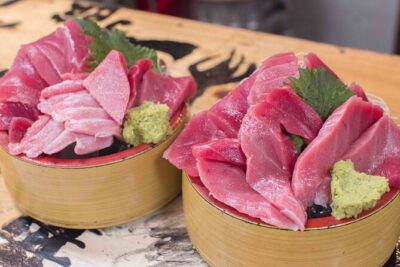
Best of Shinjuku: Izakaya Food Tour (4 Stops, 14+ Tastings)
Read our review →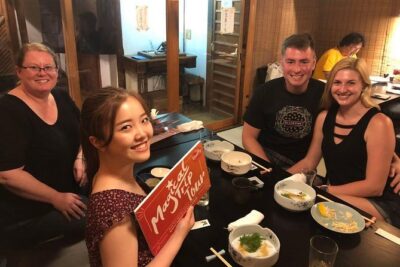
Kyoto Night Foodie Tour in Gion (9+ dishes + 6 Sake tastings)
Read our review →
Hungry Osaka Street Food Tour:15 Tastings & 3 Drinks with a Local
Read our review →Browse the lists this tour appears in