
Reviewed · SAKE TASTING
Private Nara Tour and Sake Tasting (Departing from Kyoto/Nara)
Nara is quieter before the crowds. This private half-day plan strings together the big UNESCO hitters, the famous deer moment, and a sake stop, all with a calm early start. I like that it moves efficiently on foot, so you actually see the sights without feeling rushed, and I also like the photo support, so you come away with more than just blurry deer selfies. The main thing to consider is the walking, especially if you start from Kyoto, since the day can run close to 6 hours.
Two standouts for me are the start time logic and Ikki’s guide style. The morning flow helps you hit Todai-ji and Kasuga Taisha before the heaviest crush, and the guide, Ikki, is repeatedly described as patient, funny, and very practical with directions and photo spots. You get a clear, guided route, but you still have time to linger at the places that matter.
One possible drawback: you’ll be on your feet for a while, and the schedule is tight enough that being late means you can miss the tour. Also, the Kyoto departure adds a train fare that is not included in the base price, and sake tasting adds both cost and about 30 minutes.
Key highlights that make this Nara tour work
- Morning timing that helps you see Todai-ji and Kasuga Taisha before peak crowd levels
- UNESCO coverage with Kofuku-ji, Todai-ji, and Kasuga Taisha in one efficient loop
- Nara Park deer time built into the route, not tacked on at the end
- Optional Harushika sake tasting for a local flavor moment, with extra time if you add it
- Professional photo help plus guidance on where and how to get great shots
- Ikki as a repeat favorite, praised for pacing, patience, and excellent English
Why this private morning Nara route feels easier than doing it solo
Nara can be a great day, but it can also become a lot of stop-and-start navigation. This tour is built to reduce that friction. You meet at Kintetsu-Nara Station, then spend the day in a walk-and-transit rhythm that keeps you moving through the right neighborhoods at the right time.
What I like most is the early sequencing: Kofuku-ji first, then Todai-ji, then the shrine and park side of Nara. That ordering matters because the most famous areas tend to get busy fast. When you start early, you have a better chance to take your time inside temple spaces and pause for photos without constantly stepping aside for streams of people.
And because it’s a private group, you are not stuck with random group pacing. It’s also described as relaxed and efficient, which basically means the guide knows how to keep the day flowing while still giving you room to rest, linger, or shop when the moment calls for it.
More sake tastings in Nara:
- Kyoto Night Foodie Tour in Gion (9+ dishes + 6 Sake tastings)
★ 5.0 · 1,762 reviews - 1-Day Snow Monkeys, Zenko-ji Temple & Sake in Nagano
★ 5.0 · 1,020 reviews - 3-Hour Kyoto Insider Sake Brewery Tour with Tastings & Pairings
★ 5.0 · 917 reviews
Price and value: what you get for about $165 per person
At $165.13 per person, this tour sits in a midrange private-tour band. The key value piece is that the base tour includes Todai-ji entrance fees and a local English-speaking guide, plus professional photos taken during the experience.
It also includes a few “you will likely use this” items:
- Entrance for Todai-ji Temple is included (800 yen)
- Professional photos are taken during the tour
- Mobile ticket is part of the setup
Two budget items to plan for:
- If you’re starting from Kyoto, you need to add public transportation fare of ¥1,280 per person
- If you want sake tasting, it’s ¥700 per person and adds about 30 minutes
For me, the value makes sense if you want the big hits (Todai-ji and Kasuga Taisha) plus the deer and a real local drink stop, without spending your limited daylight wrestling with routes, timing, and crowd pressure. If you already know Nara well and you’re comfortable building your own walking loop, you might spend less on your own. But if you want a clear path that’s designed for a smooth half-day, this is the kind of booking that saves energy.
Stop 1: Kofuku-ji Temple and its five-story pagoda
Kofuku-ji is your early win. You get a UNESCO site experience without starting your day already tired. The headline landmark is the iconic five-story pagoda, noted as the second tallest in Japan, along with the temple’s strong Buddhist heritage.
Your visit here is short, about 15 minutes, and that’s a good thing on a tight morning schedule. You’ll have time to look, orient yourself, and get a sense of how Nara’s Buddhist landmarks connect to each other across the city.
A practical note: because this is an early stop, it’s a good place to reset your energy. If you want photos, this is the type of spot where an organized guide can help you choose angles before the flow thickens.
Stop 2: Todai-ji Temple, the Great Buddha you came for
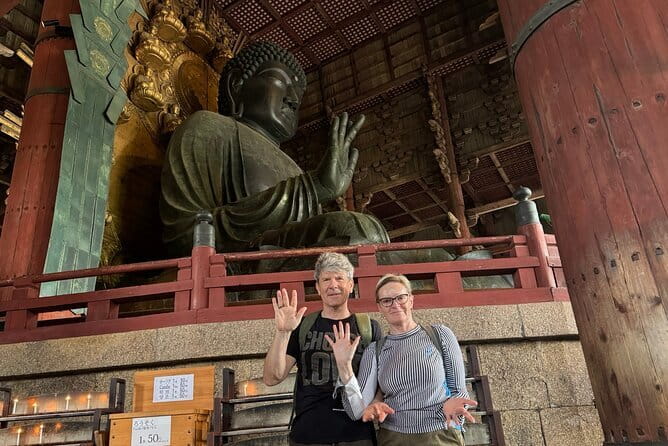
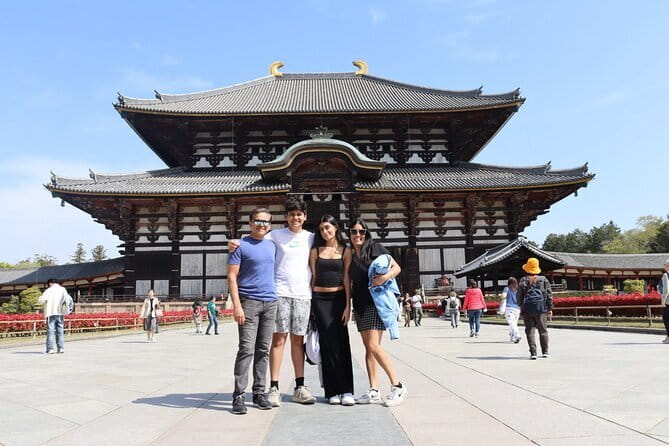
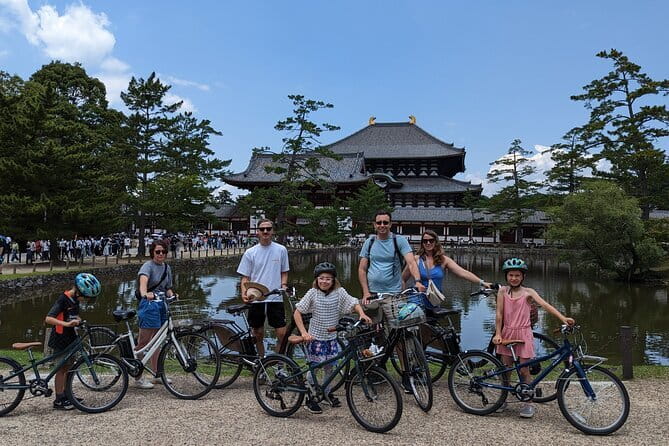
Todai-ji is the centerpiece. This UNESCO site is famous for housing the Great Buddha (Daibutsu), described as one of the largest bronze Buddha statues in the world, inside a massive wooden hall.
You’ll get about 30 minutes here, and you should treat that time as your main “slow down” moment. Even if you’ve seen pictures online, the scale hits differently in person. The hall and the statue create a kind of visual momentum that you can’t fully capture through photos, so give yourself a few minutes to just stand, look up, and take it in.
The entrance fee is included in the tour price, so you avoid that small pay-in-stress factor. And based on the way the guide is praised, you can expect help with practical photo planning and timing inside the complex, which matters a lot at Todai-ji.
More food tours in Nara:
- Nara:5 Type of Tea Tasting & Mindful Tea Ceremony
★ 5.0 · 28 reviews - Nara:Tea Tasting&Private Tea Ceremony -Master Matcha Making-
★ 5.0 · 19 reviews - Tokyo: Shinjuku Food Tour (13 Dishes at 4 Local Eateries)
★ 5.0 · 6,603 reviews - Tokyo Tsukiji Fish Market Food and Culture Walking Tour
★ 5.0 · 3,184 reviews
Stop 3: Nigatsu-do views and the Omizutori in March
Right after Todai-ji, the route moves to Nigatsu-do Temple, part of the broader Todai-ji area. The draw here is the combination of views and tradition. It’s known for strong panoramic views of Nara, and it has a key seasonal tie-in with the Omizutori ceremony, held every March.
Your visit is about 15 minutes, and that makes this stop ideal for a quick but meaningful change of pace. Instead of another full “museum-style” interior time, you get a viewpoint and a cultural thread that connects Nara to its seasonal rituals.
If you’re visiting in March, this is especially interesting. If you’re visiting any other month, it still helps to understand why people keep Nara on their calendar during spring.
Stop 4: Tamukeyama Hachimangu Shrine on the eastern side of Nara Park
Next comes a Shinto note in the middle of your Buddhist-heavy route: Tamukeyama Hachimangu Shrine. It’s described as historic, founded in 749, and dedicated to Hachiman, the guardian deity associated with Todai-ji and Nara.
You’ll spend about 15 minutes, and again, this fits the tour logic. A short shrine stop can refresh your mental map of the area. It also gives you context for how mixed religious landscapes shape Nara’s feel.
This is also a good moment to slow your pace slightly and watch how people behave around shrines compared with temple spaces. If you like these small behavioral differences, you’ll get a lot out of this quick stop.
Stop 5: Nara Park deer time, with photo patience built in
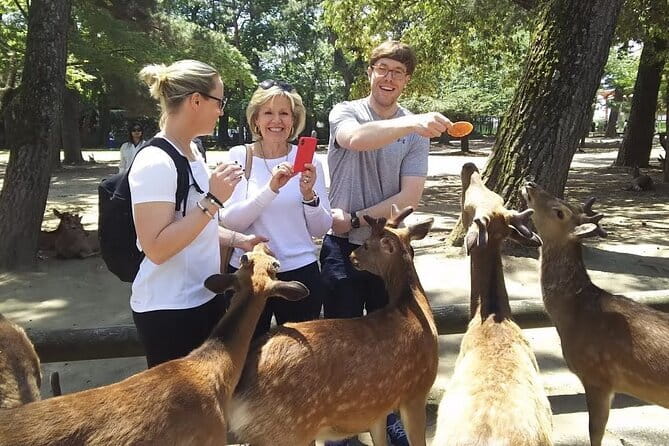
Then you reach the obvious star of the show: Nara Park and its free-roaming deer.
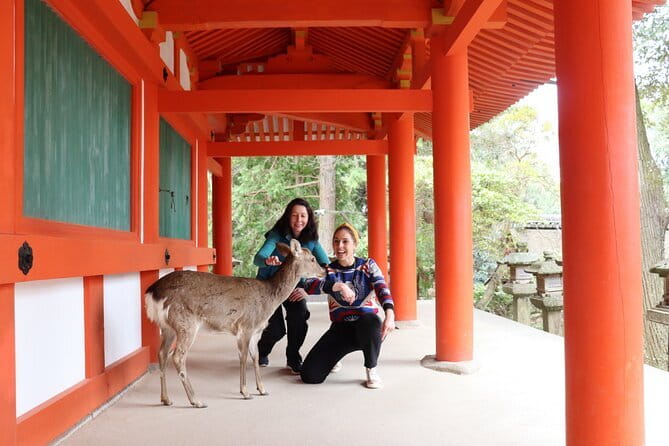
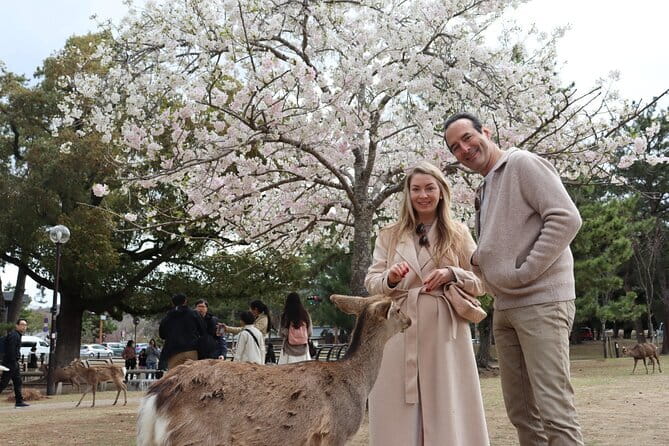
Your park time is about 20 minutes, which is exactly enough to do the famous deer moment without turning the whole day into a waiting game. This is the part where a guide makes a huge difference. They know how to position you for deer photos and how to keep the moment calm, so it feels more like a fun interaction than chaos.
One review theme that pops up strongly is patience, especially with deer photos. That matters because deer do not cooperate on command. If you want the best chance at good shots, the value is not just where the deer are, it’s how your group handles the moment.
Practical tip for your mindset: think “brief encounter” instead of “perfect photo session.” You’ll still get great images, but you’ll enjoy the experience more.
Stop 6: Kasuga Grand Shrine lanterns and Fujiwara connections
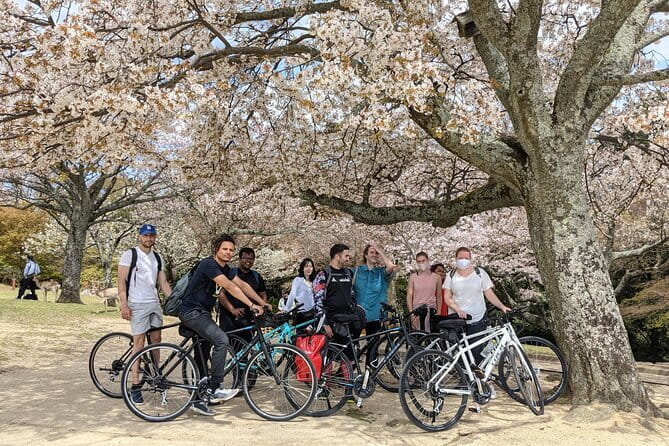
After the park, you head to Kasuga Grand Shrine (Kasuga Taisha), another UNESCO World Heritage site and one of Nara’s most important Shinto shrines.
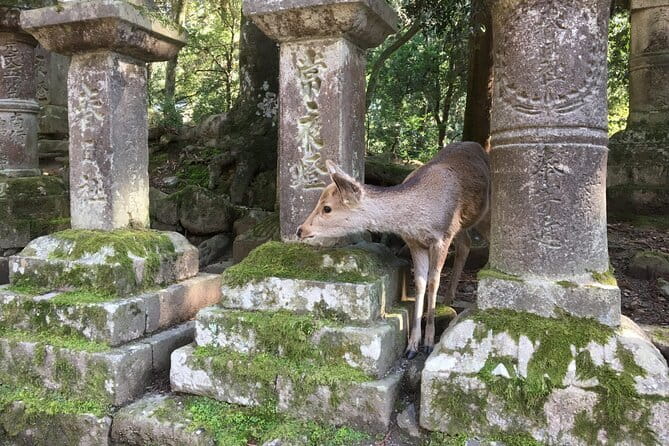
This stop is about 30 minutes, which gives you room to take in the iconic hundreds of stone and bronze lanterns. It’s one of those places where the atmosphere feels built for lingering, even when the walking day stays active.
The shrine is dedicated to the deity of the Fujiwara clan, and that adds an extra historical angle. You don’t need a textbook to enjoy it, but having that context in your head can make the lanterns feel more purposeful, not just decorative.
If you’re the type who likes details, Kasuga Taisha tends to reward it.
Stop 7 (optional): Harushika Brewery sake tasting for local flavor
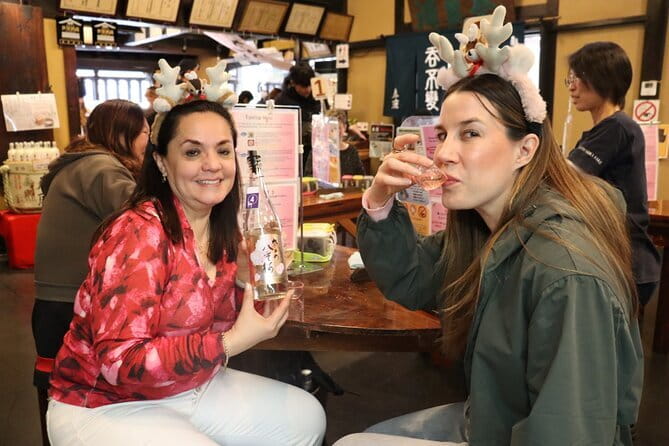
The tour ends with a local taste option at Harushika Brewery. This is where you add the optional sake tasting, if you want it.
Here’s the deal:
- Sake tasting is available for ¥700 per person
- It takes about 30 minutes, so plan for an extra half hour if you add it
This stop is described as a way to experience local flavors, which is exactly what you want at the end of a temple-and-shrine day. After hours of cultural sights, a drink makes the whole day feel more complete. It also helps you slow down your energy level before you transition back to the station.
I also like that the tasting is optional. If you’re not into alcohol or you prefer a lighter finish, you’re not forced into it.
How much walking you should expect and how to prepare
This is designed as a walking experience with public transportation and plenty of time on foot. The tour duration is approximately:
- About 6 hours from Kyoto
- About 4 hours from Nara
So, if you’re starting from Kyoto, be ready for a longer day, and remember you’ll also likely deal with the train fare of ¥1,280 per person that is not included.
Moderate physical fitness is recommended. That doesn’t mean you need to be an athlete, but it does mean comfortable shoes are non-negotiable. Also, bring water, since you’ll spend a fair chunk of the day outside and walking between clusters of temples and shrine areas.
For a smoother day, I’d also suggest you keep your expectations realistic:
- You will see a lot, but each stop is timed.
- The best payoff comes from going with the flow instead of trying to do everything like a checklist.
The guide factor: Ikki’s pacing, humor, and photo help
If you’re debating whether a private tour is worth it, look at the guide pattern. This one is heavily associated with Ikki, who is praised again and again for a few specific strengths.
What stands out in the feedback style is not just facts, it’s how Ikki handles people:
- Patience with a 7-year-old while also keeping a teenager engaged
- Efficiency without feeling rushed
- Great conversation and humor that keeps the day light
- Help with navigation, including practical transit assistance like buying an IC Card when needed
- A focus on photo spots and guidance for getting good deer pictures
- Professional photo capture during the tour, described as next level
That combination is what makes the tour feel easier than DIY. You’re not just following a route. You’re also getting support for timing, photo angles, and the small decisions that can trip up a half-day trip.
Is this tour right for you?
This is a strong fit if you want:
- A private half-day that covers major Nara icons in one flow
- A morning plan that helps reduce crowd stress
- A guide who actively supports photos and pacing
- The classic Nara mix: Buddhist temples, Shinto shrines, deer, and sake tasting (optional)
It may not be the best fit if you:
- Hate walking and want a low-step itinerary
- Want total freedom to linger for as long as you want at every stop
- Are traveling with a very strict timetable and can’t handle a route that runs roughly 4 to 6 hours depending on where you start
Should you book this private Nara tour and sake tasting?
Yes, if your goal is to see the core Nara highlights with less planning stress and more time enjoying what you’re seeing. The price works best when you value the guide, the included Todai-ji entrance fee, and the photo support. The itinerary is also designed like a real half-day: short, purposeful stops, plus the deer moment, plus the option to add Harushika sake.
If you’re budget-tight and you’re already comfortable navigating trains and walking the area on your own, you can DIY Nara cheaper. But you will spend more time figuring out logistics, and you might lose some of the morning crowd advantage.
My rule of thumb: if you want Nara to feel fun and efficient, this is the kind of booking that delivers.
FAQ
Where does the tour start and end?
The meeting point is Kintetsu-Nara Station and the tour ends at Kintetsu Nara Station as well.
How long is the tour?
It runs about 4 hours from Nara and about 6 hours from Kyoto, depending on your departure point. If you add sake tasting, plan for an extra 30 minutes.
Is this a private tour?
Yes. It’s a private activity, so only your group participates.
What entrance fees are included?
Todai-ji Temple admission is included (800 yen). Other listed stops in the route are free to enter per the tour details.
Is sake tasting included?
Sake tasting is optional. It’s available at Harushika Brewery for ¥700 per person, and it adds about 30 minutes.
Does the tour include professional photos?
Yes. Professional photos are taken during the tour/experience.
Do you use public transportation and walk?
Yes. The tour is designed as a walking experience using public transportation and plenty of time on foot.
What extra cost should I budget if I’m departing from Kyoto?
If you’re departing from Kyoto, you need to pay public transportation fare of ¥1,280 per person (not included in the base price).
More Drinking Tours in Nara
- Tokyo Bar Hopping Tour in Shinjuku (All-You-Can-Drink + Dinner)
★ 5.0 · 3,587 reviews - Best of Shinjuku: Izakaya Food Tour (4 Stops, 14+ Tastings)
★ 5.0 · 1,863 reviews - Tokyo: Shinjuku Local Bar and Izakaya Guided Walking Tour
★ 4.9 · 1,794 reviews - Shibuya Meltdown Nightlife Tour: All-You-Can-Drink Bar Hopping
★ 5.0 · 1,058 reviews
Fresh options around Nara
- Nara World Heritage PRIVATE TOUR★ 4.5 · 15 reviews
- Nara: Todai-ji y parque de Nara (Spanish Guide)★ 5.0 · 16 reviews
- Nara Private Tour: Flexible Pickup from Kyoto, Osaka, or Nara★ 5.0 · 17 reviews
- Nara – Heart of Nature Cross Bike Tour★ 5.0 · 19 reviews
- Nara:Tea Tasting&Private Tea Ceremony -Master Matcha Making-★ 5.0 · 19 reviews
- Make Your Own Soy Sauce in Japan’s Old Capital Asuka Nara★ 5.0 · 22 reviews
- Nara: Essential Private Tour with Deer Park and Temples★ 5.0 · 24 reviews
- Nara:5 Type of Tea Tasting & Mindful Tea Ceremony★ 5.0 · 28 reviews
Sake Tasting, compared.
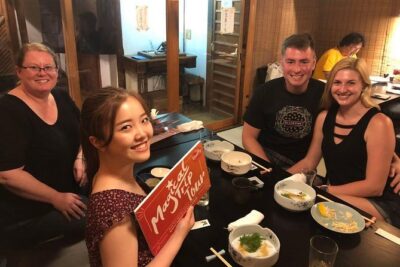
Kyoto Night Foodie Tour in Gion (9+ dishes + 6 Sake tastings)
Read our review →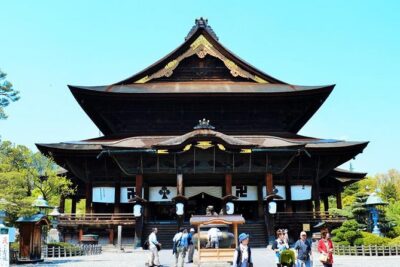
1-Day Snow Monkeys, Zenko-ji Temple & Sake in Nagano
Read our review →
3-Hour Kyoto Insider Sake Brewery Tour with Tastings & Pairings
Read our review →
Arashiyama Bamboo, Temple, Monkeys, or Secret Sake Brewery
Read our review →
Nagano: Snow Monkeys, Zenkoji Temple & Sake Day Trip
Read our review →
Insider Sake Brewery Tour with Sake and Food Pairing
Read our review →
1.5-Hour Kyoto Insider Sake Experience with 7 Tastings & Pairings
Read our review →Browse the lists this tour appears in