
Reviewed · CITY TOURS
Hiroshima: Private City Highlights Walking Tour
Hiroshima history comes at walking speed. This private tour strings together the sites you actually need to see, with a private local guide explaining what you’re looking at, right down to the Hiroshima Peace Memorial Museum exhibits, and what changed after August 6, 1945. The drawback? You’re walking through heavy, emotional places, so plan for a slower pace if you need it.
You’ll start near Nakajimachō, move through the Peace Memorial Park core, then finish at Hiroshima Castle, with the route designed to keep you from constantly reorienting yourself. One practical note: food and drinks aren’t included, so bring water (or be ready to buy it along the way).
Key things I’d prioritize on this Hiroshima highlights walk
- Private guide, customized pacing so you can ask questions without feeling rushed
- Peace Memorial Museum entry included, which makes the timeline make sense
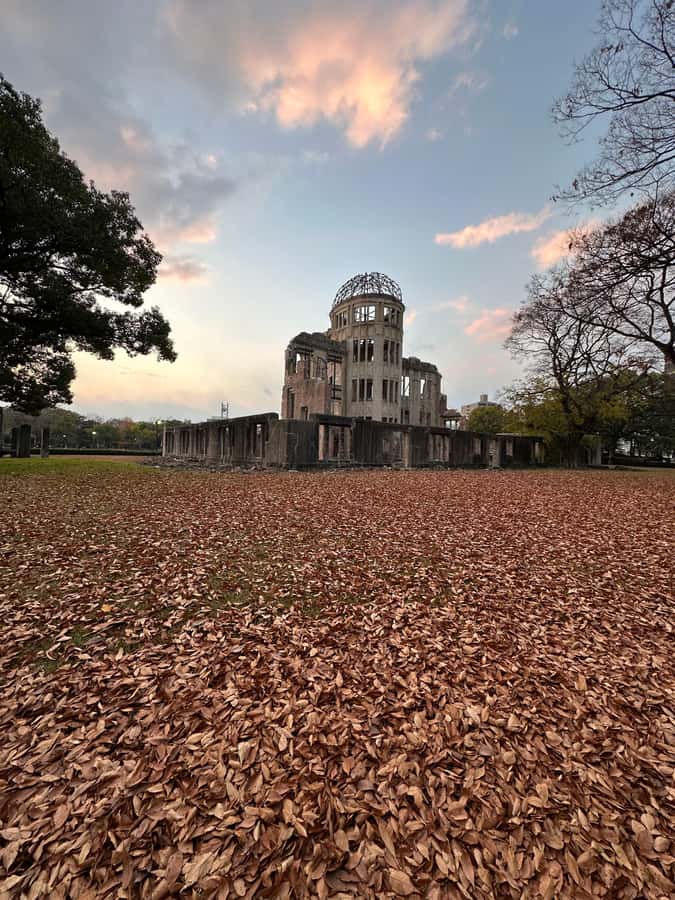
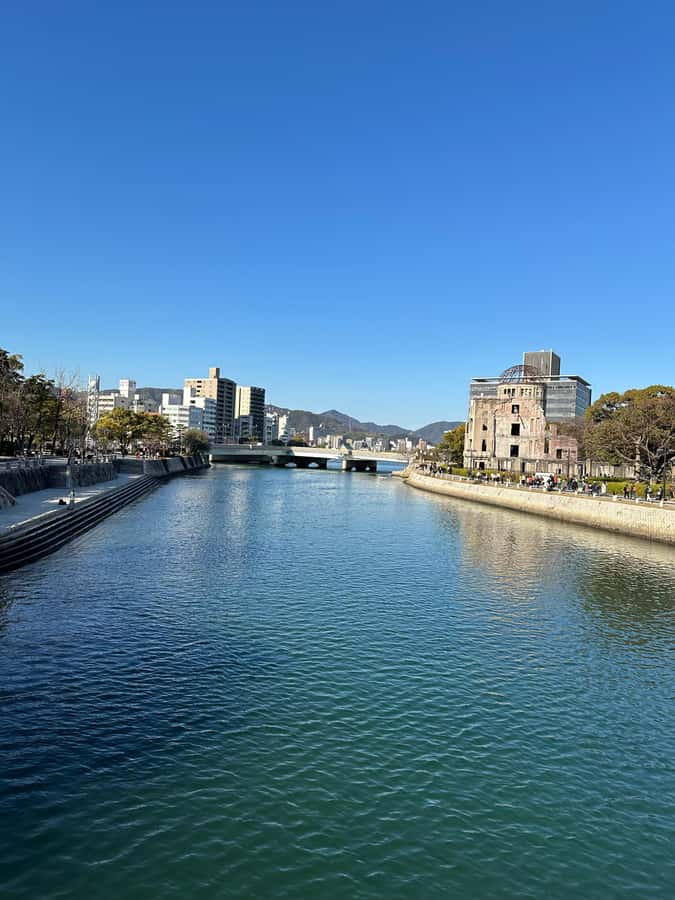
- Atomic Bomb Dome stop that anchors your photos and your understanding
- Peace Park monuments in a logical order, including the Korean Atomic Bomb Victims Cenotaph and Children’s Peace Monument
- Hiroshima Castle after the somber sites, a useful change of mood and perspective
Why Hiroshima Peace Park hits harder with a guide
Hiroshima’s Peace Memorial Park is designed for reflection, but it can still feel overwhelming if you show up with only the basics. I like that this tour builds context first, so each monument is more than a photo spot. A good guide helps you connect the dots between what happened, what survived, what was rebuilt, and what Hiroshima wants the world to remember.
A standout part here is that you’re not only looking at individual markers. You’re walking through a composed message. The stop order matters, because you start with peace and remembrance, then move through the museum, then return outdoors to the memorials that give the history a human shape. It turns a list of sights into one steady story you can follow at ground level.
Also, this is private, which changes the feel. You can pause for a question, step back for photos, or slow down when a name or detail lands in your chest. That flexibility is especially useful at Peace Park, where the right pacing is part of being respectful.
More Walking Tours in Hiroshima
- Hiroshima Historical Walking Tour – Why A-Bomb was Dropped
★ 4.8 · 893 reviews - Hiroshima Peace (Heiwa) Walking Tour at World Heritage Sites
★ 5.0 · 872 reviews - Hiroshima City 4hr Private Walking Tour with Licensed Guide
★ 5.0 · 437 reviews
Meeting at 1-2 Nakajimachō: how you start sets the tone
The tour begins at 1-2 Nakajimachō, Naka Ward, and it ends back at the same meeting point. That matters more than it sounds. It’s one less thing to juggle while you’re trying to mentally prepare for the day, and it helps you keep your bearings.
Expect a steady walking rhythm across about four hours. Comfortable shoes are not optional. Peace Park paths are mostly easy walking, but your brain will ask you to stop more often than usual, and the heat can add pressure if you’re there in summer.
Your guide can also help with practical choices in the moment. I’ve seen guides like Maria, Ali Haidar, and Ihsan praised for pacing that fits the group, whether that means extra time at the museum or moving a bit faster through outdoor monuments.
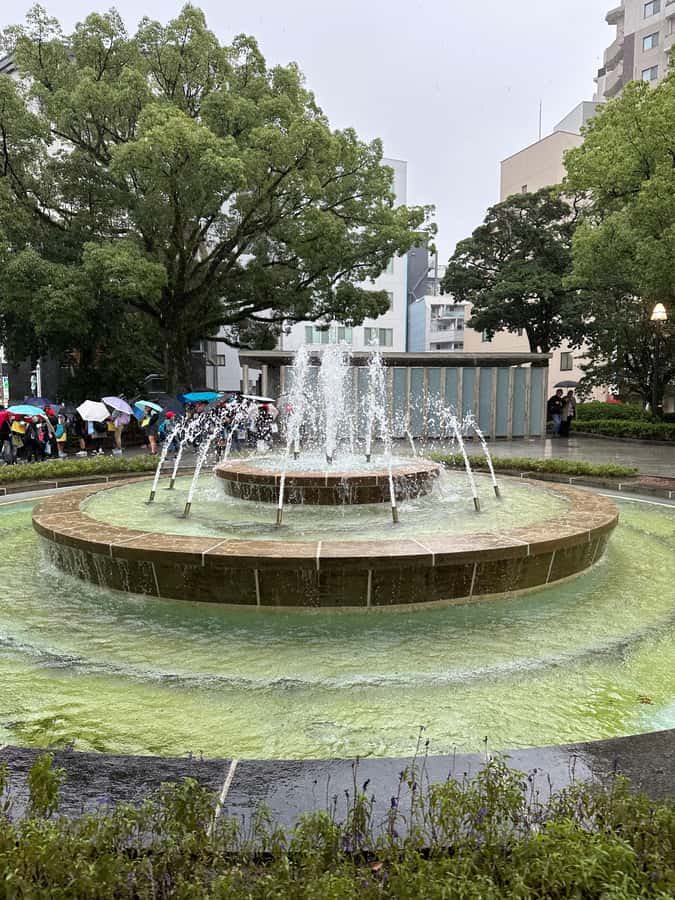
Gates of Peace and the Prayer Fountain: the first symbols to get right
You’ll begin with the Gate of Peace, then move to the Prayer Fountain. These are both short stops, but they’re important, because they frame how Hiroshima wants you to enter the space.
The Gate of Peace functions like a threshold. The guide’s role is to explain what the structures represent and how the park’s layout supports remembrance. The Prayer Fountain is similar, just more intimate. It’s a place to slow down and observe without turning it into a checklist.
Photo stops here are quick by design. You’ll have time, but your best photos likely come after you understand what the guide points out. If you’re the type who likes to shoot first and ask later, flip that order. A minute of explanation will save you regret when you realize you framed a monument without its meaning.
Hiroshima Peace Memorial Museum: where the timeline finally locks in
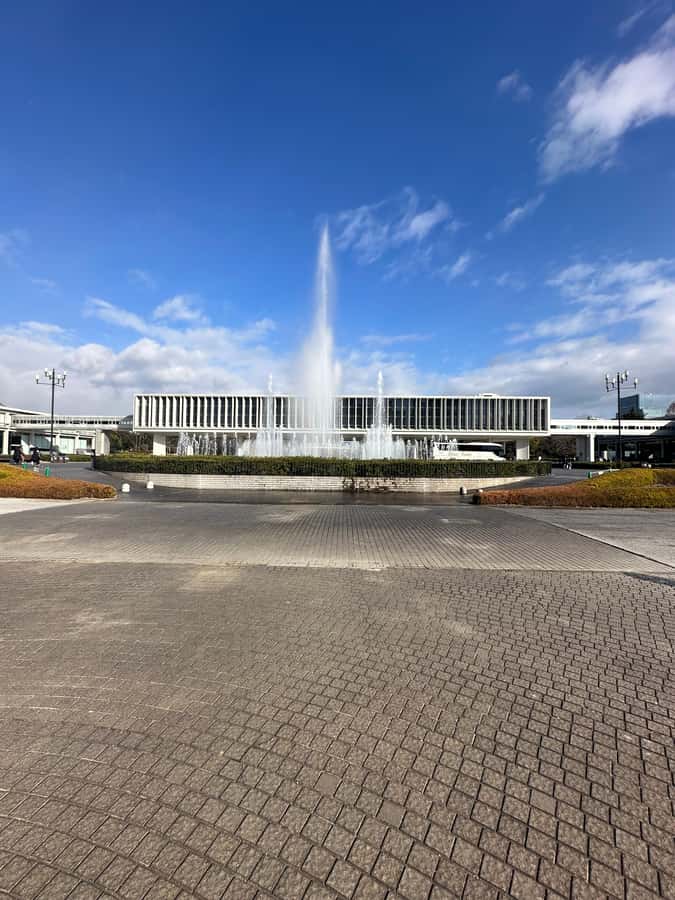
The museum stop is about an hour, and it’s the heart of the learning portion. The museum can be quiet and heavy, so it helps to have a guide who can tell you what to focus on without turning it into a lecture.
This is where you’ll see collections tied to the August 6, 1945 tragedy, and the museum’s exhibits help explain how Hiroshima’s story shaped what the city became afterward. For many people, this is the moment the sights outside stop feeling abstract. The names, artifacts, and the way information is presented give your walk outside a sharper edge.
One caution: museums tire your eyes and your emotions. If you’re prone to sensory overload, take the guide’s advice on where to look first. Then step aside when you need a minute. The value of a private guide is that you can do that without falling behind a group rhythm.
Same corner of Japan, a different kind of day:
- Peaceful Hiroshima & Miyajima UNESCO 1 Day Bus Tour
★ 5.0 · 5,309 reviews - Hiroshima: Hiroshima and Miyajima UNESCO Sites 1-Day Tour
★ 4.9 · 2,330 reviews - Hiroshima / Miyajima Full-day Private Tour with Government Licensed Guide
★ 5.0 · 1,298 reviews - Hiroshima in a Nutshell: Morning Bike Adventure
★ 5.0 · 524 reviews
Victims Memorial Cenotaph, Flame of Peace, and the Korean Atomic Bomb Victims Cenotaph
After the museum, you move outdoors to a chain of monuments that each carries its own tone.
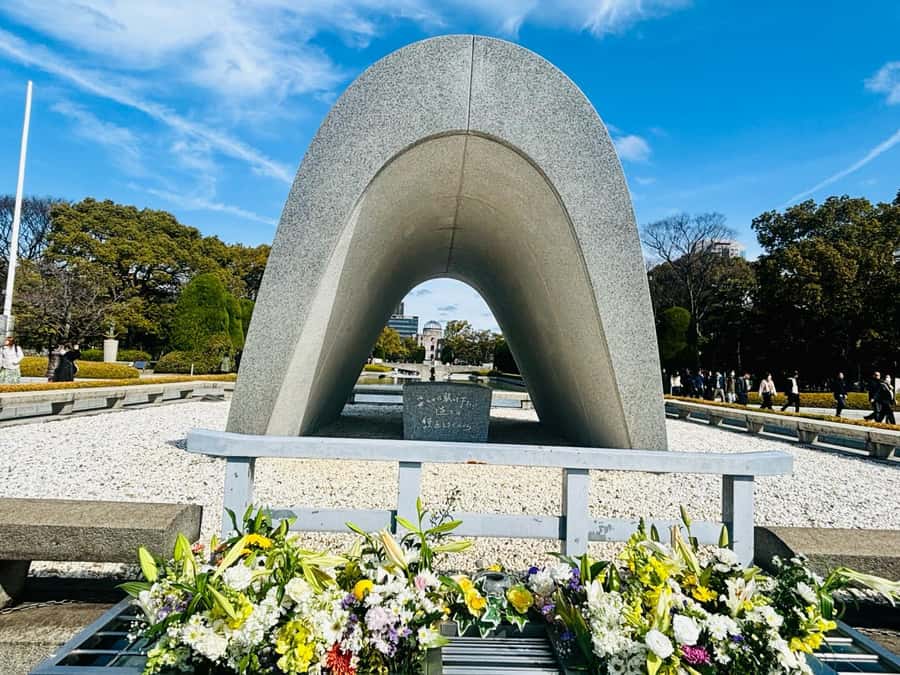
The Hiroshima Victims Memorial Cenotaph is a central stop, and it’s also one that benefits from guided context. The Flame of Peace is brief, but it’s powerful. You’ll likely want a couple minutes just to take it in, even if the scheduled stop is short.
The Korean Atomic Bomb Victims Cenotaph is another key moment. It adds a necessary wider lens to the story, and it’s exactly the kind of detail a self-guided walk often misses. A guide helps you understand why the placement matters and what the monument is honoring.
Here’s my practical advice: don’t try to emotionally power through. If you need a slower pace, ask your guide to slow down. This route is structured enough that you don’t lose the main sights even if you spend a little extra time here.
Bell of Peace and Children’s Peace Monument: learning to read the future in stone
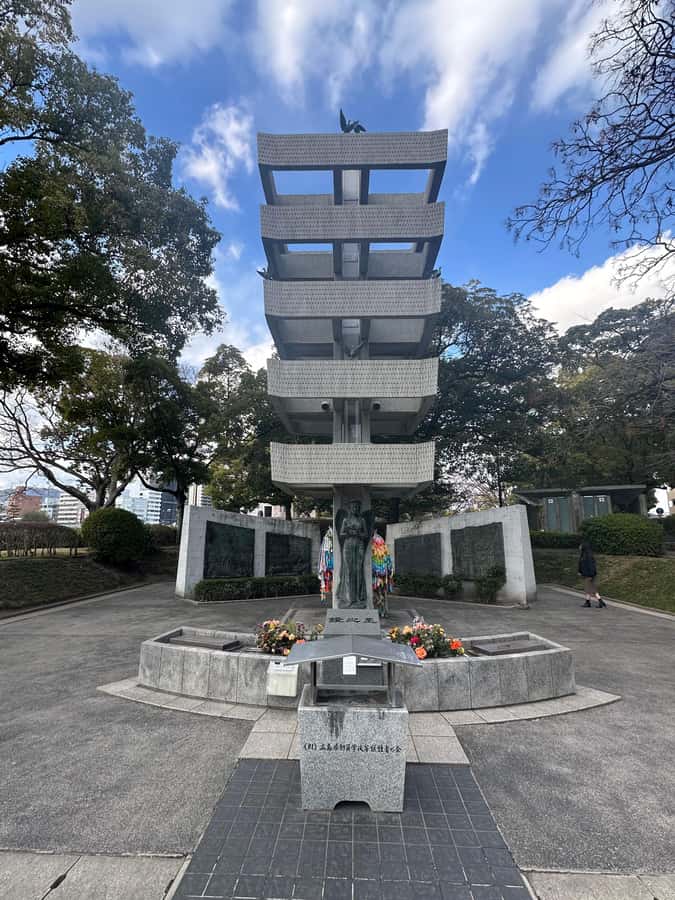
The Bell of Peace and the Children’s Peace Monument are both designed for reflection, but they also feel forward-looking. You’re moving from mourning into a message about prevention and responsibility, and the guide helps connect that theme across the park.
The Bell of Peace stop is a photo-friendly moment, but it’s also worth taking seriously. When you understand what it represents, the bell isn’t just a dramatic object. It becomes part of a wider idea about peace efforts and remembering.
Children’s Peace Monument can be especially moving, partly because of the way it shifts your attention from what happened to the people who remain a focus of remembrance. The guide’s pacing matters here. If your group is quiet, the explanation can stay quieter too, and the whole area feels more respectful and less like sightseeing.
Atomic Bomb Dome: the best way to approach the iconic photo
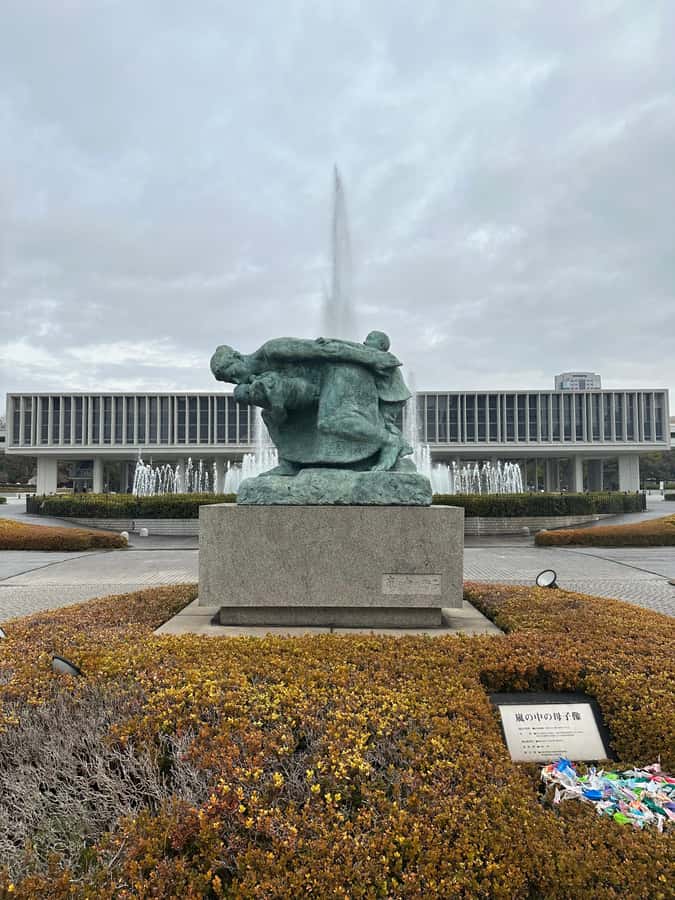
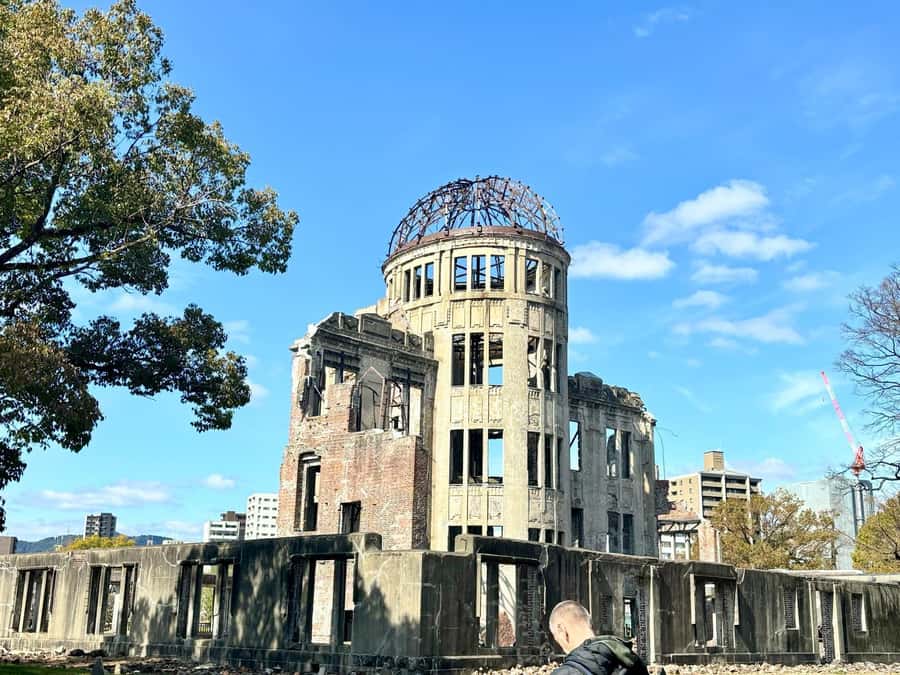
The Atomic Bomb Dome is the visual anchor of the Peace Park story, and the tour gives it a dedicated stop with time for viewing and guided explanation. The dome’s scale can make it feel obvious in photos, but what matters is what you notice in real life: the setting, the lines of perspective, and how the surrounding space holds history.
My advice for this stop is simple. First, let the guide point out what to look at. Then take your photos from the angles they suggest. If you skip the explanation, you might end up with images that look impressive but don’t fully reflect why the dome matters.
Many guides also help you see how the dome works as a reminder of both destruction and survival, and how the city rebuilt around that memory. It’s a strange emotional mix, and having context makes it easier to hold.
Hiroshima Castle after Peace Park: why the change of mood helps
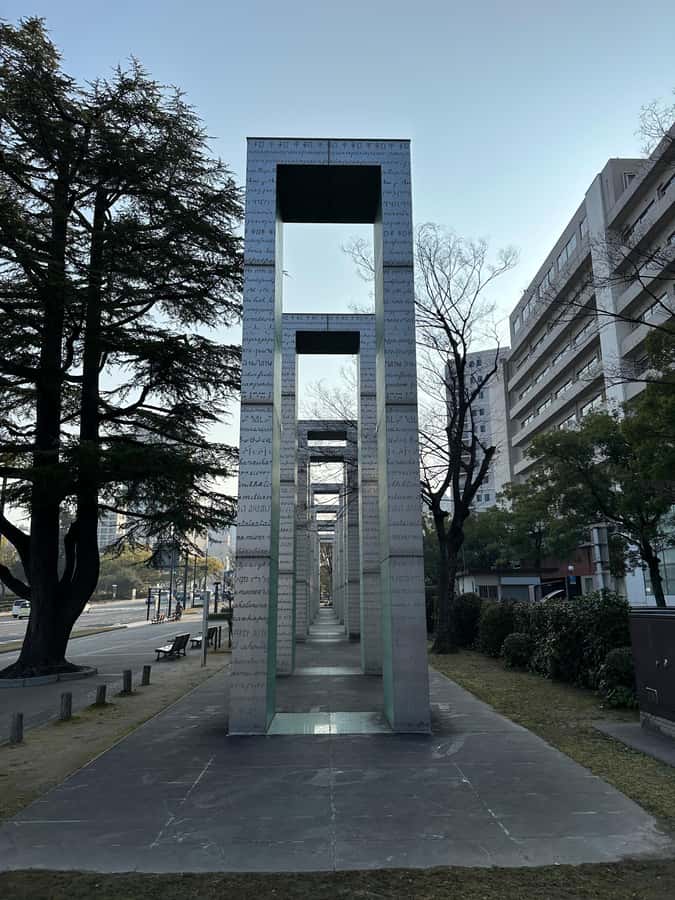
Finishing at Hiroshima Castle is a smart choice. After Peace Memorial Park, the castle can feel like a different chapter, and that contrast is useful. You’re not erasing the past, but you’re also seeing how Hiroshima functions as a living city.
You’ll spend around 40 minutes at the castle area, including guided time and walking. Even if you only take in the exterior views, you get a sense of scale and planning that helps you understand Hiroshima as more than its 20th-century tragedy.
This is also a good point in the tour to ask questions about the city’s rebuilding and identity. Guides like Ali Haidar and Ihsan are often praised for connecting monuments to daily life and geography, and for answering follow-ups without rushing you to move on.
If you want to make this stop more than a quick look, use the guide’s suggestion to prioritize what you care about most, then cut the rest. Private tours are great for that.
Price and what you actually get for $90
At $90 per person for a private walking tour, the big value is that you’re paying for time with a guide plus included entries. This tour includes entry ticket access to the Hiroshima Peace Memorial Park, the Hiroshima Peace Memorial Museum, and the Atomic Bomb Dome.
So you’re not only buying a route. You’re buying structured time. A local guide helps you make sense of what you’d otherwise read as a wall of information. When you’re dealing with complex history and symbolism, that guidance is what turns tickets into understanding.
Also, it’s private. That’s a cost factor, but it’s also the reason the pacing can fit you. People in the chat praised guides who adapt on the fly, including Maria, who was noted for tailoring pacing, and Ihsan, praised for empathy and humor that kept the group engaged without losing the seriousness.
Timing, walking comfort, and what to bring
This is about four hours. That’s long enough to see the main arc, but short enough that you can handle it without burning your entire day.
What can make or break comfort:
- You’ll be outdoors for multiple monument stops, including photo pauses.
- Weather can get intense, especially with sun and humidity.
- The subject matter can make you mentally slower than your legs.
Bring:
- Comfortable shoes for continuous walking
- Water since drinks are not included
- A light layer if you’re sensitive to temperature shifts
One nice touch: the tour is wheelchair accessible, so the route and pacing are planned with that in mind. That’s a practical reassurance if mobility is a factor for your group.
Who should book this Hiroshima private tour?
This tour is a great fit if you want:
- A guided walk through Peace Memorial Park that actually makes sense
- Time at the museum, not just a quick glance
- A logical path to the Atomic Bomb Dome and then a move toward Hiroshima Castle
It also fits well if you care about questions. Private means you can ask why certain monuments are placed, what specific memorials honor, and how the city remembers across generations.
If your group includes kids or teens, you might appreciate that the route includes Children’s Peace Monument and is structured for multiple emotional tones. Some guides are praised for keeping energy up even for younger visitors, with clear explanations and thoughtful pacing.
Should you book it or try something simpler?
Book this tour if you feel you’d benefit from a person on the ground translating symbolism, history, and meaning into something you can hold onto. The included museum and dome time is a real advantage, and the private pacing helps you stay respectful without feeling stuck or lost.
Skip it, or consider a different style, if you know you prefer self-guided reading and you want to control every minute without any schedule. Also, if four hours of walking through heavy emotional spaces feels like too much, you may want a shorter option or to be upfront with your guide about the pace you can handle.
FAQ
How long is the Hiroshima Private City Highlights Walking Tour?
The tour lasts about 4 hours. Starting times vary, so you’ll need to check availability for the time that fits your day.
Where do I meet the guide?
You meet your guide at 1-2 Nakajimachō, Naka Ward in Hiroshima. The tour ends back at the meeting point.
What’s included in the price?
Entry tickets are included for Hiroshima Peace Memorial Park, Hiroshima Peace Memorial Museum, and the Atomic Bomb Dome, plus a private walking tour with a live guide.
What languages are available for the tour guide?
The guide can be available in English, Malay, Urdu, Hindi, or Punjabi.
Is food or transportation included?
No. Food and drinks are not included, and transportation is not included either.
Is this tour wheelchair accessible?
Yes, the tour is wheelchair accessible.
Fresh options around Hiroshima
- Hiroshima and Miyajima Full Day Private Tour★ 4.5 · 19 reviews
- 4 Hour Miyajima PRIVATE Tour★ 5.0 · 19 reviews
- Hiroshima Private Walking Tour with a Local★ 4.5 · 19 reviews
- Hiroshima Scenic Cycling Guided Tour★ 5.0 · 19 reviews
- Miyajima Guided Tour and Fresh Oyster Farm Tour★ 5.0 · 20 reviews
- Hiroshima: Atomic Bomb Dome and Peace Memorial Museum 3 hours★ 5.0 · 20 reviews
- Hiroshima: Tour of Atomic Bomb Dome & Peace Memorial Museum★ 5.0 · 20 reviews
- Hiroshima: City and Miyajima Bike and Boat Tour★ 5.0 · 20 reviews
City Tours, compared.
Private City Highlights Tour with Local Guide
Read our review →
Asakusa, Skytree & Akhihabara Go-Kart City Experience
Read our review →
Hiroshima City 4hr Private Walking Tour with Licensed Guide
Read our review →

Private Haneda Airport (HND) to Central Tokyo City Transfer
Read our review →
3-hour Guided E-Bike Tour of the City’s Hidden Gems
Read our review →
Shibuya City: Daikoku PA GT-R R35, R34, R33 or R32 Tour
Read our review →Browse the lists this tour appears in