
Reviewed · MT FUJI TOURS
4 Day Tour – Mount. Fuji, Tokyo, Hakone, Kamakura and Yokohama
A trip like this turns Tokyo chaos into a plan. I love the comfortable private car for long intercity stretches and the English-speaking driver who keeps things moving without stress. The big drawback to consider is that several major sights have tickets not included, so you’ll want a little extra cash and time buffer.
What makes it especially interesting is how the route mixes old-school Tokyo with shrines, then pivots to Mt. Fuji views, and finishes with Hakone’s volcanic scenery and lake vibes. You also get a customizable private tour, which matters because you are not stuck with a rigid script when you are dealing with weather and daylight. Also, admission and activities like Skytree, ropeways, and most rides will be on you, since this is not a bundled ticket package.
One more practical note: you pick your own hotels. That can actually be a good thing, since you can choose what fits your budget and location, but it means the tour is really about guided logistics and sightseeing, not lodging support.
Key things I’d bet on
- Private, air-conditioned car so you skip train transfers on long days
- Customizable pacing so you can adjust when weather or energy changes
- Driver-led context in English to help you make sense of what you’re seeing
- Top icons plus local rhythm from Tsukiji and Asakusa to Yokohama Chinatown
- Fuji viewpoints designed for short time with multiple photo stops
- Hakone’s volcanic highlights including Owakudani and Lake Ashi area sights
Why a private driver is the real star of this plan
Japan is famous for public transit. It’s also famous for how fast you can burn your day when you have to transfer, wait, and follow crowded platforms while your time is already tight. On this tour, you start early with a set meeting time, then move with a private vehicle so you can concentrate on the places that matter.
That matters most on routes like this. You are jumping between Tokyo, the Fuji area, Hakone, and the coastal feel of Yokohama. Doing that independently means planning multiple train lines and timing transfers around sunrise, traffic, and ticket windows. With a private car, your day becomes more about choosing what to see, not about winning small logistics battles.
Another underrated benefit is photo timing and practical drop-offs. One guide example I saw named Armad handled the first Tokyo day with extra care, including taking photos and parking in convenient spots. Later on, David was described as going out of his way to show unusual attractions. That kind of attention is where private tours often pay off, because you spend less time “finding the entrance” and more time actually enjoying the view.
More Mt Fuji tours from Tokyo:
- Mt Fuji and Hakone 1-Day Bus Tour Return by Bullet Train
★ 5.0 · 26,383 reviews - Mt Fuji & Hakone Cruise, Drum Show Bullet Train 1 Day from Tokyo
★ 4.0 · 7,413 reviews - Tokyo Mt Fuji 5th St & Hakone Cruise Bus Tour w/Bullet Train
★ 4.4 · 5,024 reviews
Tokyo in one long circuit: Tsukiji, Asakusa, Skytree, and Imperial Palace
Tokyo on a tight schedule can feel like a blur. This route gives you a real mix of old and iconic without making you choose only one side of the city.
Tsukiji Fish Market is your first stop. Even as the market scene has evolved over the years, it still has that must-see energy: lots of food culture in a place that feels designed for sensory overload. Expect time for wandering and quick photos rather than a slow meal unless your day stays calm.
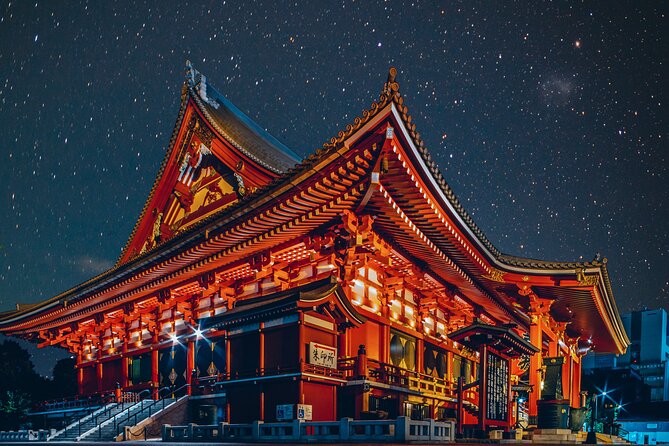
From there, you head to Senso-ji Temple in Asakusa, Tokyo’s oldest religious building. This is the kind of stop where you can feel Tokyo’s layers: a massive temple setting, street-level energy nearby, and a view that makes you pause without trying too hard. Admission is free, so it’s a low-risk way to kickstart the day.
Next comes Tokyo Skytree. The observation decks are not included, but they are a big reason to consider this tour at all. Getting a wide view helps you understand Tokyo’s geography, and it’s one of those stops that can anchor your whole trip in your memory. If the weather is clear, you’ll notice Tokyo looks planned and layered, not just one endless city.
Then you visit the Imperial Palace East Gardens. This is a good contrast to the busy streets. You get history in a calmer setting, and you learn the context that Edo Castle once served as the shogunate seat before Japan’s political center shifted.
If you want a fast day that still feels rounded, this part of the route does it well. The main drawback is pacing: you are seeing a lot of famous stops, so you’ll want to keep your expectations realistic. Think “quality time” more than “every corner detail.”
From Akihabara to Harajuku and Shibuya: where Tokyo gets fun
After the more traditional highlights, the itinerary shifts into modern Tokyo with some serious neighborhood variety.
Akihabara is a quick hit if you like electronics and anime culture. You’ll find everything from small stalls to larger department-store style shopping. Even if you do not buy anything, it’s a fun place to observe how consumer culture and fandom mix into daily life.
Then you move to Meiji Jingu Shrine, which is a lifesaver for anyone who wants a break from crowds. The shrine sits in a dense, forest-like setting. It’s a quick reset: nature vibes in the middle of Tokyo, with a clear sense that this is more than just a photo backdrop.
Takeshita Street in Harajuku is the candy-color side of Tokyo. It’s famous for playful fashion and quick snacks, and it’s also a great place for people-watching. If you love odd little details, you’ll enjoy walking it even if you only have an hour.
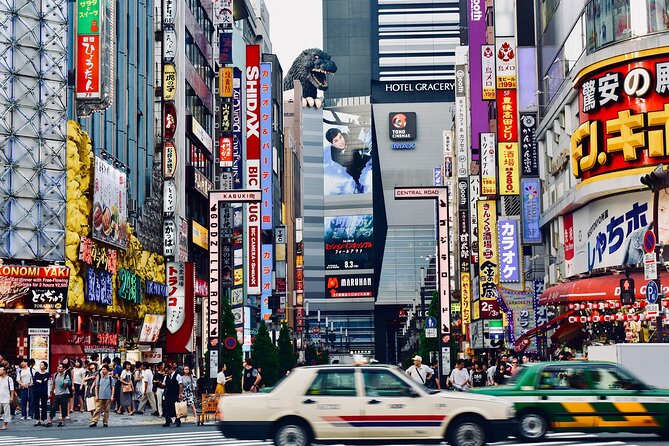
Shibuya Crossing is next, and yes, it’s busy. That’s the point. It’s a snapshot of how Tokyo moves, and the sheer choreography of it is worth seeing at least once.
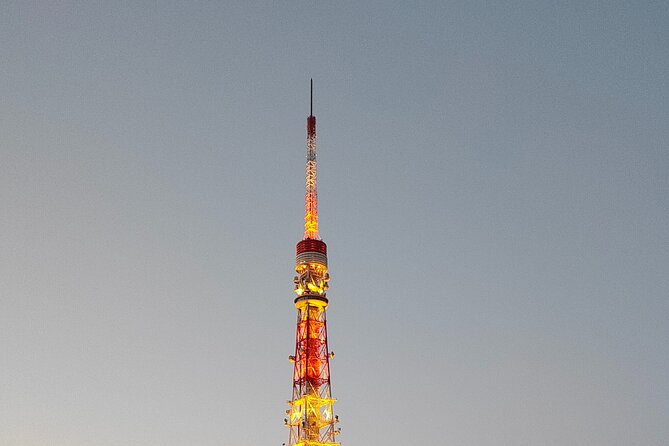
Then you get Tokyo Tower. It’s shorter than the skyline giants, but it has personality, and it works well as another “signature photo” moment.
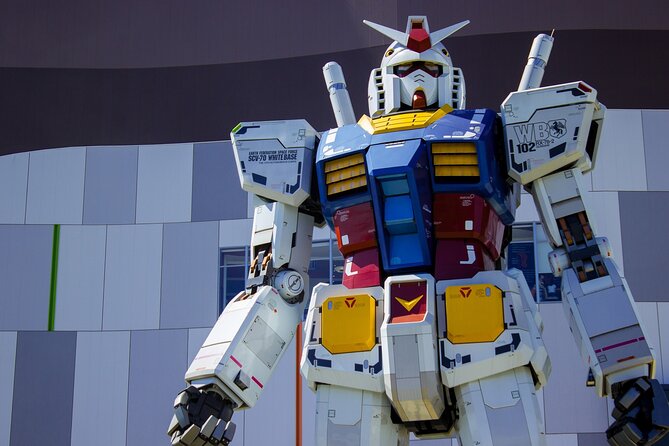
Finally, there are optional add-ons depending on time. teamLab Planets TOKYO involves immersive art spaces and a walk-through experience. Statue of Liberty replica at Odaiba is another quick photo-op. If you like flexibility, this is where it helps to keep an open mind: you might not fit everything, but you can choose what matches your energy level.
Kamakura temples, Great Buddha, and a stop in Yokohama Chinatown
The shift from Tokyo to Kamakura and Yokohama keeps the trip from feeling like only one city style.
In Kamakura, you start around Hokoku-ji, also known as the Bamboo Temple. The bamboo garden is a visual reset, and it’s a calmer kind of sightseeing than the busy city zones. Next is Hase-dera, famous for its large wooden statue of Kannon. Then you visit Kotoku-in, home to the Great Buddha of Kamakura. This is one of those places where even a short visit feels meaningful because the scale hits you quickly.
Tsurugaoka Hachimangu Shrine brings the cultural center vibe. It’s a major shrine with festivals and also has ponds representing the Taira and Minamoto clans. The topic sounds academic until you’re there, then it becomes part of how the site is laid out and understood.
After temples, the Komachidori shopping street gives you the more lively, practical side: snacks, souvenirs, and a walking corridor where you can browse without a strict plan. It’s a smart add-on because it balances the day. Pure temple time can blur together, but a shopping street helps you keep your bearings.
Then you head into Yokohama Chinatown. This area has been around about 160 years, and it’s known for a mix of Chinese food culture and street life. It’s also a good contrast to Japan’s inland shrine circuit, and it’s ideal if you want something a little louder and more bite-sized for lunch.
Sankeien Gardens adds the calm. This traditional garden opened in 1906 and was designed and built by Tomitaro Hara, a silk trader. Even if gardens are not usually your thing, this stop tends to work because it gives you a breather between big-ticket views.
Minatomirai is optional if time permits. It’s a futuristic waterfront zone with fashionable shopping and a high-rise observation deck area. If you’re in a “we have extra energy” mood, it’s a fun finish.
A few more Tokyo days worth comparing
- 1-Day Tokyo Bus Tour
★ 5.0 · 14,250 reviews - Tokyo: TOKYO SKYTREE® Admission ticket
★ 4.5 · 11,192 reviews - Tokyo: teamLab Planets TOKYO Digital Art Museum Entry Ticket
★ 4.6 · 9,779 reviews - Tokyo: Sumo Show Experience with Chicken Hot Pot and a Photo
★ 4.8 · 6,678 reviews
Fuji in bite-size chunks: Oshino Hakkai, Chureito Pagoda, and the 5th station option
If your main goal is Mt. Fuji scenery, this route plays it smart. It includes multiple viewing points around Kawaguchiko and the Fuji Five Lakes region, which improves your odds of getting good views even when the sky is moody.
Oshino Hakkai is first. These are eight springs connected to the Fuji aquifer. It’s a natural monument setting, and it also works well as a stretch-your-legs stop.
Then you visit Chureito Pagoda, the five-storied pagoda that’s famously framed against Mt. Fuji. This is one of the most recognizable compositions in the Fuji region, and it’s a high return stop for the time you spend.
Lake Kawaguchiko follows. It’s the most accessible of the Fuji Five Lakes, and it’s a hot spring resort area with plenty to see nearby. The tour keeps this practical with another short viewing window rather than forcing a long stay.
Next you have Oishi Park. This is one of the best spots for Fuji views because you get Fuji in the background, the lake in the middle ground, and seasonal colors in the foreground, when they’re in season. If you time it right, it’s a very photogenic setup.
There are also a couple of cultural add-ons around the lakes: Saiko Iyashi no Sato Nemba is a recreated old Japanese village, which helps you understand how people used to live in mountain regions. Arakura Fuji Sengen Shrine offers yet another panoramic view setup, and in spring people can connect it to cherry blossoms, though your experience will depend on timing.
The ropeway option near Lake Kawaguchiko, Mt. Fuji Panoramic Ropeway, goes up about 400 meters to an observation deck near the peak area. This is optional but often worth considering if you like getting above the lake-level crowd.
Then there is Mt. Fuji 5th station. This is the one people talk about because it has that halfway-up atmosphere that feels close to the mountain’s scale. The tour gives you about two hours there, which is enough to walk around, take photos, and soak up the weather and altitude vibe. Just be aware that conditions at higher elevation can change fast, and this whole area is weather dependent.
Finally, you end this Fuji-heavy day with Gotemba Premium Outlets. That’s a useful pressure valve. After three-plus stops that revolve around views, it gives you a chance to relax, shop, or just reset before the next day’s long travel.
Hakone’s volcano-and-lake feel: shrine, ropeway, Lake Ashi, and Owakudani
Hakone is a different mood from Tokyo and even from the Fuji lakes. It’s more scenic and more atmospheric, and it leans into volcanic geography.
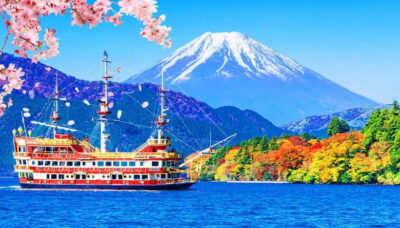
You start with Hakone Shrine and Kuzuryu Shrine near Lake Ashi. Hakone Shrine is at the foot of Mount Hakone along the shore, with forested buildings tucked away in greenery. Lake Ashi itself is a crater lake formed after the volcano’s last eruption about 3,000 years ago. Even if you do not get deep into geology, you can feel that this is a landscape shaped by forces far bigger than humans.
Hakone Ropeway and the funitel line are included as optional rides via the operator system that links Sounzan and Togendai via Owakudani. This is one of those moments where you trade ground travel for elevated views. If you like looking down at the terrain and clouds, you’ll likely enjoy it.
Owakudani Valley is my favorite kind of stop: volcanic and specific. It’s known for sulfur springs and Kuro Tamago, black eggs. It’s also the part where you get the clearest “you are in a volcanic zone” feeling. The tour gives about an hour here, which is usually enough to see the area, smell the sulfur, and try the famous black egg concept if that’s your thing.
Gora Park is a short botanical reset. It has a western-style hillside garden layout, plus tea house and greenhouses. It’s also a nice change from the more dramatic volcanic sights.
The Hakone Open-Air Museum adds an art break in nature. It spans a large outdoor area and focuses on sculpture displayed with views around you. If it sounds like a “too much” stop, treat it as optional time. Outdoor art can be great when the weather works.
A final tea-house stop is included at Amazake-chaya. It’s a relaxing place known for amazake, a sweet rice drink made with a recipe that has remained unchanged since opening. This is a good way to slow down at the end of a packed scenery day.
Tickets, admission, and what you should budget for
A big value question is ticket handling. In this tour, many sights have free admission, and several do not.
Free-admission examples in the route include places like Tsukiji Fish Market, Senso-ji, and multiple shrine or temple stops in Tokyo and Kamakura. But key attractions like Tokyo Skytree, many Hakone rides and viewpoints, and experiences like teamLab Planets have admission not included.
So what does that mean for you? Budget in two layers:
- The fixed tour price for the private car and driver service
- Separate spending for tickets at the stops marked not included
This is normal for Japan sightseeing. Just do not assume you are paying one price and never seeing a ticket counter.
Also note this is not presented as a guided tour in the strict sense. You are touring with an English-speaking driver for context, but if you want a more formal guide role, you can arrange that on request. If you love history lectures and museum-style explanations, consider asking for that add-on sooner rather than later.
Finally, meals are not listed as included. That means you can eat where you want, but you also need to be ready for longer days. The tour duration includes commuting time, about 10 hours per day on average, so build in your own snack and water habits.
Price and value: $3,000 per group, up to 5
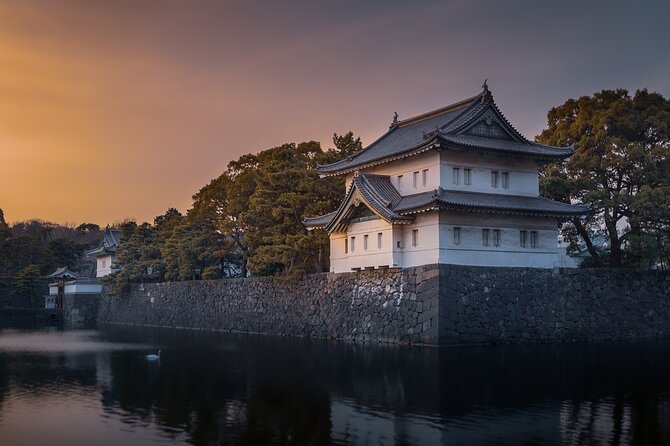
At $3,000 per group for up to five people, the value depends on how many of you actually book.
If you travel as a full group of five, the effective cost per person drops a lot compared to paying for individual transport and tickets across multiple regions. The private car is doing heavy work here. It saves time, reduces transfer stress, and keeps your day structured when you want to see Tokyo icons and still reach the Fuji and Hakone areas.
If you’re only two people, it can still be worth it, but you’ll feel the price more. In that case, I’d frame it like this: you are paying for fewer logistics headaches and more destination variety in four days. If your priority is a maximal sightseeing hit list without getting worn down by train changes, this price can make sense. If your priority is spending as little as possible and you’re fine with transit planning, you may find independent travel cheaper.
The other value piece is customization. You can adjust to your interests and, crucially, to weather patterns. Mount Fuji is famously weather dependent. If you have a flexible day and a driver who can help you use the time well, the experience can feel more tailored and less rushed.
Who this private tour fits best
I think this is a strong match for:
- You have limited time in Japan and want Tokyo plus Fuji plus Hakone plus Kamakura plus Yokohama in one trip
- You prefer door-to-door convenience over train route juggling
- You want an English-speaking driver to help you connect sights to context
- You’re traveling as a group and can use the up-to-five capacity well
It’s also a good fit if you like famous sights but still want some natural scenery. The itinerary gives you that balance: temples and shrines, modern city landmarks, and volcanic and lake geography.
If you hate schedules and want to wander at your own pace for hours with zero structure, a private itinerary may feel too full. But if you can handle a busy day and treat each stop as a focused visit, you’ll likely enjoy it.
Should you book this 4-day Tokyo region private tour?
If your plan is Tokyo first and then you want Mt. Fuji and Hakone without turning your trip into a transit project, I’d say it’s worth serious consideration. The private car, the English context from your driver, and the way the route mixes iconic and scenic stops give you a lot of ground covered without the usual scramble.
Book it if:
- You want convenience across long distances
- You’re okay budgeting separately for tickets at key attractions
- You want a private group experience rather than joining a larger tour bus crowd
Skip or look for alternatives if:
- Your main goal is a slow travel rhythm and long unplanned days
- You want everything included in one fixed price with no extra ticket spending
- You are traveling solo or as a couple and cannot spread the group cost
FAQ
How long is the tour?
It runs for approximately 4 days, and the experience duration is about 10 hours including commuting time.
How much does it cost?
The price is $3,000 per group, up to 5 people.
Where does the tour start?
The meeting point is set for 8:00 am, and pickup is offered. The meeting point is near public transportation.
Is accommodation included?
No. Accommodation isn’t included, so you choose where to stay in each place.
Is this a guided tour with a guide?
It is not a guided tour by default, but a guide can be arranged on request at an additional cost.
Are attraction tickets included?
Some admissions are free, while others are marked as admission ticket not included, such as places like Tokyo Skytree and many rides or special attractions.
Is the itinerary customizable?
Yes. The tour is described as a customizable private tour with personalized attention.
What if the weather is bad for Mt. Fuji or related sightseeing?
This experience requires good weather. If it is canceled due to poor weather, you’ll be offered a different date or a full refund.
Can I get a full refund if I cancel?
Yes. There is free cancellation, and you can cancel up to 24 hours in advance for a full refund.
Fresh options around Tokyo
- Tokyo: Nikko Kegon Falls Lake Chuzenji Toshogu Temple & More★ 4.9 · 12 reviews
- Tokyo: Samurai History Walking Tour★ 5.0 · 12 reviews
- Harajuku: Kawaii Fashion and Pop-Culture Tour★ 4.7 · 12 reviews
- Tokyo: Mt. Fuji & Lake Kawaguchi Instagram Full Day Trip★ 4.1 · 12 reviews
- Shibuya Tokyo: Modern Kintsugi Workshop in Shibuya★ 5.0 · 12 reviews
- Tokyo: GTR Guided Daikoku Experience at Night★ 5.0 · 12 reviews
- Tokyo: Daikoku JDM Car Culture Tour★ 4.6 · 12 reviews
- Mt Fuji Private Day Trip from Tokyo with English speaking driver★ 5.0 · 13 reviews
Mt Fuji Tours, compared.
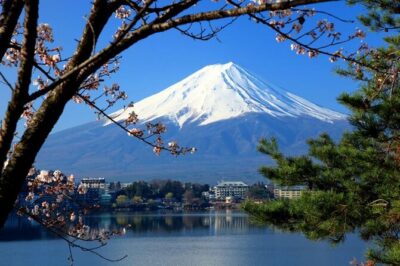
Mt Fuji and Hakone 1-Day Bus Tour Return by Bullet Train
Read our review →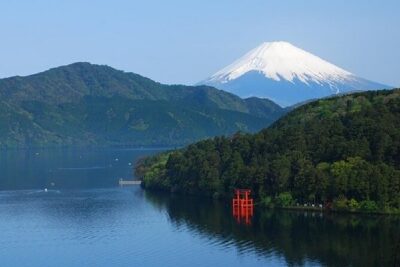
Mt Fuji & Hakone Cruise, Drum Show Bullet Train 1 Day from Tokyo
Read our review →
Tokyo Mt Fuji 5th St & Hakone Cruise Bus Tour w/Bullet Train
Read our review →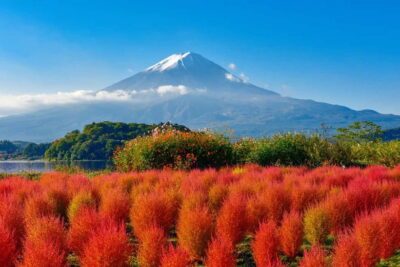
Mt. Fuji Tour, Hakone Ropeway, Owakudani, Lake Ashi
Read our review →
Mt.Fuji,Kawaguchiko Oishi Park,Arakurayama Sengen Park
Read our review →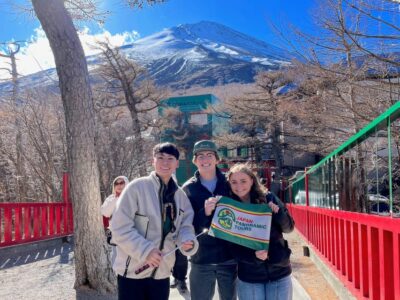
Mt. Fuji 5th Station & Hakone Cruise 1-Day Bus Tour
Read our review →
Mt Fuji Top 5 Spots Day Tour: Arakurayama Park,Oshino Hakkai
Read our review →Browse the lists this tour appears in