Reviewed · TOKYO TOURS
Tokyo:Stroll in Old traditional culture towns~Yanaka & Nezu
Tokyo slows down in Yanaka and Nezu. This walking tour is a real contrast to central Tokyo, with Yanaka and Nezu bringing you face-to-face with old streets, family-run shops, and calm places of worship. The best part is the pacing, you get time to look closely at what most people zip past, and you also get the local context from Sui.
I also love that the route is built around Japan’s everyday religious life, not just postcard stops. You’ll visit major sites like Nezu Shrine, Tennoji Temple, and Yanaka Cemetery, and you even get tips for how to behave and pray respectfully at these places. One consideration, there’s a lot of walking with stairs, and the tour is not suitable for wheelchair users, so comfortable shoes are non-negotiable.
Key moments that make this stroll worth it
- Meiji to Showa streets: you see the kind of Tokyo that came before the skyscraper era
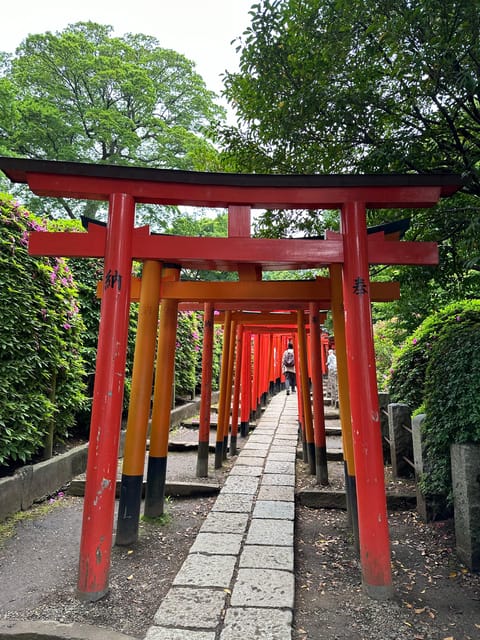
- Nezu Shrine’s torii-lined approach: a peaceful walk that feels very local
- Tennoji Temple garden time: calm space to pause instead of sprinting through sights
- Yanaka Cemetery with its tree-lined rows: a moving, scenic stop that slows your pace
- Yanaka Ginza food and shop talk: the guide helps you know what to look for
- Seasonal treats: sakura mochi in spring, or a drink at an old-style cafe in summer
From Nippori Station to a quieter Tokyo mindset
The day starts at Nippori Station (West Exit), where the guide meets you right after you come out. This matters more than it sounds, because once you leave the main foot-traffic flow, the neighborhood changes fast. The tour is designed to be unhurried, so you can actually notice the small details, like the way narrow lanes open up to small shrines or quiet courtyards.
You’ll also get a small-group feel. That’s a big deal in a place like Yanaka, where the best moments often happen when you slow down, ask questions, and chat briefly with the people who run the shops. In the reviews I read, people kept coming back to Sui being early, friendly, and focused on making sure everyone stays together and understands what they’re seeing.
A few more Tokyo days worth comparing
- Mt Fuji and Hakone 1-Day Bus Tour Return by Bullet Train
★ 5.0 · 26,383 reviews - 1-Day Tokyo Bus Tour
★ 5.0 · 14,250 reviews - Tokyo: TOKYO SKYTREE® Admission ticket
★ 4.5 · 11,192 reviews
Yanaka’s residential lanes: old houses, local rhythms, and real conversations
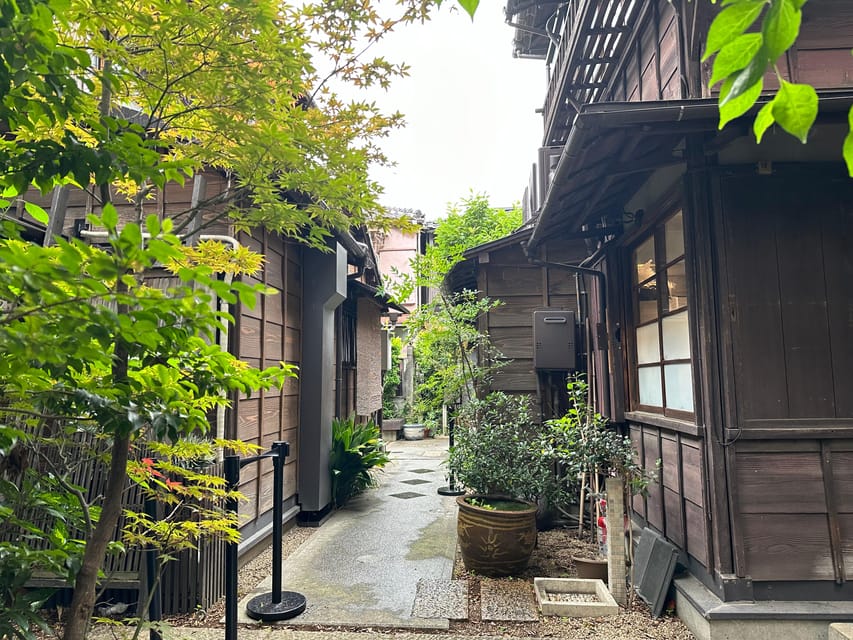
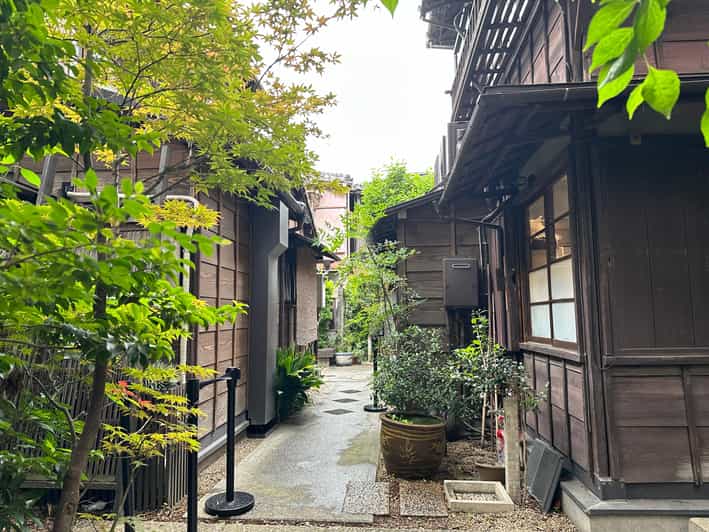
Yanaka is the heart of the experience. You’re walking through a part of Tokyo where you can see both everyday living and the lingering shapes of older eras. Expect quiet residential streets, old storefronts, and the kind of neighborhood that doesn’t feel staged for visitors.
This is where the tour earns its value. Instead of treating Yanaka like a museum, the guide points out what daily life looks like there now. You might see kids around day-care age, older residents out and about, and small signs of routine that never make it into guidebooks. And because the tour includes chances to talk to people you meet at older shops, you’re not just observing from a distance.
A practical tip: bring cash. Many small places you’ll pass are the kind where you pay on the spot, and cash also helps if you decide to pick up a souvenir from a shop that’s been passed down through generations.
Nezu Shrine: torii gates, a calmer pace, and worship that feels lived-in
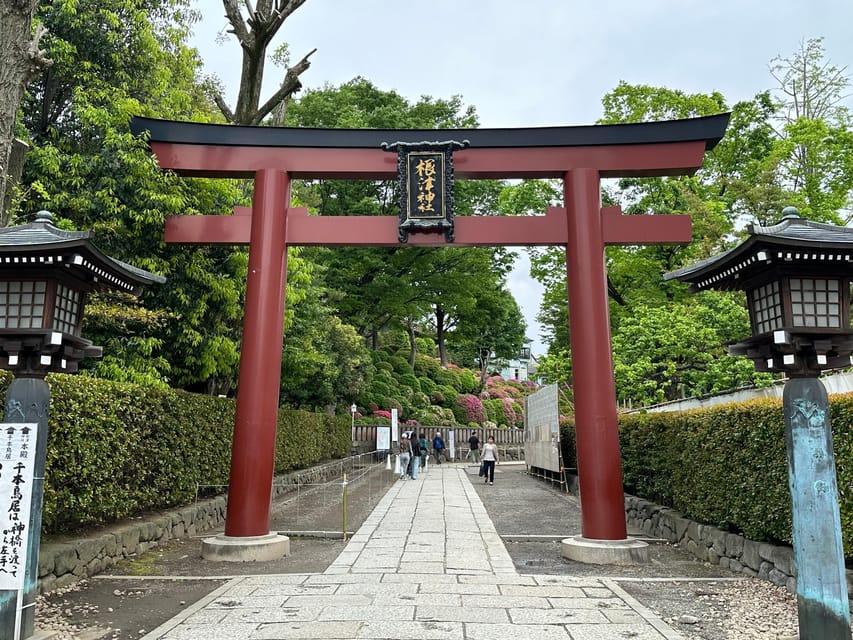
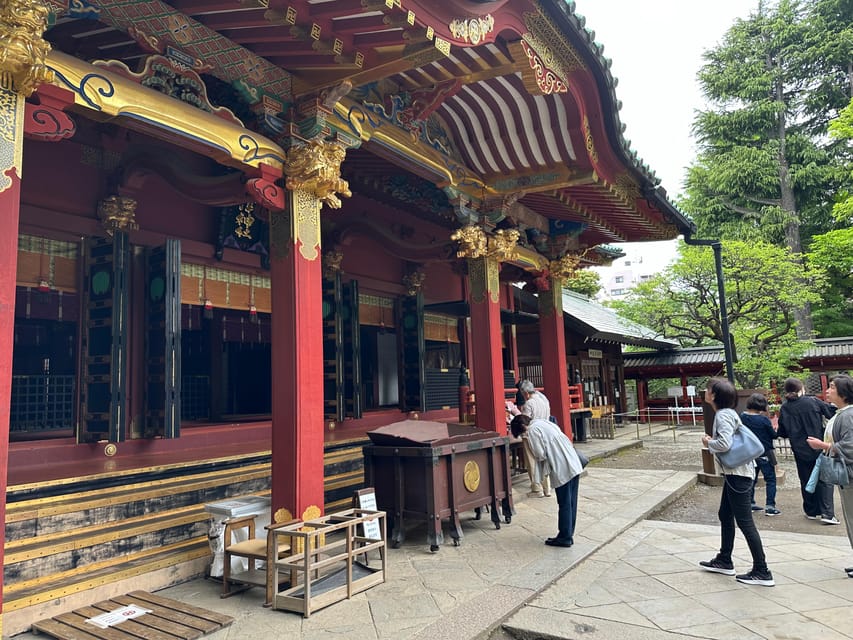
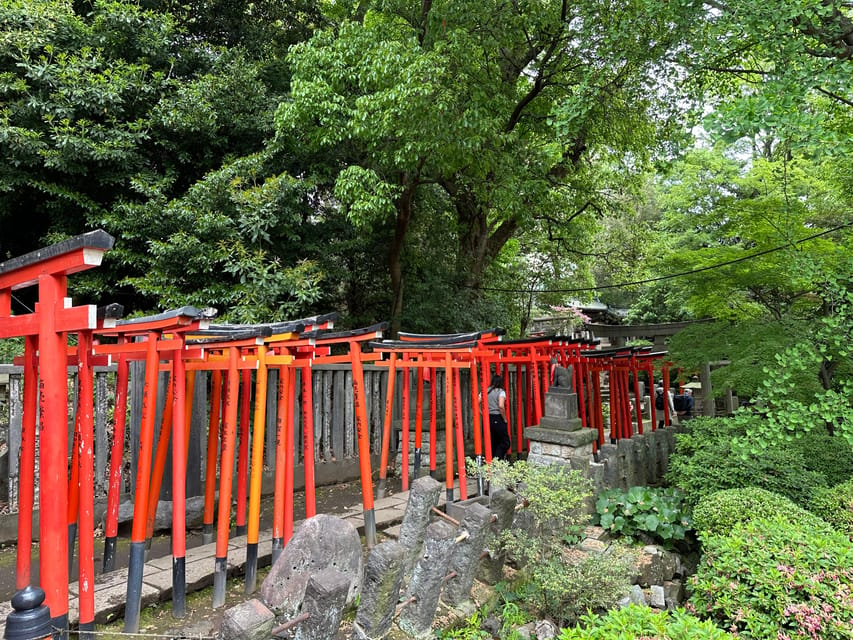
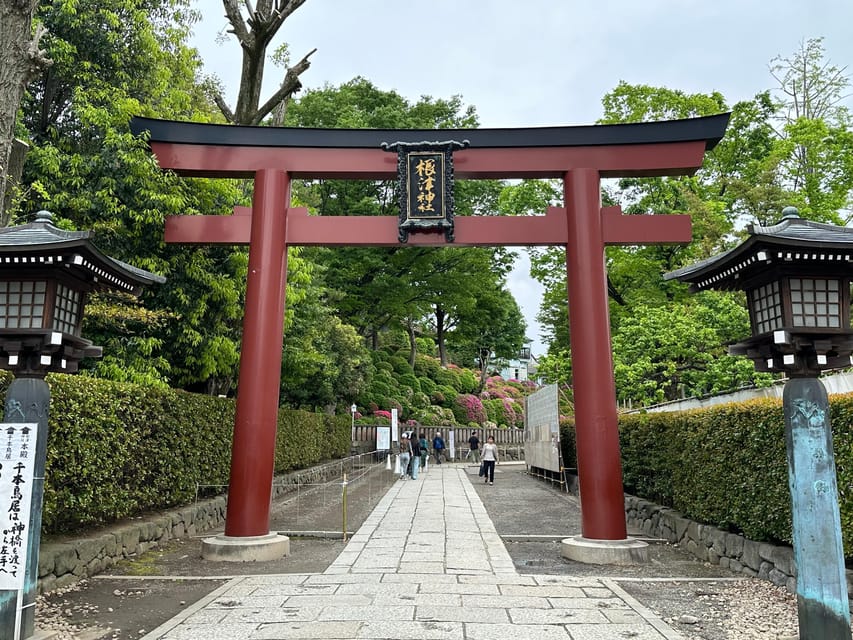
Nezu Shrine is one of those places where the approach sets the mood. The tour takes you to Nezu Shrine, including the famous feel of the area along the way, with its torii-lined pathway leading you into a slower state of mind. It’s not about rushing to a single photo point. You’ll walk with time to look, notice how people move through the space, and understand why shrines like this matter in everyday Tokyo.
What I like here is that the guide doesn’t just recite facts. You get context about religion and what you’re seeing, and you also get practical help for visiting properly. In the reviews I saw, people mentioned that Sui even gave training on how to pray at shrines and temples. That kind of guidance makes your visit less awkward and more respectful, and it helps you understand what you’re looking at beyond the obvious.
If you’re the type who enjoys small rituals, this stop will feel personal. If you’re only interested in famous landmarks, you might still find it worth it because the atmosphere is quietly different from central Tokyo.
Tennoji Temple: bronze Buddha, garden calm, and a softer break from crowds
Next you move from shrine space to temple space at Tennoji Temple. This stop centers on the large seated bronze image of Buddha and the surrounding garden setting. It’s a good counterbalance to the street walking, because the temple area naturally slows people down.
Tennoji is also a chance to learn how Japanese Buddhism shows up in real neighborhoods. You’ll see the layout, the feel of worship, and the way visitors interact with the space. And because the tour is timed as a walk you can actually enjoy, you get a few calmer moments rather than constant motion.
The garden component is important for your enjoyment. It gives you a breath between heavier stops, and it makes the tour feel like a proper experience rather than a checklist. If you came to Tokyo for atmosphere, not just information, this is one of the highlights that delivers.
Same corner of Japan, a different kind of day:
- Tokyo: teamLab Planets TOKYO Digital Art Museum Entry Ticket
★ 4.6 · 9,779 reviews - Mt Fuji & Hakone Cruise, Drum Show Bullet Train 1 Day from Tokyo
★ 4.0 · 7,413 reviews - Tokyo: Sumo Show Experience with Chicken Hot Pot and a Photo
★ 4.8 · 6,678 reviews - Tokyo: Shinjuku Food Tour (13 Dishes at 4 Local Eateries)
★ 5.0 · 6,603 reviews
Yanaka Cemetery: a scenic pause that changes how you see the neighborhood
One of the most memorable stops is Yanaka Cemetery, described as one of Tokyo’s larger and scenic cemeteries, with a beautiful row of trees. This is not the kind of place most people rush through, and that’s exactly why it fits this tour.
Cemeteries can feel heavy, but this one also has visual calm. The trees and the spacing make it easier to walk slowly and reflect. The guide helps you understand the setting so you feel less like you’re intruding and more like you’re learning. If you care about how culture handles memory and respect, you’ll appreciate the seriousness of the visit.
For practical comfort, know that this stop still means walking. Wear shoes with grip and be ready for uneven or changing surfaces. The tour is designed to be relaxing, but the route still expects you to be on your feet.
Meiji to Showa streets and the small structures you would miss alone
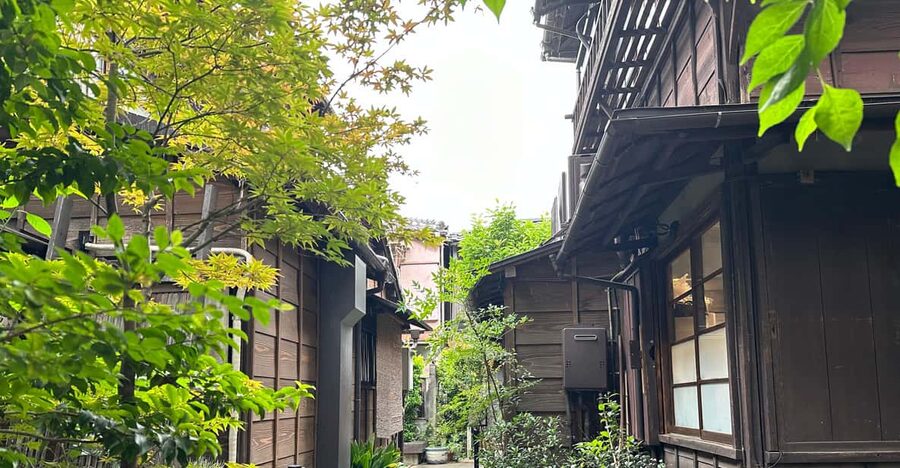
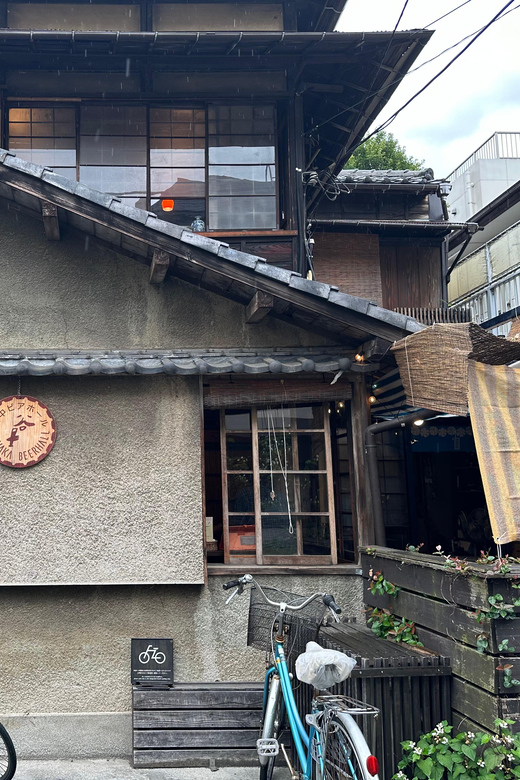
A big part of the magic here is the architecture timeline you can feel as you move. The tour highlights traditional buildings from the Meiji period (1868 to 1912) through the Showa period (1926 to 1989). That time span is more than a trivia fact, it’s the reason Yanaka looks the way it does.
When you walk these lanes with a guide, you start noticing patterns, like how older houses fit tightly into narrow plots and how long-established shopfronts hold their place next to newer changes. Without help, you might see old wood and rooflines and move on. With the guide, you understand why those details matter.
This section is also where the neighborhood feels most “Tokyo before the big lights.” It’s not that Tokyo stops being modern. It’s that you get a layered view of it, and it’s easier to grasp history when you’re standing where it actually lived.
Yoshida Liquor Store and Yanaka Ginza: shopping street energy, but local
The tour includes a stop at a traditional Yoshida Liquor Store, known for Japanese sake. This is the type of place you’d rarely pick just by searching on your own, because the storefront doesn’t scream tourist attraction. Yet it’s exactly the sort of old, local business that tells you how the neighborhood works.
After that comes Yanaka Ginza, a traditional shopping street where your guide shows you what to look for. You’ll get help understanding local street foods, plus Japanese food and souvenir shops along the way. The point is not to do heavy shopping, it’s to learn how these streets function and what kinds of items the neighborhood values.
Some of the best moments here are simple, like watching how shop owners interact with regular customers or noticing which sweets and snacks keep getting chosen. In the reviews, people frequently mentioned the guide recommending handmade snacks and helping them find great places to buy small souvenirs.
The Sunset Staircase photo stop: locals actually use it
You’ll also make time for a sunset staircase photo spot that’s popular with locals. This is one of those places where the guide’s timing matters. You’re not just chasing a viewpoint, you’re using a local landmark that the neighborhood keeps returning to.
Bring your camera, but also remember this is still a walk tour. Keep your time focused, take a few photos, and then keep moving. The neighborhood still has plenty of atmosphere to share after the staircase.
Spring and summer add-ons: sakura mochi or a drink in an old-style cafe
Season changes the experience in a practical way. In spring, from late March into early April, the tour includes free sakura mochi for everyone when available. If it’s not available, the guide replaces it with other traditional Japanese sweets. That’s a fun, easy way to match the day to the season without turning it into a food tour.
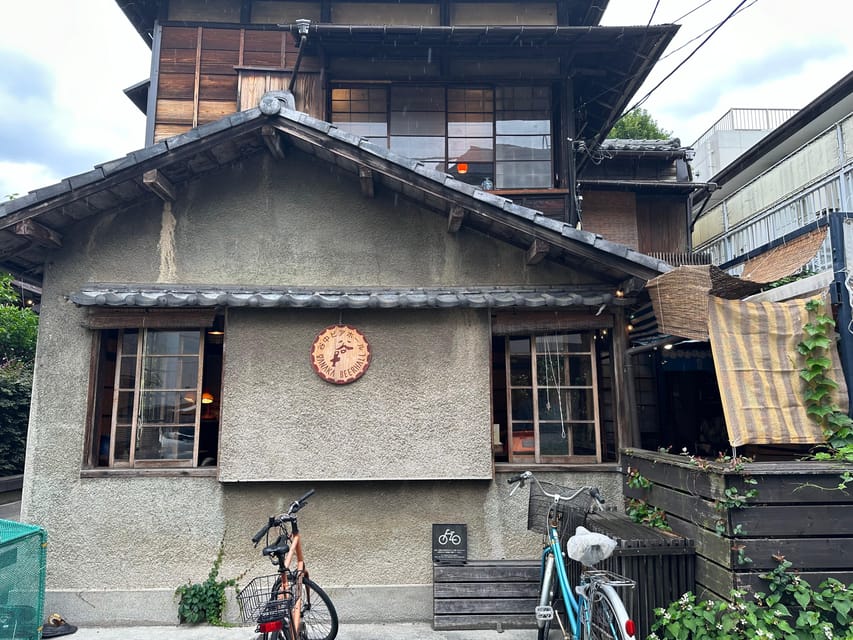
In summer, from early June into early September, the tour changes slightly. To reduce heat stress, the day includes a stop in a cafe transformed from an older traditional building, and you get one drink of your choice. The summer route also excludes Yanaka Ginza, and it ends at Nezu Station.
These changes are worth noting because they affect the flow of your day. If you visit in hot weather, the cafe break is not a luxury, it’s a smart way to keep the rest of the walking enjoyable.
How long it really takes and what to bring so you feel great
The duration is listed as about 210 minutes, roughly 3.5 hours. The tour is designed to be not rushed, but you should still expect continuous walking. There are staircases during the route, so comfortable shoes matter more than fashion.
Bring:
- Comfortable shoes
- Cash
Also, be punctual. The tour starts on time, and the guide is waiting at the meeting point. The tour may end a little earlier or later than the stated duration, which is normal for a real walking route where people stop for questions, photos, and calm moments at temples.
If you’re the type who gets hungry while sightseeing, plan ahead. This is a long enough stretch that skipping food could make the afternoon feel tougher, even with rest opportunities.
Who this tour is best for, and who might skip it
This is a great fit if you want:
- A break from the bright, fast energy of areas like Shinjuku and Shibuya
- Real neighborhood Tokyo, not just big sights
- Religion and culture explained with respect and practical guidance
- A relaxed pace with time to ask questions and take photos
It’s also ideal for families and curious first-timers. In the reviews, people mentioned Sui being thoughtful with kids and keeping everyone engaged.
You might think twice if:
- You need wheelchair accessibility, since the tour is not suitable
- You have limited mobility or don’t feel comfortable with stairs
- You only want famous, high-speed landmarks and don’t care about ordinary life streets
Price value: what $29 buys you in a city where guides cost time and effort
At about $29 per person, this tour is priced for value, not hype. You’re paying for an English-speaking live guide, multiple culturally important stops, and a small-group experience that actually lets you talk and ask questions.
In a walk like this, the guide is doing real work: keeping you together, explaining what you’re looking at, and helping you understand the etiquette and meaning behind shrines and temples. The seasonal treats also add small, tangible value, especially sakura mochi in spring or a drink break in summer.
If you’re staying in Tokyo for a short time and want to see a completely different side of the city, this is one of the ways to spend a few hours wisely.
Should you book Tokyo: Stroll in Old Traditional Culture Towns, Yanaka & Nezu?
If you want Tokyo with quiet edges, this is an easy yes. You get a real-feeling neighborhood walk, major religious sites explained in a way that makes sense, and time to slow down instead of checking boxes.
I’d book it if you like culture that’s woven into daily life, not something sealed behind ropes. I’d also book it if you want help visiting shrines and temples respectfully, without feeling lost.
Skip it if stairs are a deal-breaker or if you only want the biggest iconic sights. In that case, you’ll likely feel frustrated by a tour that values calm, conversation, and local streets over speed.
Bottom line: if you’re ready for an old Tokyo mood and you want a guide who makes it personal, this Yanaka and Nezu stroll is a strong pick.
FAQ
Where is the meeting point for the Yanaka and Nezu walking tour?
Meet at Nippori Station, West Exit. The guide waits at the waiting area after you come out to the West Exit.
How long is the tour?
The tour duration is 210 minutes (about 3.5 hours). It may end a little earlier or later than the listed duration.
What does the tour include for spring and summer?
Spring includes free sakura mochi for everyone if available, and if it is not available there will be a replacement with other traditional Japanese sweets or food. Summer includes one drink of your choice in an old traditional cafe.
Where does the tour drop off?
Drop-off locations include Nippori Station, Yanaka Ginza, and Nezu Station. For the summer season, the tour ends at Nezu Station.
Is the tour wheelchair accessible?
No, the tour is not suitable for wheelchair users.
What should I bring and expect during the walk?
Bring comfortable shoes and cash. Expect staircases during the tour, and plan around possible shop closures, since some shops may close on Monday.
Fresh options around Tokyo
- Tokyo: Nikko Kegon Falls Lake Chuzenji Toshogu Temple & More★ 4.9 · 12 reviews
- Tokyo: Samurai History Walking Tour★ 5.0 · 12 reviews
- Harajuku: Kawaii Fashion and Pop-Culture Tour★ 4.7 · 12 reviews
- Tokyo: Mt. Fuji & Lake Kawaguchi Instagram Full Day Trip★ 4.1 · 12 reviews
- Shibuya Tokyo: Modern Kintsugi Workshop in Shibuya★ 5.0 · 12 reviews
- Tokyo: GTR Guided Daikoku Experience at Night★ 5.0 · 12 reviews
- Tokyo: Daikoku JDM Car Culture Tour★ 4.6 · 12 reviews
- Mt Fuji Private Day Trip from Tokyo with English speaking driver★ 5.0 · 13 reviews
Tokyo Tours, compared.
Mt Fuji and Hakone 1-Day Bus Tour Return by Bullet Train
Read our review →


teamLab Planets TOKYO Digital Art Museum Entry Ticket
Read our review →
Mt Fuji & Hakone Cruise, Drum Show Bullet Train 1 Day from Tokyo
Read our review →
Sumo Show Experience with Chicken Hot Pot and a Photo
Read our review →
Shinjuku Food Tour (13 Dishes at 4 Local Eateries)
Read our review →