Reviewed · TOKYO TOURS
Tokyo’s Imperial Palace & Nihonbashi Tour
Imperial Tokyo, then craft shops. This half-day tour strings together Imperial East Gardens with old-school Tokyo shopping in Nihonbashi, plus real tastings and hands-on craft time. I like the way you get a guided, context-rich walk through palace grounds, then shift gears into long-running specialty stores like washi paper and dashi, where you do more than just look.
One heads-up: expect good walking and plan around weather, because the route is out and about and the tour depends on it. Also, the Imperial portion focuses on the East Gardens area, not a deep peek inside private palace spaces.
Key highlights that make this tour worth your time
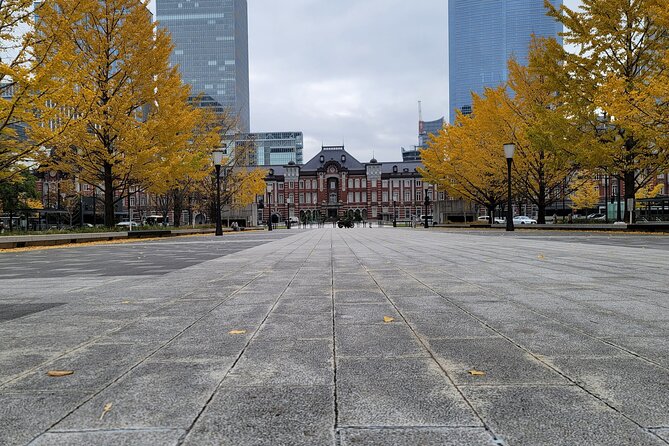
- Ginkgo-lined approach to the Imperial Palace from Tokyo Station
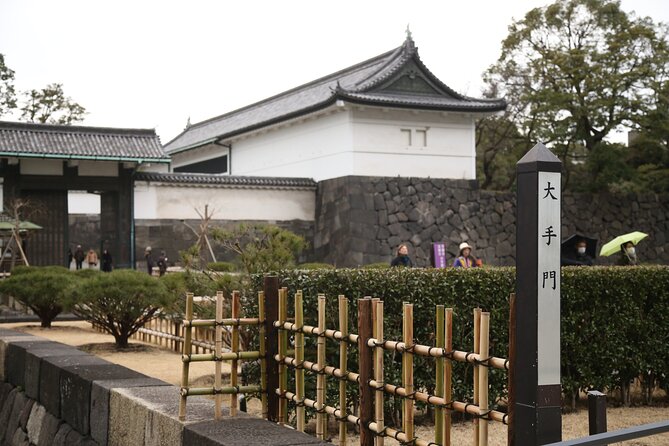
- Otemon Gate and Edo Castle context in the East Gardens (Tokugawa era ties)
- Dashi soup stock tasting, with a practical explanation of why it matters
- A long-running nori stop, including the roasting process
- Hands-on washi paper making at a traditional paper store
- Nihonbashi finisher in a neighborhood tied to Japan’s national highway network
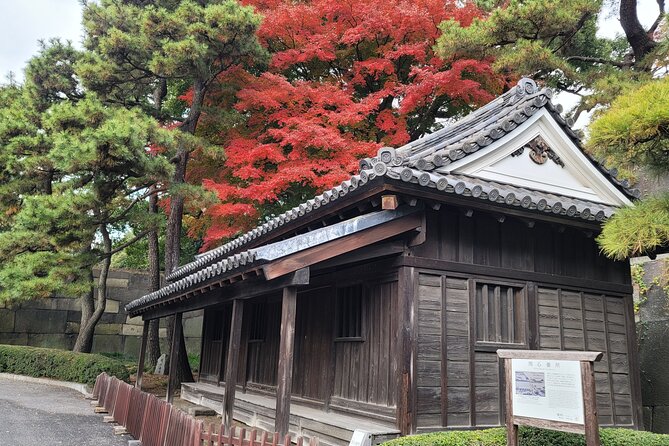
Imperial East Gardens and Otemon Gate, the Edo Castle story you can actually see
If you want Tokyo’s big historical moment without a day-long slog, the Imperial Palace East Gardens are a smart starting point. You begin with a scenic walk on a ginkgo tree-lined avenue toward the palace grounds, and that change in pace happens fast. The setting feels like a green pause inside one of the world’s busiest capitals.
The main “wow” here is the East Gardens experience, including walking through the Otemon Gate area. Otemon Gate mattered because it was once the main entrance to Edo Castle, the base of the Tokugawa shoguns. Even if you already know Japanese history basics, having it mapped to real space makes it click.
The practical part: this tour includes entry to the East Gardens, and admission is free for the area you visit. That means you’re not paying extra at the gate, and your time goes to guided interpretation and pacing rather than ticket juggling. You should still go in with expectations that this is about the grounds and East Gardens, not a full interior palace visit.
A few more Tokyo days worth comparing
- Mt Fuji and Hakone 1-Day Bus Tour Return by Bullet Train
★ 5.0 · 26,383 reviews - 1-Day Tokyo Bus Tour
★ 5.0 · 14,250 reviews - Tokyo: TOKYO SKYTREE® Admission ticket
★ 4.5 · 11,192 reviews
The walk to Nihonbashi, where Tokyo’s old roads still matter
After the Imperial portion, you travel a short distance to Nihonbashi, one of Tokyo’s key commercial districts. This is where history gets useful, not just dramatic. Nihonbashi has been tied to the start of Japan’s national highway network since the early seventeenth century, so it’s a natural bridge between the shogun-era story and everyday Japanese life.
Nihonbashi is busy, but it’s the kind of busy that gives you something to watch. The tour uses that energy well, moving from the palace tranquility into streets full of shops and craftsmen. The structure is also helpful for non-Japanese speakers because you’re not trying to read your way through everything. Your guide handles the language gaps and keeps the route organized.
One thing to note for your schedule: this isn’t a sit-and-snack tour. You’ll be on your feet, including moving between stops and walking through multiple store fronts. Comfortable shoes are not optional here, unless you love being annoyed by sore feet before lunch.
Dashi tasting at a classic store, learning why it powers Japanese cooking
The dashi stop is one of the most practical parts of the day. Dashi is traditional Japanese soup stock, and it’s a mainstay from hotpot to noodle soups. A lot of visitors try to “collect food” by name, but dashi is different. It’s about a base flavor that shows up constantly, so a short guided lesson pays off later when you’re eating on your own.
At the dashi store, you get a sampling of dashi soup stock as part of the tour. The added value is that you’re not just tasting something random. You’re connecting the flavor to how Japanese meals are built, so it’s easier to recognize dashi-based soups and broths when you order them later.
This is also a good place to ask questions like what you’re tasting and why. Your guide can explain how dashi functions as a foundation, not just a one-off ingredient. If you’re a food traveler, you’ll get more out of this stop than you would from another photo-only storefront visit.
Nori roasting at Yamamoto Noriten Honten, seaweed that gets treated like craft
Next comes nori seaweed, via Yamamoto Noriten Honten, a producer in business since 1849. This stop is a nice reminder that “snacks” in Japan often have serious craft behind them. The tour includes seeing a roasting process, which helps you understand why nori tastes different depending on freshness and handling.
Nori roasting is one of those food details that sounds tiny until you’ve eaten bad nori. A guided look at how it’s prepared helps you spot the difference between packaged seaweed you tolerate and nori you actually want to buy back home for future cravings.
If you’re thinking about gifts, this is a strong category. Seaweed is lightweight, and it’s easy to justify as a Japan-specific purchase. Just keep your expectations realistic: you’re learning and tasting, not doing a full cooking class.
Same corner of Japan, a different kind of day:
- Tokyo: teamLab Planets TOKYO Digital Art Museum Entry Ticket
★ 4.6 · 9,779 reviews - Mt Fuji & Hakone Cruise, Drum Show Bullet Train 1 Day from Tokyo
★ 4.0 · 7,413 reviews - Tokyo: Sumo Show Experience with Chicken Hot Pot and a Photo
★ 4.8 · 6,678 reviews - Tokyo: Shinjuku Food Tour (13 Dishes at 4 Local Eateries)
★ 5.0 · 6,603 reviews
Knife history and washi hands-on, where shopping becomes learning
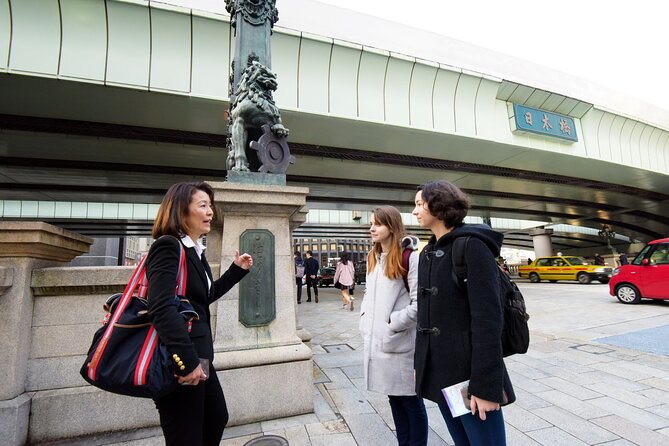
Two stops make this tour feel more than “Imperial Gardens plus shopping.” First is Kiya, a traditional Japanese knife store founded in 1792. You’ll see a wide range of utensils, including traditional Japanese knives and also some more modern European styles. For many people, this is the moment when Nihonbashi stops feeling like sightseeing and starts feeling like a living craft district.
Second is Ozu Washi, a Japanese paper store where you’ll make a sheet of washi. This is the hands-on highlight. Watching paper being discussed is one thing, but making your own sheet gives you a tangible memory. Washi is the kind of product that feels ordinary until you learn it’s tied to technique, fiber, and time.
A couple of practical notes. There’s a lot going on in one half-day, and washi making can take focus. Give yourself the mental bandwidth to slow down. Also, if you’re traveling with limited luggage space, plan how you’ll carry your paper sheet afterward, especially if you end the day in another neighborhood.
Toyama’s antenna shop, a softer ending with something to take home
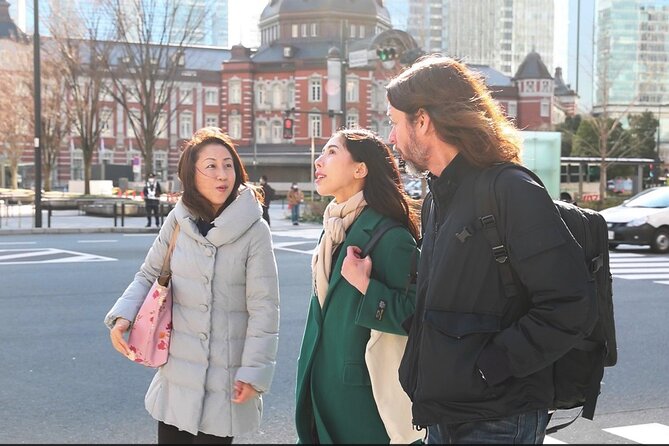
The tour finishes with a visit to a Toyama prefecture antenna shop. Antenna shops are a Japan favorite because they help you shop by region, and Toyama is a coastal prefecture on the Sea of Japan. You can see a variety of items from Toyama, and it’s a calm capstone after tastings and demonstrations.
This end stop is useful in two ways. First, it gives you a structured place to browse without feeling like you’re hunting alone. Second, it helps you leave Tokyo with a specific story connected to a place, not just generic souvenirs.
In practice, this is where you’ll likely make your “small but meaningful” purchases, like regional snacks or packaged goods. If you’re hoping to spend a long time here, check your energy level, because you’ll still want to move on after the tour ends.
How the guide changes everything, from pace to clarity
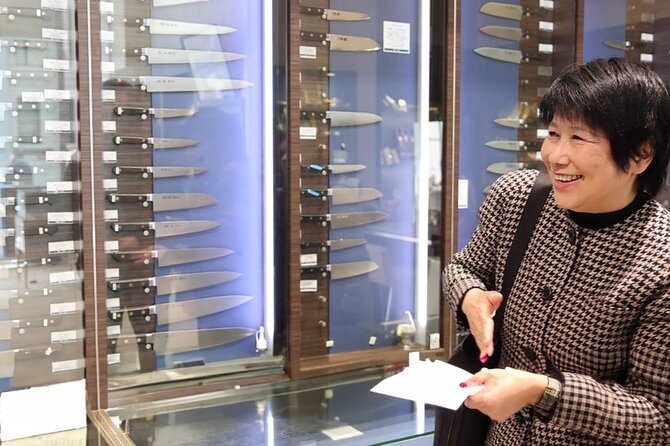
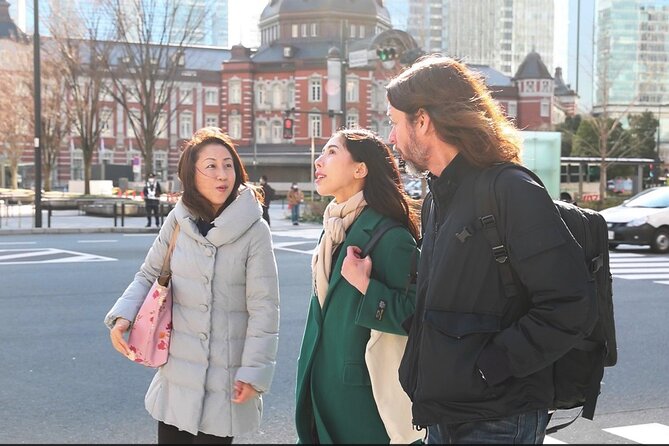
This tour’s quality tends to live or die on the guide. The good part is you’re not just getting a walking buddy, you’re getting a tour guide-interpreter. That matters in Japan, where shop rules, historical references, and store etiquette are easier to miss when you can’t ask follow-up questions.
I’d pay special attention to the vibe your guide sets. In past group experiences, guides named Mari, Michi, Eriko (with assistant Saiyo), Toyo, Yoshi, and Andy Watanabe were singled out for being engaging and handling questions well. Even when conditions were rough, guides like Mari were reported to adapt and keep the day enjoyable.
Still, it’s smart to have a plan B in your head. One caution that comes up: language and explanation quality can vary, and that can affect how much you get from the stops. If you’re relying on the tour to translate the “why” behind each location, choose a departure time where you can stay alert and ask questions early.
Timing, rain, and the half-day reality check
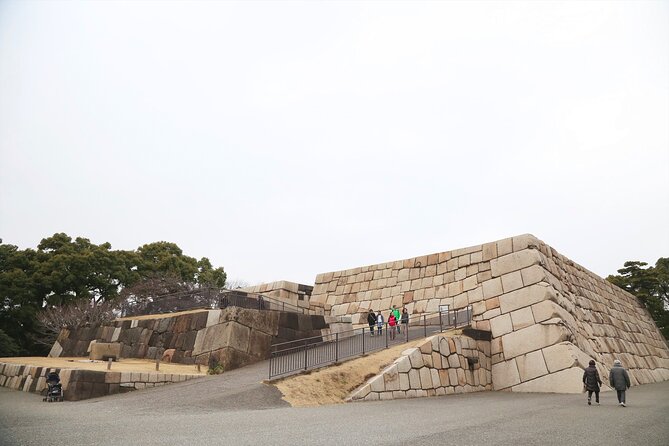
This is about a 4-hour tour, give or take. That’s a sweet spot for many first-time visitors, but it also means a tight schedule. You should assume you’ll walk more than you think you will, especially with train station access and connecting between areas.
The tour requires good weather. If it’s wet or windy, you might need to accept adjustments. Some guides have handled heavy rain by changing the plan on the spot, which is exactly what you want from a competent interpreter. Bring a compact umbrella or a light rain layer, and keep your sense of humor.
Also, choose your departure based on your energy. Morning slots can be great if you want to beat crowds in the Imperial Gardens area. Afternoon slots work if you’d rather start slower and treat the craft stops as a relaxing break.
And yes, there can be a bit of subway movement involved, because the route connects major points across Tokyo. That means you’ll spend a little time transitioning, not just staying at each attraction.
Price and value: what about $101.72 really covers
At about $101.72 per person for a 4-hour experience, the value comes from three things you usually have to piece together on your own: interpretation, tastings, and structured access. Your tour includes a nationally accredited tour guide-interpreter, entry to the East Gardens, a dashi soup stock sample, and a Japanese sake set.
Then you’re getting multiple long-running specialty stops that are hard to “DIY” in a meaningful way. Kiya (founded 1792), Yamamoto Noriten Honten (since 1849), and Ozu Washi are the kind of places where understanding context helps you appreciate what you’re seeing. Add washi making, and you’ve got at least one memorable, hands-on experience, not just browsing.
One more detail: mobile ticket delivery and a group limit of up to 28 can make the day smoother than larger crowds. Average booking is around 47 days in advance, so if you have a specific day in mind, booking ahead is a good idea.
Who should book this Tokyo tour, and who might not
This tour fits best if you’re the kind of traveler who likes order. You want a day plan that connects major sights without you having to do heavy research. It’s also a good fit if you care about food basics like dashi and enjoy learning how Japanese products are made, from nori roasting to washi paper.
You might want to skip or adjust expectations if you’re looking for a full Imperial Palace “interior” experience. The focus is East Gardens and palace grounds, and that’s still impressive, but it’s not a backstage pass. Also, if you get easily frustrated by lots of walking or weather disruptions, plan for comfort and flexibility.
Families can do it too. You’ll be in a group setting with a guide and multiple short segments, which can be easier than trying to coordinate everything independently. Just remember washi making is hands-on, so it can be fun but also requires patience.
Should you book this Tokyo tour?
Yes, if you want a smart half-day combo: Imperial East Gardens context plus Nihonbashi craft shops with tastings and a washi-making souvenir. The included guide-interpreter and tastings (dashi and sake set) are the kind of “pay once, benefit all day” value that often makes tours worthwhile in Tokyo.
Book it when you have decent weather odds, wear good shoes, and go in knowing the Imperial component is the East Gardens area. If that matches your ideal day, you’ll come away with a clearer sense of where Tokyo’s history shows up in real streets, real shops, and real flavors.
FAQ
What is the tour duration?
It’s approximately 4 hours.
How much does the tour cost?
The price is $101.72 per person.
What does the tour include?
You get a guide-interpreter, entrance into the East Gardens of the Imperial Palace, a sample of dashi soup stock, and a Japanese sake set.
Is transportation to and from the meeting point included?
No. Transportation to the meeting point is not included.
Where does the tour start and end?
It starts at Tokyo Station, 1 Chome-9 Marunouchi, Chiyoda City, Tokyo, and ends in the Nihonbashi area of Tokyo near Nihombashi Station and Mitsukoshimae Station.
How many people are in a group?
The maximum group size is 28 travelers.
Can I choose a morning or afternoon tour?
Yes. You can choose a morning or afternoon tour to match your schedule.
What happens if the weather is bad?
This experience requires good weather. If canceled due to poor weather, you’ll be offered a different date or a full refund.
What is the cancellation window?
Free cancellation is available up to 24 hours before the experience starts for a full refund.
Fresh options around Tokyo
- Tokyo: Nikko Kegon Falls Lake Chuzenji Toshogu Temple & More★ 4.9 · 12 reviews
- Tokyo: Samurai History Walking Tour★ 5.0 · 12 reviews
- Harajuku: Kawaii Fashion and Pop-Culture Tour★ 4.7 · 12 reviews
- Tokyo: Mt. Fuji & Lake Kawaguchi Instagram Full Day Trip★ 4.1 · 12 reviews
- Shibuya Tokyo: Modern Kintsugi Workshop in Shibuya★ 5.0 · 12 reviews
- Tokyo: GTR Guided Daikoku Experience at Night★ 5.0 · 12 reviews
- Tokyo: Daikoku JDM Car Culture Tour★ 4.6 · 12 reviews
- Mt Fuji Private Day Trip from Tokyo with English speaking driver★ 5.0 · 13 reviews
Tokyo Tours, compared.

Mt Fuji and Hakone 1-Day Bus Tour Return by Bullet Train
Read our review →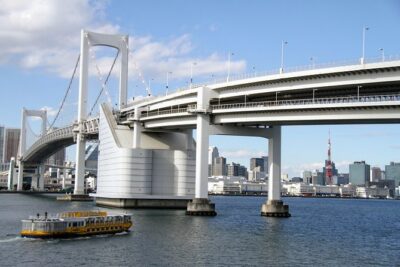


teamLab Planets TOKYO Digital Art Museum Entry Ticket
Read our review →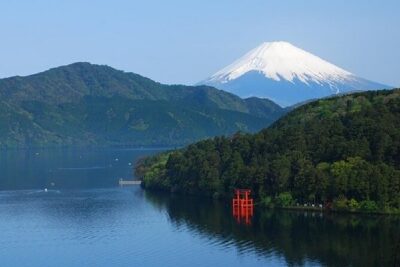
Mt Fuji & Hakone Cruise, Drum Show Bullet Train 1 Day from Tokyo
Read our review →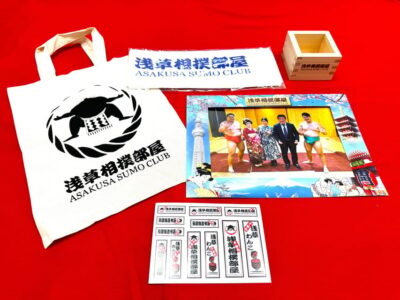
Sumo Show Experience with Chicken Hot Pot and a Photo
Read our review →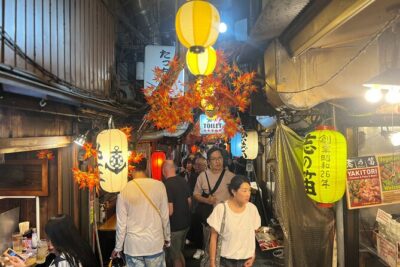
Shinjuku Food Tour (13 Dishes at 4 Local Eateries)
Read our review →