
Reviewed · PHOTO TOURS IN TOKYO
Tokyo Sumo Morning Practice Tour w/ Ring-Side Seat + Photo Shoot
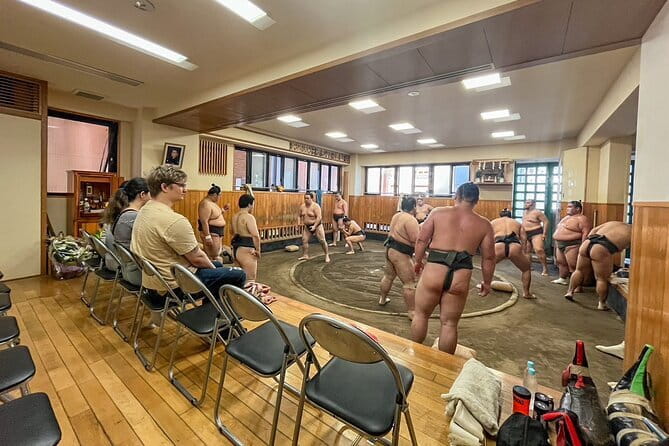
Sumo training at dawn beats TV every time. This tour gets you into a real sumo stable for morning practice with close seating, plus an included photo shoot with the wrestlers. One catch: each stable can be strict about rules, including where you stand and what photos are allowed.
I like that you are not left guessing. A guide accompanies you and answers questions as the practice happens, and guides such as Marie are praised for making the sport make sense fast.
Plan for an early start. The tour begins promptly at 8:30 am, and you need to be ready to follow stable rules (including tatami-only access), or entry can be refused.
Key highlights you will care about
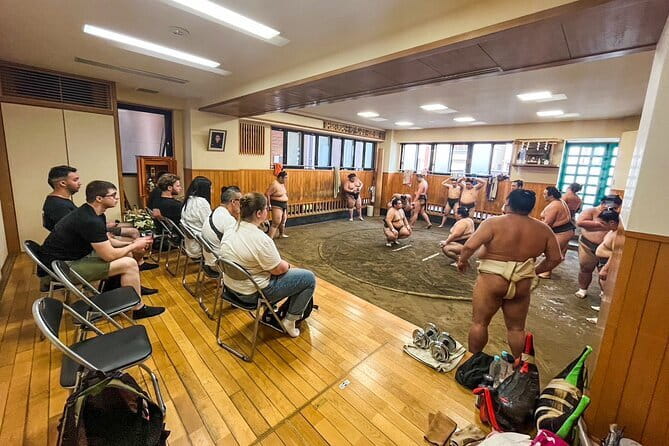
- Real morning practice at a Tokyo heya with a close ring-side view
- Guide-led Q&A so you know what you are seeing
- Small group max 10 people, often with seating based on arrival time
- Photo shoot included with the wrestlers, while practice photography can vary by stable
- Easy add-on stop at Kiyosumi Gardens to cool down after practice
Where the tour starts, and how the morning flows
This is built as a morning, not an all-day sightseeing circuit. You meet at 3-chōme-11-1 Kiyosumi, Koto City, Tokyo 135-0024. Start time is 8:30 am, and the tour is expected to run about 2 hours total.
The first goal is simple: get you to the stable quickly so you can watch the training while it is happening. A local guide then takes you from the meeting area to the sumo stable where practice is underway.
Two practical notes that matter for your experience. First, the tour starts promptly, and being late can mean you cannot join. Second, seating inside the stable is first-come, first-served, so aim to arrive a few minutes early if you care about being closer.
More Photo Tours in Tokyo
- Tokyo Ryogoku Sumo Morning Practice + Photo Shoot with Wrestlers
★ 4.5 · 277 reviews - Tour with Pro Tokyo Photographer and take Edgy Unique Portraits
★ 5.0 · 80 reviews - Tokyo Portrait Tour with a Professional Photographer
★ 5.0 · 58 reviews
Stop 1: Watching real sumo practice in Tokyo (90 minutes close up)
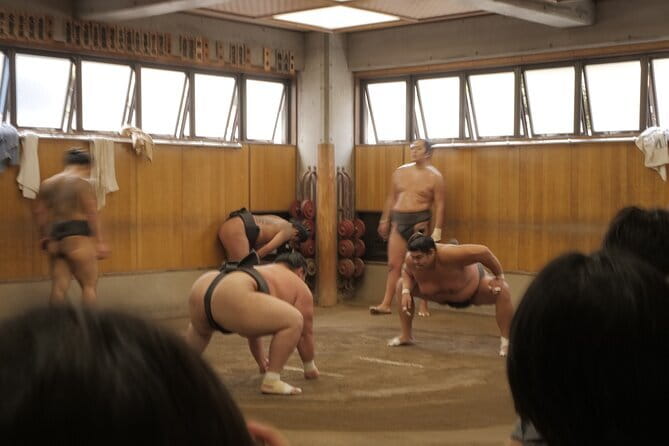
The heart of the experience is the 1 hour 30 minutes at the stable. You will go to 3-chōme-6-2 Kiyosumi for the practice session, where you watch wrestlers training in the way they do in a working heya.
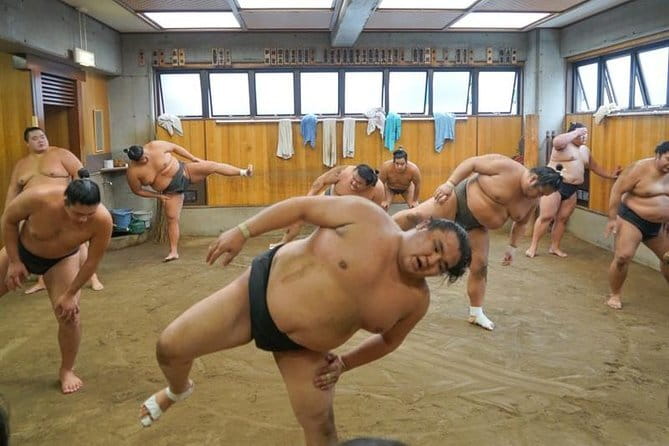
What makes this part special is the pace and intensity. The practice is not a casual demo. You are likely to see a mix of stretching, repetitive exercises, and then practice bouts. In past experiences, people also noted the way wrestlers show reverence during training, and how you can see the stable structure through interactions with the stable master and head trainer.
And yes, you will probably notice the physical mismatch between what sumo looks like on a TV screen and what it feels like up close. Strength and agility show up fast in real practice, even when the wrestlers are different body types and sizes. If you like sports that are equal parts technique and discipline, this is a great fit.
What you need to know before you arrive at the stable
Stable rules are not optional. You must strictly follow regulations, and only tatami areas are accessible. Other areas are off-limits, and the stable can refuse entry if someone behaves disruptively or disrespects the rules.
Also, photography is not one-size-fits-all. During practice, the stable’s policy can limit what you take pictures of, or whether you can photograph the wrestlers at all. The tour includes a photo shoot, but practice-day rules can still affect what you do inside during training.
Ring-side viewing depends on one simple thing: timing
The tour is small, with a maximum of 10 travelers. That is a huge part of the value. You get a chance at close viewing without feeling like you are in a crowd.
Still, close viewing is not guaranteed to the exact same spot for everyone. Seating inside the stable is first-come, first-served, and if the group is split and assigned to different stables depending on participant numbers, your position can vary by group and schedule. If you want the best chance at a ring-side feel, show up early, stay flexible, and be ready for a short walk.
In practice, that means your morning success is mostly about behavior and punctuality, not luck. You cannot control who else arrives. You can control whether you are there on time and ready to follow the guide’s instructions immediately.
The stable rules you should treat like game-day rules
This is the part that makes or breaks your visit, so I am going to spell it out clearly.
Tatami-only access
Inside the stable, only tatami areas are accessible. If you want to wander for a better angle, don’t. Stay where you are told.
Re-entry is not guaranteed
If you leave the stable before practice ends, you are not allowed to re-enter once you exit. So if you think you might need a quick break, plan it before you enter.
Photography may be restricted during practice
Even with the included photo shoot, photography during the practice is subject to each stable’s policy. Some days may allow photos, some may restrict them. The safe move is to assume the stable sets the tone, and you follow it without debate.
Ask your questions at the right time
The guide is there to answer questions as you go. If you are new to sumo, use the moment to ask about basic rules and what the training is preparing for. A useful tip: after practice, you can ask for a short, simple explanation if you want a quick primer before you move on to the gardens.
More sumo experiences in Tokyo:
- Tokyo: Sumo Show Experience with Chicken Hot Pot and a Photo
★ 4.8 · 6,678 reviews - Tokyo: Sumo Show and Dining Experience
★ 4.8 · 2,742 reviews - the SUMO show
★ 5.0 · 1,960 reviews - Tokyo Shinjuku Sumo Show & Experience with Photo
★ 5.0 · 1,750 reviews
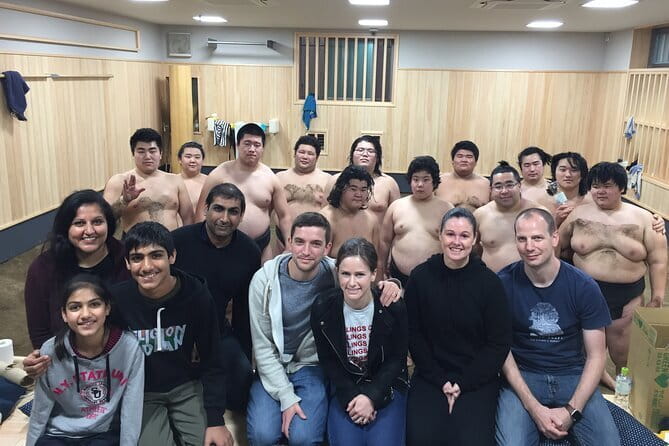
Photo shoot with wrestlers: included, but expect rules
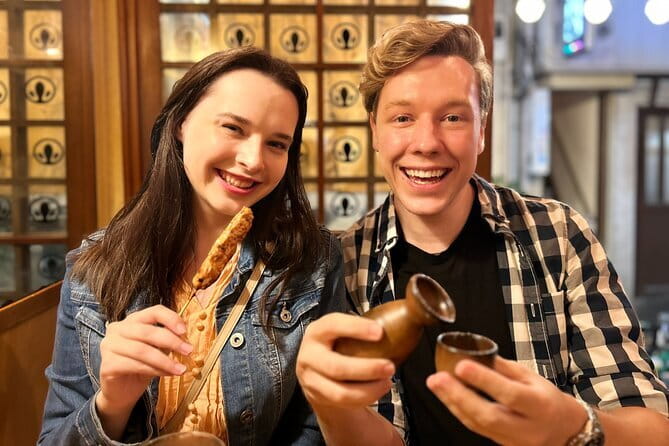
The tour title promises a photo shoot, and the experience includes it. That is a big deal for two reasons.
First, it gives you a structured way to get photos with sumo wrestlers, rather than hoping someone will allow random camera time during training. Second, it helps you capture the moment without turning the whole session into a photo contest.
That said, don’t assume the photo shoot means you can photograph everything freely. Photography during the practice still depends on each stable’s policy. So you might find that practice images are limited, while the included photo moment is handled in a controlled way.
What I like about this setup is the balance. You get real training time, you get informed commentary, and you get a photo outcome. You are not stuck deciding whether to put your camera away for respect, or risk being told to stop.
If you care about getting good shots, do two things. Listen when the guide explains where you need to stand, and keep your camera ready but calm. A photo shoot works best when you are not fidgeting or blocking other people.
Stop 2: Kiyosumi Gardens for a calm finish (30 minutes)
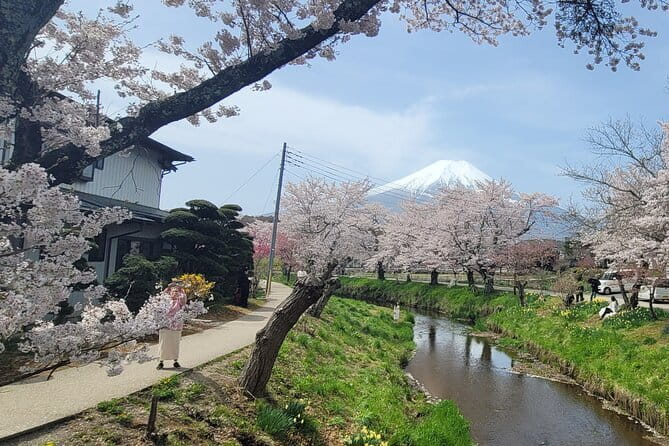
After practice, the tour includes a cooling-down stop at Kiyosumi Gardens. This part is 30 minutes, and admission is listed as free.
Why this matters more than it sounds. After watching intense training, you need a breather. A garden stop gives your brain time to catch up with what you just saw, and it gives you a natural reset before you head back toward your day.
Also, the end of the tour returns you to the meeting area. So you get a clean loop rather than getting dropped in a random neighborhood with no clear next step.
Price and value: is $99.10 worth it?
At $99.10 per person, this tour is priced like a focused, experience-heavy morning, not a budget city walk. The value comes from three things you are paying for.
1) You are paying for access to a working stable practice
Many sumo-related tours are more general or more staged. Here, the core is watching real training, with close seating and a guide to explain what is happening.
2) You get the guide component
A sumo stable is not an interactive museum. Without context, a practice can look like a blur of movement. With a guide on hand, you are more likely to leave knowing what you just watched.
3) You get an included photo shoot
People often want one clear souvenir moment. Including it helps you skip the awkward guesswork about photo timing and stable rules.
The main value trade-off is time. This is about a two-hour block, so you will not be doing a long list of Tokyo sights. If you want broader sightseeing, you might pair this with another morning plan. If you want the most direct sumo experience possible, this format makes sense.
Who should book this sumo morning practice, and who might not
This tour is built for people who care about sumo as a sport, not as a quick sideshow. If you like sports technique, discipline, and seeing athletes train seriously, you will likely feel right at home.
It also suits first-timers who want context. The guide’s Q&A helps you understand what you are seeing, and you can ask for basic rules and history after practice if you want a short primer.
Age and access considerations
The tour is available only to guests aged 12 and over. People under 12 are not permitted inside the sumo stable, and entry may be denied without a refund if a child under 12 is found.
If you are traveling with kids who are under 12, you will need another plan. And if your group has limited tolerance for early mornings, remember this starts at 8:30 am and begins promptly.
My decision checklist: should you book it
You should book this tour if you want:
- A real morning at a Tokyo sumo stable, with close viewing
- A small-group experience capped at 10 people
- A guide who answers questions while you watch training
- A planned photo shoot moment with the wrestlers
You might skip it if:
- You hate early starts and cannot reliably arrive on time
- You want lots of independent wandering inside the stable (tatami-only rules limit that)
- You are expecting unlimited photography during practice, since stable policies can restrict it
If your goal is to see sumo practice in a serious, respectful setting, this is one of the most straightforward ways to do it in Tokyo. Morning training moves fast, so go in ready to watch, listen, and follow instructions. That mindset usually pays off with a visit that feels both authentic and memorable.
FAQ
Where is the meeting point and what time does the tour start?
You meet at 3-chōme-11-1 Kiyosumi, Koto City, Tokyo 135-0024, Japan. The start time is 8:30 am, and the tour starts promptly.
How long is the Tokyo sumo morning practice tour?
The tour runs about 2 hours total. Practice is about 1 hour 30 minutes, and the gardens stop is 30 minutes.
How much does the tour cost?
The price is $99.10 per person.
What is the group size limit?
The experience has a maximum of 10 travelers.
Is there an admission fee to watch the practice and visit Kiyosumi Gardens?
No. The stable practice is listed as admission ticket free, and the Kiyosumi Gardens stop is also listed as admission ticket free.
Is a photo shoot included with the wrestlers?
Yes. The tour includes a photo shoot with sumo wrestlers.
Can I take photos during the sumo practice?
Photography during practice is subject to each sumo stable’s policy. Depending on the day, taking photos of the wrestlers or taking photos with the wrestlers may not be allowed.
Are children allowed inside the sumo stable?
The tour is available only for people aged 12 and over. Guests under 12 are not permitted inside the sumo stable.
What if I arrive late?
The tour starts promptly, and you are required to arrive on time. Late arrivals will not be able to join the tour, and there is no refund or rescheduling for missed tours.
Is there restroom access during the practice?
You should use the restroom before the tour begins. Restroom access may not be available during the practice.
Fresh options around Tokyo
- Tokyo: Nikko Kegon Falls Lake Chuzenji Toshogu Temple & More★ 4.9 · 12 reviews
- Tokyo: Samurai History Walking Tour★ 5.0 · 12 reviews
- Harajuku: Kawaii Fashion and Pop-Culture Tour★ 4.7 · 12 reviews
- Tokyo: Mt. Fuji & Lake Kawaguchi Instagram Full Day Trip★ 4.1 · 12 reviews
- Shibuya Tokyo: Modern Kintsugi Workshop in Shibuya★ 5.0 · 12 reviews
- Tokyo: GTR Guided Daikoku Experience at Night★ 5.0 · 12 reviews
- Tokyo: Daikoku JDM Car Culture Tour★ 4.6 · 12 reviews
- Mt Fuji Private Day Trip from Tokyo with English speaking driver★ 5.0 · 13 reviews
Photo Tours in Tokyo, compared.
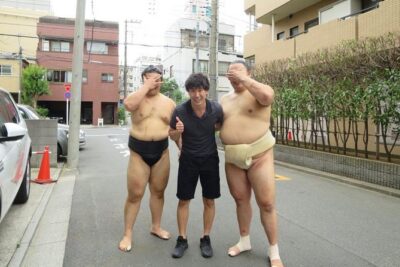
Tokyo Ryogoku Sumo Morning Practice + Photo Shoot with Wrestlers
Read our review →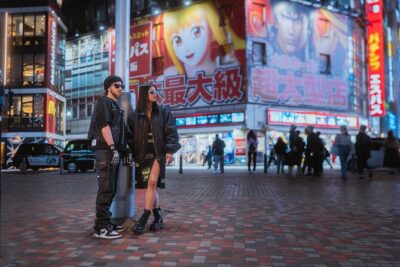
Tour with Pro Tokyo Photographer and take Edgy Unique Portraits
Read our review →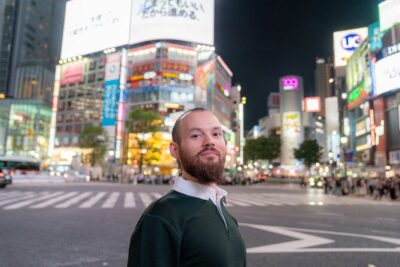
Tokyo Portrait Tour with a Professional Photographer
Read our review →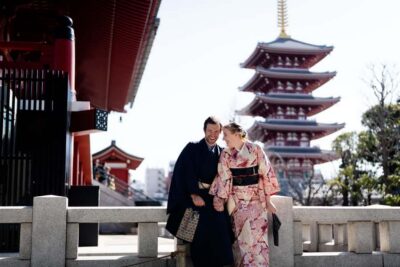
Tokyo Asakusa: Miu Kimono Rental and Optional Photoshoot
Read our review →
Photo Shoot with a Private Vacation Photographer
Read our review →
Membership Car Club GTR35 LibertyWalk Daikoku car meet photoshoot
Read our review →
Travel Tokyo with Your Own Personal Photographer
Read our review →
Tokyo Photoshoot Tour with a Local Photographer
Read our review →Browse the lists this tour appears in