
Reviewed · PHOTO TOURS IN TOKYO
Tokyo Ryogoku Sumo Morning Practice + Photo Shoot with Wrestlers
Sumo training in Tokyo feels personal. This unstaged morning practice tour gives you close access to wrestlers as they warm up, practice techniques, and follow stable rules, with tour photos included. The big downside to plan for is that the amount of background and interpretation you get can vary, so if you want lots of theory, come ready with questions.
You’ll meet at the Ryogoku area (skip the wrong station, it matters) and then follow your guide to a sumo stable that’s available that day. The tour is built for small groups, with a cap of 7 travelers, so you can actually hear the explanations when the guide is talking.
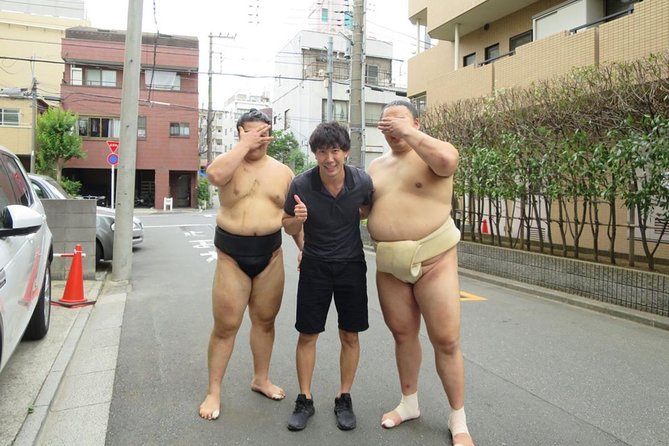
The other reality check is comfort and photos. You may have to sit on the floor for much of the session, and the stable can restrict or refuse photography of wrestlers or even group photos. That doesn’t ruin the experience, but it shapes what you should expect going in.
Key Things I’d Pay Attention To
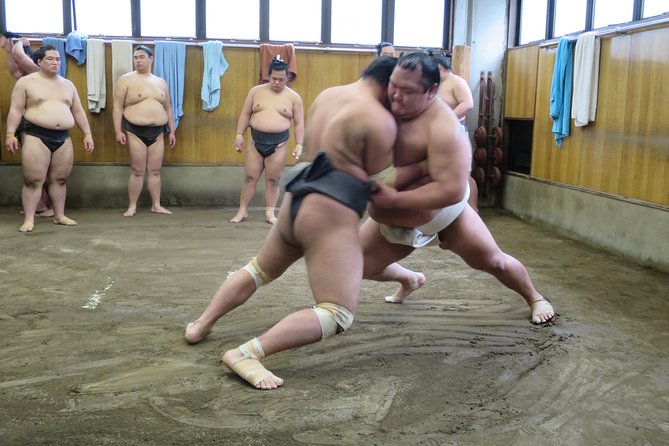
- Unstaged, real morning training in a stable setting, not a performance for tourists
- Tour photos included, though the stable controls whether you can take your own
- Small-group feel (up to 7 people), which helps questions and pacing
- Ryogoku location with easy transit access, meeting at JR Ryogoku East Exit
- Rules-heavy environment, including quiet viewing and off-limits stable areas
- Schedule changes are possible, since stables adjust last minute for tournaments and wrestler condition
Tokyo Sumo Morning Practice: What You’ll Actually See
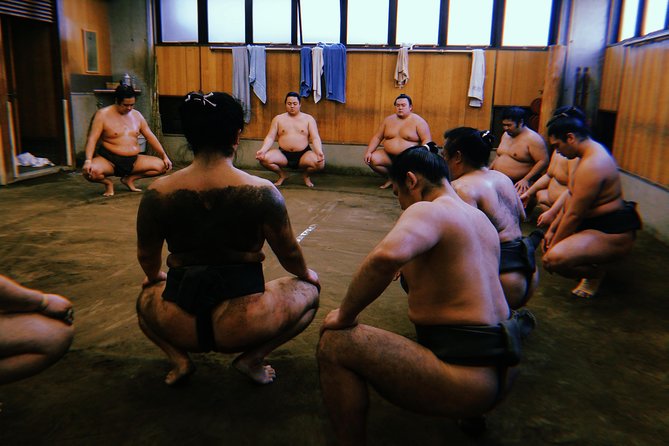
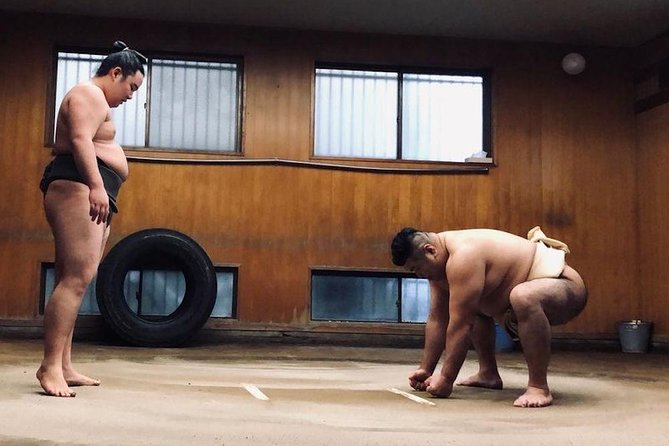
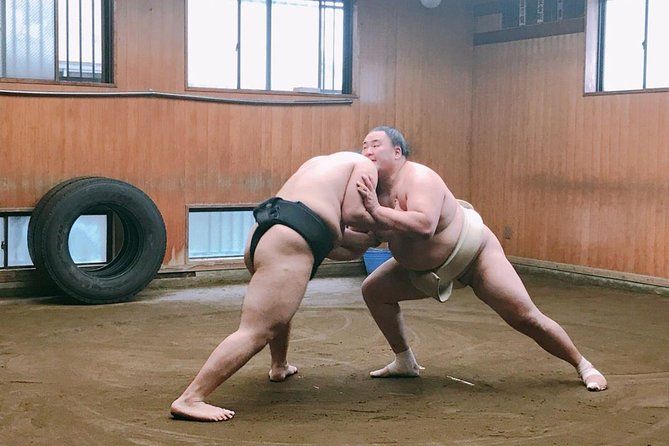
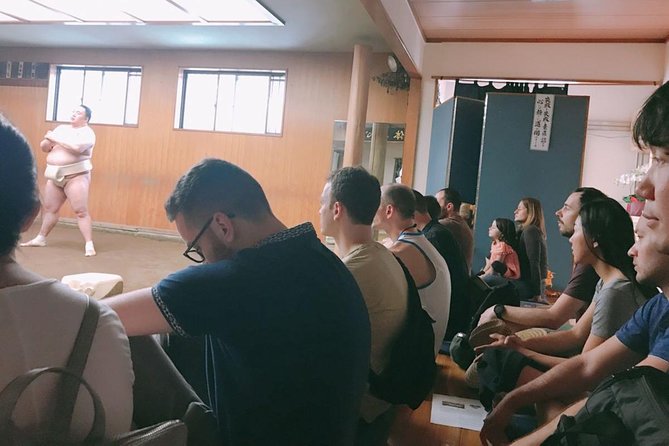
This tour is for one specific goal, and it does it well: you see sumo as training. Not the loud pageantry of a tournament arena. Not a choreographed “look at me” moment. Instead, you watch wrestlers practicing core movements, sparring drills, and the slower parts of preparation that show discipline and routine.
Sumo is hard to “figure out” from afar. Here, you’re standing where you can notice the details: how movements start, how wrestlers reset, and how the whole stable works like a small system. Even if you only know sumo from big matches, the morning practice is where the sport turns from spectacle into work.
One practical thing: the tour joins the practice for about an hour and a half. Practice length can extend, so the tour can run longer than the estimate. That’s normal for morning training days, and it’s also why you should keep your next plans flexible.
If you’re a sports fan, this is the kind of experience that changes how you watch later. You start recognizing effort, repetition, and hierarchy, not just the moments when someone gets thrown.
More Photo Tours in Tokyo
- Tokyo Sumo Morning Practice Tour w/ Ring-Side Seat + Photo Shoot
★ 5.0 · 93 reviews - Tour with Pro Tokyo Photographer and take Edgy Unique Portraits
★ 5.0 · 80 reviews - Tokyo Portrait Tour with a Professional Photographer
★ 5.0 · 58 reviews
Ryogoku Meeting Point and the One Station Mistake to Avoid
You start at Re.Ra.Ku Ryōgoku Ekimae, right by JR Ryogoku. The exact address is on the booking information, and you meet at the East Exit area under the elevated tracks. Your guide will hold a red/orange MagicalTrip board.
Tokyo has more than one Ryogoku station footprint, and the tour is very clear about this: do not go to Ryogoku Oedo Line Station. If you end up at the wrong one, you can lose the whole window, because the stable schedule does not wait.
Arrive early, and give yourself a buffer. The tour requires on-time start. If you’re late by more than 15 minutes, you won’t be able to join, and you won’t get a refund or reschedule. That harsh rule is there for a reason: once the stable has started, letting people filter in later disrupts the flow.
Walking to the Stable: The Part That Makes This Access Worth It
After you meet, your guide walks you to a sumo stable. The walk can take anywhere from 5 minutes to 30 minutes depending on which stable is available that day. That sounds simple, but it’s part of why a guide matters. Getting close access to a stable without local help can be difficult, and this tour solves that.
Once you arrive, you enter together and settle into the designated viewing areas. All areas in the stable are off-limits except for the tatami (straw flooring) areas. So you don’t roam for better angles. You watch where you’re allowed.
Also watch the group size dynamic. In some cases, if the group is large, you may be split into different groups visiting different stables. That means you should focus on your own experience rather than expecting every person in the booking to see the same exact schedule.
Quiet matters too. You should assume you’ll be asked to sit and watch without talking. Even when a guide is present, stable rules shape behavior during practice.
Tatami Seating for 1.5 Hours: Comfort Tips That Actually Help
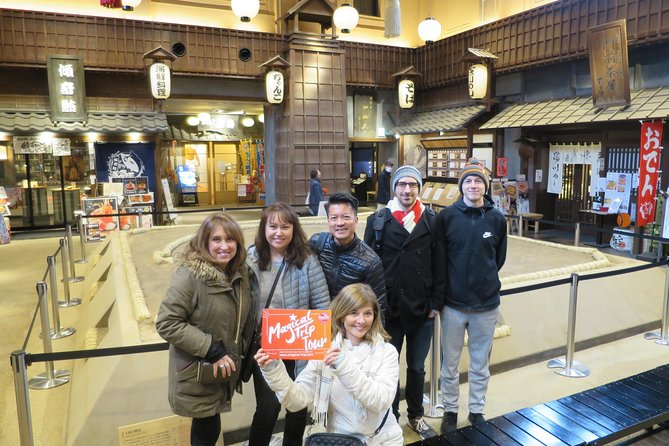
Plan for the floor. Most stables don’t offer chairs, and you may have to sit on tatami mats for the majority of the session. That’s a common “love it, but” point in the reviews, because the experience is intense, but your body might not be thrilled.
What I’d do before you go:
- Wear clothing that lets you sit still without fuss.
- Bring water, especially in summer when heat and humidity can be brutal.
- Consider a small cushion only if the stable rules permit it. The tour notes tatami areas, so follow what you’re told on-site.
Toilet timing is also worth your attention. The tour warns you might not be allowed to go during practice, so use facilities before the tour begins. That one step can save a lot of stress later.
If you’re thinking this will be a short “photo moment” and done, adjust your expectations. This is sitting time plus real training time.
More sumo experiences in Tokyo:
- Tokyo: Sumo Show Experience with Chicken Hot Pot and a Photo
★ 4.8 · 6,678 reviews - Tokyo: Sumo Show and Dining Experience
★ 4.8 · 2,742 reviews - the SUMO show
★ 5.0 · 1,960 reviews - Tokyo Shinjuku Sumo Show & Experience with Photo
★ 5.0 · 1,750 reviews
Photo Rules and Tour Photos: A Clear Expectations Check
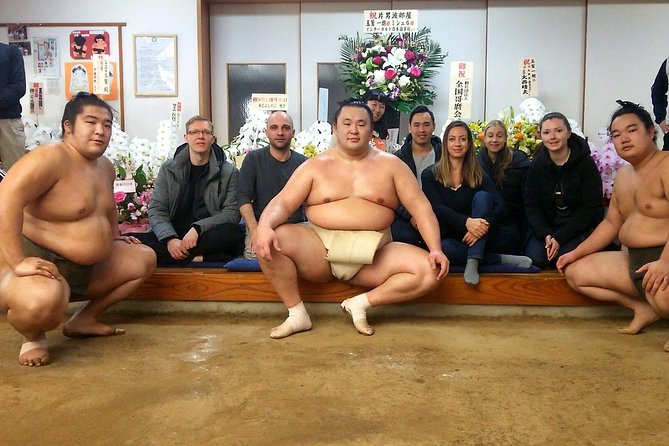
This tour includes tour photos. In other words, you’re not just relying on your phone to capture the moment.
But here’s the important part: the stable decides what is allowed. You might be allowed to take photos of the training. You might also get a chance for posed photos with the wrestlers after practice. Or you might be limited, because the stable can refuse photos of wrestlers and photos with wrestlers.
So I’d treat your photos as a possibility, not a guarantee. The tour is built around seeing training firsthand, not around winning a perfect camera shot.
If you care about pictures, show respect when instructions are given. One review described a situation where other visitors seemed to behave differently, while the guide maintained stable rules. You don’t want to be the person who causes the guide to have to correct behavior in the middle of a practice.
A final photo note: seating will be first come, first served inside the stable. If you arrive late to your stable group, you could end up seated 2 to 3 rows from the front. That doesn’t reduce the training quality, but it can change the angle for close-up shots.
The Ryogoku Kokugikan Stop: A Quick Sumo Town Walk
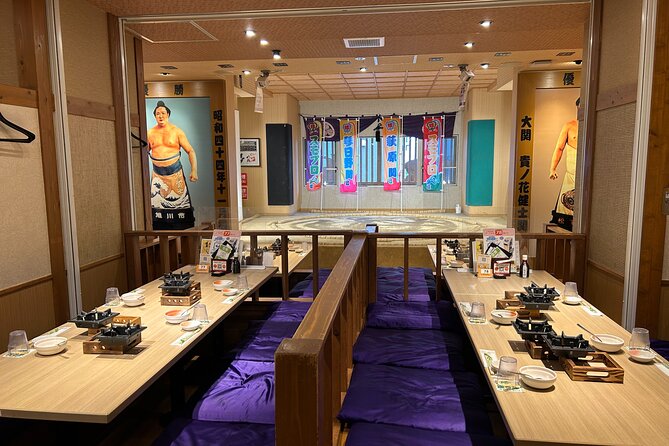
After the practice, you walk back toward Ryogoku Station. You also get a second stop connected to the sumo town vibe: Ryogoku Kokugikan for about 10 minutes. It’s listed as admission ticket free, and it comes with a local guide component.
This isn’t a long museum-style detour. It’s more of a short orientation moment. You’ll get a sense of the area that surrounds sumo, which helps connect the morning stable experience to the broader world of the sport.
Even if you’ve already visited Tokyo’s big sights, this quick stop gives context. You’re not just watching athletes in a private training space, you’re also seeing where sumo lives in the city.
Guides Matter: What You’ll Learn (and Why It Can Vary)
This tour is guide-driven, and that shows up strongly in the reviews you provided. People repeatedly praised guides who explained not just what you were seeing, but why it works: hierarchy, the rhythm of training, and the logic behind routines.
Several guide names came up:
- Mayu was praised for explaining history and both past and present sumo, with a strong sense of what viewers should notice during practice.
- Masao and Yumiko were described as friendly and detailed, pointing out intricate things most first-timers would miss.
- Ayaka and other guides were praised for prepping you before you walk to the stable, then answering questions during the session.
At the same time, there are also complaints about limited background. One common frustration was wanting deeper explanation of origins and the way wrestlers live, or wanting an agenda and a clearer rundown. That doesn’t mean you’ll get nothing, but it does mean you should come with curiosity rather than assuming the tour will function like a classroom.
My advice: when you arrive at the stable, ask one or two targeted questions early. For example, ask what the warm-up focus is that day, or how practice routines relate to upcoming tournament demands. Guides can work with real-time answers, and that makes the experience more personal and less repetitive.
Price and Value for a $98 Morning Access Ticket
At $98.16 per person, this is not a cheap “walk-in” activity. So you should judge value by what’s included and what’s hard to access on your own.
Here’s what you get for the money:
- A guided morning stable visit, which solves the access problem.
- Admission ticket included for the sumo practice portion.
- Tour photos included.
- A second, short stop in Ryogoku with a local guide element.
Also, the tour notes you do not need to pay the sumo morning practice entrance fee. That matters, because stable entry rules and tournament scheduling can make costs and logistics confusing.
What can affect value is expectations. If you expect an in-depth history lecture, or an explanation sheet for every stage, you might feel the tour is light on theory. If you mainly want real, close viewing time and a guide who helps you interpret what’s happening, the price starts to make more sense.
The small-group cap helps value too. You’re not just another body in a mass, which makes it easier to follow stable instructions and ask questions when there’s time.
When This Tour Works Best for You
This is a great fit if you:
- Love sports and want to see training mechanics, not just match highlights.
- Want an authentic cultural morning with strict etiquette and real routine.
- Prefer an easy Tokyo day where you start at a transit-friendly meeting point.
It’s also attractive for solo travelers. The reviews describe it as workable as a single-person activity because you’re sitting quietly during practice anyway, and the guide helps you understand what you’re watching.
This is less ideal if you:
- Need a lot of comfortable seating and expect chairs.
- Are very sensitive to long silent periods.
- Want a guaranteed photo strategy or deep, lecture-style context. Stable rules can limit photos, and explanation depth can vary.
Cancellation and Schedule Reality, Without the Stress
There are two main schedule realities you should respect:
1) Stables can adjust their practice schedule last minute based on tournament timing and wrestler condition.
2) Practice can be canceled due to sudden changes by the stable.
If the practice is canceled, the tour states you’ll receive a full refund shortly. Weather can also affect scheduling, and then you’ll be offered a different date or a full refund.
The main takeaway is to keep your travel plans flexible around that morning. If you’re trying to cram this tour into a tight agenda with no buffer, you may feel frustrated if something shifts.
Should You Book This Tokyo Ryogoku Sumo Morning Practice Tour?
I’d book this if your priority is simple and honest: you want to see sumo training up close in Tokyo’s sumo heartland. The combination of stable access, included admission for the practice portion, and included tour photos makes it feel like a structured way to get an experience most visitors struggle to arrange.
I would pause if your top priority is comfort, long explanations, or guaranteed photography. The tatami seating is real, and the stable controls photo permissions. Also, you might join practice mid-routine, and that can feel less “complete” if you expected a full start-to-finish explanation.
If you go in with the right mindset, you’ll come away with a stronger understanding of why sumo is so much more than a match. It’s routine, respect, and hard training, played out in the morning.
If you want, tell me your travel dates and whether you care more about photos or learning. I can help you decide if an 8:00 am start in Ryogoku fits your day plan.
FAQ
Where do I meet the guide for the Tokyo Ryogoku sumo morning practice tour?
You meet at Re.Ra.Ku Ryōgoku Ekimae near JR Ryogoku Station East Exit, with the guide holding a red/orange MagicalTrip board.
What time does the tour start?
The start time is 8:00 am.
Which Ryogoku station should I use?
Use Ryogoku JR Station East Exit. The tour warns not to go to Ryogoku Oedo Line Station.
Can children join the tour?
This tour is for guests aged 12 and over. Children younger than 12 cannot enter the sumo morning practice.
Are photos guaranteed during the practice?
Not guaranteed. The sumo stable decides whether guests can take photos of the wrestlers or photos with the wrestlers, so photography may be restricted or refused.
What happens if the stable cancels the practice?
If the practice is canceled due to last-minute changes by the sumo stable, you will receive a full refund shortly.
Fresh options around Tokyo
- Tokyo: Nikko Kegon Falls Lake Chuzenji Toshogu Temple & More★ 4.9 · 12 reviews
- Tokyo: Samurai History Walking Tour★ 5.0 · 12 reviews
- Harajuku: Kawaii Fashion and Pop-Culture Tour★ 4.7 · 12 reviews
- Tokyo: Mt. Fuji & Lake Kawaguchi Instagram Full Day Trip★ 4.1 · 12 reviews
- Shibuya Tokyo: Modern Kintsugi Workshop in Shibuya★ 5.0 · 12 reviews
- Tokyo: GTR Guided Daikoku Experience at Night★ 5.0 · 12 reviews
- Tokyo: Daikoku JDM Car Culture Tour★ 4.6 · 12 reviews
- Mt Fuji Private Day Trip from Tokyo with English speaking driver★ 5.0 · 13 reviews
Photo Tours in Tokyo, compared.
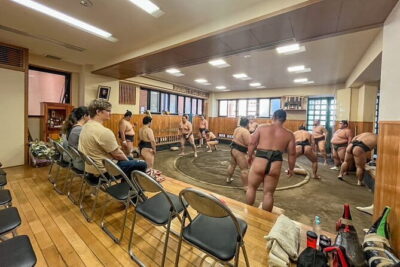
Tokyo Sumo Morning Practice Tour w/ Ring-Side Seat + Photo Shoot
Read our review →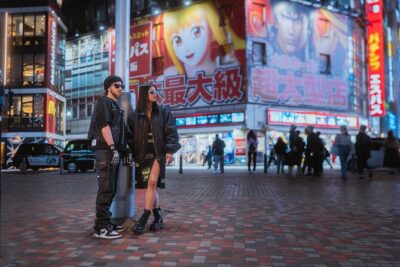
Tour with Pro Tokyo Photographer and take Edgy Unique Portraits
Read our review →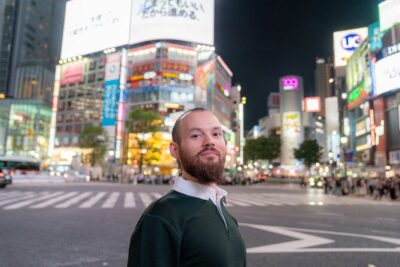
Tokyo Portrait Tour with a Professional Photographer
Read our review →
Tokyo Asakusa: Miu Kimono Rental and Optional Photoshoot
Read our review →
Photo Shoot with a Private Vacation Photographer
Read our review →
Membership Car Club GTR35 LibertyWalk Daikoku car meet photoshoot
Read our review →
Travel Tokyo with Your Own Personal Photographer
Read our review →
Tokyo Photoshoot Tour with a Local Photographer
Read our review →Browse the lists this tour appears in