
Reviewed · PRIVATE DRIVERS
Tokyo Private Tour by Car with English speaking driver
A private car can turn Tokyo from stressful to simple. This one is built for a smooth first-timer day, with hotel pickup and drop-off and an English speaking driver taking you between top sights. You can add a guide if you want extra context, or keep it mostly ride-and-see to save your energy.
What I like most is the time you do not lose. You get a car with parking handled and you can skip the constant train transfers, then still hit major stops like Tsukiji, Asakusa, Shibuya, and Odaiba.
One thing to consider: this is not a full-service escorted tour of every interior stop. Depending on the day and how your driver handles commentary, you may need to manage your own ticketing and entry, and the route can change if a place is closed.
Key highlights worth planning around
- Hotel pickup and drop-off means you can start and end where you actually are
- Flexible touring lets you adjust stops based on what you care about
- English speaking driver keeps navigation and timing calmer
- A mostly car-based day helps you conserve energy for Tokyo at night
- Tokyo Skytree is extra (¥2,500 per person), so plan your budget ahead
How a 10 hour private car day actually helps in Tokyo
Tokyo is not hard to navigate, but it is hard to do gracefully when you are tired. This private car setup is designed for exactly that problem. You get a proper vehicle, you start with a pickup at your hotel, and you end back at your hotel. That matters more than it sounds, because it removes two big drains: figuring out transit, and constantly recalculating your route when the day gets crowded.
I also like the “choice” angle. You can go with an English speaking driver only, or add an optional guide if you want deeper explanations while you are moving. If you are the kind of person who wants stories at each stop, a guide can turn the same sights into a better day. If you just want to see everything efficiently, the driver-only approach can feel refreshingly direct.
For a group, the value can get very good. The price is listed per group, up to 6 people, for about a 10 hour day. If you fill the car with 4 to 6 friends or family members, you are spreading the cost across more seats. If it is just two of you, it still can be worth it because your time is protected and the car does the heavy lifting.
More Private Car Days in Tokyo
- Mt Fuji Private Tour with English Speaking Driver
★ 5.0 · 861 reviews - Mt. Fuji & Hakone Private Day Tour with English-Speaking Driver
★ 4.5 · 824 reviews - Haneda Airport (HND) Private Transfer to Central Tokyo
★ 4.5 · 636 reviews
What you can expect from the driver, and where expectations should be clear
This experience is built around a private car plus an English speaking driver. Reviews and descriptions point to one big practical detail: drivers typically focus on driving, dropping you at the right spots, and keeping your day flowing, rather than acting like a guide who escorts you through each interior.
That is not a bad thing. It is just something you should confirm in your planning mindset. You are likely to do things like entering temples, walking through market areas, and moving through neighborhoods on your own at each stop. If you want someone to explain what you are looking at while you walk, that is where the optional guide matters.
I also recommend setting an expectation about commentary. One experience note I saw mentioned that there was less commentary during the drive than expected. So if you are paying for a narrative, ask upfront how commentary works on your specific departure. A named guide like Muneeb showed up in one positive review as someone who offered strong, friendly explanations. Another named driver, Bhatti, got praise for being extremely accommodating and knowledgeable. Names change, but the takeaway is solid: the best days are the ones where you get a good match and clear communication.
Price and logistics: what you are paying for
The total price is $453.24 per group (up to 6), for around 10 hours. That is not a “cheap” day trip, but private car sightseeing in Tokyo rarely is. What makes it feel reasonable is what is bundled: air-conditioned vehicle, parking fees, and a fuel surcharge.
The one ticket item you must budget for is Tokyo Skytree, listed at ¥2,500 per person, and that is not included. Everything else on the core stops is shown as free admission, like Tsukiji Fish Market, Senso-ji, and Meiji Jingu, plus the Imperial Palace time block. That balance matters. You can keep most costs predictable, then handle Skytree as an add-on.
Here is a simple way to judge value before you book:
- If your group is 4 to 6 people, this often works out to a smart alternative to juggling multiple transit tickets, taxis, and timing stress.
- If you only have 1 or 2 people, ask yourself if you are buying comfort and saved time more than “cost savings.” In Tokyo, that tradeoff can still be worth it.
The itinerary flow: Tsukiji to Skytree, then temples to fashion
The day is structured like a best-of route that reduces backtracking. You start with Tsukiji, swing through Asakusa, head into central Tokyo for the Imperial Palace area and Meiji Jingu, then move toward the youth fashion corridors in Harajuku, wrap up with Shibuya, and finish with Odaiba.
That sequence is practical. The stops are clustered by geography, so you are not spending your limited time trapped in traffic between far-apart neighborhoods.
A few more Tokyo days worth comparing
- Mt Fuji and Hakone 1-Day Bus Tour Return by Bullet Train
★ 5.0 · 26,383 reviews - 1-Day Tokyo Bus Tour
★ 5.0 · 14,250 reviews - Tokyo: TOKYO SKYTREE® Admission ticket
★ 4.5 · 11,192 reviews - Tokyo: teamLab Planets TOKYO Digital Art Museum Entry Ticket
★ 4.6 · 9,779 reviews
Stop 1: Tsukiji Fish Market (about 1 hour 15 minutes)
Tsukiji is one of those places where you can feel the city’s pulse instantly. For this stop, you are there long enough to wander and look around without rushing, and the ticket cost is listed as free. The real value is sensory: the sounds, the quick movement, and the seafood culture that makes Tsukiji famous.
A smart way to use your time here is to pick a target vibe before you go in. If you want food samples, plan to spend a portion of your hour and change on snacks. If you want photos, arrive with a quick shot list so you do not get pulled in every direction at once. Either way, wear comfortable shoes because this area can be standing-heavy.
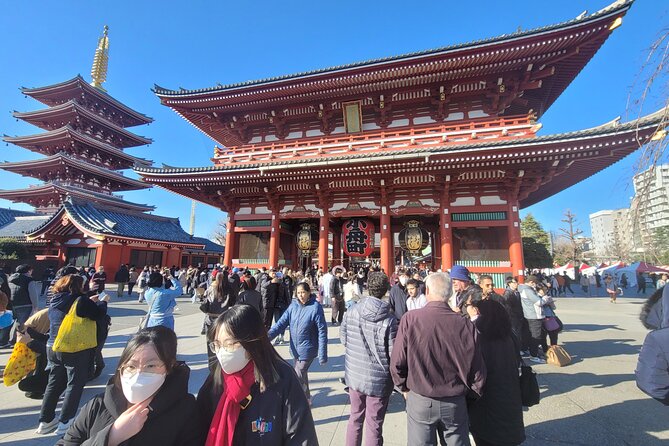
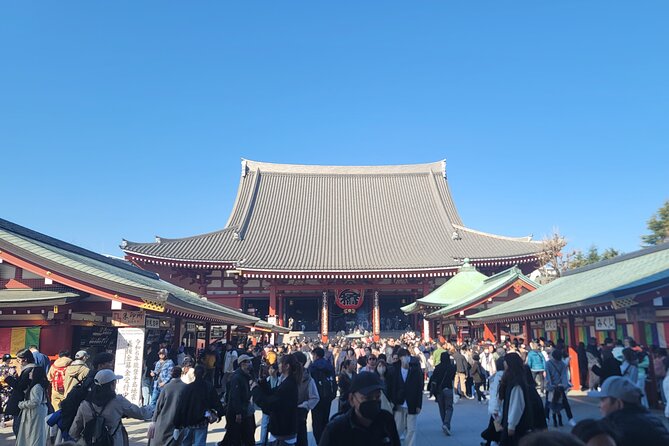
Stop 2: Senso-ji in Asakusa (about 1 hour 30 minutes)
Senso-ji is a classic Tokyo temple experience and it earns the crowds for a reason: it is easy to find your bearings and it has a lot going on around the main grounds. Admission is listed as free, so you can focus on the experience instead of ticket math.
The car helps here in a very real way. Asakusa is busy, and walking paths can be confusing if you are doing it from scratch. Dropping you near the action saves you from spending your best daylight figuring out where to turn.
When you plan your time, decide what matters most:
- If it is the temple area and main views, stay toward the core for photos and atmosphere.
- If you also want shopping streets and side lanes, give yourself extra space to wander.
Stop 3: Tokyo Skytree (about 1 hour 30 minutes, ticket not included)
Skytree is where Tokyo turns into an overhead city. The big catch: admission is not included, and the ticket price is listed as ¥2,500 per person. So this is not a “walk up and go” stop if you have not budgeted for it.
Because you have limited time in a 10 hour day, I suggest treating Skytree like a planned highlight rather than an optional detour. If the weather looks clear, that is when a high viewpoint usually pays off. If skies are gray, you might still enjoy it, but your photo expectations should be realistic.
You should also mentally prepare for time spent inside: ticketing, elevator or access procedures, and then your viewing window. That is why the block is long enough at about 1 hour 30 minutes, but it still can feel quick if you stop too often for photos on the way up.
Stop 4: Imperial Palace (about 45 minutes, free admission)
The Imperial Palace is not a typical “temple you rush through” stop. It is more about atmosphere and the sense of place. You have about 45 minutes, which is enough for a calm look, but not enough to treat it like a half-day museum.
One important real-world consideration: closure days can affect your plan. One disappointment noted that the Imperial Palace was closed on Mondays for their group. So if your tour day falls on a day when parts of the palace grounds may not be accessible, you should expect your driver to adjust. In practice, the best move is to ask your driver or operator before departure how closures are handled and what your backup might be.
Stop 5: Meiji Jingu Shrine (about 45 minutes, free admission)
Meiji Jingu is the kind of stop that helps your day breathe. You get a break from shopping streets and crowds without losing the sense that you are still seeing major Tokyo landmarks. Admission is listed as free, and the stop is set at about 45 minutes.
This is also a good spot for a reset. Plan to slow down, take fewer photos, and pay attention to the surroundings instead. If your group is traveling with kids, this is often a manageable stop length because it is not an all-day hike.
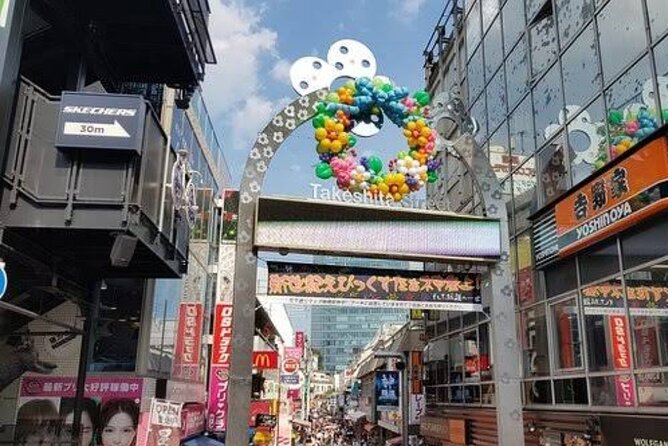
Stop 6: Takeshita Street in Harajuku (about 1 hour 15 minutes, free admission)
Takeshita Street is the pop culture and fashion corridor many visitors want to see. It is fun, loud, and visually busy, so the car drop-off can be a big help. You get time to walk and browse without having to navigate the area from scratch.
A practical tip: this is a “wander with a purpose” street. If you simply wander without a plan, you can burn time quickly. Set a goal like looking for a couple of snacks, browsing small shops, and picking one outfit-style vibe to photograph.
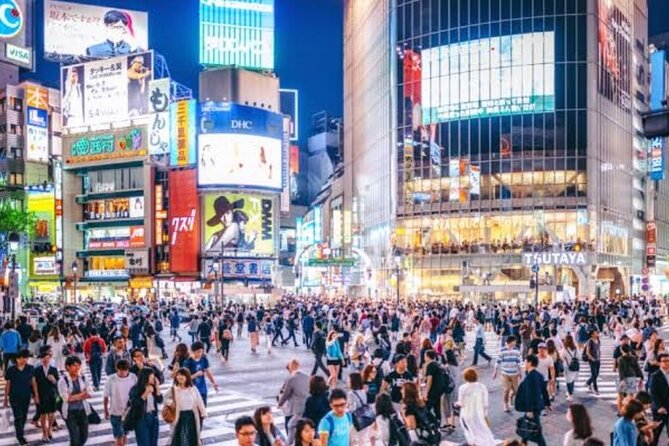
Stop 7: Shibuya Crossing (about 45 minutes, free admission)
Shibuya Crossing is famous for a reason, and seeing it in real life is different from videos. The best part of having a car here is that you can arrive with less stress. Once you are there, you can control your moment: watch the crowd cycle, find a comfortable place to stand, and take a few photos without hauling your bags through transit stations.
If your group wants to go in multiple directions afterward, use this stop as your regroup point. Forty-five minutes is enough for crossing views and basic photo time.
Stop 8: Odaiba district (about 45 minutes, ticket not included)
Odaiba is a change of pace. It feels more modern and waterfront-oriented, and it can be an ideal way to end the day because you can still get good views even if everyone is tired.
The note here is simple: the stop is short, so do not try to do everything. Choose what you want from Odaiba, then enjoy it. If you want a final photo moment and a bit of walking, take it. If you want minimal walking, you still get enough time to soak in the area.
How to use this tour for different traveler types
This private car day works especially well for:
- First-time Tokyo visitors who want a high-impact route without planning every hop
- Families who need manageable walking distances and less transit stress
- Small groups who want flexible stops, not a rigid group bus schedule
- Time-crunched travelers who would rather see the essentials than spend a full day commuting
If you are the kind of traveler who loves ultra-deep museum hours, long neighborhood lunches, or slow-tempo photography, this might feel like “see and move on.” The day is built for coverage. The best way to get your preferred pace is to use the flexibility option and focus the itinerary around what matters most to your group.
Practical advice so you do not get caught by closures or time slips
Because this route includes several major landmarks, it relies on the day running smoothly and on places being accessible. Here is how you protect your experience.
First, ask the driver how they handle closures and timing for your date. The disappointment story I saw included an itinerary mismatch because stops were closed and the tour time ended early. I cannot predict your day, but I can tell you the fix. Confirm the backup plan mindset before you set off.
Second, do not assume every interior will take exactly the same time. If Tsukiji feels crowded that day, you might want to shorten your shopping browse. If Shibuya lines or street crowds change, you can adjust your photo plan. Your driver can likely help with re-centering your route.
Third, plan for the car ride to be comfortable but still expect walking. Shoes matter. Carry water. Keep your phone charged. Tokyo days can feel easy, until you realize you walked more than you thought while everyone was busy taking photos.
Driver quality is the difference maker, so choose with your eyes open
The best thing about this experience is the human factor. In positive accounts, drivers and guides like Muneeb and Bhatti were described as friendly, kind, and accommodating, with strong English skills and solid knowledge. That is huge, because when you trust the person driving, your whole day feels lighter.
At the same time, not every group will get the same vibe. If you want a more interpretive experience, pick the option that includes a guide and confirm how they will use commentary. If you want pure transportation with minimal extra talking, that can also work, but go in knowing you might be doing more of the on-site exploration yourself.
Should you book this Tokyo private car tour?
I would book it if you want a high-efficiency Tokyo sampler with hotel pickup and drop-off, and you prefer comfort over transit puzzles. It is especially strong for groups who value time, want to hit the big sights like Tsukiji, Senso-ji, Shibuya, and Skytree, and would rather spend their energy on evening plans than on getting across town.
I would think twice if you expect a step-by-step guided experience at every interior stop, or if your trip depends on hitting a specific site that might be closed on your day. If you do book, do yourself a favor and ask the driver or operator how they handle closures and what the “guide vs driver” difference looks like for your departure.
FAQ
Is hotel pickup and drop-off included?
Yes. The tour includes pickup from your hotel and drop-off afterward, so you do not need to plan route logistics on your own.
How long is the tour?
It runs for about 10 hours.
How many people can be in a group?
The tour is priced per group and supports up to 6 people.
What stops are included during the day?
The main stops are Tsukiji Fish Market, Senso-ji Temple, Tokyo Skytree, the Imperial Palace, Meiji Jingu Shrine, Takeshita Street, Shibuya Crossing, and Odaiba.
Is Tokyo Skytree admission included?
No. Tokyo Skytree tickets are not included, and the price is listed as ¥2,500 per person.
What is included in the price besides transport?
The price includes an air-conditioned vehicle, parking fees, and a fuel surcharge.
Fresh options around Tokyo
- Luxury Tokyo Sake, Cocktail, Whisky and Pairing Tour★ 5.0 · 18 reviews
- Tokyo: Tsukiji walk & sushi private tour with Uni Students★ 5.0 · 17 reviews
- Tokyo : Authentic Samurai Experience in a Private Space.★ 5.0 · 18 reviews
- Tokyo:Daikoku JDM Street Culture Tour in wrapped 86★ 4.7 · 18 reviews
- Make Your Own Bonsai with a Professional Bonsai Artist in Tokyo★ 4.5 · 18 reviews
- Tokyo: Alvark Tokyo Basketball Game Ticket★ 4.5 · 18 reviews
- Tokyo Asakusa Sensoji Temple Night Walking Tour★ 5.0 · 18 reviews
- Akihabara Otaku Group Tour★ 4.5 · 18 reviews
Private Drivers, compared.
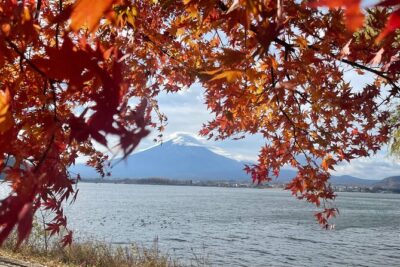
Mt Fuji Private Tour with English Speaking Driver
Read our review →
Mt. Fuji & Hakone Private Day Tour with English-Speaking Driver
Read our review →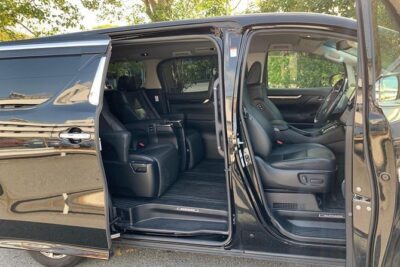
Haneda Airport (HND) Private Transfer to Central Tokyo
Read our review →
Mt. Fuji, Hakone Full-Day Private Tour with English Driver Guide
Read our review →
Mt. Fuji Day Trip from Tokyo with English Speaking Driver Guide
Read our review →Mt. Fuji Private Tour with English Speaking Driver
Read our review →
Mt. Fuji & Hakone Private Custom Tour English Driver
Read our review →
Narita Airport (NRT) Private Transfer to Central Tokyo
Read our review →Browse the lists this tour appears in