
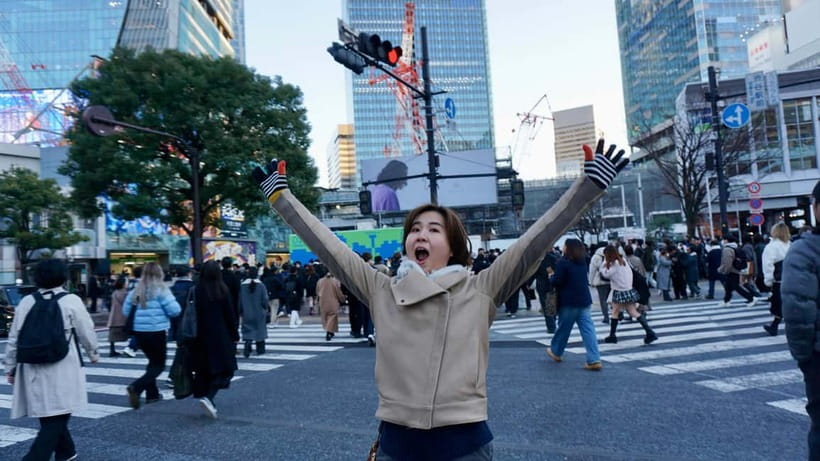
Reviewed · FOOD & DRINK
Tokyo: Pre Japan Planning Kit: Itineraries, Food & Survival
Tokyo planning got easier. This self-guided digital kit bundles a PDF itinerary with restaurant recommendations and a printable survival card, so you can move through Tokyo with confidence.
You also get a clear structure for a short trip or a longer stay, plus enough free time built in to adjust when your day goes off script. The downside is simple: there’s no live guide, so you’ll rely on the PDFs and your own navigation.
Quick highlights that matter before you book
- Shinjuku start point you can plug into Maps (including coordinates)
- Easy-to-follow PDFs for 1 to 4 days with day structure
- Budget-minded food picks across Tokyo areas
- Printable Japanese survival card for common everyday situations
- Offline-friendly files via a private Google Drive link
A local Tokyo planning kit that stays practical
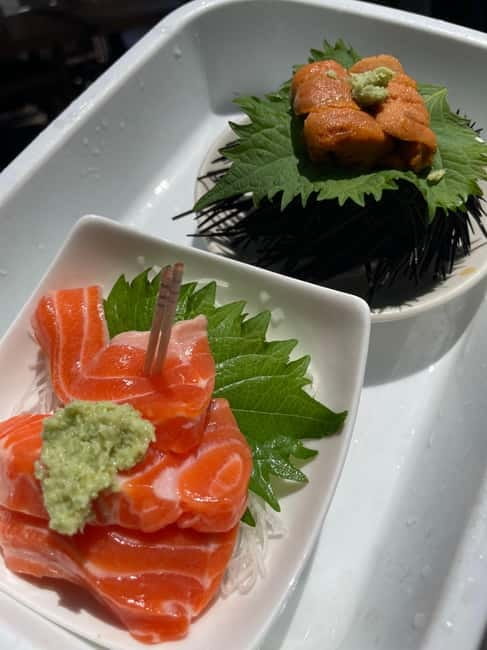
This planning kit is built for real travel days, not armchair tourism. It comes from Nikolai and Kaho, a Norwegian and Japanese married couple who have lived in Japan for years and have worked as tour guides before creating their own product.
What you’re buying is a way to get your first Tokyo plan together quickly, then use it at your pace. The “best places” angle here is personal, but the output is practical: you get route structure, food ideas, and language help you can keep on you.
I also like that it is not sold as a one-size-fits-all “ultimate guide.” You can follow the plan closely, or swap meals, switch neighborhoods, and insert your own detours.
More food tours in Tokyo:
- Tokyo: Shinjuku Food Tour (13 Dishes at 4 Local Eateries)
★ 5.0 · 6,603 reviews - Tokyo Tsukiji Fish Market Food and Culture Walking Tour
★ 5.0 · 3,184 reviews - Tokyo: Shinjuku Food Tour (15 Dishes and 4 Eateries)
★ 4.9 · 2,033 reviews
Price and value: $20 per group up to 15

At $20 per group up to 15 people, this is priced like a low-stress planning tool, not a tour you feel guilty for outgrowing. The value really shows up when you consider what you receive for that price: multiple itinerary PDFs, a restaurant recommendation guide, and a printable survival card.
If you’re traveling with friends or family, the per-group model matters. You can split the cost, then everyone benefits from the same core plan and the same language card.
One more way to think about value: Tokyo can chew up time fast when you’re searching for food and figuring out routes from scratch. This kit is basically time-savings in digital form. For a trip where your schedule is tight, that can be worth a lot.
Getting oriented in Shinjuku, with a real starting anchor
Your starting point is Shinjuku City, with Shinjuku Station listed as a neutral meeting reference since they do not know your accommodation. They even provide coordinates: 35.6938253, 139.7033559.
Why this matters: Shinjuku is one of those Tokyo hubs where trains and neighborhoods connect in complicated ways. If you begin from a known point, the rest of your day is easier. Even if you later adjust and start from your hotel, you can still use Shinjuku as your “reset” location when plans shift.
Also, you should remember this is digital only. There’s no meeting point where someone waits for you, so your “start” is really your first navigation reference, then you build outward.
How the 1 to 4 day structure works in real life
The kit includes 1 to 4 day Tokyo itinerary PDFs. Each day plan is organized into time blocks and activity types, so you are not stuck guessing what to do next.
From the format they describe, a typical day follows a flow like:
- break time
- photo stop
- visit sightseeing areas
- breakfast, lunch, dinner planning
- street food and local snacks
- shopping and walking
- free time for whatever you discover
This structure is what I’d call “guided by rhythm,” not guided by a person. It works especially well for first-time visits, because Tokyo is huge. You need a schedule shape, even if you change the details.
Same corner of Japan, a different kind of day:
- Mt Fuji and Hakone 1-Day Bus Tour Return by Bullet Train
★ 5.0 · 26,383 reviews - 1-Day Tokyo Bus Tour
★ 5.0 · 14,250 reviews - Tokyo: TOKYO SKYTREE® Admission ticket
★ 4.5 · 11,192 reviews - Tokyo: teamLab Planets TOKYO Digital Art Museum Entry Ticket
★ 4.6 · 9,779 reviews
Day planning reality check: you still have control
Because it’s self-guided, the PDFs do not trap you. You can keep the day outline, then move meal stops earlier or later depending on queues, weather, or how fast you walk.
The one drawback to keep in mind is that you must actively use the plan. If you ignore the PDF and wander freely without checking the next time block, you might lose the efficiency the kit is designed to give you.
Morning to night: turning itinerary blocks into a smooth Tokyo day
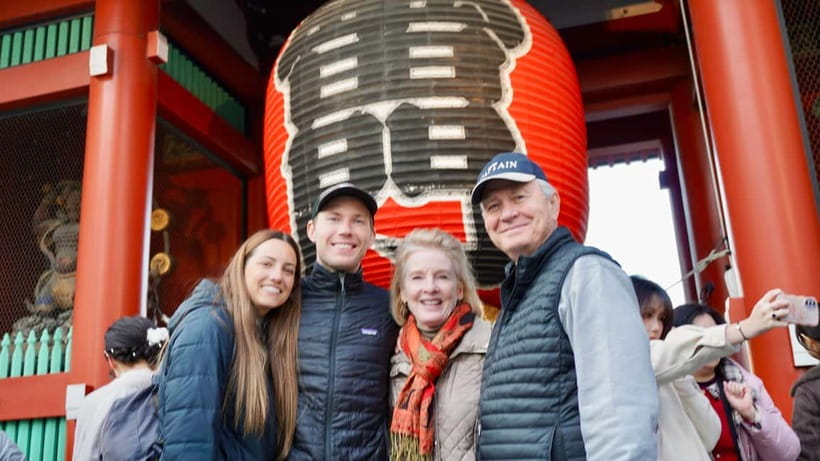
The itinerary format they list is broad, but that’s not a flaw. Tokyo travel works best when you treat each day as a sequence of useful moments rather than a rigid checklist.
Here’s how the described day blocks can play out for you:
Breakfast and the first neighborhood reset
Breakfast is included in the day plan, which helps if you tend to start “late” on vacation. In Tokyo, eating early can also set the tone for your day, because you’ll spend less time later hunting for something that fits your budget and cravings.
If you like to move quickly, use breakfast as your anchor. Finish, then head straight to the next “visit” or sightseeing block on the plan.
Photo stop and sightseeing with built-in pacing
They include a photo stop and sightseeing time, plus walking and “scenic views on the way” for the day. That combo matters because some of the best Tokyo moments are in the travel between places, not only at the destination.
Practical tip: plan your photo stop with the assumption that you might want to linger. Tokyo streets and stations are busy, and your best photos often take a few minutes longer than you expect.
Lunch and regional food planning that avoids decision fatigue
Lunch is scheduled, and the kit uses the phrase regional food plus local snacks. Even without a long list of named venues in the info provided, the important part is the intent: you’re given options so you are not stuck deciding every time hunger hits.
This is especially useful if you have dietary constraints or just want to stay within an affordable travel style. Having suggestions ready makes it easier to say yes when you see something that works.
Street food and local snacks as your flexible mid-day win
Street food and local snacks are called out in the itinerary style. That’s a smart choice because Tokyo snack culture is real, and it fits naturally into short gaps between major stops.
I’d treat street food as your flexible “fuel.” If a line is too long, you can swap snacks based on what’s nearby without breaking your whole day plan.
Shopping and free time, so Tokyo can surprise you
Shopping and free time are included, which is important. Tokyo rewards curiosity, and rigid touring often makes you miss the small storefronts and side streets that catch your eye.
If you want to stay focused, use shopping as a defined window. If you want freedom, keep the free time buffer wide enough to detour.
Dinner planning that keeps your night from turning into a scramble
Dinner is included in the day flow. That’s helpful because late-night hunger can turn into a stress spiral when you still need to get to your next train or consider crowds.
You can follow the kit’s restaurant recommendations for dinner, or use them as a shortlist. Either way, you’re making fewer decisions when you’re tired.
The restaurant recommendation guide: budget-friendly and neighborhood-spread
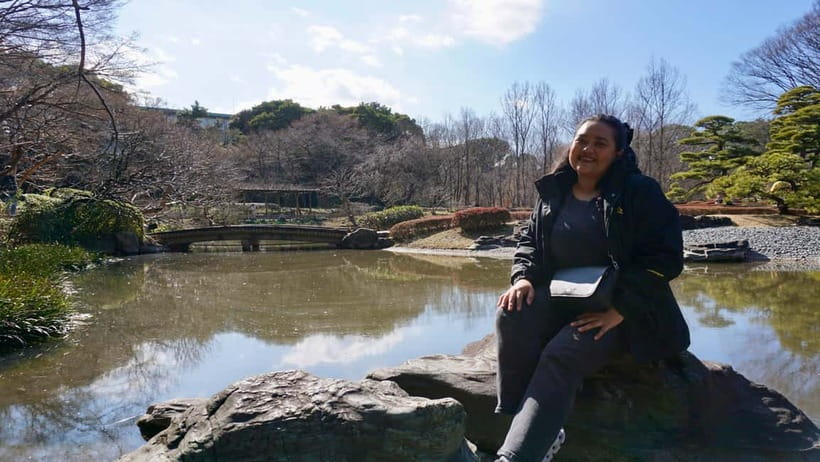
A big part of why this kit feels useful is that it includes Tokyo restaurant recommendations. The information they provide says the picks are “mostly affordable” and spread across different areas.
That combination is what you should look for in any food list for Tokyo. If every suggestion is clustered in one area, your route becomes a logistical puzzle. If every suggestion is fancy or far outside your walking and transit pattern, the plan stops being realistic.
The guide also comes with “personal food recommendations,” which is helpful because it reflects how they like to eat, not just what’s famous online. You get ideas that match an everyday travel style, including street food and snacks as part of the broader strategy.
One practical way to use the restaurant guide:
- Pick one place as your lunch anchor
- Pick one or two backup options nearby
- Leave dinner more flexible if your day timing shifts
That keeps your day smooth even when Tokyo traffic and crowds do what crowds do.
The Japanese survival card: your on-the-spot language safety net
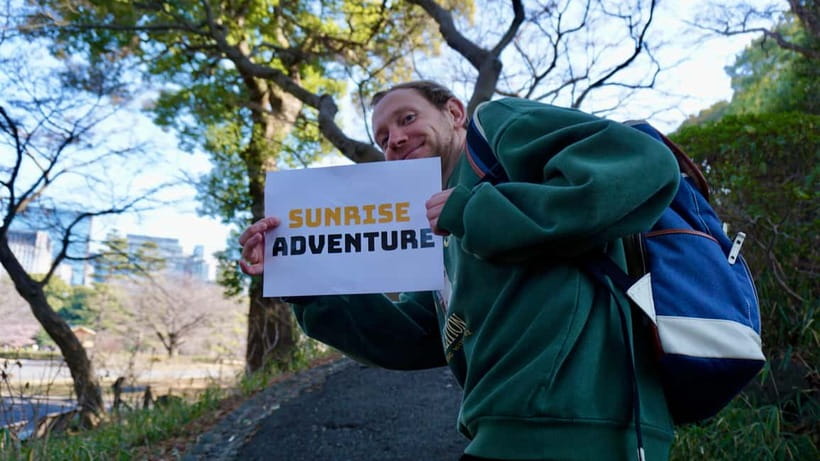
One of the smartest inclusions is the Japanese survival card. It’s printable and mobile-friendly, and it’s meant for everyday travel situations.
They describe it as useful phrases and words that are absolutely necessary for traveling in Japan. Even if you already know some Japanese, having a compact card reduces friction. You can focus on what you actually want to do, like asking for directions, handling basic situations, or getting key points across without overthinking.
Print it if you like physical redundancy. Save it on your phone if you want instant access. The best setup is both, because Tokyo travel can be unpredictable when battery life and phone access get complicated.
Offline access via Google Drive, and why it helps in Tokyo
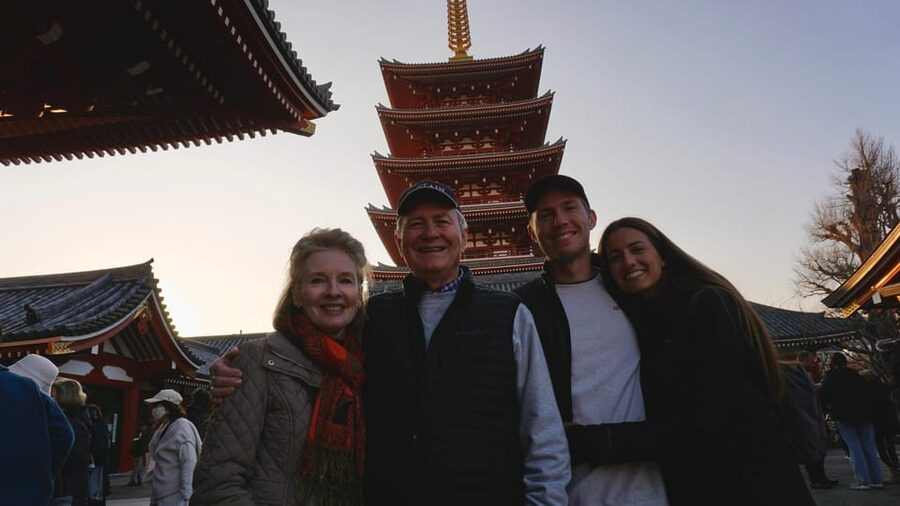
After booking, you receive a private Google Drive link within 3 days. The materials are available as downloadable PDFs, and you can save them to your phone or device so they work offline during your trip.
This is not a small detail in Tokyo. Transit delays, signal issues, and data roaming costs can make you feel stranded if your plan is online-only. Offline PDFs give you control, so you can keep moving and trust the schedule.
Also, Google Drive access means you can view everything from one place before you leave. Then you can copy what you need to your offline folder.
Self-guided at your pace, no live guide required
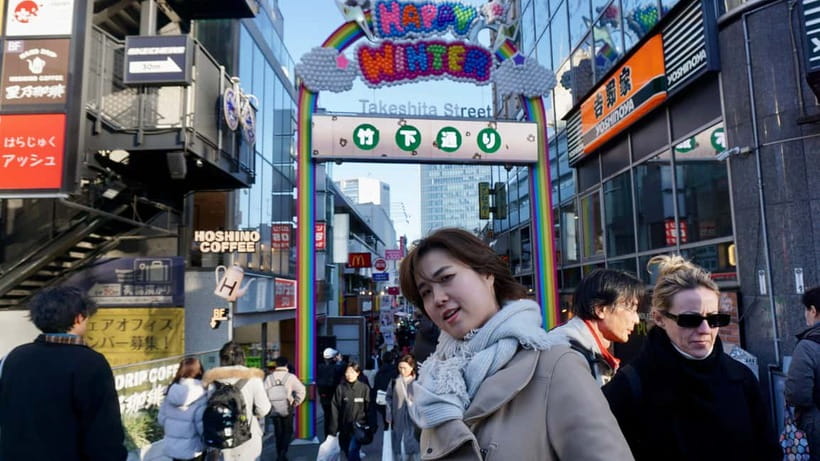
This is fully self-guided with no meeting point and no in-person activity. They explicitly position it as something you can use independently at your own pace.
For me, that’s the main appeal. You are not locked into a group rhythm. You can rest when you need it, slow down for photos, or change meals when the situation feels better.
The tradeoff is equally clear: you own the navigation decisions. If you tend to get stressed when you are planning on the fly, you’ll want to give yourself a little prep time before you arrive, then keep the PDF open as your fallback.
Who this kit suits best, and who might want something else
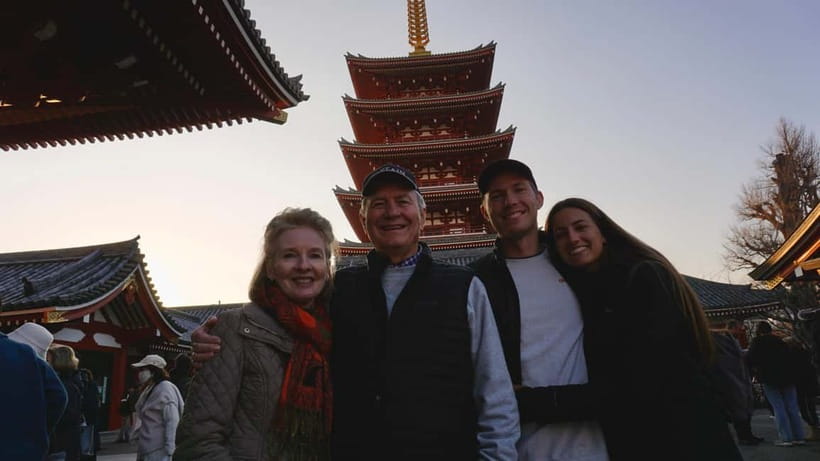
This works best for:
- First-time visitors who want an organized Tokyo plan without committing to a full guided tour
- Travelers who want flexibility and do not want to follow a fixed group schedule
- People who like having a food shortlist ready so decision-making does not eat their day
It might be less ideal if you strongly prefer a live guide who can react in real time, or if you want fully specific, named attractions day by day spelled out with no room for adjustment.
Also note: the experience is digital only. There’s no physical tour, no guide walking you around, no in-person help.
Should you book the Pre Japan Planning Kit?
If you want to arrive in Tokyo feeling ready and not drowning in research tabs, I think this is an easy yes. You get a structured approach for a 1 to 4 day trip, a restaurant guide designed for practical eating, and a survival card you can keep close.
The value is also compelling for the price. $20 per group up to 15 makes it easy to justify for couples, friends, or families who share plans.
Book it if you like self-guided travel and you’re comfortable using PDFs and offline files. Skip it if you feel you need a human guide to make the day work for you.
In short: this kit is a strong planning backbone for Tokyo days, especially if you’re the kind of traveler who wants a good plan but still wants Tokyo to surprise you.
FAQ
Is this a guided tour with a live guide?
No. This is a digital product only, with no meeting point and no in-person activity included.
What is included in the planning kit?
You get 1 to 4 day Tokyo itinerary PDFs, a Tokyo restaurant recommendation guide, and a Japanese survival card that is printable and mobile-friendly, plus Google Drive access to download everything.
How do I receive the materials after booking?
You receive a private Google Drive link via email within 3 days after booking.
Can I use the PDFs offline during my trip?
Yes. You can save the downloadable PDFs to your phone or device so they are available offline.
Where does the itinerary start?
It lists Shinjuku City as the starting location, and uses Shinjuku Station as the reference point, with coordinates provided (35.6938253, 139.7033559).
How long is the experience?
The kit includes 1 to 4 day Tokyo itineraries, and the experience duration is set as 4 days.
Is the information in English?
Yes. The materials are provided in English.
How much does it cost?
It costs $20 per group up to 15 people.
Can I cancel and get a refund?
Yes. You can cancel up to 24 hours in advance for a full refund.
Fresh options around Tokyo
- Tokyo: Nikko Kegon Falls Lake Chuzenji Toshogu Temple & More★ 4.9 · 12 reviews
- Tokyo: Samurai History Walking Tour★ 5.0 · 12 reviews
- Harajuku: Kawaii Fashion and Pop-Culture Tour★ 4.7 · 12 reviews
- Tokyo: Mt. Fuji & Lake Kawaguchi Instagram Full Day Trip★ 4.1 · 12 reviews
- Shibuya Tokyo: Modern Kintsugi Workshop in Shibuya★ 5.0 · 12 reviews
- Tokyo: GTR Guided Daikoku Experience at Night★ 5.0 · 12 reviews
- Tokyo: Daikoku JDM Car Culture Tour★ 4.6 · 12 reviews
- Mt Fuji Private Day Trip from Tokyo with English speaking driver★ 5.0 · 13 reviews
Food & Drink, compared.
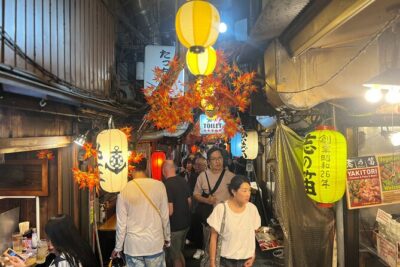
Shinjuku Food Tour (13 Dishes at 4 Local Eateries)
Read our review →
Tokyo Tsukiji Fish Market Food and Culture Walking Tour
Read our review →
Shinsekai Food Tour with 13-15 Dishes at 5 Eateries
Read our review →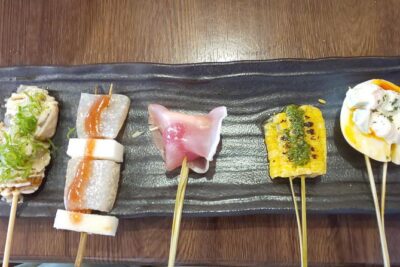
Osaka Food Tour: 13 Dishes at 5 Local Eateries
Read our review →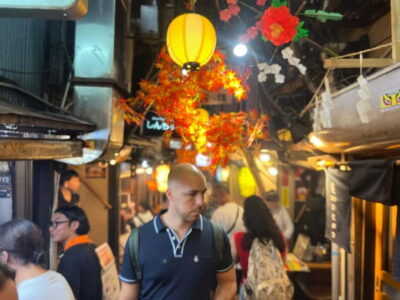
Shinjuku Food Tour (15 Dishes and 4 Eateries)
Read our review →
Best of Shinjuku: Izakaya Food Tour (4 Stops, 14+ Tastings)
Read our review →
Kyoto Night Foodie Tour in Gion (9+ dishes + 6 Sake tastings)
Read our review →
Hungry Osaka Street Food Tour:15 Tastings & 3 Drinks with a Local
Read our review →Browse the lists this tour appears in