
Kamakura and Yokohama in one day, wow. I really like how this trip compresses the big-name sights without turning them into a frantic race, plus you get hotel pickup and drop-off so you skip the early transit stress. I also like that your bilingual chauffeur adds local context as you move between temple lanes and waterfront streets. The one drawback to think about is simple: it is a 10-hour day with walking, and it is not suitable for wheelchair users or pregnant travelers.
You will start in Tokyo, then go south to Kamakura for temples and that famous bronze icon, the Great Buddha. After that, you’ll swing over to Yokohama for Sankeien Garden, Chinatown, a ramen-themed stop, and Minato Mirai by the water, including views toward the 296 meter Landmark Tower.
Key Things I’d Plan For
- Hotel pickup and drop-off keeps the day smooth, especially if you want sleep in.
- Great Buddha at Kōtoku-in is the visual anchor of Kamakura, about a 13-meter-high bronze statue.
- Temple variety in a tight route, from Hase-dera and Tsurugaoka Hachimangu to the Hokokuji bamboo forest.
- Sankeien Garden can be seasonal, and December may not feel like the best time to linger.
- Yokohama’s Minato Mirai area delivers easy waterfront strolling and skyline photo ops near Landmark Tower.
- Entrance fees and meals are on you, but bottled water is included.
Getting Out of Tokyo Without Losing Your Morning
The biggest value here is the door-to-door start. You get pickup in Tokyo and a return drop-off when the day wraps, with water bottles included. That means you are spending your energy looking at Kamakura and Yokohama, not figuring out trains, platforms, and transfers with a full day ahead.
This is also a good format if you prefer a private group. The tour is designed for a private group up to 6 at the listed group price, and the operator notes that groups over 5 may involve an additional charge. Either way, the practical benefit is that your guide can pace the day around your interests and your walking comfort.
One more logistics point that matters: it runs about 10 hours total, including commuting time. You should expect some travel time between Kamakura and Yokohama, so treat the day like a long outing, not a casual stroll.
A few more Tokyo days worth comparing
- Mt Fuji and Hakone 1-Day Bus Tour Return by Bullet Train
★ 5.0 · 26,383 reviews - 1-Day Tokyo Bus Tour
★ 5.0 · 14,250 reviews - Tokyo: TOKYO SKYTREE® Admission ticket
★ 4.5 · 11,192 reviews
Kōtoku-in and the Great Buddha: Why This Stop Is the Headliner
Kamakura’s morning highlight is Kōtoku-in, famous for the Great Buddha of Kamakura. The statue is about 13 meters high, and it has been standing since the 15th century. Even if you think you already know what the Great Buddha looks like, seeing it in person is still its own thing. It is not a tiny photo prop. It is big, heavy-feeling presence.
This is a stop built for photos and quiet staring. You will have roughly one hour here for sightseeing and walking. The key is to show up with comfortable shoes and take a few minutes to notice the details around the grounds, not just the statue at first glance.
If you are sensitive to heat or strong sun, this is when you feel it most. Bring a hat and sunscreen, and use your camera early if you want steady shots before crowds and changing light.
Hase-dera, Tsurugaoka Hachimangu, and Hokokuji Bamboo: Different Temple Moods
After the Great Buddha, the day moves through Kamakura’s temple circuit, each stop with its own feel.
At Hase-dera, you’re in a quieter, more scenery-friendly zone. You get about one hour here for sightseeing and walking. This is the kind of place where the atmosphere matters as much as the sights, so slow down just a bit and let the temple grounds unfold.
Then comes Tsurugaoka Hachimangu, another major shrine stop with its own energy. You’ll have about one hour there as well. I like this mix because it prevents the day from feeling like repeat photo angles. One stop is about bronze scale. Another is about temple grounds. Another feels like a shrine day, with different pathways and visual rhythm.
Finally, you hit Hokokuji Bamboo Forest for a very different kind of experience. You get about one hour for sightseeing and walking. The bamboo grove tends to feel cool and shaded compared with open areas, and it is also a natural backdrop for photos. If you like contrast, this stop works. It turns a day of temples into a day of micro-worlds.
Practical note: because these are multiple walking stops, your shoes matter more than you think. Plan for uneven paths, temple steps, and time spent standing still for views.
Sankeien Garden in Yokohama: Preserved Houses and a Seasonal Reality Check
Sankeien Garden is a botanical park built around preserved Japanese residences from different eras. You’ll get about one hour here for sightseeing and walking. This is a different kind of Japanese culture experience than temples. Instead of shrine rituals, you’re studying how houses and gardens relate to daily life, seasonal change, and landscape design.
It is also where I’d pay attention to timing. One traveler flagged a useful reality: Sankeien Garden may feel less worth it in December, even though spring or fall can be more dramatic. I don’t think that means you should cancel your day, but it does mean you should adjust expectations. If you are visiting in winter, aim to treat the garden like a calm walk, not a guaranteed wow-season moment.
If you’re the type who loves architecture, garden layouts, or atmospheric walks where you can take your time, this stop gives you that. If you mainly want big monuments, you might skim. Either way, it is a strong change of pace before you jump back into city energy.
Same corner of Japan, a different kind of day:
- Tokyo: teamLab Planets TOKYO Digital Art Museum Entry Ticket
★ 4.6 · 9,779 reviews - Mt Fuji & Hakone Cruise, Drum Show Bullet Train 1 Day from Tokyo
★ 4.0 · 7,413 reviews - Tokyo: Sumo Show Experience with Chicken Hot Pot and a Photo
★ 4.8 · 6,678 reviews - Tokyo: Shinjuku Food Tour (13 Dishes at 4 Local Eateries)
★ 5.0 · 6,603 reviews
Chinatown, Shopping Stops, and Where Your Guide Helps Most
Next up is Yokohama Chinatown, and it is built for wandering and eating options. You’ll have about 1.5 hours for shopping and sightseeing. The whole area is packed with Chinese restaurants and shops, so even if you do not stop for a meal, you still get the texture of the place.
This is where I like having a guide. You can use local tips to choose what looks good and what fits your tastes. You might not know what to order or where the lines move fastest, and a bilingual chauffeur can help you make quick decisions without turning Chinatown into homework.
Even if you do not plan to buy much, use this time to:
- Browse and compare shop styles
- Watch the busy rhythm around street corners
- Take a few photos before you lose the light
Just remember meals are not included on this tour, so budget your food separately.
Shin-Yokohama Ramen Museum: A Food-Themed Break From Sightseeing
After Chinatown, you’ll head to the Shin-Yokohama Ramen Museum for about one hour of sightseeing and walking. This is not a temple, shrine, or garden stop, so it works as a mental break. It is also a good choice if your day has turned into a lot of walking in religious spaces. Food themes are a reliable way to reset.
Entrance fees are not included in the tour price, so plan for that cost if you go in. The good part is that you get a full hour, which is enough time to look around and decide how deep to go.
If you are traveling with people who love food culture more than architectural details, this stop usually earns points. If your group prefers outdoors and views, use the hour to focus on the areas that interest you most and save your energy for Minato Mirai.
Minato Mirai and Landmark Tower Views: Waterfront Time With a Real Payoff
Then you reach Minato Mirai, Yokohama’s waterfront district. This is the part of the day where the pace can feel lighter. You’ll have time for sightseeing and walking, and the itinerary also includes a 30-minute free time window for you to breathe, take photos, and choose your own pace.
Minato Mirai is tied to the 296 meter Landmark Tower, and it is the kind of location where even brief strolling gives you a big urban view. This is also where you might feel the difference between temple days and city days. You are not navigating sacred grounds now. You’re walking along a modern waterfront, looking out, and letting the city show you its scale.
A practical tip: use free time to do one specific thing. For example, pick one viewpoint and commit to it. If you keep options open too much, the time disappears.
Your Bilingual Chauffeur: The Difference Between a Good Day and a Great Day
A big selling point is that you get a live guide who speaks English and Japanese, described as a bilingual chauffeur with local tips. That matters because this route can otherwise feel like a list of place names. With a guide, you get context as you go, and that helps each stop stick in your brain.
In the positive experiences tied to this tour, guide service has been praised for being friendly, knowledgeable, and safe with driving. One named guide that stood out was Kasim Ali, described as knowledgeable and providing an easy, comfortable pace. Another name that popped up was Qesm Ali, praised for service and punctuality.
That said, quality can vary on any private tour product. One negative account described communication problems and a guide struggling to provide meaningful Japan context. So here is my advice to protect your day: if something feels off, say so early. Confirm you are on track for each planned stop and that you understand what costs are separate.
Also, the tour includes water bottles, and smoking is not allowed. If you do not see the water right away, ask promptly. These are small things, but they can shape your comfort during a long day.
Price and Value: What You’re Really Paying For at $474
At $474 per group up to 6, the price is not about cheap thrills. You are paying for time-saving convenience and a private guide day that strings together Kamakura and Yokohama in about 10 hours. That includes pickup and drop-off in Tokyo and bottled water.
To judge value, I look at three things:
- Time: you avoid the hassle of coordinating public transit for a full day packed with stops.
- Walking efficiency: you’re not spending energy wandering between sites you found on your phone.
- Human context: temple and garden stops are more enjoyable with explanations, especially if you do not read Japanese.
Meals and entrance fees are not included. That is typical for tours like this, but it affects your total cost. Still, if you compare the cost of guided private transport plus a full route day, the price can feel fair for families, couples, and small groups who want less friction.
Just keep expectations tight: it is a full day. If you want a slow, lounge-style outing, you might find the pacing a bit packed.
When This Tour Fits Best (and When It Does Not)
This is a strong match if you want:
- Temple and cultural sightseeing in Kamakura
- A waterfront city day in Minato Mirai
- A mix of classic icons and modern food-themed culture in Yokohama
- A private experience with English/Japanese guidance and local tips
It is not a fit for wheelchair users. It also lists pregnant women as not suitable. The reason is likely the walking and the overall day structure, so trust that guidance.
Suitability also comes down to your walking tolerance. You’ll be on foot through multiple stops, including temple areas and a bamboo forest walk, plus city strolling and a garden section. Plan on comfortable shoes, and take rest when you can.
Should You Book This Kamakura and Yokohama Private Day Trip?
If you like structured days with smart stops, this is worth serious consideration. The Great Buddha at Kōtoku-in, the mix of Kamakura temple experiences, and Yokohama’s Minato Mirai waterfront are a good combo for first-timers who want variety without juggling train schedules.
I would book it if:
- You want hotel pickup and drop-off
- Your group enjoys temples, gardens, and one or two food or shopping stops
- You prefer a private guide who can explain what you’re seeing
I would rethink it if:
- You visit in winter and you care a lot about gardens feeling dramatic, since Sankeien Garden may feel less worth it in December
- Your group has limited mobility or needs a more accessible format
If you do book, the best move is simple: wear your most supportive shoes, pack sun protection, and treat the day as an organized sightseeing run with short breaks. Do that, and you will come home with a very full photo roll and a clearer sense of how Kamakura and Yokohama each work.
FAQ
Is hotel pickup and drop-off included?
Yes. The tour includes pickup and drop-off in Tokyo, so you do not have to arrange your own transport between stops.
How long is the day trip?
The duration is approximately 10 hours, including commuting time.
What are the main places you’ll visit?
You’ll visit Kōtoku-in (Great Buddha), Hase-dera, Tsurugaoka Hachimangu, Hokokuji Bamboo Forest, Sankeien Gardens (Yokohama), Yokohama Chinatown, Shin-Yokohama Ramen Museum, and Minato Mirai, with time included for sightseeing and a short free-time window.
Are meals included in the price?
No. Meals are not included.
Are entrance fees included?
No. Entrance fees are not included.
What languages does the guide speak?
The live guide and chauffeur provide English and Japanese.
Is the tour suitable for wheelchair users or pregnant women?
No. The tour is listed as not suitable for wheelchair users and not suitable for pregnant women.
Is there free cancellation, and can I pay later?
Yes. You can cancel up to 24 hours in advance for a full refund. You can also reserve now and pay later.
Fresh options around Tokyo
- Tokyo: Nikko Kegon Falls Lake Chuzenji Toshogu Temple & More★ 4.9 · 12 reviews
- Tokyo: Samurai History Walking Tour★ 5.0 · 12 reviews
- Harajuku: Kawaii Fashion and Pop-Culture Tour★ 4.7 · 12 reviews
- Tokyo: Mt. Fuji & Lake Kawaguchi Instagram Full Day Trip★ 4.1 · 12 reviews
- Shibuya Tokyo: Modern Kintsugi Workshop in Shibuya★ 5.0 · 12 reviews
- Tokyo: GTR Guided Daikoku Experience at Night★ 5.0 · 12 reviews
- Tokyo: Daikoku JDM Car Culture Tour★ 4.6 · 12 reviews
- Mt Fuji Private Day Trip from Tokyo with English speaking driver★ 5.0 · 13 reviews
1-Day Tours, compared.
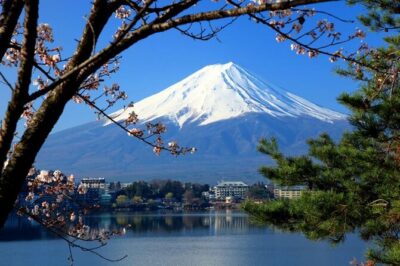
Mt Fuji and Hakone 1-Day Bus Tour Return by Bullet Train
Read our review →
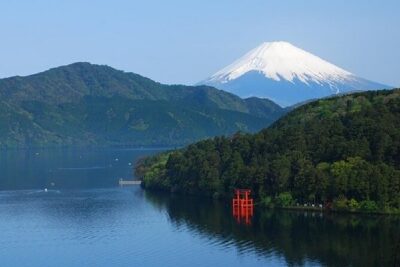
Mt Fuji & Hakone Cruise, Drum Show Bullet Train 1 Day from Tokyo
Read our review →
Peaceful Hiroshima & Miyajima UNESCO 1 Day Bus Tour
Read our review →
Fushimi Inari, Kinkakuji, Bamboo Grove 1 Day Bus Tour
Read our review →
Browse the lists this tour appears in