Reviewed · TOKYO TOURS
Tokyo Ikebana, Japanese Traditional Flower Arrangement Experience
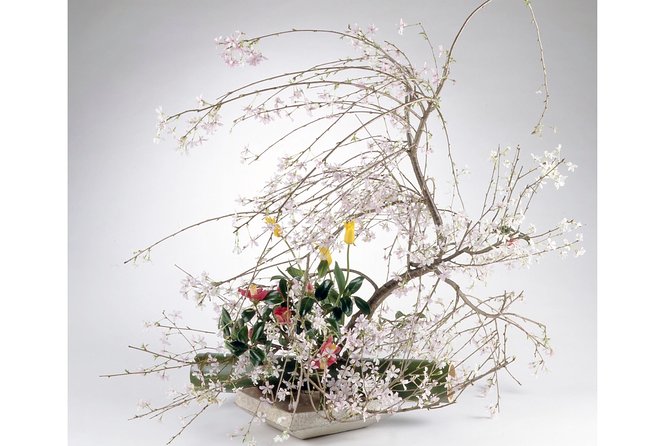
Flowers become philosophy in one short lesson. This Ikebana class in Nakano turns a centuries-old Japanese flower tradition into something practical you can do in about an hour, using in-season local blooms and a hands-on approach that feels calm, not complicated.
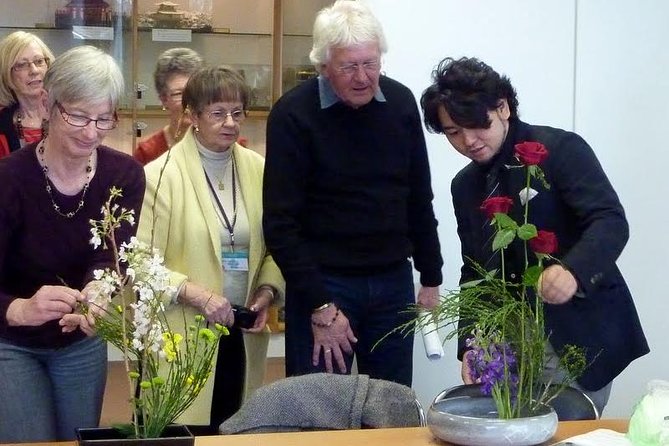
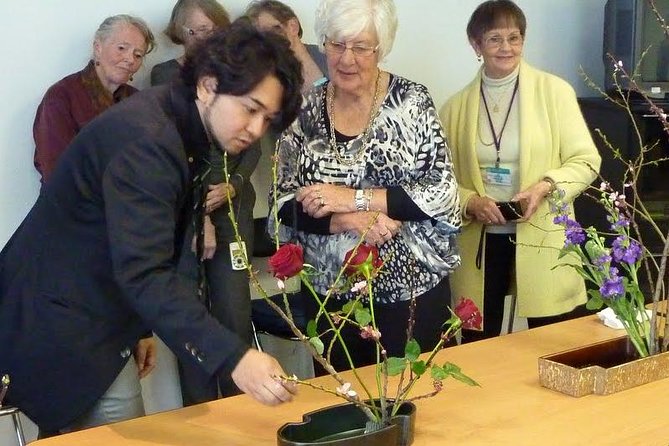
I like two things a lot. First, you start with the basics behind form, angle, and the way materials should be shown to express their best qualities. Second, you do the work right after the explanation, and the instructor checks what you make, then gives advice so your arrangement improves as you go.
One consideration before you book: it is a non-refundable experience, so you will want a schedule you can count on. Also, since it runs from one meeting point and stays there, plan your transit to Nakano City ahead of time.
Key highlights you will actually feel during the class
- Beginner-focused teaching, including what angles and shapes look right
- Hands-on time to create your own arrangement, not just watch
- Seasonal local flowers for extra meaning and freshness
- Instructor feedback after you finish your piece
- Materials provided, so you do not need to bring vases, tools, or extra supplies
Entering The Ikebana School in Nakano (and finding it fast)
This experience happens in Nakano City, Tokyo, at a home base for an ikebana school. Your meeting point is 4-chōme-20-5 Nakano, Nakano City, Tokyo 164-0001, Japan, and the activity ends back at the same place.
That might sound simple, but it matters. When an activity is truly one-location, you can arrive, focus, and leave without adding extra transit stress. The class also runs as a small group, with a maximum of 10 people, which helps the instructor keep an eye on each person’s progress.
You will also get a mobile ticket. That is a small thing, but it means less paper fuss while you are juggling trains, snacks, and your next sightseeing plan.
A few more Tokyo days worth comparing
- Mt Fuji and Hakone 1-Day Bus Tour Return by Bullet Train
★ 5.0 · 26,383 reviews - 1-Day Tokyo Bus Tour
★ 5.0 · 14,250 reviews - Tokyo: TOKYO SKYTREE® Admission ticket
★ 4.5 · 11,192 reviews
What the 1 hour 10 minutes includes, step by step
This is an efficient lesson: about 1 hour 10 minutes from start to finish. You are not being asked to spend half a day learning terminology. Instead, the structure is built around seeing the logic first, then applying it quickly.
Here is how the flow typically works in this kind of class format:
1) Learn the basics of ikebana
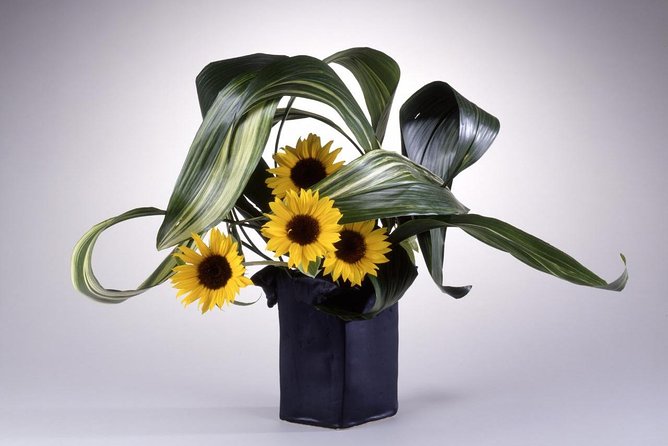
You start with instruction on what makes ikebana look intentional. The most important idea is not just arranging flowers. It is learning how to bring out the charm of the materials, including plants and the vase itself.
2) Watch how the style works in practice
You get guidance on what angles look attractive, how to build pleasing shape and movement, and which combinations tend to look best.
3) Make your own arrangement
After the explanation, you create your own piece. The flowers used are local and in season, so your arrangement does not feel like a generic craft project. It feels like it belongs to Tokyo right now.
4) Instructor feedback and photos
Once you finish, the instructor looks at your work and offers advice on how to improve it. You also get time to take plenty of pictures so you can remember what you made, not only what you learned.
If you like experiences that are short, hands-on, and not overly staged, this timing is a plus.
Learning the basics: angles, shape, and why it looks right
Ikebana has a reputation for being strict. In this class, the tone is more helpful than intimidating. The goal is to give you a foundation you can immediately use, even if it is your first time.
You will be taught that the key is expressing the beauty of the materials. That means you pay attention to things most people ignore when they just toss flowers into a container, like:
- The angle of each element and how it directs the eye
- The overall shape and movement of the composition
- How the materials interact with the vase, not against it
The class also connects ideas like geometry and philosophy to real arranging steps. That is one reason it works well for beginners. When you understand the logic behind a style, you can make choices confidently instead of copying blindly.
And because the instructor teaches to your level, you should not feel behind. If you can follow directions and keep a steady pace, you can make something you will be proud of.
Making your own seasonal arrangement with provided materials
You do not need to bring anything. Flowers and equipment are provided, including what you need to work with stems, structure, and your vase.
That is a big value point. In many “Japanese culture” activities, you still end up chasing supplies or dealing with awkward add-ons. Here, the class supplies the essentials, so your main task is learning and creating, not shopping.
The flowers are local and in season. That means the arrangement you make is built around what is actually available at the moment, which often makes the class feel more special than generic blooms shipped in from everywhere.
A practical benefit: because you use the same materials you were taught with, your instructor feedback is easier to understand. When they suggest an adjustment, it is grounded in what is physically in front of you, not in some idealized example.
Same corner of Japan, a different kind of day:
- Tokyo: teamLab Planets TOKYO Digital Art Museum Entry Ticket
★ 4.6 · 9,779 reviews - Mt Fuji & Hakone Cruise, Drum Show Bullet Train 1 Day from Tokyo
★ 4.0 · 7,413 reviews - Tokyo: Sumo Show Experience with Chicken Hot Pot and a Photo
★ 4.8 · 6,678 reviews - Tokyo: Shinjuku Food Tour (13 Dishes at 4 Local Eateries)
★ 5.0 · 6,603 reviews
Instructor feedback and photo time, so you leave with proof
You will not just finish and walk away. After you complete your arrangement, the instructor looks at it and gives advice on what could be better.
This is one of the most praised parts of the experience. People consistently mention that the instruction is supportive, patient, and enthusiastic, with a balance of explanation and hands-on guidance. Names like Naohiro Kasuya and Mrs. Shimakawa come up in accounts of the class, and regardless of the specific teacher you get, the common thread is clear step-by-step coaching.
Photo time matters too. In a craft class, it is easy to remember the feeling and forget the details. With time built in for photos, you can capture how your arrangement looked, then recreate similar structure later.
One small tip from an everyday maker’s angle: take your photos before you pack everything away. If you wait until the end, you are often rushed, and you miss the chance to get clean shots.
Pricing and value: is $67.28 fair for this kind of class?
At $67.28 per person, this class is not “cheap,” but it also is not trying to be a budget workshop. The value comes from several things you would otherwise pay for or struggle to replicate:
- Materials are included, so you are not buying stems, tools, or a vase
- Local, in-season flowers are used for your arrangement
- You get structured teaching on basic principles, not random guessing
- The class is small, capped at 10 travelers, which supports real guidance
- You get instructor feedback and time for photos
Think of it as paying for expertise plus the materials. If you tried to teach yourself from books, you would still need flowers, tools, and someone to correct your angles and structure when it does not look right. Here, the class gives you that correction in real time.
If you want a souvenir, this is a thoughtful one too. Even if you do not take the physical arrangement home (it is not stated here), you still leave with something more useful than a trinket: a skill you can practice when you are back at home.
Who should book this Ikebana experience in Tokyo
This is a great fit if you want something authentic, calm, and creative that still feels “Tokyo,” not generic. It is also ideal if you like learning through making.
It is designed for people age 6 and over. If you are traveling with kids, note that children aged 12 and younger must be accompanied by a parent.
Because the instructor teaches to your level, it works whether you are:
- Brand-new to flower arranging
- Curious about Japanese culture beyond temples and food
- Interested in a quiet activity with a clear structure
Who might want to consider a different option? If you want a long, museum-style explanation, this is not it. This is about doing, not hours of lectures. If you want a fast, hands-on cultural experience with a clear endpoint, then this is exactly the right size.
Logistics that matter: transit, hotel pickup, and small-group pace
The class is near public transportation. That helps because Nakano is not the hardest area to reach, but Tokyo trains can still be a puzzle if you are moving between neighborhoods.
One helpful option: the instructor can be sent to any hotel you stay in Tokyo. If you hate train transfers, ask yourself if hotel pickup would save you time and energy.
Also keep in mind the class location is one spot. There are no extra stops, so your main job is getting there on time.
Finally, the experience is set up for a small group, with a maximum of 10 people. That small size is not just a number on paper. It changes the feel of the class, because it makes feedback possible instead of leaving you on your own.
Should you book Tokyo Ikebana with materials included?
I think you should book it if you want a beginner-friendly activity that teaches real principles and gets you creating the same day. The combination of structured basics, hands-on arranging, seasonal flowers, and instructor feedback makes this a strong value for the time.
Skip it if your schedule is fragile. Since it is non-refundable and cannot be changed, you need confidence that you can make the session. And if you dislike any activity where you must follow step-by-step directions, this may feel like more work than you want.
If those two points fit your travel style, this is a smart add to a Tokyo itinerary, especially on a day when you want something calmer than nonstop walking.
FAQ
How long is the Tokyo Ikebana experience?
It lasts about 1 hour 10 minutes.
Where does the experience meet?
The meeting point is 4-chōme-20-5 Nakano, Nakano City, Tokyo 164-0001, Japan. The activity ends back at the meeting point.
What is the age requirement?
The program is designed for people 6 years of age and over. Children aged 12 years and younger must be accompanied by a parent.
Are flowers and tools provided?
Yes. All materials are provided, including flowers and equipment, so you do not need to bring anything.
How big is the class?
The experience has a maximum of 10 travelers.
Can the instructor come to my hotel?
The instructor can be sent to any hotel you stay in Tokyo.
What is the cancellation policy?
This experience is non-refundable and cannot be changed for any reason.
Fresh options around Tokyo
- Tokyo: Nikko Kegon Falls Lake Chuzenji Toshogu Temple & More★ 4.9 · 12 reviews
- Tokyo: Samurai History Walking Tour★ 5.0 · 12 reviews
- Harajuku: Kawaii Fashion and Pop-Culture Tour★ 4.7 · 12 reviews
- Tokyo: Mt. Fuji & Lake Kawaguchi Instagram Full Day Trip★ 4.1 · 12 reviews
- Shibuya Tokyo: Modern Kintsugi Workshop in Shibuya★ 5.0 · 12 reviews
- Tokyo: GTR Guided Daikoku Experience at Night★ 5.0 · 12 reviews
- Tokyo: Daikoku JDM Car Culture Tour★ 4.6 · 12 reviews
- Mt Fuji Private Day Trip from Tokyo with English speaking driver★ 5.0 · 13 reviews
Tokyo Tours, compared.
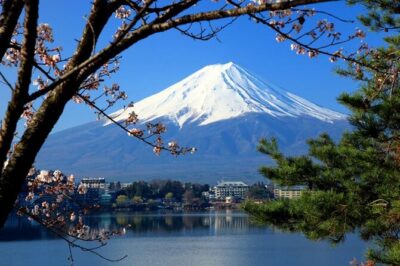
Mt Fuji and Hakone 1-Day Bus Tour Return by Bullet Train
Read our review →


teamLab Planets TOKYO Digital Art Museum Entry Ticket
Read our review →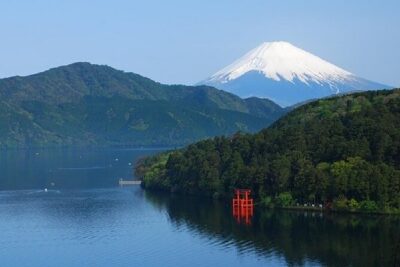
Mt Fuji & Hakone Cruise, Drum Show Bullet Train 1 Day from Tokyo
Read our review →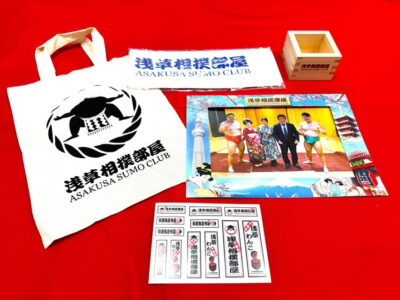
Sumo Show Experience with Chicken Hot Pot and a Photo
Read our review →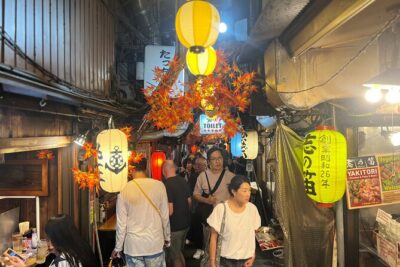
Shinjuku Food Tour (13 Dishes at 4 Local Eateries)
Read our review →