
Reviewed · FOOD & DRINK
Tokyo: Food Tour in Ueno with 10+ Tastings of Japanese Classics
Food + Ueno in one tight walk. This 3.5-hour tour is a smart way to get your bearings in Tokyo while you sample Japanese classics in places you might skip on your own.
I particularly like how the pacing mixes street food stops with cultural sites, so you taste and learn in the same block of time. I also like that the menu is built around familiar crowd-pleasers, like sushi and gyoza, plus Ueno-style snacks and a surprise secret dish.
One thing to consider: you will walk a fair amount, and the exact food choices can shift based on availability and weather. If you want highly detailed explanations about every ingredient, plan to ask your guide direct questions.
Key things I’d circle on your planner
- 10-plus tastings that go beyond one meal, including sushi, gyoza, and yakitori
- Small group size (max 15), which keeps it conversational
- Ueno landmarks in the mix, from an Ieyasu shrine to Buddhist temple grounds
- Tea and matcha ice cream, plus one draft beer included
- Flexible routing, since the itinerary can change with weather and shop access
- Start and finish near Ueno Station, easy for your schedule
Ueno in 3.5 hours: a practical first taste of Tokyo
Ueno is one of my favorite areas for a first food walk because it’s a real neighborhood, not a theme park. In a short window, you get markets, side streets, and big public space, plus the kind of religious stops that show how Tokyo layers everyday life and tradition in the same view.
This tour is built for people who are short on time, but still want more than a single restaurant. You’re not just eating and moving on. You’re walking through the same streets locals use, guided so you know where to go and what to look for.
I also like the balance of stops. You get the energy of food shopping and eating, then calmer moments in parks and temple grounds. It helps the meal-heavy part feel less like a food marathon and more like a Tokyo day you can actually remember.
More Food Tours in Tokyo
- Tokyo: Shinjuku Food Tour (13 Dishes at 4 Local Eateries)
★ 5.0 · 6,603 reviews - Tokyo Tsukiji Fish Market Food and Culture Walking Tour
★ 5.0 · 3,184 reviews - Tokyo: Shinjuku Food Tour (15 Dishes and 4 Eateries)
★ 4.9 · 2,033 reviews
Starting at Ueno Station 7 Chome-1: what matters before you go
The meeting point is Ueno Station (7 Chome-1), and you end back there. That keeps things simple if you’re juggling subway transfers, late arrivals, or a tight dinner plan.
Bring comfortable shoes. The tour notes a fair amount of walking, and Ueno’s streets and indoor-outdoor spaces mean you’ll be on your feet between stops. Also expect weather to matter. The tour can be affected by conditions, and food availability can change based on what’s open and ready.
Since the tour includes alcohol, you might want to pace yourself. There’s one draft beer included, but there are also two different types of tea plus water. If you prefer to skip alcohol, you’ll still have plenty to drink and eat.
Finally, do not rely on breakfast being your only meal plan. This is not a light snack run. The included tastings are set up so you leave full.
The indoor-outdoor market stop: where you learn by tasting
The first food zone is an indoor-outdoor market area with lots of shops. You’ll see everything from food and gifts to apparel, which matters because markets in Tokyo are not just for eating. They’re a whole ecosystem: ingredients, packaging, and everyday convenience.
This is a good place to start because it sets the tone for how Japanese dining often works. You’re not always ordering a single plate and calling it a day. You’re sampling small items that fit the flow of the street and the shop.
What you can expect to try here includes parts of the classic lineup. Based on what’s listed as included, you should be looking forward to items like fresh sushi and crispy gyoza. Even if you think you already know gyoza, a well-executed one in the right setting changes how you judge the whole dish.
The practical value: you learn what to order and what to look for so you can repeat the experience later on your own, even if the exact stall is different.
Under the elevated tracks: eating where Tokyo feels everyday
Next, you move into an area under elevated train tracks. In Japanese, this is often referred to with a term that literally means under the girders. It’s the kind of space that looks like infrastructure first, then reveals its own culture once you’re there.
Why this stop works: it’s a reminder that Tokyo food culture is not only in famous dining streets. There are plenty of spots tucked under rail lines where people grab a quick bite without making a big event out of it.
This is also where your guide earns their pay. In a place like this, the difference between a random stop and a good stop is often small. You might see similar menus, but the best option is the one that matches what you’re craving that day and what the kitchen is ready to serve.
Keep an eye on your own hunger level here. After a market start, the next tastes can stack fast, and the tour is designed for you to keep going, not to slow down for long sit-down courses.
Same corner of Japan, a different kind of day:
- Mt Fuji and Hakone 1-Day Bus Tour Return by Bullet Train
★ 5.0 · 26,383 reviews - 1-Day Tokyo Bus Tour
★ 5.0 · 14,250 reviews - Tokyo: TOKYO SKYTREE® Admission ticket
★ 4.5 · 11,192 reviews - Tokyo: teamLab Planets TOKYO Digital Art Museum Entry Ticket
★ 4.6 · 9,779 reviews
Ueno Park: cherry blossoms season and a needed breather
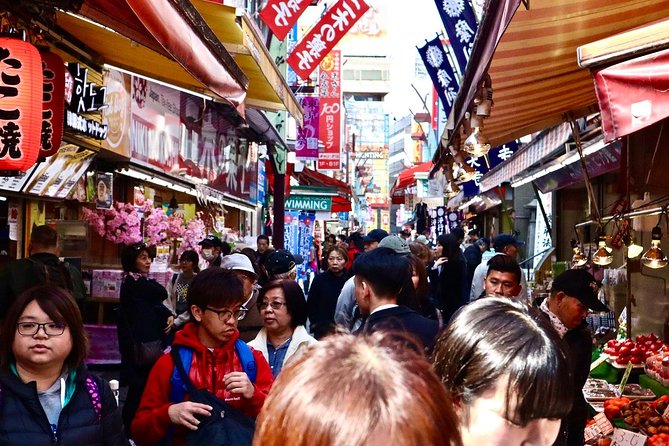
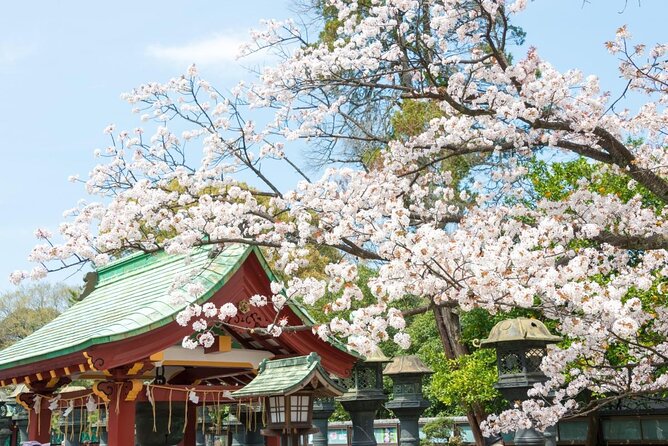
From food, you shift to Ueno Park in the Ueno district of Taitō. The park is famous in spring for cherry blossoms and hanami, which is the tradition of enjoying blossoms during the season.
Even if you’re not visiting in spring, this stop does something useful. It gives your body a break from tight indoor spaces and constant ordering. You get a wider view and a calmer pace, which helps you taste more clearly when you get back to eating mode.
This is a good reminder that Japanese sightseeing often works by contrast. After snacks and side streets, a park feels like a reset button. It also gives you context for why Ueno is such a magnet for both locals and visitors.
If you’re thinking about timing, this is the part of the tour that tends to feel less frantic. You can stand still for a moment, look around, and get a better sense of where you are in the city.
A shrine built in 1627: Tokugawa Ieyasu at Ueno
The tour then heads to a Shinto shrine built and dedicated in 1627 to remember Tokugawa Ieyasu, the founder of the Tokugawa Shogunate. This kind of stop matters on a food tour, because it places your meal in the wider rhythm of Japanese life.
Shinto shrines are not just buildings. They are part of everyday cultural geography, so you’ll notice how the space guides behavior and attention. That makes the tour feel more grounded than a pure eating crawl.
What I like about adding this type of site is that it helps your brain connect food with place. You start to see Ueno as more than a place to eat. You see it as a district with long continuity, where markets and parks and religious spaces share the same streets.
If you tend to rush through temples and shrines, slow down here for 60 seconds. Look for details your guide points out, then come back to the bigger picture: why this area holds meaning.
Buddhist temple grounds: calm landscaping between tastings
After the shrine, you continue to a center for Buddhist worship and prayer in revered surroundings, with tranquil landscaping. It’s a different spiritual style than Shinto, and the change is part of what makes the tour feel balanced.
This segment is less about checklists and more about settling your senses. Food tours can blur together if every stop is loud and crowded. Here, the goal is contrast, so the next bites taste more distinct.
This stop also helps with pacing. The included food list is substantial, with sushi, gyoza, yakitori, seasonal fruits, matcha ice cream, tea, and more. A calm stop gives you time to digest a bit and reset before the final stretch.
If you’re traveling with kids, this quiet pause often lands well. One family-friendly note from the tour experience is that kids aged 8 to 10 can enjoy it when the guide keeps the story simple and the food plentiful.
The 10-plus tastings, beer, tea, and matcha ice cream
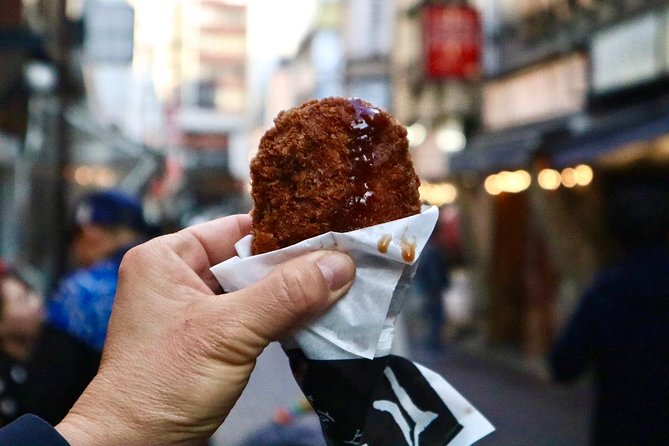
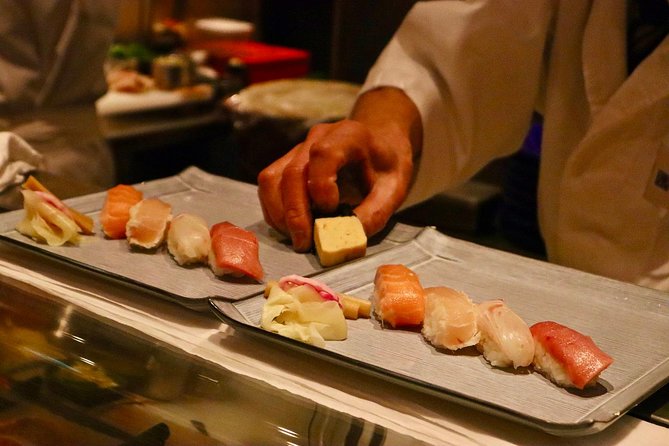
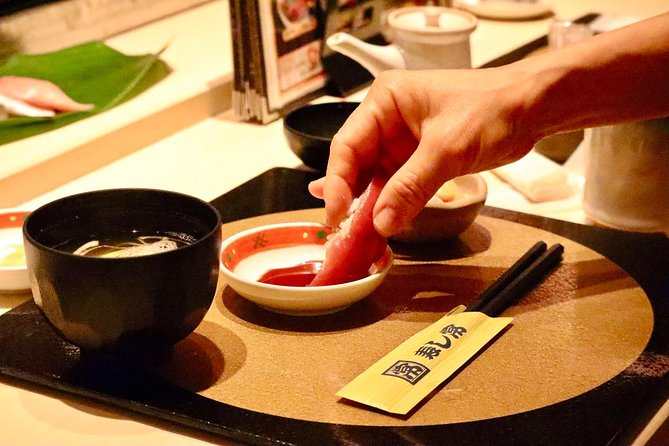
Here’s what the tour includes, as listed: fresh, authentic Japanese sushi, crispy gyoza, yakitori grilled skewered chicken, seasonal fresh fruits, creamier traditional matcha ice cream, two different types of tea, one draft beer, water, and a secret dish.
That spread is a strong mix for a first-timer. You get:
- seafood in the form of sushi
- a dumpling bite with gyoza
- a smoky, savory skewer with yakitori
- a sweet finish with matcha ice cream
- drinks that are part of the meal culture, not just free refreshments
The secret dish is your wildcard. It’s included, so you’re paying for a surprise that the guide brings to the route. I like this approach because it reduces the chance you only get what you can already guess at a menu.
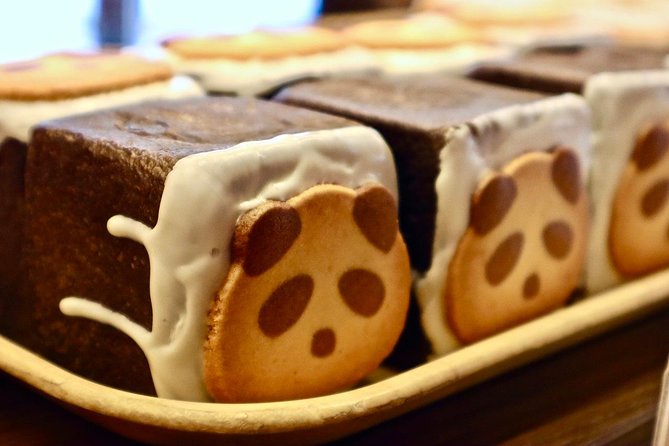
About matcha: the tour specifically includes matcha ice cream. If you’ve only had weak, overly sweet matcha before, this is exactly the kind of included dessert that can flip your opinion, especially when it comes out cold and creamy after salty bites.
Also note the drinks. Two types of tea plus water means you have non-alcohol options if you want them. The one draft beer is there for balance, not domination.
Your guide and the small-group advantage
This tour includes a passionate and experienced local English speaking guide. Past guides mentioned by name include Harumi, Natsumi, Yumi, and Mari, and they’re often praised for being upbeat, sharing practical tips, and explaining how the area connects to the food.
Small-group size matters here. With a maximum of 15 travelers, you usually have room for questions and conversation instead of shouting across a large crowd. It also helps your guide keep timing tight so you spend your time eating, not waiting.
I also like that the tour is designed so your itinerary can be tailored to your tastes. That doesn’t mean you get to redesign the whole day, but it signals flexibility. If you’re craving something specific, you’re not stuck with a totally rigid checklist.
One caution from the value perspective: at this price point, you should expect more than just a food lineup. If you care about origins, ingredients, and why a dish works, ask early and keep asking. That’s how you get the experience you want.
Value check: is $142 worth it for Ueno?
$142 for about 3.5 hours is not cheap, but it’s not random pricing either. You’re paying for several things bundled together: access to the right places, a guide who helps you choose and move efficiently, and multiple servings across a few stops.
If you tried to replicate this yourself, you’d run into problems:
- picking the correct shops in a neighborhood like Ueno
- coordinating timing so you’re not eating too early or too late
- knowing what to order when menus aren’t in your language
The included food list also suggests real value. Sushi, gyoza, yakitori, matcha ice cream, fruits, plus tea, water, and beer is a lot to buy separately in a short time window.
That said, value is personal. If you mostly want a casual snack, or if you prefer to design your own restaurant itinerary with zero structure, you might feel the cost more strongly. And if you expect very deep explanations of every dish, you may want to manage expectations and ask direct questions.
Who should book this Ueno food tour (and who might not)
This tour fits best if you:
- are trying to learn a new city fast and want Ueno orientation through food
- like Japanese classics, especially sushi, gyoza, and yakitori
- want a guide to reduce decision fatigue when menus and neighborhoods feel unfamiliar
- prefer small-group pacing, with time for conversation
- travel with kids who enjoy eating a lot and being given simple stories about where food comes from
You might choose something else if you:
- hate walking or think you’ll struggle with a longer on-your-feet route
- want a fully customized menu where you control every stop
- need ingredient-by-ingredient food science level explanations and feel you would get frustrated by lighter cultural storytelling
Also, remember that menus and routes can change due to weather and availability. If you’re visiting on a day when it’s pouring rain or something closes, the guide will adjust, but you may not get every exact item in the way you imagined.
Should you book this Ueno food tour? My decision checklist
I’d book it if you want a guided sampler that hits both taste and context, without requiring you to plan every step of Ueno yourself. The combination of 10-plus tastings, cultural stops like the 1627 Tokugawa Ieyasu shrine, and the calming break at Ueno Park makes it feel like a complete Tokyo day, not just a meal.
I’d skip it or rethink it if you are on a light-snacking trip, want minimal walking, or are already fully confident navigating Ueno’s food options without help. At $142, you should go in ready to eat, sip, and walk through neighborhoods you might otherwise overlook.
If you book, do one simple thing that boosts your experience: arrive hungry, bring comfortable shoes, and use the guide time well by asking what you should order when you return on your own.
FAQ
How long is the Ueno food tour?
It runs about 3 hours 30 minutes.
What do I get to eat and drink on the tour?
The tour includes fresh sushi, crispy gyoza, yakitori, seasonal fresh fruits, matcha ice cream, two types of tea, one draft beer, and water, plus a secret dish.
How many tastings should I expect?
The tour is described as having 10-plus tastings of Japanese classics.
Where do I meet the group, and where does it end?
You meet at Ueno Station, 7 Chome-1, Taito City, Tokyo 110-0005, Japan, and the tour ends back at the meeting point.
Is the guide English speaking?
Yes, the tour includes a local English speaking guide.
Can the tour handle dietary requirements?
You should contact the provider in advance for any dietary requirements so they can cater as best as possible.
What is the cancellation policy?
Free cancellation is available up to 24 hours in advance for a full refund. If you cancel less than 24 hours before the start time, the amount paid is not refunded.
Fresh options around Tokyo
- Tokyo: Nikko Kegon Falls Lake Chuzenji Toshogu Temple & More★ 4.9 · 12 reviews
- Tokyo: Samurai History Walking Tour★ 5.0 · 12 reviews
- Harajuku: Kawaii Fashion and Pop-Culture Tour★ 4.7 · 12 reviews
- Tokyo: Mt. Fuji & Lake Kawaguchi Instagram Full Day Trip★ 4.1 · 12 reviews
- Shibuya Tokyo: Modern Kintsugi Workshop in Shibuya★ 5.0 · 12 reviews
- Tokyo: GTR Guided Daikoku Experience at Night★ 5.0 · 12 reviews
- Tokyo: Daikoku JDM Car Culture Tour★ 4.6 · 12 reviews
- Mt Fuji Private Day Trip from Tokyo with English speaking driver★ 5.0 · 13 reviews
Food & Drink, compared.
Shinjuku Food Tour (13 Dishes at 4 Local Eateries)
Read our review →
Tokyo Tsukiji Fish Market Food and Culture Walking Tour
Read our review →
Shinsekai Food Tour with 13-15 Dishes at 5 Eateries
Read our review →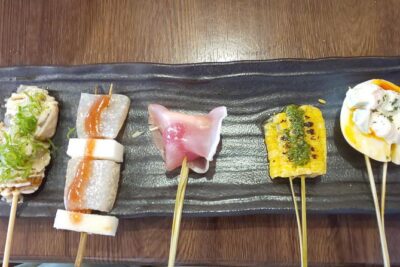
Osaka Food Tour: 13 Dishes at 5 Local Eateries
Read our review →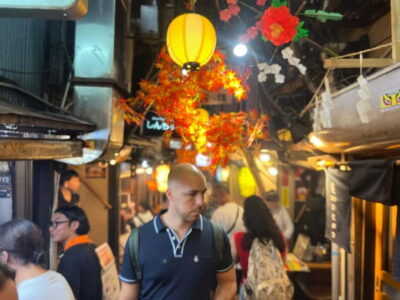
Shinjuku Food Tour (15 Dishes and 4 Eateries)
Read our review →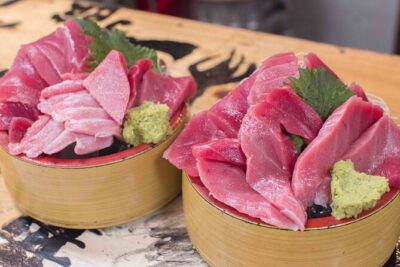
Best of Shinjuku: Izakaya Food Tour (4 Stops, 14+ Tastings)
Read our review →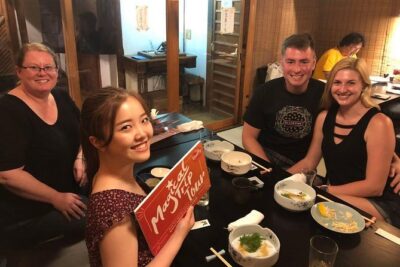
Kyoto Night Foodie Tour in Gion (9+ dishes + 6 Sake tastings)
Read our review →
Hungry Osaka Street Food Tour:15 Tastings & 3 Drinks with a Local
Read our review →Browse the lists this tour appears in