
Reviewed · 1-DAY TOURS
Tokyo: Day Trip to Kamakura in Spanish – Spanish
A tram ride to old temples beats rushing Tokyo. I love the Spanish-language guiding, especially when it turns temple legends into something you can follow step by step. I also really like the historic tram segment, then the combo of Hase-dera and Kotoku-in that makes the day feel like more than a checklist. The main downside to plan around is simple: transport and temple tickets are extra.
From Tokyo Station (Marunouchi Square) you’ll spend about 8 hours on a smooth day loop, returning to the same meeting point after time for lunch and shop wandering. The operator NIPONEANDO promises friendly, personalized guidance, plus practical tips so you can keep enjoying Japan after the tour ends.
If you need a fully Spanish-only experience, keep one caution in mind: depending on the day and guide, you might hear some English too. Still, if your goal is to understand Kamakura’s spirit and sites without stress, this tour is a strong pick.
Key highlights worth choosing this Kamakura day trip
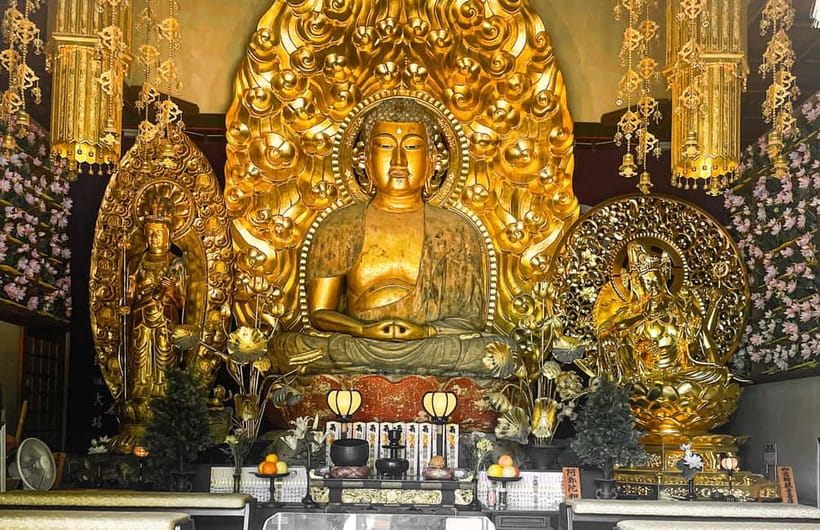
- Spanish-guided temple storytelling so the myths at Hase-dera make sense fast
- Historic tram ride to reach Hase-dera without turning it into a transportation headache
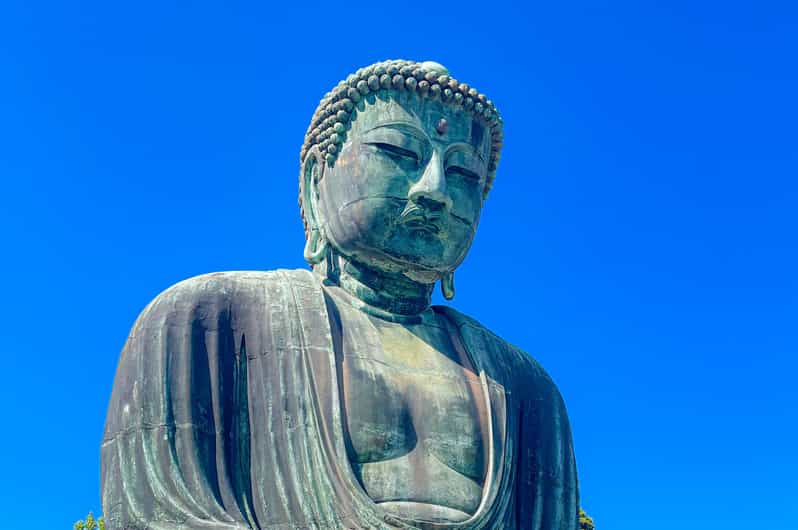
- Kotoku-in’s bronze Buddha at 13 meters and 121 tons for a wow-factor you can’t fake
- Friendly, personalized guides with detailed explanations and real recommendations (Camila, Nerea, Nikita, Paula, and Emi come up often in guide praise)
- Time to wander Kamakura’s main shopping street for lunch and a calmer pace
Tokyo to Kamakura in one day: why it works
Kamakura is one of those places that feels like a clean switch from Tokyo. In a short time, you trade crowds and skyscrapers for temple paths, ocean-adjacent air, and the slower rhythm of a town built around old faith.
This day trip is designed for people who want structure, but not a rigid museum tour. You start at Tokyo Central Station, move as a group by public transport, hit two standout religious stops, then loosen up with lunch and shop time in town.
For the value, it helps to think of what you’re buying. You’re paying for language support (Spanish), logistics help (getting you from Tokyo to Kamakura and back), and context (so the temples mean something). That’s more useful than paying for transportation alone.
A few more Tokyo days worth comparing
- Mt Fuji and Hakone 1-Day Bus Tour Return by Bullet Train
★ 5.0 · 26,383 reviews - 1-Day Tokyo Bus Tour
★ 5.0 · 14,250 reviews - Tokyo: TOKYO SKYTREE® Admission ticket
★ 4.5 · 11,192 reviews
Meeting at Marunouchi Square, then moving with public transit
Your day begins in front of Tokyo Station’s facade, in Marunouchi Square, at the central exit. Getting this start point right matters, because Tokyo Station is a maze when you’re tired or your phone battery is low.
Once you’re together, you take the train to Kamakura. The tour then adds a key piece that makes the trip feel special instead of just “a bus ride out of Tokyo”: you board an old tram still operating in Japan, then head toward Hase-dera.
A practical note: the tour does not allow luggage or large bags. That’s not just a rule for fun, it’s because train and tram spaces get tight. If you’re traveling with multiple bags, plan to store them before this day trip, or you may find the day more stressful than it needs to be.
Spanish-guided temples: what the tour style feels like
The tour is in Spanish, and that’s a big deal if you want more than signboard reading. You’ll be guided through the legends and history tied to each stop, so you can connect what you’re seeing with why people cared for centuries.
What I like about this tour style is that the guidance doesn’t stop at facts. It’s meant to help you notice things as you move around, so Hase-dera and Kotoku-in feel alive rather than like two photo backdrops.
Guide quality is a big part of why this one scores well. In guide praise, names like Camila, Nerea, Nikita, Paula, Emi, and Ori.n come up alongside mentions of patience and clear explanations. One useful detail from that kind of feedback: guides often adapt the pace, which matters if you’re traveling with kids or just want to linger without falling behind.
Hase-dera Temple: myths, legends, and the walk that earns its place
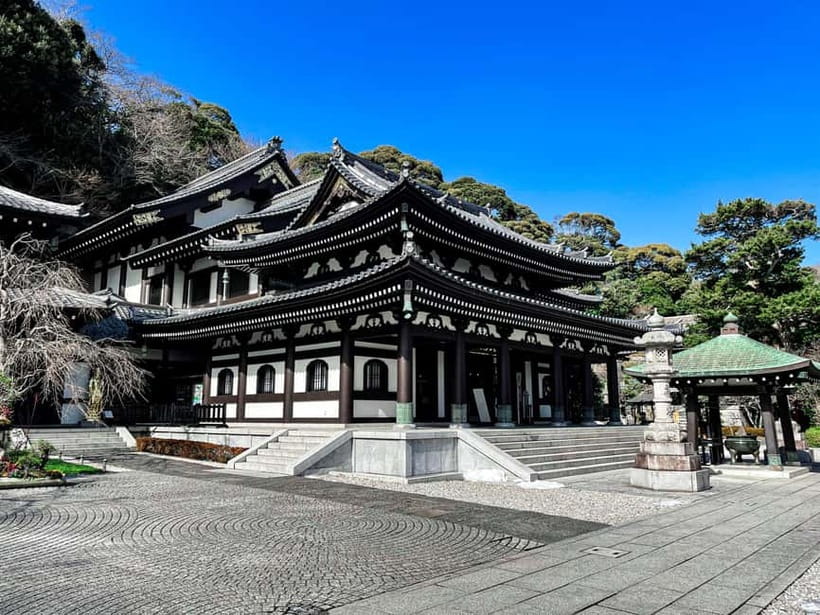
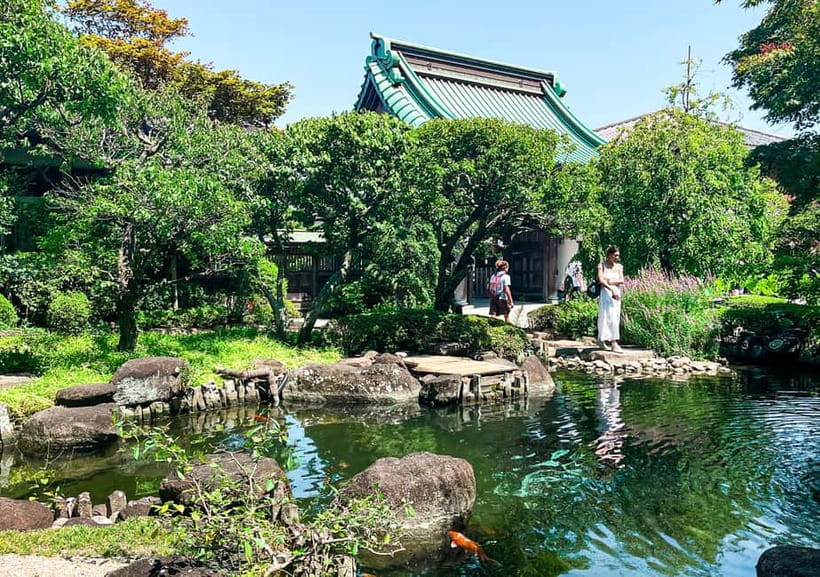
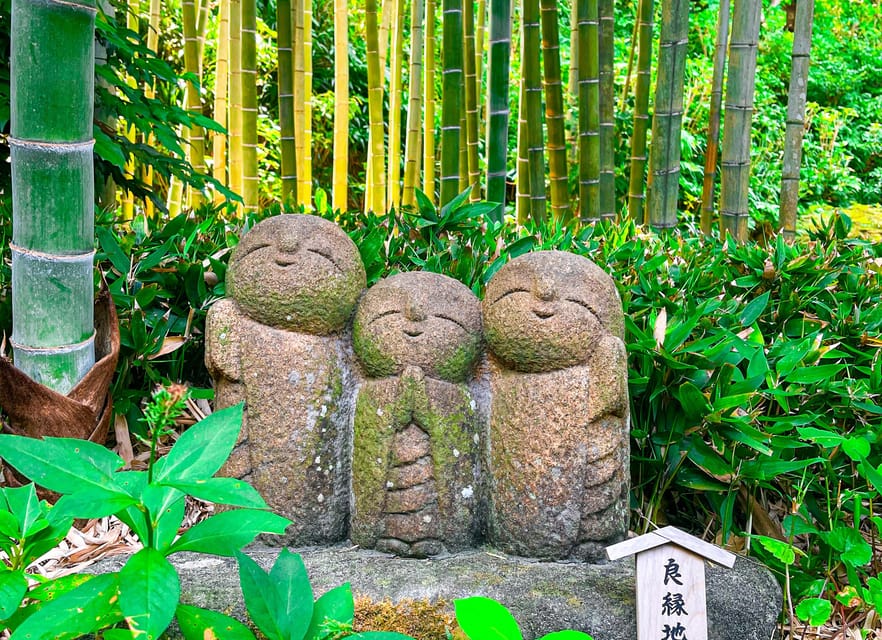
Hase-dera is where the day turns from “travel” into “experience.” After the tram ride, you reach a temple steeped in myths and legends, and the tour framing helps you understand what to look for as you explore.
This stop works well because Hase-dera isn’t just about one viewpoint. You’ll move through the temple area and discover details as you go. With a Spanish guide, the story threads you receive can make those details click, like why a particular spot is talked about, or what a legend signals about the place.
A small caution: temple areas often involve walking and uneven ground. The tour itself is not suitable for wheelchair users, so if mobility is a concern, you’ll want to choose wisely or plan on alternate accommodations.
Also, if you’re the kind of traveler who needs every second accounted for, Hase-dera can feel like “slower than expected,” because it’s built for wandering. In a good way. You’ll get more out of it by moving at a comfortable pace.
Same corner of Japan, a different kind of day:
- Tokyo: teamLab Planets TOKYO Digital Art Museum Entry Ticket
★ 4.6 · 9,779 reviews - Mt Fuji & Hakone Cruise, Drum Show Bullet Train 1 Day from Tokyo
★ 4.0 · 7,413 reviews - Tokyo: Sumo Show Experience with Chicken Hot Pot and a Photo
★ 4.8 · 6,678 reviews - Tokyo: Shinjuku Food Tour (13 Dishes at 4 Local Eateries)
★ 5.0 · 6,603 reviews
Kotoku-in and the Great Buddha: the 13-meter reality check
Then comes Kotoku-in, home to a giant bronze Buddha. The standout number here is not subtle: it’s described as the second largest bronze Buddha in Japan, measuring 13 meters and weighing 121 tons.
That scale is what you’ll remember. Even if you’ve seen the Great Buddha photos before, seeing it in person hits differently because your brain can’t quite size it correctly until you’re standing close enough to understand the monument’s mass.
This stop has a practical payoff too. The guide context helps you understand what you’re looking at, rather than letting the day turn into rushed photo moments. And once you’ve absorbed that, Kamakura’s atmosphere outside the temple grounds feels like it has a reason.
One more note: temple tickets are not included in the tour price. So if you’re budgeting, add temple admission (listed as ¥700) to your total day cost. It’s a small extra, but it prevents last-minute surprises.
Kamakura’s main street for lunch and shop time
After Kotoku-in, you shift back into town. You’ll walk to Kamakura’s main street, which is lined with shops and has a distinct local atmosphere compared to Tokyo.
This is your decompression zone. The schedule gives you time for lunch and time to explore the shops at your own pace. That mix is smart. You get guided context at the temples, then you get freedom where it matters for real travel happiness.
If you’re wondering what to do with the shop time, use the guide’s recommendations. The tour promises tips and suggestions to keep enjoying your trip, and guides typically share what to look for based on how much time you actually have.
Here’s what I’d do: go for something simple to eat, then spend your energy on a slow walk and one or two purchases that feel local. Kamakura can be touristy in the obvious ways, but it still rewards a relaxed attitude.
Duration, comfort, and the flow back to Tokyo
The full excursion runs about 8 hours. That’s enough time to do two major temple experiences plus real town time, without turning the day into a full-day grind.
Transportation is based on public transit. That sounds plain, but it’s part of the value. You’re not paying for a private car that’s stuck in traffic, and you get to see how Kamakura works as a place, not just a destination.
One comfort detail from guide experience and routing: depending on the exact transit path that day, you might use a mix of trains and coach transfers between points, and comfort can be surprisingly good. The key is that the tour is built to keep you moving without long waits.
At the end, you take the train back to Tokyo Station, ending at the meeting point again. That means you’re not left figuring out a connection while tired, which is one of those travel luxuries you only appreciate when you’ve had to do it the hard way before.
Price and value: what $86 covers, and what it doesn’t
The headline price is $86 per person for the 8-hour excursion, and it includes the Spanish-guided trip to Kamakura. It does not include transportation costs (listed as ¥2,300) and it does not include temple tickets (listed as ¥700).
So what are you really paying for? In plain terms, you’re paying for:
- a Spanish-speaking guide who can explain what you’re seeing
- the planned route from Tokyo to Kamakura, including the historic tram segment
- structured timing so you hit the major sites and still have shop time
If you were to do this on your own, you could save money on guiding. But you would lose the explanation layer that makes temple legends understandable, and you’d likely spend more time figuring out the “how do I get from here to there” piece in a system you’re still getting used to.
Also, because temple tickets and transport are clearly listed as separate costs, you can budget confidently. The trip is better viewed as a package of guidance plus a small add-on budget for local costs.
There’s also an environmental note. The operator describes itself as environmentally friendly, and using public transit in a structured group day generally fits that idea. Just keep expectations realistic: you’re still traveling as a group for the day.
Who this Kamakura in Spanish tour fits best
This is a great match if you:
- want Spanish guidance for temples, not just self-guided wandering
- like a structured day with time left for lunch and shop browsing
- enjoy learning temple legends and context as you walk
It’s also a good fit for families, based on guidance praise that mentions patience and adapting to kids’ pace. If you’re traveling with children, this kind of pacing flexibility can be the difference between a pleasant day and a cranky one.
It’s less ideal if you:
- need wheelchair access (the tour is not suitable)
- need a hearing-impaired accessible format (the tour is not suitable)
- travel with large luggage (not allowed, and it will slow you down)
Language-wise, the tour is Spanish. Just be aware that some days may include English as well, so if you want zero English, plan accordingly.
Practical tips so your day feels smooth
Here are the small things that will make a big difference:
- Travel light. No large bags or luggage is a clear rule, and tight transit spaces leave no wiggle room.
- Wear shoes for temple walking. Expect walking plus stairs or uneven ground in temple areas.
- Bring water and snacks if you get hungry between lunch time and temple stops, since drinks and food are not included.
- Use the guide for shop time. Ask what’s worth your time, then go straight for it so you don’t waste your limited window.
Also, if you’re sensitive to pace, mention it to your guide early. One of the repeated themes in guide praise is that they adapt and keep people comfortable, including families and children.
Should you book the Spanish day trip to Kamakura?
I’d book this tour if your priority is a guided, Spanish-language day that covers Hase-dera and Kotoku-in without you having to wrestle with logistics in Tokyo Station plus Kamakura transit.
The biggest reason is simple: it’s not just transport to temples. The tram to Hase-dera, the Kotoku-in Buddha scale, and the added context in Spanish are what make the day feel complete.
I would hesitate only if your budget is extremely tight, because transport (¥2,300) and temple tickets (¥700) are extra on top of the $86 tour price. I’d also reconsider if you need wheelchair access or specific accessibility support, since the tour is not suitable for those needs.
If you’re okay traveling light and you want a smart one-day Kamakura plan with a real guide, this is an excellent value way to do it.
FAQ
What language is the tour?
The tour is in Spanish.
Where does the Kamakura tour start?
The meeting point is in front of the Tokyo Station facade, in Marunouchi Square (central exit).
How long is the excursion?
It’s an 8-hour excursion.
What is included in the price?
Included: the Kamakura excursion in Spanish and the 8-hour excursion.
What is not included?
Not included: transportation (¥2,300), temple tickets (¥700), drinks and food.
Does the tour use public transportation?
Yes. Public transportation is used for this excursion.
What sites do you visit?
You’ll go to Hase-dera Temple and Kotoku-in Temple, then walk through Kamakura’s main shopping street for lunch and time to explore.
Is the tram part of the itinerary?
Yes. You’ll board one of the oldest trams still in operation in Japan after arriving in Kamakura.
Are luggage or large bags allowed?
No. Luggage or large bags are not allowed.
Is the tour suitable for wheelchair users or hearing-impaired people?
No. It is not suitable for wheelchair users or for hearing-impaired people.
Fresh options around Tokyo
- Tokyo: Nikko Kegon Falls Lake Chuzenji Toshogu Temple & More★ 4.9 · 12 reviews
- Tokyo: Samurai History Walking Tour★ 5.0 · 12 reviews
- Harajuku: Kawaii Fashion and Pop-Culture Tour★ 4.7 · 12 reviews
- Tokyo: Mt. Fuji & Lake Kawaguchi Instagram Full Day Trip★ 4.1 · 12 reviews
- Shibuya Tokyo: Modern Kintsugi Workshop in Shibuya★ 5.0 · 12 reviews
- Tokyo: GTR Guided Daikoku Experience at Night★ 5.0 · 12 reviews
- Tokyo: Daikoku JDM Car Culture Tour★ 4.6 · 12 reviews
- Mt Fuji Private Day Trip from Tokyo with English speaking driver★ 5.0 · 13 reviews
1-Day Tours, compared.
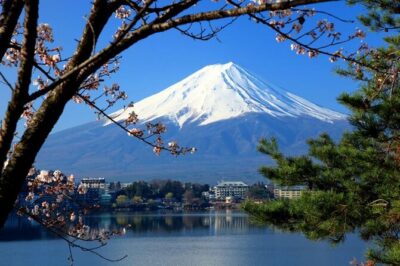
Mt Fuji and Hakone 1-Day Bus Tour Return by Bullet Train
Read our review →
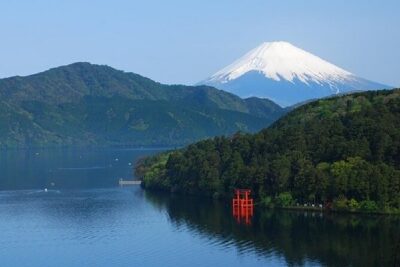
Mt Fuji & Hakone Cruise, Drum Show Bullet Train 1 Day from Tokyo
Read our review →
Peaceful Hiroshima & Miyajima UNESCO 1 Day Bus Tour
Read our review →
Fushimi Inari, Kinkakuji, Bamboo Grove 1 Day Bus Tour
Read our review →
Browse the lists this tour appears in