
Reviewed · 1-DAY TOURS
Tokyo Customized Private Tour: See Top Attractions in 1 Day
Tokyo can feel like a puzzle. This private tour turns it into a smooth day of major sights and smart metro routes. You can tailor stops to your pace, from a focused 4-hour loop to a fuller 8-hour sampler, with the guide handling the city navigation.
What I like most is the flexibility built into the plan. You can choose 2 locations for a half day or 3-4 spots for a full day, so you are not forced into a one-size-fits-all checklist.
The main drawback to watch is that the route is still a one-day priority circuit. If you want a very structured, lead-from-the-front style (and a longer time per stop), you may feel the day is a bit tight.
Key highlights worth planning for
- Private guide, real customization based on your interests and the hours you book
- Asakusa to Harajuku to Shibuya in one day, so you see Tokyo’s old and new
- Outer Tsukiji market time built in, great for food-hunting and nearby shopping
- Metro coaching that helps you understand routes fast, including tips for first-timers
- Optional add-ons like Shinjuku Gyoen, museums, Skytree, Odaiba, and Hama Rikyu
How a customized 1-day Tokyo plan really works
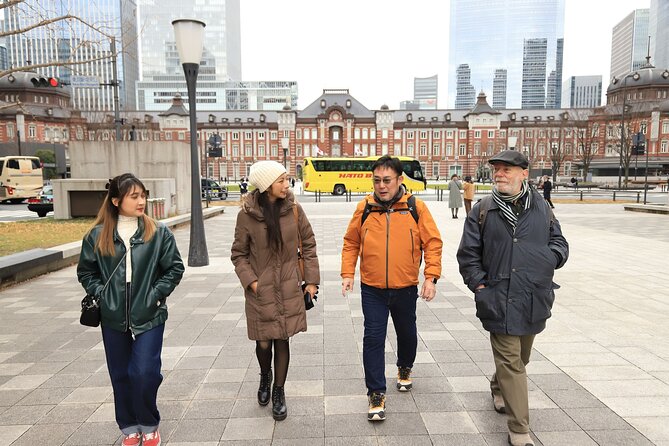
This is a private tour, meaning it is only your group. That matters, because Tokyo is huge and subway transfers can eat time, especially on a first day. Your guide moves at a pace that fits your interests, and you can choose the number of stops based on duration.
Here’s the practical structure: a 4-hour tour is set up for about 2-3 spots, a 6-hour tour for 3-4 stops, and an 8-hour tour for about 4-5 stops. That lets you avoid the classic Tokyo mistake, doing too much and enjoying nothing.
I also like that many stops are listed as free entry (like temples and major outdoor landmarks), while the paid options are clearly optional. So you can keep costs under control while still swapping in extras like gardens, museums, or viewpoints if they matter to you.
A few more Tokyo days worth comparing
- Mt Fuji and Hakone 1-Day Bus Tour Return by Bullet Train
★ 5.0 · 26,383 reviews - 1-Day Tokyo Bus Tour
★ 5.0 · 14,250 reviews - Tokyo: TOKYO SKYTREE® Admission ticket
★ 4.5 · 11,192 reviews
Asakusa and Senso-ji: the temple-and-market start that sets the tone
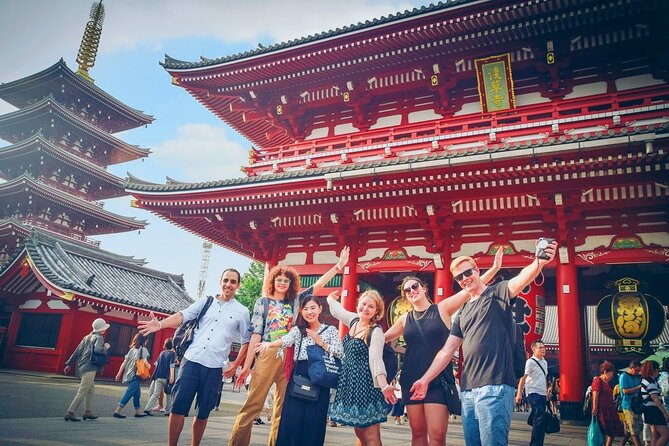
Most one-day Tokyo plans start with Asakusa for a reason: it is compact, iconic, and different from the rest of the city. Senso-ji Temple is the anchor, and you get time to explore both the temple area and the surrounding traditional streets.
This part of the day is usually your best chance to slow down and notice details. You can watch how people move through the space, see the temple rhythms, and then step into shopping lanes that feel like a separate world from modern Tokyo.
A nice touch is that the plan can include the Asakusa Culture Tourist Information Center, which helps you orient yourself in the neighborhood. That means you are less likely to wander randomly and more likely to find the interesting side streets.
If you have limited time, I’d treat Asakusa as your “story chapter 1.” If you still have energy later, you may also come back into the Senso-ji area for more walking and shopping, depending on how your guide times it.
Meiji Jingu and Harajuku: old-world calm meets youth culture
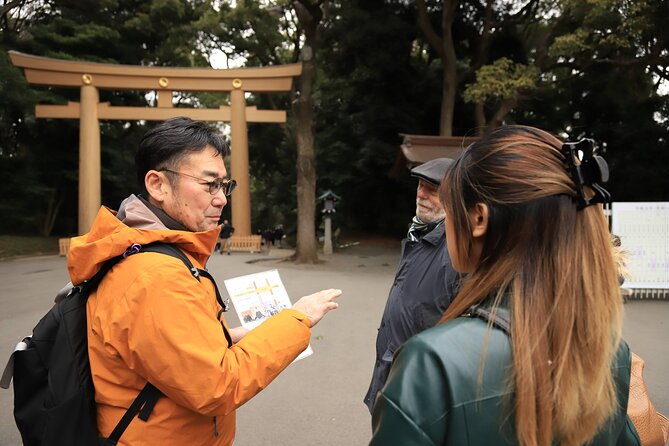
After Asakusa, the tour typically shifts gears. Meiji Jingu Shrine brings you to a serene Shinto setting surrounded by forest-like grounds, right in the middle of the city. It is a great contrast after the temple streets and market energy.
Then you head toward Harajuku, where Tokyo gets louder in style and vibe. The plan often includes Takeshita Street, which is the kind of place that makes you understand modern Japanese youth culture quickly, even if you are not shopping for fashion.
I love this pairing because it gives you contrast without needing long travel time. You go from tradition and ritual to trend and design in a single day, and the geography stays workable with metro.
One practical note: Takeshita Street can be crowded. If you prefer calmer browsing, ask your guide to balance it with nearby side streets and viewing points.
Tsukiji Outer Market: food time that works best with an empty stomach
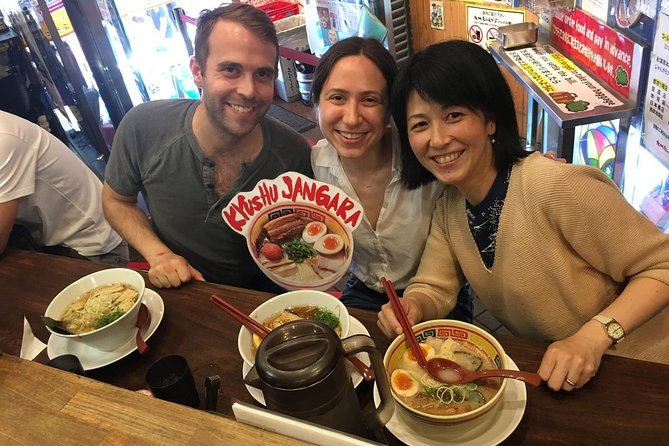
The Outer Tsukiji fish market stop is built into the tour, and it is one of the best ways to eat Tokyo like you mean it. You get time to walk the market area and focus on snacks and food stands.
A helpful tip from how guides run this portion: many people enjoy it more if they do not eat beforehand. That way you can actually taste more, instead of feeling full too early.
You may also spot the kinds of shops that sell tools and items connected to the food scene. One guide-style experience I’ve heard paired with Tsukiji includes interest in knives and kitchen gear, which can be interesting even if you are not buying anything.
If you care about food allergies or dietary limits, tell your guide early. In past tours, guides have made lunch choices around real needs, not just convenience.
Same corner of Japan, a different kind of day:
- Tokyo: teamLab Planets TOKYO Digital Art Museum Entry Ticket
★ 4.6 · 9,779 reviews - Mt Fuji & Hakone Cruise, Drum Show Bullet Train 1 Day from Tokyo
★ 4.0 · 7,413 reviews - Tokyo: Sumo Show Experience with Chicken Hot Pot and a Photo
★ 4.8 · 6,678 reviews - Tokyo: Shinjuku Food Tour (13 Dishes at 4 Local Eateries)
★ 5.0 · 6,603 reviews
Shibuya Crossing: the classic photo spot, done with context
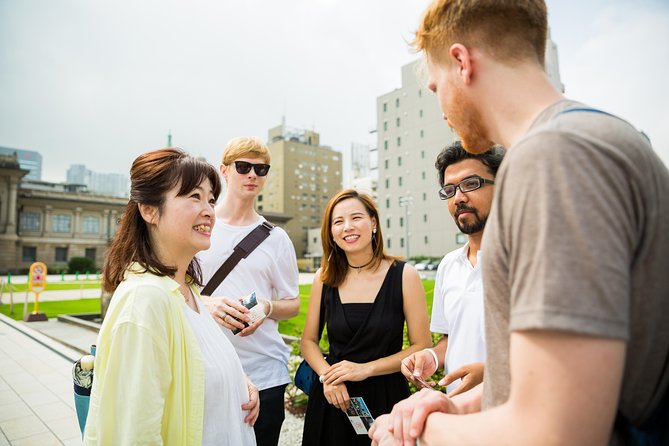
Shibuya Crossing is often on the list for first-time visitors because it is instantly recognizable. But what makes this stop work on a private tour is that it is not just a photo stop.
Your guide can give you context about what you are seeing and how the area fits into Tokyo’s bigger system. That makes crossing the street feel less like a tourist performance and more like an everyday Tokyo moment.
You also get the benefit of timing. Guides can usually choose a moment that is manageable to walk, rather than you arriving at the peak crush.
If you hate crowds, you may want to ask for an orientation first, then take photos from a place that is less chaotic than the center of the crossing.
Imperial Palace East Gardens and Ginza: history plus shopping energy
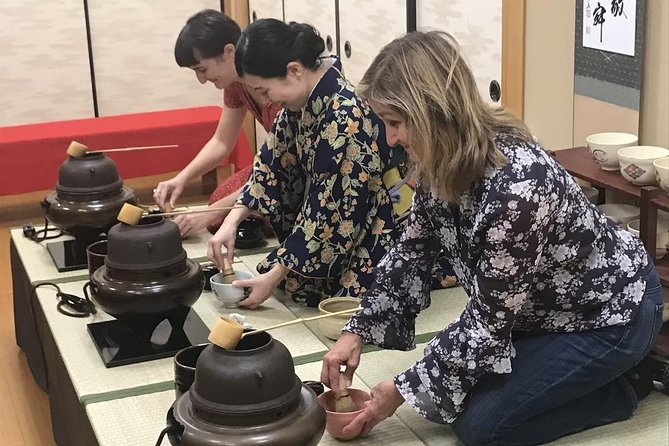
Some versions of the route can include Imperial Palace time, often with focus on the east garden area. Even if you are not a “royal history” person, the setting helps you feel Tokyo’s scale and planning.
Then the tour can roll into Ginza, one of Tokyo’s biggest shopping districts. The key is that Ginza fits naturally after older areas like Asakusa because it feels like a shift into a more polished, business-and-luxury world.
If shopping is your goal, plan your questions ahead. Ask your guide what to buy, where to find specific items, and what areas are worth a quick stroll versus what is mostly for window viewing.
Yanaka, Ueno, and Tokyo National Museum: a slower slice of Tokyo
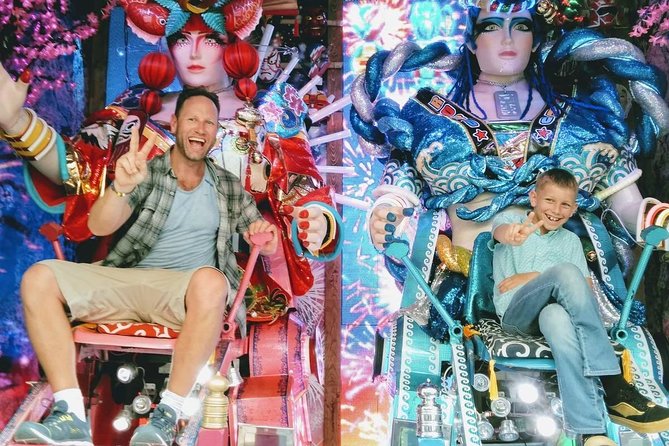
If you want a more local feeling, ask your guide about stops like Yanaka Ginza Shopping Street and Ueno Park. Yanaka is known for a neighborhood-style walk, which can help you step away from the most crowded landmarks.
Ueno Park can be a great add if the timing works for you, and it is especially connected to seasonal appeal like cherry blossoms. Even outside that season, it is a green pause in a busy day.
The tour can also include Tokyo National Museum as an optional add-on if museums are your thing. If you pick this, plan to reduce another stop so you do not feel rushed, because museum time usually grows once you start reading and looking.
Shinjuku Gyoen, Skytree, Odaiba, and Hama Rikyu: optional upgrades for views and calm
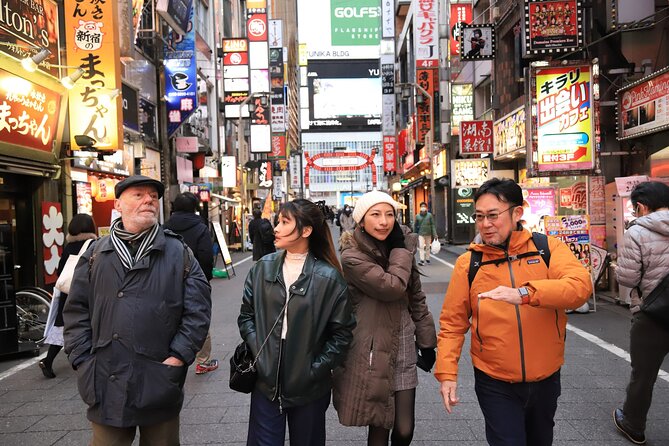
If your day has extra space (usually the longer tour), you can swap in one or more optional “Tokyo bonus” stops.
Shinjuku Gyoen National Garden is optional and may have an entrance fee. If you want greenery and a break from city streets, this is a strong choice, especially when your feet are tired.
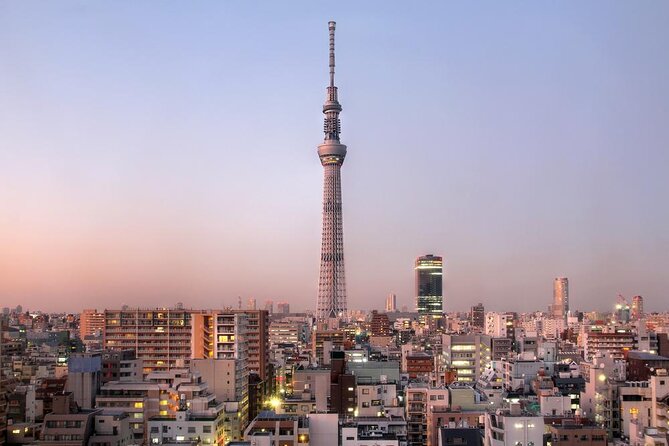
Tokyo Skytree is another optional viewpoint, and it is a tall, easy-to-understand landmark. If you like skyline views, this is the one to pick because it is straightforward and famous.
For waterfront energy, your route can include Odaiba, and for classic Japanese garden beauty you can add Hama Rikyu Gardens (also optional and fee-based). These areas work well if you want the day to end with something more relaxed than shopping streets.
Metro coaching and why it makes the tour feel easier
Tokyo subway navigation is not hard once you have the system basics. It is hard on day one, though, when you are staring at multiple lines, confusing station exits, and signs that seem designed to test your patience.
This is where the private guide becomes more valuable than the list of sights. Many guides are used to helping first-timers find the right trains and exits. If you travel with kids, some guides also help with practical items like getting the right pass, so the family can move without extra stress.
I also like the “teach while walking” approach. Guides often point out small details you would miss on your own, like how to approach shrine etiquette or what to watch for in how people move through sacred spaces.
From guide experiences you might be matched with, the recurring theme is comfort. Guides like Yoko have helped with first-time metro use and language/customs questions. Michi has helped people manage train navigation. Fumi has helped with both history and how to behave respectfully at temples and shrines.
That instruction turns the day from sightseeing into learning how to move like a Tokyo visitor.
Price and value: what you pay for, and how to keep it smart
At $145.91 per person, this is not a budget tour. But it is also not a generic bus ride. You are paying for a private guide, hotel pickup (where available), and help using the subway system efficiently.
A big value factor is that admission fees and public transport fares are not included for you and the guide. That said, many stops are typically free entry, and optional paid stops are on you to choose. So you can control the final cost by deciding whether to add things like museums, gardens, or viewpoints.
You also have the option for a private vehicle. The catch is important: if you choose the van option, it can cover the Tokyo metropolitan area, but you cannot go outside Tokyo. Also, pickup and drop-off are only available for hotels in Tokyo, not the Urayasu area near Tokyo Disney Resort.
For families or groups who hate walking, the van option can be worth it. For solo travelers who enjoy metro, you can often save money and still cover a lot.
Rain or shine, and what to wear
This tour runs rain or shine. That means your comfort matters more than usual. You will do moderate walking, so plan comfortable walking shoes and bring a rain layer you can actually move in.
If you are booking a day that looks rainy on the forecast, consider building in an extra paid garden or indoor museum only if you truly want it. Otherwise, stick with the outdoor-and-temple rhythm and just stay flexible.
A private guide helps here because they can adjust timing. You are not just stuck at a rigid departure time.
Who should book this private 1-day Tokyo tour
This is a great fit if you want an easy first day with real context. It is especially useful if:
- You are first-time visitors and want the metro explained while you go
- You want both tradition and modern Tokyo without long travel days
- You have a specific interest mix, like shrines plus pop culture plus food
- You prefer a private pace instead of joining a bigger group
It can also work well for families. Past guide experiences include tailoring for kids, handling questions, and helping families keep moving smoothly.
If you are a traveler who wants lots of time per stop and a very detailed, lead-it step-by-step plan, choose the longer duration. With a shorter tour, you will likely feel more “see it and move on.”
Should you book this Tokyo customized private tour?
Yes, if you want a smart, efficient overview that you can shape to your tastes. The strongest reason to book is the combination of private guiding and walk-and-metro routing, which makes Tokyo feel less chaotic.
I would not book it if you want a very structured, nonstop “lecture plus guided flow” experience with lots of time parked at one location. The day is designed to cover several icons and a few neighborhoods, so it can feel tight if you are expecting slow, deep time at one site.
If you book, do one thing that improves everything: send your guide your priorities early, like whether you want more food time at Tsukiji, more shrine time in Asakusa, or more modern stops like Shibuya and Ginza. Then pick the duration that matches your mood, and you will likely end the day with a Tokyo you can navigate on your own next.
FAQ
How long is the Tokyo customized private tour?
The tour runs for about 4 to 8 hours, depending on which option you choose and how many stops you add.
What is included in the tour price?
It includes a professional local guide and hotel pickup. A private vehicle is optional.
Are entrance fees included?
Entrance fees are not included for you or the guide. Some stops are listed as free, and optional stops may have an entrance fee.
Does the tour include public transportation fares?
No, public transportation fares are not included for you or the guide.
Do I get to customize the itinerary?
Yes. It is a private tour, and you can customize the locations based on your interests.
How many stops will I see?
A 4-hour tour typically fits about 2 to 3 spots, a 6-hour tour about 3 to 4 spots, and an 8-hour tour about 4 to 5 spots.
Does the tour happen rain or shine?
Yes. The tour takes place rain or shine.
Is there an option for pickup by car or van?
Yes, a private vehicle option exists, and hotel pickup is part of the tour. If you pick the van option, it can cover the Tokyo metropolitan area but not outside Tokyo.
Are there restrictions for hotels near Tokyo Disney Resort?
Hotel pickup and drop-off services for the Urayasu area, including near Tokyo Disney Resort, are not available. This service is only available in Tokyo.
How does cancellation work?
You can cancel for a full refund up to 24 hours before the experience start time. Cancellation within 24 hours of the start time is not refunded.
Fresh options around Tokyo
- Tokyo: Nikko Kegon Falls Lake Chuzenji Toshogu Temple & More★ 4.9 · 12 reviews
- Tokyo: Samurai History Walking Tour★ 5.0 · 12 reviews
- Harajuku: Kawaii Fashion and Pop-Culture Tour★ 4.7 · 12 reviews
- Tokyo: Mt. Fuji & Lake Kawaguchi Instagram Full Day Trip★ 4.1 · 12 reviews
- Shibuya Tokyo: Modern Kintsugi Workshop in Shibuya★ 5.0 · 12 reviews
- Tokyo: GTR Guided Daikoku Experience at Night★ 5.0 · 12 reviews
- Tokyo: Daikoku JDM Car Culture Tour★ 4.6 · 12 reviews
- Mt Fuji Private Day Trip from Tokyo with English speaking driver★ 5.0 · 13 reviews
1-Day Tours, compared.
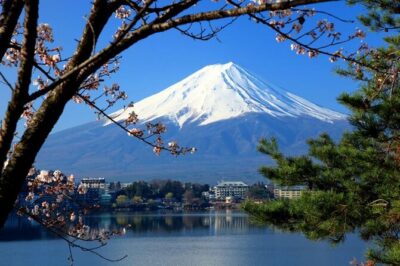
Mt Fuji and Hakone 1-Day Bus Tour Return by Bullet Train
Read our review →
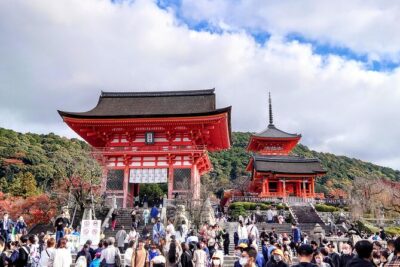
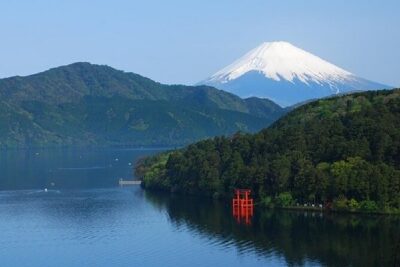
Mt Fuji & Hakone Cruise, Drum Show Bullet Train 1 Day from Tokyo
Read our review →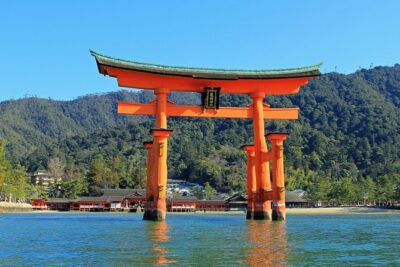
Peaceful Hiroshima & Miyajima UNESCO 1 Day Bus Tour
Read our review →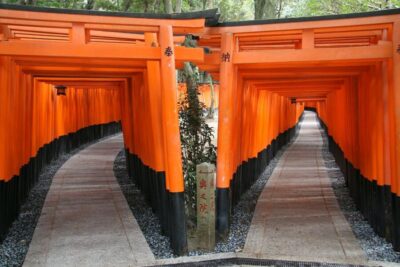
Fushimi Inari, Kinkakuji, Bamboo Grove 1 Day Bus Tour
Read our review →
Browse the lists this tour appears in