Reviewed · TOKYO TOURS
Tokyo Asakusa Rickshaw Tour
Asakusa rolls by at human speed. This rickshaw tour lets you see Edo-era lanes, shrines, and garden details, then pivot toward modern Tokyo views like the Skytree, all with a customizable route.
My favorite part is the way the ride gives you an easy overview without feeling like you’re sprinting. A second win: the stops are packed with specific cultural details, from Ushijima Shrine’s unusual gate layout to Honryuin Matsuchiyama Shoden’s radish theme, and guides such as Issy, Koko, Micchy, Kei, and Taisei often turn those points into stories you can actually remember.
One key consideration: there is no rickshaw riding inside the Sensoji Temple and Asakusa Temple area, including the temple grounds and Nakamise shopping street, so you will walk some of that stretch.
Key things that make this Asakusa rickshaw tour worth it
- A customizable route based on what you care about most (not a fixed script)
- Shrine and temple details you might miss if you just wander, like Ushijima Shrine’s three-entrance gate
- Great photo pacing, including Skytree views from across the Sumida River
- Old Tokyo flavor, with Edo-period streets, entertainment history, and quirky stops
- Easier sightseeing for limited time, from 30 minutes to about 3 hours
Tokyo Asakusa rickshaw tour, human-speed sightseeing
Asakusa is one of those Tokyo neighborhoods where you can see different eras rubbing elbows. You get traditional religious spaces, older storefront faces, and lantern color, then in the same general sky you start spotting modern towers and businesses. The rickshaw ride helps you take it all in without the usual Tokyo walking fatigue.
What I like about this format is the balance. You still see classic Asakusa icons, but you are also steered toward smaller stops that explain the neighborhood instead of just checking boxes. Guides can also adjust the route based on your interests, which matters because Asakusa is wide in mood. Some people want shrine symbolism. Others care more about streets, food culture, or photography.
A few more Tokyo days worth comparing
- Mt Fuji and Hakone 1-Day Bus Tour Return by Bullet Train
★ 5.0 · 26,383 reviews - 1-Day Tokyo Bus Tour
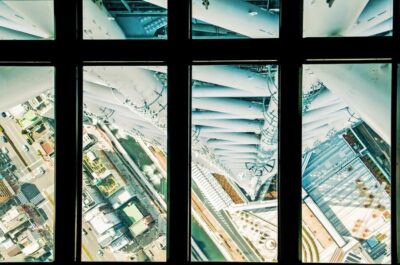
★ 5.0 · 14,250 reviews - Tokyo: TOKYO SKYTREE® Admission ticket
★ 4.5 · 11,192 reviews
Meeting point and the rickshaw setup you need to plan for
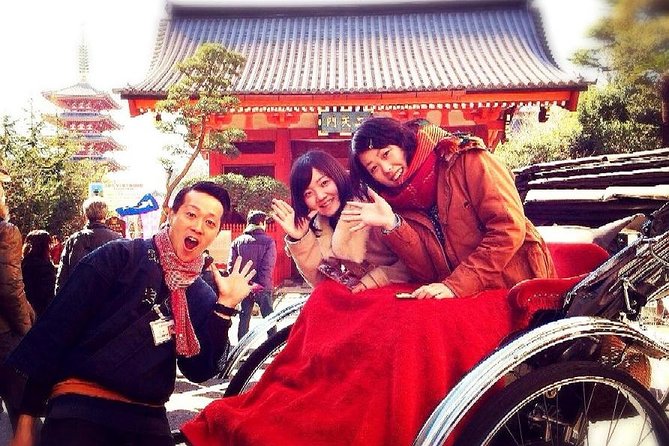
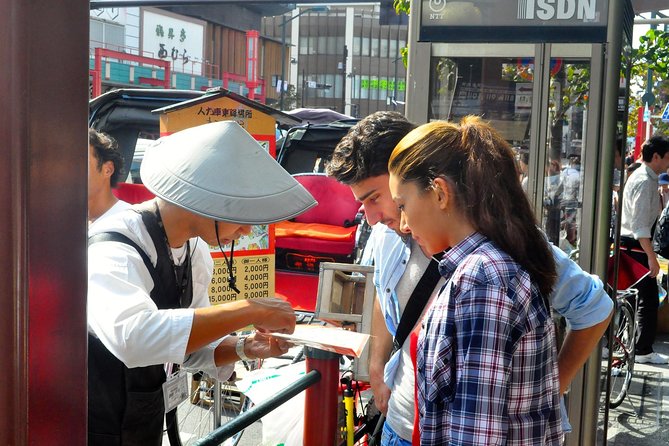
You meet on foot at 1-chōme-1-4 Asakusa, Taito City, near Asakusa Station. There is no hotel pickup, so plan to arrive a bit early and use transit to get there smoothly. Your guide will then match you with a local rickshaw driver and start the ride.
Two practical notes help you enjoy the experience more:
- Rickshaws are narrow: about 29.1 inches (74 cm) wide. For comfort, it is sometimes better to book one rickshaw per participant, especially if you are not sure everyone will feel easy in the same vehicle.
- This is generally set up for up to 2 adults per rickshaw. Small kids under 5 can ride free if they sit on an adult lap, but if a child uses one of the two rickshaw seats, you need to book them as an adult.
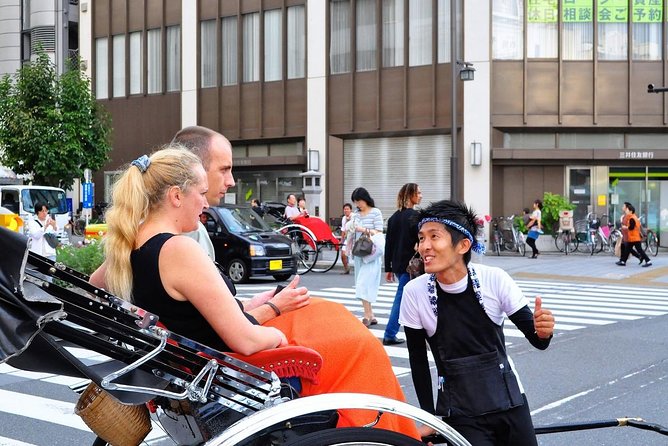
The plus side is that the vibe tends to be relaxed and personal. Many guides in the program are described as high-energy, friendly, and very willing to chat, even when you ask basic questions like how Shinto and Buddhism coexist, or what a certain shrine detail means.
Custom route timing: from 30 minutes to about 3 hours
The tour can run from 30 minutes to around 3 hours, depending on what you select and how the route works with the stops that fit best. The key thing to understand is that not every possible landmark will fit into shorter durations.
So, if you only have a short window, you should choose a priority list. For example:
- If you want the biggest photo moment, aim for the Skytree viewpoints across the Sumida River.
- If you want culture and meaning, focus on the shrine and temple stops, including the ones with distinct themes like cats and radishes.
- If you want atmosphere and fun streets, lean into the Edo-era lanes, the entertainment history streets, and the quirky raccoon-themed stretch.
In short, this is a “make your own Asakusa” style tour, not a one-size-fits-all loop.
Edo-era streets and Asakusa’s story in plain sight
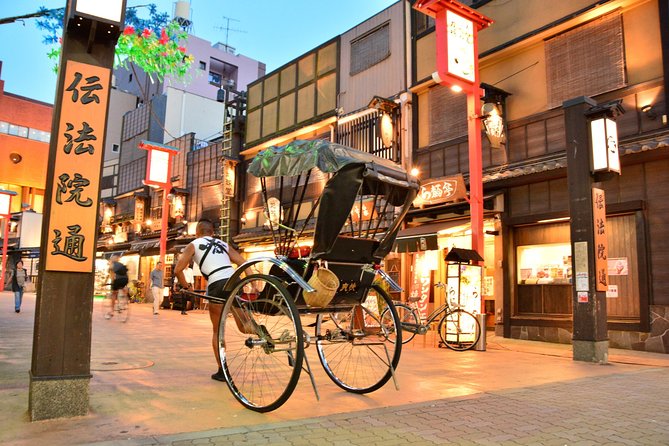
Before you even reach the bigger temple visuals, the ride frames Asakusa like a living time capsule. You will travel past an older street lined with traditional-looking store fronts and house facades dating back to the Edo period. Even if you only know Tokyo as neon and trains, these lanes remind you Tokyo is also full of older city patterns, not just modern skylines.
The best part is how the rickshaw speed changes your brain. Walking in a busy area can feel like dodging. Riding slower makes you notice the small stuff: the angle of buildings, older signage styles, and street layouts that make sense historically.
And then you add a layer of playful weirdness, because Asakusa has that too. You may roll through a raccoon-themed street where figurines appear every few meters, turning a simple stroll into a photo mission. If your group likes quirky street culture, it is a fun breather between more solemn shrine and temple stops.
Same corner of Japan, a different kind of day:
- Tokyo: teamLab Planets TOKYO Digital Art Museum Entry Ticket
★ 4.6 · 9,779 reviews - Mt Fuji & Hakone Cruise, Drum Show Bullet Train 1 Day from Tokyo
★ 4.0 · 7,413 reviews - Tokyo: Sumo Show Experience with Chicken Hot Pot and a Photo
★ 4.8 · 6,678 reviews - Tokyo: Shinjuku Food Tour (13 Dishes at 4 Local Eateries)
★ 5.0 · 6,603 reviews
Old entertainment lanes, amusements, and the Asakusa before modern Tokyo
Asakusa has a long entertainment identity, and this tour can reflect that. One stop can include an amusement park that is among the oldest in Japan and still operating. That is the kind of place you can pass by quickly on your own, but with a guide you get a sense of why it matters and how the neighborhood’s nightlife and leisure evolved over time.
Another possible stop connects to the former heart of Asakusa’s entertainment district, linked with Rokku Street, an older entertainment zone that was heavily popular before the war. The tour keeps the contrast front and center: older theaters and cinemas in a neighborhood that is still creative, still busy, just in different forms now.
This is especially good for families and teens who might get temple-fatigue. You are not only doing religion tourism. You are getting the neighborhood as a whole.
Shrines at Ushijima, Imado, and Honryuin Matsuchiyama Shoden
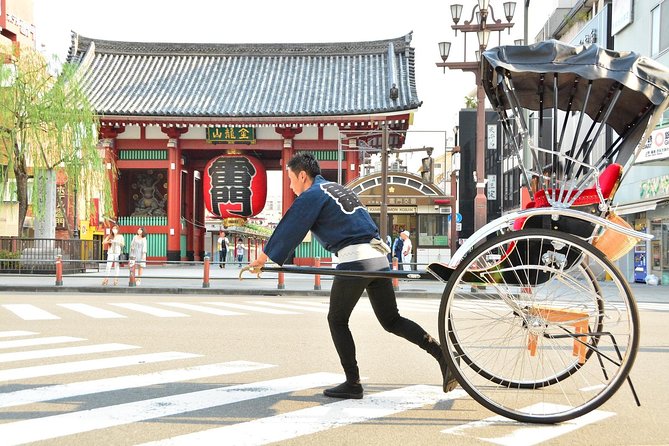
This is where the tour really becomes memorable, because you are not just viewing buildings. You are learning why certain design choices exist and why specific symbols show up again and again in the area.
Ushijima Shrine’s unusual gate design
Ushijima Shrine is a Shinto shrine, and one stop includes time at this site to learn why its gate has three entrances instead of the more standard one-entrance setup. That kind of detail is easy to overlook unless someone points it out. It also gives you a clearer picture of Shinto architecture as a system of meaning, not just a pretty gate.
Honryuin Matsuchiyama Shoden’s radish story
Honryuin Matsuchiyama Shoden is a Buddhist temple and part of the Sensoji temple group. One reason people find it interesting is the radish theme, from radishes found in the setting to radishes painted on lanterns. It is the sort of quirky local tradition that makes the visit feel personal and place-specific.
Imado Shrine and the manekineko cats
Imado Shrine is another Shinto stop, famous for cat figurines, especially the manekineko, the beckoning cat. Even if you have seen manekineko souvenirs in shops, it is different when you connect them to an actual shrine context. You start to see why these cats became a symbol of good fortune and how local worship habits shape what people buy and carry home.
A common thread across these stops is that your guide explains how each site fits into Asakusa’s culture. You do not need prior knowledge. The stops are built to make the meaning feel practical.
Sensoji Temple area: what you can ride and what you walk
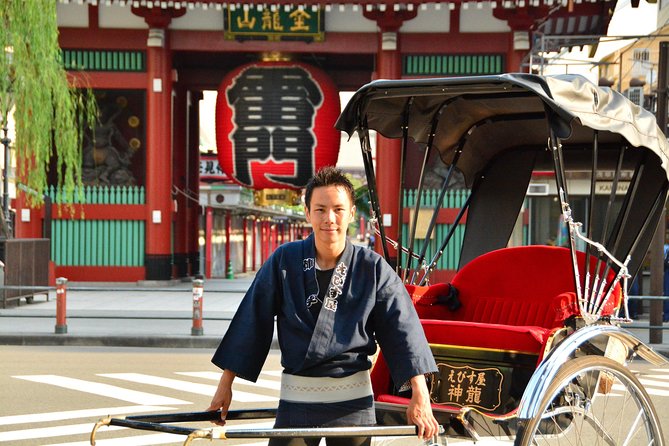
You will see the famous gate that leads into Sensoji Temple and Asakusa Temple. The gate is colorful and bright, and it is one of the most iconic entry points in the area.
Then comes the important limitation: no rickshaw ride is allowed in the Sensoji Temple and Asakusa Temple area, including the temple buildings, the temple grounds, and Nakamise shopping street. So your rickshaw ride will stop before you get fully into that zone. After that, you will be walking.
This is not necessarily a deal-breaker. It can actually improve the experience because you can slow down in the crowds and take in incense, lanterns, and shopfront bustle without the awkwardness of being in a vehicle too close to where foot traffic is thick.
Japanese gardens, Lucky Fortune Cow Shrine, and peaceful breaks
Between the shrine glamour and the street noise, the tour can include time in a Japanese garden. One highlight here is the Lucky Fortune Cow Shrine. Garden visits can sound optional, but in Asakusa they act like a reset button. The quiet contrasts with the surrounding city, and your guide can point out the specific garden element that connects to the shrine theme.
If you tend to feel rushed on big sightseeing days, this kind of pause is valuable. You get a calmer moment to catch your breath, and it also makes your later photo stops feel less frantic.
Sumida River views and Tokyo Skytree photo spotting
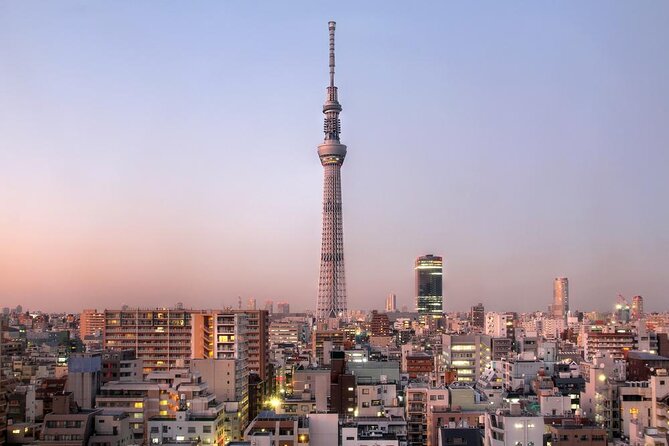
A major photo moment is built into the route: an excellent view of the Tokyo Skytree from across the Sumida River. This is a known photo spot, and your timing can make a big difference depending on daylight and weather.
The tour may also include the Sumida Park, a long riverfront stretch. If you visit in spring, you can catch cherry blossoms there, and even outside peak bloom it is a pleasant place to slow down, take a break, and watch the river scene.
The practical benefit of choosing spots across the river is that you get cleaner skyline framing. In dense cities, it is easy to get the Skytree blocked by buildings from street level. Across the river, the line of sight is much easier.
Asahi Beer headquarters, and why this contrast matters
Asakusa is not only old. One highlight can include the Asahi Beer headquarters, with the iconic golden flame on top. Seeing that landmark while you are otherwise surrounded by Edo-era style facades is the whole point of this neighborhood.
That contrast is useful for understanding Tokyo. It helps you see that modern businesses did not replace old culture. They coexist, sometimes right next to it, and the city just keeps building outward.
If you like city storytelling, this stop is a neat bridge between your older shrine visits and the modern skyline you can keep spotting between streets.
Comfort and weather: how to plan so the experience stays easy
The tour works best in good weather. If weather is poor, the experience can be canceled and you can be offered a different date or a full refund. That matters because rickshaws are open or semi-exposed, so you will feel the air.
Two small comfort upgrades show up in the experiences people share with this tour: seatwarmers and rugs. Also, there are comments about dodging rain, with staff keeping riders dry and warm when the weather turns.
My practical advice: check the forecast the morning of, bring a compact umbrella if rain seems possible, and dress in layers. You want to be comfortable enough to sit still and enjoy the ride rather than fidget through it.
Value for $42.90: what you actually get
At $42.90 per person, the value comes from three things working together.
First, you get a real guided experience, not just transportation. The guide can explain why specific shrines look the way they do and why certain local themes, like cats and radishes, show up.
Second, you get time savings. In about 30 minutes to 3 hours, you can cover a surprising range: Edo-era lanes, quirky streets, shrine and temple stops, river viewpoints, and even a major modern landmark like Asahi Beer headquarters.
Third, you get the “human speed” advantage. Sitting in a rickshaw changes how you notice details. It is easier than sprinting between photo spots, and less exhausting than trying to do the same route on foot.
Add in group discounts and the fact that it is a private tour for just your group, and the cost starts to feel more reasonable, especially for couples and small families who want a calmer, more personal day.
Who this Asakusa rickshaw tour suits best
This is a great fit if:
- You want a quick overview of Asakusa with actual context, not only wandering.
- You want both serious stops (shrines and temples) and lighter ones (entertainment history and quirky street themes like raccoons).
- You care about photos and scenic viewpoints, especially Skytree framing from across the Sumida River.
- Your group prefers a guided, paced day over doing everything solo.
It might be less ideal if:
- You strongly dislike tight spaces, since rickshaw seating can be snug.
- You expect to stay in the rickshaw inside the Sensoji Temple and Asakusa Temple area. You will walk that section.
- Your main goal is a long, slow temple immersion. This tour is structured to cover several highlights in a limited time window.
Should you book? My straight answer for first-time Asakusa visitors
If it is your first time in Asakusa and you want to see a lot without burning your legs, I think this tour is an easy yes. The customization helps you steer the day, and the guided focus on specific details makes the landmarks feel less like random stops.
The decision mostly comes down to two things: your comfort in a narrow rickshaw and your expectations for the Sensoji area. If you are fine walking through the temple zone and you can enjoy a ride that is more about pacing than speed, you will likely find this one of the best ways to get oriented fast and still feel like you discovered Asakusa, not just passed through it.
FAQ
How long is the Tokyo Asakusa rickshaw tour?
It runs from about 30 minutes up to about 3 hours, depending on the option selected and how the route fits the available time.
Is food or drinks included?
No. Food and drinks are not included.
Are entrance tickets included for the shrines and temples?
Admission tickets are not included for certain stops, including Ushijima Shrine, Honryuin Matsuchiyama Shoden, and Imado Shrine.
Can the rickshaw go into the Sensoji Temple area?
No. No rickshaw ride is allowed in the Sensoji Temple and Asakusa Temple area, including the temple buildings, temple grounds, and Nakamise shopping street.
What are the rules for children on the rickshaw?
Children aged 5 years and under may ride free of charge if they sit on an adult’s lap. If a child 5 years will use one of the two seats, they must be booked as an adult.
Where does the tour end?
The tour ends at a nearby location of your choosing. The finishing point is decided on the day of the tour with your guide.
Fresh options around Tokyo
- Tokyo: Nikko Kegon Falls Lake Chuzenji Toshogu Temple & More★ 4.9 · 12 reviews
- Tokyo: Samurai History Walking Tour★ 5.0 · 12 reviews
- Harajuku: Kawaii Fashion and Pop-Culture Tour★ 4.7 · 12 reviews
- Tokyo: Mt. Fuji & Lake Kawaguchi Instagram Full Day Trip★ 4.1 · 12 reviews
- Shibuya Tokyo: Modern Kintsugi Workshop in Shibuya★ 5.0 · 12 reviews
- Tokyo: GTR Guided Daikoku Experience at Night★ 5.0 · 12 reviews
- Tokyo: Daikoku JDM Car Culture Tour★ 4.6 · 12 reviews
- Mt Fuji Private Day Trip from Tokyo with English speaking driver★ 5.0 · 13 reviews
Tokyo Tours, compared.
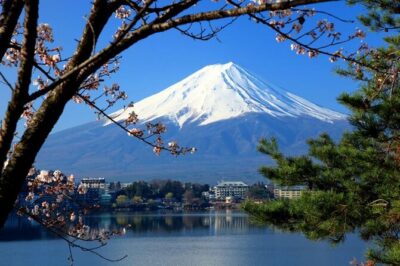
Mt Fuji and Hakone 1-Day Bus Tour Return by Bullet Train
Read our review →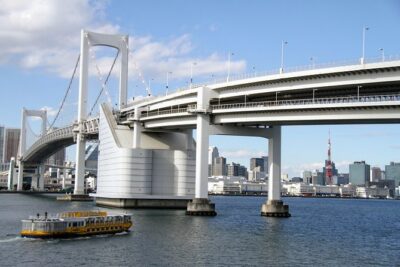
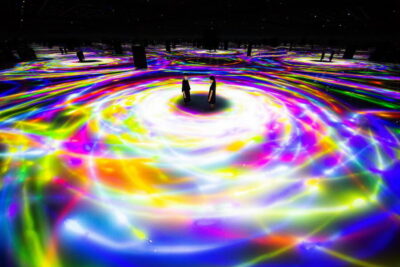
teamLab Planets TOKYO Digital Art Museum Entry Ticket
Read our review →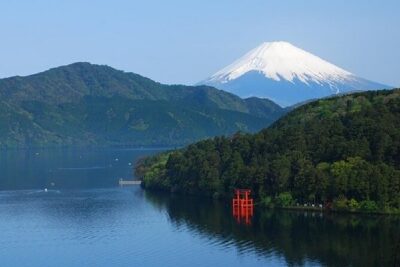
Mt Fuji & Hakone Cruise, Drum Show Bullet Train 1 Day from Tokyo
Read our review →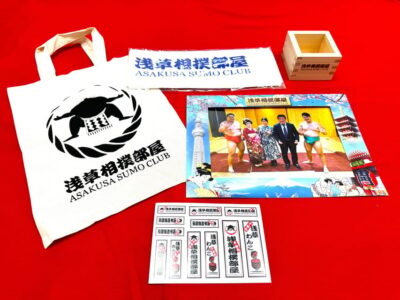
Sumo Show Experience with Chicken Hot Pot and a Photo
Read our review →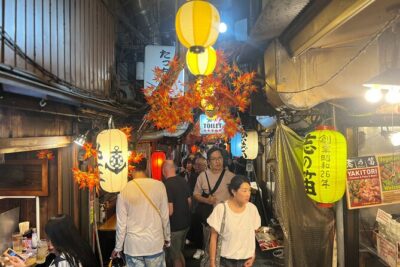
Shinjuku Food Tour (13 Dishes at 4 Local Eateries)
Read our review →