
Reviewed · FOOD & DRINK
Tokyo: 2-Hour Asakusa Food Hunt & Cultural Tour
There is something quietly exciting about eating where the locals actually go. This Asakusa Food Hunt & Cultural Tour strings together classic bites, a lesson in proper sushi eating, and a real look at the neighborhood beyond the famous postcard spots. Two things I really like are the focused food stops, and the way the small group format keeps the pacing comfortable, even in heat. One drawback to consider is that it is still a walking tour, about 1 to 2 kilometers total, so you will want comfortable shoes and a bit of stamina.
In 150 minutes from 11:30 to 14:00, you get a lunch-size amount of tastings plus cultural context at Sensoji Temple. It is priced at $76 per person, which sounds like a splurge until you realize you are paying for multiple guided food tastings and an English-speaking guide who helps you eat with confidence. If you want freedom to wander on your own the whole time, this guided structure may feel a little less flexible.
Key things you’ll notice on this Asakusa food tour
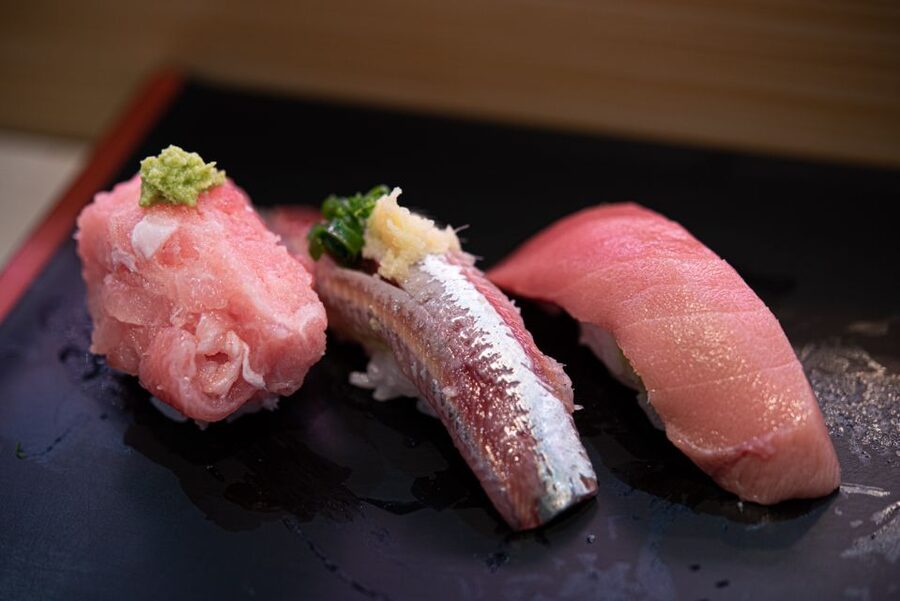
- Sushi etiquette, not just sushi tasting, taught at a standing spot linked to a fish dealer
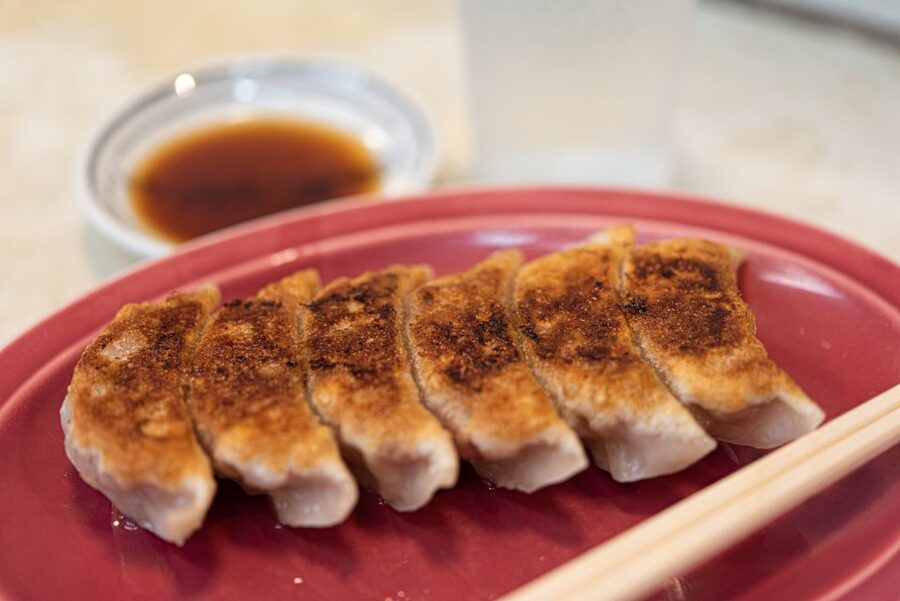
- Soba and gyoza in a local-style meal setting, not a tourist cafeteria
- Family-run and long-running shops, including places tied to 50 years and 100+ years
- A tight 150-minute flow, designed to fit food stops and Sensoji Temple without rushing you nonstop
- English live guide support, with a small group size limited to 6 participants
Entering a real Asakusa food map, not a checklist
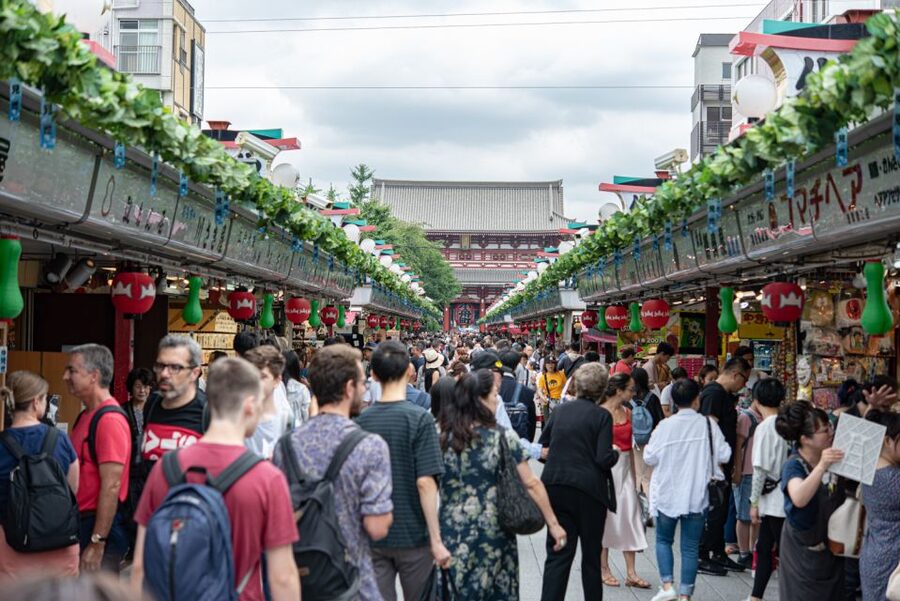
Asakusa can be overwhelming in the best way. You see crowds near the biggest sights, snack signs everywhere, and plenty of tempting stalls, but it is hard to know what is worth your time when you cannot read the menu fast. This tour solves that problem with a simple idea: walk smart, taste a variety of places, and learn how to eat like you belong.
The strongest part of the experience is how the food stops connect to the neighborhood. You are not just collecting bites. You are moving through family-owned spots and long-running shops, so the area starts to make sense. And because the group is small, you get chances to ask questions as you go, which helps you turn a snack into an actual cultural moment.
The best guides for this kind of tour can also act like translators for more than language. In past groups, guides such as Max, Shino, Chi, and Leigh have stood out for friendly, patient energy, and for explaining Japan’s food culture in a way that keeps everyone engaged, including kids and older travelers. That matters, because sushi and etiquette lessons can feel awkward if your group is large or rushed.
More food tours in Tokyo:
- Tokyo: Shinjuku Food Tour (13 Dishes at 4 Local Eateries)
★ 5.0 · 6,603 reviews - Tokyo Tsukiji Fish Market Food and Culture Walking Tour
★ 5.0 · 3,184 reviews - Tokyo: Shinjuku Food Tour (15 Dishes and 4 Eateries)
★ 4.9 · 2,033 reviews
Meeting at Hinatomaru Kaminarimon, then walking 1 to 2 kilometers
Your tour starts at Hinatomaru Kaminarimon, 1 Chome-20-3 Asakusa, Taito City, Tokyo. From there, you will walk about 1 to 2 kilometers total. It is not a marathon, but you should plan on time on your feet, plus a few short stop-and-start moments as you switch between vendors.
The schedule also helps you mentally. You begin at 11:30 and finish around 14:00, so you are in the sweet spot between morning crowds and late-afternoon fatigue. The tastings are described as lunch-size, and that matches what you want on an itinerary like this: enough food that you are satisfied, not so much that you feel stuffed halfway through.
A practical note from real-world experience with walking tours in Tokyo: if it is hot, shade breaks and water matter. Guides have been praised for making sure the group stays comfortable, with plenty of fluids and time out of direct sun. So if you tend to get drained in summer, you are likely to appreciate that kind of pacing.
The standing sushi stop: where learning actually changes how you eat
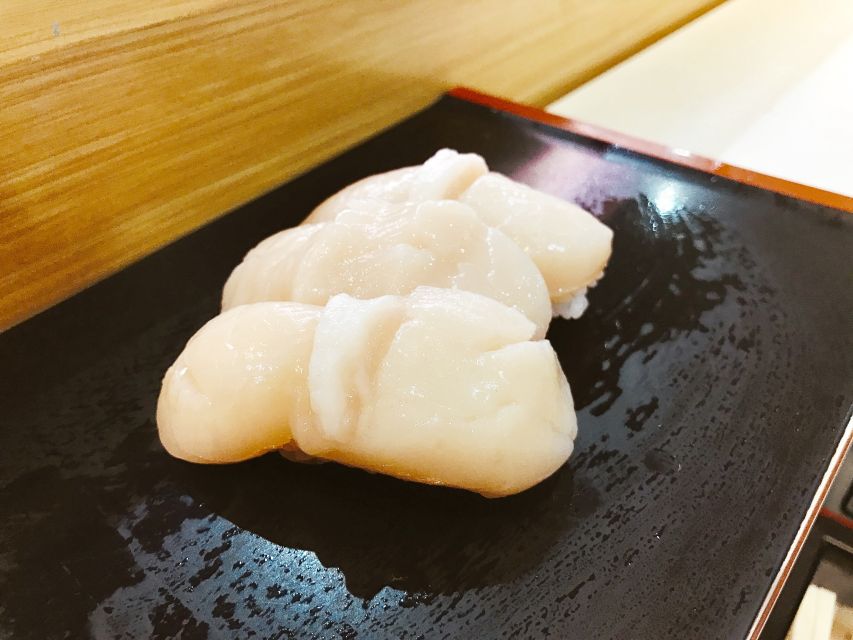
One of the first stops is a standing sushi restaurant owned by a fish dealer. This is a great choice for a food tour because it is hands-on from the start. Instead of only ordering and eating, you learn how to eat sushi properly in that specific setting.
You also get a bit of history. Sushi used to function as a fast food option in Japan, and that context helps you see why styles and portions evolved the way they did. Even if you have eaten sushi before, this kind of lesson can sharpen your instincts: you start paying attention to balance, how you handle the pieces, and how you approach the tasting rhythm.
What you should expect at this stop:
- Fresh seafood that you might not have tried on your own
- A guided explanation of sushi eating style, not just recommendations
- Time to ask questions while you are actually at the counter
Possible drawback: standing sushi means you may not have a lot of sitting comfort. For most people it is fine, but if you struggle with standing for short stretches, consider that before booking. Still, the payoff is usually high because you are learning in the exact place the food is made and served.
Soba and gyoza at a family restaurant locals actually use
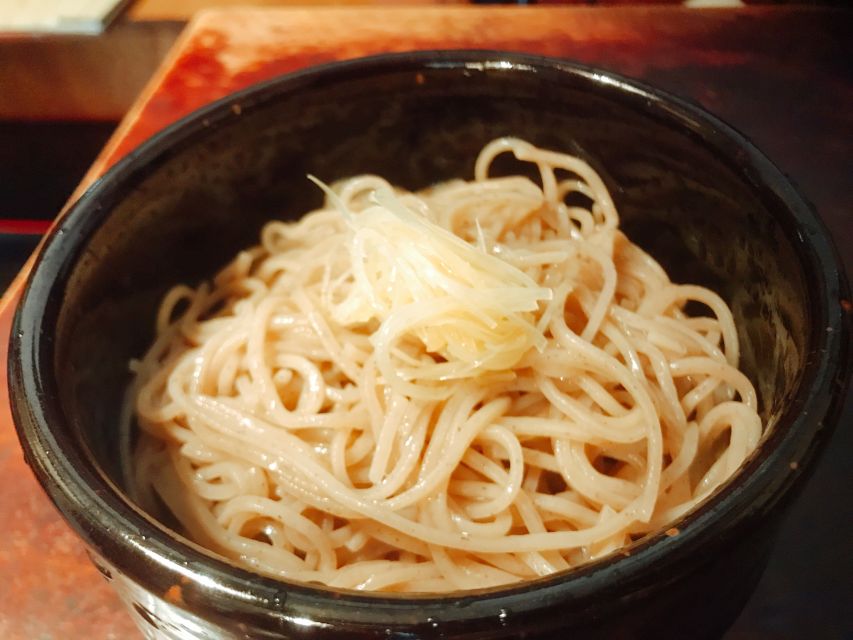
Next up is a family-owned soba restaurant where you enjoy fresh soba and gyoza. This is one of those parts of Japan travel where you want more than sightseeing. You want to understand that Japanese meals are about timing, temperature, and the way flavors work together.
Soba is a great target for a food hunt because it is simple on paper but deep in practice. The flour, the grind, and the cutting style all affect texture. Pair that with gyoza, which are typically served with their own sauce and rhythm, and you have a meal that feels both comforting and distinct.
What makes this stop valuable is the vibe. The tour is designed to take you to a local restaurant that only locals go to, not a place built for tour groups. That can be the difference between eating food and absorbing the tiny social rules that come with it.
A small consideration: since it is a guided schedule, you may not have time to linger as long as you would at a favorite café. If your ideal Tokyo day is slow and spontaneous, you might feel slightly constrained. But if you want a high hit-rate day where you taste multiple foods and learn how they fit together, this stop is a strong anchor.
A few more Tokyo days worth comparing
- Tokyo: Imperial Palace and Shogun Historical Walking Tour
★ 5.0 · 2,251 reviews - Tokyo: Imperial Palace Japanese History Walking Tour
★ 4.9 · 987 reviews - Tokyo: Shinjuku Historical Walking Tour & Secret Backstreets
★ 5.0 · 530 reviews - Yanaka Walking Tour: Historic and Traditional District of Tokyo
★ 5.0 · 530 reviews
Handmade rice crackers and snack stories from decades back
After the sit-down meal, the tour shifts into tasting mode again with smaller, memorable stops.
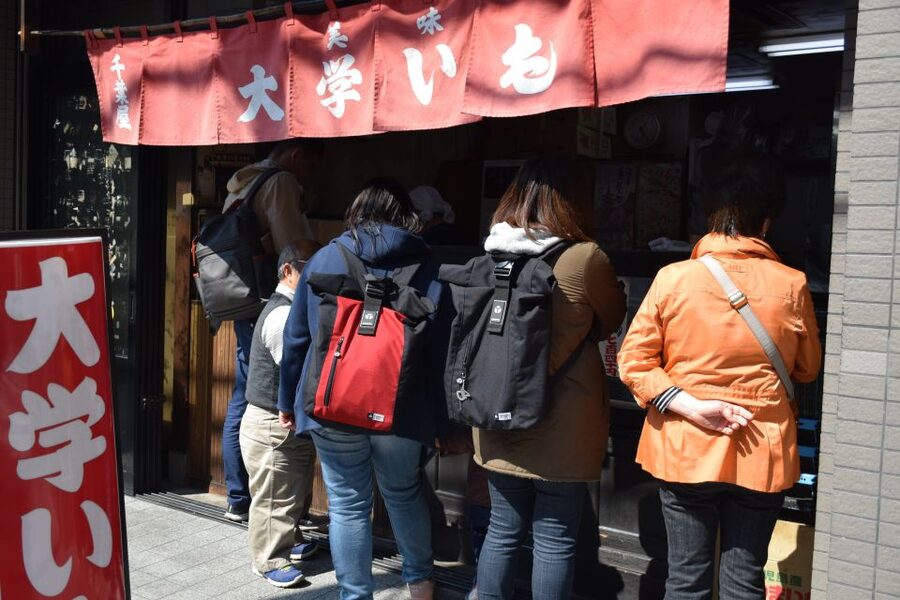
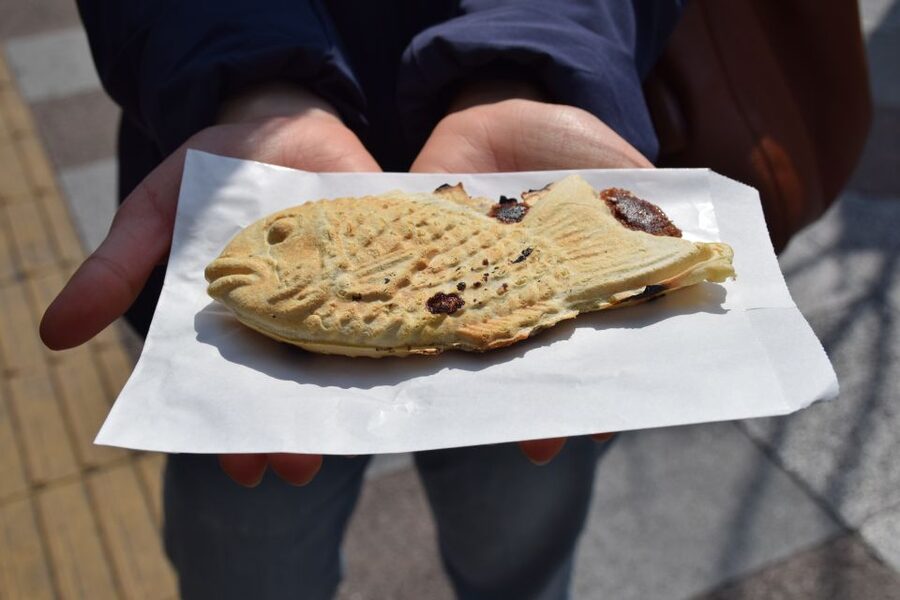
First, you visit a store for handmade rice crackers with over 100 years of history. The point here is not just snacking. It is recognizing how long certain food traditions persist in Tokyo. A century is a long time to keep selling the same kind of product to the same kind of regulars, so the shop’s longevity is the story.
Then you try Japanese snacks that are described as a hidden gem started with a food stand 50 years ago in Tokyo. That kind of origin story is exactly why this tour feels different from buying snacks at random. You get the sense that the flavor and format have been refined by repetition and real customer feedback for decades.
How to get the most out of these snack stops:
- Take small bites so you can compare flavors as you go
- Ask questions about what to notice in taste and texture, even if you do not know much Japanese
- Pace yourself, since the tour still ends with a major cultural stop
Potential drawback: snack stops can be easy to overdo. Because the tour includes multiple tastings, you may feel the urge to sample everything quickly. Instead, slow down. This is your chance to notice differences between items, not just fill a bag with food.
Sensoji Temple: culture and history after your stomach is ready
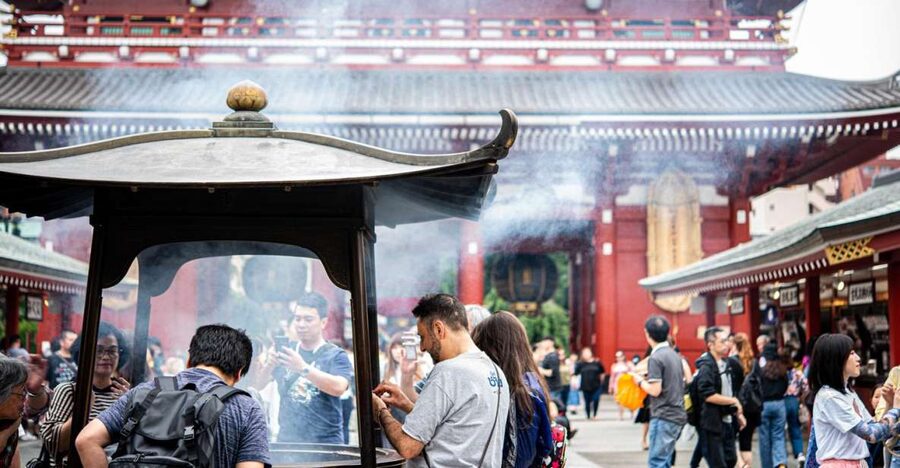
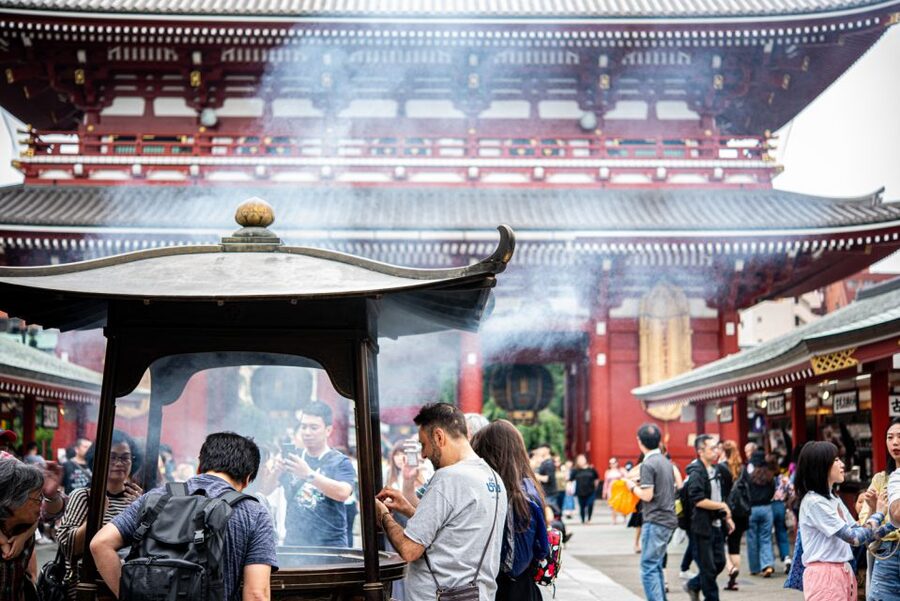
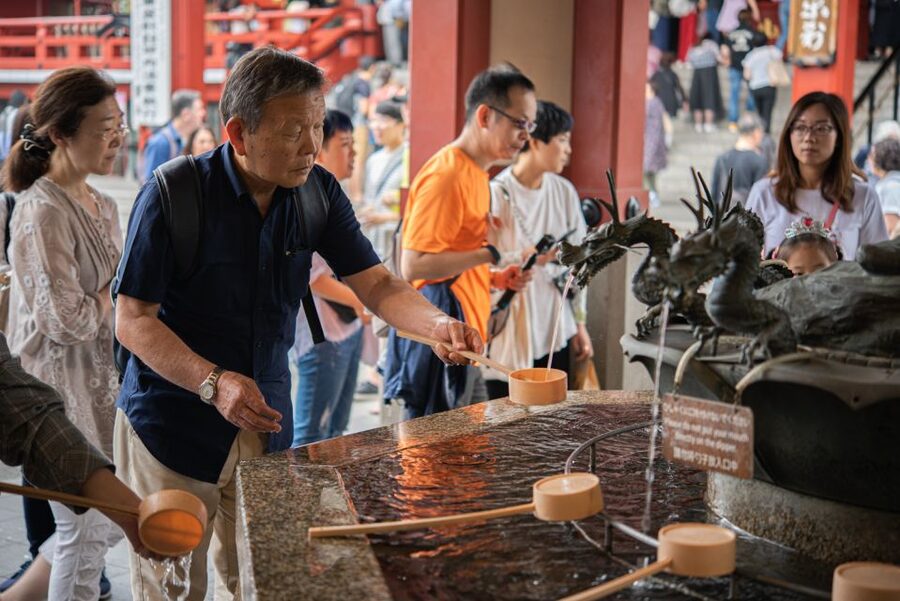
The last major cultural stop is Sensoji Temple, one of the largest temples in Tokyo. This is where you connect what you have been eating to what you are seeing outside the food context. The tour is not just about flavor, it is about place.
Doing the temple visit after several tastings is a smart rhythm. You are not hungry and cranky, so you can actually absorb what you see. And because the tour focuses on parts of Asakusa outside the most obvious guidebook routes, you get a sense of everyday Tokyo alongside the famous landmark.
What you should keep in mind:
- It can get crowded near major temple areas, so your guide’s pacing matters
- Wear shoes you can walk in for temple surfaces and crowds
- Bring water, especially if you are touring in summer
This is also where the guide’s explanation style shows. In well-reviewed runs, guides have been praised for sharing historical insights without turning it into a lecture. If you like short, useful context, you are likely to enjoy it.
Price and value: is $76 fair for 150 minutes?
At $76 per person for 150 minutes, you are paying for several things at once: an English-speaking guide, a small group, and a string of food tastings that are described as lunch-size. Transportation is not included, so you will still need to get yourself to the meeting point.
Is that price a good deal? Usually, yes, if you value guided food experiences over random wandering. Food tours often fail when they turn into a long walk with only tiny bites. Here, the tastings are positioned as full lunch size, and the itinerary includes multiple distinct food categories: sushi, soba, gyoza, rice crackers, and assorted snacks.
Also, the sushi part adds value. A lesson on proper sushi eating style can be genuinely useful, especially if you want to eat confidently later in Tokyo. That can translate into better ordering and better enjoyment beyond the tour.
A fair warning: if you are the kind of traveler who wants to eat at a single favorite place and slow way down, a set-tasting format might feel less efficient. On the other hand, if you want variety in a short timeframe, this price starts to look more reasonable.
Small group comfort: what max 6 really buys you
The group is limited to 6 participants. That number sounds small, but you feel it in how the tour operates. In practice, it means you can ask questions without feeling like you are talking into the void. It also makes it easier for the guide to manage timing and keep everyone fed and comfortable.
In reviews tied to this tour style, guides were described as patient and attentive to different needs. People also highlighted that the pace stayed organized and that the guide could accommodate special requests. Whether you are traveling with older family members or kids, that matters more than most people expect, because it affects stress level, not just comfort.
And because the tour is English live guided, you get explanations in real time. That reduces the chance that you end up eating something you do not like without understanding what it is or how it is meant to taste.
What to wear and how to handle Tokyo heat
You are walking about 1 to 2 kilometers, so comfortable shoes are not optional. Think supportive, not just stylish. You will also be in and out of different small spaces for tastings, so breathable clothes help.
If you travel in warmer months, plan for sun exposure and bring water even if the guide provides hydration reminders. This tour has been praised for checking on comfort, including getting people out of direct sun and ensuring the group stays hydrated.
If you have dietary restrictions, the tour data provided here does not spell out specific accommodations. Your best move is to contact the operator before booking and ask directly what they can support for allergies or dietary patterns.
Who should book this Asakusa food hunt, and who might skip it
This tour is a great match if:
- You want multiple Asakusa food stops in a short 150-minute window
- You are excited about learning sushi eating style and Japanese food etiquette
- You prefer a small group with an English guide who can answer questions
- You want to see Sensoji Temple without feeling like you only did the most obvious tourist loop
You might skip it if:
- You dislike structured itineraries and prefer total freedom
- Standing for parts of the experience would be uncomfortable
- You want transportation included in the price
Also, if you already have a list of places you love, this tour can still be useful as a way to fill gaps. But if your plan is to eat one big meal and wander slowly, you might not need the guided tasting format.
Should you book this 2-hour Asakusa Food Hunt?
I would book it if your Tokyo trip includes a day where you want real food variety, clear guidance, and cultural context without turning the experience into a scavenger hunt. The best reasons are practical: you get lunch-size tastings, a guided sushi learning moment, and a temple visit, all in a small group format that keeps things manageable.
If you are on the fence, decide based on your style. If you enjoy structured guidance and want someone to point you toward family-run places you might otherwise miss, this is exactly the kind of tour that pays off. If you want to roam freely and you are already confident navigating Asakusa menus on your own, you might get similar food results by exploring independently. But if you want the smoother, smarter version, this one is hard to beat for its time and focus.
FAQ
Where is the meeting point?
You meet at Hinatomaru Kaminarimon, 1 Chome-20-3 Asakusa, Taito City, Tokyo.
How long is the tour?
The tour lasts 150 minutes (about 2 hours), scheduled from 11:30 to 14:00.
Is the tour in English?
Yes. The tour provides a live guide speaking English.
How many people are in the group?
The group is limited to 6 participants.
What’s included in the price?
The price includes full lunch-size local food tastings and the guide fee.
Is transportation included?
No. Transportation is not included.
Fresh options around Tokyo
- Tokyo: Nikko Kegon Falls Lake Chuzenji Toshogu Temple & More★ 4.9 · 12 reviews
- Tokyo: Samurai History Walking Tour★ 5.0 · 12 reviews
- Harajuku: Kawaii Fashion and Pop-Culture Tour★ 4.7 · 12 reviews
- Tokyo: Mt. Fuji & Lake Kawaguchi Instagram Full Day Trip★ 4.1 · 12 reviews
- Shibuya Tokyo: Modern Kintsugi Workshop in Shibuya★ 5.0 · 12 reviews
- Tokyo: GTR Guided Daikoku Experience at Night★ 5.0 · 12 reviews
- Tokyo: Daikoku JDM Car Culture Tour★ 4.6 · 12 reviews
- Mt Fuji Private Day Trip from Tokyo with English speaking driver★ 5.0 · 13 reviews
Food & Drink, compared.
Shinjuku Food Tour (13 Dishes at 4 Local Eateries)
Read our review →
Tokyo Tsukiji Fish Market Food and Culture Walking Tour
Read our review →
Shinsekai Food Tour with 13-15 Dishes at 5 Eateries
Read our review →
Osaka Food Tour: 13 Dishes at 5 Local Eateries
Read our review →
Shinjuku Food Tour (15 Dishes and 4 Eateries)
Read our review →
Best of Shinjuku: Izakaya Food Tour (4 Stops, 14+ Tastings)
Read our review →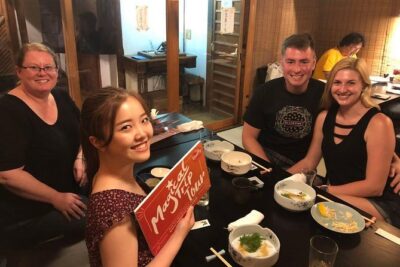
Kyoto Night Foodie Tour in Gion (9+ dishes + 6 Sake tastings)
Read our review →
Hungry Osaka Street Food Tour:15 Tastings & 3 Drinks with a Local
Read our review →Browse the lists this tour appears in