Reviewed · TOKYO TOURS
This is Asakusa! A Tour Includes the All Must-Sees!
Asakusa can feel like a living maze. This private, 6.5-hour tour for your party takes you to the biggest sights, including Senso-ji and Kappabashi, while your guide helps you move through the busiest streets and adds real context about daily life, history, and local culture.
Two things I like right away: you get a built-in route that keeps you from wandering in circles, and you also get a chance to ask questions as you go. One thing to consider: the tour price covers the guide, but you should budget extra for transport, admissions, and meals on your own.
You start near Asakusa Station and finish at Oshiage Station by Tokyo Skytree, which is handy if you want to continue exploring that side of town after the tour. The day also includes a free orientation stop at the Asakusa Culture Tourist Information Center, where the top-floor terrace helps you make sense of the area fast.
A nice sign of quality: the guides behind this experience are often described as kind, attentive, and good at adjusting to what your group needs. Names like Haruo, Macky, Walt, and Sayaka show up in feedback, and the common theme is clear communication and a calm, well-paced flow through popular spots.
Key things to know before you go
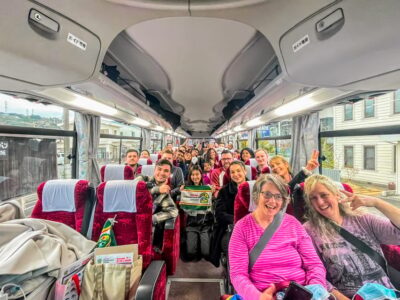
- Private for your party means you do not share the experience with strangers, and you can ask more questions along the way.
- Asakusa Culture Tourist Information Center terrace gives quick orientation over the neighborhood, and it is free.
- Crowd-smart temple and shrine time at Senso-ji and Asakusa Shrine, with enough breathing room to actually enjoy the details.
- Three shopping flavors in one loop: festival-themed streets, a local drink strip, and the kitchenware-and-knives district of Kappabashi.
- Skyline finish near Skytree positions you well for more sightseeing at Solamachi right after.
Why private Asakusa works better than going solo
Asakusa is one of those Tokyo neighborhoods where every direction pulls you toward something interesting. The tradeoff is crowds, slow walking, and lots of people stopping in the middle of the path. A private guide fixes the main frustration, which is time spent trying to figure out where to go next.
You also gain something harder to measure than distance saved: explanations. Senso-ji is more than a pretty red-lantern stop, and the shrine visit has festival connections that make the area feel alive, not just photographed. When you can ask questions as you walk, you get better context for what you are seeing.
This tour is built to keep momentum, with short time blocks at the streets and shrines and longer stops where it matters. That structure helps you enjoy the day without feeling rushed, even though you are hitting multiple famous places in one half-day stretch.
A few more Tokyo days worth comparing
- Mt Fuji and Hakone 1-Day Bus Tour Return by Bullet Train
★ 5.0 · 26,383 reviews - 1-Day Tokyo Bus Tour
★ 5.0 · 14,250 reviews - Tokyo: TOKYO SKYTREE® Admission ticket
★ 4.5 · 11,192 reviews
Asakusa orientation at the Culture Tourist Information Center terrace
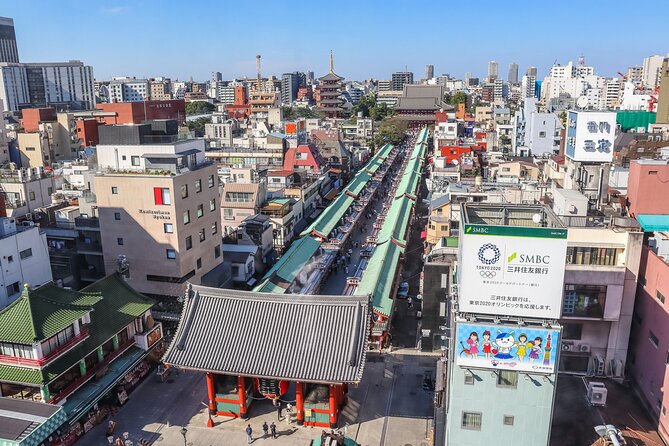
You begin at the Asakusa Culture Tourist Information Center, and the top-floor observation terrace is the real reason to start here. It is free, and the view helps you understand what you will actually walk through later. When you have that mental map, the streets start to make sense, and you spend less time backtracking.
This is also a smart timing choice. Seeing the neighborhood from above early makes the rest of the day easier, especially around Senso-ji, where the streets and lanes funnel people toward the main temple area. Think of this stop as your setup, so you enjoy the later sights more fully.
If you like taking photos but hate climbing through crowds for the perfect angle, this terrace gives you a calm option at the beginning. You can also ask your guide where the best photo moments will be, so you are not guessing.
Senso-ji and the lantern symbol you came for
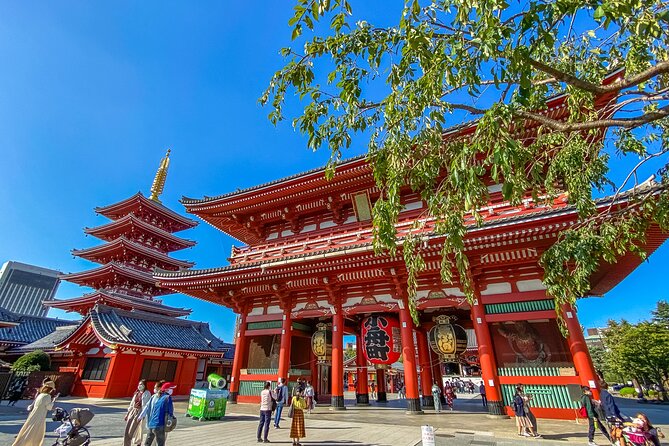
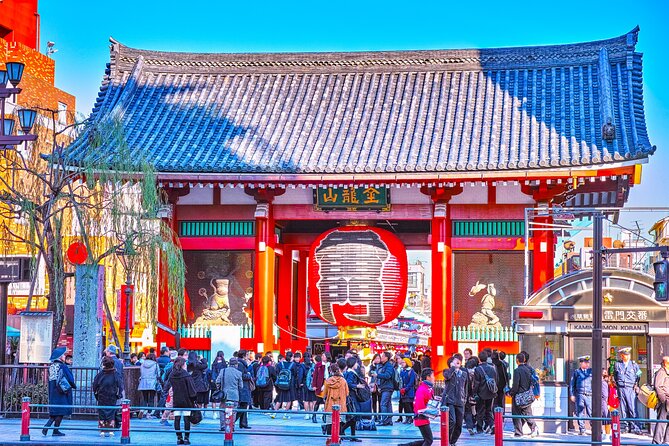
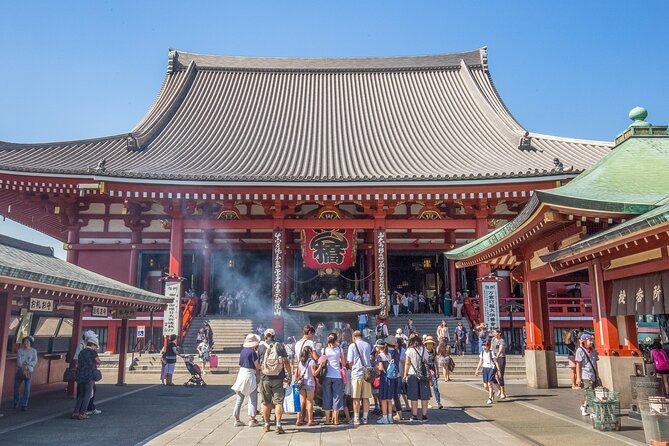
Senso-ji is Tokyo’s oldest temple, and the giant red lanterns are the visual headline that even first-timers recognize. This stop is where the neighborhood’s identity shows up in a single glance, with classic temple architecture and that iconic red-and-gold feel.
You get about an hour here, which is enough time to do the essentials without feeling like you are sprinting. I like having time to slow down because temple visits are about small details too, like the flow of people, the way spaces are arranged, and how visitors behave respectfully.
A private guide also helps with what to focus on. Instead of just chasing the postcard, you learn what the temple represents in the larger story of Asakusa. It turns the visit into something you remember, not just something you mark off.
Asakusa Shrine: the festival link that changes how you see the place
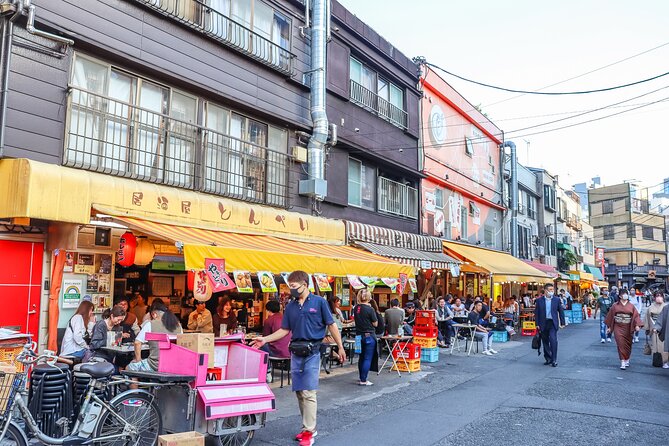
After Senso-ji, you move to Asakusa Shrine for a shorter visit. The big takeaway is the shrine’s connection to Sanja Matsuri, one of Tokyo’s major festivals. Even if you are not visiting during the festival dates, that connection makes the shrine area feel more seasonal and human.
Shrines and temples are different religious institutions, and your guide can clarify what that difference means in everyday terms. That kind of explanation matters because it helps you look at details with more accuracy, like signs of tradition and how people participate.
This stop is only about 15 minutes, so it works well as a contrast. You get a strong dose of meaning without spending the whole day in one religious space.
Same corner of Japan, a different kind of day:
- Tokyo: teamLab Planets TOKYO Digital Art Museum Entry Ticket
★ 4.6 · 9,779 reviews - Mt Fuji & Hakone Cruise, Drum Show Bullet Train 1 Day from Tokyo
★ 4.0 · 7,413 reviews - Tokyo: Sumo Show Experience with Chicken Hot Pot and a Photo
★ 4.8 · 6,678 reviews - Tokyo: Shinjuku Food Tour (13 Dishes at 4 Local Eateries)
★ 5.0 · 6,603 reviews
Nishi-sando and Hoppy Street: tradition meets street life
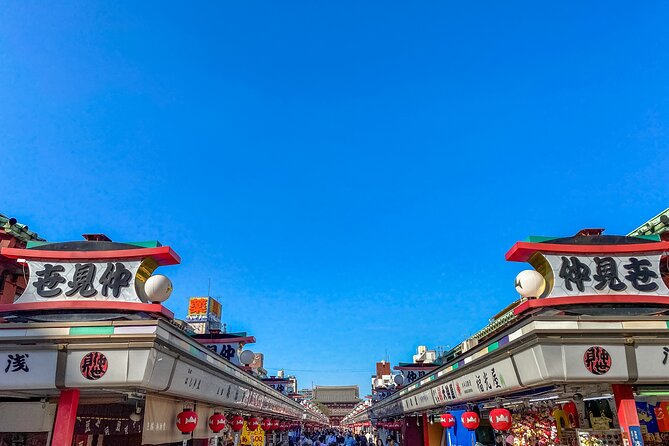
Next up are the street sections that make Asakusa feel like a neighborhood, not a theme park.
First is Asakusa Nishi-sandō Shopping Street. This is where festival-themed decorations and shops line the path, so you get that ready-to-explore sense of place. It is a good area for quick browsing and small buys, especially if you want souvenirs that feel connected to the local atmosphere.
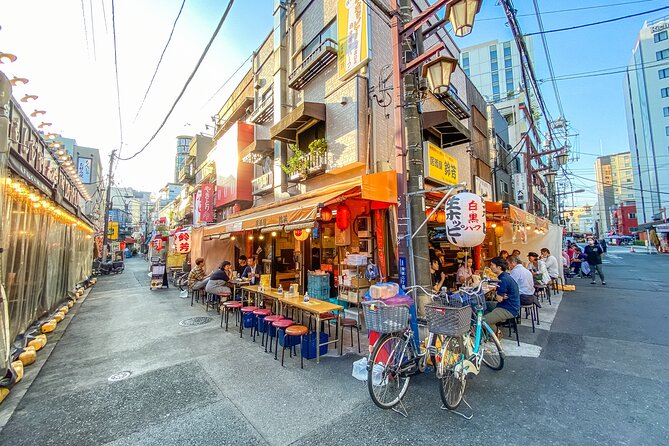
Then comes Hoppy Street, the place for reasonably priced drinks and casual street dining vibes. It has outdoor tables, and it is popular with tourists, but locals also come here to enjoy a glass of hoppy. If you want a break from walking and you like simple food-and-drink stops, this is a useful one.
One practical note: this portion of the tour is short, so decide early if you want to buy something or just watch and snack lightly. If you know you want drinks, it helps to go in with a clear plan so you do not lose time debating.
Kappabashi Dogugai: knives, tableware, and real shopping advice
Kappabashi Street, often called Kappabashi Dogugai, is the kitchenware district that food lovers talk about. You are looking at a concentration of specialty shops selling things like knives, tableware, and other kitchen tools. It is popular for a reason: it is one of the easiest places in Tokyo to shop for practical kitchen items.
The big advantage of having a guide here is guidance. You can ask what items are worth it, what to watch for, and what kind of knives are popular for travelers versus serious home cooks. If you plan to buy, this is the moment to do it, because you can compare options in a short window without getting lost.
This stop is around 30 minutes, so it is not designed for endless browsing. I like that constraint. It keeps the day moving while still giving you a real chance to shop.
Also, if you are sensitive to carrying bags, think ahead. Kitchen tools add weight. Your guide can help you plan what to buy so you do not end the day stuck hauling heavy purchases.
Gonpachi soba near Azumabashi, then on to Sky Tree
A standout part of the schedule is the handmade soba restaurant stop at Gonpachi, located at the foot of Azumabashi Bridge. You get about 50 minutes here, and the setting is a big reason people love this kind of stop. Large windows let you see the Sumida River and even the Tokyo Skytree area in the background.
This is also the kind of meal stop that breaks up temple and shopping fatigue. Instead of just grabbing something quickly, you sit down and get a proper pause in the middle of a busy day.
It is important to know what is included versus not. The meal itself is not included in the tour price, so plan to pay for lunch on your own. If you want to keep costs down, you can choose a simpler order, but if you enjoy Japanese noodle culture, this is a comfortable place to spend your meal budget.
Tokyo Skytree and Solamachi: how to use the finish spot well
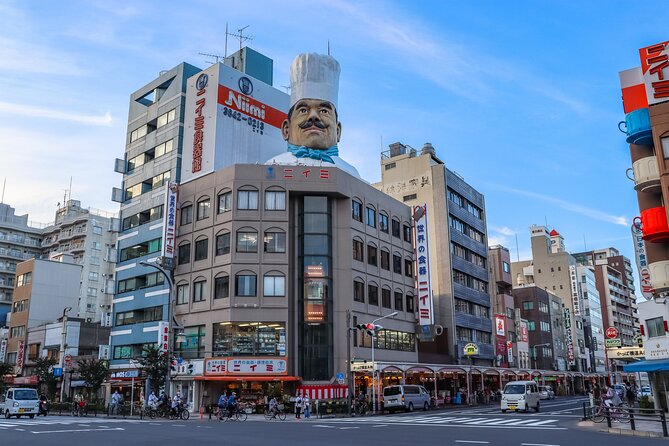
The tour ends with Tokyo Skytree and the adjacent shopping complex, Tokyo Solamachi. You have about 1 hour 10 minutes for Skytree, plus about 30 minutes for Solamachi.
Skytree is the tallest building in Japan at 634 meters, opened in 2012. It is not just a tower though. The area around it includes an aquarium, shops, and office spaces, so there is plenty to do even if you decide not to go up.
Your tour does not include the admission ticket for Skytree, so you will need to add that cost if you want the views from the observation areas. I suggest deciding based on your priorities: if you love skyline shots and wide-angle city views, it is worth budgeting. If you would rather spend money on experiences you can repeat, you can still use the complex for walking and light shopping without paying for tower entry.
Solamachi is a good follow-on because it gives you easy options right after the tour ends. That makes the whole day feel like a smooth transition from historic Asakusa to modern Sumida.
Price and logistics: what you really pay for
The tour costs $137.29 per person and runs about 6 hours 30 minutes. It is a private experience, so you are paying for your guide, the private flow for your group, and the guide-related necessary expenses covered by the provider.
On top of that, you should budget an estimated total of 4,880 JPY per person for transport, admission fees, and meals, with a breakdown that includes transportation at 180 JPY, admission fees at 3,400 JPY, and meal costs at 1,200 JPY per person. There is also mention of optional experience costs around 100 JPY per person.
Here is the value angle I would focus on. This tour is not trying to be the cheapest way to see Asakusa. It is paying for someone to reduce friction. You avoid confusion, you do not waste time searching for the right entrances and streets, and you get explanations that help you understand what you are seeing.
A small but real drawback: because admission and meals are on you, the final cost can drift upward if you upgrade for tower entry, buy more than you planned in Kappabashi, or decide you want drinks at Hoppy Street beyond a quick taste.
Practical tips so the day goes smoothly
I love tours like this most when the meeting and the pace work in your favor. One issue to watch for is meeting point clarity. If you are using a hotel taxi or asking directions, make sure you match the exact station detail, not just the general area. A past participant had a meeting point mix-up that led to extra back-and-forth before they finally connected with the guide.
Since the tour starts at Asakusa Sta. 1-chōme-1-3 in Taito City and ends at Oshiage Sta. in Sumida City, you should also plan your onward travel accordingly. If you want to return to the Asakusa area after, you will need to get yourself back.
Comfort matters too. You are walking through temple approach areas and multiple shopping streets, then finishing near Skytree. Wear shoes you can stand in for hours, and keep a small water plan. If the weather is bad, expect routes and destinations to adjust.
Finally, if you plan to shop, decide your budget before you reach Kappabashi. That is when impulse buys can add up fast. A guide can help you focus on what fits your needs, but you will still make the final choice.
Who should book this Asakusa to Skytree tour?
This is a great match if you are a first-timer who wants to hit the big names without the stress of figuring it out alone. It also works well for groups that benefit from a private pace, like families who want more room to move or friends who want time for shopping and photos without being stuck behind slow-moving strangers.
If you love food and shopping, the mix of Hoppy Street and Kappabashi is especially practical. And if you want the day to end with a modern Tokyo highlight, Skytree gives you a satisfying finale.
If you are the type who only wants one or two major stops and then wanders freely, this might feel like a lot. But if you want structure with flexibility, it fits well.
Should you book this Asakusa tour?
Yes, if your goal is maximum Asakusa impact with less crowd stress, and you care about understanding what you see. The terrace start, the temple-and-shrine pairing, and the Kappabashi shopping time make a strong half-day plan. The Skytree finish is a bonus that saves you from starting over elsewhere.
I would book it especially if you want a guide who communicates clearly and keeps your day organized. The price is reasonable for a private, 6.5-hour guided experience, as long as you plan for the extra on-the-spot costs for admissions and your meal.
If your priority is the absolute lowest cost, you could DIY Asakusa. But if you want your time in Tokyo to feel smoother and more meaningful, this tour is a solid choice. You will spend less mental energy on logistics and more on the places that matter.
FAQ
What does the $137.29 price include?
The tour includes a tour guide and it is private for your party. The provider also covers the necessary expenses for the guide during the tour.
How long is the tour?
The experience runs about 6 hours 30 minutes.
What are the main stops during the tour?
You visit the Asakusa Culture Tourist Information Center (including the observation terrace), Senso-ji Temple, Asakusa Shrine, Asakusa Nishi-sandō shopping street, Hoppy Street, Kappabashi Street (Kappabashi Dogugai), Gonpachi, Tokyo Skytree, and Tokyo Solamachi.
Are admission fees, transportation, and meals included?
No. Transportation, admission fees, food, and drink costs are borne by the customer. The tour does note an estimated total of 4,880 JPY per person for transport, admission fees, and meal costs.
Where do we meet, and where does the tour end?
You meet at Asakusa Sta. 1-chōme-1-3, Taito City, Tokyo, and the tour ends at Oshiage Sta. (SKYTREE) 1-chōme-1-65, Oshiage, Sumida City, Tokyo.
What happens if the weather is bad?
If the weather is bad on the day, the means of transportation, destinations, and routes may be changed. If a location is temporarily closed, stops might be replaced with alternative spots.
Fresh options around Tokyo
- Tokyo: Nikko Kegon Falls Lake Chuzenji Toshogu Temple & More★ 4.9 · 12 reviews
- Tokyo: Samurai History Walking Tour★ 5.0 · 12 reviews
- Harajuku: Kawaii Fashion and Pop-Culture Tour★ 4.7 · 12 reviews
- Tokyo: Mt. Fuji & Lake Kawaguchi Instagram Full Day Trip★ 4.1 · 12 reviews
- Shibuya Tokyo: Modern Kintsugi Workshop in Shibuya★ 5.0 · 12 reviews
- Tokyo: GTR Guided Daikoku Experience at Night★ 5.0 · 12 reviews
- Tokyo: Daikoku JDM Car Culture Tour★ 4.6 · 12 reviews
- Mt Fuji Private Day Trip from Tokyo with English speaking driver★ 5.0 · 13 reviews
Tokyo Tours, compared.
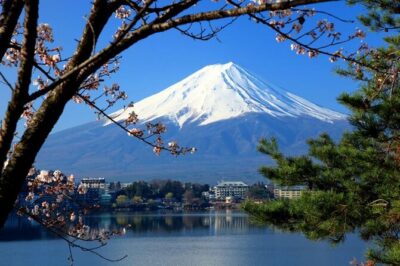
Mt Fuji and Hakone 1-Day Bus Tour Return by Bullet Train
Read our review →
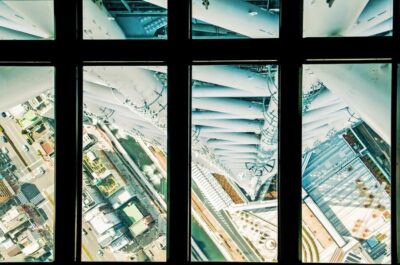
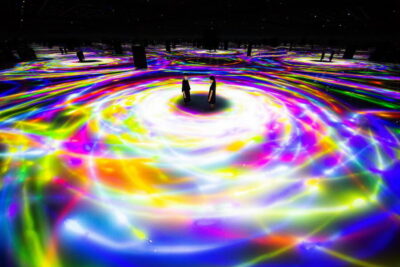
teamLab Planets TOKYO Digital Art Museum Entry Ticket
Read our review →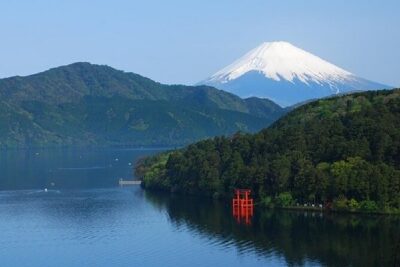
Mt Fuji & Hakone Cruise, Drum Show Bullet Train 1 Day from Tokyo
Read our review →
Sumo Show Experience with Chicken Hot Pot and a Photo
Read our review →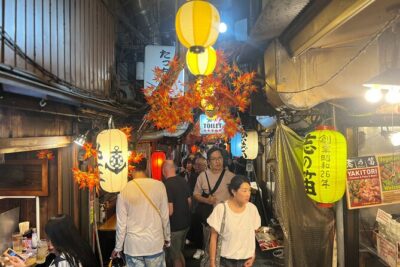
Shinjuku Food Tour (13 Dishes at 4 Local Eateries)
Read our review →