
Reviewed · SNOW MONKEY TOURS
Snow Monkeys & Best of Nagano: Togakushi, Zenko-ji and more
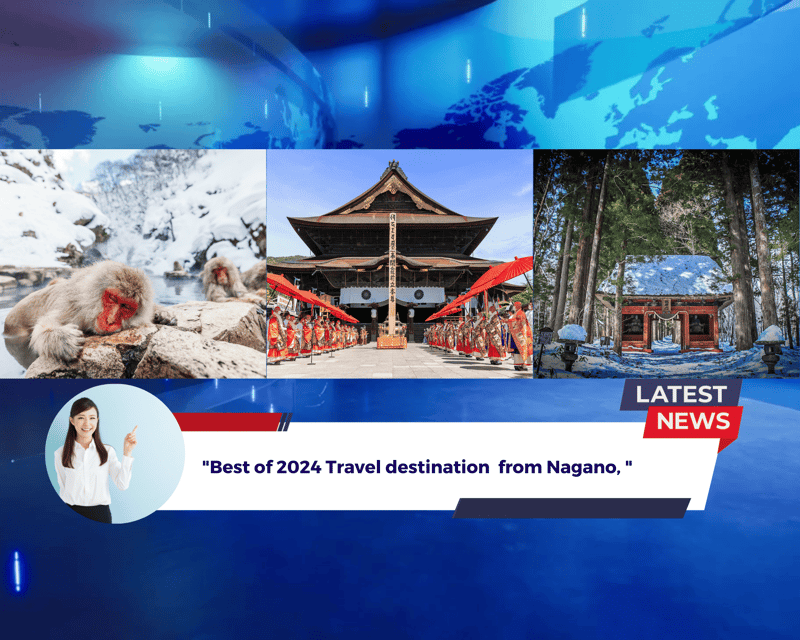
Snow monkeys, minus the hassle. The big win here is getting to the Jigokudani Monkey Park area with a driver and an English-speaking guide, so you spend less time figuring out transit and more time watching macaques. I also like how the route is built around local-feeling stops, not just a pile of names on a map.
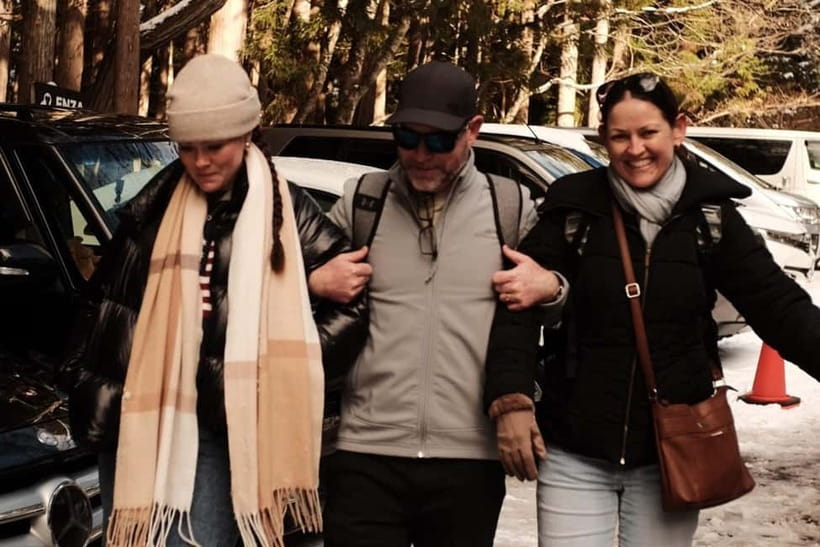
The second reason I think this works so well is the afternoon choice. You can steer the day toward Togakushi Shrine, Shibu Onsen, Obuse, or Zenko-ji, then add seasonal options like Sakura at Garyu Park (April only) or Shiga Kogen in the warmer months (May-Oct). Plus, they plan for your whole family to be in the frame with a photo gift, so you are not stuck behind your phone.
One thing to consider: the monkey-park viewing area requires a 30 to 40 minute scenic walk, and the tour is not suitable for wheelchair users. If you hate uneven, wintery paths, plan your shoes and pace carefully.
Key Points Worth Your Attention
- Private car logistics: door-to-door style pickup and drop-off, with parking and tolls handled
- Jigokudani access walk: 30-40 minutes of scenic walking to reach the viewing area
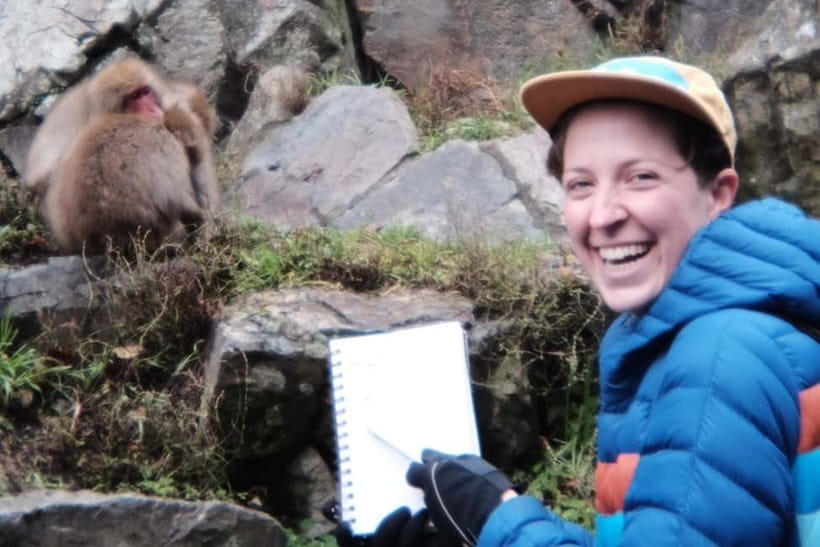
- Seasonal snow monkey timing: late Nov to July, with a special chance for newborns in June
- Plus-alpha menu: Togakushi, Shibu Onsen, Obuse, Zenko-ji, plus seasonal swaps like Garyu Park or Shiga Kogen
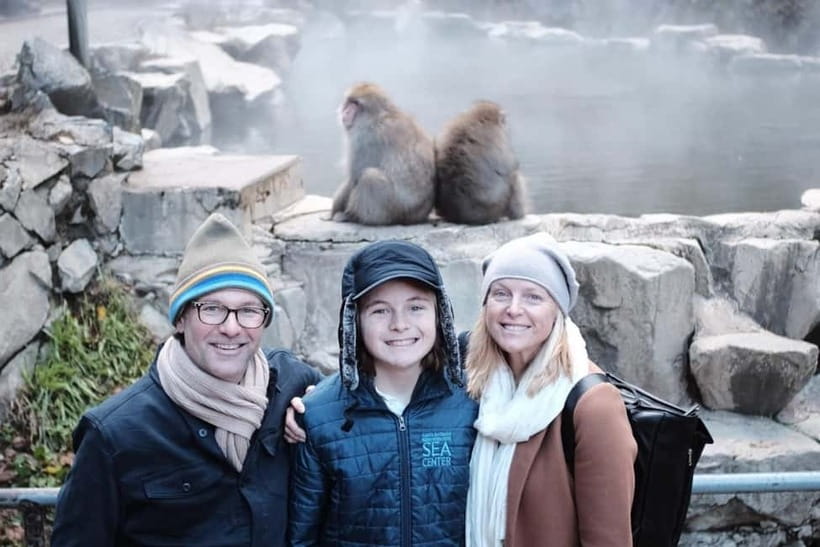
- Family photo gift: the guide captures your group together so nobody gets left out
- Flexible start and finish: pickup can happen from hotels or specific station meet points, and you can drop at a station too
Getting To Jigokudani: The Part That Makes or Breaks Your Day
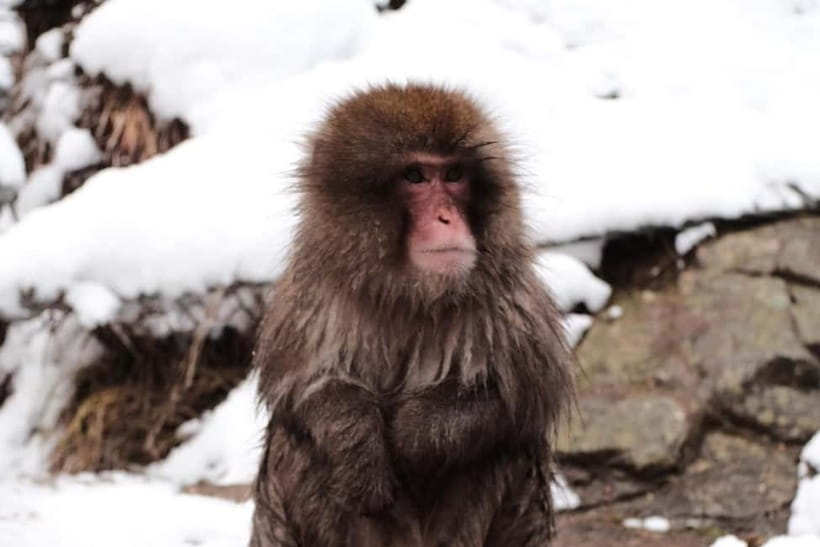
Jigokudani Monkey Park is the headline, but the real test is how you get there. This tour leans hard into the practical stuff: you get a private vehicle with a driver and a private English-speaking guide, plus highway tolls and parking taken care of. That means you are not juggling train transfers, local buses, and last-mile walking on your own.
Once you arrive, you still have to earn the views a bit. There is a 30-40 minute scenic walk required to reach the viewing area. In winter, that walk can feel icy underfoot. In past outings, guides have helped people stay steady on slick paths, and there is also gear you can borrow or buy at the start of the route area (crampon-type help is mentioned in the feedback). Either way, you should treat this like a real walk, not a quick stroll.
The payoff is that you end up in position where the macaques are doing their normal routines, including warmer-season and winter-season behavior. If you time it right, you can catch them descending to the lower areas as the cold sets in, rather than only seeing them high and distant.
More snow monkey tours:
- 1-Day Snow Monkeys, Zenko-ji Temple & Sake in Nagano
★ 5.0 · 1,020 reviews - Nagano: Snow Monkeys, Zenkoji Temple & Sake Day Trip
★ 4.9 · 833 reviews - From Tokyo: Snow Monkey 1 Day Tour with Beef Sukiyaki Lunch
★ 4.6 · 295 reviews
Snow Monkeys by Month: When You Are Most Likely to See the Magic
Snow monkeys are not a one-size-fits-all experience. Their timing changes through the year, and this tour gives you a clear seasonal frame to plan around.
- Late November to July is the main window when the wild macaques typically visit the park.
- November into early winter: you often see the start of cold-season behavior, when macaques descend from higher areas.
- April to July: the park becomes a stage for new life and close family interactions.
- June: this is the rare sweet spot for seeing newborns, with macaque family bonds in action.
That seasonal guidance matters because it affects what you will feel when you look around. In months with babies, you might focus less on just counting monkeys and more on watching how family groups behave together. It feels more intimate and less like a zoo-style moment.
And you can also expect variety inside the park. In warmer periods, macaques can be out and about, while in cold periods, they are drawn toward the hot-spring areas for warmth. Either way, the goal stays the same: give them time. This tour schedules a long enough visit so you are not constantly moving your feet just to stay on schedule.
The Walk Matters: Shoes, Pace, and What to Expect Underfoot
A lot of tours advertise snow monkeys and forget the “how” part. Here, the walking requirement is spelled out, and you should take it seriously.
Plan on:
- Comfortable shoes with decent grip.
- Water, even if it looks like a short excursion.
- A willingness to walk 30-40 minutes each way at a moderate pace.
In winter, the path can be slick. People have mentioned ice and careful footing, and one guide even helped with slipping risks in icy conditions. If you go in late winter or early spring, think in terms of traction, not just comfort. If you have gait trouble, reduce your speed and take the longer view. The goal is to enjoy the monkey time, not rush through the walk.
Also, because the tour is not suitable for wheelchair users, you should assume there are stairs, uneven surfaces, and limited alternative routes for mobility needs. If that is you, look for a different Nagano snow-monkey option designed for accessibility.
Your Nagano Lunch Break: Small Time, Big Sanity
After the monkey park, the day includes a Nagano lunch stop with an hour set aside. Lunch is not included in the price, but the guide helps you choose what to eat based on preferences and checks availability.
Why that matters: on a tight day, you do not want to spend your one hour hunting for a place that fits your tastes, handles your timing, and can seat a private group. Having a guide who can recommend and take you there keeps the day feeling light.
I like that the guide does not treat lunch as an afterthought. Even with a packed agenda, there is space to sit down, warm up, and reset before the next cultural stop.
A few more Nagano days worth comparing
- Tokyo: Snow Monkey & Nagano Customiseable Private Day Tour
★ 4.8 · 138 reviews - Matsumoto Castle Tour & Samurai Experience
★ 4.9 · 128 reviews - 1-Day Tour from Nagano and Matsumoto Kamikochi & Matsumoto Castle
★ 5.0 · 105 reviews - 1-Day Snow Monkeys & Snow Fun in Shiga Kogen Tour
★ 5.0 · 94 reviews
Togakushi Shrine and Zuishinmon: Cedar Avenues and Mountain-Air Calm
If you pick Togakushi Shrine as your plus-alpha experience, you get a very different mood from the monkey park. This is slower, more sensory, and very Japanese in how it uses setting.
Here is what you should look forward to:
- A “forest bath” feeling along 400-year-old cedar avenues.
- A guided experience that reaches the Okusha (Main Shrine) and the Zuishinmon area.
- A finish with Togakushi soba, noted for being made with pure mountain spring water.
This part of the day is valuable because it changes your pace. You go from animal watching to quiet attention, from cold-time drama to cedar-scented walking. And if you like religious architecture, it gives you more than a quick photo stop. The shrine route is built for a guided walk with time to absorb details.
Possible drawback: Togakushi is active walking and it follows the day’s rhythm. If your legs are already tired from the monkey-park walk, plan to slow down here too. The upside is that the atmosphere is worth taking carefully.
Shibu Onsen: Foot Baths, Craft Beer, and That Film-Like Feeling
Choosing Shibu Onsen gives you an onsen town experience that feels nostalgic and a bit storybook. The description even compares the village vibe to Spirited Away, which lines up with what people often love about these older hot-spring areas: you get wooden streets, easy social energy, and lots of small moments.
What’s included in the guided time:
- Hop between foot baths.
- Visit a local craft beer brewery.
- Enjoy a local lunch option recommended by your guide.
This works best if you enjoy “small-scale tourism.” You are not racing between major monuments. You are wandering, sipping something warm or cool depending on season, and letting the town rhythm set the pace.
One consideration: onsen towns are weather-dependent. If it is raining or icy, you might want to focus on the warm breaks and keep your walking short and efficient. The guide can help you prioritize what to see first.
Obuse: Art, Miso and Sake, Plus Chestnut Sweets
If your afternoon pick is Obuse, you are trading mountain viewpoints for art, food, and local craft culture.
Obuse is described as refined, with:
- Visits to traditional miso and sake breweries.
- Exploring Hokusai’s art.
- Indulging in premium chestnut sweets.
I like Obuse as an antidote to the “same-day, same-museum” feeling. It is not only a temple town, and it is not only a nature day. It is a food-and-culture day where you can taste what people made for years, then end on something sweet that actually feels local to the region.
Possible drawback: if you are the type who wants big, single landmark photos, Obuse can feel more like a set of experiences than one iconic vista. The trade is depth through food and craft, not a single postcard moment.
Zenko-ji: Temple Power and the Side Streets After
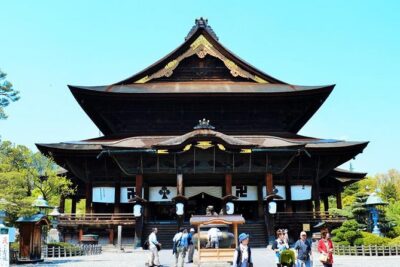
Choosing Zenko-ji shifts the day into heritage and modern street life at the same time. Zenko-ji is described as a 1,400-year-old National Treasure, and that age shows in the sense of arrival you get when you reach the area.
What you should expect beyond the main temple:
- Hidden alley wandering around the temple zone.
- Renovated warehouse cafes.
- Modern matcha shops.
- Artisan boutiques.
This is valuable because it gives you context, not just architecture. The big temple draws the attention, but the side streets are where you get the day-to-day feel of Nagano.
If you prefer shopping and snack breaks, this option is often more satisfying than expected. It is also a great choice if you want an indoor-friendly buffer on a rainy day, since you can keep moving from shop to cafe without committing to long, outdoor walks.
Shiga Kogen UNESCO Forest and Garyu Park: Seasonal Changes That Matter
This tour is flexible because Nagano changes fast by month, and your best day depends on what you want to see.
Shiga Kogen (May to Oct only)
Shiga Kogen is framed as a UNESCO forest biosphere escape for summer or autumn color. It is described as a deep journey into a UNESCO Biosphere Reserve with an acid emerald lake that can feel otherworldly. There is also a note that seasonal wildlife is possible in their natural habitat.
This is a smart option if you want a nature day that still feels guided and intentional. It can also work well when you already have snow on your mind from the monkey park but want a change of scenery.
Garyu Park Sakura (April only)
If your trip falls in April, you get a specific cherry blossom plan:
- Early April: about 1,000 cherry trees reflecting on the lake at Garyu Park.
- Mid-April onwards: a 4 km tunnel of Yaezakura blossoms with yellow canola flowers along the river.
This is one of the reasons I like this style of tour. It does not just say spring blossoms. It tells you when the best seasonal look happens, so you can match your dates to the visuals you want.
Price and Value: Why $126 Can Be a Good Deal
At $126 per person for a half-day to near full-day experience (listed as 5 hours, up to 570 minutes), the value depends on how you compare alternatives.
Here is what you are paying for that actually matters:
- Private transport with a driver. That is time saved, plus fewer headaches.
- Hotel or station pickup and drop-off. You are not spending the day assembling routes.
- Parking, tolls, fuel, and insurance. These costs are hard to estimate if you go DIY.
- A private English-speaking guide who handles timing and recommends food.
Then there are the costs not included: admission is paid on site (adult 800 yen, child 400 yen, free under 6), and lunch is not included. So you still budget for park entry and your meal. But you do not get hit with extra online booking fees, which can help if you are already watching your total trip spend.
For families, the value gets even clearer. The guide’s photo gift solves a real pain point. You get everyone included in the frame, which is hard to do during a busy day without either missing shots or asking a stranger at the worst moment.
The Real Benefit of Private Touring: Timing That Works for Real Life
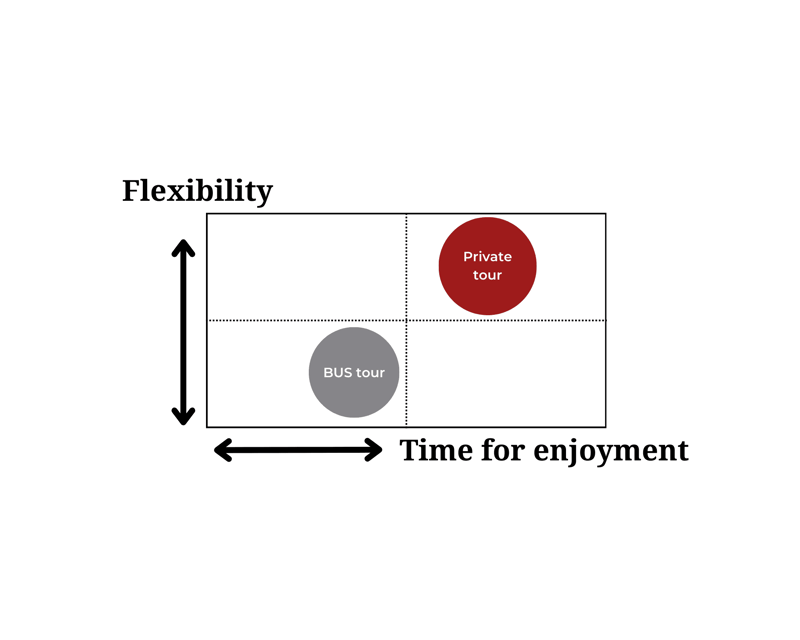
The flexibility is not just a nice-to-have. It changes how the day feels.
Pickup and drop-off can be arranged within Nagano City and neighboring towns like Suzaka, Chikuma, Shinano, and others. You can even start at your hotel, do sightseeing, and end at a station if you need to catch a train. The idea is simple: you use travel time as part of the experience, not dead time.
Also, the tour offers multiple pickup and drop-off options including Joetsu, Nagano, Kamiminochi District, Nozawaonsen, Myoko, and Togakushi. That matters if you are staying outside Nagano Station.
If you are on a day trip from Tokyo, this kind of timed control helps a lot. You can plan for a relaxed pace, see the monkeys without a rushed scramble, and still get back for lunch and a second stop without cutting corners.
What To Bring and How to Prepare (Without Overthinking It)
Keep it simple:
- Comfortable shoes with traction, especially in winter.
- Water.
- A mental note that you will be walking at least 30-40 minutes to reach the viewing area at Jigokudani.
If you are going in winter or early spring, consider that ice may be present. The guide can help with safe movement during the walk, and there can be traction help available at the start area. Your best prep is still to wear shoes that feel stable to you.
If you travel with kids, this route can still work because the schedule is built for time at the monkey park, not just a quick drive-by. But parents should assume the walk is a real part of the day.
Who This Tour Fits Best
This experience fits best if you want:
- Snow monkeys with less DIY pressure.
- A private setup for families or couples who like control over pacing.
- An afternoon choice that matches your interests, from shrine walking to onsen town exploring to art and sweets in Obuse.
- Seasonal sights that match the month, like Sakura at Garyu Park or Shiga Kogen.
It is not a great fit if accessibility is a must for wheelchair users, since the walking and terrain requirements are not designed around that.
Should You Book This Nagano Snow Monkey Day?
I would book it if you value a guided, private day with real logistics handled for you, and you want the freedom to pick an afternoon direction instead of being locked into one temple or one museum. The combination of Jigokudani time, an English-speaking guide, and an additional cultural or scenic option makes the day feel complete rather than stop-and-snap.
Skip it if you cannot handle uneven walking, or if you want a purely self-guided trip where you control every minute yourself. Otherwise, this is a strong way to see one of Japan’s most famous animal experiences and still come away with a genuinely Nagano-feeling afternoon.
FAQ
How long is the Snow Monkeys & Best of Nagano experience?
It runs from 5 hours up to 570 minutes, depending on the starting time and the route you choose.
What is included in the tour price?
You get a private English-speaking guide, a comfortable private vehicle with driver, hotel pick-up and drop-off, parking and highway tolls, fuel and vehicle insurance, and tax and service charges.
Is the lunch included?
No. Lunch is not included in the tour price, and the guide can recommend a local restaurant based on your preferences.
Are admission fees included?
No. Admission is paid on-site. The listed entry fees are 800 yen for adults and 400 yen for children, with children under 6 years old free.
Where can pickup and drop-off happen?
Pickup and drop-off are available in Nagano City and neighboring towns. There are also specific pickup locations such as Joetsu, Nagano, Kamiminochi District, Nozawaonsen, Myoko, and Togakushi. For Nagano Station, the meeting point is the taxi stand by the police box at the Zenkoji Exit.
How much walking is required at Jigokudani Snow Monkey Park?
A 30 to 40 minute scenic walk is required to reach the viewing area.
When are snow monkeys usually most likely to visit Jigokudani?
Snow monkeys typically visit from late November to July. April to July includes a season of new life, with June being the birth season.
Can I cancel and still get a full refund?
Yes. You can cancel up to 24 hours in advance for a full refund.
Is this tour suitable for wheelchair users?
No. It is not suitable for wheelchair users.
Fresh options around Nagano
- Nagano All Must-Sees 4hr Private Tour with Licensed Guide★ 5.0 · 13 reviews
- Half-Day Zenkoji Tour with Tea Experience★ 5.0 · 14 reviews
- Nagano Snowshoe Hiking Tour★ 5.0 · 14 reviews
- eTour de Matsumoto – Electric Bike Tour★ 5.0 · 16 reviews
- Nagano: Tateyama-Kurobe Guided Walking Tour★ 5.0 · 16 reviews
- Wild Bird Sanctuary Forest Guided Tour in Nagano★ 5.0 · 17 reviews
- Nagano Sake Tasting Walking Tour★ 5.0 · 17 reviews
- Snow Monkey Park & Miso Production Day Tour from Nagano★ 5.0 · 18 reviews
Snow Monkey Tours, compared.
1-Day Snow Monkeys, Zenko-ji Temple & Sake in Nagano
Read our review →
Nagano: Snow Monkeys, Zenkoji Temple & Sake Day Trip
Read our review →
Snow Monkey 1 Day Tour with Beef Sukiyaki Lunch
Read our review →
Private Tour Snow Monkey Park & Zenko-ji Temple
Read our review →
Hokkaido Seasonal: Lake Toya & Noboribetsu Jigokudani Valley
Read our review →
Snow Monkey & Nagano Customiseable Private Day Tour
Read our review →
Nagano Snow Monkey 1 Day Tour with Beef Sukiyaki Lunch from Tokyo
Read our review →
1-Day Snow Monkeys & Snow Fun in Shiga Kogen Tour
Read our review →Browse the lists this tour appears in