Reviewed · FOOD
Shimbashi Tastes & Stories A Culinary Foodie Tour By Local Guide
Food history hides in Tokyo alleyways. In Shimbashi Tastes & Stories, you get a compact 4-hour route that mixes old rail landmarks, local shrines, and the station-area “salaryman” food world, while your guide points out places most people never think to look for. I especially liked the small-group setup (max 15) and the way the tour feeds you plenty, with sushi, seafood, Japanese beef wagyu, drinks, and dessert.
I also like that the stops feel like they belong to the neighborhood, not a checklist of famous towers. You start near SL Square by Shimbashi Station, then move through spots locals use and remember, with cultural context that helps the food make sense. One possible drawback: this is food-first walking, so if you want only major sights like Shibuya or Shinjuku landmarks, this route may feel more grounded and less “big-ticket” than you expect.
Key Highlights You Can Bank On
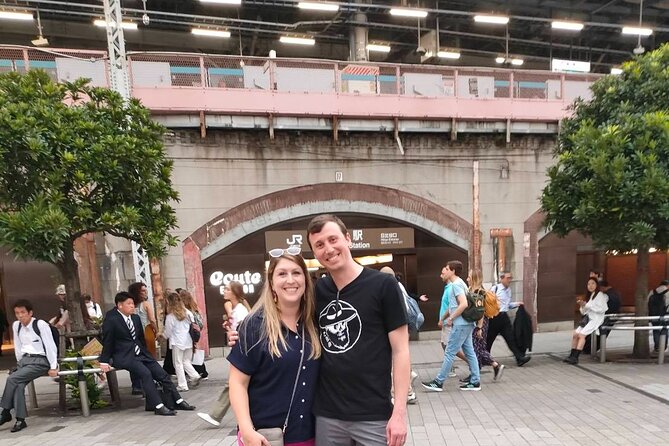
- Station-area focus: You explore Shimbashi around Old Shimbashi Station and the railway transport era.
- Local shrine stop: Karasumori-jinja is included, giving the tour a calmer, neighborhood feel.
- Plenty of eating: Sushi, seafood, Japanese beef wagyu, desserts, plus soft drinks and water.
- English support from a local guide: Professional Japanese speaking English guide means fewer language gaps.
- Max 15 people: Small group size keeps the pace friendly for questions and photos.
Entering Shimbashi, A Neighborhood That Feels Like Workday Tokyo
Shimbashi is one of those Tokyo areas where the pace is quietly human. You get the sense that people come here for daily routines, quick meals, and after-work hangouts, not just photos. That matters because this tour is built around how food actually fits into real life.
The route also makes sense geographically. You begin at SL Square, and the rest stays in the Shimbashi-Minato orbit, close enough that you are walking between a lot of meaningful points without wasting time on long transfers. In about 4 hours, you’re not just eating, you’re also learning how this corner of Tokyo is organized and why the food scene here developed the way it did.
A few more Tokyo days worth comparing
- Mt Fuji and Hakone 1-Day Bus Tour Return by Bullet Train
★ 5.0 · 26,383 reviews - 1-Day Tokyo Bus Tour
★ 5.0 · 14,250 reviews - Tokyo: TOKYO SKYTREE® Admission ticket
★ 4.5 · 11,192 reviews
Price and What You Actually Get for $171
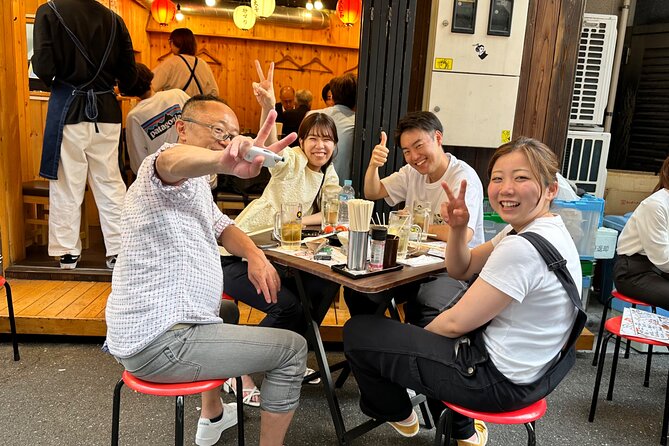
At $171 per person, this isn’t a “grab a snack and wander” experience. The value comes from the combination: a guided walking route plus multiple food tastings, drinks, and dessert.
Here’s the practical math of what’s included:
- Sushi, seafood, and Japanese beef wagyu
- Desserts included
- 2 soft drinks and water
- A professional English-speaking guide who connects the dots between the neighborhood and the food
That matters because in Tokyo, just paying for multiple restaurant meals on your own can climb quickly, and you still would be guessing what to order. This tour handles the ordering and sequencing, so you get variety without decision fatigue.
Also, the group size ceiling of 15 travelers helps with value. In crowded group tours, you often get rushed and stuck behind people. Here, you can usually ask questions, take photos, and not feel like a human speed-bump.
Starting at SL Square, Old Rail Energy Before the Food Stops
Your tour begins at SL Square at 2-chōme-7-先 Shinbashi. This is a smart starting point because it’s easy to orient yourself in a station-heavy area. You’re also stepping into a piece of the city’s railway story early, before you even hit the first meal.
SL Square was created in 1972 to celebrate the 100th anniversary of Japan’s railway transport system. In other words, it’s not random decoration. It’s a reminder that this area grew around the movement of people, commuters, and goods, and that daily flow shaped what kinds of food spots survived and thrived.
You’ll spend about 45 minutes here. It’s enough time to get oriented, take in the symbolism, and let your guide set the tone for the rest of the walk.
Old Shimbashi Station, A Landmark Commuters Still Mean
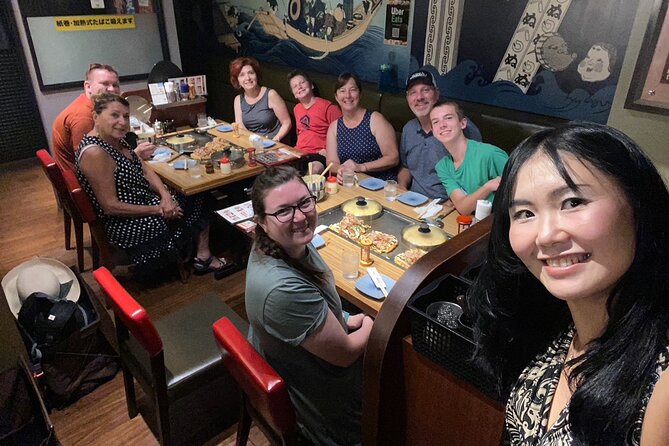
Next comes Old Shimbashi Station. This stop is about 30 minutes, and it’s free to enter. The value isn’t just the building. It’s the perspective: Shimbashi isn’t presented as a theme park, it’s presented as infrastructure that people rely on.
The tour framing helps you connect food with geography. When restaurants cluster around stations and office districts, you often find smaller places built for quick, reliable meals. That becomes more obvious once you’ve seen the old station context and then continue walking into the neighborhood’s food lanes.
If you like travel that feels grounded, this is the part where the tour stops becoming “just eating” and starts feeling like you understand why these restaurants exist.
Same corner of Japan, a different kind of day:
- Tokyo: teamLab Planets TOKYO Digital Art Museum Entry Ticket
★ 4.6 · 9,779 reviews - Mt Fuji & Hakone Cruise, Drum Show Bullet Train 1 Day from Tokyo
★ 4.0 · 7,413 reviews - Tokyo: Sumo Show Experience with Chicken Hot Pot and a Photo
★ 4.8 · 6,678 reviews - Tokyo: Shinjuku Food Tour (13 Dishes at 4 Local Eateries)
★ 5.0 · 6,603 reviews
Karasumori-jinja, A Calmer Reset in the Middle of the Walk
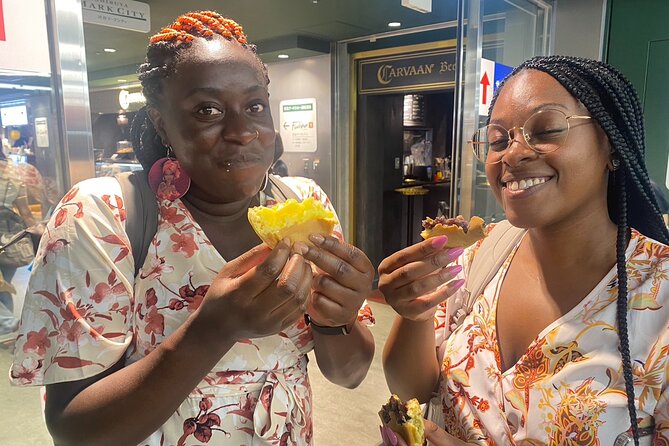
Then the tour shifts to a different mood with Karasumori-jinja, a shrine that’s described as one of the older ones and visited by locals. You spend about 45 minutes here.
This stop is useful for two reasons:
- It breaks up the movement and gives your eyes a rest from station signage and dense streets.
- It reminds you that neighborhood life in Tokyo is not only about work and commerce. The food you eat later fits into a broader rhythm of daily habits, including places people visit for quiet reasons.
The key detail is that this shrine stop isn’t staged. You’re there long enough to notice the pace and feel how locals treat it, which makes the rest of the tour feel less like a food parade and more like a day in the neighborhood.
New Shimbashi Building and the Tanuki Alley Story
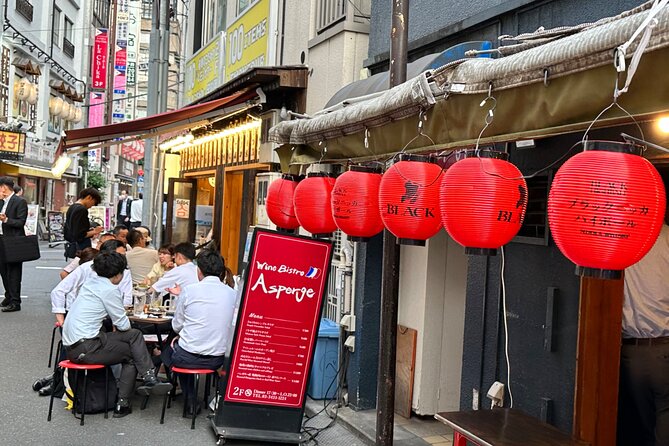
Next you’ll reach New Shimbashi Building, a stop that helps explain how Shimbashi’s bar and alley culture changed over time. The information given for this stop ties it to an earlier bar district called Tanuki (raccoon dog) Alley, and notes that an urban restructuring project after the 1964 Tokyo Olympics shaped what you see today.
This is one of those “the streets tell you a story” moments. You don’t need a long lecture. The guide connects the historical context to the kind of eateries you’ll be eating at. Even if you only remember a few points, it makes the neighborhood feel less random.
You’re at this stop about 30 minutes. It’s also free, so the cost stays focused on the food portion, not on paid sightseeing.
Shiodome City Center and the NTV Tower Area
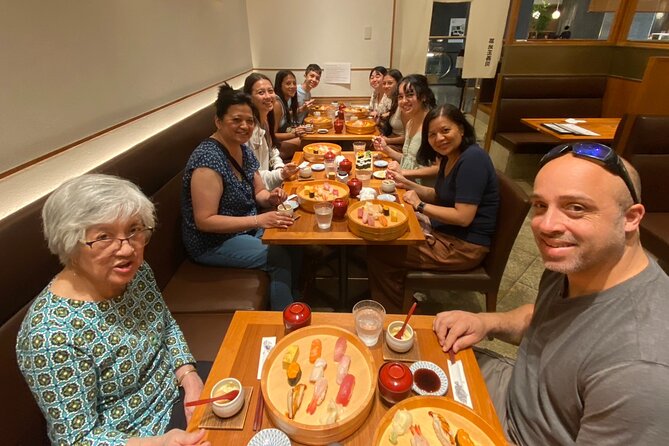
After the shrine and alley history, the route carries you to Shiodome City Center, specifically the NTV Plaza in front of the NTV Tower. This part runs about 30 minutes and is also free.
The tour uses this stop to show another layer of Shimbashi-adjacent Tokyo: media office energy and big-city modern structure. It’s a helpful contrast. You’ll have seen the older station area and a local shrine, and now you can feel how the neighborhood boundary shifts toward a more corporate, broadcasting-centric vibe.
If you like understanding Tokyo as a patchwork of roles, this stop does the job. It’s not just a photo opportunity. It’s part of the narrative: where people work and gather influences what they eat and how quickly they eat it.
Finishing Back in Shimbashi, Getting Your Bearings Fast
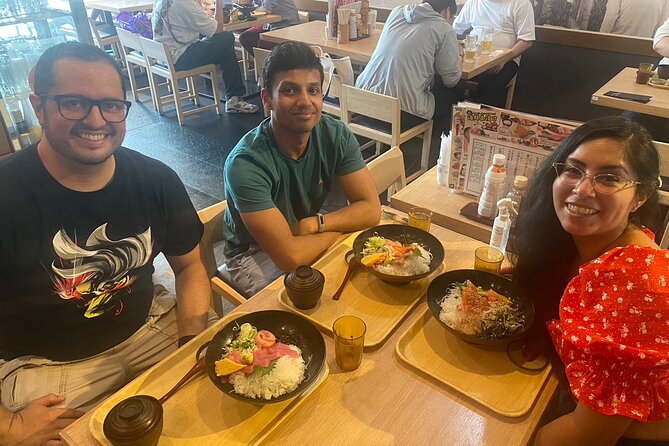
The last walking segment brings you to Shimbashi, where your guide gives an overview and helps you connect what you saw earlier with what’s around you.
This stop is about 30 minutes, free, and it matters because it turns scattered sights into a map you can actually use later. After a food tour, you often want two things: (1) a few places to return to on your own, and (2) confidence you can find them again without a guide.
That’s what this final overview supports. It’s not a dramatic final act. It’s more like a “you can navigate from here” moment, which is exactly what a walking food tour should deliver.
Food to Expect, Sushi, Seafood, and Wagyu with Desserts Included
This tour is built around satisfying variety, not a single restaurant meal. You’re included for sushi, seafood, and Japanese beef wagyu. On top of that, desserts are included, and you get 2 soft drinks and water.
A key detail: alcohol is not included, though it’s available to purchase. So if you’re the type who likes pairing food with drinks, plan to pay extra on the spot.
What I like about this setup is that it keeps the experience balanced. You don’t have to commit to one heavy menu. You sample across styles, and your guide handles timing so you don’t end up full too early or hungry at the wrong moment.
Also, because the stops are in a working neighborhood, the food choices tend to make sense for the setting. Instead of eating in tourist-bubble restaurants, you’re eating in places that fit the area’s daily rhythm.
Your Guide Makes It Personal, Akira and Kaori Stand Out
A huge part of why this tour earns a strong reputation is the guide experience. Names that stand out from past experiences include Akira and Kaori.
Akira is praised for taking people to great food spots and even going the extra mile with photos during the outing. Kaori is praised for making things comfortable and helping you enjoy the walk without feeling lost.
Even if your guide is someone else, the important point for you is the tour format. You get a professional Japanese speaking English guide, so you can ask questions, learn what you’re eating, and understand the cultural context behind the neighborhood. That’s how food tours become more than consumption.
What This Tour Feels Like, Not Just What It Includes
This is a city walking & culture tour with a clear food center. The schedule is paced enough that you’re not sprinting between stops, but you are moving. For me, that’s the sweet spot: active enough to feel like you explored, structured enough that you never wonder what’s next.
It also helps that the stops are mostly free and the value stays with the tastings. That keeps the day from feeling like you’re paying admission to see signs. You’re paying to learn where to eat and what to try.
Getting the Most From It, Comfort and Appetite Tips
Because you’re on foot for about 4 hours, dress for walking. Comfortable shoes matter more than anything trendy. Also, with sushi, seafood, wagyu, desserts, and drinks included, you can plan to eat like it’s a meal plus snack stops, not like it’s a casual appetizer tour.
If you’re picky about texture or strong flavors, tell your guide early. With a local approach, guides can sometimes steer you toward what fits your preferences better. And if you’re hoping for alcohol, remember it’s not included, so bring spending comfort for that add-on.
Who Should Book This Shimbashi Food Tour
I’d point you to this if:
- You want Tokyo food that’s tied to a neighborhood, not only the most famous shopping districts.
- You’re happy to walk and prefer small-group experiences over large crowds.
- You want a mix of sushi, seafood, wagyu, plus desserts, with drinks included.
- You care about context, the kind that helps you understand why a place feels the way it does.
I’d also say it fits especially well if you’ve already hit the big-name areas like Shibuya, Shinjuku, or Ginza and want a different side of Tokyo that feels more workday and local.
Should You Book Shimbashi Tastes and Stories?
If your idea of a great Tokyo day is eating well while learning how neighborhoods function, this tour is a strong bet. The rating of 4.7 with 92% recommended is backed by the core ingredients you can feel immediately: small group size, an English-capable local guide, and serious included food like wagy u plus sushi and seafood.
Book it when you want a guided plan that saves you from guessing what to order. Pass if you want a sightseeing-heavy day with only famous monuments, or if you’re not into walking through older station and shrine-adjacent streets.
FAQ
How long is the Shimbashi food tour?
It lasts about 4 hours.
How much does it cost?
The price is $171.00 per person.
What food is included?
The tour includes sushi, seafood, and Japanese beef wagyu, plus desserts.
Are drinks included?
Yes. You get 2 soft drinks and water included.
Is alcohol included?
No. Alcoholic drinks are available to purchase, but they are not included.
How big is the group?
The tour has a maximum of 15 travelers.
Where is the meeting point?
The start point is SL Square, 2-chōme-7-先 Shinbashi, Minato City, Tokyo 105-0004, Japan.
Do we return to the start point?
Yes. The activity ends back at the meeting point.
Is there free cancellation, and up to when?
Yes. You can cancel for a full refund if you cancel at least 24 hours before the experience start time.
Fresh options around Tokyo
- Tokyo: Private Customizable Tour with a Local Guide★ 4.8 · 13 reviews
- Mt Fuji : Private 10-Hour Luxury Tour by Exclusive Car★ 3.8 · 13 reviews
- Tokyo Drift Experience Private Ride Along at Local Car Meet★ 4.9 · 13 reviews
- Shinjuku Food and Drink Walking Tour★ 5.0 · 13 reviews
- From Tokyo: Mount Fuji Private Tour With English Guide★ 5.0 · 13 reviews
- Tokyo: Private City Highlights Tour★ 4.9 · 13 reviews
- Kawagoe 4hr Private Tour with Licensed Guide (Kawagoe Dep)★ 5.0 · 13 reviews
- Samurai experience: art and soul of the sword★ 5.0 · 13 reviews
Food, compared.
Shinjuku Food Tour (13 Dishes at 4 Local Eateries)
Read our review →
Tokyo Tsukiji Fish Market Food and Culture Walking Tour
Read our review →
Shinsekai Food Tour with 13-15 Dishes at 5 Eateries
Read our review →
Osaka Food Tour: 13 Dishes at 5 Local Eateries
Read our review →
Shinjuku Food Tour (15 Dishes and 4 Eateries)
Read our review →
Best of Shinjuku: Izakaya Food Tour (4 Stops, 14+ Tastings)
Read our review →
Kyoto Night Foodie Tour in Gion (9+ dishes + 6 Sake tastings)
Read our review →