
Reviewed · MARKETS
Osaka: Wakayama Cat Train, Seafood market, Hot Springs Tour
A cat-shaped station, a seafood show, and sea air, all in one day. That mix is what makes this Wakayama trip feel fun instead of rushed. I like how it ties together Stationmaster Tama’s story, a playful cat-themed train, and real sights you can actually walk through with your camera ready.
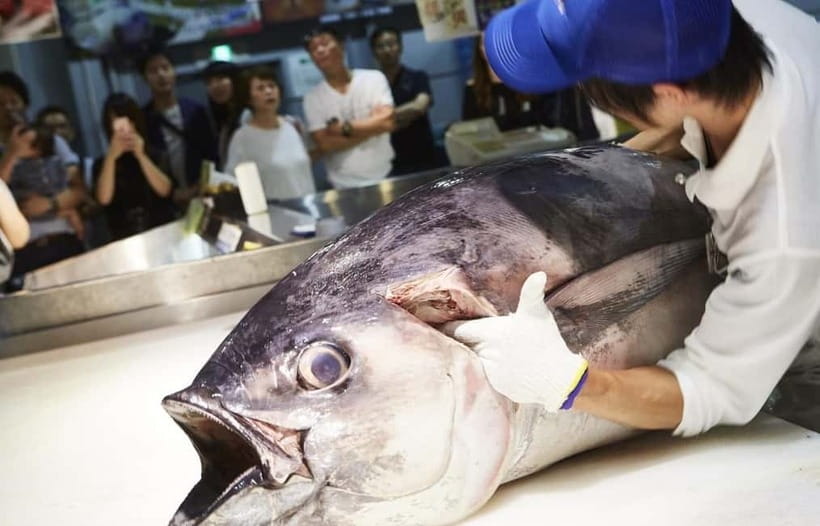
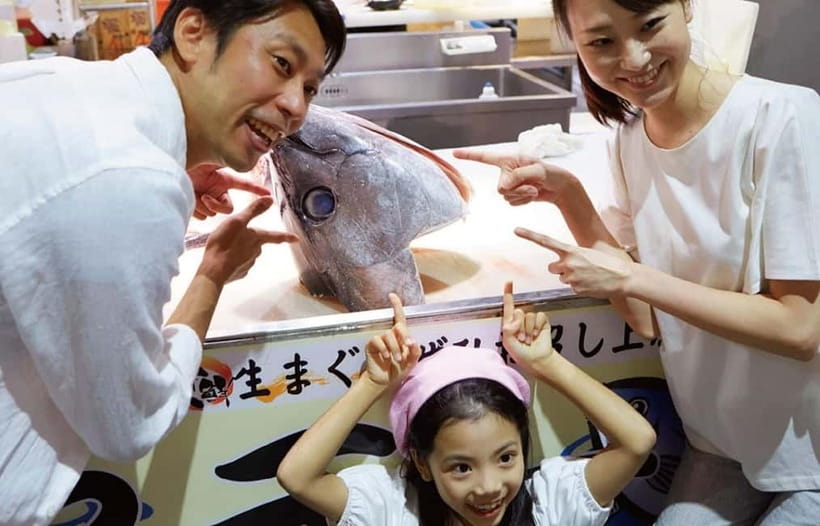
I especially enjoy the live tuna cutting show at ToreTore Market, because it turns lunch-time curiosity into a hands-on food spectacle. The guide, often mentioned as Tiger, keeps things moving and explains what you are looking at in plain terms.
One thing to consider is that the day has a few timing surprises, including possible weather cancellations for the tuna cutting show and changing stop order if traffic gets heavy. If you hate uncertainty, build flexibility into your expectations.
Quick hits before you go
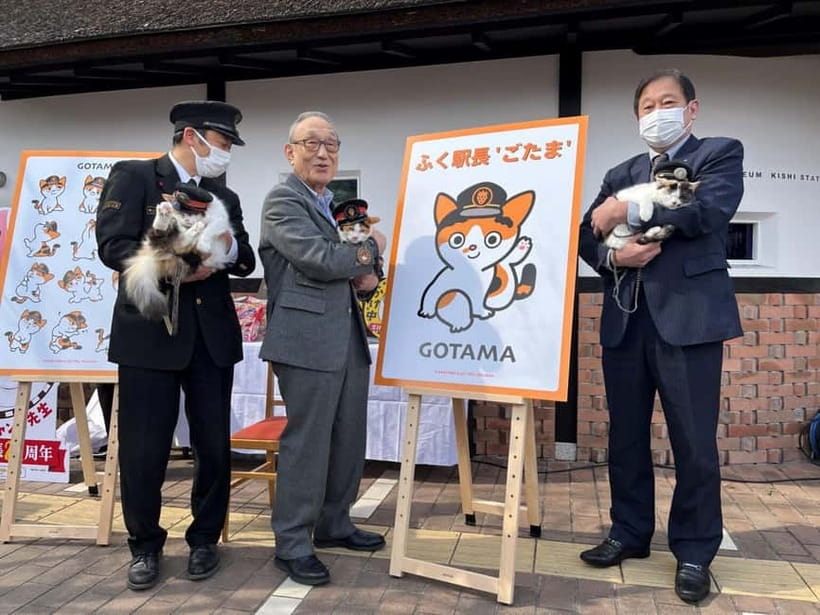
- Stationmaster Tama at Kishi Station, a real local legend turned into a feel-good stop
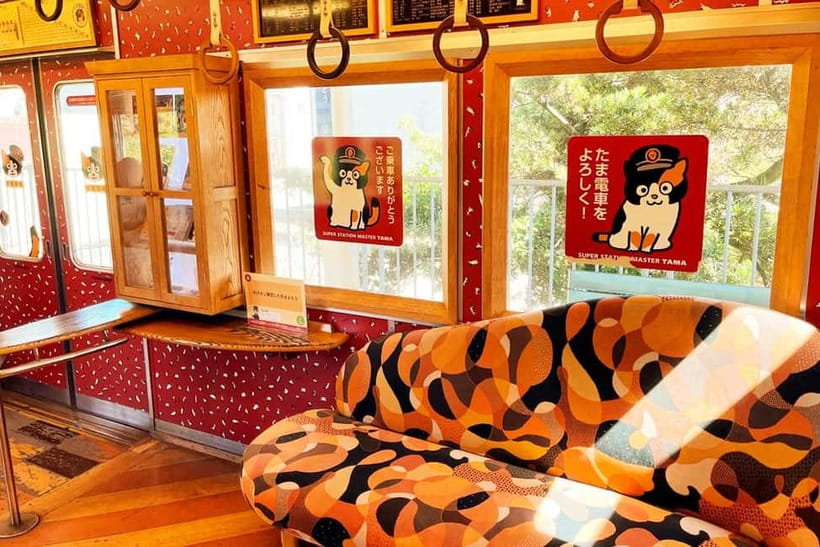
- Cat-train day variety, with Tama Train, Strawberry Train, and Toy Train running on different days
- ToreTore Market tuna cutting, a scheduled show that may run 2 to 3 times daily but can be canceled
- Shirahama’s Toretore Onsen, a 1,300+ year hot spring with specific bath water and a salt-stone bedrock bath
- Senjojiki and Sandanbeki by the Pacific, cliff views plus sea-level caves tied to Heian-era pirate tales
From Namba to Wakayama, start with Tiger and a comfortable ride
Your day begins at 8:30am at Nipponbashi Station Exit 2, in the Namba and Shinsaibashi area. You’ll be leaving from Osaka with round-trip travel by air-conditioned coach, plus tolls, fuel, parking, and a professional driver covered.
I like this setup because it saves you from figuring out trains and transfers when your schedule is tight. You also get a multilingual guide in English, Japanese, and Chinese, so you are not stuck playing guessing games at the busy market and viewpoint stops.
Kishi Station and the Tama story, a cat legend you can feel
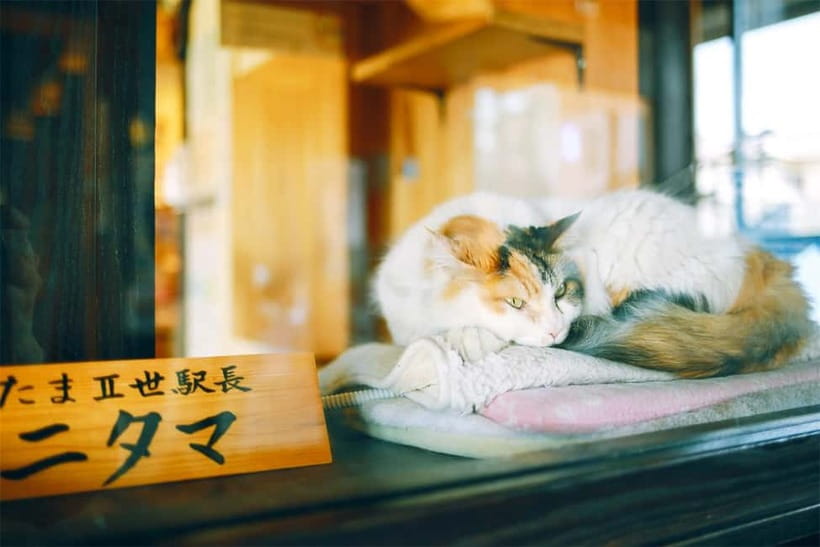
Kishi Station is the emotional hook of the day. The station is shaped like a cat’s face and is famous for Stationmaster Tama, a calico cat whose presence helped revive the area when the station was in danger.
If you like travel that has a human scale, this works. Tama is not just cute branding, the story explains why people cared enough to keep the station going, and why the next cat successor is also part of the ongoing vibe. Even the cat stamp and small shop time is built around that theme.
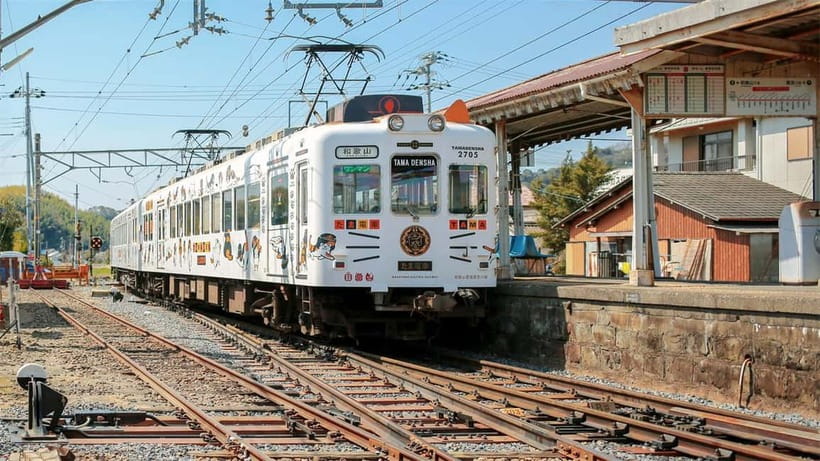
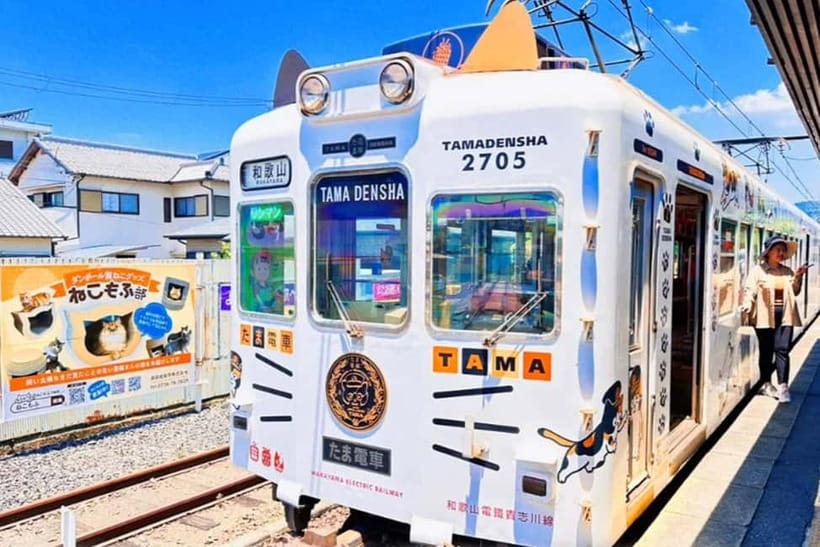
You spend about 70 minutes at Kishi Station area, which gives you breathing room to look around before and after the ride. The cat-themed train options run by schedule, commonly described as the Tama Train, Strawberry Train, and Toy Train. The actual time on the train is short, around 15 minutes, so think of it as a fun scene change rather than a long rail journey.
Cat-themed train time, where the whimsy is the point
I love the simple logic here. You get a themed ride that is cute, quick, and easy to photograph, without swallowing your whole morning.
Because the train type can vary by day, the best mindset is to treat it like a bonus, not a promise. On the day you go, you will also likely have time for the cat-themed café and Tama Shop, plus collectible cat stamps and souvenirs tied to the station and line.
One practical note: if you are traveling with kids, this is a strong win because it gives them a clear highlight early. For adults, it is still worth it because it is tied to the Tama story, not just a random photo stop.
ToreTore Market in Shirahama, tuna cutting plus real seafood shopping
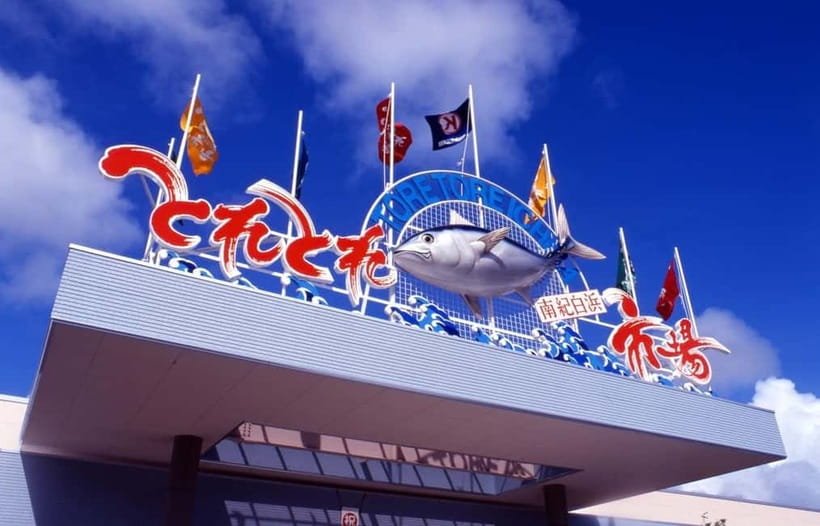
Toretore Ichiba is where the day turns into food. It is described as the largest seafood market in western Japan, and you will have around 2 hours there for a mix of photo time, visiting, and a guided look around.
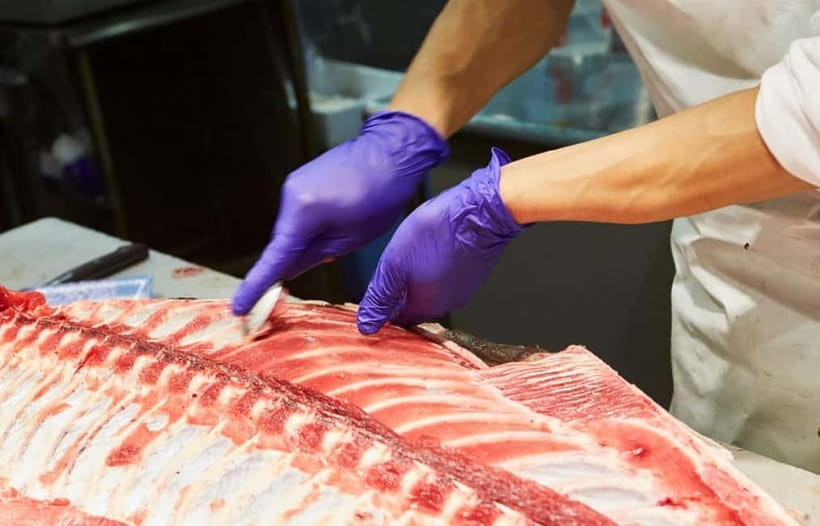
The headline is the tuna cutting show. The show runs 2 to 3 times daily, and the cutting time can be random, so you cannot plan lunch strictly around the exact minute. The good news is that the show is designed for watching, with expert cuts and narration on tuna anatomy, so you understand what you are seeing instead of just watching a chef work.
I also like that lunch is on your terms. You get free time for lunch at your own expense, which means you can choose what looks good, whether it is a tuna sashimi bowl, grilled seafood, or other market dishes you spot while walking around. If you want something straightforward, tuna-based options are the most obvious match for the show you just watched.
Don’t skip the souvenir zone. This is one of the easiest places to buy seasoned seafood and gourmet goodies without turning it into an all-day shopping mission. It also helps if you want edible gifts that survive travel better than fragile snacks.
A reality check on the tuna show
The tuna cutting show may be canceled due to weather or unforeseen circumstances. If that happens, treat the market visit as the main event anyway. You will still be in a seafood place with plenty to see, but the live show timing will be out of your control.
Shirahama hot springs at Toretore Onsen, old history you can actually soak
Next up is the optional hot spring in Shirahama, Toretore Onsen. This is one of the oldest and most famous hot springs in the area, with more than 1,350 years of history, and it is referenced as a place visited by emperors and mentioned in ancient Japanese texts.
What you can look forward to, beyond the story, is the bath setup. The onsen features Japan’s first salt-stone bedrock bath, and the water is described as sodium bicarbonate spring water that is smooth and skin-friendly. If you like the idea of hot spring water with a specific type, this is one of the better explained options on a day trip.
Tattoo rules are important here. If you have tattoos, entry to the hot springs may be restricted, so you should plan on it before you arrive at the entrance.
If you skip the onsen
The onsen is optional and charged separately. If you skip it, you still get the rest of the sightseeing day, including the big ocean viewpoints. But I would only skip if you really do not want a soak on a long travel day, since this is the part that balances the seafood focus with slower, restorative time.
Senjojiki and Sandanbeki cliffs, ocean views and pirate-cave scale
After Shirahama, the tour pivots to pure scenery. You will stop at Senjojiki, a rock plateau with ocean-facing views. You get about 30 minutes there, mostly photo time and sightseeing, so pack a camera and be ready to move efficiently. If the timing aligns, the sunset is described as magical, where sky meets sea.
Then comes Sandanbeki Cave. You get another photo stop, again around 30 minutes. The important detail is what sits under the cliffs: an elevator takes you about 36 meters down to sea-level caves that were once used by Heian-era pirates. Inside, exhibits recreate that era’s stories, and natural erosion has shaped dramatic rock formations.
I like this pairing because it gives you two ways to feel the coast. Senjojiki is wide and open, good for horizon shots and that Pacific scale feeling. Sandanbeki is vertical and enclosed, where the rocks and cave spaces make you feel how strong the ocean has been over time.
Cave admission note
The Sandanbeki cave admission is optional, so the visit could be shorter depending on how you choose to handle it. If caves are your thing, build extra attention for this stop since it is the most structured “experience” among the viewpoints.
The real value of this $83 day trip, what you get for your time
At $83 per person for a 10-hour day, the value is best judged by what is included. Your price covers:
- Cat-themed train ride
- Round-trip air-conditioned coach
- Multilingual tour guide
- Expressway tolls, vehicle fuel cost, parking fees
- Professional driver
What you do not get included is lunch, and the onsen and cave admission are optional extras. That matters, because it keeps the base price lower while still letting you choose how much to pay for the soaking and cave experience.
For me, the value comes from the density. In one day you cover a cat legend station, a themed train ride, a major seafood market with a live tuna cutting show, and two ocean viewpoint stops. Most DIY plans from Osaka would take extra time figuring out transport and matching schedules, especially around market shows that run at set times.
Also, the coach travel is long in total. You are looking at about 1.5 hours out from Osaka and roughly 2.5 hours back, depending on conditions. That is the tradeoff for seeing all these places without switching between trains.
Best for you if you want cats, seafood, and coast in one smooth day
This tour fits best if you want a structured day with built-in highlights and minimal logistics stress. It works well for:
- Cat lovers who want the Tama story plus a real themed train ride
- Seafood fans who enjoy watching the tuna cutting show and browsing a market
- People who want iconic coastal views without renting a car
It is not suitable for wheelchair users. If you rely on wheelchair access, you will need a different plan.
If you have tattoos, plan around possible onsen entry restrictions. And if your travel style requires exact timing, remember the tuna show can be canceled.
Should you book this Osaka to Wakayama cat, seafood, and hot springs tour?
Book it if you want a fun, well-guided day that mixes a charming cat legend, a serious seafood moment, and ocean scenery, with hot springs as the optional reset button. The best reason to go is how the day is designed to give you clear, memorable stops without you juggling tickets and transfers.
Skip it if you are only hunting for long cat-train time, since the ride is relatively short, or if you are strict about live show timing. Also, if you strongly dislike long coach rides, this 10-hour format may feel like a lot.
If you are the type who likes pictures, food knowledge, and a coastal finish, you should feel good about taking the leap with this one. It is a day trip with enough variety to justify the travel time, and the guide support helps you enjoy the stops instead of rushing through them.
FAQ
What time and where do I meet the tour in Osaka?
You meet at 8:30am at Nipponbashi Station Exit 2, in the Namba and Shinsaibashi area. You can search for Nipponbashi station exit 2 on Google Maps.
How long is the tour?
The full experience lasts about 10 hours.
What is included in the price?
The included items are the cat-themed train ride, round-trip transportation by air-conditioned bus, a multilingual tour guide, expressway tolls, vehicle fuel cost, parking fees, and a professional driver.
Is lunch included?
No, lunch and personal expenses are not included, so you’ll have free time to choose your own meal at your own expense.
Are the hot springs and cave visits included?
The hot spring (Toretore Onsen) is optional, and Sandanbeki cave admission is also optional.
What if the tuna cutting show does not happen?
The tuna cutting show may be canceled due to weather or unforeseen circumstances. The schedule can also be random during the day, since it runs 2 to 3 times daily.
Is the tour suitable for wheelchair users or people with tattoos?
The tour is not suitable for wheelchair users. If you have tattoos, entry to the hot springs may be restricted.
More Onsen Experiences near Shirahama
- From Osaka: Himeji Castle, Arima Onsen & Mt. Rokko Day Tour
★ 4.6 · 339 reviews - Osaka: Nara and Uji Day Trip with Deer Park and Hot Spring
★ 4.4 · 302 reviews - From Tokyo: Private Tour to Fuji/Hakone – Onsen, Art, Nature
★ 5.0 · 116 reviews - Mt. Fuji, Hakone Private Tour from Tokyo – Onsen, Arts and Nature
★ 5.0 · 79 reviews
More Market Tours in Shirahama
- Tokyo Tsukiji Fish Market Food and Culture Walking Tour
★ 5.0 · 3,184 reviews - Tokyo: Tsukiji Fish Market Food and Walking tour
★ 5.0 · 1,724 reviews - Tokyo: Tsukiji Fish Market Guided Walking Tour
★ 4.9 · 1,397 reviews - Nishiki Market Brunch Walking Tour (7 Tastings + Brunch)
★ 5.0 · 1,355 reviews
Markets, compared.
Tokyo Tsukiji Fish Market Food and Culture Walking Tour
Read our review →
Nishiki Market Brunch Walking Tour (7 Tastings + Brunch)
Read our review →
Tsukiji Fish Market Guided Tour and Sushi Making with Pro Chef
Read our review →Tsukiji Fish Market Food and Culture Walking Tour
Read our review →
Tsukiji Fish Market: Street Food & Culture Walking Tour
Read our review →
Tsukiji Fish Market Small-Group Food Walking Tour
Read our review →Browse the lists this tour appears in