
Reviewed · TEMPLE & SHRINE TOURS IN OSAKA
Osaka/Kyoto: Arashiyama, Nara Park, Fushimi Shrine Tour
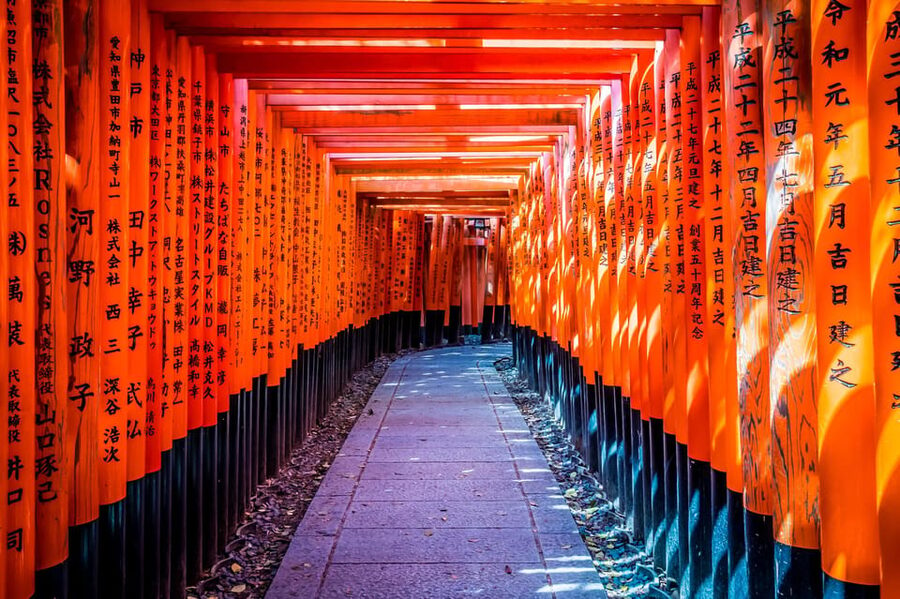
Three icons, one long day, zero stress. You’ll get Nara Deer Park up close with over a thousand freely roaming deer, and then you’ll walk through Fushimi Inari Taisha with its famous red torii vibe. The only real catch is timing, the tour is mostly self-guided at each stop, and if you miss the check-in window, you can get left behind.
I like that the day is structured to move efficiently between Osaka and Kyoto, so you can see three big Kansai hits without planning connections. Arashiyama also benefits from an earlier start, meaning you’ll have a more relaxed shot at the bamboo forest trails and the Togetsukyo Bridge scenery.
One more thing to factor in is language, the tour runs mainly in Chinese, with English or Korean support sometimes available by request, so bring a few key phrases and plan to rely on signage and your own walking time.
Key things to know before you go
- A mostly self-guided day, with basic onboard direction and real exploration time at each site
- Punctuality matters, because check-in is required and the group leaves on schedule
- Arashiyama first, so you start in the greenery while it still feels quieter
- Nara Deer Park is the photo moment, deer are free-roaming and you’ll be in their space
- Fushimi Inari is the walking challenge, with a long red torii walk and plenty to explore
- Language is mainly Chinese, English and Korean support may depend on your booking date and staffing
How this Osaka-Kyoto day trip fits together
This is a 10-hour coach tour that strings together Arashiyama, Nara Park, and Fushimi Inari Taisha in one day. You either depart from Osaka or from Kyoto, then you spend the day mostly on the move between stops.
The schedule gives you a clear rhythm. You’ll head to Arashiyama first for about two hours of free time, then travel to Nara for roughly 80 minutes to explore, and finish at Fushimi Inari for around 1.5 hours before returning to Kyoto and then Osaka. Add in an hour of bus/coach time between major legs, plus walking time once you arrive, and you’ll feel the day is full, not leisurely.
The upside of this structure is simple: it’s an efficient way to cover iconic sights with minimal transit planning. The downside is also simple: you trade flexibility for speed. One person described the experience as lots of bus time and said public transport could be cheaper and faster if you’re comfortable traveling on your own. If you hate tight schedules or you like lingering at one place all day, this kind of packed itinerary may feel like a sprint.
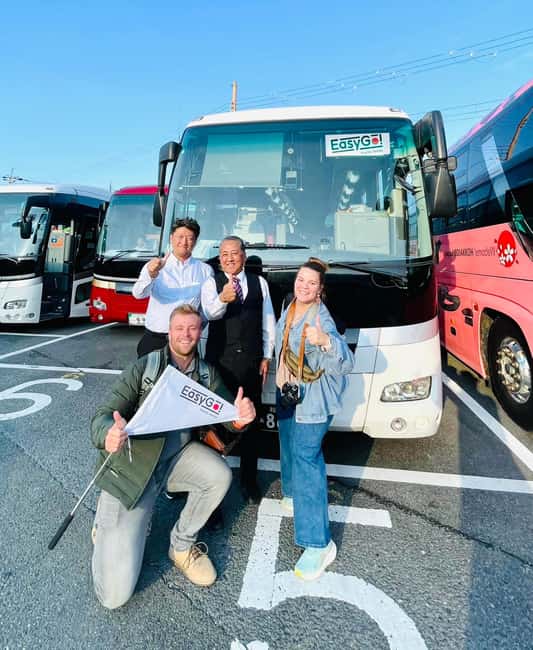
Logistics also come down to one detail that matters a lot. The guide won’t contact you in advance, so you need to arrive at the meeting point and check in with staff wearing an EASY GO vest or flag. And because one negative experience included a bus departure before late participants could board, I’d treat the meeting time like a strict appointment, not a suggestion.
More Temple & Shrine Tours in Osaka
- Osaka: Minoh, Katsuoji Temple, & Minoh Falls Full-day Tour
★ 4.9 · 172 reviews - Sagano Romantic Train & Arashiyama, Kiyomizudera, Fushimi Inari Taisha Day Tour
★ 4.5 · 171 reviews - Full Day Kyoto Tour : Bamboo Forest, Golden Temple, Fushimi Inari
★ 5.0 · 84 reviews
Arashiyama early: Togetsukyo Bridge and bamboo trails at your pace
Your day starts in Arashiyama, and the timing is one of the best parts. The tour plan is set up so you arrive in the late morning window, which helps you experience the area before crowds fully pile in. In my view, Arashiyama works best when you get to walk first, not when you spend all your time fighting for a photo spot.
You’ll get about two hours for a self-guided visit. The classic starting point is the Togetsukyo Bridge area, where you can take in the scenery and changing-seasons feeling along the river. From there, you can head toward the bamboo forest trails for that signature green pathway experience.
Because this is free time instead of a tightly scripted walking route, you can choose your own pace. If you want calmer moments, walk the edges of the main paths and aim for side lanes where you can. If you’re after photos, give yourself a little extra time near the most photographed spots, then move on before you get stuck in the same crowd loop.
Practical tip: wear shoes that handle uneven ground, because bamboo areas tend to have lots of foot traffic and some surfaces that are not designed for slick soles. Also, plan for cool or warm layering. Even on a single day trip, Japan weather can shift by neighborhood and time of day.
Nara Deer Park: 1,000 deer moments near Kasuga Taisha
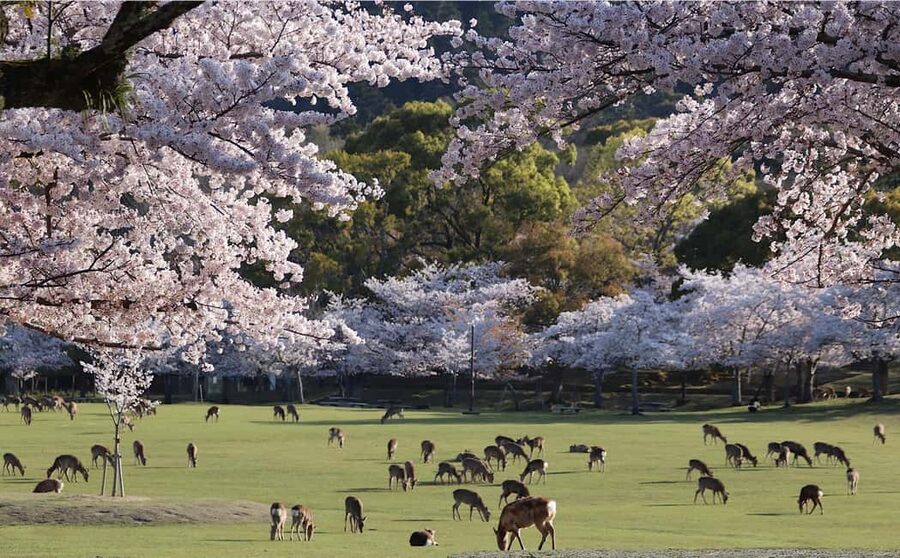
Nara is the emotional payoff stop. You’ll arrive for about 80 to 90 minutes of self-guided time, which is just enough to see the main action without rushing.
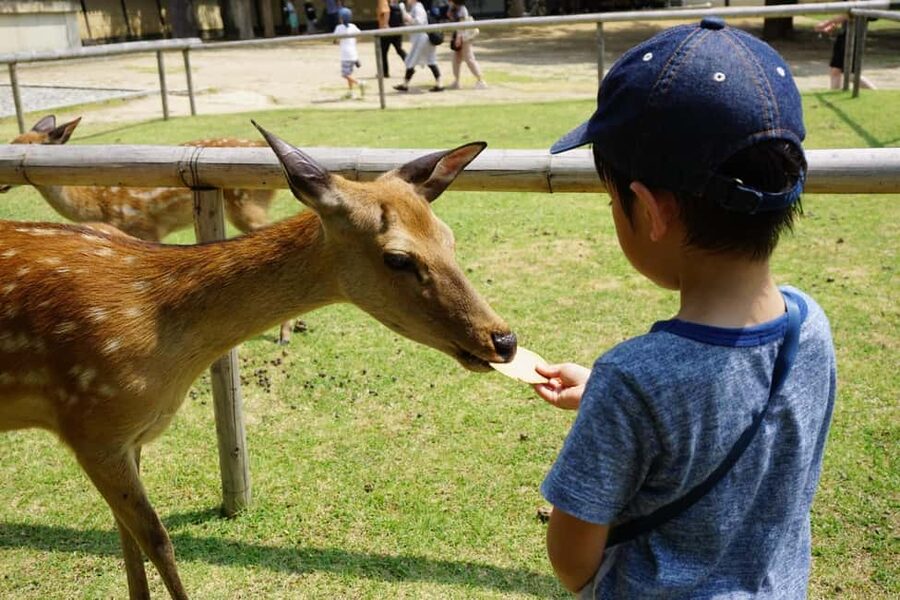
The key draw is right in the name: Nara Deer Park has over a thousand deer roaming freely. They’re not behind fences as a simple zoo exhibit. You’ll be close enough to feel how bold and accustomed they are to people, especially around the busiest walking areas.
What makes Nara more than just a “cute animal” stop is the spiritual and historical framing. The deer here are regarded as messengers of the gods, with a history of more than 1,300 years. The park sits adjacent to Kasuga Taisha Shrine, so the whole area feels like a living temple landscape rather than a standalone park.
Here’s how I’d manage the visit in the time you have. Start by walking in, slow down for deer encounters, then keep moving. If you try to stop and photograph every single deer you see, your 80 minutes can vanish fast. The goal is a mix of wide shots (you’ll see groups of deer everywhere) and a few close encounters where you’re not blocking paths or crowding people.
Also, since the tour specifically says food isn’t allowed in the vehicle, you’ll want to plan your own snacks outside the bus. For deer areas, be mindful about what you carry and where you stand, because deer react to movement and bags.
Fushimi Inari Taisha: walking the red torii without getting lost
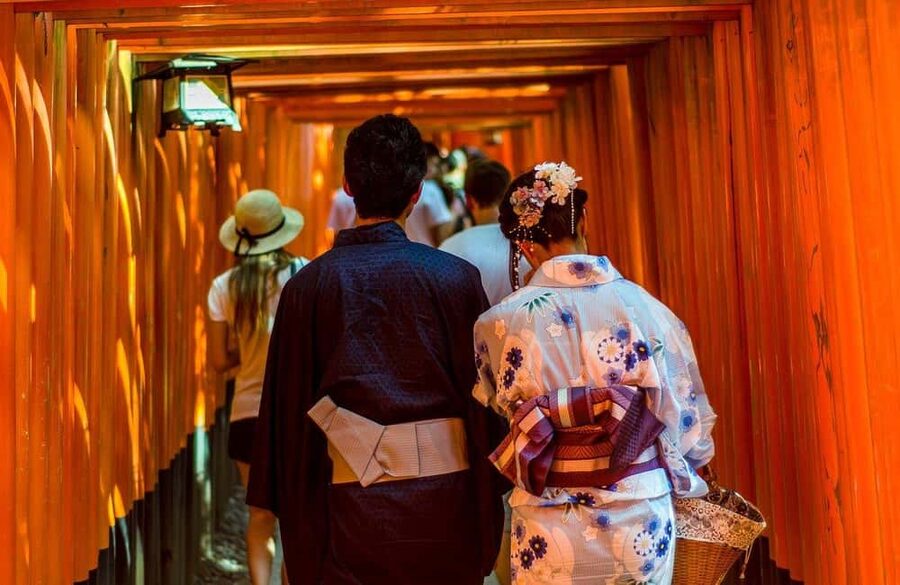
If Arashiyama is your greenery morning, Fushimi Inari is your red torii walking adventure. You arrive in the mid-afternoon and get about 1.5 hours of free time.
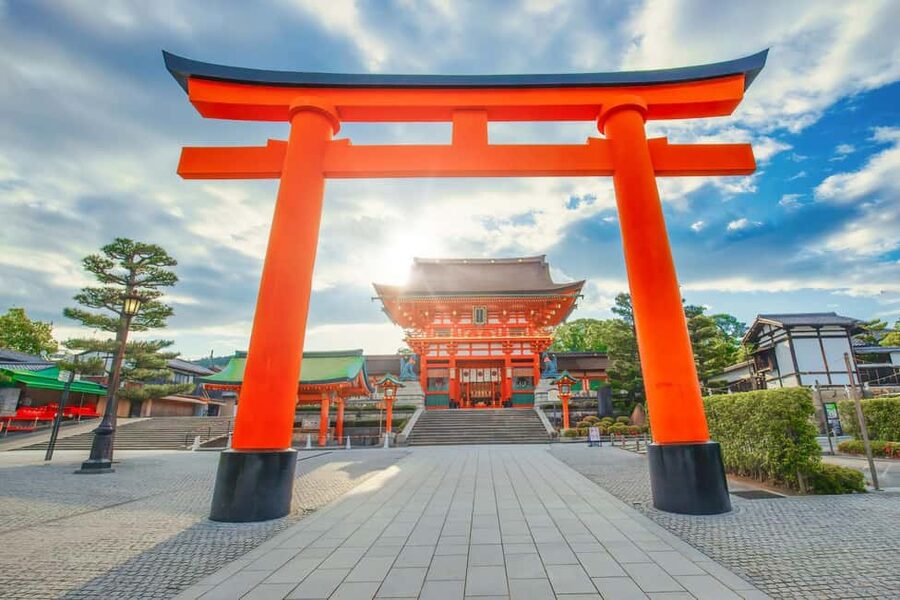
This is a major shrine complex and the scale is the point. It’s the headquarters of about 30,000 Inari shrines in Japan. The shrine has a founding date of 711 AD, and the Inariyama area is sacred, so you’re not just sightseeing through a tunnel. You’re walking a path that feels like it’s meant for slow movement and repeated return.
And yes, the famous “10,000 red torii gate” concept is exactly why people come. The red gates form corridors of repeating shapes, so the walk becomes a kind of rhythm. It’s also why timing matters. Too late, and you’re stuck in crowd flow. Right when you arrive, you can usually find moments to pause, frame a photo, and keep your own pace.
With only 1.5 hours, you need a strategy. Pick your goal. If you want the full torii walk experience, commit to it and be okay with being on your feet most of the time. If you want more variety, pace yourself and plan a turn-back point so you don’t run out of time at the end.
Practical tip: keep an eye on where the exit is as you go in. The torii paths can make you feel like you’re inside a single long corridor. That’s part of the magic, but it’s also how people accidentally spend their entire time farther in than they planned.
More Arashiyama tours:
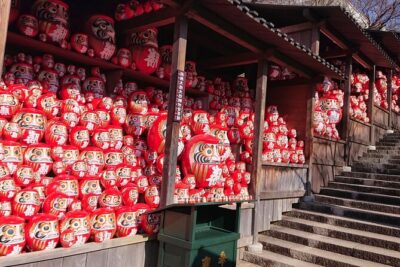
- Katsuo-ji Temple, Arashiyama Forest, & Nara Park
★ 4.0 · 37 reviews - Kyoto: Immersive Arashiyama & Fushimi Inari by Private Car
★ 5.0 · 35 reviews - Kyoto Highlights: Arashiyama & Fushimi Inari by Private Car
★ 5.0 · 35 reviews - From Osaka: Kyoto, Nara, Fushimi Inari & Arashiyama Day Tour
★ 4.4 · 19 reviews
The guide situation: mostly Chinese, plus a driver who helps
The tour includes a Chinese/English/Korean/Japanese-speaking guide, but the “how” matters. The tour is mainly conducted in Chinese. English and Korean speaking staff may be available upon request at booking time, but that isn’t guaranteed.
In real terms, what this means for you is that you should expect helpful direction at the start and basic onboard commentary, but you should not assume long, detailed narration at every shrine. This matches the structure: each stop gives you significant time to explore on your own.
Guide quality can also vary by date. Some groups describe guides named Levi, CC, and HuaHua as kind, polite, and helpful with getting you where you need to go and what to look for. On the other hand, there’s also at least one harsh experience tied to a guide named Eric, where participants felt the guide did not respond and the bus left without them. I can’t predict who you’ll get, but I can tell you what to do to protect yourself.
Do this: arrive early enough to be fully checked in, not just standing near the meeting point. When staff ask you to confirm, do it fast. Then stick with the group at departure times. If your plan is to rely on a late rescue call, don’t. This tour operates like a coach tour should, on the group clock.
Price and logistics: is $51 good value?
At $51 per person for a full 10-hour day, the value is strongest if you factor in what’s included. The tour price covers:
- transport by coach
- toll fees, parking fees, and fuel fees
- a multi-language guide
- a structured path between Osaka and Kyoto across three major stops
What’s not included is meals and beverages, plus personal expenses. Also, food is not allowed in the vehicle, so you’ll need to plan how you snack and where you eat.
Here’s how I think about the price in practical travel terms. You’re paying to remove the stress of logistics: getting from Osaka to Arashiyama, then to Nara, then to Fushimi Inari, and back again. If you’d normally spend extra time coordinating trains and transfers, the coach can actually be cheaper in total time and energy.
But it’s not a good value if you already know how to travel Kansai efficiently by public transport and you hate group schedules. One description criticized the route order and said public transport could be faster and cheaper. That perspective makes sense if you’re flexible and comfortable building your own day.
So the value question comes down to you. If you want to lock in the route, show up at a meeting point, and walk at your own pace once you’re there, $51 can be a smart deal. If you want maximum independence, you may find DIY planning gives you more freedom for the same or less money.
Best-fit traveler, and who should consider DIY
This tour fits first-timers and anyone with limited time in Kansai. If your goal is to tick off Arashiyama, Nara Deer Park, and Fushimi Inari Taisha in one day, the itinerary is built for that. It also helps if you don’t want to coordinate between Osaka and Kyoto plus two major day-sight zones.
It’s also a good option if you like a mix of guided structure and free exploration. The tour doesn’t try to force you to follow a script for every minute, which means you can pause, photograph, and slow down where you care most.
But I’d consider DIY if any of these sound like you:
- you hate bus rides and want control over departure times
- you want detailed commentary at each shrine, not just basic onboard information
- you’re sensitive to schedule risk, because late check-in can mean missing a departure
- you’re on a tight budget and you prefer train math over coach packages
Language is another factor. Even with staff support, the tour is mainly conducted in Chinese. If you read Japanese well and prefer a more independent approach, DIY might feel smoother. If you’re fine with simple guidance and signage, the coach tour can still work well.
Should you book this Osaka and Kyoto day trip?
Book it if your priority is efficiency and you want a low-planning day that hits three headline destinations. The deer and torii experiences are the kind that are hard to replicate, and the time given at each stop is enough to enjoy the basics without feeling totally rushed.
Skip it if you’re the type who needs full control over timing or you know you’ll be grumpy in a bus for much of the day. Also, be realistic about the language setup and plan for self-navigation at the sites.
Most importantly, treat check-in and departure times like the whole day depends on them. Because it can.
FAQ
What is the duration of this tour?
It runs for about 10 hours.
Where does the tour start?
You can choose one of two starting locations: Kyoto Station Hachijo Exit Sightseeing Bus Stop, or Dotonbori area at 1-chōme-1-3 Dōtonbori.
What are the main stops?
The tour focuses on Arashiyama, Nara Park, and Fushimi Inari Taisha, with bus transfers between each area.
How much free time do I get at each place?
You’ll have about 2 hours at Arashiyama, about 80 minutes to explore Nara Park, and about 1.5 hours at Fushimi Inari Taisha.
Is the tour fully guided?
No. It includes guide support, but the visit time at each site is self-guided, with only basic onboard commentary in smaller-group situations.
What languages are available?
The tour is mainly conducted in Chinese. English and Korean-speaking staff may be available upon request at booking time, but language availability is not guaranteed.
What does the price include?
The tour includes a guide, transport, toll fees, parking fees, and fuel fees.
What is not included?
Meals and beverages are not included, along with other personal expenses.
Can I eat in the vehicle?
Food is not allowed in the vehicle.
Is there a cancellation policy and can I pay later?
Free cancellation is available up to 24 hours in advance for a full refund, and you can reserve now and pay later.
Final call: book it or go DIY?
If you want three major Kansai experiences on one day with minimal planning, this coach tour is a reasonable way to do it. If you want maximum independence, longer stays, and deeper commentary at each shrine, DIY is likely a better fit, especially since bus time is a real part of the experience here. Either way, show up early and check in properly, because the day runs on the group schedule.
Fresh options around Osaka
- Osaka Winery Tour with Wine Tasting & Vineyard Walk★ 4.9 · 12 reviews
- Osaka: Early Morning Osaka Castle Guided Tour, Avoid Crowds★ 4.9 · 12 reviews
- Kyoto Day Trip from Osaka Port – Private Shore Excursion★ 5.0 · 13 reviews
- Osaka Private Pop Culture Tour: Historic Tenma to Dotonbori★ 4.5 · 13 reviews
- Osaka Castle Admission Ticket★ 4.0 · 13 reviews
- Hidden Osaka Foodie Tour: Nishinari Backstreets & Local Dining★ 5.0 · 13 reviews
- Discover Real Osaka: A Cultural Walk with Food & Drink★ 5.0 · 13 reviews
- Nara private tour (Shore excursion available from Osaka or Kobe port)★ 5.0 · 13 reviews
Temple & Shrine Tours in Osaka, compared.
Minoh, Katsuoji Temple, & Minoh Falls Full-day Tour
Read our review →
Sagano Romantic Train & Arashiyama, Kiyomizudera, Fushimi Inari Taisha Day Tour
Read our review →Full Day Kyoto Tour : Bamboo Forest, Golden Temple, Fushimi Inari
Read our review →
Osaka Temple Cool Foot Bath & Matcha Experience〈45min〉
Read our review →
Katsuo-ji Temple, Arashiyama Forest, & Nara Park
Read our review →
Kyoto Highlights: Arashiyama & Fushimi Inari by Private Car
Read our review →
Immersive Arashiyama & Fushimi Inari by Private Car
Read our review →Browse the lists this tour appears in