

Reviewed · FOOD & DRINK
Old Town Tokyo Food Tour
Old Tokyo tastes start in Yanaka. You get a guided Old Town Tokyo food tour through Yanaka’s quiet lanes, plus a Teishoku lunch of regional specialties and an actual tea ceremony with sweet wagashi. I also like how the route mixes practical eating stops with classic neighborhood scenery, the kind that still feels human-sized. The main drawback is simple: there’s no hotel pickup, so you’ll need to get yourself to Coffee Room Renoir Nippori Yanaka on time.
Two other things that made this feel worth my money are the pacing and the small group size. The tour caps at 10 travelers, so questions actually get answered and you’re not just shuffling along behind a crowd. And because it’s family-friendly with a local English speaking guide, you can ask what you’re eating and why it’s served that way.
One more thing to keep in mind is weather. This experience requires good weather, and if conditions are poor you’ll be offered a different date or a full refund.
Key takeaways from the Yanaka food tour route

- Teishoku lunch with Kyushu specialties gives you a real meal, not just snacks
- Wagashi and tea experience adds a cultural stop, not only food
- Six food stops plus drinks means you’ll sample a variety without overspending
- Yanesen-area walking route mixes temples, old streets, and park views
- Max 10 people keeps it conversational and easier to follow on foot
Why Yanaka feels like a different Tokyo
If you only see Tokyo from big, bright avenues, you miss a softer side of the city. Yanaka is one of the places that still carries that older texture. The neighborhood survived major hardships, and you can feel that history in the street layout and the mix of temples, side roads, and small family-run shops.
What I like most is the way this tour uses that setting to teach you how people actually live day to day. It’s not a museum crawl. It’s a guided walk where you pause for food, then keep moving so you’re always connected to what you’re seeing.
You should also know the tour is structured around walking. It’s described as requiring moderate physical fitness, so wear shoes you trust. If you’re the type who enjoys strolling, you’ll probably love the rhythm. If long walks already drain you, plan to take your time at each stop and pace yourself.
More Food Tours in Tokyo
- Tokyo: Shinjuku Food Tour (13 Dishes at 4 Local Eateries)
★ 5.0 · 6,603 reviews - Tokyo Tsukiji Fish Market Food and Culture Walking Tour
★ 5.0 · 3,184 reviews - Tokyo: Shinjuku Food Tour (15 Dishes and 4 Eateries)
★ 4.9 · 2,033 reviews
What’s included: lunch, tea, and 6 food stops

This is the part that makes the price make more sense. You’re paying for guide time plus a full set of tastings. The tour includes dishes and drinks at 6 food stops, a lunch in a restaurant, and the wagashi and tea experience.
A key detail I appreciate: the lunch isn’t vague. It’s a Teishoku meal with regional specialties, and the tour description specifically calls out specialties from Kyushu Island. Teishoku typically means a set meal with multiple components served together, so you get variety in one sitting. That matters because you’re not spending extra money to build your own lunch.
The tea ceremony element also isn’t an afterthought. You’ll participate in the tea ceremony and pair it with wagashi. Even if you’ve seen tea mentioned online, it’s different when you’re doing it in a structured, guided way and learning what to notice as you go. It gives context to the sweets and the drink, not just a quick sip for a photo.
What’s not included is also clear: additional drinks or food, and transportation. That means you should budget for your own transit to get to the meeting point, plus any extra purchases you want during shopping time.
Price and value: what $231 buys you in practice
At $231 per person for about 3 hours 30 minutes, this is not a cheap bite-and-walk. But it’s also not only an entrance-fee tour, and that’s the difference.
Here’s where the value comes from:
- You get a full lunch in a restaurant, plus multiple tasting stops.
- You get guided cultural time with the tea and wagashi experience.
- You get a local English speaking guide for the whole walk, which helps you understand what you’re eating.
If you tried to replicate this on your own, you’d likely spend time figuring out where to go, which shops take English-friendly questions, and how to time a tea experience and a proper lunch on the same morning. This tour bundles those pieces into a single plan.
The best way to judge whether it fits your budget is to ask yourself this: do you want organized sampling and cultural guidance, or do you just want to wander Yanaka with whatever looks good? If you want the organized experience, the price is easier to justify.
Meet at Coffee Room Renoir Nippori Yanaka at 10:30

Your start point is Coffee Room Renoir Nippori Yanaka in Yanaka, Taito City. The meeting location is listed at Japan, 110-0001 Tokyo, Taito City, Yanaka, 7-chōme206 谷中ホームズ, and the start time is 10:30 am.
Why this matters: starting at 10:30 puts you in the sweet spot for morning walking that doesn’t feel rushed into lunch chaos. You’ll likely have enough time to enjoy the first stops, then settle into the meal part of the tour.
Also note there’s a mobile ticket, so keep your phone charged and ready. And because there’s no hotel pickup, build in transit time with a buffer. You don’t want to be that person arriving flustered, holding up the group.
Same corner of Japan, a different kind of day:
- Mt Fuji and Hakone 1-Day Bus Tour Return by Bullet Train
★ 5.0 · 26,383 reviews - 1-Day Tokyo Bus Tour
★ 5.0 · 14,250 reviews - Tokyo: TOKYO SKYTREE® Admission ticket
★ 4.5 · 11,192 reviews - Tokyo: teamLab Planets TOKYO Digital Art Museum Entry Ticket
★ 4.6 · 9,779 reviews
Temple lanes and old streets: the early walking stops

After you meet your guide, the tour begins with a three-hour food tour through the Yanaka (Yanesen) District. Early on, you move into the temple-and-street feel of the area.
Here are the specific stops you can expect early:
- Tennō-ji
- Kyōōji Temple
- Yūyake Dandan
- Then you head toward Yanaka Ginza
These pauses matter because they slow your pace down just enough to notice details you’d otherwise speed past. Even if you’re not a temple expert, the guide context helps you understand why these places appear in a neighborhood food walk. It’s not random sightseeing. It’s a way to see how food, daily life, and community spaces intersect.
The Yūyake Dandan stop is interesting because the name points you toward a view and a slope, the kind of spot that makes you realize Yanaka isn’t flat. You get a change in perspective, which also helps break up the mental load of constant eating and shopping.
One practical note: if you’re sensitive to stairs or uneven ground, take it slowly at these kinds of stops. The tour is family-friendly, but temples and old neighborhoods can have steps and changes in pavement.
Yanaka Ginza shopping time and small-shop specialties

Next up is Yanaka Ginza, where you’ll visit small shops with history and try local specialties. You also get a defined window here, listed as about 15 minutes for this segment.
This is where the tour becomes more than just eating. Yanaka Ginza is the kind of street where you can feel the neighborhood economy. You’re not looking at big-brand retail. You’re looking at places that probably still run on relationships, regular customers, and repeat orders.
The upside: you’ll be able to ask questions about what’s good, what’s traditional, and what makes a shop’s selection different. That’s especially helpful if you don’t read Japanese well.
The caution: 15 minutes goes fast. If you’re the type who likes to browse for a long time, use this window strategically. Decide before you arrive if you want to focus on one or two snack types or if you’re shopping for small gifts.
Then you move on to:
- Yanaka Cemetery Park
- Okakura Tenshin Memorial Park
Even though they sound like scenic detours, they fit the tour’s theme. These green-and-quiet stops help you reset between tastings. They’re also useful if you want a break from eating-heavy moments without completely stepping away from the group.
The lunch moment: Teishoku, seasonal ingredients, and Kyushu flavors

Lunch is one of the biggest reasons to choose this tour over a casual street-food walk. You’ll enjoy a Teishoku lunch at a restaurant, and the description notes regional specialties with an emphasis on Kyushu Island.
The practical reason Teishoku is so good on a tour is that it forces balance. Street food can sometimes be all texture, all sweet, or all fried. A set meal tends to include different components in one service. That way, you get your fill and still have room to taste later items.
Another line in the tour info says the lunch uses the best seasonal ingredients. That’s worth taking seriously. Seasonal ingredients mean you’re more likely to taste something that feels tied to the time of year, not just the most common items a shop sells year round.
If you have dietary needs, this is a good moment to rely on the tour’s stated flexibility. The tour is listed as Vegan, Vegetarian, Pescetarian, Gluten-Free friendly. That doesn’t mean every dish will be identical, but it does mean you should be able to work with the guide and restaurant options within the tour framework.
Tea ceremony and wagashi: the cultural stop that still feels fun

The wagashi and tea experience is scheduled as part of the included package. That’s the phrase to pay attention to if you’re choosing a food tour for more than eating.
Wagashi are traditional Japanese sweets, and pairing them with a tea ceremony changes what you’re doing. Instead of treating sweets like a sugar checkpoint, you learn how the sweetness and presentation work alongside the tea. It’s hands-on, and it usually gives you something to focus on besides just flavors.
The tea ceremony also adds calm energy to the tour. After temple stops and shop time, this is the moment where the pace slows. For me, that balance matters because it prevents the entire experience from turning into a sprint of tastings.
If you’re worried the ceremony could be too formal, you should know the overall tour is family-friendly and led by a local English speaking guide. That combination usually makes cultural practice feel more approachable.
Pacing, group size, and guide interaction
This is capped at a maximum of 10 travelers, which is a big deal on a walking food tour. Smaller groups make it easier to:
- hear instructions clearly,
- ask direct questions about ingredients and choices,
- and not feel lost when the route changes slightly.
The tour also runs about 3 hours 30 minutes. That duration is long enough for variety but not so long that you feel cooked at the end. It’s the kind of half-day activity that can slot into an itinerary without wiping out your afternoon.
The guide is local and English speaking. One review highlighted a guide named Sandra as excellent, specifically calling out the way the tea ceremony fit into the overall visit. That’s consistent with what the tour aims to do: connect eating to place and context.
Getting the most out of it: practical tips for your day
Here’s how I’d set yourself up so the tour feels easy and satisfying.
First, arrive early to your meeting point. Don’t just show up at 10:30, give yourself a few minutes to get oriented and settle your ticket.
Second, wear comfortable walking shoes. Yanaka is old-town Japan, which can mean uneven pavement and stairs around temples.
Third, plan your appetite. You’ll have:
- street-style tastings at multiple food stops,
- a Teishoku lunch,
- and sweets plus tea.
If you go in starving, you’ll love it. If you snack heavily beforehand, you might struggle to enjoy everything fully.
Fourth, if you have a diet need, treat it like part of the plan, not a last-minute surprise. The tour is listed as Vegan, Vegetarian, Pescetarian, Gluten-Free friendly, so mention your requirements when booking or with your provider, and be ready for possible substitutions based on restaurant schedules.
Who should book this Yanaka food tour?
This tour fits best if you:
- want a structured way to experience Yanaka (Yanesen) without spending time hunting for the right food stops,
- enjoy food plus cultural context like the tea ceremony,
- like small-group walking tours,
- and want a real lunch built into the price.
It’s also a good fit for families, since it’s marked family-friendly. The moderate fitness note suggests it’s not a hard hike, but you should still be prepared for normal walking and temple-side terrain.
If you’re a solo traveler who likes having an English speaking guide, this kind of route can save you effort. If you’re already an expert on Tokyo street food and tea, you might find it less necessary, because you could potentially piece together a similar day yourself. But you’d be trading convenience and built-in timing for control.
Should you book Old Town Tokyo Food Tour?
Yes, if you want an old-town Tokyo morning that feels organized, tasty, and thoughtfully paced. The biggest reasons are the built-in Teishoku lunch, the tea ceremony with wagashi, and the fact that you’re getting multiple food stops without having to plan every detail yourself.
I’d only think twice if you hate getting to meeting points on your own, because there’s no hotel pickup, or if weather can make you miserable. Also, if your goal is maximum street-food variety only, this tour includes more structured stops, including temples and parks, so it’s not pure snack hunting.
If you want a memorable Tokyo day that balances food, culture, and neighborhood atmosphere, this Yanaka tour is a strong choice.
Fresh options around Tokyo
- Tokyo: Crazy Cute & Kawaii Harajuku Food Tour★ 4.4 · 15 reviews
- Enjoy Mt. Fuji View and free time shopping at Gotemba Outlets!★ 4.0 · 15 reviews
- Asakusa Kimono Rental Makigawa★ 5.0 · 15 reviews
- Tokyo Sunset Boat Party with Music Drinks and Vibes★ 5.0 · 15 reviews
- Nikko Private SightSeeing Day Tour With Guide (From Tokyo)★ 5.0 · 15 reviews
- A One-of-a-Kind Sushi Experience in a Special Place of Japan★ 5.0 · 15 reviews
- Tokyo: Private Tsukiji Fish Market Tour with 3 food stops★ 4.7 · 15 reviews
- Blade Runner photo workshop in Shibuya with Laurence Bouchard★ 5.0 · 15 reviews
Food & Drink, compared.
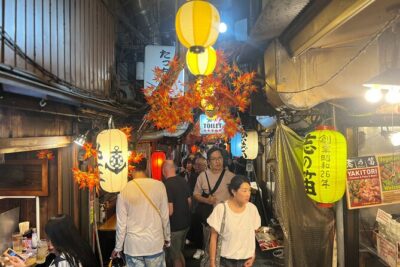
Shinjuku Food Tour (13 Dishes at 4 Local Eateries)
Read our review →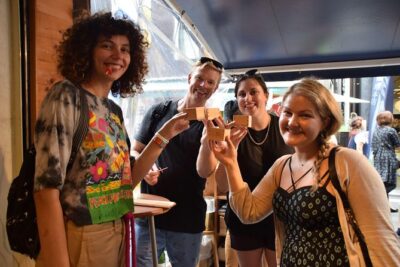
Tokyo Tsukiji Fish Market Food and Culture Walking Tour
Read our review →
Shinsekai Food Tour with 13-15 Dishes at 5 Eateries
Read our review →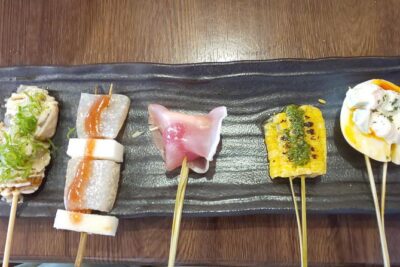
Osaka Food Tour: 13 Dishes at 5 Local Eateries
Read our review →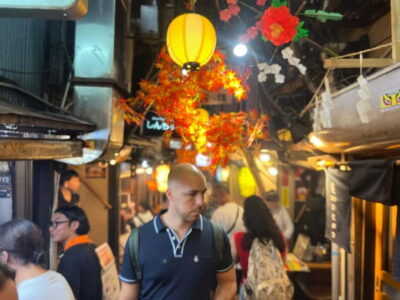
Shinjuku Food Tour (15 Dishes and 4 Eateries)
Read our review →
Best of Shinjuku: Izakaya Food Tour (4 Stops, 14+ Tastings)
Read our review →
Kyoto Night Foodie Tour in Gion (9+ dishes + 6 Sake tastings)
Read our review →
Hungry Osaka Street Food Tour:15 Tastings & 3 Drinks with a Local
Read our review →Browse the lists this tour appears in