
Sumo is serious business, and this tour helps you get it fast. I like that you get tickets included for the tough-to-buy Fukuoka November tournament, and I like that your English-speaking guide walks you through the rules and the traditions right before you sit down. The main thing to consider is that your chair seats are assigned and you cannot choose, so the view may feel better or worse depending on where you land.
This is a tight, 3.5-hour afternoon format built around the moments most newcomers miss. You’ll meet at Fukuoka Kokusai Center, get context from your guide, then go into the stadium where the atmosphere is intense, focused, and very Japanese in the way it mixes ritual and sport.
If you are the kind of traveler who wants more than just a ticket, this one clicks. Some of the best feedback I saw centered on guides like Yuko, Asa, Masa, and Tam Tam, who helped people follow bouts and understand what they are actually seeing.
Key highlights to look forward to
- Tickets included for the November tournament so you avoid the rush of official sales
- English explanations that make the rules click before the bouts start
- Afternoon timing that lines up with the stronger wrestlers later in the day
- Smaller group size (max 15) for a more personal experience
- Chair seating on the 3F level (A or B) with no seat selection
- On-site tips during the tournament to help you follow what’s happening
Why a November Sumo day in Fukuoka feels like more than a match
Fukuoka hosts one of Japan’s six annual sumo tournaments, and the November event has a special draw if you are already in Kyushu or you just want a live sports experience that is unmistakably Japanese. This is not casual entertainment. Sumo is full of ritual: how the ring is presented, how wrestlers enter, and how the match is conducted down to tiny signals.
What makes this tour worth your attention is the way it turns the day from I hope I understand what I’m watching into a clear viewing plan. Once you know the basics, the action makes more sense fast, especially the moments between bouts when your guide gives you quick, practical tips.
You also get to feel the tournament rhythm. Early bouts start at 8 am, but this tour is built for the afternoon flow when the day shifts and the atmosphere ramps up. You are not stuck waiting all day with nothing to do, either. It is a focused chunk of time that fits well into a travel schedule.
More sumo experiences in Tokyo:
- Kyushu Grand Sumo Tournament Viewing Tour with English Guide
★ 5.0 · 22 reviews - Fukuoka Sumo Tournament November 2025 with a Sumo Expert Guide
★ 5.0 · 21 reviews - Tokyo: Sumo Show Experience with Chicken Hot Pot and a Photo
★ 4.8 · 6,678 reviews
Getting there: Fukuoka Kokusai Center meet-up and how to avoid stress
Meet-up is at Fukuoka Kokusai Center in Hakata Ward. The schedule gives you a key detail to plan around: you will meet at 2:15 pm, but the group leaves at 2:30 pm sharp. That means you want to arrive a little early, not just on time.
Also, the practical part matters here. The tour is run with a small group, and your guide hands out the ticket on the tour date. To make this easier, do what I always do in Japan for guided events: stand in one spot near the confirmed meeting area, and watch for the guide’s identifying look. In one response to a customer issue, the guide was described as wearing a red jacket and holding a green board, which is exactly the kind of visual cue you should watch for.
One more logistics note: the venue is near public transportation, so you should not need a car or complicated transfers. Still, I recommend a quick route check the day before. Stadium days can make station traffic feel louder than normal.
Before you enter: what your guide explains (and why it matters)
This tour is not just pass-the-ticket-and-watch. Your English-speaking guide covers what sumo is, including a tour-friendly version of the history and rules before you go into the stadium. That pre-bout explanation is the difference between watching movement and understanding outcome.
Here is what you can expect from that kind of briefing, based on the pattern of feedback from guides like Yuko and Masa: you learn how to follow what counts, what wrestlers are trying to do, and what you should look for when the action seems chaotic. When the guide also gives tips between bouts, you catch the meaning of the small pauses and the setup.
It’s a small thing, but it changes the whole viewing experience. If you can recognize what kind of grip battle is happening or why a wrestler is circling, the match becomes readable. If you cannot, it can still be exciting, but you will likely spend half your time thinking, what just happened?
A couple of reviews praised guides for making sumo feel like both sport and ritual, and that framing is useful. Sumo is not just who wins, it’s how the competition is conducted with structure and tradition that feels old and precise.
The stadium experience: chair seating, sightlines, and realistic expectations
Once inside, you will get 3F chair seats, specifically Chair A or Chair B. There is no seat choice, and the tour assigns your chair ticket. This is the biggest “read this before you book” detail.
So what does that mean for your comfort and view? The 3F level can be perfectly fine for enjoying the match, because sumo is not played far away like some ball sports. But it may not feel close. Several people were happy anyway because the atmosphere and explanations made the day click, yet a few were disappointed because they expected closer action.
If you want a practical benchmark, think of your seat as being designed for “good enough to watch,” not “close-up.” The good news is that the guide is there to help you track what you’re seeing no matter where you sit.
Other important comfort notes:
- Large luggage cannot be brought into the seat area.
- There is a place to store baby strollers, but they cannot be taken up to the seats.
- If you are bringing a child 3 and under, they enter for free but will not have their own seat and must sit on your lap.
If you show up prepared, you’ll have an easier time. If you show up expecting front-row theater, you might feel let down.
A few more Fukuoka days worth comparing
- Mt. Aso & Takachiho Gorge Tour with Optional Boat Ride
★ 4.7 · 222 reviews - Fukuoka: Takachiho Gorge & Scenic Railway One Day Tour
★ 4.8 · 178 reviews - Private Fukuoka Tour with a Local, Highlights & Hidden Gems 100% Personalised
★ 5.0 · 143 reviews - Fukuoka Your Way: 100% Customisable Private Tour with Local Guide
★ 5.0 · 83 reviews
Tournament timing: what to watch from late afternoon to 6:00 pm
This tour runs about 3 hours 30 minutes, and it fits neatly into the tournament’s afternoon shift. The full tournament schedule is longer, but your visit focuses on the time when you can actually enjoy the high-energy parts without burning a full day.
The event structure you should know:
- The tournament starts early in the day with matches between lower-ranked wrestlers.
- The stronger wrestlers enter around 3:30 pm for the dohyo-iri, the ring-entering ceremony.
- The session ends around 6:00 pm during this tour window.
One review also referenced that the main event is typically between 4:00 and 6:00 pm, which lines up with what you’ll likely experience during your seating time.
In plain terms, you can expect the day to build. You might start with a lighter-feeling set of bouts, then watch the intensity ramp up as the tournament moves toward the centerpiece matches. If your brain understands the rules by then, the whole afternoon becomes much more satisfying.
Food and drinks: what you can buy, and why cash helps
Food and drinks are not included in the tour price. But you are not left empty-handed. The stadium has vendors where you can grab things like beer and yakitori (skewers).
The best practical advice here is to plan for spending on the spot. One review specifically suggested bringing cash for beer gardens and merchandise. I cannot say every stand takes the same payment method, and tournaments can be chaotic at peak moments, so having some yen ready makes the day smoother.
You also have another option: some stadiums let you bring certain items, and at least one review indicated you can take your own food and drink into the arena, while others note you can buy there. Since the exact rules can vary by venue setup and crowd conditions, your safest move is to bring only what you can comfortably carry and eat, and be ready to buy the rest.
Price and value: when $261 makes sense, and when it doesn’t
At $261 for about 3.5 hours, the value depends on what you want most: access, explanation, or prime seating.
Here is what the price includes from the tour details you should treat as non-negotiables:
- Admission ticket included (mobile ticket)
- English-speaking guide
- Chair seat ticket on the 3F level (A or B), no seat picking
- A small group size, max 15 travelers
- Ticket handout on tour day, guide-based walkthrough, and tips during matches
This price can feel very fair if you could not otherwise get tickets easily. Sumo tournament tickets can be the kind of thing that sells fast, and the whole reason tours exist is to protect your trip plan from that chaos.
It may feel steep if you compare the face value to what you expected to pay, especially if you were hoping for a closer view. Some feedback pointed to a mismatch between what was described and what arrived on the day. The other key factor was group size. When the group is large, your guide has less time for interaction with each person, and it can feel more like guided logistics than a personalized explanation.
Where your money is best spent is where you actually use the guide. If you want to understand the rules quickly and know what to look for, you will likely feel the value. If you already know sumo and simply want the best possible seat location, you may be happier comparing alternatives before booking.
Guides you might get: names that came up, and what they did well
Tour quality here is heavily tied to guide style, and the feedback included several names that are worth taking seriously as evidence of consistency.
- Yuko stood out for making the experience memorable, with strong explanation and a great fit for first-timers.
- Asa earned praise for sumo culture context and attentiveness, including framing sumo as both ritual and sport.
- Masa was noted as helpful and knowledgeable in a way that kept questions answered through the experience.
- Tam Tam was praised for turning the rules and meaning into something the group could actually use while watching.
Even when seat expectations were not perfect, many people still rated the overall experience highly because the explanation made the bouts easier to follow.
That said, no guide can change your seat assignment. If your top priority is proximity, treat this as a “guided ticket” tour, not a “front-row access” tour.
Who should book this November Sumo tour in Fukuoka
This is a strong fit if you:
- Want tickets handled for you when you might struggle to buy on your own
- Are new to sumo and want the rules explained before you sit down
- Prefer a small group and real-time help during the tournament
- Like live sports but also want cultural context, not just the score
It might be a weaker fit if you:
- Have strict expectations about seat location or being close to the dohyo
- Already know sumo well and mainly want the best view possible for the least money
- Are sensitive to timing pressure, since the tour leaves at 2:30 pm sharp
If you are traveling with kids, read the child note carefully. Kids 3 and under can enter for free but will not have their own seat, and you are responsible for lap seating.
Should you book this November Sumo Tournament tour?
I’d book it if you want the easiest path to a great afternoon: sumo tickets plus an English guide plus a structured viewing plan that helps you follow matches without pausing your trip every five minutes to research. The small group size also supports a smoother day.
I’d think twice if your goal is maximum closeness. The seats are fixed to 3F chair A or B, and you cannot choose. In that case, it can still be worth it for the guidance, but you should mentally set expectations to “good view, not front-row.”
If you do book, my advice is simple:
- Arrive early enough to feel calm at the meeting point.
- Watch for the guide’s identifying cues.
- Plan for snacks and shopping with cash.
- Spend your first 15 to 30 minutes listening. Once you understand what you are watching, the last part of the afternoon lands much harder.
FAQ
What’s included in the November Sumo Tournament tour in Fukuoka?
Your ticket is included, and you get an English-speaking guide who explains sumo history, rules, and offers tips during the tournament. Food and drinks are not included.
Where do we meet for the tour?
You meet at Fukuoka Kokusai Center, 2-2 Chikkōhonmachi, Hakata Ward, Fukuoka, 812-0021, Japan.
What time does the tour start?
The tour meets at 2:15 pm, and the group leaves at 2:30 pm sharp.
How long is the experience?
It runs for about 3 hours 30 minutes.
What kind of seats do I get?
You receive chair seats on the 3F level, either Chair A or Chair B. You cannot choose seats, and your guide will hand out the ticket on the tour date.
Can I choose my seat location?
No. Seats are assigned as Chair A or B, on the 3F level.
Is there food available at the stadium?
Yes, vendors inside the stadium sell items like beer and yakitori, but food and drinks are not included in the tour. You can also eat and drink at your seat.
Do I need cash during the tournament?
A review recommendation was to bring cash for beer gardens and merchandise, since you may want to buy on site.
Are mobile tickets used?
Yes, the tour includes a mobile ticket.
What about children and strollers?
Children 3 and under enter for free but will not have their own seat and must sit on your lap. Children 4 and up need their own tickets. Strollers can be stored in a designated area in the stadium, but they cannot be brought up to the seats.
What is the cancellation policy?
Free cancellation is available up to 24 hours before the experience start time for a full refund. Changes within 24 hours are not accepted, and cancellations within 24 hours are not refunded.
Fresh options around Fukuoka
- Fukuoka: Takachiho Gorge, Amano Iwato & Scenic Train Tour★ 3.8 · 12 reviews
- Dazaifu and Yanagawa Canal Cruise Private Guide Day Tour by Train★ 5.0 · 13 reviews
- One-Day Customized Minami-Aso & Takachiho Tour★ 5.0 · 14 reviews
- Fukuoka Group/Private Tour by Local Professionals!★ 5.0 · 15 reviews
- Colors of Japan, Fukuoka Nokonoshima Island Park & Wagyu BBQ★ 5.0 · 15 reviews
- Fukuoka’s Sacred Path: Temples, History & Culture★ 5.0 · 17 reviews
- Hakata Old Town Walking Tour Tracing the True History of Fukuoka★ 5.0 · 17 reviews
- Fukuoka Takachiho Gorge, Amano Iwato and Scenic Train Tour★ 4.5 · 17 reviews
Fukuoka Tours, compared.
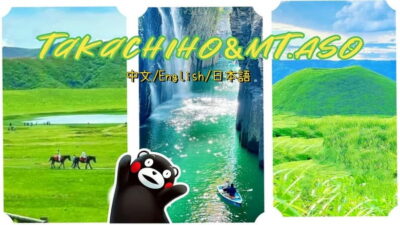
Mt. Aso & Takachiho Gorge Tour with Optional Boat Ride
Read our review →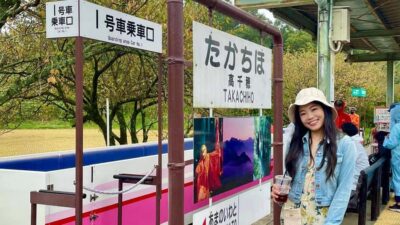
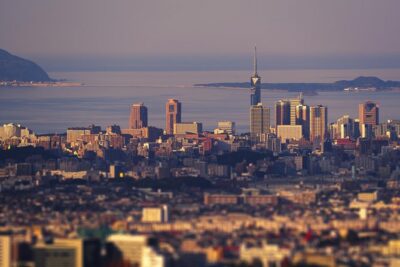
Private Fukuoka Tour with a Local, Highlights & Hidden Gems 100% Personalised
Read our review →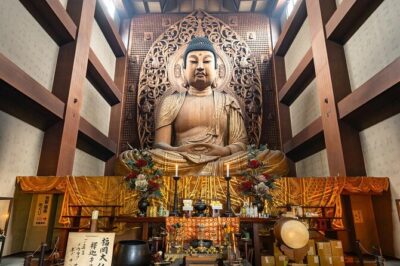
Fukuoka Your Way: 100% Customisable Private Tour with Local Guide
Read our review →
Day Tour to Miyazaki Takachiho Gorge & Shrine depart from Fukuoka
Read our review →
Fukuoka Full-Day Private Tour with Government Licensed Guide
Read our review →
Nakasu Food Stall Private Guided Tour with Tastings
Read our review →
Fukuoka Private and Personalized Walking Tour with a Local
Read our review →Browse the lists this tour appears in