
Reviewed · SNOW MONKEY TOURS
Nagano: 1-Day Snow Monkey & Cherry Blossom Tour in Spring
Two icons of spring, packed into one day. You’ll start in Nagano and head straight for the famed Jigokudani snow monkeys, then switch gears to hanami viewing in northern Nagano. It’s a practical way to hit two of Japan’s most seasonal experiences without juggling trains and local buses.
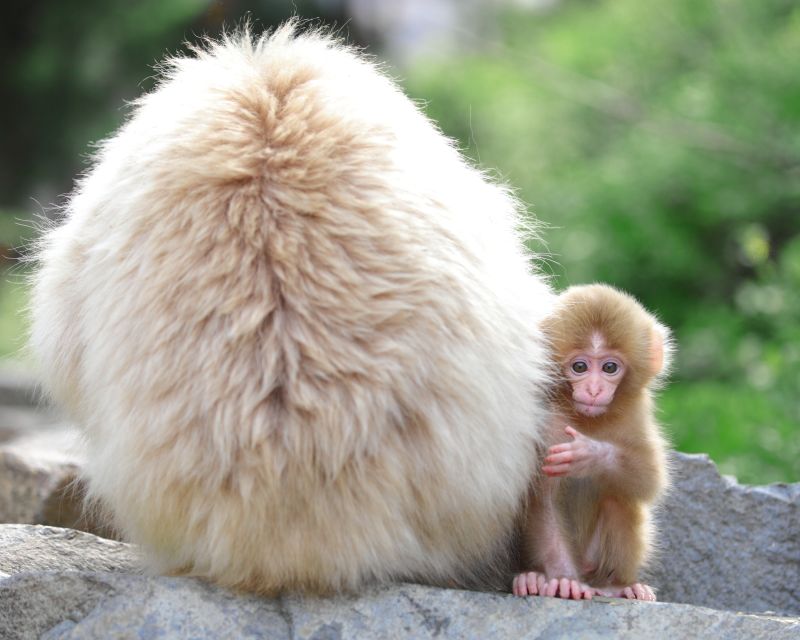
I especially like the close, respectful way you watch the Japanese macaques. You’re walking trails and viewing areas designed for wildlife viewing, and spring adds extra cuteness, with newborns typically arriving around April. I also like that lunch is included, and the chosen restaurant stop has a reputation for being good, not just a checkbox between buses.
The main drawback is time and cold. This is a full 9-hour day, with a noticeable walk to the monkey park (some people report it feeling longer than expected), and late blooms can change what you see in the afternoon.
Key highlights at a glance
- Jigokudani Monkey Park: up-close viewing of Japanese macaques in a natural setting
- Spring timing: newborn baby macaques often appear in April
- Included Japanese lunch: vegetarian option available if you tell them beforehand
- Hanami with a plan: blossom spots are chosen based on bloom level on the tour date
- Backup option if blossoms stall: Zenko-ji Temple with sake tasting in place of hanami
- English guides: you may get guides like Dai, Kevin, Eniko, Kunihiko Endo, or Teddy, and they aim to keep things moving smoothly
A Spring Day in Nagano: Monkeys First, Hanami Later
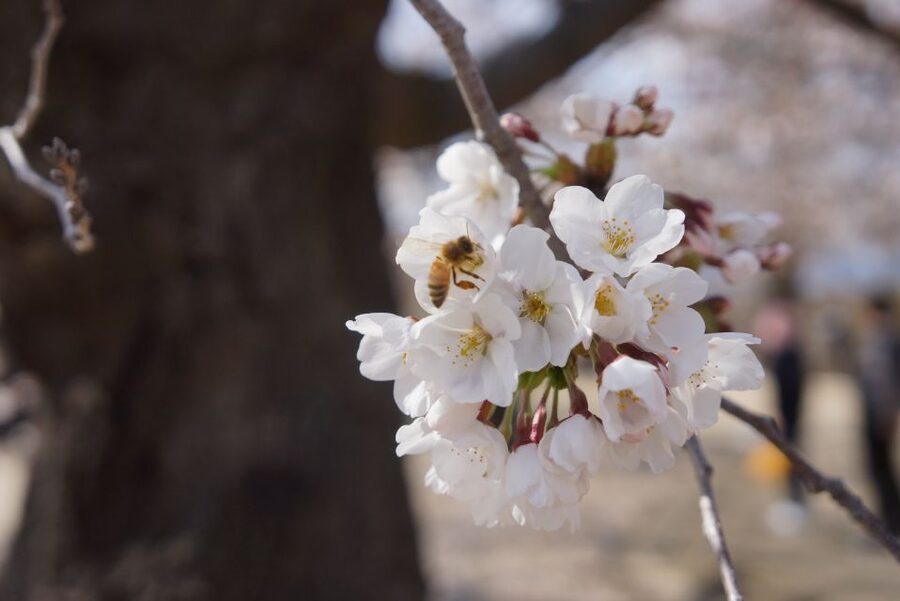
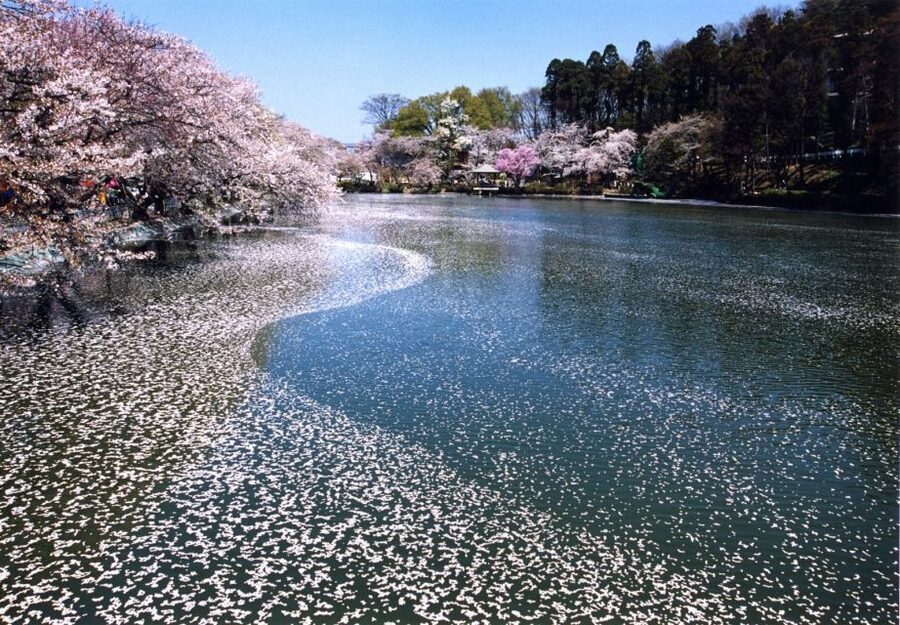
If you’re visiting in spring, Nagano is a smart choice because it’s cooler and slower than Tokyo or Kyoto. That matters for flowers. Northern Nagano cherry blossoms usually come later, and mid-April is often the sweet spot for peak bloom in this region.
This tour works because it doesn’t treat spring like one big photo op. You get your animal time first, while energy is still high, and then you shift into hanami mode. The day is designed so you can enjoy both without rushing at the worst possible moments.
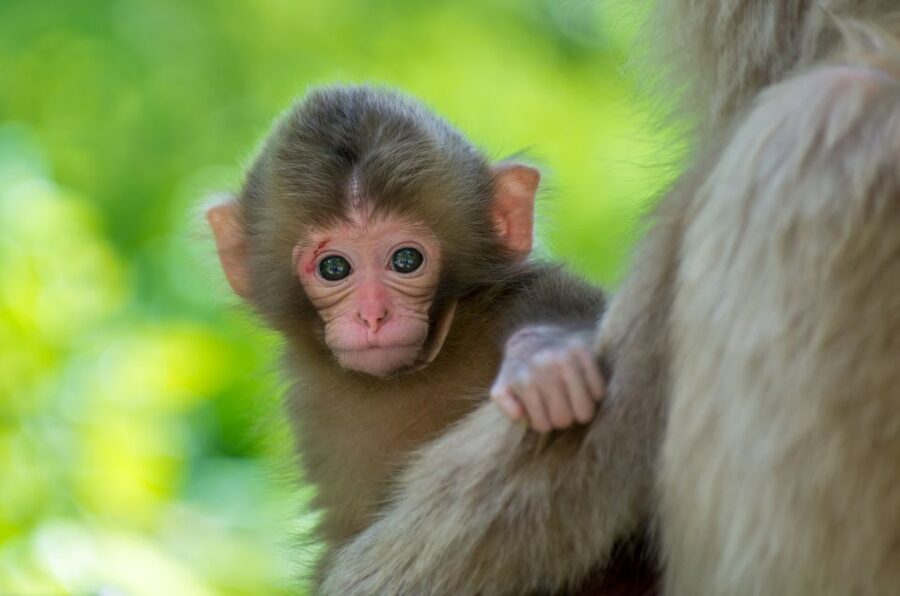
I also like the seasonal logic built into the plan. April is typically when newborn macaques arrive at Jigokudani, and the afternoon blossom stops depend on what’s actually blooming that day. That gives you a better chance of seeing real spring instead of hoping.
And yes, your legs and camera both get a workout. This is not a sit-on-a-bus day, which is exactly why it feels worth it.
Getting There from Nagano Station: Coach Time and What to Bring
The tour starts at JR Nagano Station, meeting in front of the Information Board directly opposite the shinkansen gates. That’s convenient, especially if you’re arriving by bullet train and want to get going fast.
Expect a lot of coach time because Jigokudani and the best blossom areas in northern Nagano are not next door. The day is scheduled around transportation blocks, including an initial 80-minute ride to the monkey park and multiple transfers afterward.
Coach time is where you’ll want to be comfortable. Wear layers, not just a jacket. Spring mornings in Nagano can feel crisp, and the tour includes outdoor walking where you’ll appreciate something warm enough for the colder air.
Also bring practical winter-ish weather habits, like gloves if you run cold. The park area and paths can be chilly, and you’ll be outside for enough time that comfort affects how much you enjoy the experience.
Finally, plan to come with a relaxed mindset about pacing. The day is guided and organized, but it’s still a group schedule, and the bus waits for everyone.
More snow monkey tours:
- 1-Day Snow Monkeys, Zenko-ji Temple & Sake in Nagano
★ 5.0 · 1,020 reviews - Nagano: Snow Monkeys, Zenkoji Temple & Sake Day Trip
★ 4.9 · 833 reviews - From Tokyo: Snow Monkey 1 Day Tour with Beef Sukiyaki Lunch
★ 4.6 · 295 reviews
Jigokudani Monkey Park: How Close You Really Get
Jigokudani Monkey Park is the headline act. This is where you’ll see Japanese macaques, including the famous scenes where they hang out near hot spring water in cooler seasons. In spring, you may see monkeys playing in the water, but hot spring use is not guaranteed.
Here’s what makes the experience special: you’re viewing wild animals that have space to roam. The setting is not a zoo stunt. You’re there to observe behavior, and that usually means you get more natural interactions than you would in a heavily controlled display.
The tour includes a guided portion plus walking time in the park area. Total time at the monkey park is about 2 hours and 10 minutes, so you have room to take photos, watch movement, and still catch the group.
One practical thing to know up front is the walking. There’s a reported walk of about 1.6 km to the monkey park, and for some people it feels surprisingly long. If your legs are not in great shape, bring that into the planning. Good shoes matter here, and they’re specifically recommended for the trail.
Timing adds another layer. In April, newborn babies are often visible in the troop, with many arriving during spring. Seeing tiny macaques make their first moves and climb is one of those moments that makes the whole day click.
And while you can get close for viewing, respectful distance still applies. That’s part of what keeps this wildlife experience looking and feeling like wildlife, not entertainment.
The Walk, the Weather, and the Monkey Reality Check
Even with the best planning, wildlife has its own schedule. On a few days of the year, monkeys might not come down to the park. That’s not something you control, and the tour acknowledges that possibility.
Also, don’t treat hot spring sightings as a sure thing. During winter, monkeys are commonly seen in the hot spring, but in spring to autumn they may play in the water and may not be in the hot spring at all. Translation: your payoff is still the macaques, not the water.
Weather matters too. If the day is wet or extra cold, you’ll feel it more on the trails. Pack for damp and chill, even if the sun looks friendly from the train platform.
If you want an extra smooth day, come prepared for uneven pacing. Groups can bunch up on viewpoints, and the guide will keep everyone together. That’s especially helpful if your group includes people who move slower on trails.
Overall, I think this is a good trade. You’re not just paying for a location, you’re paying for time in a real habitat with guided context and time to watch.
Lunch in Nagano: Vegetarian Options and a Real Meal Break
Half of a long day is how well you eat and reset. This tour includes lunch, served at a local restaurant with vegetarian options available if you request them beforehand. That’s a big plus for anyone who avoids last-minute searches near tourist areas.
Lunch is scheduled for about an hour. That gives you enough time to eat without feeling like you’re wolfing down food while already standing outside with the group.
From what you’re told about the included meal, it’s meant to be a genuine break, not just a basic stop. People have described the lunch as delicious, which matters because you’re spending the rest of the afternoon outdoors in spring weather.
If you have dietary needs beyond vegetarian, plan ahead. The tour data only confirms vegetarian options, so treat anything else as something you’ll need to check directly.
The timing also helps. You see the monkeys first, then eat, then go to blossom areas. That sequence keeps your day from turning into one long loop of walking with zero recovery.
A few more Nagano days worth comparing
- Tokyo: Snow Monkey & Nagano Customiseable Private Day Tour
★ 4.8 · 138 reviews - Matsumoto Castle Tour & Samurai Experience
★ 4.9 · 128 reviews - 1-Day Tour from Nagano and Matsumoto Kamikochi & Matsumoto Castle
★ 5.0 · 105 reviews - 1-Day Snow Monkeys & Snow Fun in Shiga Kogen Tour
★ 5.0 · 94 reviews
Northern Nagano Hanami Spots: Watching Blossoms the Sensible Way
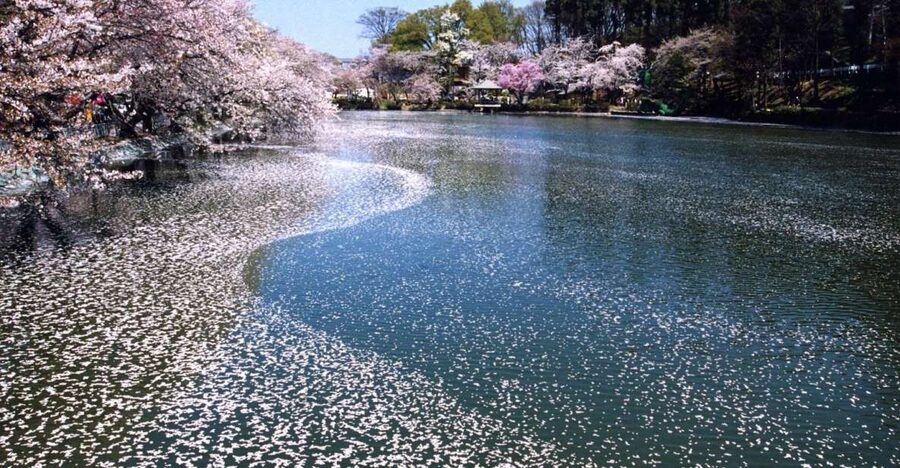
Hanami is one of Japan’s most “do it once” spring traditions. Here, you’ll spend time at designated viewpoints for cherry blossom viewing, with total sightseeing time of about 2 hours.
What I like is that the tour selects blossom spots based on the degree of bloom on your tour date. In other words, you’re not locked into one place that might be past peak. Northern Nagano bloom timing is later than the big cities, so the flexibility helps.
The number of trees at these stops can be substantial, with reports of more than 500 to 1000 cherry trees across the chosen areas. Even if you don’t care about numbers, it signals that you’re going somewhere meant for hanami, not just a couple of scattered trees.
You’ll also see different types of sakura trees depending on where you’re taken. That makes the experience feel like more than one standard cherry park.
In spring, the light can change fast, and the tour’s schedule is set to keep you outside when blossoms are worth seeing. If you’ve ever arrived at a cherry spot too late, you’ll appreciate this structure.
Photos are an easy bonus, but the real value is the tradition. You’re watching people enjoy spring the Japanese way, with the guide giving context as you move between viewing areas.
If Cherry Blossoms Miss: Zenko-ji Temple and Sake Tasting
Sometimes spring is unpredictable. If cherry blossoms are not in bloom, the tour swaps in an alternative afternoon visit to Zenko-ji Temple, including sake tasting.
That’s smart planning. It protects your afternoon from becoming a weather and flower letdown. Zenko-ji is a major temple in Nagano, and it gives you a cultural anchor when the blossoms aren’t cooperating.
The change is scheduled to be communicated about 3 days in advance. That’s helpful because it gives you time to adjust expectations, and it keeps you from feeling blindsided the day-of.
In practice, this backup option also means the tour still feels like a full day of worthwhile sightseeing. Even if you come specifically for hanami, you’ll still get a meaningful Nagano experience.
And it works with the reality that Northern Nagano bloom timing shifts year to year. You can’t control it, but the tour acknowledges it and plans for it.
Monkeys and Cameras: Getting the Shots Without Being a Jerk
Jigokudani is famous enough that you might assume it’s chaos. The reality is different if you act like a good wildlife observer: keep quiet, stay respectful, and let the animals do their thing.
The park experience is designed for viewing with a respectful distance. That still gives you chances for great photos because macaques move and interact with each other, especially with babies around in April.
In spring, newborns can climb and explore, and that movement gives you natural photo opportunities. You’re not forcing it, and you’re not chasing the animals. You’re watching them.
Also, remember the day has multiple stops. If you spend too long at one viewpoint trying to nail the perfect photo, you can get tired and miss the best moment elsewhere. The guided flow helps here.
In short, treat the camera as a tool, not your whole mission. If you do that, you’ll come away with both memories and photos that look like real life.
English Guides and Group Pace: What Makes the Day Feel Easy
A guided day is only good if it keeps you oriented and moving. This tour includes an English-speaking guide, and multiple guides have been praised for being helpful, funny, and informative. Names that have come up include Dai, Kevin, Eniko, Kunihiko Endo, and Teddy.
The practical win here is pacing. You’re managing transport, walking, animal viewing time, lunch, and blossom stops. The guide also helps with timing so you arrive at the right points without feeling lost.
There’s also evidence the operation can handle a fairly large group. One participant noted a group of 40 being guided smoothly, with the guide keeping everyone accounted for and on time.
For you, that means fewer stressful moments like wondering where to stand, when to move, or whether you’re missing a key stop. It also means you can focus on enjoying what’s in front of you.
Just know that with a group, you’ll sometimes wait. That’s normal on any day with shared buses and guided movement. The key is that the schedule is tight enough to still feel like you packed a lot in.
Price and Value Check: Is $135 a Good Use of a Day?
At $135 per person for a 9-hour day, the headline question is value. The biggest value lever here is that transportation between major points is included, along with entrance to the monkey park, and lunch.
If you tried to DIY this, you’d spend time figuring out local buses, coordinating your own schedule, and paying for the monkey park entrance separately. Even if you enjoy planning, that takes energy you may want to save for enjoying the day.
The price also buys you an English guide. For wildlife and hanami, context matters. You’re more likely to understand what you’re seeing and when it’s worth waiting for movement.
Then there’s the backup plan for blossom disappointment. Having an alternative afternoon that includes Zenko-ji and sake tasting adds value because it protects the experience from one seasonal variable.
The main reason the price feels fair is the balance. You get half a day’s worth of animal viewing, plus a real break for lunch, plus a guided hanami outing designed around actual bloom levels.
If you’re the type who wants to see both iconic things in one shot, this is a good fit. If you’d rather linger slowly in one place, you might prefer a more flexible, independent plan.
Who Should Book This Tour (and Who Might Not)
This tour is a strong match if you want a spring-focused day in Nagano with a clear structure. It’s ideal for first-timers to the Snow Monkeys area who want guided help and minimal logistics stress.
It also suits people who care about hanami but don’t want to gamble on timing alone. Northern Nagano blooms can be later than the big-name cities, and this tour adapts based on what’s blooming on your date.
If you have limited mobility, be careful. The monkey park stop includes walking, and at least one report describes the trail walk as longer than it sounds. The tour is doable for many people, but you should plan for outdoor walking in cool weather.
If you’re traveling with kids, it can be a hit because it mixes animals with the beauty of sakura. Just be sure everyone is comfortable moving at group pace and walking on trails.
Also, if you love food, the included lunch is a real plus. It’s scheduled so you’re not hungry, and vegetarian options are available if you tell the organizer ahead of time.
Should You Book This Nagano Snow Monkey and Cherry Blossom Tour?
I’d book it if your spring trip includes Nagano and you want maximum seasonal payoff with minimum planning headaches. The day has a good rhythm, monkeys first and hanami second, with lunch in between so you can actually enjoy both parts.
I’d especially consider it if you appreciate guided wildlife viewing and you want your cherry blossom time to be chosen based on bloom reality. The backup plan to Zenko-ji Temple with sake tasting also makes the afternoon feel protected, not risky.
Skip it only if you strongly dislike long days or you know you struggle with trail walking. This is not a sit-and-watch itinerary. It’s a walk, a bus, and then more walking outdoors.
If you’re flexible, comfortable in cool weather, and ready to trade a little DIY time for expert pacing, this $135 day tour is a solid value.
FAQ
Where is the meeting point for the tour?
You meet at JR Nagano Station in front of the Information Board directly opposite the shinkansen gates.
How long is the tour?
The tour runs for 9 hours and is scheduled to conclude at JR Nagano Station by 6:30 PM.
How do I get to the snow monkey area from Nagano Station?
The tour includes transportation by bus or coach from Nagano Station to the snow monkey area and between activities.
Is lunch included, and are vegetarian options available?
Yes. Lunch is included, and vegetarian options are available if you let the organizer know beforehand.
How much time do we spend at Jigokudani Monkey Park?
You spend about 2 hours and 10 minutes at Jigokudani Monkey Park, including a guided tour and walking for wildlife viewing.
What if the cherry blossoms are not in bloom?
If the blossoms are not in bloom, you get an alternative afternoon visit to Zenko-ji Temple with sake tasting. You’ll be notified about the change about 3 days in advance.
Are bullet train tickets included in the price?
No. Bullet train tickets are not included.
Will we definitely see monkeys in the hot spring?
No. During winter it is common to see monkeys in the hot spring, but in spring to autumn there is no guarantee they will be in the hot spring.
What should I wear for the tour?
Wear suitable shoes for the walking trail. Comfortable walking shoes are recommended.
Fresh options around Nagano
- Nagano All Must-Sees 4hr Private Tour with Licensed Guide★ 5.0 · 13 reviews
- Half-Day Zenkoji Tour with Tea Experience★ 5.0 · 14 reviews
- Nagano Snowshoe Hiking Tour★ 5.0 · 14 reviews
- eTour de Matsumoto – Electric Bike Tour★ 5.0 · 16 reviews
- Nagano: Tateyama-Kurobe Guided Walking Tour★ 5.0 · 16 reviews
- Wild Bird Sanctuary Forest Guided Tour in Nagano★ 5.0 · 17 reviews
- Nagano Sake Tasting Walking Tour★ 5.0 · 17 reviews
- Snow Monkey Park & Miso Production Day Tour from Nagano★ 5.0 · 18 reviews
Snow Monkey Tours, compared.
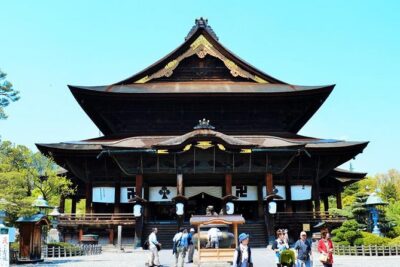
1-Day Snow Monkeys, Zenko-ji Temple & Sake in Nagano
Read our review →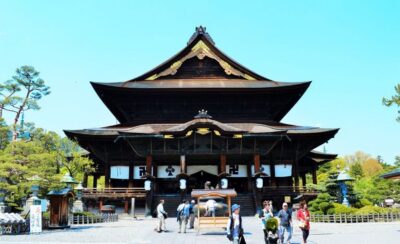
Nagano: Snow Monkeys, Zenkoji Temple & Sake Day Trip
Read our review →
Snow Monkey 1 Day Tour with Beef Sukiyaki Lunch
Read our review →
Private Tour Snow Monkey Park & Zenko-ji Temple
Read our review →
Hokkaido Seasonal: Lake Toya & Noboribetsu Jigokudani Valley
Read our review →
Snow Monkey & Nagano Customiseable Private Day Tour
Read our review →
Nagano Snow Monkey 1 Day Tour with Beef Sukiyaki Lunch from Tokyo
Read our review →
1-Day Snow Monkeys & Snow Fun in Shiga Kogen Tour
Read our review →Browse the lists this tour appears in