
Reviewed · TEMPLE & SHRINE TOURS IN KYOTO
Kyoto: Ninnaji Temple Entry Ticket
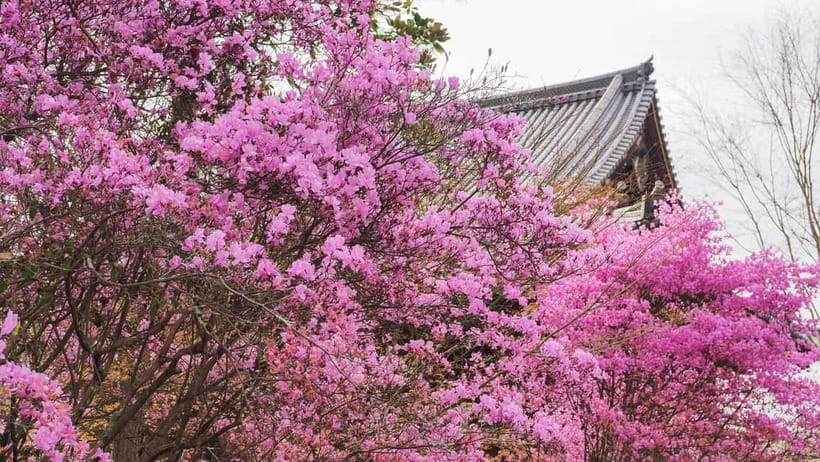
Late-blooming sakura in Kyoto sounds like a treat. Ninnaji Temple, founded in 888 AD, is famous for its Omuro Sakura and a five-story pagoda, plus a shorter Omuro Pilgrimage route that feels like a taste of Shikoku. I especially like how the temple experience changes with the season, so one day can feel totally different depending on when you go.
For me, the biggest win is the chance to pair nature sights with cultural artifacts at the Reiho-kan Museum (when you select that option). One thing to watch: in cherry blossom season, you may need an extra admission fee after the Chumon inner gate to view the Omuro Sakura area, and that fee window can shift with bloom timing.
Key highlights you should know
- Late-blooming Omuro Sakura: likely spring payoff, with possible extra fee after the Chumon inner gate.
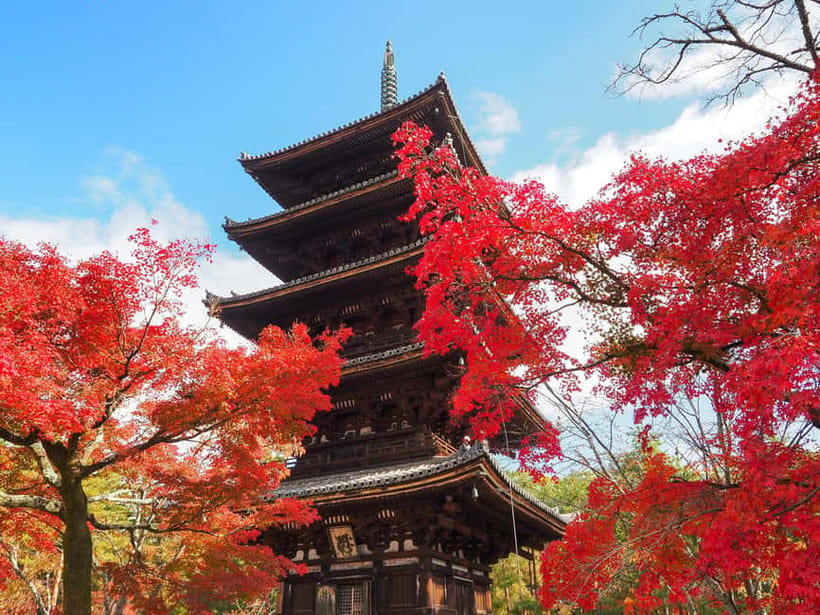
- The five-story pagoda at Ninnaji: a classic Kyoto sight tied to the temple’s identity.
- Omuro Pilgrimage course (about two hours): shorter Shikoku-style route, surrounded by nature and seasonal sounds.
- Season-by-season temple atmosphere: priests in summer, vivid fall colors, and a snowy Japanese garden in winter.
- Reiho-kan Museum access (optional): important Ninnaji-related cultural items in one stop.
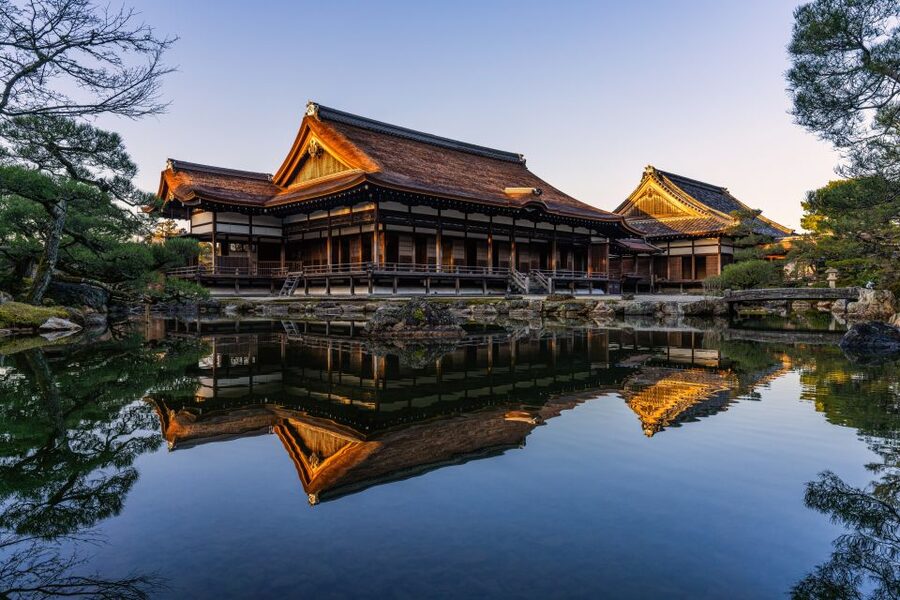
- Goten Palace and gardens included: you are not just looking at buildings, you are also stepping into the garden world.
Ninna-ji Temple in one ticket: what makes this visit feel special
Ninnaji is not the kind of temple where you rush through a highlight checklist. It is a real working temple space with a long background, and it shows through the way the grounds and buildings are arranged. The temple is the main site of the Omuro school of the Shingon sect of Buddhism, so it carries a distinct religious character, not just museum vibes.
What I like for your day is the mix. You get the visual payoff people come for, including the late-blooming sakura focus and that five-story pagoda, but you also get a second layer: a pilgrimage-style walk. The Omuro Pilgrimage course is about two hours and is designed as a shorter version of the Shikoku Pilgrimage, so it scratches that same spiritual-and-scenic itch without taking over your whole trip.
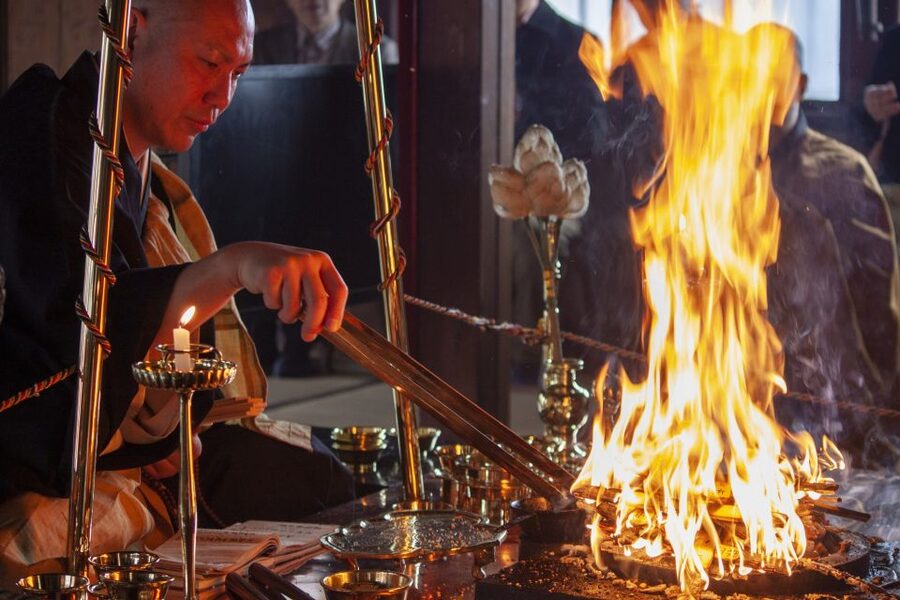
If you enjoy seasonal travel, Ninnaji makes that easy. Spring centers on the Omuro cherry blossoms. Summer highlights Buddhist ceremonies with many priests around. Fall leans into red and yellow tones across historic buildings. Winter shifts into snow and quiet garden views, including the Goten Palace scenery.
The base ticket is also good value because it includes Goten Palace and gardens entrance (special entrances excluded). That means you can plan more like a wandering day than a quick photo stop.
More Temple & Shrine Tours in Kyoto
- Kyoto: Fushimi Inari, Kinkakuji, Bamboo Grove 1 Day Bus Tour
★ 4.8 · 4,316 reviews - Kyoto: Tea Ceremony Ju-An at Jotokuji Temple
★ 4.9 · 3,207 reviews - Fushimi Inari Hidden Hiking Tour (Private Option Available)
★ 5.0 · 1,750 reviews
Timing that matters: opening hours and the last ticket window
This ticket is valid for 1 day, so you can match it to your schedule. You do need to respect the day’s clock, though. The ticket booths close 30 minutes before the temple closes. That detail is huge in practice. If you show up right near closing time, you can miss the booth window even if you still have time on the grounds.
Plan around the seasonal hours:
- March to November: 9 AM to 5 PM
- December to February: 9 AM to 4:30 PM
A smart rule of thumb: aim to arrive with enough buffer to buy any ticketed access before that last 30 minute cutoff. For cherry blossom season, you may also be dealing with additional admission for the Omuro Sakura area after the Chumon inner gate, so building extra time is even more useful.
Also note the ticket says check availability to see starting times. That can affect when you are able to start certain parts of the experience. If you are traveling with tight transit connections, check your options early so you do not end up forced into a late start.
First major stop: Goten Palace and gardens (included)
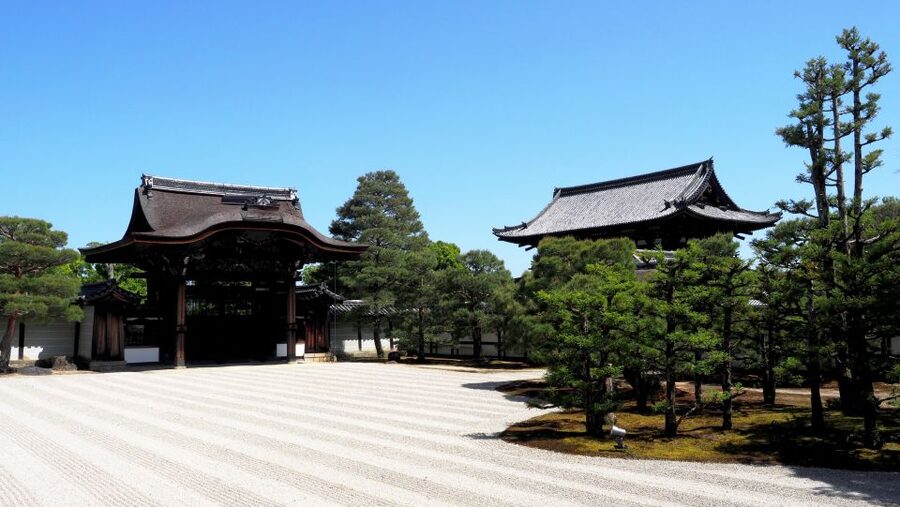
The ticket includes Goten Palace and gardens entrance by default, with one small caveat: it excludes special entrance tickets. In plain terms, you should treat the Goten Palace and gardens area as one of the core reasons this ticket can work well as a full day plan.
Why it matters: it gives you more than just temple architecture. Gardens are where you slow down. You notice small changes across seasons, from how light hits paths to how snow changes the garden mood. The information specifically calls out snowy scenery in winter, so if you love winter atmospheres, this becomes a season-first choice.
The palace and gardens are also useful as a pacing anchor. Even if you want to focus on sakura or pagoda views, starting here helps you space out your day. You can take the garden time, then shift into the more structured sight stops like pagoda areas, museum time, and the Omuro Pilgrimage walk.
One caution: because the experience can include seasonal add-on areas during peak cherry blossom weeks, keep an eye on what section requires separate admission. The Goten area is included, but the Omuro Sakura viewing area after the Chumon inner gate can be a different story during spring.
Omuro sakura and the five-story pagoda: when spring costs extra
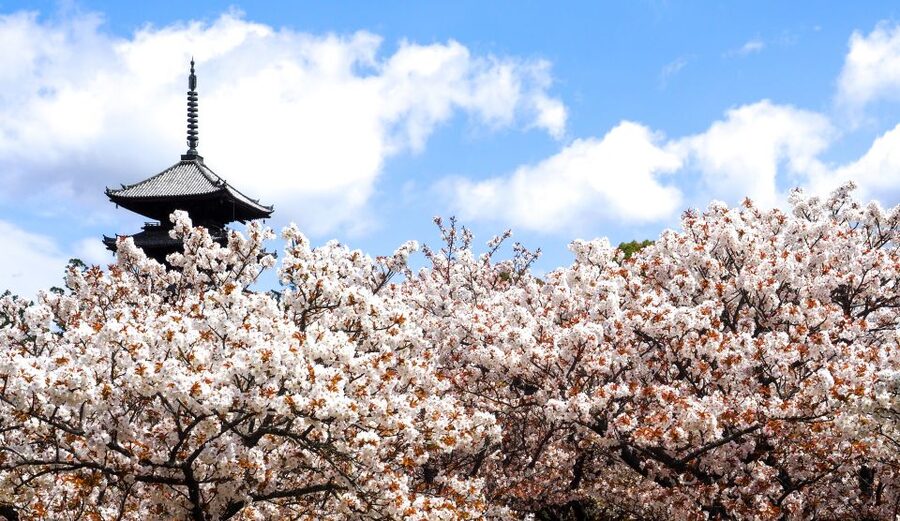
Ninnaji is known for late-blooming Omuro sakura cherry trees. That late timing is the whole point, because it can help you see blossoms when other places may already be wrapping up. The catch is that sakura season may trigger extra paid access.
Here is what you need to plan for: during cherry blossom season, an admission fee is required to enter the area after the Chumon inner gate to view the Omuro Sakura. The collected fees are used to preserve the Omuro Sakura. The exact period when the fee is required can vary depending on whether the blossoms are in full bloom.
In other words, do not assume you can treat the base ticket as one flat cost for the whole grounds in spring. The temple is flexible with season timing, and your viewing access might shift with bloom status.
If you are visiting specifically for sakura, give yourself more time than you think you need. You may spend part of your day waiting for seasonal entry decisions, especially if you are arriving when blossoms are at peak. You will also want time to move between viewpoints and still have space to enjoy the quieter in-between areas.
And yes, the five-story pagoda is part of the appeal. It gives you that classic Kyoto temple geometry, and the timing of your sakura viewing can make the contrast feel especially memorable.
More temple and shrine tours in Kyoto:
- Osaka/Kyoto:Kinkakuji,Arashiyama,FushimiInariShrine,NaraPark
★ 4.1 · 1,596 reviews - Kyoto/Osaka: Nara, Fushimi Inari Taisha, Arashiyama Bus Tour
★ 4.7 · 1,275 reviews - Arashiyama Bamboo, Temple, Monkeys, or Secret Sake Brewery
★ 4.8 · 886 reviews - Kyoto: Arashiyama Bamboo Forest, Monkeys, Matcha & Temple Tour
★ 5.0 · 759 reviews
Omuro Pilgrimage course: a shorter Shikoku route in Kyoto
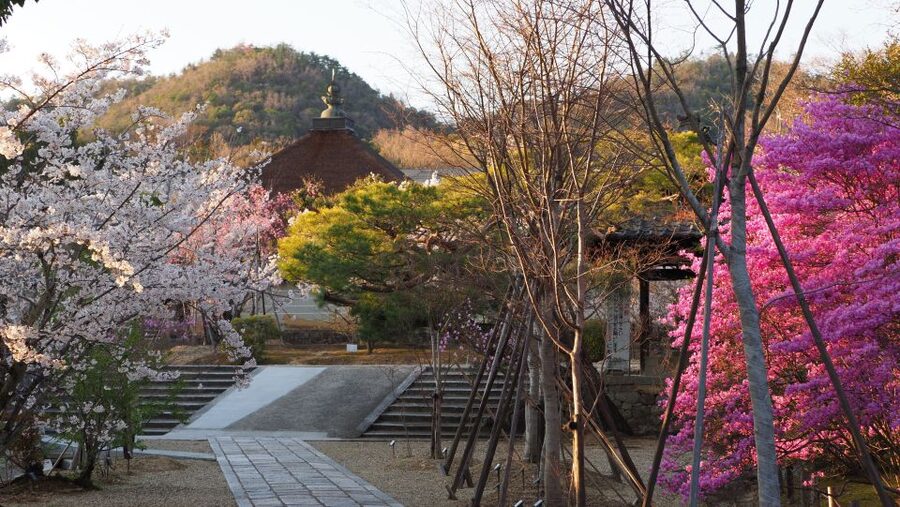
One of the most interesting parts of this experience is the Omuro Pilgrimage course, described as a shorter version of the Shikoku Pilgrimage. The course is about two hours, which is a great length for a day plan in Kyoto. It gives you that pilgrimage pacing, but you still keep control of your schedule.
What you will feel on this walk is nature and season sound. The information highlights the sounds of nature and the changing seasons around the course. That may sound poetic, but it is practical advice: the route is meant for walking, not just snapping a few quick pictures. If you rush, you will miss the purpose.
How it fits into the day: I like treating it as your mid-day or early afternoon activity. You can start with the Goten Palace and gardens, then walk the Omuro Pilgrimage course when the light and crowds feel workable, and finish by adding museum time if you selected it.
Also pay attention to seasonal themes. In spring, this becomes part of the sakura experience. In summer, you may catch priests in the temple for Buddhist ceremonies, which changes the atmosphere from scenic to ritual-focused. Fall adds red and yellow tones around historic buildings, and winter can feel quiet and snow-softened.
If you want a temple day with movement, this is the reason the ticket feels more like an experience than an entrance fee.
Reiho-kan Museum: important Ninnaji cultural items, optional but worth it
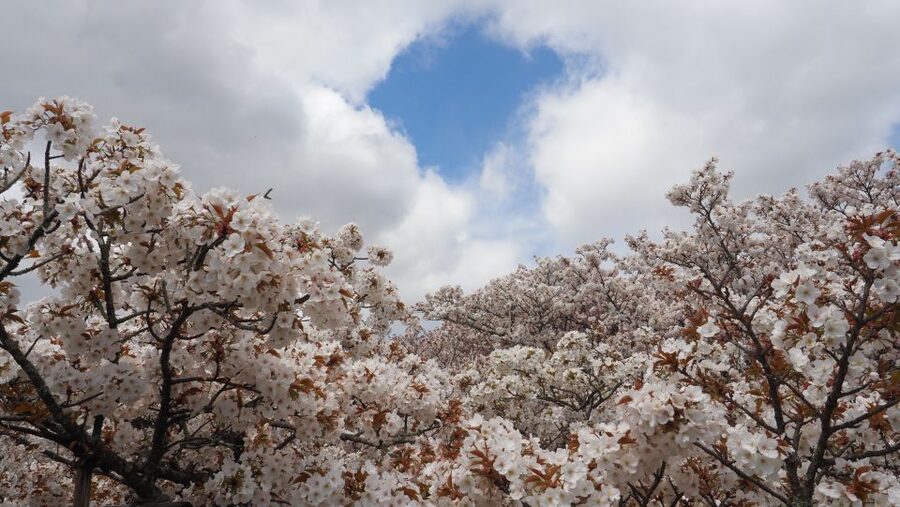
If you choose the option for Reiho-kan, you add a museum stop to your day. The description is clear that this museum is where you see important cultural items belonging to Ninnaji Temple.
Why I think this optional add-on can be a smart value: temples can be visually stunning, but a museum layer helps you understand what you are looking at. Even without a deep background, it tends to turn your sightseeing into interpretation. You start noticing why objects and styles matter.
The experience also includes the Goten Palace and gardens, plus the Omuro Pilgrimage course. Adding the museum can balance your day. Otherwise, it can become mostly outdoor walking and seasonal scenery. With Reiho-kan, you get a different pace and a chance to slow down with cultural context.
One practical tip: if you select the museum option, plan your order. I would not schedule it too late in the day. Museum time can quietly take longer than expected, and you do not want to stress about closing hours or the ticket booth deadline. Arriving earlier gives you room to shift your plan if you spend extra time outside.
Seasonal Kyoto at Ninnaji: spring, summer, fall, winter game plans
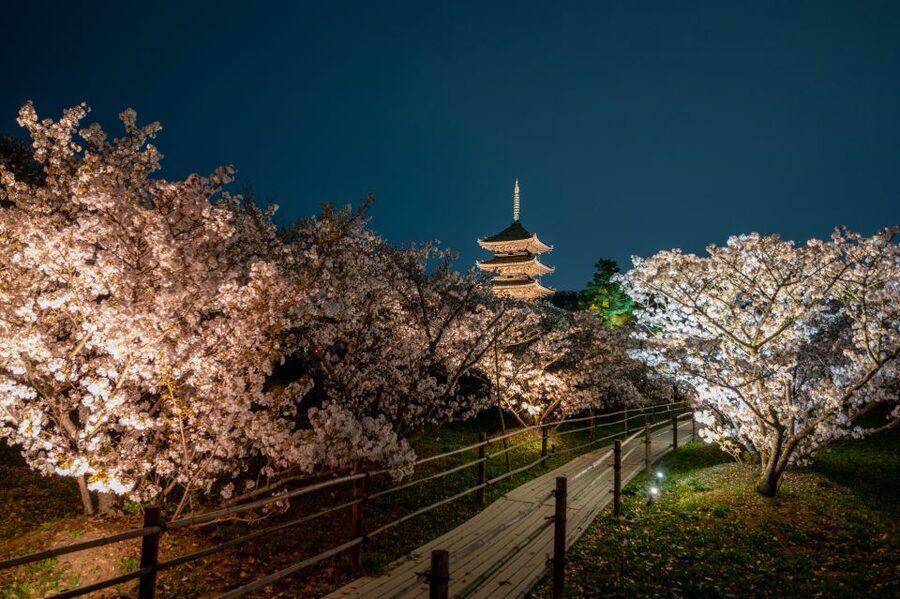
Ninnaji is set up for seasonal variation in a way that feels intentional. The information lists distinct seasonal highlights, and you can use them to choose the best time for what you personally want.
Spring: late-blooming cherry blossoms
Spring is the Omuro sakura focus. The late-bloom timing is the whole reason to consider Ninnaji even if you have already seen sakura elsewhere. During this season, remember that viewing after the Chumon inner gate can require an extra admission fee, and the exact timing of that fee window can depend on full bloom.
Summer: temple ceremonies with many priests
In summer, many priests attend the temple for Buddhist ceremonies. That can make the atmosphere more active and ritual-focused. If you prefer still, scenic sightseeing, summer might feel more event-centered, which is a different mood than winter snow days.
Fall: red and yellow around historic buildings
Fall is about color. The temple buildings get wrapped in red and yellow shades. This is a great season if you want photos that still feel respectful and tied to real architecture, not just crowds.
Winter: snow and a serene Japanese garden
Winter is the calm ticket. The information calls out a serene Japanese garden after it has snowed. It also highlights gorgeous snowy scenery of the Goten Palace. If winter stillness is your style, this is the season where Ninnaji can feel especially quiet and atmospheric.
Price and value: a low base fee with smart add-ons
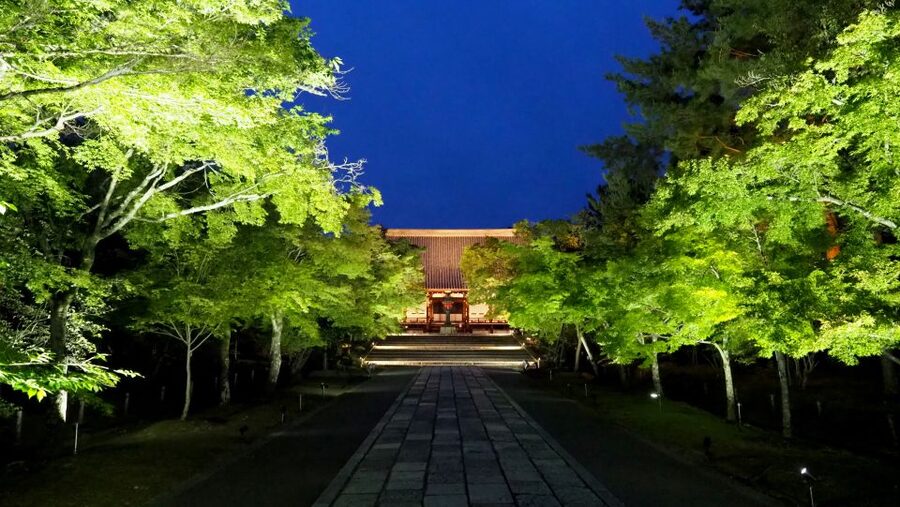
The base price is listed at $5 per person, and for Kyoto, that is low. The best part is what your money actually buys you: Goten Palace and gardens entrance is included, while certain special entrances are excluded. On top of that, the museum and flower festival options are available if you select them.
So where does the value come from? You are paying for a full temple setting with multiple layers:
- outdoor temple sights like the pagoda and seasonal areas
- a structured walking activity via the Omuro Pilgrimage course
- plus an included garden/palace access point
The potential extra cost is not the base ticket. It is seasonal access. In cherry blossom season, you might pay another admission fee after the Chumon inner gate to view the Omuro Sakura area. That fee is used for preservation of the cherry trees, so it is not just a cash grab, but you still should budget for it.
If you are doing Kyoto on a budget, a $5 entry ticket plus gardens plus a walkable pilgrimage course is a practical win. If you are visiting in spring peak bloom, treat it like a tiered experience: base ticket plus possible sakura area admission.
How to plan your day at Ninnaji (without making it stressful)
Because this is an entry-ticket style experience with different access zones, your planning should focus on flow. Here is a simple, low-stress way to shape your time.
First, arrive early enough to avoid the ticket booth cutoff. That way, you can adjust if you discover you need to purchase any extra seasonal access. Then, start with the Goten Palace and gardens. It is included and it sets the pace.
Next, decide whether you want museum time. If you selected Reiho-kan, you can add it mid-day, then return outside for the Omuro Pilgrimage course. If you did not select it, you can spend more time outside and lean into seasonal views and the pagoda area.
Finally, if you are in spring and chasing Omuro Sakura, keep your schedule flexible around the Chumon inner gate access. That extra fee can affect how much time you spend in the specific viewing areas, and you might want a little cushion for walking, lines, or simply soaking in the scenery.
One more note from a detail worth taking seriously: there is mention of a special guide inside Kannon-do that can be wonderful and informative. You should not treat it as mandatory, but if guide explanations are available when you go, pause and listen. That kind of on-site explanation often turns a building you would otherwise glance at into something you actually understand.
Who this fits best, and who might want a different plan
This ticket is best for travelers who like temples with context and a slower pace. If you enjoy seasonal changes, you will get a lot of satisfaction out of Ninnaji because spring, summer, fall, and winter each emphasize something different.
You should especially like this if:
- you want a Kyoto temple day that includes walking via the Omuro Pilgrimage course
- you care about cultural artifacts and choose the Reiho-kan option
- you are budgeting well but still want a full-day experience
- you are interested in a Shikoku-style route, just in a Kyoto setting
It might not be ideal if you want a fully fixed guided itinerary with a tight schedule and zero ticket variations. Cherry blossom access can add extra fees, and the experience’s seasonal add-ons mean you should check what is active when you arrive.
Should you book the Ninnaji Temple entry ticket?
If you want a value-packed day at a real, long-standing Kyoto temple, I would book it. A $5 base price that includes Goten Palace and gardens, plus a two-hour pilgrimage course option, is exactly the kind of “small cost, good experience” setup that fits a practical itinerary.
The only strong reason to hesitate is cherry blossom timing. If you are traveling in spring peak bloom and your heart is set on Omuro Sakura viewing after the Chumon inner gate, budget for the possible extra admission fee and plan your timing so you do not feel rushed.
Otherwise, this is a smart pick for travelers who like seasonal beauty, temple atmosphere, and a day that moves at human speed.
FAQ
How long is the ticket valid for?
The ticket is valid for 1 day. You can check availability to see starting times.
What are Ninnaji Temple opening hours?
Opening hours are 9 AM to 5 PM from March to November, and 9 AM to 4.30 PM from December to February.
When do the ticket booths close?
The ticket booths close 30 minutes before the temple closes.
Is there an extra admission fee for Omuro Sakura?
Yes. During cherry blossom season, an admission fee is required to enter the area after the Chumon inner gate to view the Omuro Sakura. The required period can vary depending on when the blossoms are in full bloom.
How long is the Omuro Pilgrimage course?
The Omuro Pilgrimage course is about two hours.
What does the ticket include?
It includes the Goten Palace and gardens entrance ticket (excluding special entrance tickets). Reiho-kan Museum entrance is included if you select that option, and the flower festival entrance ticket is included if you select that option. Other special entrance tickets can also be included if selected.
Is it wheelchair accessible?
Yes. The experience is wheelchair accessible.
Can I get free entry with a physical disability certificate?
Yes. Those with a physical disability certificate get in for free, but only the person with the certificate. Please ask at the ticket counter.
Can I cancel and get a full refund?
Yes. Free cancellation is available, and you can cancel up to 24 hours in advance for a full refund.
Fresh options around Kyoto
- Kyoto Gion Photoshoot – Private Session | Pro Photographer★ 5.0 · 12 reviews
- Kyoto Aquarium Admission Ticket★ 4.7 · 12 reviews
- Gyoza Cooking Class in Kyoto: Traditional Japanese Dumplings★ 5.0 · 12 reviews
- Kyoto: Guided Food Tour with 12 Dishes & 3 Drinks★ 5.0 · 12 reviews
- Kyoto: Avoid the Crowds at the Hidden Gems of Arashiyama★ 4.9 · 13 reviews
- Kyoto Early Bird English Tour: Gion & Higashiyama(Private opt)★ 5.0 · 13 reviews
- Otsu-e Folk Art Workshop & Local Culture Walk Near Kyoto★ 5.0 · 13 reviews
- Kyoto, Osaka, Nara Full Day tour by Car English speaking Driver★ 3.5 · 13 reviews
Temple & Shrine Tours in Kyoto, compared.
Fushimi Inari, Kinkakuji, Bamboo Grove 1 Day Bus Tour
Read our review →
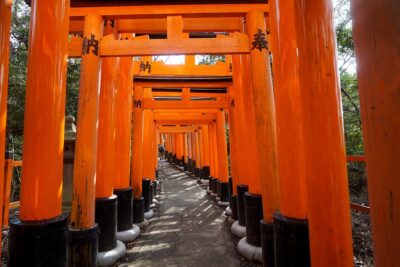
Fushimi Inari Hidden Hiking Tour (Private Option Available)
Read our review →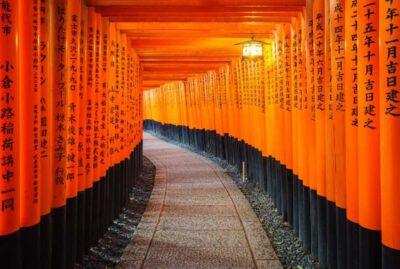
Osaka/Kyoto:Kinkakuji,Arashiyama,FushimiInariShrine,NaraPark
Read our review →
Kyoto/Osaka: Nara, Fushimi Inari Taisha, Arashiyama Bus Tour
Read our review →
Arashiyama Bamboo, Temple, Monkeys, or Secret Sake Brewery
Read our review →
Arashiyama Bamboo Forest, Monkeys, Matcha & Temple Tour
Read our review →
Osaka/Kyoto: Arashiyama, Nara & Fushimi Inari Shrine w/Lunch
Read our review →Browse the lists this tour appears in