Reviewed · TOKYO TOURS
Hop-On Hop-Off Tokyo Bus by Skyhop Bus
Tokyo clicks into focus from an open-top bus, and the hop-on hop-off setup lets you choose your own pace around the icons. I like the open-top double-decker experience and the fact that you can start right near places like Tokyo Tower.
I also like the practical add-ons: WiFi on board keeps your phone useful for maps and timing, and in rainy weather you get a poncho/raincoat. The ticket itself is flexible too, since it can be used on all routes within the valid time window.
One big consideration: service quality and onboard audio can be inconsistent. Some buses reportedly had no audio or had audio that was hard to follow, and a few people felt the staff support or bus timing could be rough, so you should plan with patience.
Key points to know before you ride
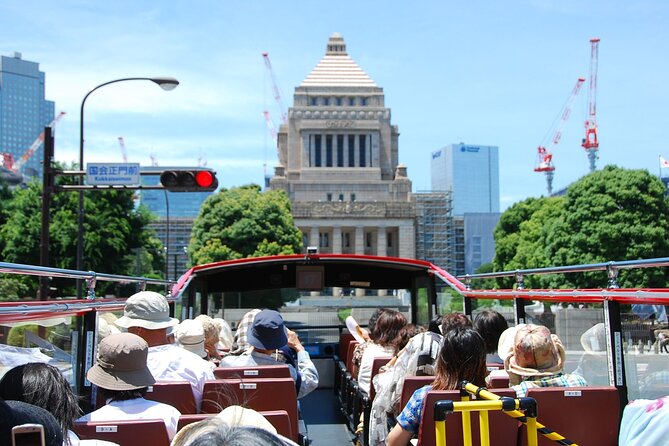
- Open-top double-decker views make skyline stops like Tokyo Tower and Shinjuku easier to enjoy from the seat
- WiFi on board helps you manage hop-off timing and find your next walk
- Poncho or raincoat in rainy season means you are not stuck sightseeing in soaked clothes
- Multiple route options let you stitch together Tokyo Tower, Asakusa, Ueno, Akihabara, Skytree, Shinjuku, and Shibuya
- Expect some walking because drop-offs can be limited, so good shoes matter
- Audio may vary by bus so bring a simple backup plan for navigating
How the Skyhop open-top hop-on hop-off works in Tokyo
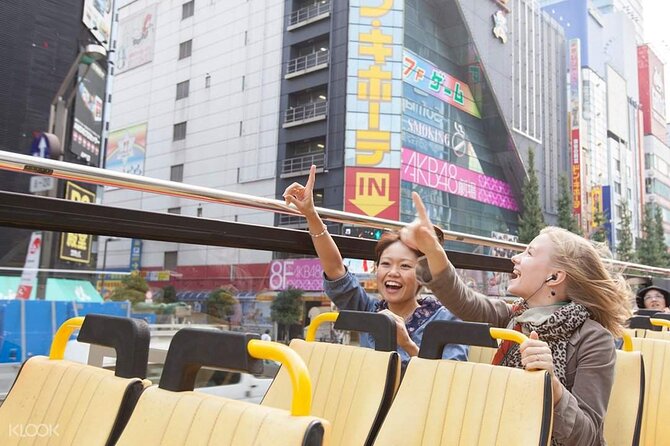
This is built for sightseeing that does not require exact timing. You ride a double-decker, open-top bus through central Tokyo, then hop off when something catches your eye, grab a bite, and hop back on later. The value comes from stacking multiple areas in one day without constantly figuring out transit transfers.
You can also choose between a 1-day or 2-day unlimited ticket style, which matters if you plan to do more than a quick highlights pass. With unlimited hop-on hop-off use, you are not locked into one loop, so you can adjust when a line is long, when weather changes, or when you just want one more photo at night.
Finally, the route coverage is broad. You will connect historic low-rise streets with modern towers, then finish in neighborhoods that feel totally different. That mix is one of the main reasons people like this format, especially if it is your first visit to Tokyo or you want to avoid a complicated day of trains.
A few more Tokyo days worth comparing
- Mt Fuji and Hakone 1-Day Bus Tour Return by Bullet Train
★ 5.0 · 26,383 reviews - 1-Day Tokyo Bus Tour
★ 5.0 · 14,250 reviews - Tokyo: TOKYO SKYTREE® Admission ticket
★ 4.5 · 11,192 reviews
Price and ticket value: what you get for $48.99
At $48.99 per person, this bus is not the cheapest way to move around. But you are buying convenience, views, and structure.
Here is the value logic I use when deciding if a hop-on hop-off bus is worth it:
- You are paying for one ticket that can cover many stops across multiple areas.
- You get WiFi for routing and “what is next” decisions.
- You can take photos without constantly changing trains and stations.
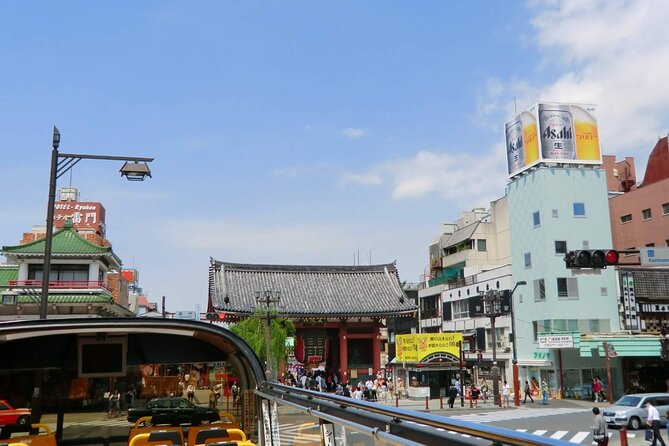
- You have flexibility to spend time at Senso-ji style neighborhoods, then pivot to shopping streets, then pivot again to skyline viewpoints.
If you are the kind of traveler who builds a day around walking plus trains, you might skip this. But if you want an easier, low-stress “guided map ride” while you get your bearings, the price starts to make sense.
Ticket logistics that can save your day
You will exchange a voucher for an actual ticket. The simplest way is at the Marunouchi ticket counter (the Skybus Ticket Center on the 1st floor of the Marunouchi Mitsubishi Building). You can also exchange your voucher at any Sky Hop Bus stop.
The steps are straightforward:
- Show your Voucher to staff.
- Follow their guidance for the exchange.
- Then use the ticket at the bus, where you can redeem your voucher for a ticket from the driver or staff at a stop along the route.
A key detail for planning: the ticket can be used for two consecutive days from the first day you use it, until the last bus on the next day.
One more practical tip: because some services can be strict about what they accept, do not wait until the last second. Have your voucher ready, and use the official exchange points so you start the day with fewer surprises.
Tokyo Tower to Zojo-ji: the skyline start that anchors the day
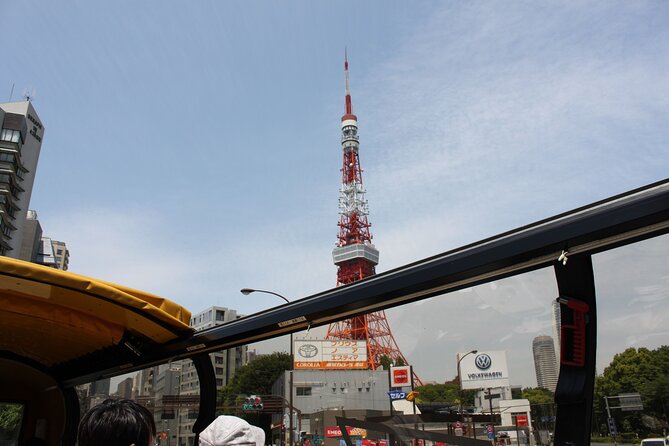
The ride kicks off in a part of Tokyo where sightseeing is easy to understand. Tokyo Tower is an obvious magnet, but what makes it useful for a hop-on bus is proximity to other recognizable landmarks.
Next you pass the Tokyo Prince Hotel Zojo-ji Temple stop area. Zojo-ji is one of those stops that helps you balance the modern tower energy with older Tokyo. Even if you do not go deep into temple details, it gives your day a “this is where Tokyo used to be” feeling.
From there, the route keeps pulling you through central zones that are convenient for short stops. You also hit Ginza Capital Hotel Akane, which is a helpful waypoint if you want shopping and dining without committing to a whole train journey.
If you are short on time, this Tokyo Tower to Ginza arc is a great way to start. You get a skyline moment, a historic contrast, and a strong base for photos and a meal.
Same corner of Japan, a different kind of day:
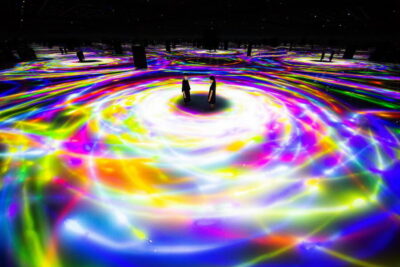
- Tokyo: teamLab Planets TOKYO Digital Art Museum Entry Ticket
★ 4.6 · 9,779 reviews - Mt Fuji & Hakone Cruise, Drum Show Bullet Train 1 Day from Tokyo
★ 4.0 · 7,413 reviews - Tokyo: Sumo Show Experience with Chicken Hot Pot and a Photo
★ 4.8 · 6,678 reviews - Tokyo: Shinjuku Food Tour (13 Dishes at 4 Local Eateries)
★ 5.0 · 6,603 reviews
Fuji TV and Tokyo Teleport: modern Japan from the moving window
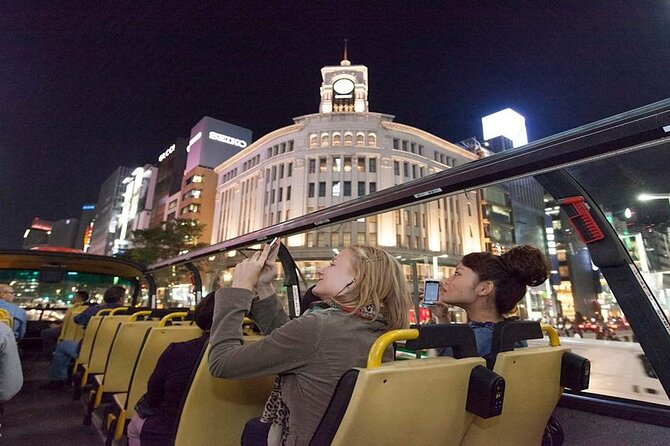
A big part of Tokyo for many visitors is media and technology, and this route includes that angle. Fuji Television Network, Inc. is a recognizable stop, and it tends to pair well with a plan like, take the bus for the view and orientation, then hop off nearby for quick exploration.
Then you roll toward Tokyo Teleport Station. This is a useful stop if you want a more modern, waterfront-adjacent vibe or if you are aiming for areas where the skyline looks like it was designed on purpose.
The practical benefit is timing. You can do a “see it first from the top deck” strategy, then decide whether the stop deserves a longer walk. In Tokyo, that kind of decision-making can save a lot of time.
Kodenmacho, Ryogoku, and the Edo-Tokyo contrast
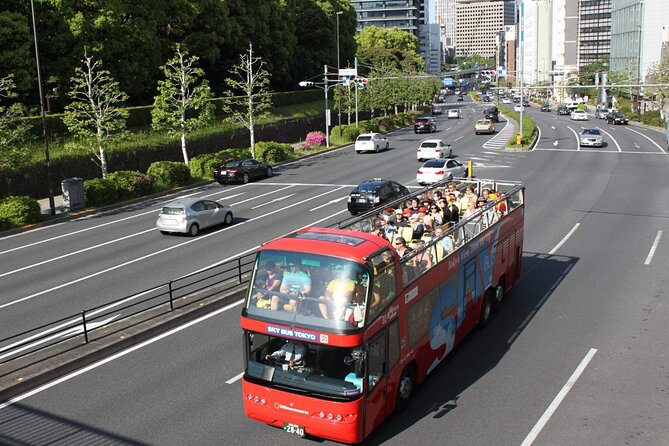
Moving east, you get a set of stops that can help you connect Tokyo’s past and present. Kodenmacho Sta. is a good “orientation” stop. Even if you do not have a specific checklist item there, it helps you break up the day and avoid burning all your energy just sitting on the bus.
Then you reach Ryogoku Edo-Tokyo Museum. This is a logical stop for anyone who wants historical context. You can use it as your “slow down” pause in the middle of an otherwise fast hop-on day.
The reason this stop works well with the bus format is that museums often require a chunk of time. The hop-on structure lets you schedule that time without worrying that you will miss the only way to get there.
Skytree and Asakusa: classic streets plus big-city views
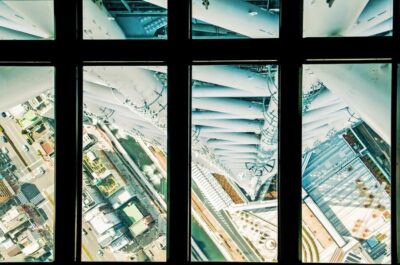
The route brings you to Tokyo Skytree Station, which is another headline skyline moment. Even if you do not go up the tower, the area around it helps you understand the geography of east Tokyo and how modern Tokyo spreads outward.
Then come the Asakusa stops: Asakusa-Hanakawado and Asakusa-Kotobukichō. Asakusa is where you usually go for old-street vibes and classic Tokyo scenes. In a hop-on setup, these stops are useful because they give you flexibility. If one side of the area feels more “you,” you can focus there, and if it feels crowded, you can shift.
Here is the practical reality I’d plan around: you may need extra walking from the stop to what you want to see. One of the most common bits of feedback about this style of bus is that drop-offs can be restricted, so wear shoes you trust.
Ueno Station and Ueno-Matsuzakaya: museum access and shopping breaks
Ueno Station is a powerhouse location. It makes sense as a hop-off point because you can branch out to multiple interests. If you like gardens, museums, or just the energy of a major district, Ueno is an easy place to spend a few hours.
Then you have Ueno-Matsuzakaya (Ueno-Matsuzakaya Department Store). This is a smart stop if you want a temperature break, a dependable place to snack, and a shopping option that is hard to mess up. Even if department stores are not your thing, it is a handy “meet a friend, grab supplies, reset” location.
Ueno is also a good spot for a lunch strategy. Hop off, eat, then use the bus again when your legs are ready.
Akihabara (Suehirocho): tech shopping, media energy, quick wins
Akihabara(Suehirocho) gives you the gateway to Tokyo’s electronics and pop-culture side. This is where you can pop into a store for browsing, compare prices, or buy a smaller souvenir without turning the whole day into one long shopping mission.
The hop-on advantage here is simple: Akihabara can eat time. With the bus format, you can treat it like a half-day magnet. Browse for an hour or two, hop back on, and still keep a shot at reaching Shinjuku and Shibuya later.
Shin-Nihombashi: an underrated connector stop
You also pass Shin-Nihombashi Station. This stop is less flashy than Tokyo Tower or Skytree, but it is valuable because it acts like a connector between different kinds of Tokyo experiences.
Think of it as your “I need a reset and a route option” stop. If you realize you have spent too long elsewhere, Shin-Nihombashi is a practical place to re-center the day.
Shinjuku Gyoen, Shinjuku Station, and Shibuya City Hall: finish on modern Tokyo time
The west side of the route targets a very different feeling. Shinjuku Gyoen National Garden is a standout if you want a nature pause after city blocks of shopping and crowds. Even if you only do a partial walk, it helps balance the day.
Then you get major transport hubs:
- JR Shinjuku Station Southeast Exit Plaza
- Shinjuku Sta. West
These are extremely useful for navigating Tokyo logistics. If you want to use the bus as your “day navigator,” having big station exits in the mix makes it easier to return to trains later if you need a backup plan.
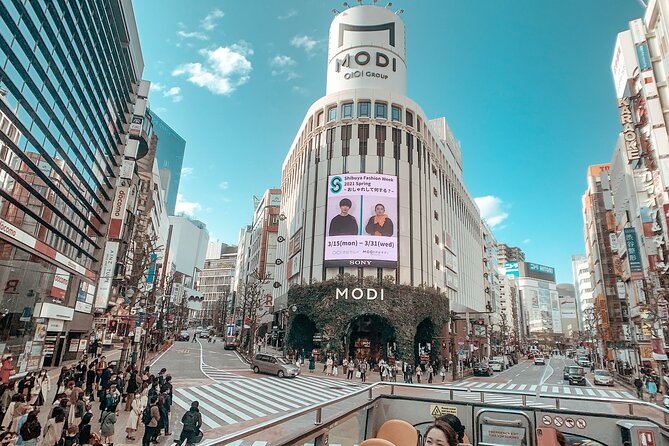
Finally, you reach Shibuya City Hall Hatsudai Branch, which puts you in the orbit of Tokyo’s most famous modern street scenes. Shibuya is where many days end because it feels like Tokyo in full gear. You can use this as your “last photos and dinner” stop.
What you can expect on board: WiFi, rain gear, and audio reality
Included on this tour is WiFi on board, which is more useful than it sounds. When hop-on hop-off buses have gaps between departures, you need timing info. Having WiFi helps you check your next stop direction and plan your walking path without burning your mobile data.
During rainy season, you also get a poncho/raincoat. Tokyo weather can change fast, so this item can keep your day from turning into a wet slog.
About audio: the good news is that people describe the bus as having some form of guide support and explanation. The caution is that audio quality and availability can vary by bus. Some riders reported no audio or hard-to-follow audio.
So here is my practical expectation plan:
- Bring offline maps on your phone before you board.
- Do not treat the audio as your only source of information.
- If audio is missing, ask staff for help, but also assume you may need to rely on your own navigation.
Practical tips to avoid the most common headaches
Hop-on hop-off works best when you treat it like a flexible tool, not a strict schedule. A few issues show up often in feedback, and you can plan around them.
First, think about timing and capacity. Some people described buses running late or capacity feeling tight. That means you should expect some wait time at bus stops during peak periods.
Second, plan for walking. Even when stops are “near” major sights, you might still walk a bit to reach attractions because drop-offs can be limited. This is especially true around dense areas like Asakusa and Shinjuku.
Third, be careful with ticket acceptance if you booked through a reseller. The tour data says you exchange a voucher at the Marunouchi ticket counter or at bus stops, and that staff will guide you. That exchange step is your best protection. Get your ticket sorted early, then board.
If your day is packed, I recommend keeping a backup plan. Tokyo trains are excellent, so if the bus is running behind, you can switch plans without losing the day.
Who this bus fits best (and who should skip it)
This experience is best for you if:
- It is your first Tokyo visit and you want a fast way to see many neighborhoods in one day.
- You like flexible pacing, short stops, and quick photo opportunities.
- You value on-board WiFi and rain gear for comfort.
It might not be the best fit if:
- You need every second of time controlled and cannot handle waiting.
- You expect consistent, high-quality audio narration every single ride.
- You are fine doing the whole day by trains and walking, where costs are lower and schedules are tighter.
Also, if you are traveling with mixed interests, the route mix helps. You can do gardens at Shinjuku Gyoen, shopping around Ueno and Akihabara, and skyline moments from Tokyo Tower and Skytree.
Should you book the Skyhop Hop-On Hop-Off Tokyo Bus
I would book it if you want an easy, sights-first Tokyo day. The route coverage is strong, the bus ride itself is fun, and the open-top perspective gives you photos and orientation fast. The ticket flexibility over 1 or 2 days also helps you avoid the stress of doing everything in one shot.
I would hesitate if you are the type who is deeply dependent on narration for understanding every stop, or if you want a perfectly timed service with no waiting. In that case, you might still use the bus for a portion of the day, then switch to trains for the rest.
If you do book, my main advice is simple: exchange your voucher early, download offline maps, and build a little buffer into your schedule. Do that, and this bus becomes a practical way to see Tokyo’s big highlights without turning your day into a logistics test.
FAQ
How long is the Hop-On Hop-Off Tokyo Bus ride?
The duration is listed as about 1 hour 57 minutes.
Is WiFi included on the bus?
Yes. WiFi on board is included.
Can I use my ticket on all routes?
Yes. The ticket can be used on all routes within the valid time.
Does the tour include rain gear?
During rainy season, you get a poncho/raincoat included.
Where can I exchange my voucher for a ticket?
You can exchange it at the Marunouchi ticket counter (Skybus Ticket Center on the 1st floor of the Marunouchi Mitsubishi Building), or at any Sky Hop Bus stop. Show your Voucher to staff.
How long is the ticket valid?
You can use the ticket for two consecutive days from the first day of use to the last bus of the next day.
Is the experience refundable if I cancel?
No. It is non-refundable and cannot be changed for any reason. If canceled due to poor weather, you will be offered a different date or a full refund.
Fresh options around Tokyo
- Tokyo: Nikko Kegon Falls Lake Chuzenji Toshogu Temple & More★ 4.9 · 12 reviews
- Tokyo: Samurai History Walking Tour★ 5.0 · 12 reviews
- Harajuku: Kawaii Fashion and Pop-Culture Tour★ 4.7 · 12 reviews
- Tokyo: Mt. Fuji & Lake Kawaguchi Instagram Full Day Trip★ 4.1 · 12 reviews
- Shibuya Tokyo: Modern Kintsugi Workshop in Shibuya★ 5.0 · 12 reviews
- Tokyo: GTR Guided Daikoku Experience at Night★ 5.0 · 12 reviews
- Tokyo: Daikoku JDM Car Culture Tour★ 4.6 · 12 reviews
- Mt Fuji Private Day Trip from Tokyo with English speaking driver★ 5.0 · 13 reviews
Tokyo Tours, compared.

Mt Fuji and Hakone 1-Day Bus Tour Return by Bullet Train
Read our review →
teamLab Planets TOKYO Digital Art Museum Entry Ticket
Read our review →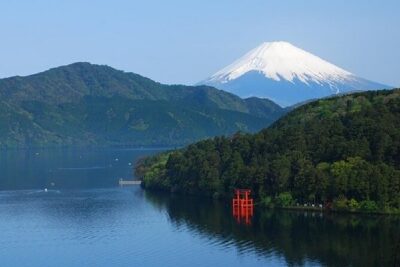
Mt Fuji & Hakone Cruise, Drum Show Bullet Train 1 Day from Tokyo
Read our review →
Sumo Show Experience with Chicken Hot Pot and a Photo
Read our review →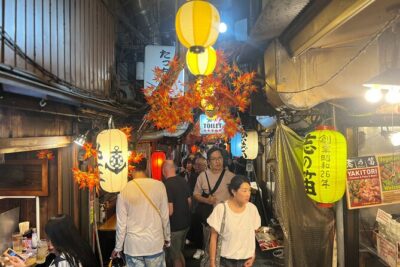
Shinjuku Food Tour (13 Dishes at 4 Local Eateries)
Read our review →