
Reviewed · FOOD & DRINK
Flavours of Tokyo: A Journey Through Time – Small Group Food Tour
Time travel tastes in Tokyo. This small-group food tour strings together traditional Edo flavors and modern Japan through 14 tastings across three very different neighborhoods. You walk, snack, and learn how ingredients and habits changed as Tokyo changed.
I love that the tour is anchored by food basics you can actually use later, like dashi made from kombu and katsuobushi, plus how snacks like satsuma-age, amazake, and sweet treats fit into each era. The pace also feels realistic for a walking day, with planned stops and a full lunch instead of just endless samples.
One consideration: you cover about 6.5 km and you should expect stairs at subway stations. It is not hard hiking, but it is not a sit-in-and-eat experience either.
Key points to know before you go
- Three districts, one story arc: Nihonbashi, Ginza, and Akihabara, tied to how Tokyo food evolved from old to new.
- 14 included tastings plus a proper lunch, so the price is paying for access and guided context, not just a few bites.
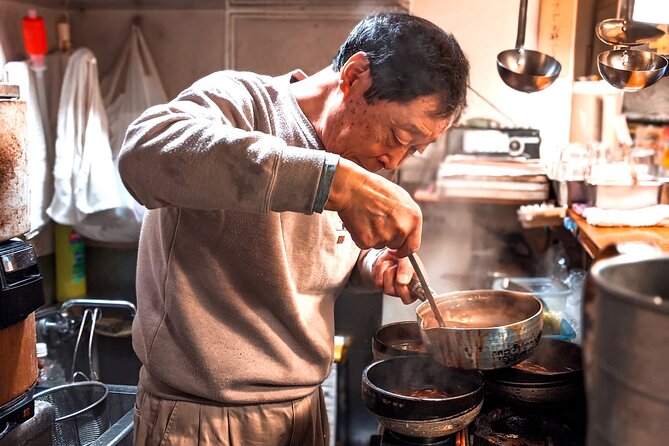
- Dashi-focused start: you begin with ingredients like kombu and katsuobushi, then move forward to street snacks and sweets.
- A small group of max 9 keeps the day conversational, and guides like Yasu and Keiko are praised for history and keeping things smooth.
- Commute-style comfort food at Tokyo Station, including tamagoyaki and a fruits sando, plus desserts with a modern twist.
Tokyo’s food history route, from Edo dashi to Akihabara desserts
This tour is built like a timeline you walk through. You start in Nihonbashi, Tokyo’s old commercial heart, then move through the after-war city around Ginza and Yurakucho, and finish in Akihabara where food has fun with pop culture and future ideas.
What makes it more than a snack crawl is the way stops connect. You are not only tasting, you are learning why certain flavors show up again and again in Japanese cooking. The day leans into ingredients first, then moves into neighborhoods where food habits reflect the city around them.
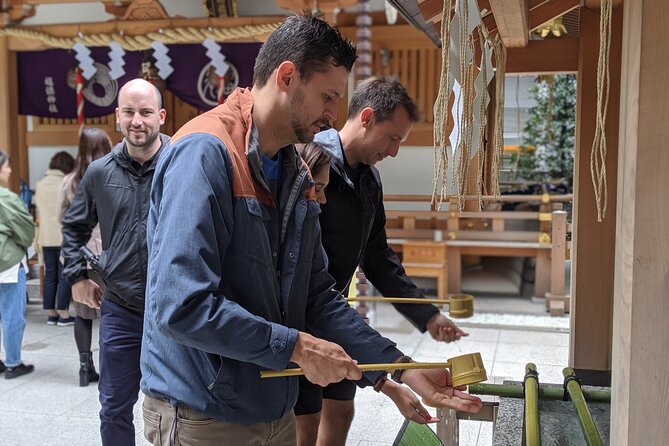
You will also get a mix of venue types, including food spots and iconic buildings you pass along the way. Even quick stops like the Fukutoku Shrine help explain how local life and rituals shaped how people think about cleansing, prayer, and everyday habits.
More Food Tours in Tokyo
- Tokyo: Shinjuku Food Tour (13 Dishes at 4 Local Eateries)
★ 5.0 · 6,603 reviews - Tokyo Tsukiji Fish Market Food and Culture Walking Tour
★ 5.0 · 3,184 reviews - Tokyo: Shinjuku Food Tour (15 Dishes and 4 Eateries)
★ 4.9 · 2,033 reviews
Value at $176: you are paying for tastings, lunch, and a guided narrative
At $176 per person for about 5 hours 30 minutes, you are buying three things at once:
1) 14 included dishes and snacks, not just a handful of tastes
2) Lunch with multiple items, including yakitori and tempura soba
3) A guide who connects food to history, so you leave with patterns you can spot on your own
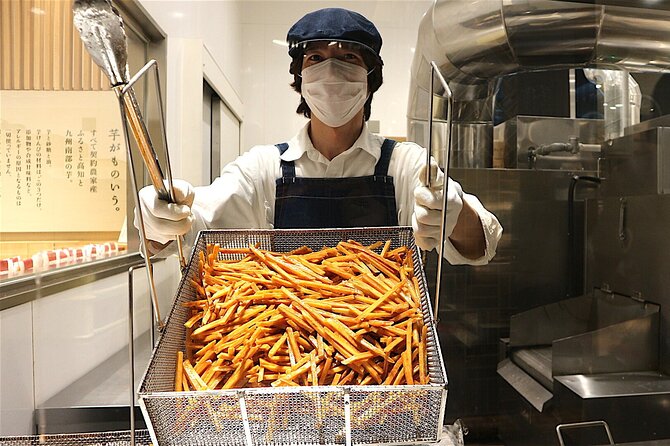
The included food list is substantial for a walking tour. You will likely try items such as dashi, kombu, katsuobushi, satsuma-age, amazake, imo kenpi, and sweets like daifuku or dorayaki. There is also Pokemon taiyaki and either matcha bubble tea or ice cream.
Then lunch is not an afterthought. You get yakitori and tempura soba, plus tamagoyaki and a fruits sando (Japanese milk bread with fresh fruit and whipped cream). In other words, you are covered for savory and sweet, and you get variety without needing extra cash stops.
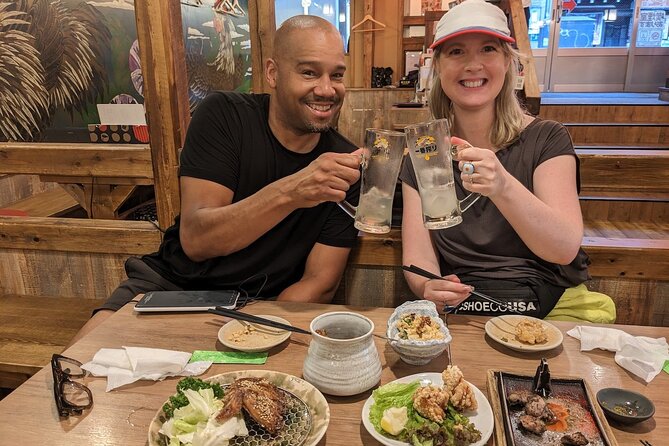
You may also be offered an alcoholic beverage: a lemon sour. If you do not drink, you can still enjoy the food content, but it is worth noting that alcohol is included as a specific beverage option.
Nihonbashi start: dashi, kombu, and katsuobushi with an old-Tokyo base
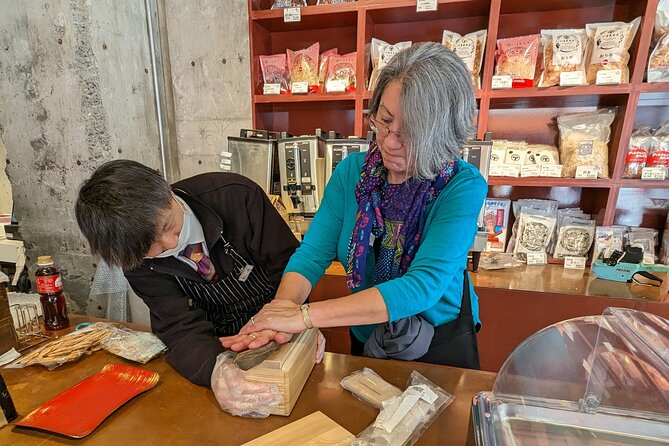
The day begins at Nihonbashi 1-chome Mitsui Building. From the start, the focus is on ingredients that underpin a lot of Japanese cooking. The big one is dashi, the stock that shows up in everything from comforting soups to the flavor foundation behind many dishes.
You spend about 1 hour 30 minutes in this early phase, and it works because you are learning before you snack. If you take anything home from this tour, let it be the mental model that Japanese cooking often builds flavor through a few core ingredients, then refines it with technique and seasonality.
You also get a nearby cultural stop at Fukutoku Shrine. The tour explains the difference between shrines and temples, plus how people cleanse their spirit and pray at a shrine. It is brief, but it gives you context for why religious practices are woven into daily routines. That matters in Tokyo, where old customs live right alongside modern shopping and transit.
What to watch for here
- If you are sensitive to strong fish-based flavors, the dashi and katsuobushi-related tastings are where you will notice it first. You will be given context for what you are tasting, which helps a lot.
- Wear comfortable shoes. This is a walking day from the first minutes.
Same corner of Japan, a different kind of day:
- Mt Fuji and Hakone 1-Day Bus Tour Return by Bullet Train
★ 5.0 · 26,383 reviews - 1-Day Tokyo Bus Tour
★ 5.0 · 14,250 reviews - Tokyo: TOKYO SKYTREE® Admission ticket
★ 4.5 · 11,192 reviews - Tokyo: teamLab Planets TOKYO Digital Art Museum Entry Ticket
★ 4.6 · 9,779 reviews
Ginza and Yurakucho: industrial Tokyo, rail-adjacent food, and salaryman-era culture
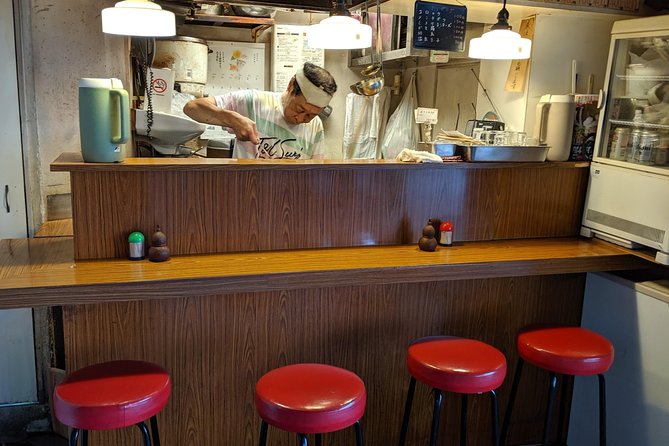
After Nihonbashi, you shift into central Tokyo’s story of modernization. The route brings you to Ginza and Yurakucho for about 1 hour 10 minutes each in the schedule, and the focus moves from ingredients to how people ate in specific periods.
The tour frames this era around industrialization after the war, where salarymen and the food culture around them shaped demand for easy-to-grab meals. It also connects this with gado shita, the small bars and under-railway spaces where quick meals and drinks became part of the city rhythm.
You are not just watching the scenery. You are learning how the built environment affects eating habits. Tokyo is a city of movement, and these neighborhoods reflect that: compact places, quick access, and food that fits a busy schedule.
Practical tip for this segment
This part can feel like an endurance test only if you treat it as sightseeing first and food second. The best way to enjoy it is to slow down at food stops and take the history cues seriously. When you understand why a dish exists in that neighborhood, it tastes more meaningful and you spot patterns faster.
Tokyo Station and Marunouchi stops: commute comfort, sweets, and iconic buildings
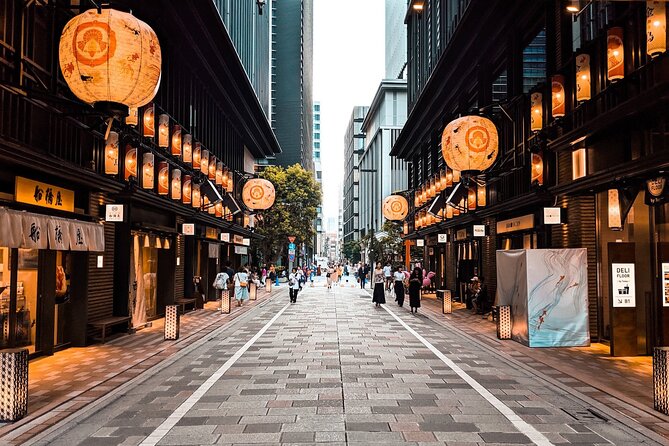
One of my favorite parts of the route is how it uses major Tokyo landmarks without turning the day into a photo tour. Between Ginza/Yurakucho and Akihabara, you pass through the Tokyo International Forum, then on toward Kitte Marunouchi and the station area.
You get multiple short segments here, including a stroll to Tokyo Station and a stop time of around 15 minutes at the Forum area. Then you continue to Kitte Building for about 10 minutes. These breaks keep the day from feeling like nonstop eating and keep your bearings.
Then it gets delicious in a very “Tokyo commute” way. At Tokyo Station Marunouchi Ekimae Hiroba, you try commute favorites like tamagoyaki and a fruits sando with fresh fruit and whipped cream. The schedule lists another similar tasting window at Daimaru Tokyo (also around 20 minutes).
If you like the idea of tasting food that fits real daily life, not just tourist restaurants, this pair of station stops is a strong payoff. You get familiar comfort flavors in a setting that matches the theme of movement and workday eating.
What can be tricky
Tokyo Station is huge. Even with a guide and planned stops, it can feel like you are in a maze if you are anxious about getting lost. The benefit is that you get a guided pass through it, so you learn where food-friendly pockets are located.
Akihabara finish: future snacks, Pokemon taiyaki, and modern dessert play
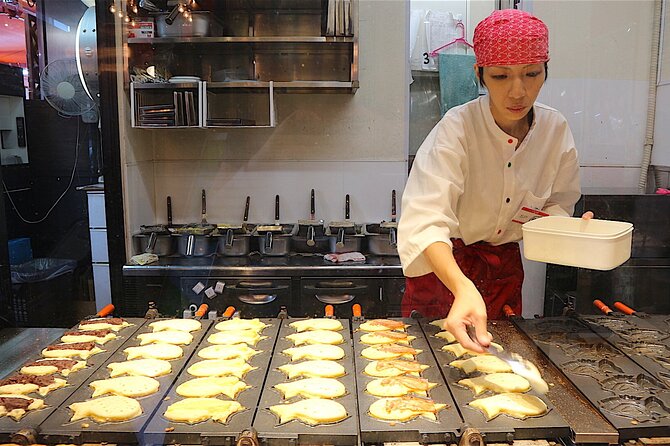
You wrap up in Akihabara, about 45 minutes in the schedule. This is the part where tradition meets pop culture, and the tour treats it like the future segment of the food timeline.
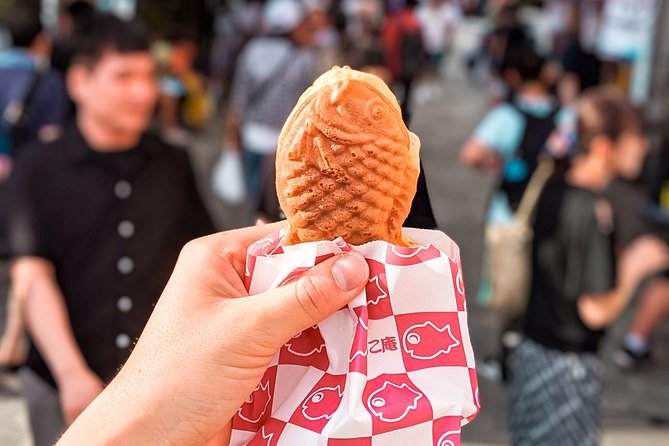
Akihabara is known for electronics and anime, but the tour uses that atmosphere as a lens for food. You will try desserts that connect modern ideas with traditional formats. One of the listed highlights is Pokemon taiyaki, which brings a familiar Japanese street-sweet shape into a pop-culture wrapper.
You also get another matcha option at this stage, either matcha bubble tea or ice cream, so you can end the day with a cool sweet finish.
A small reality check
If you are expecting big, heavy meals at the end, this is more about dessert and variety than it is about leaving stuffed. The day is designed around 14 tastings plus lunch, so by the time you reach Akihabara, your job is to enjoy the final flavor notes, not to power through a second full meal.
Walking, timing, and group size: how the day actually feels
This is a small-group tour with a maximum of 9 travelers. That matters more than you might think. With fewer people, the guide can keep explanations tight, handle questions, and manage the flow through busy stations.
The tour is about 5 hours 30 minutes, and you should expect around 6.5 km of walking total. The tour also flags stairs at subway stations, so bring shoes that can handle step after step.
You will take two short subway rides, and transport costs are payable by yourself. The tour itself is built to run on mobile ticketing, and the meeting point is near public transportation.
What I recommend you do before you start
- Eat a light breakfast or snack if your schedule allows. You do get a full lunch, but the tour is heavy on tasting and walking.
- Carry water. It is not listed as included, so plan on getting it on your own.
- If you do not drink alcohol, go in knowing the included beverage is a lemon sour.
Who should book this tour, and who might want a different style
This tour is a great fit if you want:
- Food plus context, not just a list of what to order
- A route through three distinct Tokyo areas in one day
- A guided way to understand Japanese flavor logic, starting with dashi
It is not the best match if:
- You need minimal walking or step-free routes. The tour expects stairs and a full walking day.
- You prefer only full portions at each stop. This day is structured around tastings and sampling.
Price and logistics: what’s included, what’s extra, and what to bring
The headline number is $176.00 per person, but the value comes from the scope of included food and the guided structure.
Included:
- A long list of snacks and sweets, including dashi, kombu, katsuobushi, satsuma-age, amazake, imo kenpi, daifuku or dorayaki, Pokemon taiyaki, and matcha bubble tea or ice cream
- Lunch with yakitori, tempura soba, tamagoyaki, and fruits sando
- One alcoholic beverage option: lemon sour
Not included:
- Subway transport costs (two short rides)
Other practical notes:
- Mobile ticket
- Meeting point near Nihonbashi 1-chome Mitsui Building
- End point at Akihabara Station 1-chome, Sotokanda
- You should have a moderate physical fitness level
Quick packing checklist
Comfortable walking shoes, a small bag you can keep close in crowded stations, and a way to track your group in busy areas. If you hate surprises with alcohol, decide early whether you will take the lemon sour.
Should you book Flavours of Tokyo?
I would book this tour if your ideal Tokyo day is equal parts food and understanding. You get ingredient lessons you can use later, plus a route that makes Tokyo feel like a timeline rather than a blur of neighborhoods.
Skip it and look at a more food-only option if you want to eat huge portions at every stop or if stairs and a 6.5 km day would stress you out. This is for people who like walking, asking questions, and learning while you eat.
One final check: the tour is linked to good weather, and it is not designed to be a flexible plan that you can easily swap around at the last second. If you are committed to a clear, comfortable day in central Tokyo, this is a smart, high-value way to taste your way through the city’s changing eras.
FAQ
How long is the Flavours of Tokyo: A Journey Through Time small-group food tour?
It lasts about 5 hours 30 minutes.
What is the group size limit?
The tour has a maximum of 9 travelers.
What is included in the tour price?
The price includes 14 dishes and snacks, lunch (yakitori, tempura soba, tamagoyaki, fruits sando), and a lemon sour (alcoholic beverage).
What food will I try during the tour?
Included items include dashi, kombu, katsuobushi, satsuma-age, amazake, imo kenpi, daifuku or dorayaki, Pokemon taiyaki, matcha bubble tea or ice cream, plus lunch items like yakitori and tempura soba.
Will I need to pay for transportation?
Yes. The tour takes two short subway rides, and transport costs are payable by you.
How much walking is involved?
You should expect to walk about 6.5 km (4 miles) and there will be many stairs at subway stations.
Where do I meet the tour and where does it end?
The start is Nihonbashi 1-chome Mitsui Building in Nihonbashi. The end is Akihabara Station, 1-chome Sotokanda.
Is there alcohol on the tour?
A lemon sour is included as the alcoholic beverage option.
What happens if I need to cancel, or if the weather is bad?
The tour has a cancellation refund schedule tied to how far in advance you cancel, and there are no refunds with 48 hours or less notice. The experience requires good weather, and if it is canceled due to poor weather, you are offered a different date or a full refund. The tour can also be canceled if the minimum number of travelers is not met, with a different date or a full refund.
Fresh options around Tokyo
- Tokyo: Nikko Kegon Falls Lake Chuzenji Toshogu Temple & More★ 4.9 · 12 reviews
- Tokyo: Samurai History Walking Tour★ 5.0 · 12 reviews
- Harajuku: Kawaii Fashion and Pop-Culture Tour★ 4.7 · 12 reviews
- Tokyo: Mt. Fuji & Lake Kawaguchi Instagram Full Day Trip★ 4.1 · 12 reviews
- Shibuya Tokyo: Modern Kintsugi Workshop in Shibuya★ 5.0 · 12 reviews
- Tokyo: GTR Guided Daikoku Experience at Night★ 5.0 · 12 reviews
- Tokyo: Daikoku JDM Car Culture Tour★ 4.6 · 12 reviews
- Mt Fuji Private Day Trip from Tokyo with English speaking driver★ 5.0 · 13 reviews
Food & Drink, compared.
Shinjuku Food Tour (13 Dishes at 4 Local Eateries)
Read our review →
Tokyo Tsukiji Fish Market Food and Culture Walking Tour
Read our review →
Shinsekai Food Tour with 13-15 Dishes at 5 Eateries
Read our review →
Osaka Food Tour: 13 Dishes at 5 Local Eateries
Read our review →
Shinjuku Food Tour (15 Dishes and 4 Eateries)
Read our review →
Best of Shinjuku: Izakaya Food Tour (4 Stops, 14+ Tastings)
Read our review →
Kyoto Night Foodie Tour in Gion (9+ dishes + 6 Sake tastings)
Read our review →
Hungry Osaka Street Food Tour:15 Tastings & 3 Drinks with a Local
Read our review →Browse the lists this tour appears in