

Reviewed · SAKE TASTING
Experience a western twist on Japanese sake snacks
Something salty and Japanese, with a twist for your palate. This private tsukudani tasting at Shinbashi Tamakiya is built around traditional preserved seafood snacks, plus modern takes and pairing ideas, so it feels like food history you can actually eat. I especially love the private, personalized setup, and how you get to taste multiple styles, not just one safe plate.
If you’re expecting a giant buffet, this is not that. It’s a focused, curated session, so the value is in the guided tasting, not quantity.
Key facts up front, so you can plan: Shinbashi Tamakiya traces its roots to 1782, and the experience runs about 1 hour 30 minutes with a mobile ticket. You can pick a morning or afternoon slot, which makes it easier to work into a Tokyo day without stress. One thing to consider is that tsukudani is preserved seafood, so the flavors are strong and briny, and you should go in ready to enjoy that.
Highlights You’ll Notice Right Away

- Shinbashi Tamakiya since 1782: a long-running tsukudani shop experience in Tokyo
- Classic plus modern tsukudani: you taste old-school versions and newer mashups
- Private tasting: your pace, your questions, your pairing recommendations
- Secret sauce moment: you’re guided through how the shop thinks about flavor
- All tastings included: plus wine or sake pairings, and brunch-style sides
Tsukudani: Why These Snacks Feel Like Soul Food

Tsukudani is preserved seafood simmered down with soy, sugar, and other seasonings until it turns into something spoonable, snackable, and seriously addictive. In Japan, it’s the kind of food you can treat as a comfort side, a topping, or a bite with tea and alcohol, depending on the day and the region.
What makes this tasting click is that it’s not just about eating. You learn the logic behind the flavors, including the Edo-period roots of the dish and how people kept seafood delicious before refrigeration. That context matters because tsukudani can taste intense if you treat it like ordinary seafood. Learn how it’s made and why it works, and suddenly it’s not strange, it’s the point.
I like that the experience frames tsukudani as practical everyday food, not precious museum food. You’re guided to eat it with intention, which is a rare thing in small tastings. You get to ask how to pair it, how to combine it with rice and toppings, and what to expect from both traditional and modern versions.
More Food Tours in Tokyo
- Tokyo: Shinjuku Food Tour (13 Dishes at 4 Local Eateries)
★ 5.0 · 6,603 reviews - Tokyo Tsukiji Fish Market Food and Culture Walking Tour
★ 5.0 · 3,184 reviews - Tokyo: Shinjuku Food Tour (15 Dishes and 4 Eateries)
★ 4.9 · 2,033 reviews
Shinbashi Tamakiya, a Shop With Roots in 1782
Your tasting is hosted at Shinbashi Tamakiya in the Shinbashi area, a part of Tokyo that mixes business energy with old-school lanes. The address is at 4-chōme, Shinbashi, in Minato City, and the experience starts and ends back at the shop.
Shinbashi Tamakiya has been around since 1782, which gives the tasting an authenticity advantage right away. You’re not sampling tsukudani from a random store counter. You’re in a place that built its reputation on this specific snack culture, and that focus tends to show in the consistency and the way flavors are presented.
Also, the experience is private. So you’re not squeezed into a crowd while someone talks fast. Instead, you get room to ask questions and to learn the shop’s approach to flavor, including their secret sauce. That’s the kind of detail that never shows up on a simple menu.
The Private Tasting Format That Makes It Feel Personal

This is a private tsukudani session for your group only, lasting about 1 hour 30 minutes. The pacing is part of the value. You’re not expected to sprint through multiple bites while standing around. You can slow down for the explanations, and you can follow the pairing ideas without guessing.
One smart detail is the way the experience adapts to you. The format includes guidance on how to arrange tsukudani to match wine, plus suggestions on how to eat it. That means the host isn’t just handing you plates, they’re helping you connect flavor patterns to your own preferences.
This kind of private setting is ideal if you want to understand what you’re tasting. It’s also great if you feel slightly overwhelmed by menus in Japan. You won’t be left alone staring at dishes and wondering what’s happening. Instead, you get a teach-and-taste rhythm that makes the food easier to remember.
What You Taste: Traditional, Modern, and the Secret Sauce

The tastings include traditional and modern tsukudani, and the experience gives you all the tastings as part of one package. You start with the shop history and the dish history, which sets the stage for why these flavors are built the way they are.
Then comes the part you actually care about: the bites.
Here’s what you can expect in the tasting flow:
- You sample the shop’s secret sauce concept.
- You taste three signature tsukudani.
- You try rice topped with tsukudani and furikake seasonings.
- You taste tsukudani used in surprising combinations, including pasta and nuts.
That last point is the western-twist piece. Tsukudani has a strong, umami-packed identity. Many people expect it only as a rice side, but seeing it adapted into things like pasta helps you understand how it can travel beyond its original use.
Even if you’re a tsukudani fan already, the format still works because you compare traditional versus modern styles in one sitting. You taste, then you learn what changed and why it might feel different on your palate.
More Sake Tastings in Tokyo
- Ramen and Sushi Cooking Class with Sake Pairing Set in Tokyo
★ 5.0 · 291 reviews - Sake Tasting Masterclass in Shinjuku (8+ Varieties with a Pro)
★ 5.0 · 271 reviews - Sake Omakase in Tokyo: Guided Tasting by Certified Sommeliers
★ 5.0 · 239 reviews - Tasting All Types of Sake with Sommelier
★ 5.0 · 151 reviews
Wine or Sake Pairing: A Practical Way to Read the Flavor

You’ll have pairings included with the tastings, either wine or sake. The pairing element is where a lot of the educational value lives. Tsukudani is salty, savory, and often sweet too, which means it can either clash or harmonize depending on the drink.
Instead of telling you generic rules, the host helps you with specific matching ideas. There’s an emphasis on arranging tsukudani to match wine and proposing how to eat it. Translation: you get guidance that helps you make sense of why a bite works with a drink.
If you prefer sake, you’ll likely appreciate how the drink’s acidity and clean finish can cut through rich, preserved flavors. If you prefer wine, you’ll likely enjoy how certain styles can bring out sweetness or emphasize umami. Either way, the pairing is not just a bonus. It’s part of how you learn what makes the snacks tick.
One small consideration: pairing requires you to keep an open mind. If you only like delicate flavors, tsukudani can feel heavy. But that’s also why pairings help. They turn intensity into balance.
Brunch-Style Stops: Rice, Furikake, Pasta, and Nuts

This experience includes brunch, and that matters because it takes tsukudani beyond “just snacks.” You get practical eating ideas, like pairing tsukudani with rice and furikake seasonings. That rice moment is more than a filler course. It’s a common Japanese use of tsukudani, and it helps you taste the preserved seafood as a daily comfort food.
You also try tsukudani with different add-ins, including pasta and nuts. That’s the fun part for anyone who likes food crossovers. Tsukudani is traditionally Japanese, but the flavor structure transfers well to western-style textures.
Here’s why those combinations are valuable for you:
- Pasta gives you an easy comparison between umami sauce behavior and preserved seafood seasoning.
- Nuts add crunch, which changes the mouthfeel, so you notice how the flavor sits, not just how it tastes.
- Rice and furikake show you the classic Japanese serving style in a guided way.
If you’re the kind of traveler who wants to learn how locals eat, this is one of the better formats. You leave with real mental “recipes,” not just memories.
Price and Timing That Make It a Sensible Tokyo Food Stop

The price is $36.24 per person for about 1 hour 30 minutes, with alcoholic beverages and all tastings included. That’s a relatively efficient use of time in Tokyo, where food experiences can be either tiny and vague or long and pricey.
This isn’t the cheapest way to eat in the city. But it is good value for what you’re getting:
- Multiple tastings, not a single plate
- Wine or sake pairings included
- Brunch-style components, like rice with furikake
- A private setup that keeps the experience focused
Also, average booking is about 59 days in advance. That suggests demand. If you’re traveling during a busy season, I’d plan ahead rather than assuming last-minute availability.
Logistically, you get a mobile ticket, and it’s near public transportation. For most visitors, that means less friction on the day you schedule it. You won’t need a complicated routing plan to arrive.
Who Should Book This Tsukudani Tasting (and Who Might Skip It)

Book this if you want:
- A guided entry into tsukudani, traditional and modern
- A private, paced food lesson instead of a rushed group meal
- Sake or wine pairing guidance tied to the food, not random pairings
- A menu that includes comfort staples like rice, plus fun twists like pasta and nuts
Skip it or reconsider if:
- You only like very mild flavors, since preserved seafood can be intense
- You’re chasing huge portions or a market-style tasting ladder
This experience is also a great match if you’re someone who learns best by doing. You taste, you compare, and you get explanation as you go. That’s how the food clicks.
If you’re traveling with friends, private format still feels easy because the host can tailor explanations to the group. If you’re traveling solo, private tasting can also feel like a one-on-one class, which is a nice way to spend 90 minutes in Tokyo.
Final Call: Should You Book Shinbashi Tamakiya Tsukudani?
Yes, I think you should book this if tsukudani is even a little interesting to you. The strongest reasons are practical: you get a private, personalized tasting, you try multiple tsukudani styles, and you receive pairings and eating guidance that help you understand what you’re tasting.
If you’re a foodie who likes structure, this works. If you’re a briny-savory fan, you’ll likely have a great time with the classic versions and the modern twists. And if you’re curious about how Japanese preserved foods can play with western-style textures like pasta, the tasting gives you a clear, edible answer.
FAQ
How long is the tsukudani private tasting?
It lasts about 1 hour 30 minutes.
What is included in the price?
The experience includes brunch, alcoholic beverages, and tsukudani snacks tastings.
Do I get to choose between morning and afternoon?
Yes, you can choose a morning or an afternoon tasting to fit your schedule.
Is this a private experience?
Yes. It is private, and only your group will participate.
Where does the tasting take place?
It starts at Shinbashi Tamakiya, 4-chōme 254 石田ビル 1階, Shinbashi, Minato City, Tokyo 105-0004, and ends back at the meeting point.
How do I get my ticket?
The experience uses a mobile ticket.
When will I receive confirmation after booking?
Confirmation is received within 48 hours of booking, subject to availability.
Can I get a full refund if I cancel?
Yes. You can cancel for a full refund if you cancel at least 24 hours before the experience’s start time.
More Drinking Tours in Tokyo
- Tokyo Bar Hopping Tour in Shinjuku (All-You-Can-Drink + Dinner)
★ 5.0 · 3,587 reviews - Best of Shinjuku: Izakaya Food Tour (4 Stops, 14+ Tastings)
★ 5.0 · 1,863 reviews - Tokyo: Shinjuku Local Bar and Izakaya Guided Walking Tour
★ 4.9 · 1,794 reviews - Shibuya Meltdown Nightlife Tour: All-You-Can-Drink Bar Hopping
★ 5.0 · 1,058 reviews
Fresh options around Tokyo
- Tokyo: Nikko Kegon Falls Lake Chuzenji Toshogu Temple & More★ 4.9 · 12 reviews
- Tokyo: Samurai History Walking Tour★ 5.0 · 12 reviews
- Harajuku: Kawaii Fashion and Pop-Culture Tour★ 4.7 · 12 reviews
- Tokyo: Mt. Fuji & Lake Kawaguchi Instagram Full Day Trip★ 4.1 · 12 reviews
- Shibuya Tokyo: Modern Kintsugi Workshop in Shibuya★ 5.0 · 12 reviews
- Tokyo: GTR Guided Daikoku Experience at Night★ 5.0 · 12 reviews
- Tokyo: Daikoku JDM Car Culture Tour★ 4.6 · 12 reviews
- Mt Fuji Private Day Trip from Tokyo with English speaking driver★ 5.0 · 13 reviews
Sake Tasting, compared.
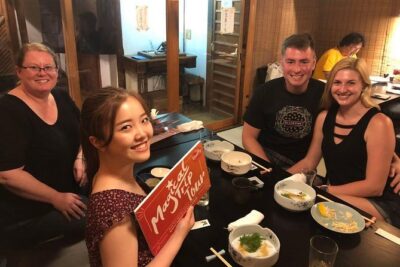
Kyoto Night Foodie Tour in Gion (9+ dishes + 6 Sake tastings)
Read our review →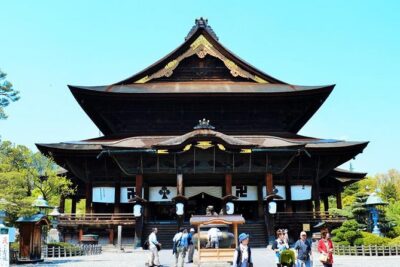
1-Day Snow Monkeys, Zenko-ji Temple & Sake in Nagano
Read our review →
3-Hour Kyoto Insider Sake Brewery Tour with Tastings & Pairings
Read our review →
Arashiyama Bamboo, Temple, Monkeys, or Secret Sake Brewery
Read our review →
Nagano: Snow Monkeys, Zenkoji Temple & Sake Day Trip
Read our review →
Insider Sake Brewery Tour with Sake and Food Pairing
Read our review →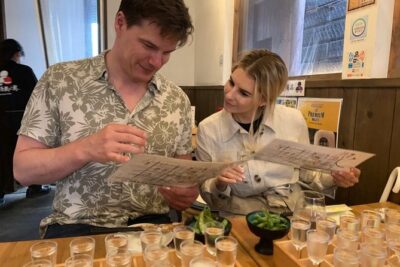
1.5-Hour Kyoto Insider Sake Experience with 7 Tastings & Pairings
Read our review →Browse the lists this tour appears in