
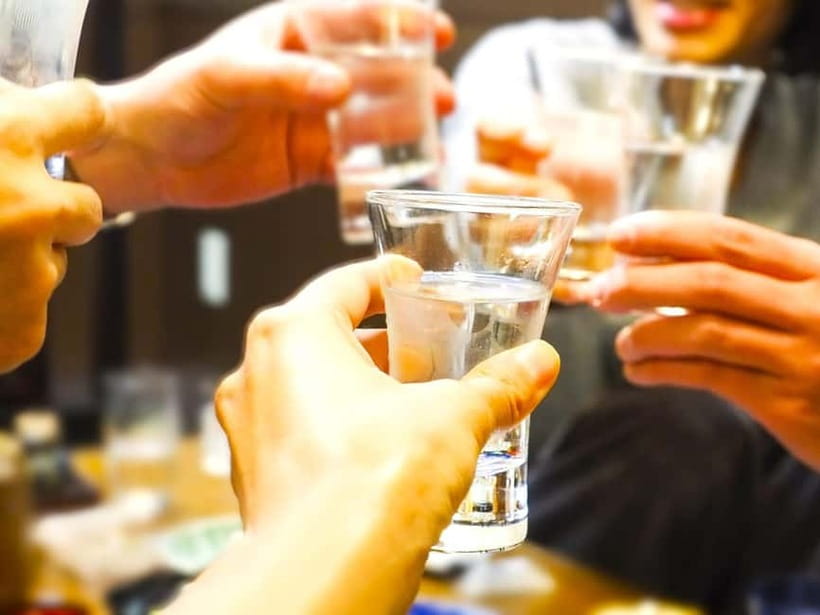
Reviewed · SAKE TASTING
Casual Japanese sake tasting and snack experience, Kabukicho
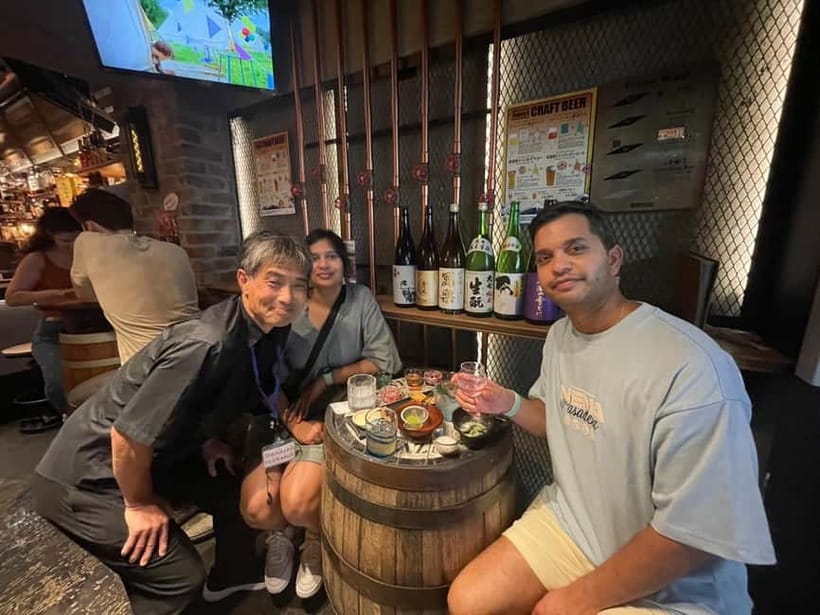
Sake tasting in Shinjuku makes differences click. This casual Kabukicho experience is built around 8 carefully selected sake that you compare step by step, with snack pairings that help you notice what changes in aroma and flavor. One drawback to plan for up front, the venue is not wheelchair accessible because there is no elevator.
You’ll start near Shinjuku Station and settle into a bar-like tasting space in the neighborhood. The format is easy for first-timers, moving from lower alcohol sake toward richer styles, then ending with amazake as a sweet fermented dessert.
Key Things I’d Focus On Before You Go
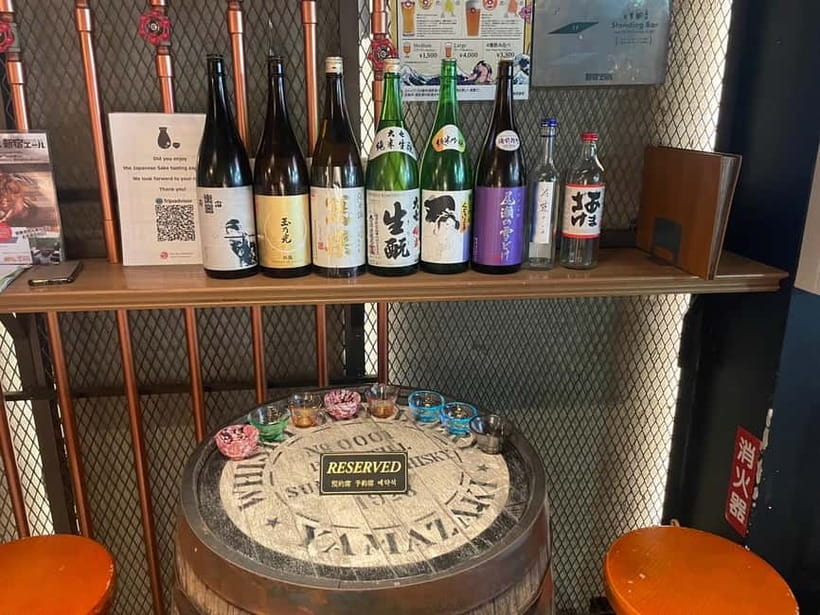
- 8 sake tastings in one session, designed for side-by-side comparison
- A guided order, starting with lower alcohol so your palate stays steady
- Traditional Japanese snacks pairing, so each pour has a reason to exist
- Small group of 6, which keeps the conversation flowing
- English and Japanese support, sometimes with a translation machine for staff comfort
Kabukicho Sake Comparison, Right Off Shinjuku Station
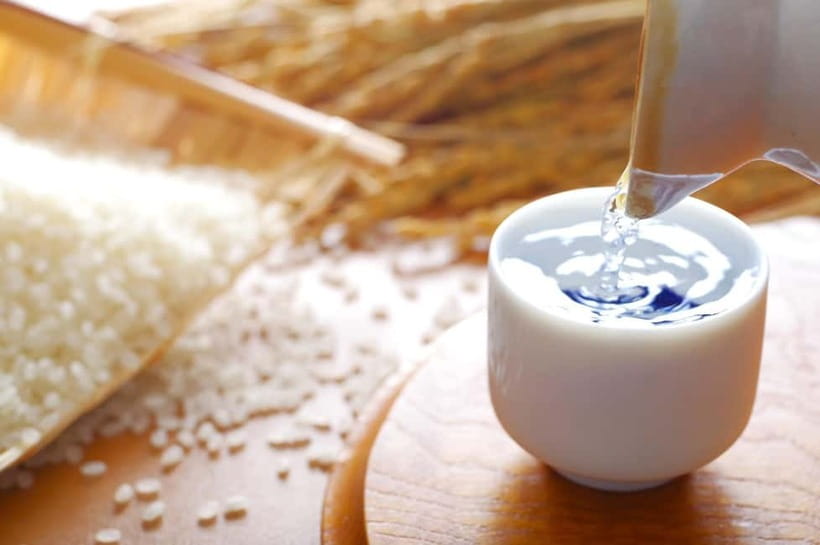
Kabukicho can feel like sensory overload, but this activity gives it a useful purpose. Instead of wandering, you get a structured comparison in a small space, with a friendly instructor explaining what you are tasting and why the differences matter.
I like that this is not a high-pressure wine-style class. It is casual, snack-forward, and built for real decision-making. You compare multiple sake styles, rather than sampling one “best of” bottle and moving on.
It also helps that the experience is designed to work for people new to sake. If sake has intimidated you before, this format aims to remove the guesswork. You start with simpler profiles first, then gradually build toward heavier, more intense characteristics.
More Food Tours in Tokyo
- Tokyo: Shinjuku Food Tour (13 Dishes at 4 Local Eateries)
★ 5.0 · 6,603 reviews - Tokyo Tsukiji Fish Market Food and Culture Walking Tour
★ 5.0 · 3,184 reviews - Tokyo: Shinjuku Food Tour (15 Dishes and 4 Eateries)
★ 4.9 · 2,033 reviews
Price and What Your $38 Covers in Real Life
At $38 per person, this is priced like a focused tasting experience rather than a full dinner. The good part is that all fees and taxes are included, so you are not left doing math in the middle of your trip.
What you get is the heart of the value: 8 types of sake plus traditional snack pairings and a sweet end with amazake. That matters because sake tasting often costs extra once you add food, and here the tasting and pairing are part of the deal.
What is not included is also straightforward. You will likely want to budget for extra meals or drinks on your own before or after. You are also responsible for getting to the meeting point. Hotel pickup and drop-off are not part of this plan, so it is best as a “show up near Shinjuku” kind of experience.
The Tasting Flow: From Lower Alcohol to Sweet Amazake
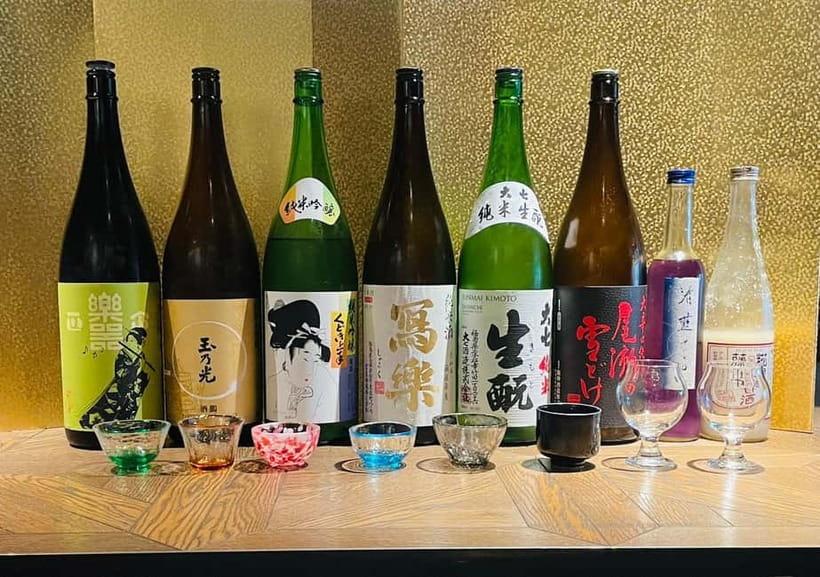
The session is designed like a palate warm-up. You begin by learning some simple basics about sake, then you taste in a sequence that makes the differences easier to catch.
Here is the core idea: you start with sake that has lower alcohol content, then move toward higher-alcohol options. The average alcohol content you can expect around 15 to 16%, but the whole point of the comparison is that some are lower and some run higher. That gradual climb helps you avoid the common first-timer problem, where the strongest drink makes everything before it feel bland or out of focus.
As you go, the pairing snacks are part of the lesson. You are not just tasting liquid in isolation. You are tasting how sake behaves alongside traditional snacks, so you can learn what food-driven balance feels like.
Then you finish with amazake as a dessert. Amazake is a sweet, fermented rice drink made from rice malt. It lands differently than sake, so it is a nice reset at the end if your palate is getting tired.
Pairing Snacks and Learning What to Notice
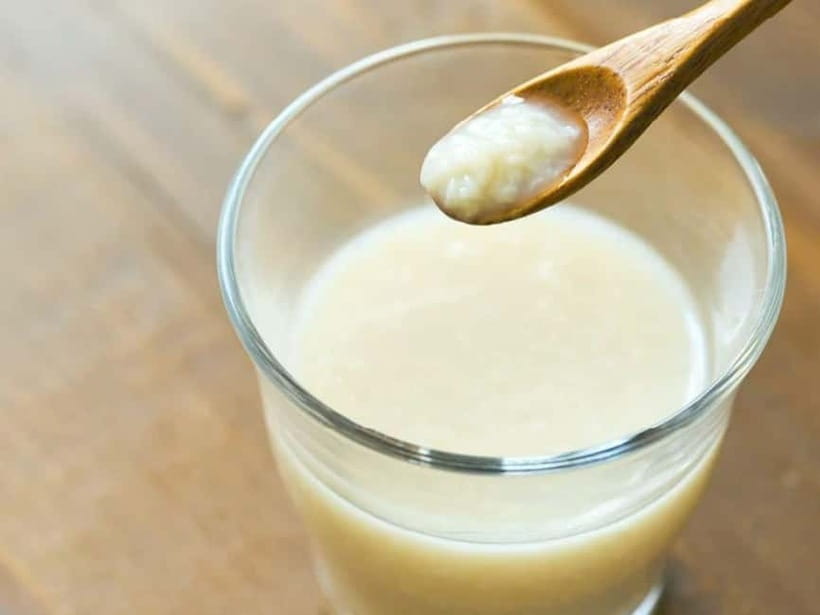
The pairing component is what turns a “sip and go” into an actual comparison. When food shows up, you start noticing things beyond sweetness and strength.
A simple way to think about it while you taste is to ask two questions for each pour:
- Does this sake feel lighter or heavier against the snack?
- Does the snack make the sake taste smoother, drier, more aromatic, or more rounded?
The snacks are traditional Japanese items, and the structure helps you learn pairing logic without needing to be a sommelier. You can treat it like a guided flavor game, where the snack is the tool that reveals the sake’s character.
This is also where first-timers usually feel more confident. Instead of worrying about pronouncing tasting notes, you get an immediate feedback loop. You taste, you pair, you react, you learn.
More Sake Tastings in Tokyo
- Ramen and Sushi Cooking Class with Sake Pairing Set in Tokyo
★ 5.0 · 291 reviews - Sake Tasting Masterclass in Shinjuku (8+ Varieties with a Pro)
★ 5.0 · 271 reviews - Sake Omakase in Tokyo: Guided Tasting by Certified Sommeliers
★ 5.0 · 239 reviews - Tasting All Types of Sake with Sommelier
★ 5.0 · 151 reviews
Eight Sake Types: Cold, Hot, and Other Styles to Compare
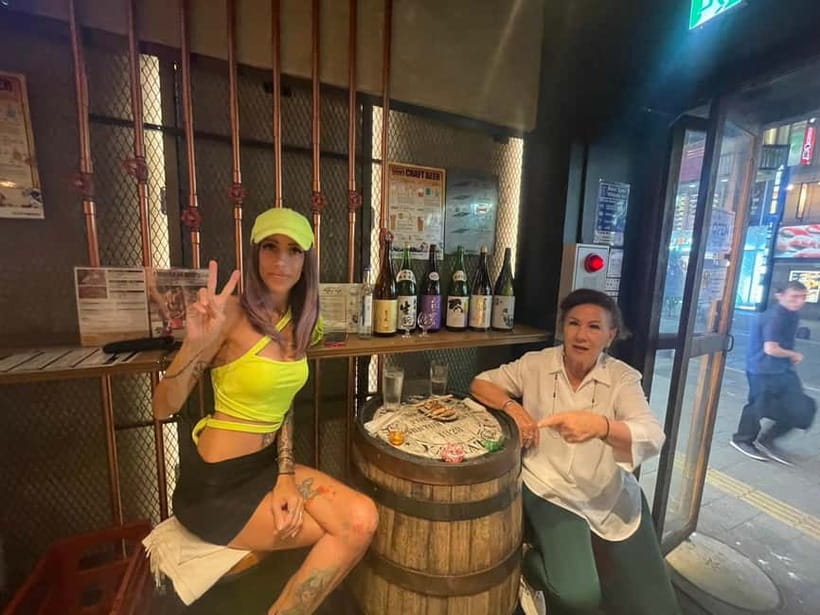
One of the best parts of this kind of experience is that “sake” is not one flavor. It is a whole range, and this session is built for comparing multiple types rather than just drinking.
You can expect 8 carefully selected varieties. Some are served in ways that change the experience, including styles you might encounter as cold or hot. Seeing how a sake feels at different serving temperatures helps you understand why Japanese drinking culture often treats temperature as a major variable.
You may also see variety in how the drinks are presented. For example, people have described tasting a sake-style cocktail during the session, which makes the comparison feel more social and less academic. Even if you typically associate sake with a simple pour, this is a good chance to learn how it shows up in different formats.
The key takeaway for value is that you are not paying to drink one bottle’s worth of sake. You are paying for multiple controlled comparisons in one place, guided by someone who can explain what is changing as you move through the lineup.
Your Guide, Language Support, and How the Conversation Works
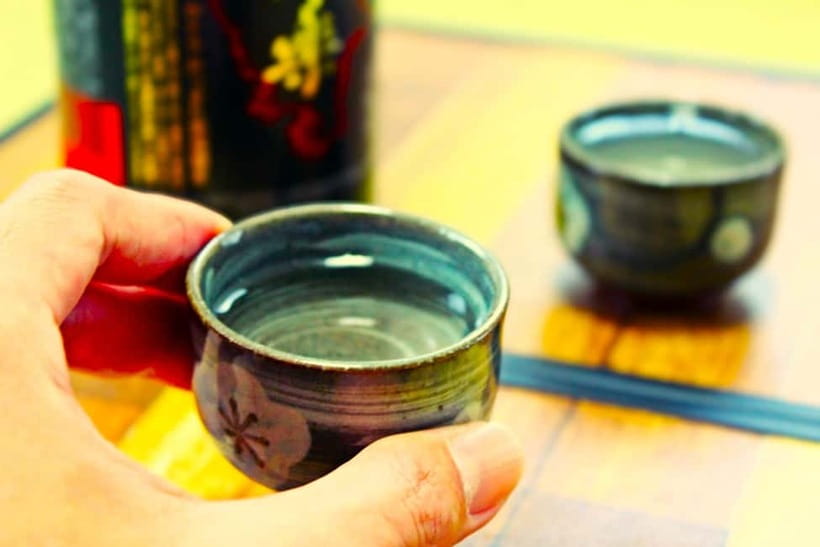
This activity runs with an instructor who supports English and Japanese. That is great if you want to ask basic questions, like what alcohol content means for taste, or what makes one style drier or more fragrant than another.
One practical note: some staff may not be strong in English, and a translator machine may be used. That does not usually make the experience worse, it just means you might get the clearest answer if you keep questions simple and direct.
The tone tends to be friendly. People have been especially positive about guides being welcoming and responsive, with enough conversation to keep things comfortable. If you are traveling solo or you hate feeling talked at, a small group helps a lot.
Also, because it is limited to 6 participants, you are more likely to get personal attention instead of being stuck watching from the back. For a sake comparison, that matters. Tiny differences are easier to notice when you can ask, compare, and reset quickly.
What the Venue Feels Like in Kabukicho
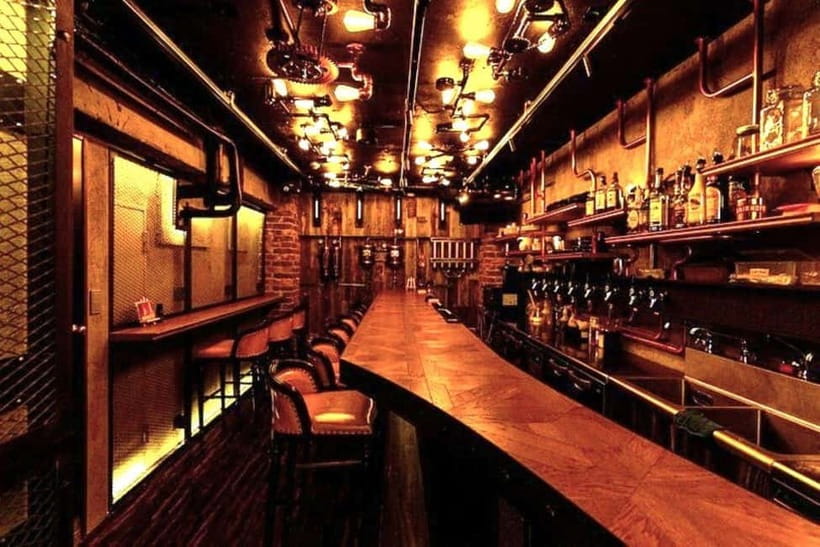
Kabukicho is known for nightlife, but this experience keeps things orderly. You are not wandering bar to bar. You meet nearby and then settle into the tasting area.
The activity takes place on the 2nd floor of the bar location. That is convenient if you are coming straight from Shinjuku, but it also explains why the venue is not wheelchair accessible, since there is no elevator.
If signage seems small or you are arriving during busy hours, give yourself a couple extra minutes to find the exact entrance. The meeting instructions are specific, but in a neon-heavy area, it is easy to miss a single letter or sign.
Meeting Point: How to Find Shinjuku Ale Near Karaoke 747
Your meeting point is close enough to walk, and the directions are made for people who want to avoid confusion.
Meet about a 5-minute walk from Shinjuku Station on the JR Yamanote Line. Walk along Kabukicho Central Road toward TOHO Cinemas. You should see Shinjuku Ale next to Karaoke 747 on your right.
If you want a backup, the plus code is MPV2+VR Shinjuku City, Tokyo. I like having a plus code for busy districts because it saves time when you are tired or your phone map is acting strange.
Who This Sake Tasting Is Best For
This is a smart pick for:
- First-time sake drinkers who want guidance, not intimidation
- People who like comparisons and want to learn what changes from drink to drink
- Anyone who wants a social activity in Kabukicho without needing to speak perfect Japanese
It is not suitable for pregnant women and people under 20. Since it is a tasting with alcohol, these restrictions make sense, and it is best to choose another food-based experience if you need alcohol-free options.
Because the venue has no elevator, it also may not work well for anyone with mobility challenges who cannot climb stairs. If you need step-free access, plan something else and keep your day stress-free.
Quick Tips to Get More Out of the Tasting
You will get the best experience if you treat it like an experiment.
- Take small sips and pause. The snacks matter, and your palate needs a beat.
- Pay attention to how each drink changes alongside the food, not just on its own.
- If language is a barrier, ask one clear question at a time. You will get a better answer than trying to bundle everything.
- Wear something comfortable. Kabukicho evenings can involve lots of walking and standing before you settle in.
One more practical detail: some people like picking up a souvenir drink item after, so if you fall in love with a style, you might want a little extra cash ready. That is not part of the core price, but it can be a nice way to remember what you learned.
Should You Book This Kabukicho Sake Tasting?
I think this is a strong booking for most visitors to Shinjuku because the format solves two common problems: you get guidance, and you taste enough variety to actually learn something.
If you want a quiet, long sit-down dinner, this is not that kind of experience. But if you want an efficient, fun evening where you can compare 8 sake types, eat traditional snacks, and finish with amazake, it is a great match.
Skip it if you need step-free access, or if alcohol is not a fit for you. Otherwise, it is one of the more straightforward ways to understand Japanese sake without spending a full night on trial-and-error.
FAQ
How many sake varieties are included in the tasting?
You will taste 8 carefully selected varieties of sake during the experience.
What is the duration of this activity?
The experience is listed as 1 day. You can check availability to see starting times.
Are snacks and dessert included?
Yes. The tasting includes traditional Japanese snacks and you can enjoy amazake as a dessert at the end.
Where is the meeting point in Kabukicho?
You meet about a 5-minute walk from Shinjuku Station on the JR Yamanote Line. Walk along Kabukicho Central Road toward TOHO Cinemas and look for Shinjuku Ale next to Karaoke 747 on your right. Plus code: MPV2+VR Shinjuku City, Tokyo.
What languages do the instructor and staff use?
The instructor supports English and Japanese. If some staff members are not comfortable with English, a translator machine may be used.
Is the venue wheelchair accessible?
No. The experience is not wheelchair accessible because there is no elevator.
Who should not book this experience?
It is not suitable for pregnant women and people under 20.
More Drinking Tours in Tokyo
- Tokyo Bar Hopping Tour in Shinjuku (All-You-Can-Drink + Dinner)
★ 5.0 · 3,587 reviews - Best of Shinjuku: Izakaya Food Tour (4 Stops, 14+ Tastings)
★ 5.0 · 1,863 reviews - Tokyo: Shinjuku Local Bar and Izakaya Guided Walking Tour
★ 4.9 · 1,794 reviews - Shibuya Meltdown Nightlife Tour: All-You-Can-Drink Bar Hopping
★ 5.0 · 1,058 reviews
Fresh options around Tokyo
- Tokyo: Nikko Kegon Falls Lake Chuzenji Toshogu Temple & More★ 4.9 · 12 reviews
- Tokyo: Samurai History Walking Tour★ 5.0 · 12 reviews
- Harajuku: Kawaii Fashion and Pop-Culture Tour★ 4.7 · 12 reviews
- Tokyo: Mt. Fuji & Lake Kawaguchi Instagram Full Day Trip★ 4.1 · 12 reviews
- Shibuya Tokyo: Modern Kintsugi Workshop in Shibuya★ 5.0 · 12 reviews
- Tokyo: GTR Guided Daikoku Experience at Night★ 5.0 · 12 reviews
- Tokyo: Daikoku JDM Car Culture Tour★ 4.6 · 12 reviews
- Mt Fuji Private Day Trip from Tokyo with English speaking driver★ 5.0 · 13 reviews
Sake Tasting, compared.
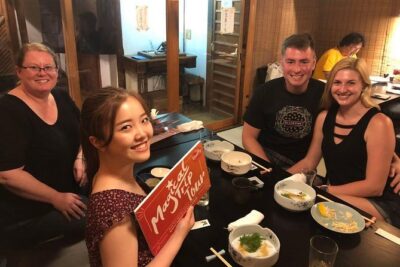
Kyoto Night Foodie Tour in Gion (9+ dishes + 6 Sake tastings)
Read our review →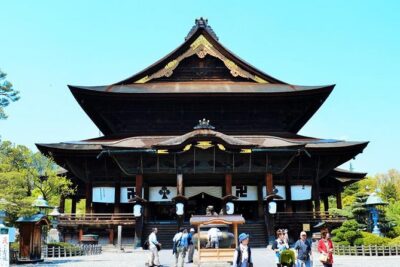
1-Day Snow Monkeys, Zenko-ji Temple & Sake in Nagano
Read our review →
3-Hour Kyoto Insider Sake Brewery Tour with Tastings & Pairings
Read our review →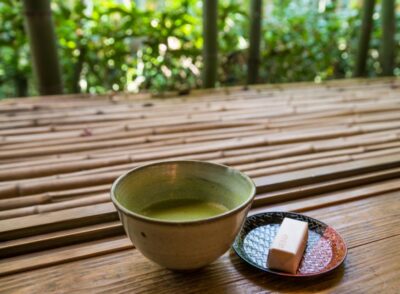
Arashiyama Bamboo, Temple, Monkeys, or Secret Sake Brewery
Read our review →
Nagano: Snow Monkeys, Zenkoji Temple & Sake Day Trip
Read our review →
Insider Sake Brewery Tour with Sake and Food Pairing
Read our review →
1.5-Hour Kyoto Insider Sake Experience with 7 Tastings & Pairings
Read our review →Browse the lists this tour appears in