
Reviewed · TEMPLE & SHRINE TOURS IN KYOTO
Best of Kyoto: Red Gates of Fushimi Inari & Kiyomizu Temple
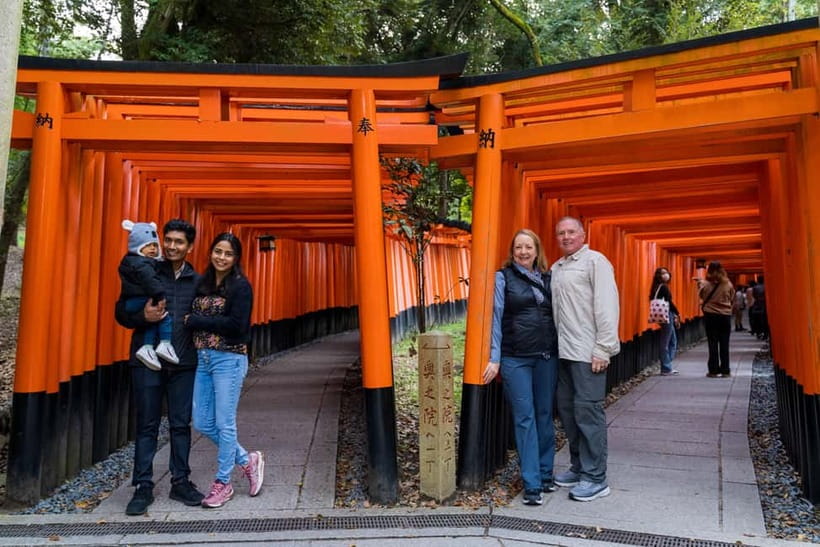
Red gates first, crowds later. This 3-hour Kyoto outing pairs Fushimi Inari torii gates with Kiyomizu-dera, and I like that the early bird start helps you see the sights before the crush. I also like that the guide shares Buddhism context and keeps the pace relaxed enough for calm photos. One thing to consider: there are lots of stairs, and you can easily hit 10,000 plus steps, so wear supportive shoes and plan your energy.
You’ll also get time for the preserved lanes of Higashiyama, including Sannenzaka and Ninenzaka, then finish near % ARABICA Kyoto Higashiyama for a coffee reward if you want one. The best part is that the guide shares local restaurant, cafe, and bar tips right at the end, so your next stop feels less like guesswork.
Key things to know before you go
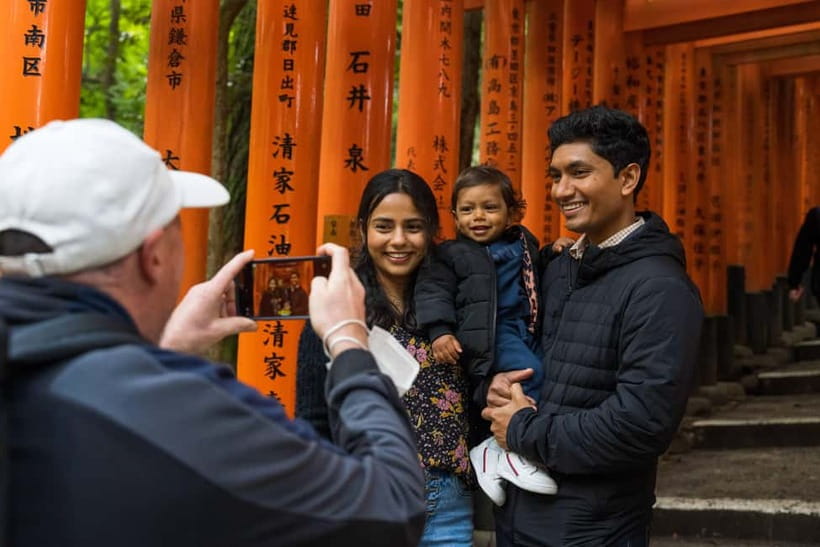
- Early start means easier photos: you’ll see Fushimi Inari and Kiyomizu-dera with fewer people around
- Transport and fees are handled: train fares, taxi fares, and entry fees are included
- You get guided context: the guide explains the cultural and religious meaning behind what you’re seeing
- Plan for stairs and walking: expect big step counts and a steady uphill feel
- Finish in Higashiyama with options: you end at % ARABICA Kyoto Higashiyama for a drink break
Red torii and sacred timing, why the early start matters
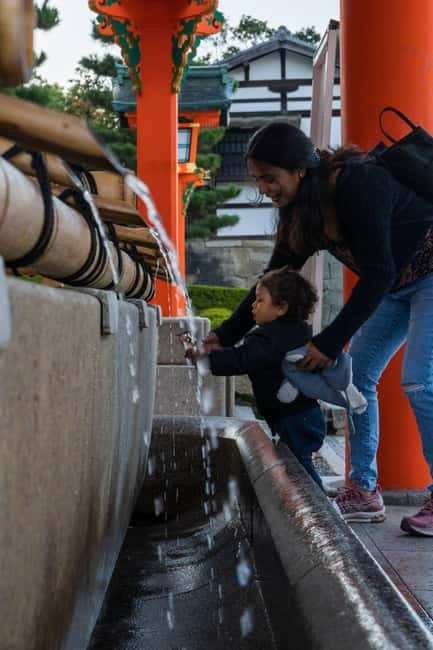
Kyoto can turn into a moving crowd, especially around the top hits. This tour is built around the idea that if you start early, the sites feel calmer and your photos look cleaner.
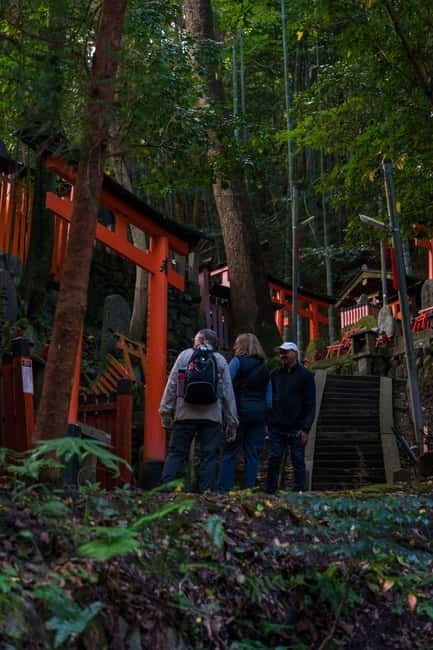
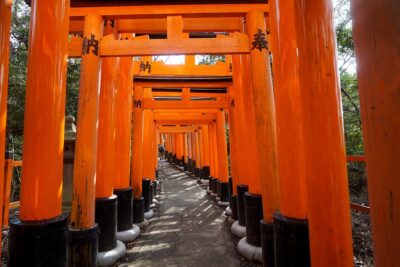
Fushimi Inari is the famous red torii gate experience. When you arrive early, you can still see the repeating lines of gates without fighting for space. Kiyomizu-dera works the same way. That hillside setting creates viewpoints, and early timing makes it easier to pause, look around, and take in the views without constantly stepping aside.
And if you are the type who hates feeling rushed, the structure helps. You have set guided time at each main stop, plus a dedicated photo stop. That means you can focus on enjoying what you see, instead of sprinting between landmarks like you’re in a race.
More Temple & Shrine Tours in Kyoto
- Kyoto: Fushimi Inari, Kinkakuji, Bamboo Grove 1 Day Bus Tour
★ 4.8 · 4,316 reviews - Kyoto: Tea Ceremony Ju-An at Jotokuji Temple
★ 4.9 · 3,207 reviews - Fushimi Inari Hidden Hiking Tour (Private Option Available)
★ 5.0 · 1,750 reviews
Fushimi Inari Taisha: torii gates, shrine etiquette, and a stair-friendly plan
Your tour begins at JR Inari Station, meeting your guide in front of the entrance at the time on your voucher. You’ll find a small mailbox and a public phone nearby, which makes the meeting point easier to spot.
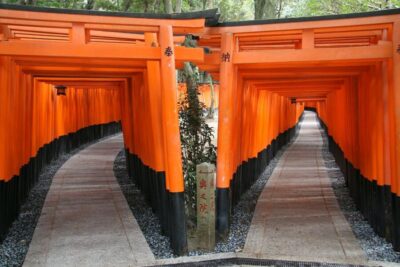
From there, you head to Fushimi Inari Taisha for about 50 minutes of guided time. This is the part that makes people picture Kyoto in their minds. The red torii gates don’t just look scenic. They also help you understand how the shrine functions as a layered place of worship. Your guide’s job here is to explain what you’re walking through, not just where to stand for a picture.
What I like about having a guide at Inari is that you learn how to read the site. Instead of treating it like a photo wall, you understand what the gates represent and why the shrine is so important. And because the pace includes time to stop, you’re less likely to rush past details.
One practical note: the route involves stairs and walking, and the total day is known for adding up to 10,000 or more steps. You do not need to be a marathoner, but you should treat this as active sightseeing. Comfortable shoes are not optional here.
If you care about photos, the early start helps most in the narrow gate corridors, where crowding can kill your angles fast. You’ll still have people around, but it’s easier to find your rhythm.
Kiyomizu-dera in the morning: the icon, the viewpoints, and the guide’s role
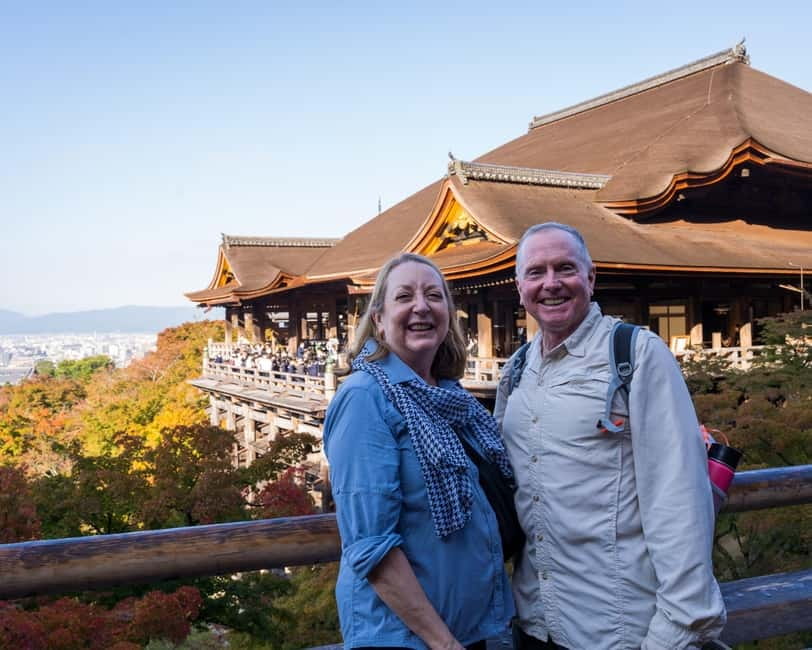
After Fushimi Inari, you move to Kiyomizu-dera, with taxi transport included between the two major areas. The tour gives you about 1 hour guided at Kiyomizu-dera, and this is where the temple becomes more than an Instagram landmark.
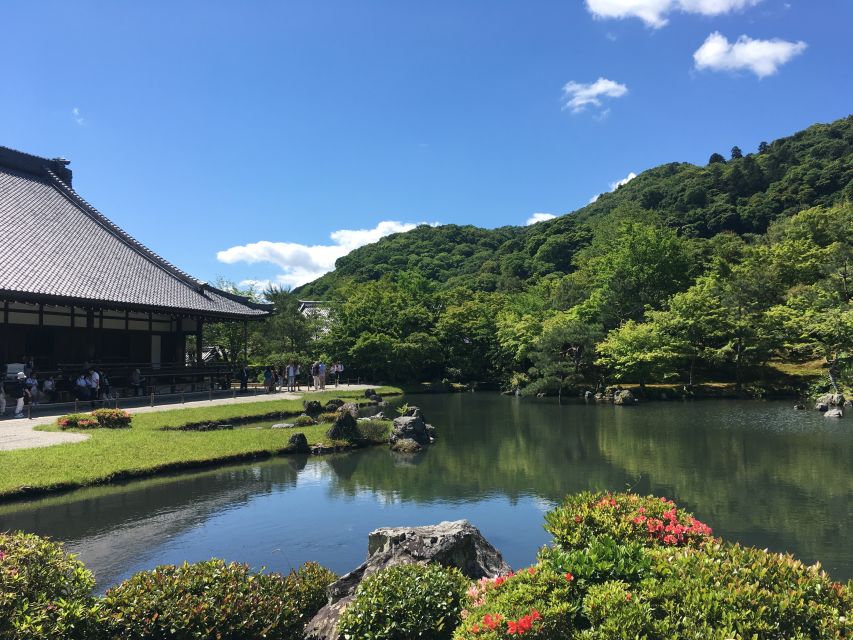
Kiyomizu-dera is famous for its iconic look and for the way it sits on the hillside. As you climb and approach, the views start to open up. On a calm morning, those viewpoints feel like a reward instead of a crowded bottleneck.
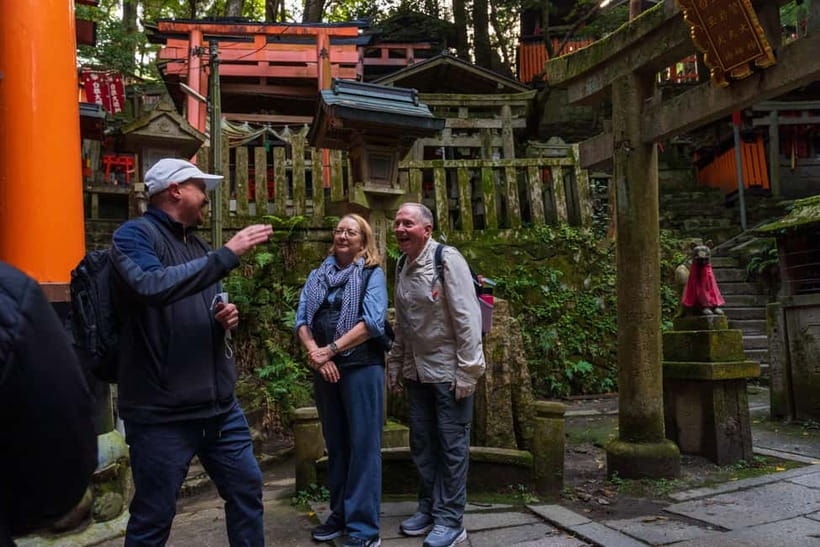
Your guide also plays a useful role here. The best tours are not just about facts, they help you understand what you are seeing while you are still there. This one focuses on cultural and religious significance, including what Buddhism means in the context of the site. That guidance changes how you look at the buildings and the approach path.
There’s also the practical side. People often expect a short temple stop and then get surprised by the walking. Here, the timing is clear, and you get a realistic window for taking in the main areas without feeling like you’re missing everything.
If you are hoping for shop time, go in with the right expectations. At very early hours, some areas may still be slow to open. That’s a tradeoff you can make if your goal is peaceful sightseeing over peak shopping.
Higashiyama, Sannenzaka, and Ninenzaka: preserved streets you can actually enjoy
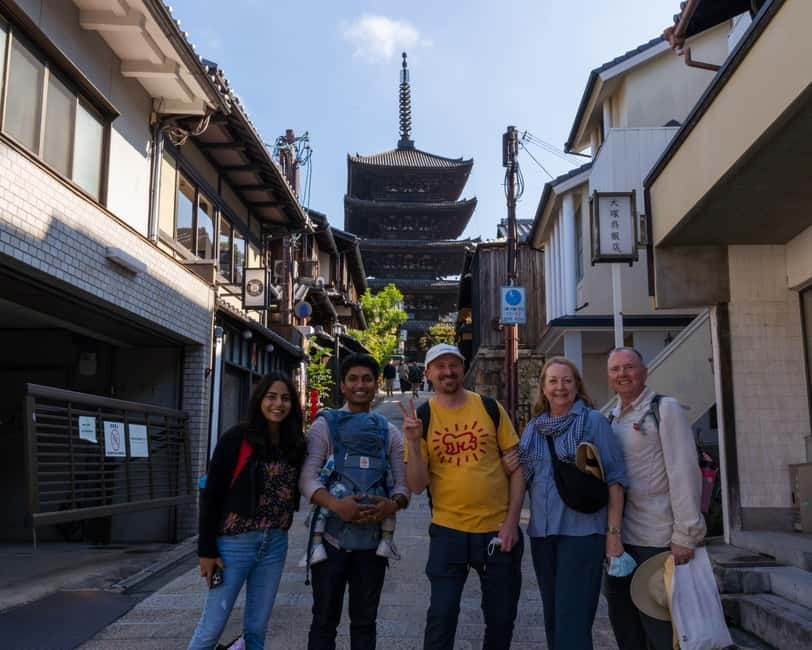
After the main temple time, the tour shifts into a more “walk and absorb” mode. You spend time around Higashiyama, including Sannenzaka and Ninenzaka, two preserved districts known for traditional streetscapes.
This is where Kyoto starts to feel like Kyoto, not like a checklist. Narrow lanes, old-style wooden houses, and small storefronts create the atmosphere people come for. Even the sensory details matter. You may notice coffee from nearby cafes as you wander, which is a nice reminder that you are not just walking past monuments, you’re moving through everyday neighborhood life.
One advantage of having a guide during this part is that you don’t have to guess what’s worth your attention. You can focus on the feel of the area, not just the next postcard view. And if you prefer photos, these lanes often give you better variety than the main entrances.
Because the tour is short overall at 3 hours, this portion keeps you moving, but not so fast that you lose the vibe. You get enough time to notice the street texture, and then you are off to the next phase.
More temple and shrine tours in Kyoto:
- Osaka/Kyoto:Kinkakuji,Arashiyama,FushimiInariShrine,NaraPark
★ 4.1 · 1,596 reviews - Kyoto/Osaka: Nara, Fushimi Inari Taisha, Arashiyama Bus Tour
★ 4.7 · 1,275 reviews - Arashiyama Bamboo, Temple, Monkeys, or Secret Sake Brewery
★ 4.8 · 886 reviews - Kyoto: Arashiyama Bamboo Forest, Monkeys, Matcha & Temple Tour
★ 5.0 · 759 reviews
The photo stop: how to get angles without fighting for space
The tour includes a 30-minute photo stop, which is more valuable than it sounds. When you visit Fushimi Inari and Kiyomizu-dera on your own, you often scramble for photos in between crowds. Here, the plan admits you will want time to shoot.
To make the photo stop work for you, think about what you actually want to capture:
- repeating lines and perspective, great for the torii-gate style shots
- temple approach angles, where stairs and architecture frame the view
- street views in Sannenzaka and Ninenzaka, where the narrow lane adds depth
Also, bring a plan for how you’ll handle your gear. If you have a tripod, be mindful of space and keep it compact. In tight areas, quick shots beat long setup sessions.
Early timing does the heavy lifting. You’ll still see people, but it’s easier to step aside, reset your framing, and wait for a clear moment.
Price and included transport, why $58 can be good value
The tour price is $58 per person for a 3-hour experience. That price might feel moderate compared with a do-it-yourself day, but the value is in what’s included.
You do not just pay for a guide. You also get:
- train fares and taxi fares
- entry fees
- a guided route that keeps you focused on the right stops
Kyoto travel is not only about walking. It’s also about transfers. Having the taxi between Fushimi Inari and Kiyomizu-dera handled is a practical win, especially if you want to spend your energy on sightseeing instead of map math.
You’re also spared the “wallet scramble” part. The tour specifically aims to keep the day stress-free around transport and paid entry points. You still need to pay for your own food and drinks, but the big costs tied to getting into the sites and moving between them are already covered.
Where the price is likely most appealing is for first-timers. If you are new to the city or simply want an efficient hit of Kyoto’s icons without planning every link, this format is a good fit.
Your guide experience, from Shanda’s calm photos to Diana’s clear explanations
The quality of guides is what makes a guided tour feel worth it, not just convenient.
Two guide names stand out from prior groups: Shanda and Diana. Shanda is praised for strong expertise and for giving people time to make photos without feeling rushed. Diana is described as fantastic, with lots of interesting information about Fushimi Inari and Kiyomizu-dera, and a clear, friendly teaching style.
What that signals for you is simple. You are not stuck with someone who just points and talks. The guide role here includes:
- explaining the tradition and history tied to each stop
- keeping the pace human, not robot-fast
- sharing guidance that helps you look at details you would otherwise miss
Then, near the end, you get your guide’s local tips for restaurants, cafes, and bars. That’s not just small talk. It’s the best kind of souvenir, because it helps you eat and drink in the neighborhoods you just walked through.
If you like practical guidance you can use right away, this tour gets extra points.
Practicalities that affect your comfort: meeting point, walking pace, and what to wear
This tour is compact, and that affects your body. You should expect:
- comfortable shoes
- comfortable clothes for active walking
- a lot of stairs and a big step count, often 10,000 plus steps
It is not listed as suitable for people with mobility impairments. Even if you can handle some walking, stairs and steady uphill sections are a big factor here.
Meeting is straightforward. Go to the entrance of JR Inari Station at the time on your voucher. You will see a small mailbox and a public phone close together. If you show up a few minutes early, you’ll have less stress scanning the area.
The tour also offers private or small groups, which usually means a more manageable pace. You get guided attention without the feeling of being shoved along like a single file line.
Language options are English and French, with a live guide on board.
Should you book Best of Kyoto: Red Gates of Fushimi Inari and Kiyomizu Temple?
Book it if:
- you want Kyoto’s top sights in one smooth morning or early-day plan
- you care about crowd levels and want early timing for better photos
- you prefer a guide to explain meaning, not just point at landmarks
- you like the idea of bundled logistics, with train and taxi fares and entry fees included
Skip it or choose a different option if:
- you dislike stairs and long walking totals
- you need an accessibility-friendly route
- you mainly want flexible time for shopping, since very early hours can mean slower shop openings
My quick take: if your goal is an efficient, guided first look at Fushimi Inari, Kiyomizu-dera, and the preserved lanes of Higashiyama, this is a strong value play. You’ll trade a bit of late-morning freedom for a calmer atmosphere and a guide who helps the sights make sense.
FAQ
How long is the tour?
It runs for 3 hours total.
Where do I meet the guide?
Meet your guide in front of the entrance to JR Inari Station at the time shown on your voucher. Look for a small mailbox and a public phone near each other.
What are the main stops?
The tour visits Fushimi Inari Taisha first, then Kiyomizu-dera, and includes time for a photo stop and ends at % ARABICA Kyoto Higashiyama.
Are entrance fees included?
Yes. Entry fees are included in the tour price.
Is food included?
No. Food and drinks are not included.
Is transportation included between Fushimi Inari and Kiyomizu-dera?
Yes. Train fares and taxi fares are included, including transport from Fushimi Inari to Kiyomizu-dera.
What language is the tour guide?
The live guide is available in English and French.
Is the tour mostly walking?
Yes. The tour includes many stairs and typically involves 10,000 or more steps.
Is the tour suitable for mobility impairments?
No. It is listed as not suitable for people with mobility impairments.
Fresh options around Kyoto
- Kyoto Gion Photoshoot – Private Session | Pro Photographer★ 5.0 · 12 reviews
- Kyoto Aquarium Admission Ticket★ 4.7 · 12 reviews
- Gyoza Cooking Class in Kyoto: Traditional Japanese Dumplings★ 5.0 · 12 reviews
- Kyoto: Guided Food Tour with 12 Dishes & 3 Drinks★ 5.0 · 12 reviews
- Kyoto: Avoid the Crowds at the Hidden Gems of Arashiyama★ 4.9 · 13 reviews
- Kyoto Early Bird English Tour: Gion & Higashiyama(Private opt)★ 5.0 · 13 reviews
- Otsu-e Folk Art Workshop & Local Culture Walk Near Kyoto★ 5.0 · 13 reviews
- Kyoto, Osaka, Nara Full Day tour by Car English speaking Driver★ 3.5 · 13 reviews
Temple & Shrine Tours in Kyoto, compared.
Fushimi Inari, Kinkakuji, Bamboo Grove 1 Day Bus Tour
Read our review →
Fushimi Inari Hidden Hiking Tour (Private Option Available)
Read our review →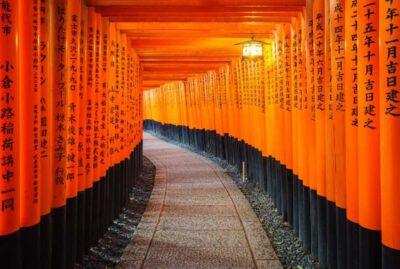
Osaka/Kyoto:Kinkakuji,Arashiyama,FushimiInariShrine,NaraPark
Read our review →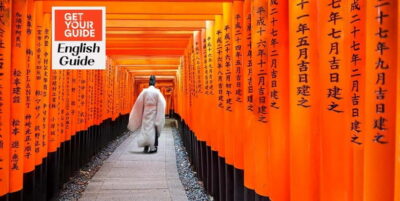
Kyoto/Osaka: Nara, Fushimi Inari Taisha, Arashiyama Bus Tour
Read our review →
Arashiyama Bamboo, Temple, Monkeys, or Secret Sake Brewery
Read our review →
Arashiyama Bamboo Forest, Monkeys, Matcha & Temple Tour
Read our review →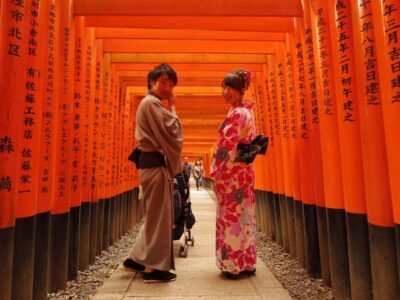
Osaka/Kyoto: Arashiyama, Nara & Fushimi Inari Shrine w/Lunch
Read our review →Browse the lists this tour appears in