
Reviewed · RAMEN TOURS IN TOKYO
Made from flour in 30min! Ramen-noodle Making Experience!
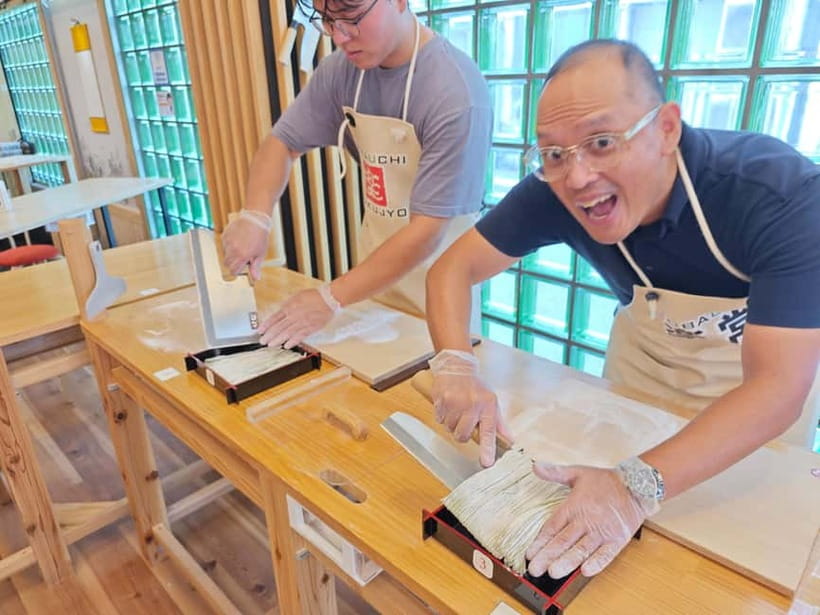
Hand-cut ramen in under an hour sounds hard. At SOBAGIRI-RAKUJYO in Asakusa, you make ramen noodles from scratch in a bright open-kitchen studio and then enjoy them as part of your meal.
I really like how everything is timed so you do not lose a sightseeing chunk of your day, plus the experience has a clean, organized feel (not a messy backroom). One thing to consider: the class has strict limits if you have buckwheat allergy or gluten intolerance, and kids need the ability to knead and handle the heavy knife safely.
Key Things That Make This Ramen Class Worth Your Time
- 30-minute noodle making that stays focused, so you can fit it around shopping in Kappabashi
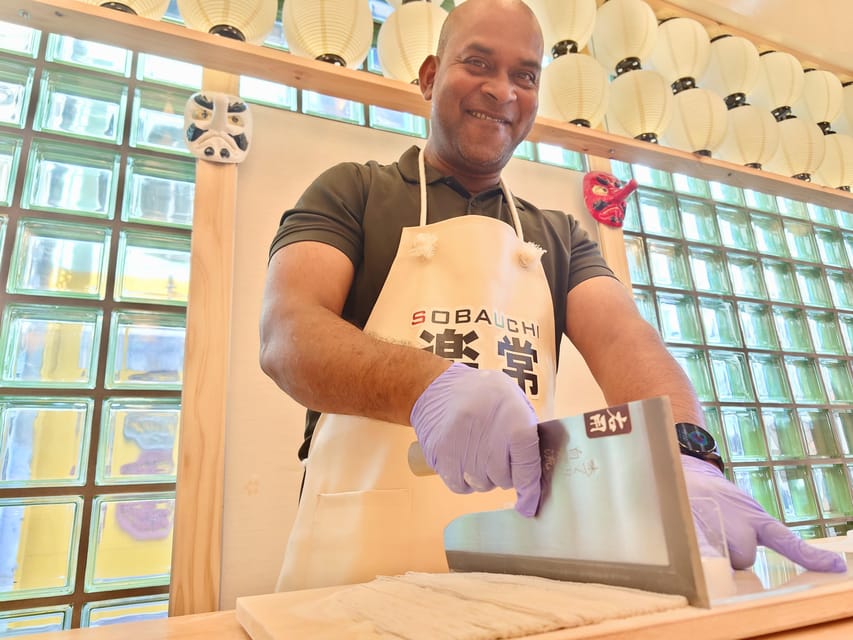
- Manual cutting with a large noodle knife, taught one-by-one with clear safety guidance
- Several ramen styles, including vegan options, so you are not stuck with only one broth
- Free drink plus free snacks, which makes the included meal feel like more than a small tasting
- A bright, stylish first-floor studio, with room for up to 30 at once and a photo-friendly setup
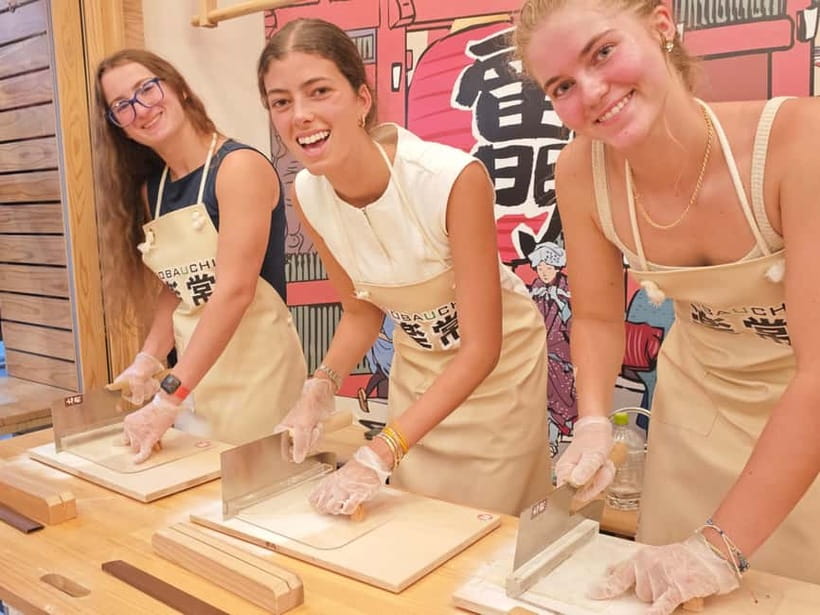
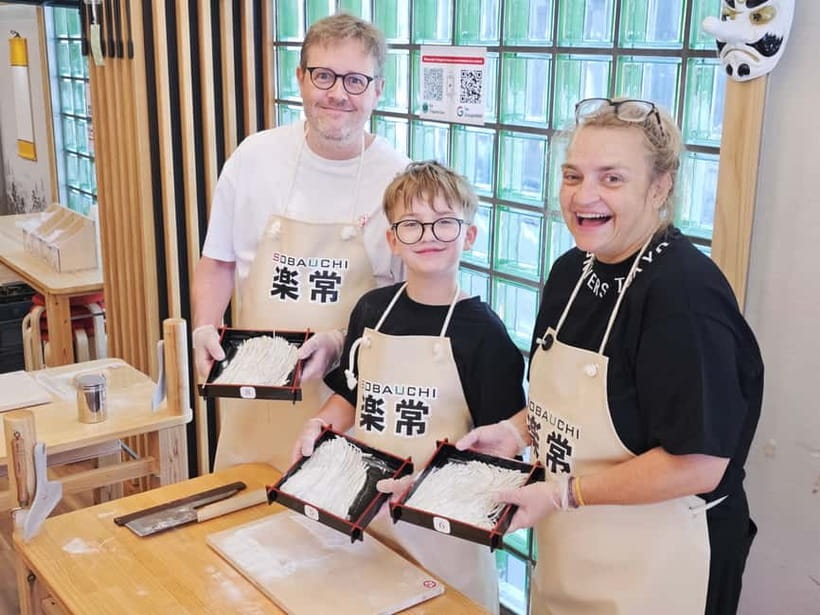
- Small group size (limited to 6 participants), so you are not standing around waiting
Entering SOBAGIRI-RAKUJYO in Asakusa’s Kitchenware District
SOBAGIRI-RAKUJYO sits in Honshu, in Asakusa along Kappabashi Kitchenware Street, right in the area where you can browse food samples and kitchen tools between landmarks. The meeting point is diagonally across from a food sample specialty store with a large beetle objet d’art, which is a pretty easy visual anchor when you are walking the street.
What I like about the location is that it matches how I actually travel. You can do a short, high-impact activity, eat well, then continue wandering Kappabashi Dogugai without feeling like you scheduled your day around one long lesson. And the experience itself is designed for that rhythm, with a total duration of 50 minutes.
Inside, the space is described as bright, clean, and stylish, not like a dim workshop. The studio is also open-kitchen style on the first floor, which helps the whole thing feel more like a live class and less like you are peeking through a doorway.
More Ramen Tours in Tokyo
- Eat and Drink Like a Local: Tokyo Ueno Food Tour-Taverns&Ramen
★ 5.0 · 957 reviews - Ramen & Gyoza Cooking Class in Tokyo with Local Supermarket Visit
★ 5.0 · 823 reviews - Tokyo: Ramen Tasting Tour with 6 Mini Bowls of Ramen
★ 4.9 · 432 reviews
The 50-Minute Flow, From Reception to Your Finished Bowl
This is not a half-day cooking adventure. It is a tight, teach-and-eat format that keeps the energy moving.
Here is the flow you should expect:
- Reception about 10 minutes before your start time
- Ramen noodle making for about 30 minutes
- Staff cook your noodles
- Meal free time where you eat your ramen and can choose a drink
They have an English audio guide included, which is helpful if you want extra support while the instructor demonstrates. And the session is built around learning a specific core skill: cutting noodles manually, safely, and consistently.
One practical note: it is not possible to enter just to observe. So if you are tempted to duck in for a look, plan on ordering and eating instead. Also, you will want to arrive 10 minutes before your reserved time, because the workshop runs like a class, not a drop-in demo.
Learning to Make Ramen Noodles by Hand, No Pasta Machine Required
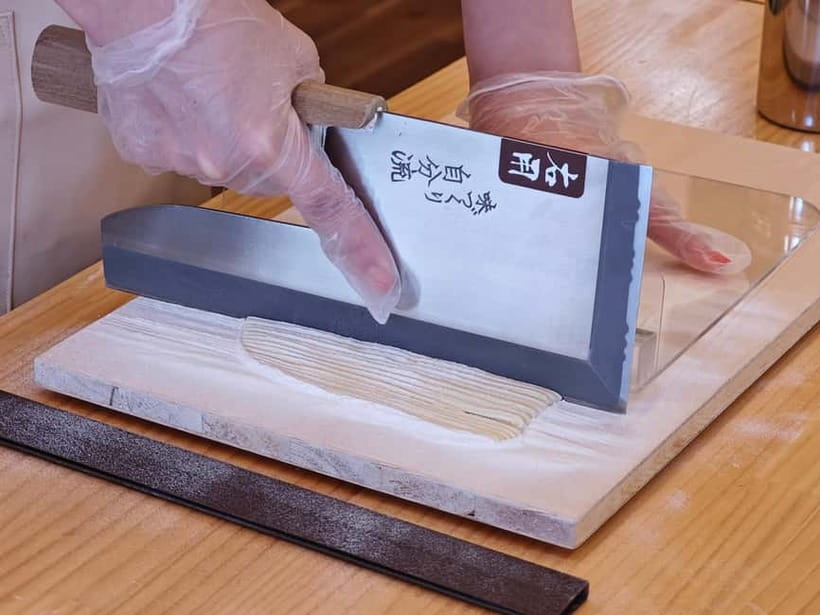
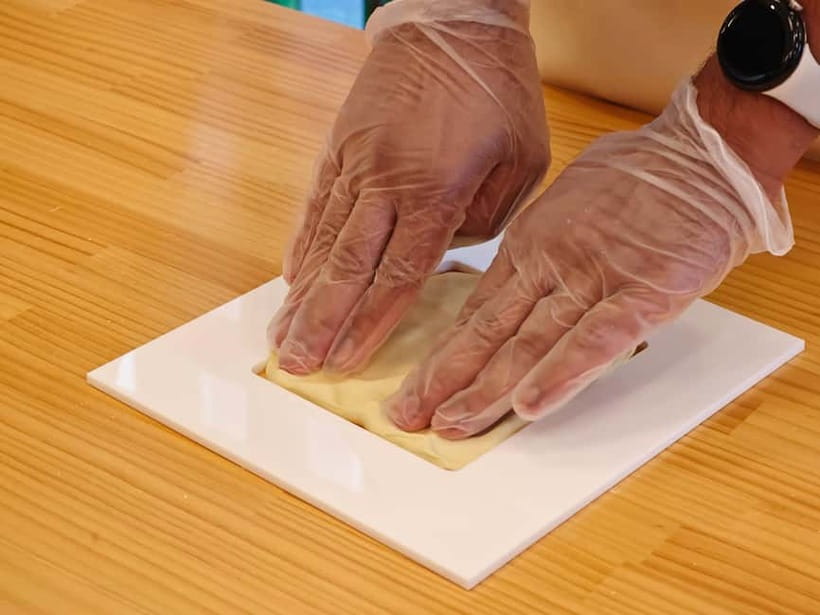
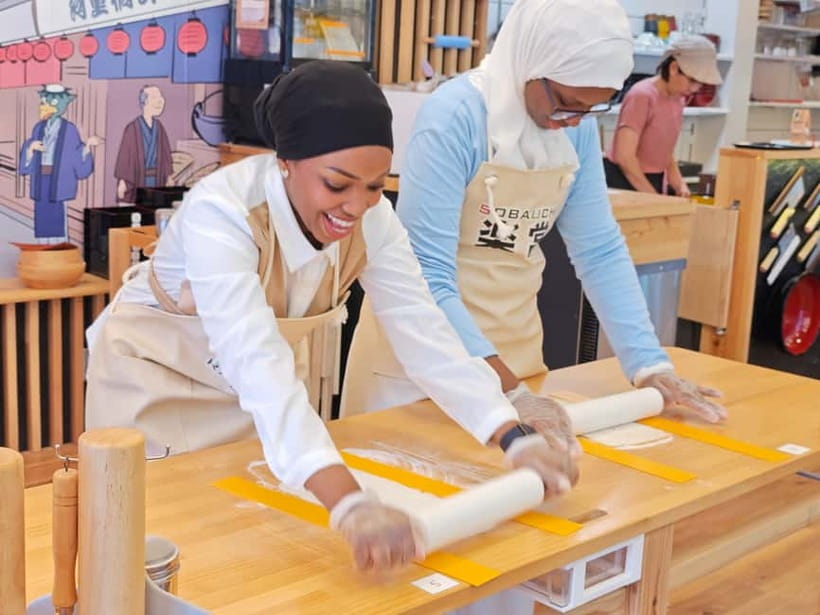
The headline here is the technique. You learn to mix and knead flour with water, stretch the dough flat, and cut it into thin strips using a large knife specially designed for noodle cutting. Even if you have seen noodle making with a machine before, this one focuses on the human hands version.
The class frames this cutting style as something handed down in Japan since the Edo period (1603 to 1868). That historical detail matters less for trivia lovers and more for what you get in practice: the cutting is treated as a craft skill, with careful attention to control and timing.
During the session, the instruction is described as gentle, careful, and slightly amusing. That tone matters because you are handling a heavy, sharp knife. They teach fine cutting technique and safety, and the goal is that you finish with noodles that staff can use for your bowl without everything falling apart.
They also claim a new method that compresses a traditionally complex workflow into just 30 minutes, including mixing, kneading, stretching, and cutting. I cannot verify the science of the method from the outside, but the value of it is obvious: the workshop stays short enough that kids usually do not get bored, and you can fit it between shopping stops.
The “Oh, That’s My Bowl” Moment When Staff Cooks
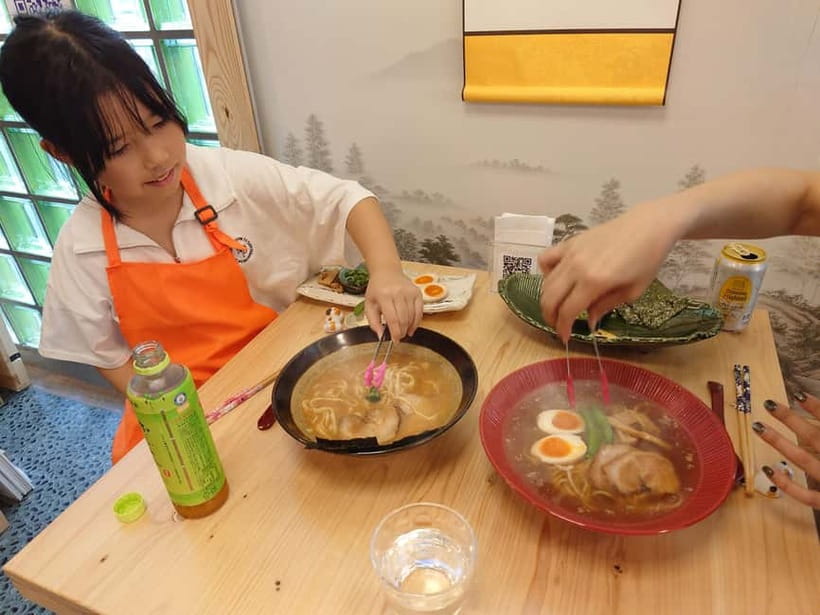
Here is the part you will feel in your stomach, not just your hands. After you make the noodles, staff cooks them and then you eat them in your chosen ramen style.
The menu options listed include:
- Soy sauce ramen
- Miso ramen
- Shio ramen
- Vegan ramen
- Vegan soup curry ramen
Your noodles are prepared into a fresh bowl by the staff, and the whole setup is designed so you get your own noodles. That personal connection is a big part of why the experience lands well: you are not just watching noodles being served, you are tasting the result of your cut.
One small detail I found especially travel-friendly: staff take professional style photos during the workshop so your phone does not end up covered in flour. These are shared by QR code, and one review specifically notes some ingenious edits. If you care about capturing the moment without turning the class into a cleaning project, that is a real perk.
A few more Tokyo days worth comparing
- Tokyo: Easy Ramen Cooking Experience in Kabukicho, Shinjuku
★ 4.6 · 321 reviews - Ramen and Sushi Cooking Class with Sake Pairing Set in Tokyo
★ 5.0 · 291 reviews - Professional Ramen & Gyoza with Ramen Chef in a restaurant!
★ 5.0 · 223 reviews - Shibuya: Ramen Dojo Tokyo | Make All 3 (Tonkotsu/Shoyu/Miso)
★ 5.0 · 214 reviews
Choosing Ramen Flavors: More Than Soy Sauce
It is easy to think ramen classes are all soy sauce, all the time. Here, they list several flavors, including vegan options. That matters for value and for group harmony. If you are traveling with someone who does not eat pork or prefers plant-based food, you should have choices without having to sit out.
From the information provided, the broth is treated as something with a trade secret recipe. But the experience still promises something you can copy at home, at least in a small way. You likely leave with an idea of what makes the flavor work, even if you do not get every formula.
If you are choosing your ramen style, think about what you want to remember. The noodles are the “lesson,” but the soup is what you taste immediately after. If you want the most classic baseline, soy sauce or miso makes sense. If you want a lighter option, shio or vegan styles can be a better match to your appetite after shopping.
Drinks, Snacks, and What’s Actually Included for $57
The price is $57 per person, and the key question is what you get for that money. You do not just pay for the cutting lesson. You also get to eat a ramen meal with your own noodles, plus a drink and snacks.
Included with the experience:
- Ramen noodle making
- Dining on ramen cut by yourself
- One free drink
- All-you-can-eat Japanese snacks
The free drink options listed include beer, highball, lemon sour, juice, and non-alcoholic beer. Refills are not included, so if you plan to turn one drink into a long meal, you may pay extra.
The snacks are described as all-you-can-eat from proud Japanese manufacturers. Even if you do not go wild, that matters because it helps the meal feel complete and satisfying, especially if you are hungry after walking Asakusa and Kappabashi.
Value-wise, I see this as a good deal for two reasons. First, you are paying for a guided skill practice with equipment and instruction, not just eating ramen somewhere. Second, the short 50-minute format makes it easier to justify because it does not eat your entire day.
Group Size Rules and Table Reality (So You Can Plan Your Party)
This is a small group workshop limited to 6 participants. That is one reason people feel they get direction. It also affects how your group should book. A rule also notes that three participants per table will not be allowed, which can matter if you show up with a larger friend group and expect everyone to sit together at the same table.
The studio can accommodate up to 30 people at once overall, so multiple sessions may be happening. Still, your class group stays small, which keeps the practical instruction possible.
Kids are welcome, but there are specific constraints. Kids under 2 years are not suitable, and children under 3 years and babies under 1 year are also listed as not suitable. For older children who attend, solo participation requires the ability to knead and to use a large, heavy knife by themselves. If that is not realistic, they will pair the child with a parent so the child can participate safely, and one adult must accompany each child.
Parents are responsible for their children during the experience. This is one of those activities where responsibility is not optional, because the main action involves a heavy knife.
Food, Allergies, and Other Things That Affect Whether You Can Join
Check this carefully before you commit.
Not allowed:
- Buckwheat allergy
- Gluten intolerance is listed as not suitable
Also not suitable:
- People with a cold
- Babies and very young children based on the age ranges listed above
Injuries are listed as the responsibility of the participant, and rules mention parents are responsible for children. That combination is common for hands-on knife work, but it is still worth taking seriously. If someone in your group has a health issue, it is smart to decide early rather than banking on “maybe it will be fine.”
If you are traveling with dietary needs, this class can still work well because you can select vegan ramen styles. But if your issue is gluten or buckwheat specifically, the restrictions are firm, so you will need an alternative plan.
Making It Fit Your Day: Best Timing for Asakusa and Kappabashi
Because the noodle making portion is about 30 minutes and the whole experience is 50 minutes, you can treat this like a snack-sized activity that turns into a full meal. The experience is also described as having excellent time performance so it does not interrupt sightseeing, and you can stop by during Kappabashi shopping.
There is also a location reference point: it is about 25 minutes from Sensoji Temple. That is not walk time you must follow, but it helps you understand the geography. If you plan your day around Sensoji and nearby streets, you can slot this class in without making the itinerary feel forced.
My suggestion is to reserve a time that matches your appetite. If you go too late, you might be stuffed by the snacks and end up not enjoying your bowl. If you go too early, you might feel hungry before the noodles are even done. With the short format, you do not have many chances to adjust once the schedule starts.
Should You Book SOBAGIRI-RAKUJYO?
If you like hands-on skills and want a ramen meal that is connected to what you actually did, I would book this. The combination of manual noodle cutting, staff-finished bowls, and included food and drink makes it feel like more than a “watch and eat” experience.
You should seriously consider skipping if:
- you have buckwheat allergy or gluten intolerance
- your group includes people with a cold, or very young kids who do not meet the ability requirements
- you were hoping to observe only without ordering
For the rest of you, it is a strong value use of time in Asakusa. The class stays short, the studio looks clean and photogenic, and the end result is a bowl you can actually taste with your own noodle cuts.
If your travel day includes Kappabashi shopping, this is a good way to turn that wandering time into something memorable that still respects your schedule.
FAQ
How long is the ramen-noodle making experience?
The total duration is 50 minutes, with reception about 10 minutes prior to the event, roughly 30 minutes for noodle making, then cooking by staff and free time to eat.
Where is the meeting point in Asakusa?
Meet diagonally across from a food sample specialty store with a large beetle objet d’art on Kappabashi Kitchenware Street.
What is included in the price?
Included are the ramen making experience, dining on ramen cut by yourself, one free drink, and all-you-can-eat Japanese snacks.
What drink is included?
One free drink is included, with options listed such as beer, highball, lemon sour, juice, and non-alcoholic beer.
Are drink refills included?
No. The information provided says there is a refill charge for drinks.
Can I request different ramen styles like miso or vegan?
Yes. The experience lists options such as miso ramen, soy sauce ramen, shio ramen, vegan ramen, and vegan soup curry ramen.
What languages are used during the class?
The instructor speaks Japanese and English, and an English audio guide is included.
Is this activity suitable for wheelchair users?
Yes. The experience is wheelchair accessible.
Are there any allergy or dietary restrictions?
Buckwheat allergies are not allowed. Gluten intolerance is listed as not suitable.
Are there age limits or rules for kids?
Children under 2 years, children under 3 years, and babies under 1 year are listed as not suitable. Kids solo experience requires the ability to knead and use a large, heavy knife; otherwise a parent pairs with them, and one adult must accompany each child.
Fresh options around Tokyo
- Tokyo: Nagano Snow Monkeys and Zenkoji Tour with Temples★ 4.9 · 19 reviews
- Yokohama Port: Private Customizable Tour with Transfer★ 5.0 · 19 reviews
- Explore Unique Tokyo Streets / Learn with a Pro Photographer★ 5.0 · 19 reviews
- Sushi Making with Interactive Samurai Experience at JIN-ASAKUSA★ 5.0 · 19 reviews
- DAIKOKU excursion by car DRIFT automobile encounter★ 4.5 · 19 reviews
- Official Street Go Kart Tour Akihabara 2nd★ 5.0 · 19 reviews
- Cosplay Experience with Professional Makeup and Photo Shoot!★ 5.0 · 19 reviews
- Japanese Traditional Sweets making★ 4.1 · 19 reviews
Ramen Tours in Tokyo, compared.
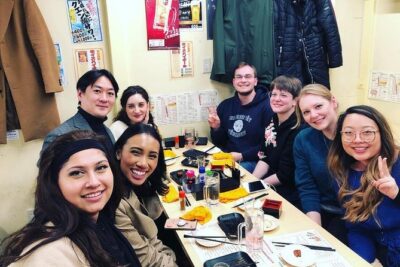
Eat and Drink Like a Local: Tokyo Ueno Food Tour-Taverns&Ramen
Read our review →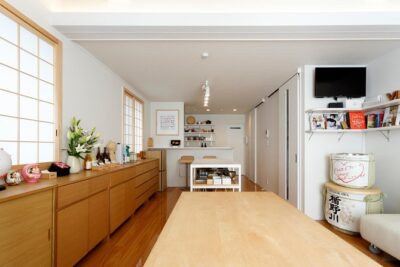
Ramen & Gyoza Cooking Class in Tokyo with Local Supermarket Visit
Read our review →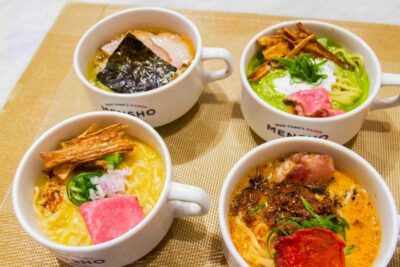
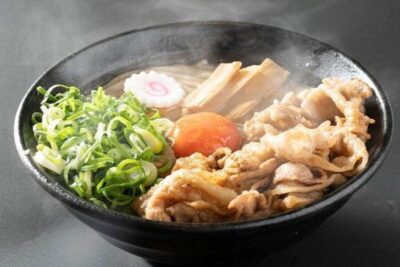
Easy Ramen Cooking Experience in Kabukicho, Shinjuku
Read our review →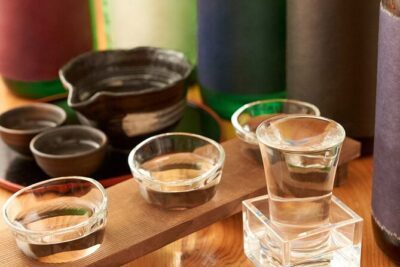
Ramen and Sushi Cooking Class with Sake Pairing Set in Tokyo
Read our review →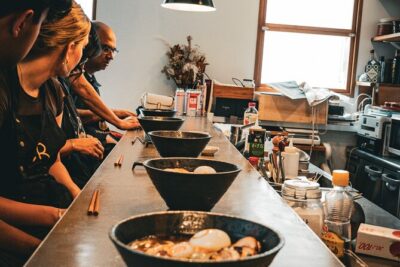
Professional Ramen & Gyoza with Ramen Chef in a restaurant!
Read our review →
Shibuya: Ramen Dojo Tokyo | Make All 3 (Tonkotsu/Shoyu/Miso)
Read our review →Shibuya: Ramen Dojo Tokyo | Make All 3 (Tonkotsu/Shoyu/Miso)
Read our review →Browse the lists this tour appears in