Reviewed · TOKYO TOURS
Best Price Daikoku Parking Tokyo Drift & APIT Car Meet Tour
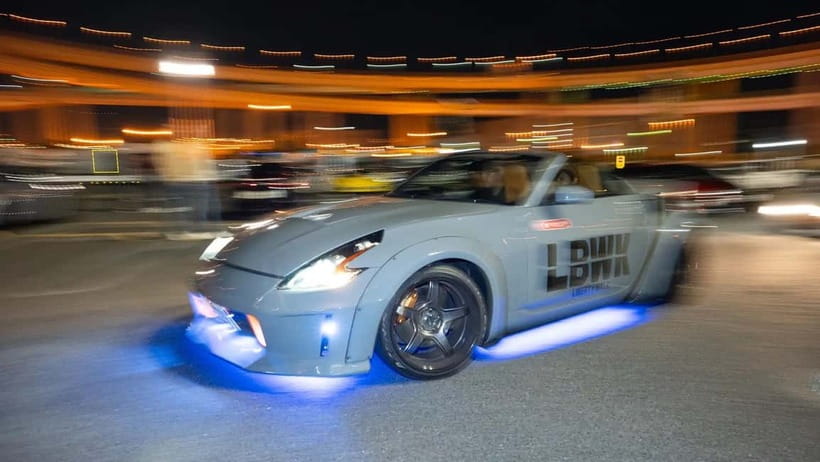
Daikoku Parking can feel like Tokyo Drift, without the movie magic. This private tour gives you a local, behind-the-scenes look at the JDM and drifting scene, with pickup and dropoff in a modified Lexus LS or a Honda wagon. I like how the plan is simple, APIT first, then about one hour at Daikoku parking, where you’ll see cars that look like they belong in a late-night meet video.
What I like most are two things. First, you’re guided by English-speaking local insiders from the Daikoku car meet and drifting/tuning community, including guides like Toshi and Takeshi, who are known for being sociable and punctual. Second, the flow is practical for your time, because you start at APIT, then get focused time at Daikoku instead of rushing everywhere.
One consideration is weather. The tour can be canceled in heavy rain or snow, so if you’re traveling at the peak of unpredictable weather, keep a flexible mindset.
Key highlights you’ll actually care about
- Local Daikoku and drift community perspective with an English-speaking guide
- APIT stop for parts, apparel, books, toys, gadgets, and car culture browsing
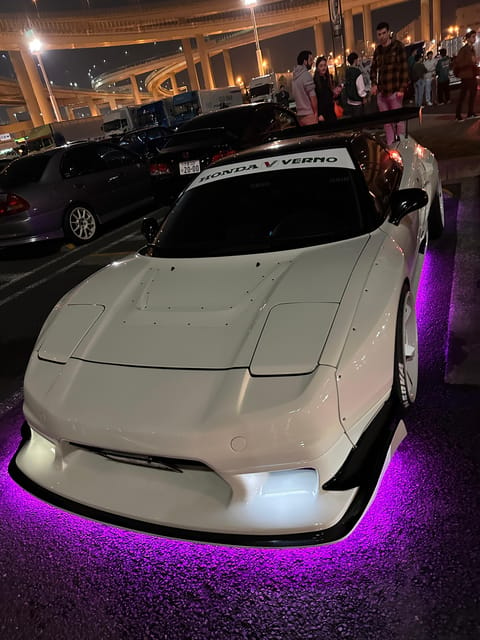
- About one hour at Daikoku Parking to see a wide range of street cars
- Rainbow Bridge and Tokyo Tower views on the return drive
- Pickup and dropoff included in a modified Lexus LS or Honda wagon
- Private tour flexibility, you can tailor what happens after booking
Tokyo Drift vibes, picked up in a Lexus or Honda wagon
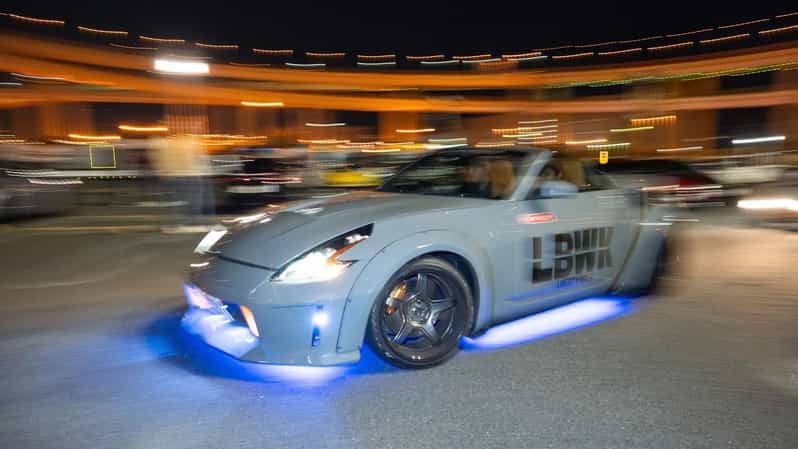
The best part of this tour is that it doesn’t feel like a “look and leave” sightseeing loop. You start with pickup, and your guide is part of the Daikoku and JDM drifting world, not a detached interpreter who only knows the basics. That local angle changes everything, because you’ll understand what you’re seeing and why it matters.
Pickup is handled in a modified Lexus LS or a similar vehicle, and if the group size is larger, you’ll likely ride in a Honda wagon. You can also request a pickup in your preferred location, which is handy if you’re staying somewhere outside the most common tourist pickup points. When a tour handles the timing and the route, you spend less time figuring out transit and more time watching what you came for.
My advice: go in with zero pressure. Daikoku is relaxed, so you don’t need to act like you’re in a test. You’ll be around gearheads and casual observers, and the guide’s presence helps you read the scene without feeling lost.
A few more Tokyo days worth comparing
- Mt Fuji and Hakone 1-Day Bus Tour Return by Bullet Train
★ 5.0 · 26,383 reviews - 1-Day Tokyo Bus Tour
★ 5.0 · 14,250 reviews - Tokyo: TOKYO SKYTREE® Admission ticket
★ 4.5 · 11,192 reviews
APIT Auto Store stop, your JDM shopping warm-up
Before you hit Daikoku, you head to APIT, described as the biggest auto store in the Tokyo area. Think of it as a JDM culture starting line, not just a place to buy something. You can browse car parts, apparel, books, toys, and gadgets, and it’s also possible to spot interesting cars parked there as you arrive.
This stop is valuable for two reasons. First, it helps you connect names you’ll hear at Daikoku to real products you can actually look at. Second, it gives you a “warm up” moment, so Daikoku doesn’t feel like a sudden overload of modified cars, widebody kits, and exhaust setups.
A small tip that helps: use this time to ask your guide what to look for at Daikoku. Guides like Takeshi are great at explaining the local car community from the inside, and APIT is a good place to calibrate your eye. If you like details, APIT is where you’ll see the stuff that makes the scene run.
One drawback here is time. You won’t get a full shopping day, so don’t plan to carry home multiple bulky items unless you already know what you want. Use APIT for browsing, learning, and maybe a small souvenir if you find something you truly want.
Daikoku Parking, the one-hour local car meet you can read
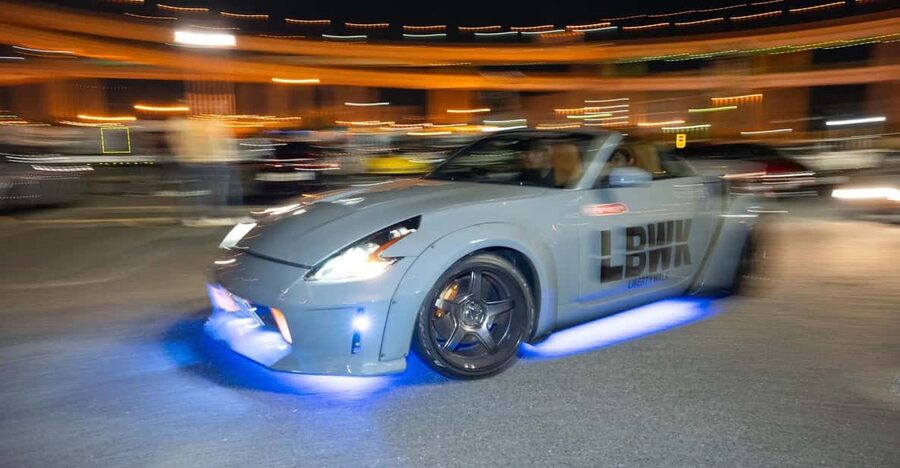
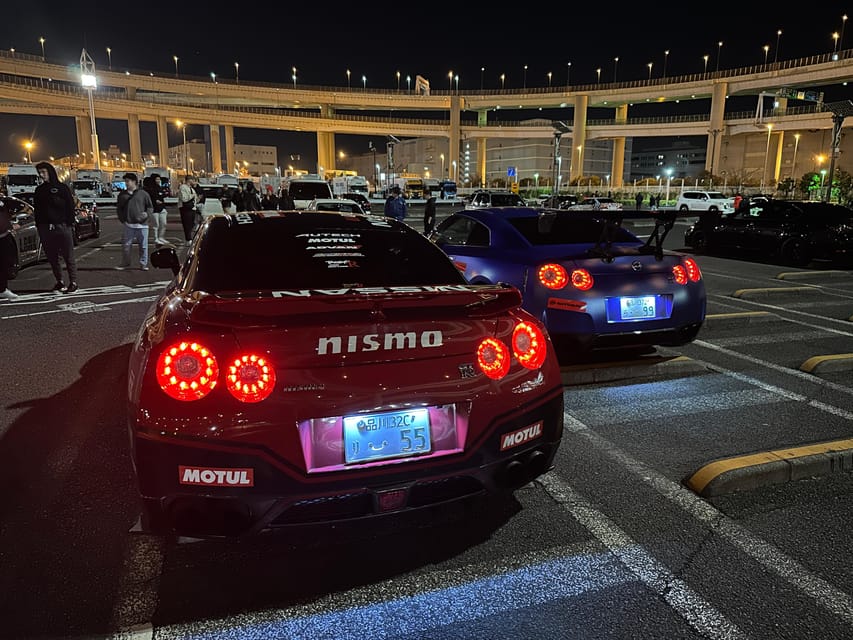
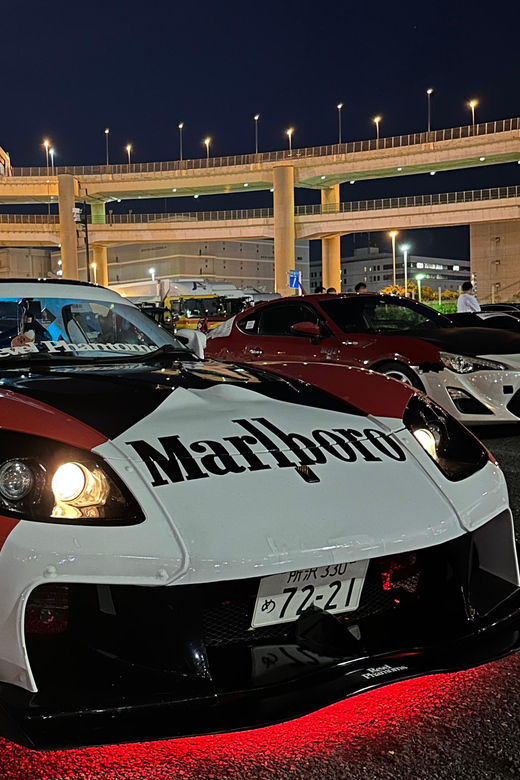
Then you arrive at Daikoku parking area, the centerpiece of the whole experience. This is where the tour earns its reputation. It’s often described as the mecca of JDM in the greater Tokyo area, and it has that laidback vibe where different types of car lovers fit in.
You spend about one hour at Daikoku, which is just enough time to see patterns. You’ll notice the range from highly tuned street builds to more casual everyday cars that still feel like they belong in the scene. It’s not an organized auto show with rigid schedules, so the guide’s local perspective helps you understand what’s happening and who these cars are built for.
Here’s what makes the guide time matter. When you’re at Daikoku alone, you can photograph and stare, but you miss the context. With a guide from the drift community, you’ll get a better sense of the culture behind the cars, from how people talk about setups to what the scene values. In the reviews, guides were praised for being very sociable and informative, and that matches what you want in the middle of a chaotic, photo-heavy location.
What to watch for during your hour:
- Look at details like wheels, bodywork, and exhaust style, not just the “wow” factor.
- Notice how different cars share common themes, even if their builds are unique.
- Chat if your guide encourages it, because the best stories often come from casual conversation.
If you’re worried you’ll only see a few cars, don’t. Daikoku is known for variety, and you’re there with local timing and knowledge. Still, keep your expectations real: Daikoku is street culture, so the exact lineup can vary day to day.
Passing Rainbow Bridge and Tokyo Tower on the way back
On the return drive, you get one of those small Tokyo moments that makes the whole experience feel special. You pass by Rainbow Bridge and Tokyo Tower on the way back, giving you classic skyline views from the comfort of your pickup vehicle.
This part matters more than it sounds. You’re leaving a car-focused environment and shifting into pure city scenery, and the transition keeps your brain from feeling overloaded. It’s also a nice reward for the time you spent looking closely at cars.
Practical note: skyline views are best if you’re paying attention to your side of the vehicle and your guide’s timing. If you care about photos, mention it to your guide early so you know where to look and when to lift your phone.
Same corner of Japan, a different kind of day:
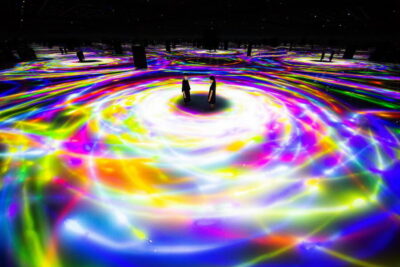
- Tokyo: teamLab Planets TOKYO Digital Art Museum Entry Ticket
★ 4.6 · 9,779 reviews - Mt Fuji & Hakone Cruise, Drum Show Bullet Train 1 Day from Tokyo
★ 4.0 · 7,413 reviews - Tokyo: Sumo Show Experience with Chicken Hot Pot and a Photo
★ 4.8 · 6,678 reviews - Tokyo: Shinjuku Food Tour (13 Dishes at 4 Local Eateries)
★ 5.0 · 6,603 reviews
Private and flexible, not just a fixed checklist
This is a private tour, guided by a local who’s fluent in English. That changes the tone. You can ask questions, slow down where you want, and keep moving where you need to. The tour is designed around seeing the JDM scene from a local perspective, and you’re not stuck with rigid museum-style pacing.
You can also tailor what you do after booking. That’s a real advantage if you want to connect this tour to another stop later in the day. For example, you might want a meal, a photo-friendly viewpoint, or additional car browsing. The idea is to make the day feel like your trip, not someone else’s script.
In the experiences shared, guides were described as helpful with service and planning, with one person highlighting how the guide offered food tips and even an onsen recommendation. Even if you don’t follow every suggestion, it shows the guide’s mindset: they care that you have a good day in Tokyo, not just a photo op.
Price and value: what $133 per person gets you
At $133 per person, the price makes sense when you compare what’s included. You’re not only paying for access to a famous place, you’re paying for local guidance, fluent English interpretation, and door-to-door style pickup and dropoff.
Here’s the value logic I’d use. Daikoku parking is a place you can theoretically reach on your own, but the big cost is time and confusion. Without a local guide, you spend time figuring out transit and then guessing what you’re seeing. This tour bundles transportation, context, and the best parts of the area into a single, timed block.
You also get the APIT stop, which adds cultural value. It’s not just “go to the meet.” You get parts and merchandise context, which makes Daikoku more meaningful when you arrive. A lot of car culture tours fail here by only showing you the final result, not the ecosystem that produces it.
One more value point: it can save you stress with timing. Pickup is arranged, the route includes the skyline drive, and the tour includes transportation fees. If you like neat planning with just enough flexibility to ask questions, this is the kind of structure that fits.
Who this tour is for, and who should skip it
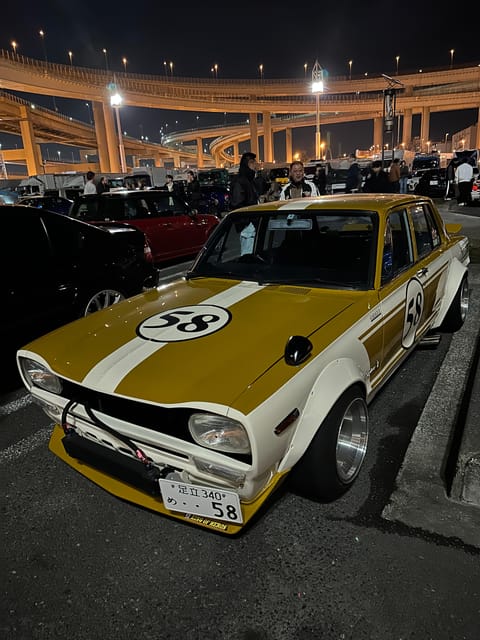
This tour is for you if you’re a car fan who wants local insight, not just a camera stop. It’s also a good fit if you like the idea of Tokyo Drift vibes but want something more real and grounded in the actual drift community. If you enjoy tuning culture, JDM details, or simply learning how people talk about cars here, the guide makes a big difference.
It’s less ideal if you’re not into cars or you’re expecting a formal, staged event. Daikoku is street culture, so it’s natural that it feels casual and improvised. The tour also depends on weather, so if your trip dates have heavy rain or snow likely, you should plan with flexibility.
If you’re traveling with someone who doesn’t care about car meets, I’d still consider it, but only if they enjoy city views and casual wandering. The Rainbow Bridge and Tokyo Tower drive helps, and APIT can interest people who like stores and gadgets. Still, the core is cars, so match the vibe to your group.
Tips to get the best experience without overthinking it
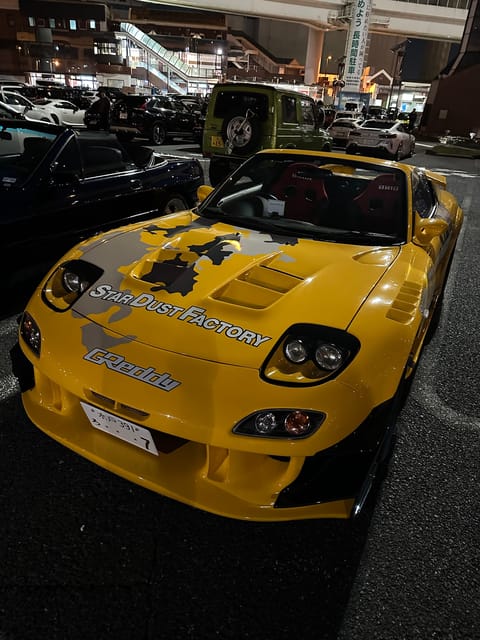
You’ll enjoy this tour more if you show up curious. Bring a charged phone or camera, but also be ready to talk. When your guide is part of the drift and tuning scene, your questions lead somewhere, and conversation is often where the real details come out.
A few practical tips:
- At APIT, ask what car parts or styles to notice at Daikoku.
- At Daikoku, focus on details like wheels and bodywork, not only wide shots.
- If you want photo moments, tell your guide early, so they can time the best angle when you move.
Also, keep an open mind about the pace. Even though Daikoku is the highlight, the APIT warm-up helps you see more clearly. If you rush through APIT, Daikoku can feel like random cars instead of a scene with meaning.
If you’re celebrating a car obsession, this tour rewards that attitude. In the experiences shared, people consistently praised the guides for friendliness, punctuality, and their ability to make the drive feel like a real local day.
Should you book Best Price Daikoku Parking Tokyo Drift and APIT Tour?
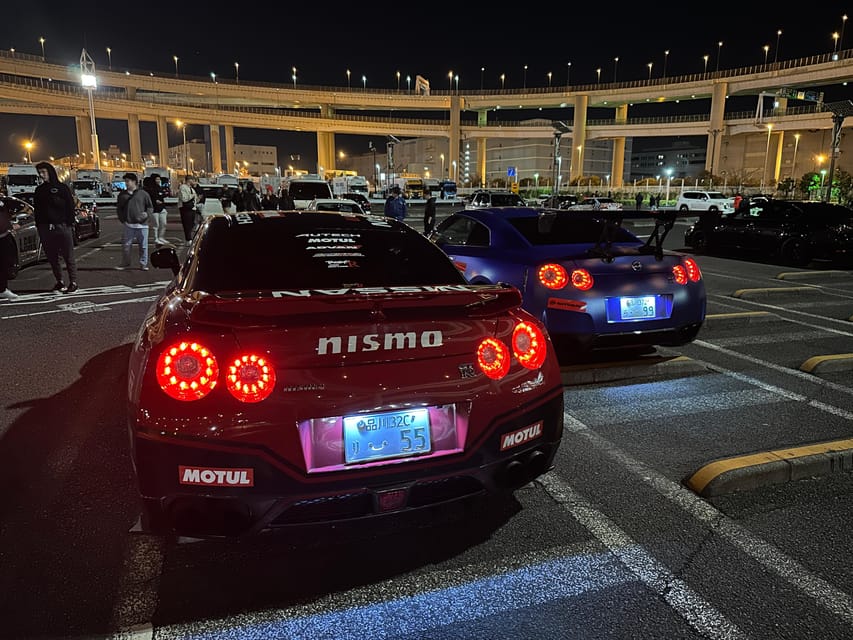
Book this tour if you want a true local JDM car scene experience with fluent English guidance, plus the practical convenience of pickup and dropoff. The combination of APIT for context, about an hour at Daikoku for real street-car variety, and skyline views on the return is a solid use of time for Tokyo.
I’d skip it only if you dislike car culture, want a highly structured event like a museum, or your schedule can’t handle a weather cancellation risk. If those don’t apply to you, this feels like one of the most direct ways to get that Tokyo Drift feeling, with the social and cultural context that makes it more than just photos.
FAQ
What is included in the tour?
The tour includes a local Japanese guide from the Daikoku car meet and local drift car scene, pickup and dropoff on a modified Lexus LS or Honda wagon, passing Rainbow Bridge on the way back, and transportation fees are included.
Where do you go during the tour?
You go to APIT first, then you visit Daikoku parking area for about one hour. On the return drive, you pass by Rainbow Bridge and Tokyo Tower.
How long do you spend at Daikoku parking?
You spend about one hour at Daikoku parking area.
Is the tour private?
Yes, it is a private tour with a fluent English-speaking local guide.
Can I choose where I get picked up?
Yes. They can come pick you up in your preferred pickup location.
What weather happens if it rains or snows?
The tour will be canceled if there is heavy rain or snow.
What languages are offered?
The tour is offered in English and Japanese.
Can I pay later and cancel if needed?
You can reserve and pay later. You can cancel up to 24 hours in advance for a full refund.
Fresh options around Tokyo
- Tsukiji Fish Market Private Food Tour in Tokyo★ 5.0 · 18 reviews
- Mt.Fuji Arakurayama Sengen Park,Oshino Hakkai,Kawaguchi Lake Tour★ 4.0 · 18 reviews
- Tokyo Private Tour by Car with English speaking driver★ 4.5 · 18 reviews
- Tokyo: Nikko Private Day Tour With Guide★ 4.9 · 18 reviews
- Japanese Katsu Curry Cooking Class–near YANAKA, Tokyo!★ 5.0 · 18 reviews
- Tokyo Anime Adventure: Studio Tour, Drawing Class & Museum Visit★ 4.5 · 18 reviews
- RED Digital Amusement Park in Tokyo Tower Entry Ticket★ 3.5 · 18 reviews
- Private Bar Hopping Tour in Shinjuku Golden Gai★ 5.0 · 18 reviews
Tokyo Tours, compared.
Mt Fuji and Hakone 1-Day Bus Tour Return by Bullet Train
Read our review →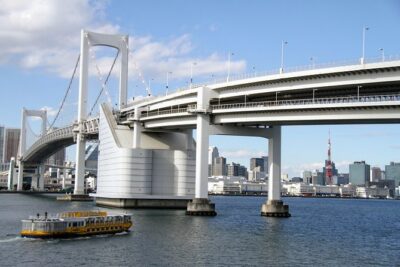
teamLab Planets TOKYO Digital Art Museum Entry Ticket
Read our review →
Mt Fuji & Hakone Cruise, Drum Show Bullet Train 1 Day from Tokyo
Read our review →
Sumo Show Experience with Chicken Hot Pot and a Photo
Read our review →
Shinjuku Food Tour (13 Dishes at 4 Local Eateries)
Read our review →