
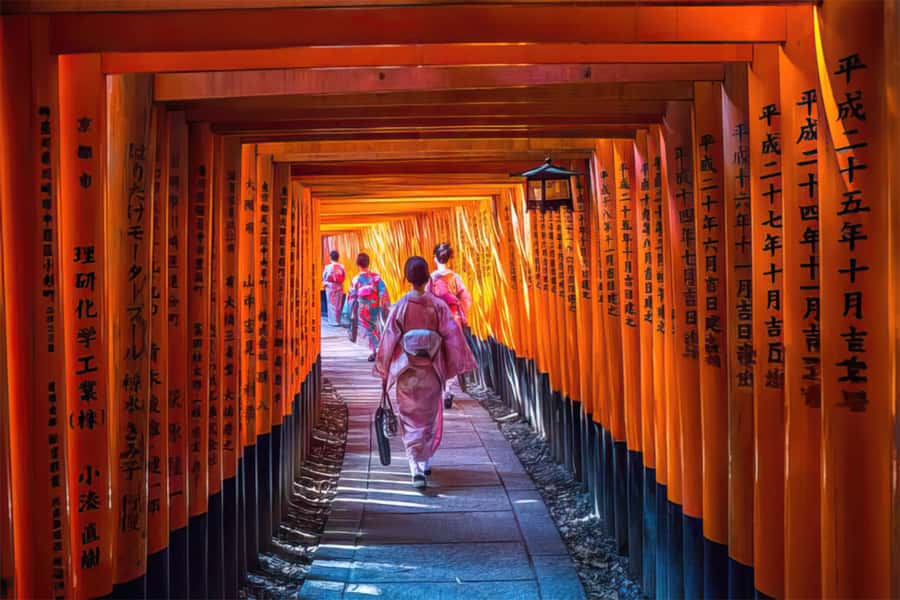
Reviewed · ARASHIYAMA & BAMBOO TOURS
Kyoto: Fushimi, Arashiyama – Bamboo, Monkey, Torii & Secrets
Kyoto feels like a living postcard here. You move from Fushimi Inari torii gates to Arashiyama’s bamboo and Zen calm, with stories and photo help along the way. It’s a single walking day that ties together Kyoto’s most famous icons and a few quieter side streets you would not naturally find.
I love that the tour gives you the big sights and also helps you experience them without feeling lost. Two standouts for me are the Arashiyama Bamboo Forest walk and the Zen garden time at Tenryuji, where slowing down actually feels built into the plan. I also like the monkey section, because the views from up the hill change how you see the city.
One thing to consider: there is a real climb to the Monkey Park, and it can be steep. If you want level ground, this route will test you, especially in hot weather.
Key highlights worth planning for
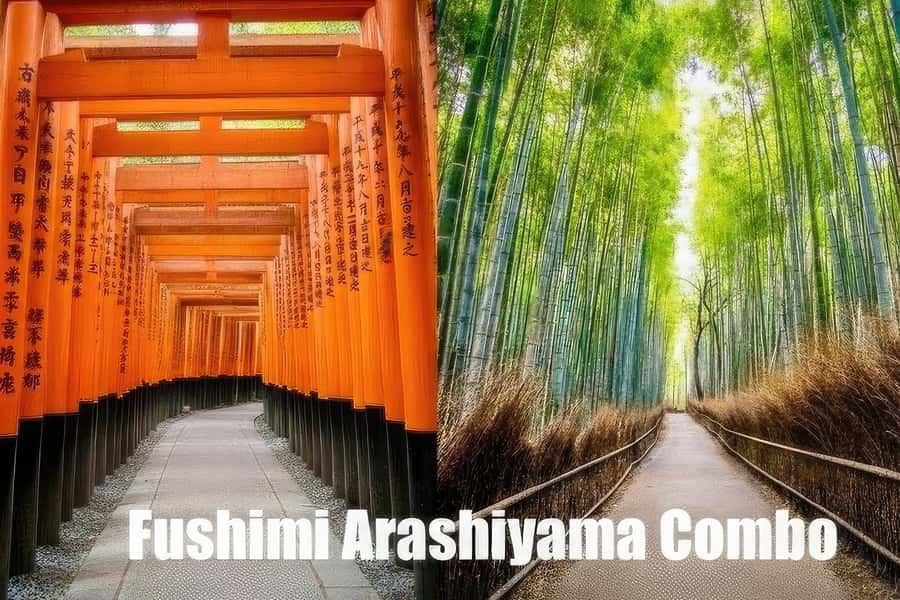
- Fushimi Inari’s torii-gate climb with time to follow the path and take it in
- Arashiyama Bamboo Forest for the towering stalk-and-rustle effect
- Tenryuji Zen garden entry included, UNESCO-designed calm in the middle of the day
- Monkey Park feeding and viewpoints from the hill above Kyoto
- Togetsukyo (Moon Crossing Bridge) for those classic river-and-bridge photo moments
- Small-group pace plus bilingual guide support, including photo help
Meeting at Inari Station and the Kyoto day gets moving
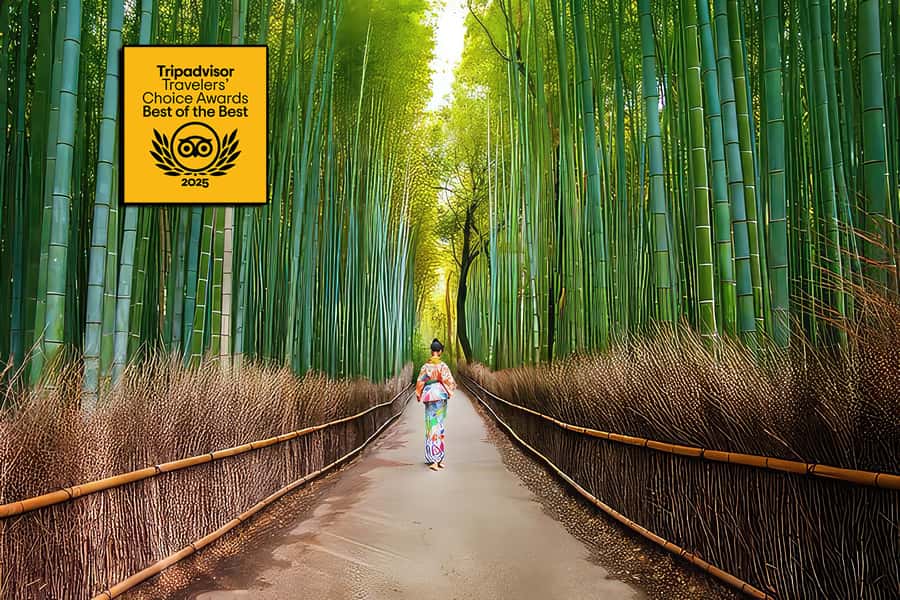
The day starts in front of the gates of Inari station. That matters more than you might think. Instead of figuring out train steps and station exits on your own, you start with a clear handoff and you can focus on the walk.
This is a walking tour, so comfortable shoes are not optional. You’ll be on your feet through shrine paths, temple grounds, river crossings, and a hillside climb. The good news is that the tour is built for an easy-to-follow rhythm, with a bilingual local guide steering you through the highlights and the smaller side lanes.
Also, don’t pack your life in tiny sandals. One of the most common “how was it” reactions is about the pace and the ability to keep moving without standing around forever. Guides who get praise here tend to manage timing, photo stops, and breaks, which makes a big difference when the day runs long.
Finally, plan to bring cash. The tour itself includes key entries and guidance, but food and drinks are not included, and you may want to pay along the route.
More Arashiyama tours:
- Kyoto: Fushimi Inari, Kinkakuji, Bamboo Grove 1 Day Bus Tour
★ 4.8 · 4,316 reviews - Osaka/Kyoto:Kinkakuji,Arashiyama,FushimiInariShrine,NaraPark
★ 4.1 · 1,596 reviews - Kyoto/Osaka: Nara, Fushimi Inari Taisha, Arashiyama Bus Tour
★ 4.7 · 1,275 reviews
Entering Fushimi Inari Taisha and following the torii path correctly
Fushimi Inari Taisha is one of those places where you can either rush it and feel lost, or slow down and start reading the place with your legs. This tour leans into the slow-down approach by giving you a structured walk up toward the gates.
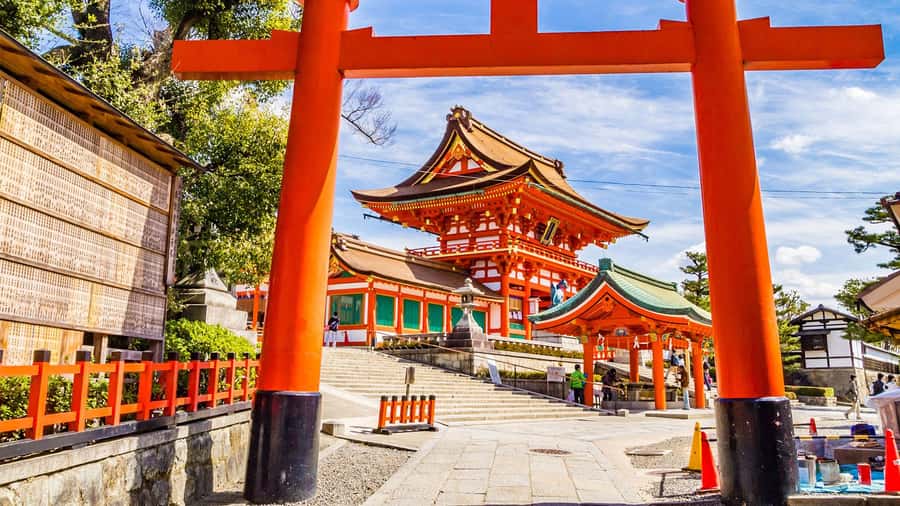
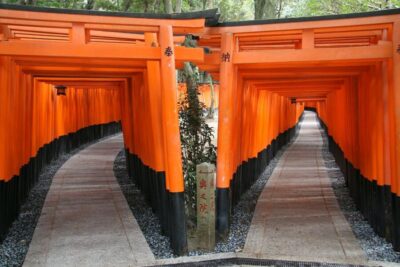
You’ll climb Mount Inari and see the red torii gates, with entry included. The draw is obvious, but the experience becomes more meaningful when you understand how the path works, why it winds, and what it means as you gain height. The gates do not just look pretty. They guide your movement, one turn at a time.
Here’s what I like about doing Fushimi Inari on a guided walking route: you do not feel like you are collecting photos. You feel like you are traveling through a living shrine landscape, one gate corridor at a time. And because the guide is sharing cultural stories and local legends, the place clicks into focus instead of remaining a red-gate blur.
Practical note: this part sets the tone for the rest of the day. If your ankles and knees are a bit cranky, start steady. Take breaks when offered. Kyoto walking is fun, but the best days manage effort early, not after you are already tired.
Arashiyama Bamboo Grove: more than a photo stop
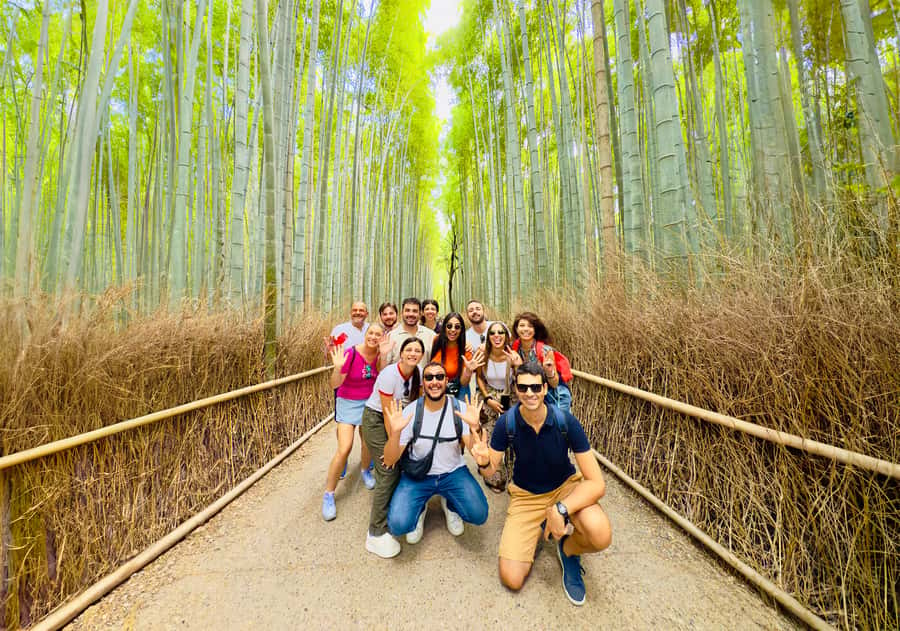
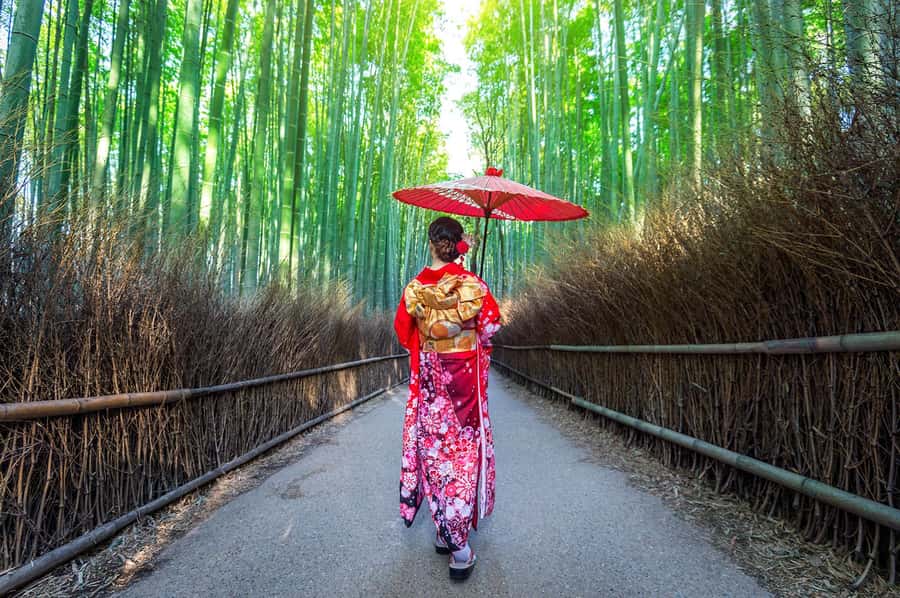
Arashiyama Bamboo Grove is famous for a reason, but fame can also flatten your expectations. This walk helps you get past the “seen it online” feeling because you are moving through the bamboo rather than just staring at it from one spot.
The tour includes a bamboo forest walk. Expect the classic feeling: tall stalks, a narrow visual corridor, and the soothing leaf rustle when the breeze hits. Even if you have seen bamboo pictures before, it lands differently when you are actually under the stalks.
What I love here is the way the day keeps going after bamboo. A lot of half-day plans turn bamboo into a quick stop and then bail. This one uses bamboo as a doorway into the quieter Kyoto parts that many people miss.
Also, the guide is the secret sauce for this section. You will likely be sent to photo points that feel natural and not staged, plus quiet alleys and back-lane streets along the way. That is where the bamboo experience becomes more personal, because you get moments that are calmer than the busiest areas.
Tenryuji’s Zen garden time, with calm that feels earned
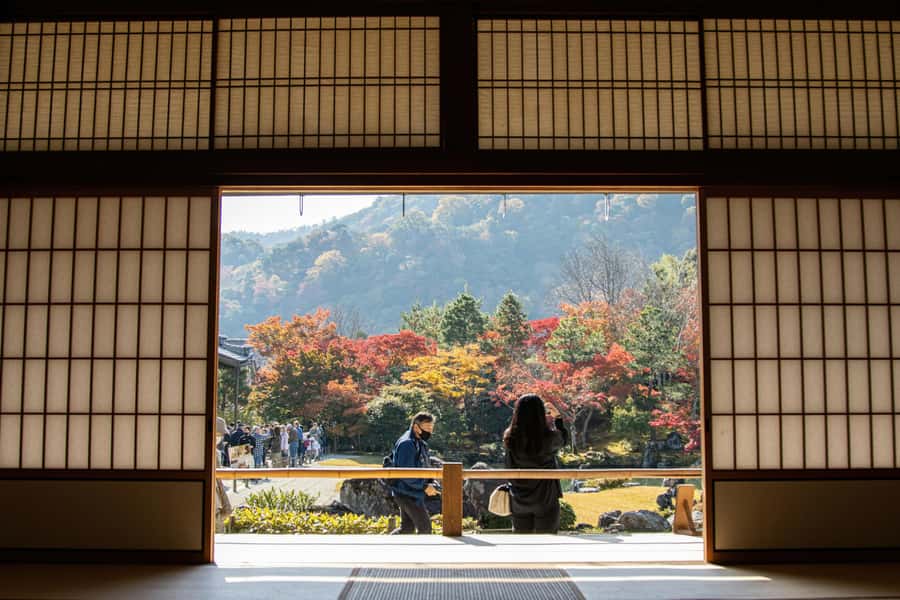
Tenryuji Temple garden is included, and it’s a UNESCO World Heritage Site. That is a big label, but what matters to you in real life is the way the garden changes the pace of your day.
After walking through shrine and bamboo, the Tenryuji garden is where you reset. Think quiet paths, careful space, and a Zen-style layout designed to slow your mind down. You do not need to be a garden expert to appreciate what it does to the atmosphere.
I also like that your guide helps connect what you are seeing with why it is arranged that way. That kind of context makes the garden more than a pretty backdrop. You start noticing sight lines and how the view is structured.
One honest drawback: if the day is hot or crowded, temple calm can still feel like “a lot of people in a limited space.” The tour’s small-group setup helps, and the guide’s ability to pace you matters. Still, treat Tenryuji like a popular UNESCO site, not an empty retreat.
A few more Kyoto days worth comparing
- PERFECT KYOTO 1-Day Bus Tour
★ 5.0 · 13,518 reviews - Kyoto: Tea Ceremony in a Traditional Tea House in Kiyomizu
★ 4.9 · 3,519 reviews - Kyoto Geisha Walking Tour: Gion District & Hidden Gems
★ 4.7 · 3,273 reviews - Kyoto: Tea Ceremony Ju-An at Jotokuji Temple
★ 4.9 · 3,207 reviews
Togetsukyo (Moon Crossing Bridge) for river views that reward the walk
Crossing Togetsukyo, also called the Moon Crossing Bridge, is one of the tour’s headline moments. This is the kind of stop that gets your camera out because the river setting and bridge shape make instant sense for photos.
But it is also more useful than it looks. Bridges give you orientation. You get a wider view, you understand where you are in Arashiyama, and you can place the surrounding sights in a mental map. That helps later when you look back at Kyoto and think, okay, I get how this area sits.
If you care about photography, pay attention here. The guide is included to help with photo opportunities and angles along the way. Several people mention their guides actively stepping in for pictures, and that kind of support helps when you want the shot but you also want to keep walking.
Monkey Park climb: wild macaques, big views, and a real workout
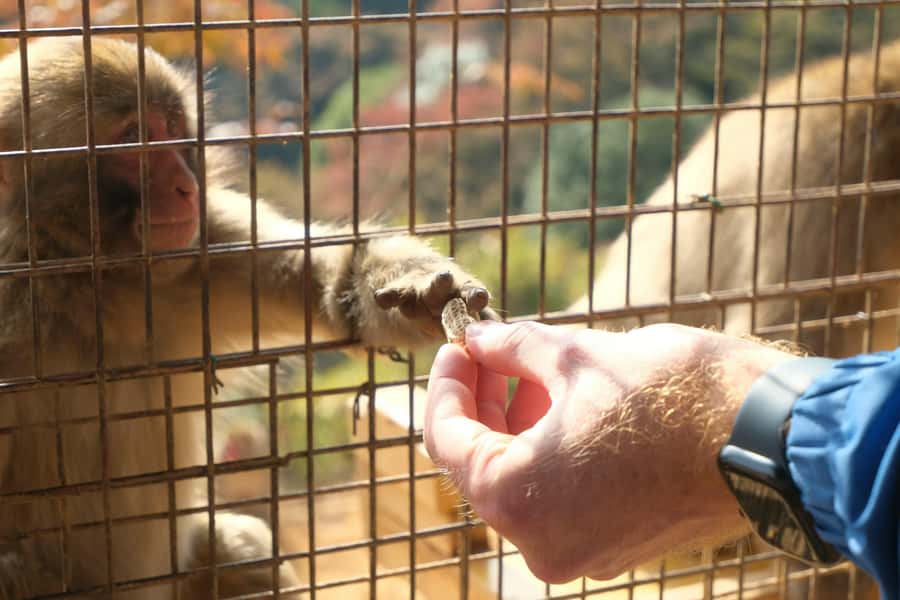
Now for the part that divides people: the climb to the Monkey Park.
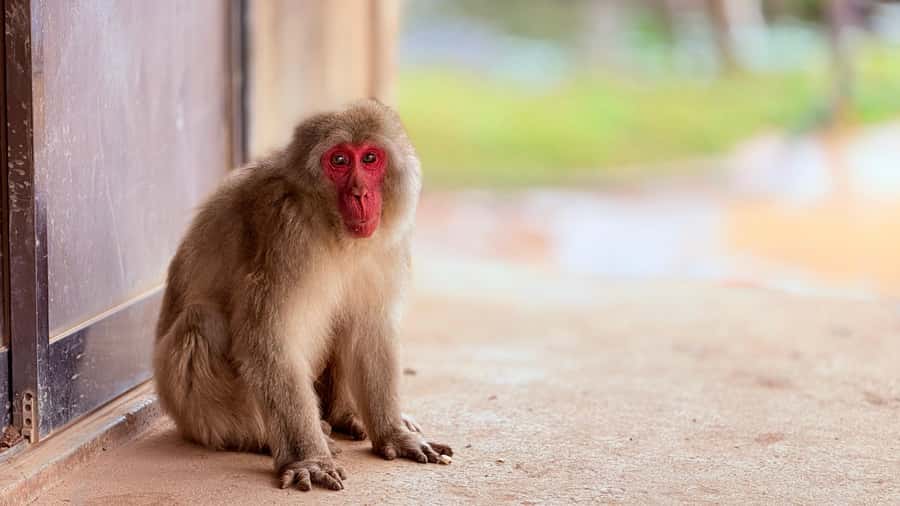
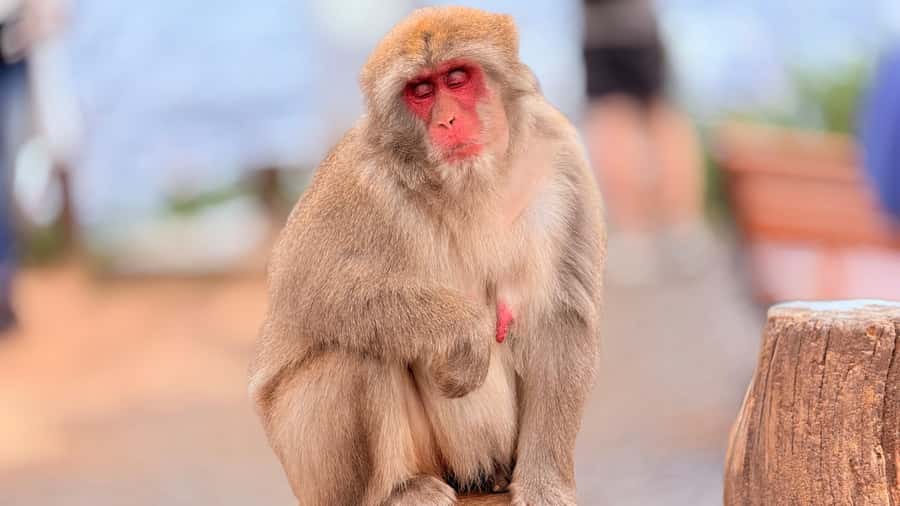
You’ll cross the river and then climb up to the Monkey Park, where wild monkeys roam freely and panoramic views of Kyoto await. The tour highlights feeding the monkeys, which adds a bit of energy to what could otherwise be a quiet hike.
The good part: once you reach the viewpoint, it feels like the work paid off. The views from higher ground give you a different Kyoto angle, and the monkeys make it feel alive in a way temples and bamboo do not.
The not-so-easy part: the route can be steep. Multiple people call out that the climb is not for faint feet. If you have knee issues, you should take this seriously.
If you do go, use the strategy that works best for this tour style:
- Start slow on the uphill section.
- Take short photo breaks only when you need them.
- Wear shoes with good grip and skip anything slippery.
- If it is hot, use any cooling stops your guide suggests.
Also, do not forget the basics of safety and respect around wild animals. The tour gives you access and time, but you should still act calmly and follow your guide’s instructions.
Pacing and guide support: why the small-group format matters
This tour is sold as an intimate small-group experience. In practice, that helps you move efficiently while still getting human attention. People talk about guides keeping a nice pace so you are not constantly stuck waiting, and that is exactly what you want on a walking-heavy day.
Guide names that show up with strong praise include Teri and Aron/Aaron, plus guides like Max and Mari. The themes are consistent: good English, comfort with group questions, and help with photos. One person even highlighted iPhone photo tips, which tells me the guides are thinking about real traveler needs, not just tour scripting.
Another recurring point is flexibility during weather. If the day is hot, guides are reportedly willing to build in chances to stop and cool off. If it is rainy, the tour still moves, but you need to show up ready with shoes and rain gear.
Group size also affects the “feel” of Fushimi Inari and Arashiyama. Even at smaller sizes, Kyoto’s most famous areas can get crowded. A great guide can manage where you pause, when you move, and how you avoid getting boxed in.
What’s included, what’s not, and where your money actually goes
At $88 per person, the value depends on two things: the entry fees and the effort saved.
Included items you should care about:
- Bamboo forest walk
- Monkey Park visit (entry included)
- Tenryuji Temple garden (entry included)
- Climb Mount Inari and see the red gates (entry included)
- Knowledge sharing from a bilingual local guide
- Small-group experience
- Easy-to-find meeting point
- Photo time along the way
Not included:
- Train fees
- Food and drinks
- Pickup and drop-off
So, where does the $88 earn its keep? It’s not just the attractions. It’s the guidance that strings them together, plus the included entries that would add up if you planned everything yourself. You are paying for fewer decisions and more done-for-you movement through a day packed with major stops.
One more money-related reality: since food is not included, budget for snacks and lunch. There is often a lunch stop in a nearby food area with multiple options, so you likely will not starve. Still, bring some cash and decide what suits your appetite that day.
Also, note the small rule about video recording being not allowed. A few people get caught off guard by this in places where street and nature filming feels normal. Plan to rely on photos instead.
Who this tour suits best (and who should pass)
This is a good fit if you want a structured Kyoto day with maximum iconic coverage and a guide who can talk you through what you see.
It suits:
- Photographers who want help with photo spots and angles
- Curious travelers who like local stories and legends
- People comfortable walking and handling a steep climb
It may not suit:
- Anyone with mobility impairments
- Wheelchair users
- People who rely on strollers, baby carriages, or non-folding mobility equipment (strollers and certain wheelchair types are not allowed)
If you want an all-level, low-effort experience, you might feel stressed. The route includes a climb, plus multiple outdoor sections that can be tough in summer heat.
Weather, comfort, and photo strategy
Kyoto can throw you curveballs. The good news is the tour can still work in rain because it is built around walking sections and scheduled stops with included entries. The key is your gear.
I recommend you plan for:
- Comfortable shoes with grip
- Layers for changing temperatures
- Rain gear if weather looks iffy
- Cash for snacks
For photos, treat the tour as a moving sequence. The best shots tend to happen when you catch a viewpoint right before the crowd surge. Let your guide handle the timing suggestions and use your energy where it matters.
If you hate lugging camera stuff, you can still do great. Even iPhone-focused photo advice comes up in people’s experiences, which tells me the guides are happy to help you get good results with whatever you carry.
Should you book this Kyoto Fushimi-Arashiyama tour?
Book it if you want a single day that hits Fushimi Inari, Arashiyama bamboo, Tenryuji Zen calm, Togetsukyo bridge views, and Monkey Park, all with a bilingual local guide and included entry tickets. The small-group pace and reported photo help make it especially worthwhile if you care about getting the most from your time.
Skip or rethink it if you cannot handle a steep climb or you need wheelchair-friendly routes. This is not a sit-and-glide tour.
If you do book, go in with one mindset: wear good shoes, expect a lot of walking, and use your guide for timing and photos. That combo is what turns a list of famous places into a day that actually feels like Kyoto.
FAQ
Where is the tour meeting point?
You meet in front of the gates of Inari station. The tour ends back at the same meeting point.
What attractions are included in the tour price?
Entry is included for the bamboo forest walk, Monkey Park, Tenryuji Temple garden, and the Mount Inari climb to see the red torii gates. A bilingual local guide is also included.
Are train fees included?
No. Train fees are not included.
Is food included?
No. Food and drinks are not included. You may have time for lunch breaks during the walk, but you will pay for meals yourself.
What should I bring?
Bring comfortable shoes and cash.
Is this tour suitable for wheelchairs or strollers?
No. The tour is not suitable for wheelchair users or people with mobility impairments. Baby strollers and non-folding strollers or baby carriages are not allowed.
Can a solo traveler book this tour?
Solo travelers can book, but the tour requires a minimum of two guests. If only one guest is booked, the tour may be canceled, with rescheduling or a full refund offered.
Fresh options around Kyoto
- Kyoto: Quiet and Graceful Tea Ceremony★ 4.5 · 19 reviews
- Oboro | Mindful Tea Ceremony in a 100-Year-Old Kyoto Teahouse★ 5.0 · 19 reviews
- Ikebana Traditional Japanese Art of Flower Arranging★ 4.5 · 19 reviews
- Kyoto Satoyama Cycling with Lunch and English Guide★ 5.0 · 19 reviews
- Tea Ceremony Experience in Traditional Kyoto Townhouse★ 5.0 · 19 reviews
- Kyoto International Party Solo Friendly Expats and Locals★ 5.0 · 19 reviews
- Kyoto: Amanohashidate Ine Funaya Tour★ 4.4 · 19 reviews
- Kyoto Private Food Tours with a Local Foodie: 100% Personalized★ 4.5 · 19 reviews
Arashiyama & Bamboo Tours, compared.
Fushimi Inari, Kinkakuji, Bamboo Grove 1 Day Bus Tour
Read our review →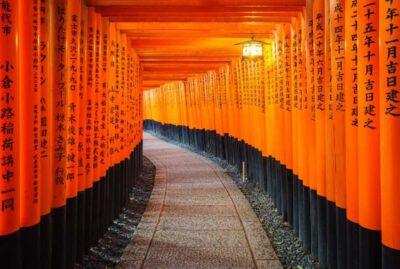
Osaka/Kyoto:Kinkakuji,Arashiyama,FushimiInariShrine,NaraPark
Read our review →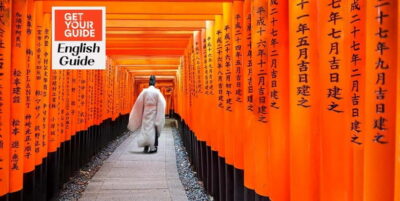
Kyoto/Osaka: Nara, Fushimi Inari Taisha, Arashiyama Bus Tour
Read our review →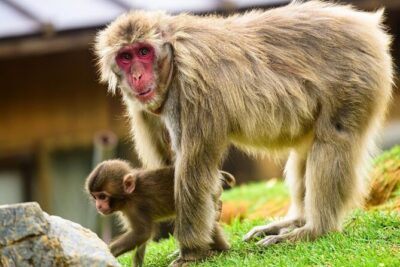
Kyoto Arashiyama Walking Tour: Bamboo, Monkeys, Gardens & Secrets
Read our review →
Arashiyama Bamboo, Temple, Monkeys, or Secret Sake Brewery
Read our review →
Arashiyama Bamboo Forest, Monkeys, Matcha & Temple Tour
Read our review →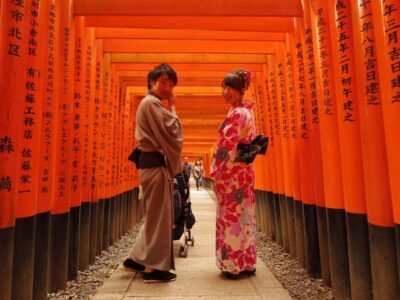
Osaka/Kyoto: Arashiyama, Nara & Fushimi Inari Shrine w/Lunch
Read our review →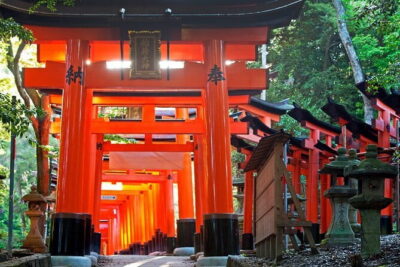
Nijo, Kinkaku-ji, Arashiyama, Kiyomizu & Fushimi Inari
Read our review →Browse the lists this tour appears in