
Reviewed · ARASHIYAMA & BAMBOO TOURS
Kyoto: Arashiyama Customized Rickshaw Tour & Bamboo Forest
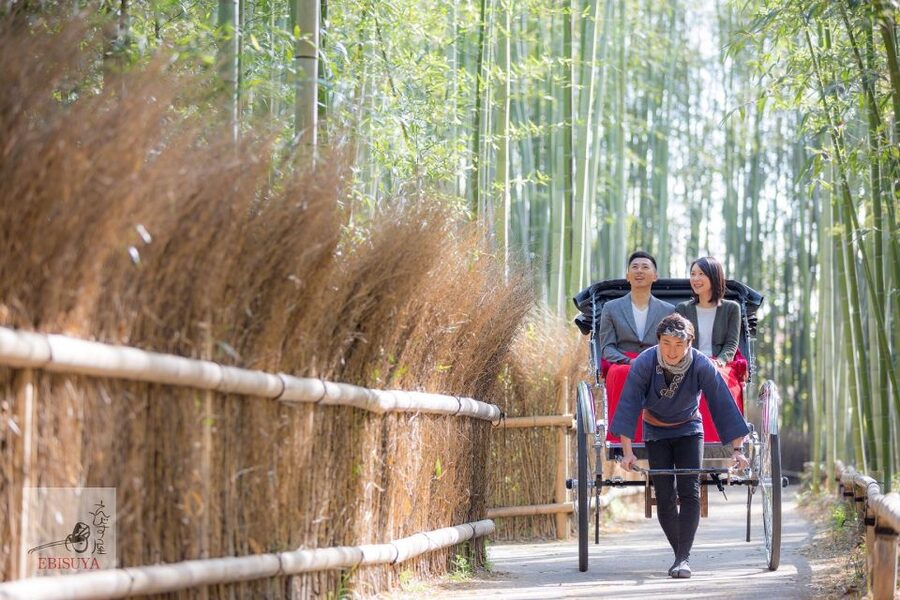
Kyoto moves slowly here, on purpose. This private, fully customizable rickshaw tour is a smart way to see Arashiyama, because you get quiet lanes, photo stops, and an easy pace up the sights. The biggest treat is the bamboo forest rickshaw path, where you’re not stuck in the same crush as the main foot traffic.
I also like that the route can be tailored, so you can focus on shrines and gardens one day, or keep it short and scenic if you want less time on your feet. One consideration: the rickshaws are narrow, so if you’re tall or want more personal space, you may be more comfortable booking an individual rickshaw per passenger.
Key things I’d put on your Arashiyama shortlist
- Start at Togetsu-kyo bridge in the heart of Arashiyama’s scenic stretch
- Exclusive rickshaw access in the bamboo forest for a calmer ride and better photos
- Pick your time window from 45 minutes up to 3 hours and 10 minutes
- You’ll see a mix of Shinto and Buddhist sites, including Nonomiya Shrine and Nison-in
- Custom route options help you match the ride to your interests
- Guides often handle the hard parts, including cold weather comfort and navigating crowds
Why Arashiyama by rickshaw feels calmer than on foot
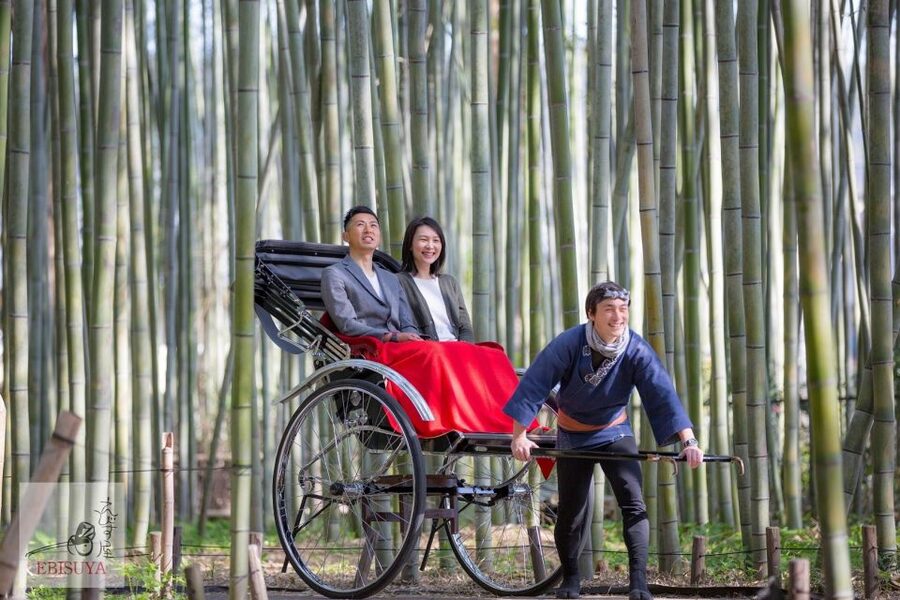
Arashiyama is one of those Kyoto areas where the scenery does most of the talking. You’ll see thick bamboo, temple grounds, and carefully tended gardens, all packed into a relatively small area. The difference with a rickshaw is how you move through it: slower, steadier, and with less time “waiting your turn.”
If you’ve ever walked through Kyoto’s hot spots and felt like you were constantly weaving, you’ll appreciate the rickshaw style here. You get to look around more, notice details, and actually enjoy the moment instead of speed-walking to the next stop.
More Arashiyama tours:
- Kyoto: Fushimi Inari, Kinkakuji, Bamboo Grove 1 Day Bus Tour
★ 4.8 · 4,316 reviews - Osaka/Kyoto:Kinkakuji,Arashiyama,FushimiInariShrine,NaraPark
★ 4.1 · 1,596 reviews - Kyoto/Osaka: Nara, Fushimi Inari Taisha, Arashiyama Bus Tour
★ 4.7 · 1,275 reviews
Togetsu-kyo bridge meet-up and how the private ride works
Your guide and chariot meet you at Kyoto’s Togetsu-kyo bridge in Arashiyama. That bridge is a great landmark because it’s famous, easy to find, and already in the scenic zone you’ll be exploring. The exact meeting spot can vary depending on the option you booked, so I’d plan to arrive a few minutes early and confirm the pinpoint location with your provider.
This is a private group experience. In practice, that means you’re not sharing your ride with strangers, and you can steer the route toward what you care about most. Your guide speaks English and Japanese, so communication is usually straightforward.
Also note the practical limits: a rickshaw fits up to 2 adults, and it’s designed for a maximum width of 29.1 inches (74 cm). If you’re traveling as two adults who want more comfort, or you have a mobility concern, you may want to request separate rickshaws when available.
And yes, there are rules. Selfie sticks are not allowed, so come prepared for hand-held photos or phone-on-stick alternatives that don’t look like selfie sticks.
The bamboo forest rickshaw path, Togetsu-kyo views, and smart photo stops
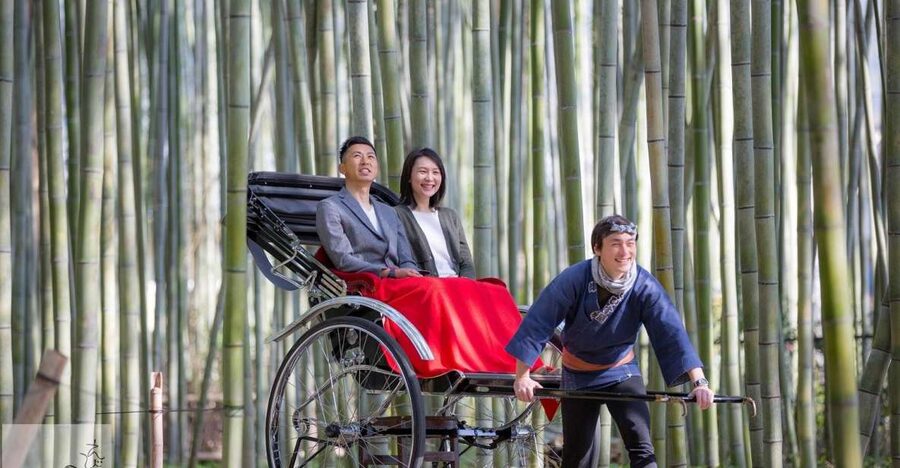
The star is the bamboo grove. It’s tall, dense, and strangely quiet once you’re inside it, even though you’re in a world-famous area. There’s a pedestrian path and a rickshaw path, and the rickshaw route is the big advantage because it can reduce the stop-start crowd pressure you get on foot.
You’ll ride in a way that lets you take in the “tunnel” effect of bamboo stalks without constantly sidestepping people. In cold or rainy conditions, the ride tends to feel surprisingly manageable too. Some guides provide blankets and leg covers, which matters when you’re stopping for photos and the air is sharp.
A big value point here is how the tour handles images. The tour includes photo stops at instagrammable spots, and your driver will help position you for shots. A lot of the best photos from this kind of tour come from timing and angle, not from fancy cameras, so let your guide do the directing for a minute.
Nonomiya Shrine: the short-tour pivot point at about 45 minutes
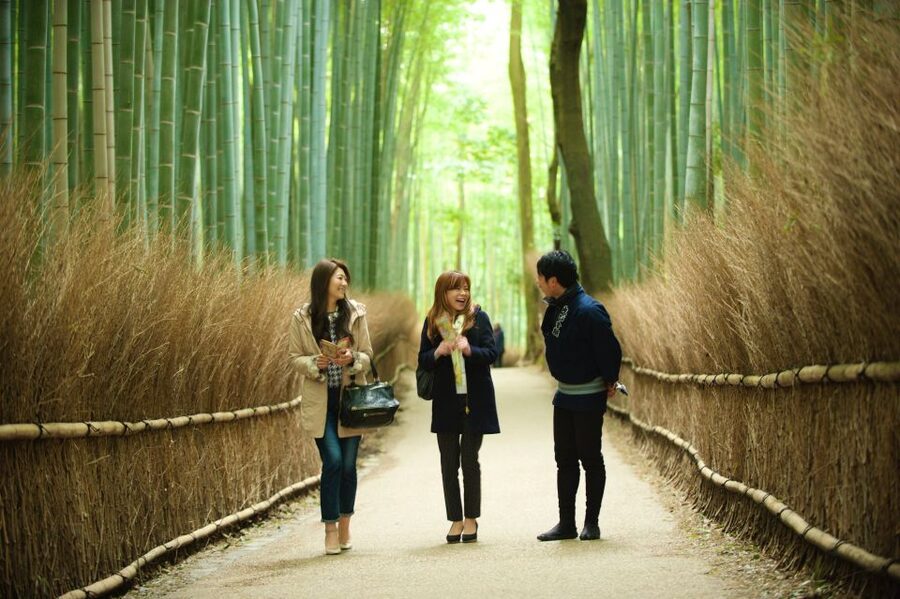
If you choose the shortest option, your route brings you to Nonomiya Shrine. It’s a Shinto site, and it’s the natural “turnaround” point for a quick Arashiyama loop.
For a 45-minute ride, this is basically a best-of starter course. You get the bamboo experience, you get that shrine atmosphere, and you leave with the feeling that you saw the essentials without draining your day.
The drawback is also simple: you won’t have time for extra temples, gardens, and the more off-the-radar streets. If you want the neighborhood feel and not just the bamboo highlight, it’s worth stepping up to a longer duration.
A few more Kyoto days worth comparing
- PERFECT KYOTO 1-Day Bus Tour
★ 5.0 · 13,518 reviews - Kyoto: Tea Ceremony in a Traditional Tea House in Kiyomizu
★ 4.9 · 3,519 reviews - Kyoto Geisha Walking Tour: Gion District & Hidden Gems
★ 4.7 · 3,273 reviews - Kyoto: Tea Ceremony Ju-An at Jotokuji Temple
★ 4.9 · 3,207 reviews
Rakushisya cottage and the quieter Arashiyama side streets
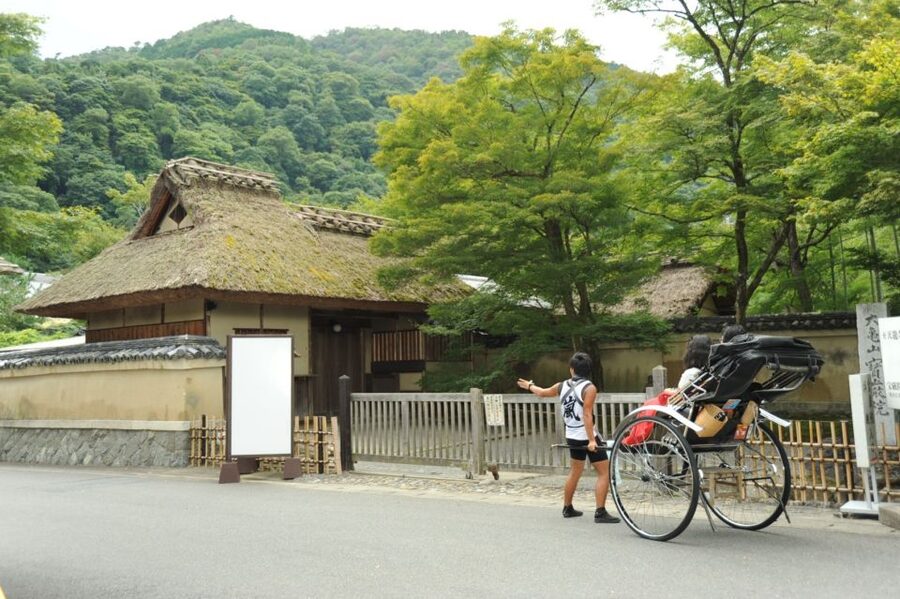
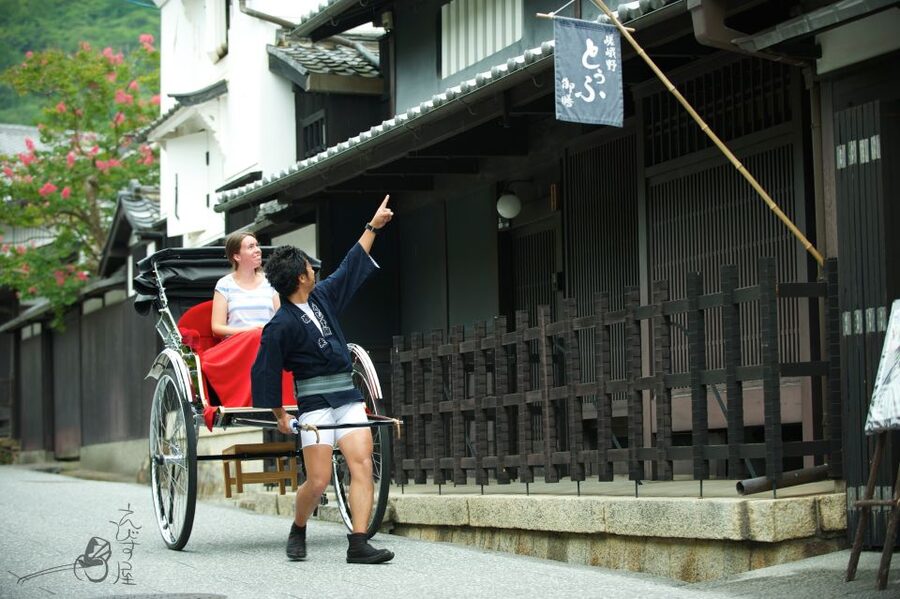
On the longer versions, the ride continues beyond the main headline sights. One highlight is Rakushisya’s cottage, a rustic thatch-roof building that ties to Japan’s poet and haiku tradition. Even if you don’t know the literature, you can feel the contrast here, because the setting looks like it belongs to a different pace of life.
This is where the customization really pays off. Guides can steer you toward spots not seen by many tourists and toward quieter lanes where you can notice everyday details, like small garden walls, narrow entrances, and the way the neighborhood hugs the landscape.
This portion of the tour is less about “one must-see structure” and more about mood. You’re seeing Arashiyama as a living district, not just a checklist. If you like slow travel and you enjoy walking through side streets even when it’s crowded elsewhere, you’ll probably love this section.
Nison-in and the blend of Buddhist temple calm with Shinto stops
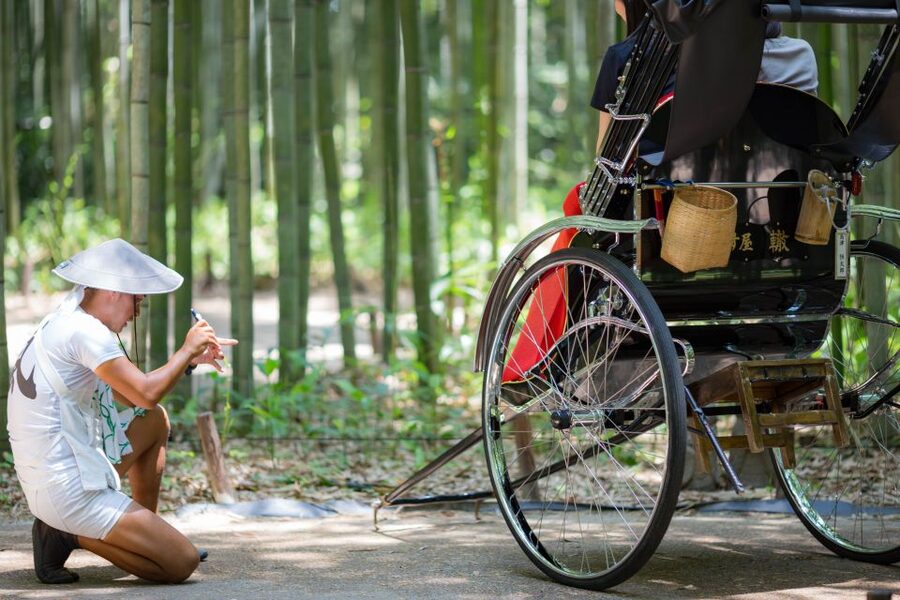
As you extend your tour, you’ll reach more ancient sites, including Nison-in, a Buddhist temple. You’ll also pass through a mix of Shinto shrines and other temple and garden areas depending on your chosen route length and what you customize.
What makes these stops worth doing by rickshaw is the same reason they’re worth doing in general in Kyoto: they reward attention. When you move slower, you’re more likely to notice how gardens are arranged, how pathways are laid out, and how the space feels different from the street.
A practical upside: your guide can manage timing around the crowds. Some guides are especially good at choosing photo moments when foot traffic is thick, so you get clearer views and less frustration.
The main drawback is physical. Temples and garden areas involve walking on uneven ground, and you’ll spend some time outside the rickshaw. If you have back problems, this might not be the best fit, even if the ride itself is comfortable.
Choosing the right duration: 45, 1:10, 2:10, or 3:10
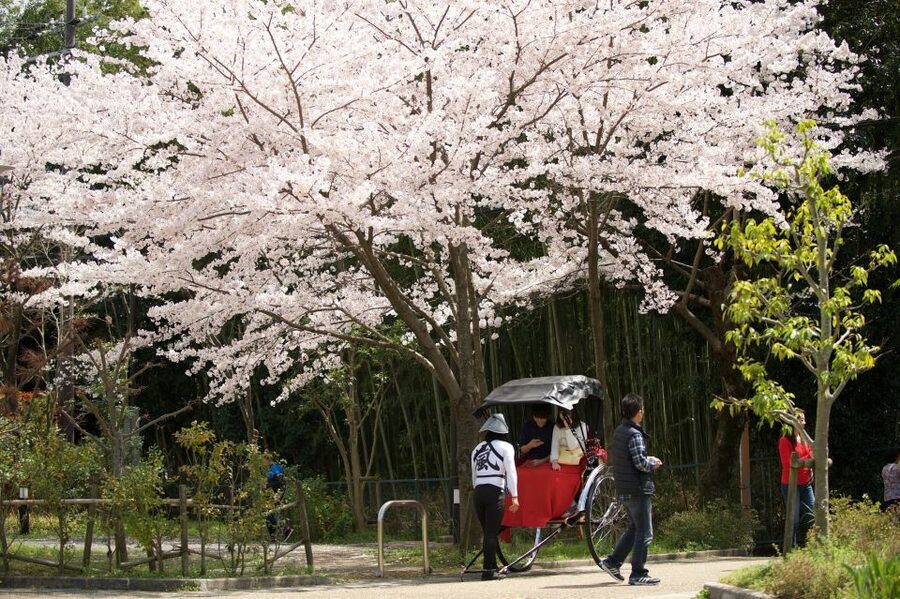
You get four time options: 45 minutes, 1 hour and 10 minutes, 2 hours and 10 minutes, and 3 hours and 10 minutes. That range is useful because Arashiyama can be either a quick hit or a half-day mood.
- 45 minutes: Great when you want bamboo plus one shrine and you’re pairing it with other Kyoto plans.
- 1:10: Still efficient, but you’ll likely get more context and an extra layer beyond the headline bamboo.
- 2:10: This is a sweet spot for most people who want bamboo, plus temples and quieter streets.
- 3:10: Best when you want a full, unhurried Arashiyama sample and are fine spending most of your attention in this one district.
Because the tour is customized, you can also ask for a route that balances visuals with calmer pace. For example, if you care more about gardens and temples than neighborhood streets, you can probably steer the route that way. If you’re primarily here for bamboo and photos, you can keep the route tight.
Comfort details that actually matter once you’re seated
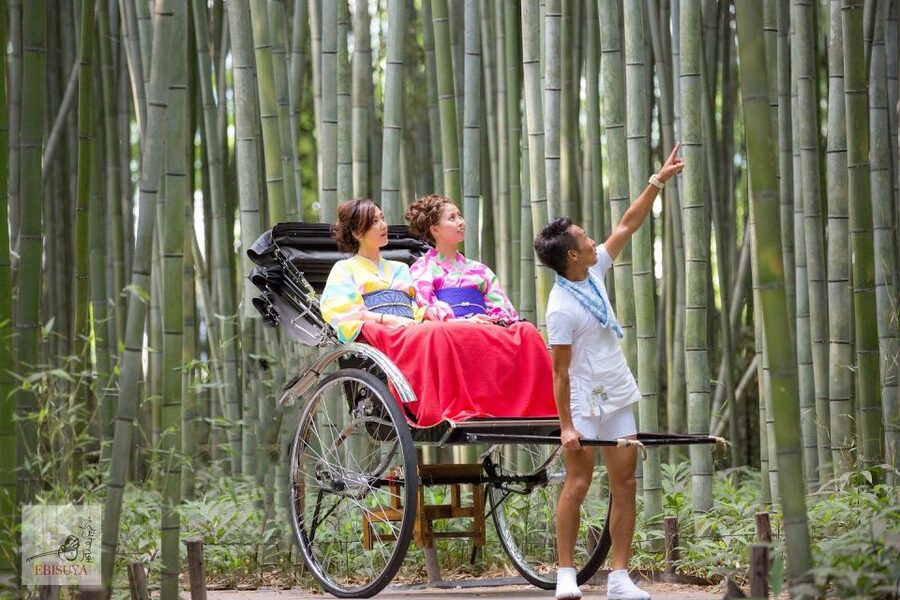
This ride is designed for comfort while you’re seated, but it’s not a big couch. The rickshaw width is 29.1 inches, and that can feel snug for two adults who are tall, broad-shouldered, or uncomfortable in tight spaces. If that’s you, consider booking individual rickshaws for more personal space when possible.
It’s also a good idea to plan for weather. On cold mornings or in light rain, the warmth gear mentioned by guides can make a huge difference since you’ll be taking photos and pausing.
Wheelchair and stroller access is listed as available, so if you need that support, this tour may work. Still, if you’re dealing with back issues or you’re in early pregnancy (the tour is not recommended for first 16 weeks), it’s worth thinking twice and choosing a different kind of sightseeing plan.
Price and value: does $51 per person make sense here?
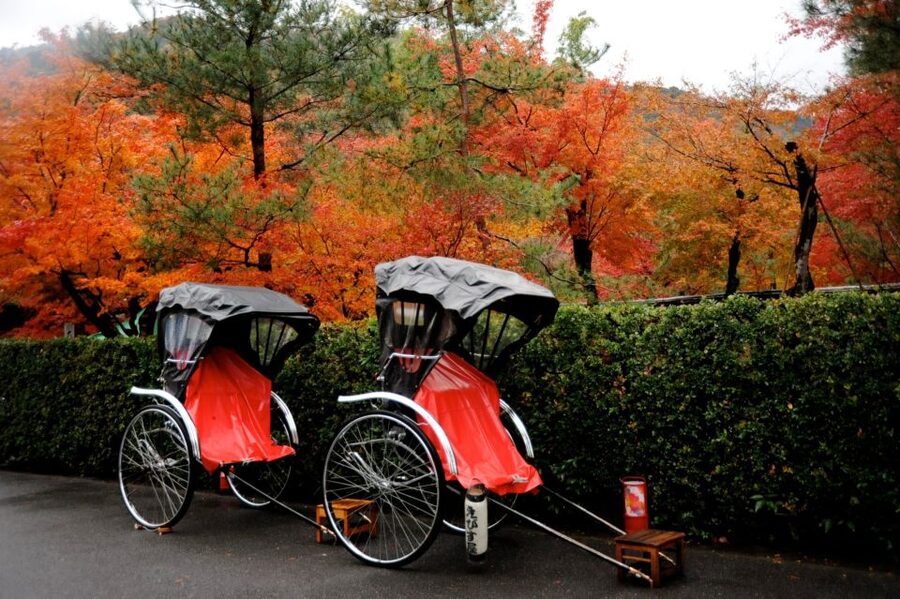
At $51 per person, you’re paying for three things that are hard to replicate on your own: a private guide, a controlled ride pace, and rickshaw access through the bamboo area.
A standard self-guided approach might get you to the bamboo grove, but you’ll still face the crowd flow and the constant navigation. Here, you’re paying to reduce friction. You also get a guide who can explain what you’re seeing and help you move efficiently between shrines and temples.
The customization also affects value. If you pick the longer option, the per-minute feel improves because you’re getting more of Arashiyama in one session. If you pick the 45-minute tour, you’re buying a short, high-impact highlight, which is a good value if your day is packed.
One more value note: photo support. A lot of people walk away with better images than they expected because the driver handles positioning, timing, and the best spots to stop.
The guide factor: why names like Koki and Shin show up often
The most consistently praised part of this experience is the human one: the guide. Several guides are highlighted for being friendly, communicative, and genuinely engaged, not just “checking off” sites. People also mention guides as strong photographers who take the shots for you, which is a real time saver.
Examples from guides you might encounter include Koki, Shin, Koki, Yoshi, Yuya, Kawai, Toru, Shota, Aki, Lucas, and Kei. Their common theme is conversation plus practical help, like local recommendations and route choices that keep the ride enjoyable.
One small tip: when your guide offers recommendations for food or matcha spots nearby, it’s usually worth considering. You’re already in the right district, and a good suggestion can save you from wandering when you’re hungry.
What to bring, what to wear, and what to skip
Because the tour includes photo stops and can involve waiting briefly for the right moments, wear layers. Kyoto weather shifts fast, and bamboo areas can feel colder than you expect once you’re shaded.
Bring water or a small snack if you need one, since snacks and drinks are not included. This is especially helpful if you book longer durations. For footwear, choose shoes with decent grip for temple paths and garden walkways.
Also, remember the rule: no selfie sticks. You can still get great photos, but keep it simple with hand-held phone shots or whatever your guide allows that doesn’t resemble a selfie stick.
Who should book, and who should pass
This tour is ideal if you want a Kyoto experience that feels personal, calm, and photo-friendly without hours of complicated planning. It’s especially good for couples, first-time visitors to Arashiyama, and anyone who wants to see bamboo plus temples without sprinting around.
It’s not the best match if you have back problems or if you’re an expecting mother in the first 16 weeks. The seated portion can be comfortable, but the surrounding walking and stops matter too.
Should you book the Kyoto Arashiyama customized rickshaw tour?
I’d book it if you want Arashiyama’s bamboo and shrines with less crowd stress and more control over what you see. The value is strongest when you pick enough time to enjoy multiple sites, and when you like the idea of a guide steering you through quieter paths.
Skip it if you’re comfortable doing everything on your own, if you have mobility limits that make shrine walking hard, or if you’re hoping for a purely hands-off experience with zero walking at all. For most people, though, this is one of those Kyoto choices that feels like a luxury without being wasteful.
FAQ
Where is the meeting point for the Arashiyama rickshaw tour?
The meeting point is at Togetsu-kyo bridge in Arashiyama, but it may vary depending on the option you booked.
How long is the tour?
The tour options run from 45 minutes up to 190 minutes (with options listed as 45 minutes, 1 hour and 10 minutes, 2 hours and 10 minutes, and 3 hours and 10 minutes).
How much does the tour cost?
The price is $51 per person.
Is this a private tour?
Yes, it is a private group tour.
What languages are available for the live guide?
The live tour guide is available in English and Japanese.
Can children ride, and are there age rules?
Adult pricing applies to age 6 and over. Up to 2 children age 5 and under can ride with 2 adults, and children must ride on an adult’s lap. If a child 5 will use one of the seats, it must be booked as an adult.
Is the tour stroller and wheelchair friendly?
Yes, it is listed as wheelchair- and stroller-friendly.
Are snacks and drinks included?
No, snacks and drinks are not included.
Fresh options around Kyoto
- Kyoto: Quiet and Graceful Tea Ceremony★ 4.5 · 19 reviews
- Oboro | Mindful Tea Ceremony in a 100-Year-Old Kyoto Teahouse★ 5.0 · 19 reviews
- Ikebana Traditional Japanese Art of Flower Arranging★ 4.5 · 19 reviews
- Kyoto Satoyama Cycling with Lunch and English Guide★ 5.0 · 19 reviews
- Kyoto International Party Solo Friendly Expats and Locals★ 5.0 · 19 reviews
- Tea Ceremony Experience in Traditional Kyoto Townhouse★ 5.0 · 19 reviews
- Kyoto: Amanohashidate Ine Funaya Tour★ 4.4 · 19 reviews
- Kyoto Private Food Tours with a Local Foodie: 100% Personalized★ 4.5 · 19 reviews
Arashiyama & Bamboo Tours, compared.
Fushimi Inari, Kinkakuji, Bamboo Grove 1 Day Bus Tour
Read our review →
Osaka/Kyoto:Kinkakuji,Arashiyama,FushimiInariShrine,NaraPark
Read our review →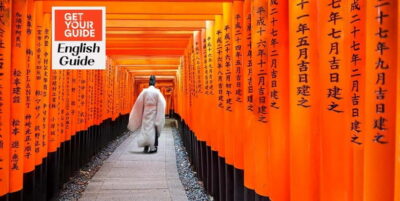
Kyoto/Osaka: Nara, Fushimi Inari Taisha, Arashiyama Bus Tour
Read our review →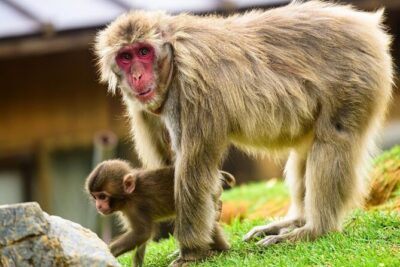
Kyoto Arashiyama Walking Tour: Bamboo, Monkeys, Gardens & Secrets
Read our review →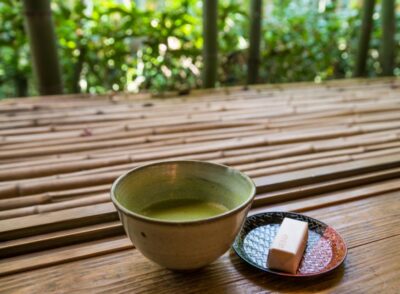
Arashiyama Bamboo, Temple, Monkeys, or Secret Sake Brewery
Read our review →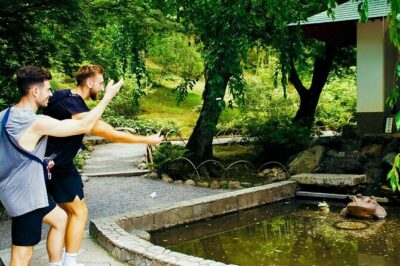
Arashiyama Bamboo Forest, Monkeys, Matcha & Temple Tour
Read our review →
Osaka/Kyoto: Arashiyama, Nara & Fushimi Inari Shrine w/Lunch
Read our review →
Nijo, Kinkaku-ji, Arashiyama, Kiyomizu & Fushimi Inari
Read our review →Browse the lists this tour appears in