
Reviewed · TEMPLE & SHRINE TOURS IN KYOTO
Uji: Green Tea Tour with Byodoin and Koshoji Temple Visits
Uji tastes better when you slow down. This guided half-day experience pairs gyokuro tea tasting with two UNESCO temple stops, Byodo-in and Koshoji, so the story of samurai-era tea culture feels practical, not academic. I also like that it mixes tea craft with real-world place reading, like why the river route and mountain landscape mattered to the people who grew, brewed, and sold tea.
The main consideration is simple: the walk involves stairs, and the tour runs rain or shine, so plan for wet stone and uneven steps. Comfortable shoes are not optional here.
With English or Spanish live guides and small-group or private options, this comes in at a solid value for what you get, and the tour is rated 4.8/5 across 72 customer ratings.
Key things to know before you go
- 1160 AD start at the world’s oldest operating teahouse and a family story in tea craft
- Gyokuro tasting built around how brewing changes the flavor
- Ujigami Shrine purification tied to spring water used by tea houses
- Byodo-in Phoenix Hall plus an included museum to connect art with faith
- Koshoji Temple on the mountain side for calmer walking and Zen time
- Uji is about 30 minutes from Kyoto by local train, with fewer crowds than central Kyoto
Why Uji green tea belongs on your Kyoto trip
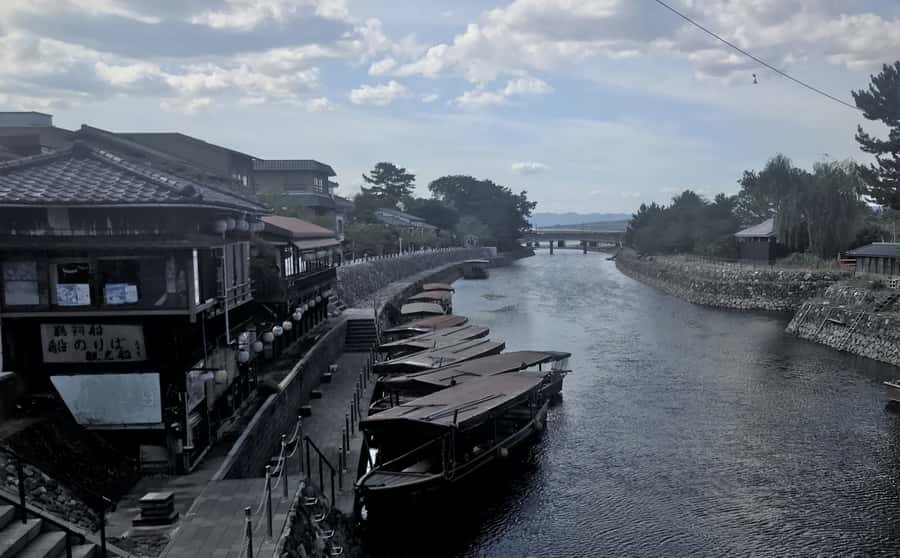
Kyoto gets all the headlines, but Uji is where the tea obsession makes sense. Uji sits in the tea belt, with the river and mountain views that explain why this area became a long-term tea stronghold. Instead of just seeing temples, you learn how tea fits into daily life, religion, and status.
What I like most is the mix of skills and meaning. You are not only drinking green tea, you are learning how growers and brewers shape the final cup. Then you connect that to sacred spaces like Byodo-in and Ujigami Shrine, so the spirituality is not a side note.
You also get a calmer pace. The tour starts from Keihan Uji Station, and the area is a short train ride from Kyoto’s core points like Gion or Kyoto Station. Expect fewer people than the most famous Kyoto lanes, especially once you move through the temple routes.
More Temple & Shrine Tours in Kyoto
- Kyoto: Fushimi Inari, Kinkakuji, Bamboo Grove 1 Day Bus Tour
★ 4.8 · 4,316 reviews - Kyoto: Tea Ceremony Ju-An at Jotokuji Temple
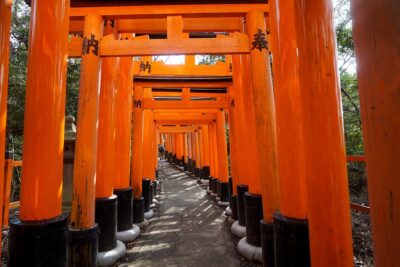
★ 4.9 · 3,207 reviews - Fushimi Inari Hidden Hiking Tour (Private Option Available)
★ 5.0 · 1,750 reviews
Finding Keihan Uji Station and setting your 4-hour pace
This tour is a tight, focused 4-hour outing, so you will want to start confident and on time. Your meeting point is the only exit at Keihan Uji Station, and there is an escalator that goes up to ground level. Plan to arrive a few minutes early so you can regroup if the station feels busy.
The group style is either private or small groups, which usually helps with the pace, questions, and photo stops. The tour also loops back to the starting area at the end, which keeps logistics simple. You can build the rest of your day around it without needing a second transport puzzle.
A good rule: wear shoes that handle stone steps and damp paths. The tour information explicitly notes stairs, and rain changes everything underfoot. If you hate slippery soles, bring the shoes you already trust.
The oldest operating teahouse stop, and why it matters
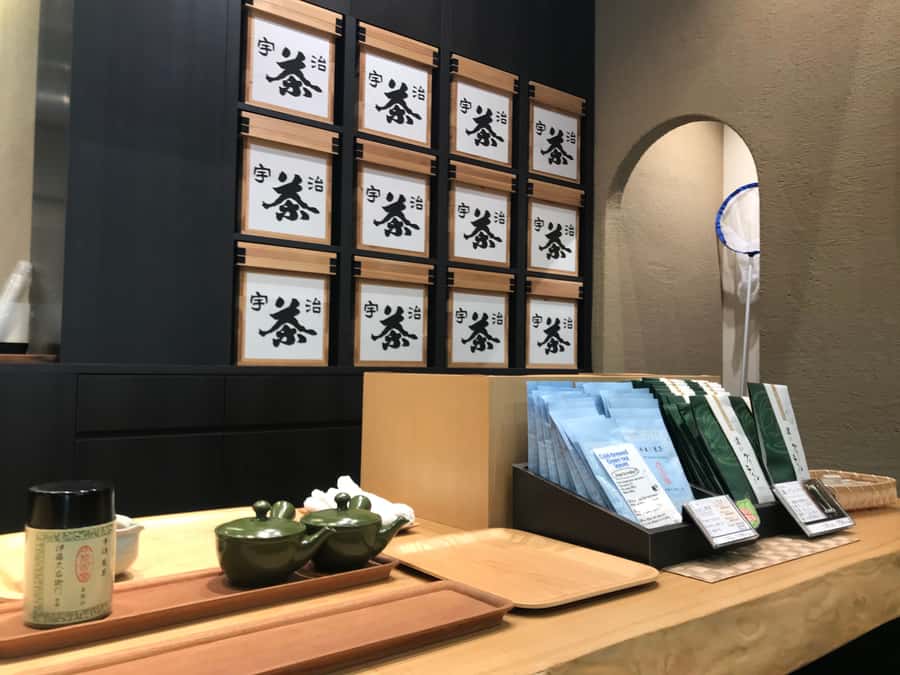
You begin at a teahouse described as the world’s oldest still operating, with a start date of 1160 AD. That is not just a brag number. It frames Uji tea as something built over generations, not a trendy visitor activity.
At this first stop, you hear how a vassal to a famous samurai warrior helped shape the leadership of the family that ran the shop for 24 generations. Even if you do not care about dynastic details, it makes the tea world feel human. Someone decided to keep producing and serving, then passed the know-how forward.
This is also where you get your bearings for Uji. The street and river context start to click: tea shops, long-time customers, and the rhythm of a place that lives with visitors but still operates like home. It is a strong way to start a short tour, because it gives you a thread you can follow all the way to Byodo-in.
Gyokuro tasting: brewing changes the cup, not just the weather

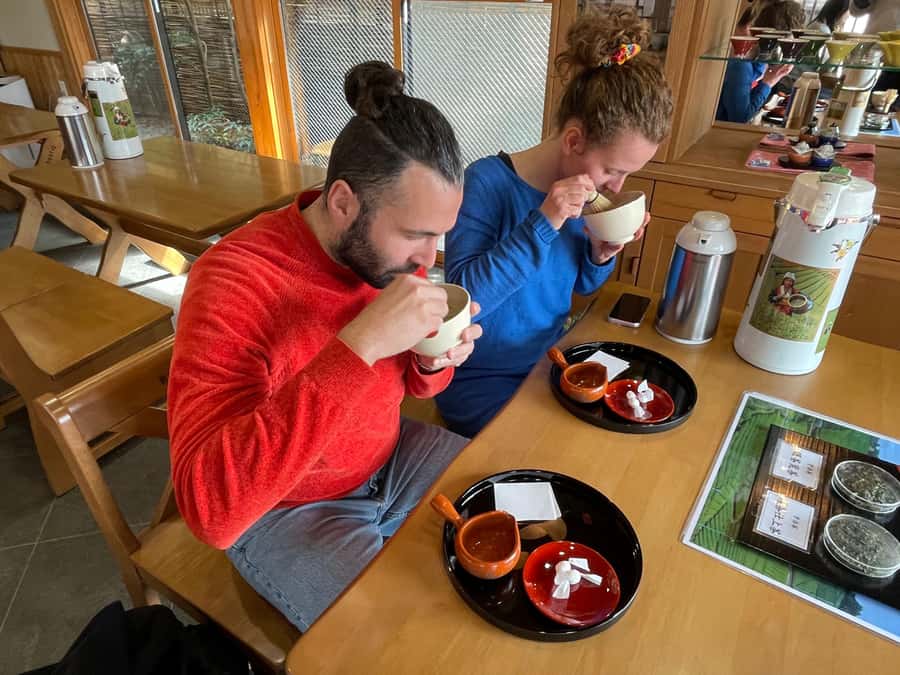
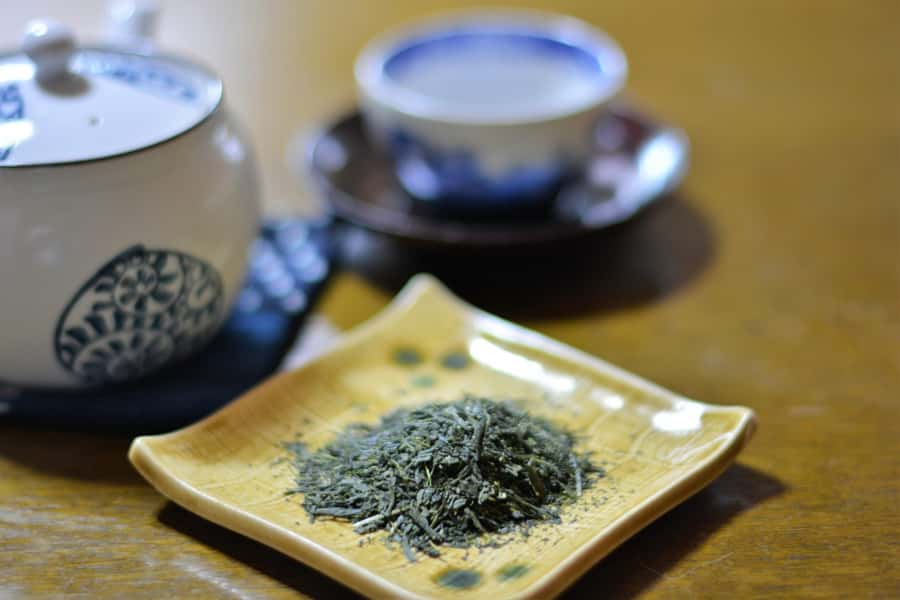
The star tea here is Japanese gyokuro, and the tasting experience is part of your ticket. Gyokuro is known for a deeper, umami-forward profile, but the tour’s value is that you do not just sip and nod. You learn how growth and careful brewing change what you taste.
During the lesson, you pick up the basics of what makes the tea special before you move into how it is brewed. Then you get to experience how those brewing choices shift the flavor profile. For me, that is the practical part you can carry home. It turns a nice cup into something you can recognize again in Japan, and even try to replicate later.
One fun, very Uji detail: after tasting, you mix the remaining tea leaves with ponzu sauce and eat them as is. It sounds unusual until you do it, then it makes sense as a way to use every part of the tea preparation. It is also a quick lesson in local food logic, where nothing gets wasted just because it is not the main drink.
More temple and shrine tours in Kyoto:
- Osaka/Kyoto:Kinkakuji,Arashiyama,FushimiInariShrine,NaraPark
★ 4.1 · 1,596 reviews - Kyoto/Osaka: Nara, Fushimi Inari Taisha, Arashiyama Bus Tour
★ 4.7 · 1,275 reviews - Arashiyama Bamboo, Temple, Monkeys, or Secret Sake Brewery
★ 4.8 · 886 reviews - Kyoto: Arashiyama Bamboo Forest, Monkeys, Matcha & Temple Tour
★ 5.0 · 759 reviews
Ujigami Shrine purification and the spring water tea connection

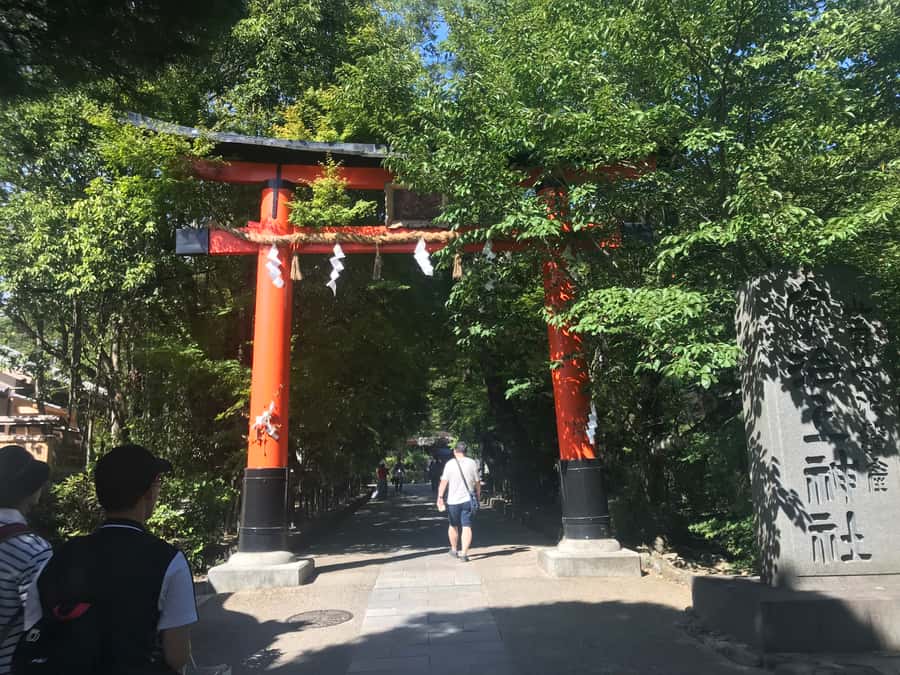
From tea craft, you shift to sacred practice at Ujigami Shrine, described as the oldest original Shinto shrine in Japan and a UNESCO World Heritage Site. This stop matters because it links tea culture to a belief system, not just to scenery.
The shrine is set in nature on a mountain side, so you feel the air change as you move uphill. The tour focuses on Uji’s guardian deities, and it also highlights why spring water matters to tea. You are told there is a last remaining natural spring water source that many tea houses still collect to brew their tea.
Inside the area, there is a stone grotto where you purify yourself with water. If you have ever wondered why water and ritual show up in so many Japanese religious sites, this is a clear, grounded example. It is also a gentle reminder that tea is not only a beverage here, it is part of a longer practice of respect.
Byodo-in Phoenix Hall, UNESCO art, and the included museum

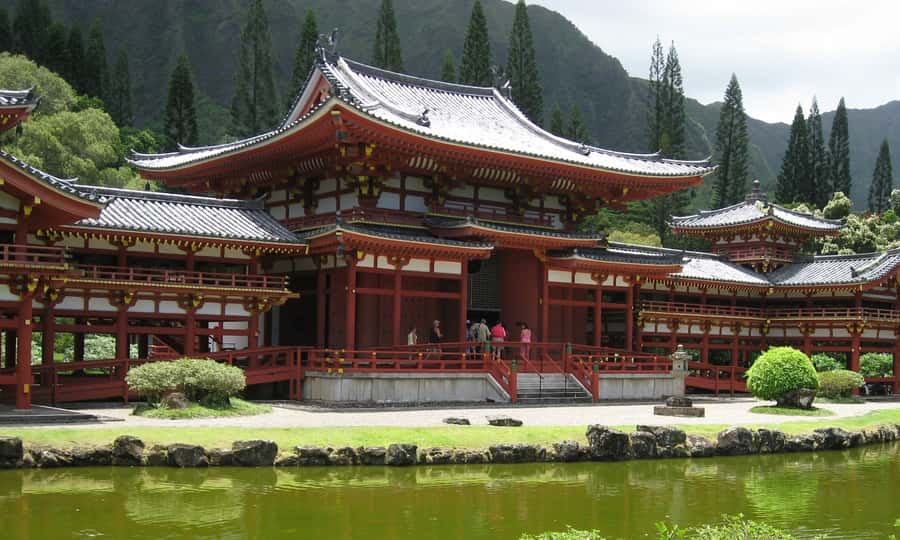
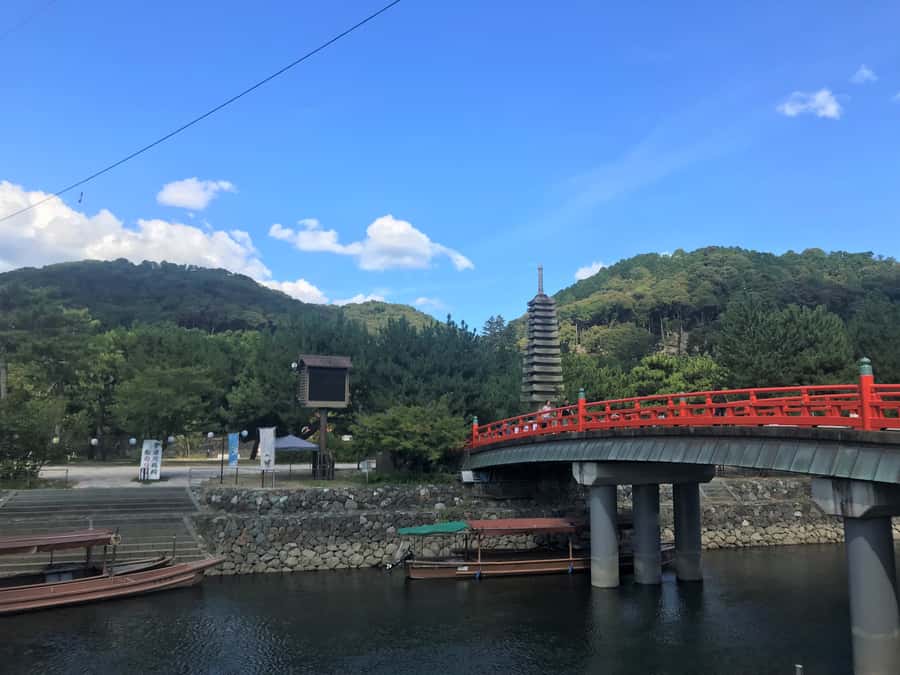
Next comes Byodo-in, another UNESCO World Heritage Site and one of the big reasons to include Uji even if you already plan to visit Kyoto. Admission is included, and you also get access to a museum with a modern presentation style.
The museum is described as focusing on Buddhist spirituality, which helps you read what you are looking at instead of treating the site like a photo stop. Then you connect that context to the Phoenix Hall, where the tour ties together the dots between samurai connections, tea shops, and religion.
The Phoenix Hall is the emotional center of the visit. You see the architecture and symbolism, then the tour explains how Uji’s tea culture fits into the worldview of the people who supported these institutions. It is a nice balancing act: art and faith are not separated from daily life.
One practical note: this is a UNESCO site that attracts attention. The tour format helps you experience it without turning it into a sprint, but you should still keep your eyes open for crowds on peak hours.
Koshoji Temple on the mountain side for quieter Zen time
After the more iconic UNESCO stop, you head to Koshoji Temple, which is described as dramatically hugging the mountains. This is where the tone softens. You are given time to walk through temple grounds and reset your headspace after the structured tea and museum elements.
This part of the tour feels built for people who like a calmer ending. The temple setting encourages quiet, and the tour framing explicitly invites you to get in some Zen. You are not just ticking another site box, you are stepping into the mountain atmosphere that makes Uji feel different from central Kyoto.
If you are traveling during wet weather, this section can still be lovely, but go slowly. Mountain temple paths can get slick, and your energy matters more than your speed.
Price and value: what $111 buys you in Uji
At $111 per person for about 4 hours, this is not a budget add-on. But the price makes more sense when you look at what is included.
You get:
- A live guide
- Byodo-in admission
- Koshoji admission
- Gyokuro green tea experience
- Tea tasting
That is a lot of paid elements bundled into one time slot. Plus, the tea tasting is not just one drink, it is a guided tasting with brewing explanation and a hands-on element with the ponzu leaf snack.
Food and drink outside the tea experience are not included. That means you may want to plan a small snack strategy before or after the tour. The good news is that Uji is full of tea-related shops once you finish, including the area along the pilgrimage path.
If you are the kind of traveler who likes understanding what you are seeing, this tends to feel like good value. If you only want a simple tea stop and two temples at your own pace, you might be better off building a DIY day trip. But if you want the connections made clearly for you, the guide time is part of the payoff.
Who this Uji tour fits best, and who should skip it
This tour is best for you if you like tea as culture, not just as a souvenir. If you enjoy learning how brewing works, understand temple etiquette, and appreciate how religion and daily life influence each other, you will likely love the flow here.
It also fits well if you want a half-day break from crowded Kyoto. Uji is about 30 minutes by local train from areas like Gion or Kyoto Station. The UNESCO sites are near each other, so the day stays efficient.
Skip it if stairs or mobility issues are a problem. The tour information is direct: it is not recommended for limited mobility, and it is not suitable for mobility impairments. It also says it is not suitable for people with back problems or heart problems. If you fit any of those categories, look for a different Uji plan with step-free access.
Should you book this Uji green tea tour?
Book it if you want a tea experience with context, plus two UNESCO temple visits in a tight 4-hour window. You will get gyokuro tasting, a practical brewing lesson, shrine purification, and a Byodo-in museum stop with the Phoenix Hall story tied together.
Do not book it if you need a low-step, low-walking route. This tour includes stairs and runs in rain or shine.
If you go, pick comfortable shoes and treat it like a calm half-day. Uji rewards slow attention, especially when you learn why the river route, spring water, and mountain temples all connect to the way people made tea for centuries.
FAQ
How long is the Uji Green Tea Tour with Byodoin and Koshoji Temple Visits?
The tour duration is 4 hours.
What does the tour cost?
The price is listed as $111 per person.
Where do I meet the guide?
The start point is the only exit at Keihan Uji Station. There is an escalator that goes all the way up to ground level.
Where does the tour end?
The tour ends back at the meeting point.
Which temples are included?
Byodoin Temple and Koshoji Temple visits are included, and Byodoin and Koshoji entrance fees are part of the tour.
What green tea experience is included?
You get a Japanese gyokuro green tea experience and a tea tasting.
Is food included?
Food and drink outside of the tea experience are not included.
What languages are the tour guides?
The live tour guide is available in English and Spanish.
Does the tour run in bad weather?
The tour takes place rain or shine.
Is the tour suitable for people with mobility issues?
The tour is not recommended for people with limited mobility, and it notes stairs and that it is not suitable for mobility impairments or back problems.
Fresh options around Kyoto
- Kyoto Aquarium Admission Ticket★ 4.7 · 12 reviews
- Kyoto Gion Photoshoot – Private Session | Pro Photographer★ 5.0 · 12 reviews
- Gyoza Cooking Class in Kyoto: Traditional Japanese Dumplings★ 5.0 · 12 reviews
- Kyoto: Guided Food Tour with 12 Dishes & 3 Drinks★ 5.0 · 12 reviews
- Kyoto: Avoid the Crowds at the Hidden Gems of Arashiyama★ 4.9 · 13 reviews
- Kyoto Early Bird English Tour: Gion & Higashiyama(Private opt)★ 5.0 · 13 reviews
- Otsu-e Folk Art Workshop & Local Culture Walk Near Kyoto★ 5.0 · 13 reviews
- Kyoto, Osaka, Nara Full Day tour by Car English speaking Driver★ 3.5 · 13 reviews
Temple & Shrine Tours in Kyoto, compared.
Fushimi Inari, Kinkakuji, Bamboo Grove 1 Day Bus Tour
Read our review →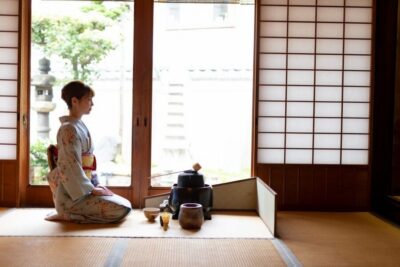
Fushimi Inari Hidden Hiking Tour (Private Option Available)
Read our review →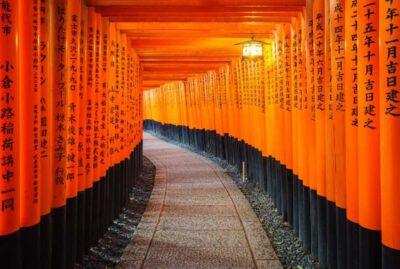
Osaka/Kyoto:Kinkakuji,Arashiyama,FushimiInariShrine,NaraPark
Read our review →
Kyoto/Osaka: Nara, Fushimi Inari Taisha, Arashiyama Bus Tour
Read our review →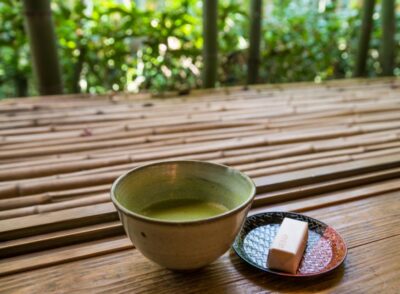
Arashiyama Bamboo, Temple, Monkeys, or Secret Sake Brewery
Read our review →
Arashiyama Bamboo Forest, Monkeys, Matcha & Temple Tour
Read our review →
Osaka/Kyoto: Arashiyama, Nara & Fushimi Inari Shrine w/Lunch
Read our review →Browse the lists this tour appears in